17 Christmas Traditions That Cost Almost Nothing (And Are the Ones Kids Remember)
Some links may be affiliate links. We may earn a commission at no extra cost to you. View our full disclosure.
Ask any adult about their favorite childhood Christmas memory and watch what happens. Almost nobody names a present. They name the drive to see lights in pajamas, the specific cookie that only existed in December, the way dad read the same story every single Christmas Eve in the same chair. The gifts blur together across the years. The rituals never do.
That’s the quiet good news for every family holiday budget: the part of Christmas that kids carry into adulthood is largely the part that costs almost nothing. The expensive part is real too, and nobody’s pretending the gift list disappears. But the memory-making layer, the one that actually becomes childhood, is nearly free, and it’s the one layer money can’t upgrade.
So here are 17 traditions that cost somewhere between nothing and a few dollars, counted down to the one that compounds into something genuinely priceless. Start any of them this year and they’re “what our family does” by next year. That’s the entire recipe, and it was never on the receipt.
17. The Lights Drive
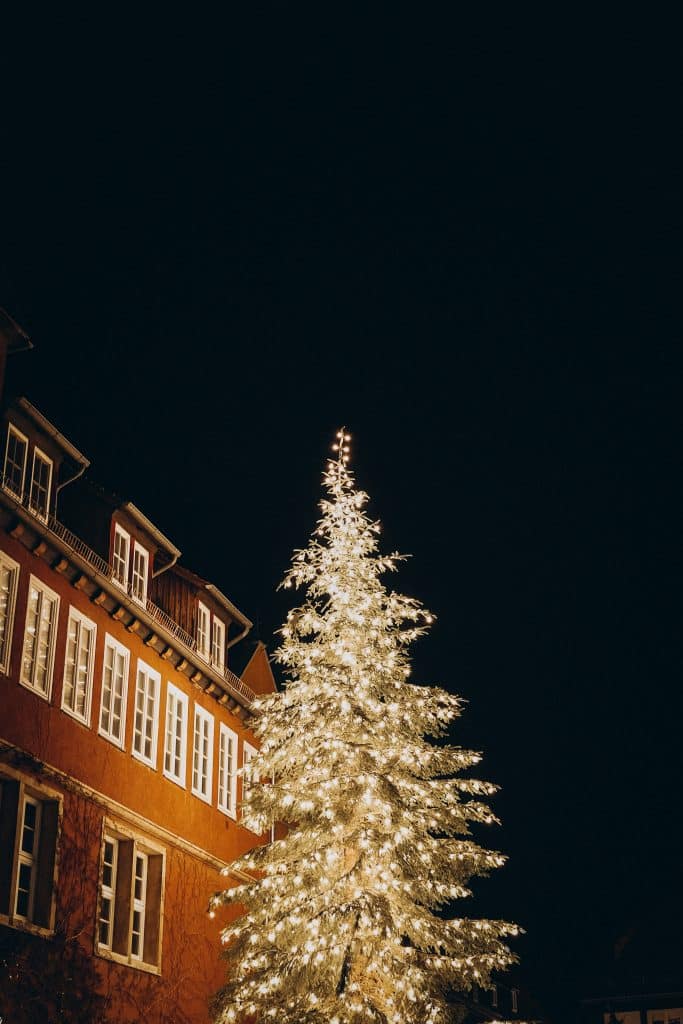
Pajamas, the same thermos of cocoa, and a slow loop through the neighborhoods that go all out. The show is free, funded entirely by that one house with the synchronized display and an electric bill you don’t have to think about.
The tradition-making details cost nothing: same night each year, same route finale, kids vote on the winner. The voting is the part they’ll argue about lovingly for thirty years.
Quick Facts
- What it costs: a little gas and some cocoa
- Why kids remember it: pajamas in the car feels like breaking the rules
- How to start it: pick the night, declare it annual, done
16. Hot Cocoa Movie Night
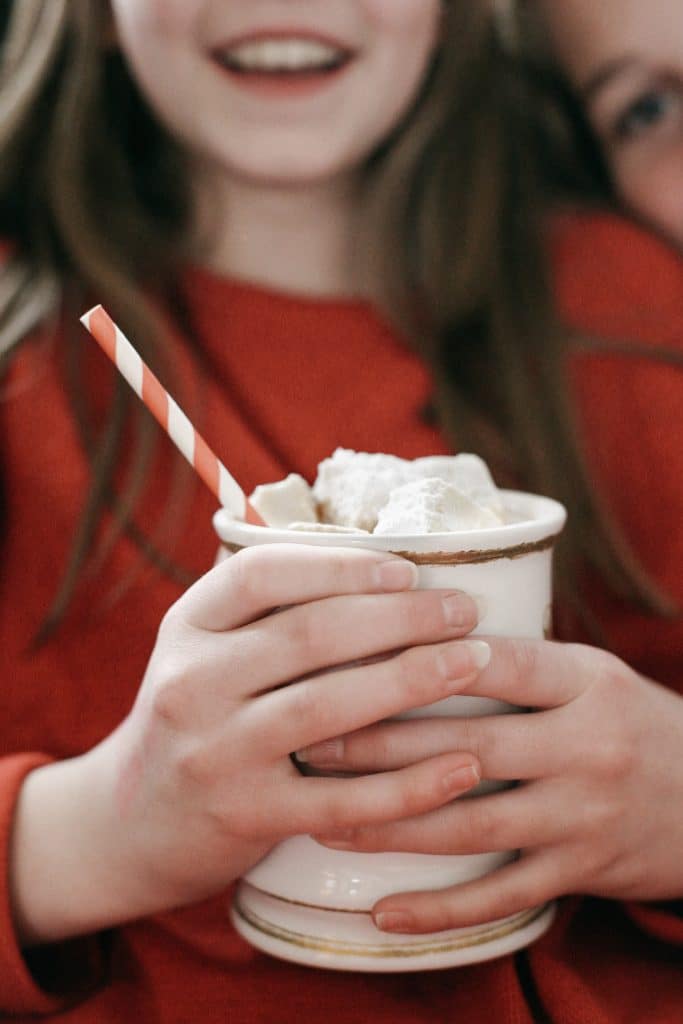
One December night that’s officially The Movie Night: the same film every year, the good blankets, cocoa with the works, phones in a basket. The specificity is the tradition, it has to be the same movie, argued about and defended, forever.
The whole production runs a few dollars of cocoa and popcorn. The licensing fee for the memory is zero.
Quick Facts
- What it costs: cocoa, popcorn, a movie you already have
- Why kids remember it: sameness, on purpose, every year
- How to start it: announce this year’s viewing is the first annual
15. Baking Day
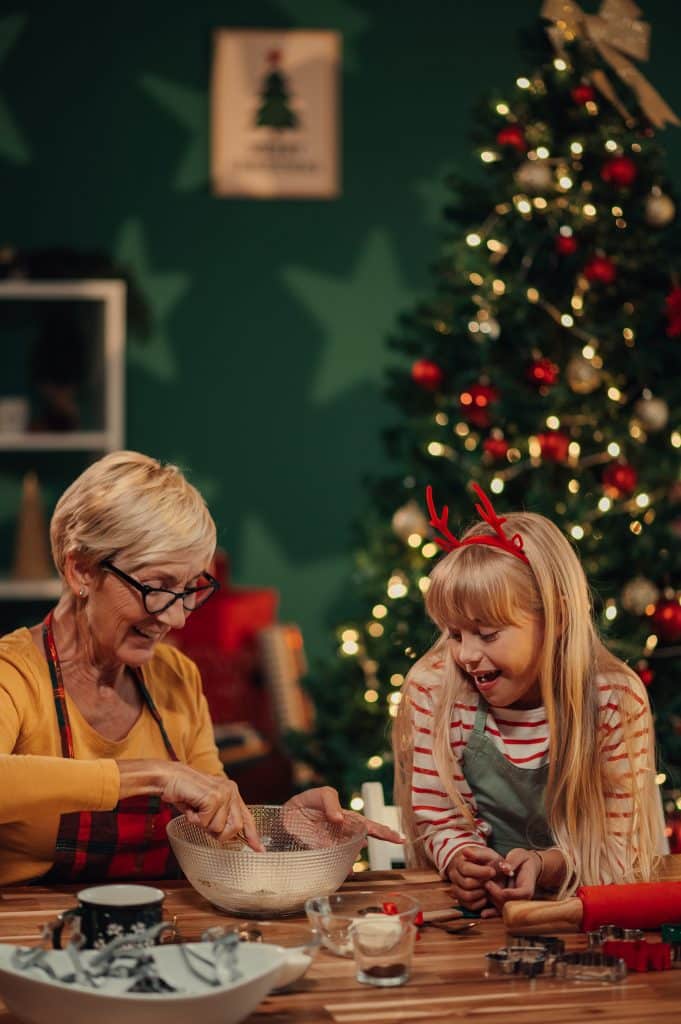
One designated day, flour everywhere, the recipe that only appears in December. Kids remember baking day with grandma-level intensity because it’s sensory: the smell, the sneaked dough, the terrible beautiful frosting jobs that got photographed anyway.
A batch of homemade cookies costs a few dollars in ingredients, and the plates it fills handle two other traditions further down this list. Efficiency, wearing an apron.
Quick Facts
- What it costs: a few dollars of flour, sugar, and chaos tolerance
- Why kids remember it: it’s the most hands-on day of the season
- How to start it: one recipe, declared sacred, repeated annually
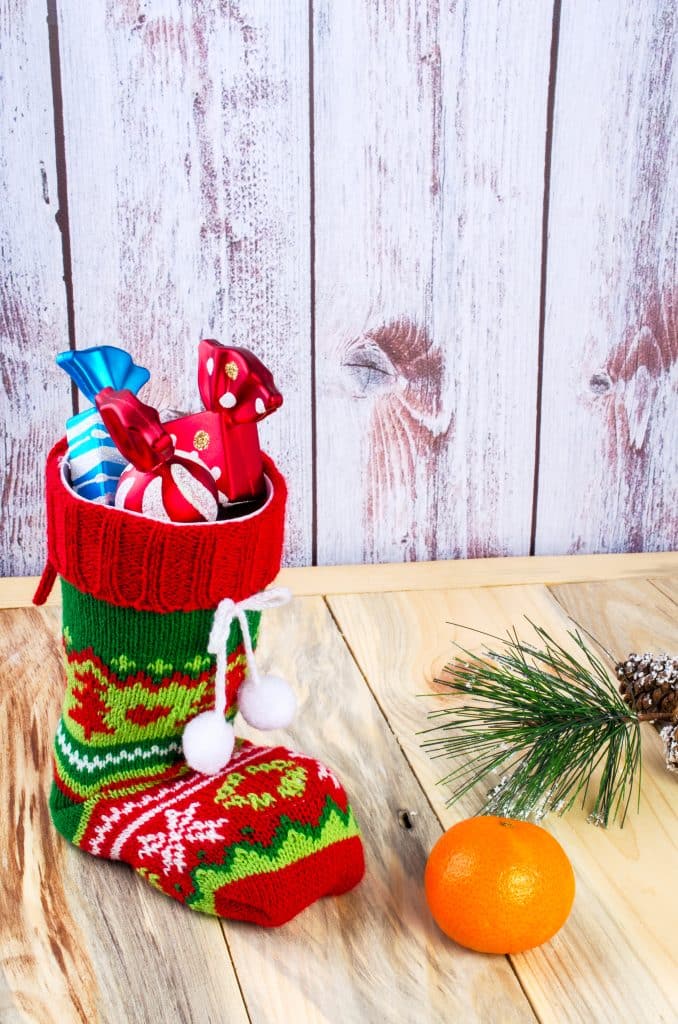
14. The Orange in the Stocking
The tradition with a history lesson inside: the orange in the stocking toe goes back generations, treasured through the Depression years when citrus in winter was a genuine luxury, and connected to older stories of St. Nicholas and gifts of gold.
Cost today: about fifty cents. Value: a built-in annual story about what luxury used to mean, told while a kid holds the exact object their great-grandparents once considered the highlight of the morning. No purchased gift delivers that much history per dollar.
|
You might also like
20 Everyday Things That Used to Be Free (And What They Cost Now) →
|
Quick Facts
- What it costs: one orange
- Why kids remember it: the story arrives with a prop
- How to start it: toe of the stocking, plus the two-minute history
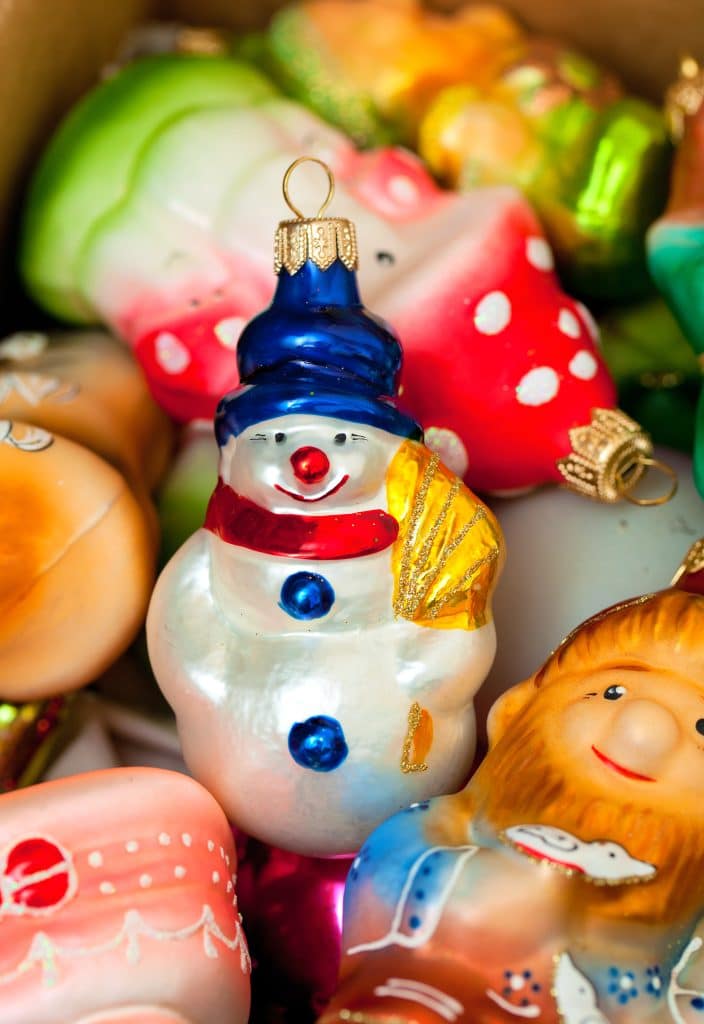
13. The Dated Ornament
One ornament per kid per year, homemade or chosen cheap, with the year written on it somewhere. Salt dough, a photo in a frame ornament, the craft-store special. The rule is only that it’s dated and it’s theirs.
The payoff runs on compound interest: by eighteen, each kid owns a tree’s worth of their own timeline, and decorating becomes an annual archaeology dig. Families that do this eventually hand the collection over as a moving-out gift, at which point everyone cries on schedule.
Quick Facts
- What it costs: a couple dollars, or flour and salt
- Why kids remember it: they’re literally holding their own childhood
- How to start it: this year’s ornament, this year’s date, one per kid
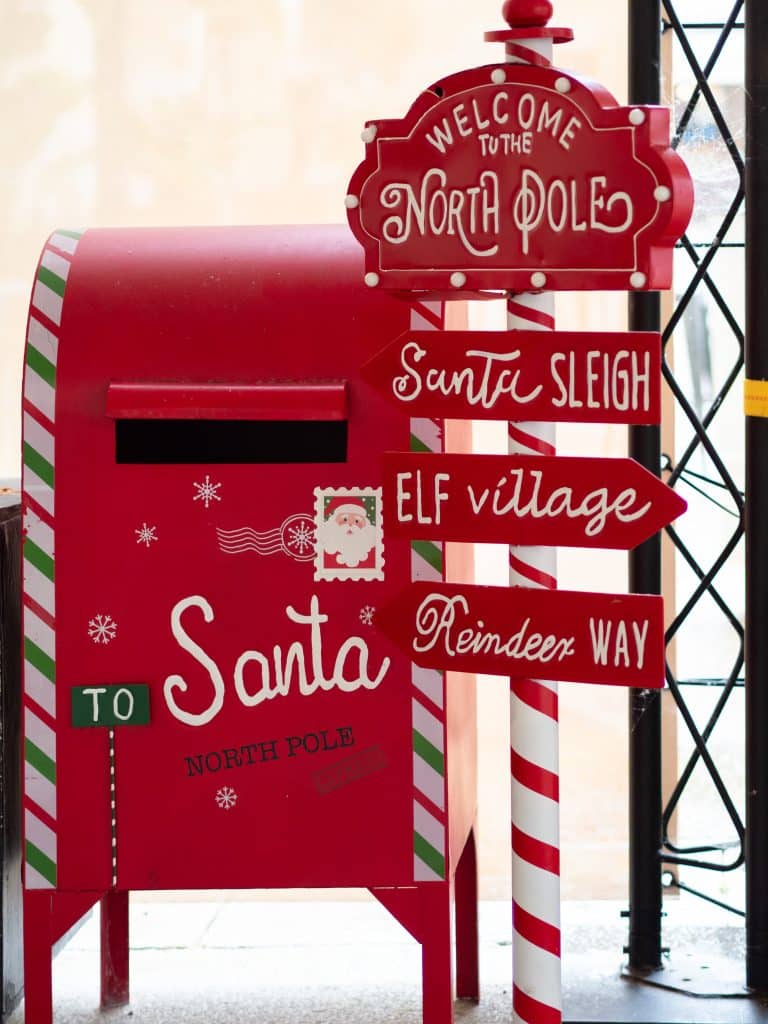
12. Letters to Santa, Kept Forever
The writing is the visible tradition. The keeping is the secret one: every letter saved, dated, and hidden away in the same box, unread by anyone until some far-off year when the box comes out.
The letters cost paper. The box of a childhood’s worth of them, the spelling, the wish lists, the “how are the raindeer”, becomes one of the most valuable objects a family owns, and the kids never see it coming.
Quick Facts
- What it costs: paper and a stamp if you’re committed to the bit
- Why kids remember it: eventually, reading their own tiny handwriting
- How to start it: this year’s letter goes in the box instead of the trash
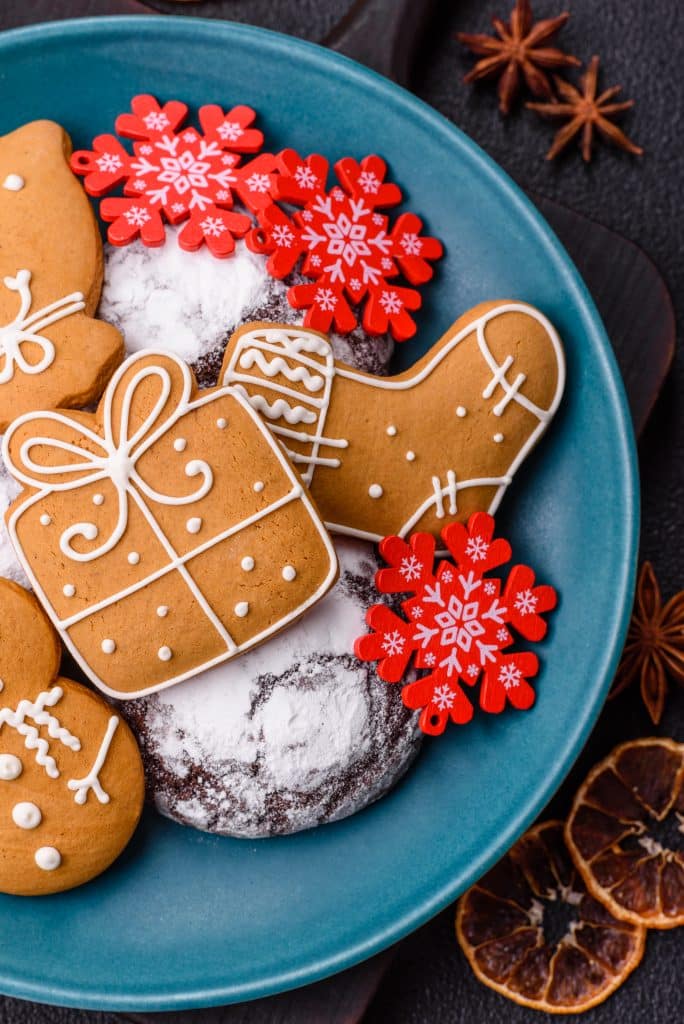
11. Cookie Plates for the Neighbors
The baking-day surplus becomes the delivery route: paper plates, plastic wrap, and kids ringing doorbells to hand neighbors cookies. It’s generosity with a job attached, and kids take the job seriously in a way that surprises everyone.
Cost per plate runs a dollar or two. What it quietly teaches, that the season points outward, is the lesson every expensive gift fails to deliver.
Quick Facts
- What it costs: baking-day leftovers and paper plates
- Why kids remember it: they got to be the giver
- How to start it: four neighbors, one route, same kids every year
10. The Tree Ritual
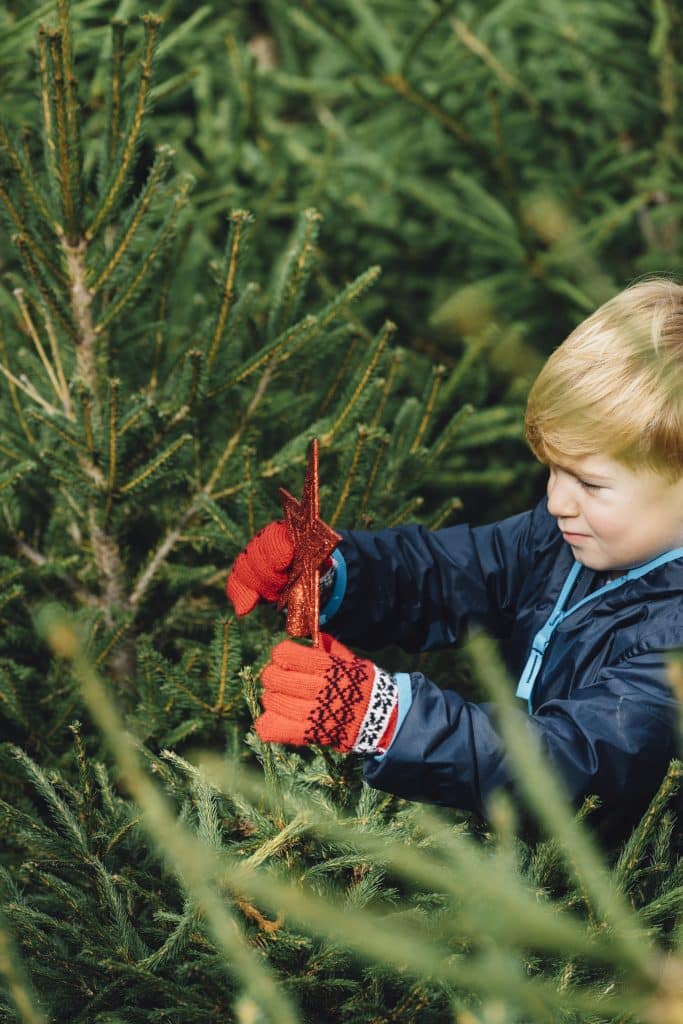
Whether it’s the cut-your-own farm, the corner lot, or the attic box, the tree’s arrival gets ritualized: same day-after-Thanksgiving timing, same argument about size, same cocoa after, same person puts the topper on.
The tree costs what it costs either way. The ritual around it is the free upgrade, and it’s the ritual, not the tree, that shows up in the memories.
Quick Facts
- What it costs: nothing beyond the tree you were buying anyway
- Why kids remember it: the ceremony makes the season official
- How to start it: assign the jobs, keep the assignments forever
9. Paper Chain Countdown
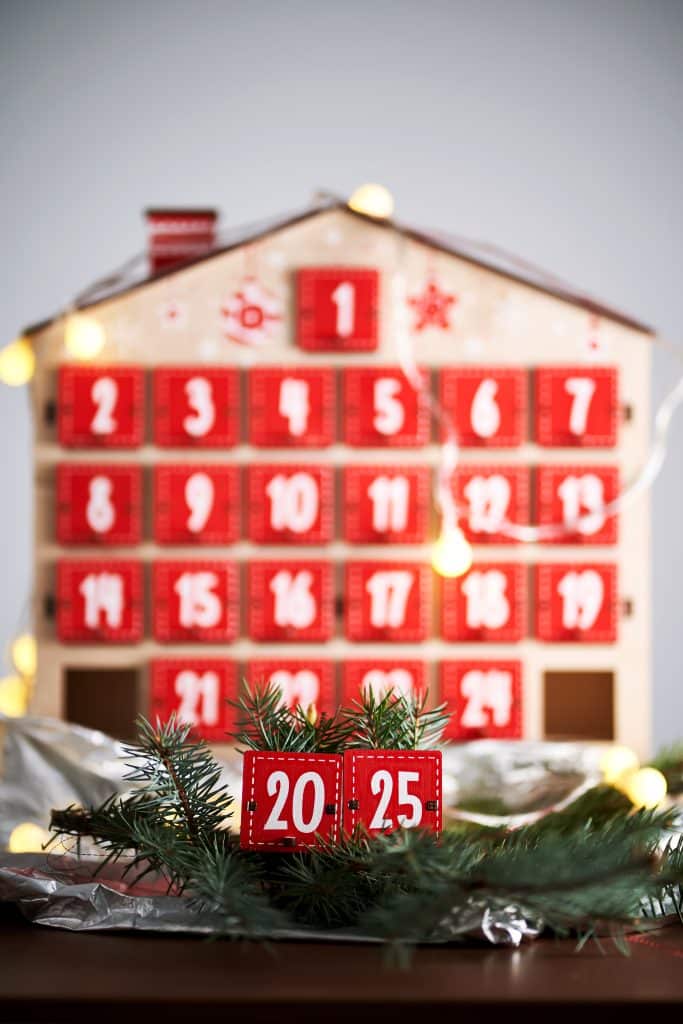
The analog advent calendar: a construction-paper chain with one link per day, torn off each morning, the chain shrinking as the excitement grows. Older versions write a tiny activity or joke inside each link.
| Keep Reading — 18 Signs You're Actually Better With Money Than You Think |
Cost: one pack of construction paper and some glue-stick labor, which is itself a December afternoon handled. The daily tearing becomes a fought-over privilege, which is how you know a tradition has taken.
Quick Facts
- What it costs: construction paper
- Why kids remember it: the daily ritual builds the countdown into their body clock
- How to start it: 24 links, one December 1st, let them fight over turns
8. The Same Story, Every Eve
One book, one reader, one chair, every Christmas Eve, no substitutions. The repetition that would be boring any other night is the entire point on this one: kids can eventually recite it, and reciting it is the tradition graduating.
The book costs a few dollars once, or nothing from the library shelf or the one already owned. Twenty years later, the sight of that cover does more than any gift from the same era. That’s not sentiment. That’s just how memory works, and it’s free.
Quick Facts
- What it costs: one book, one time
- Why kids remember it: the same words in the same voice, compounding
- How to start it: pick the book this year and never waver again

7. The Family Gift
One present addressed to the whole household: a board game, a puzzle, a movie. It gets opened first or last by permanent rule, and then it gets used that same day, together, which no individual gift ever guarantees.
Cost: one modest gift replacing part of several. The design is sneaky: it’s a present that purchases an afternoon of the family actually playing together, which was the thing the whole pile was supposed to deliver.
Quick Facts
- What it costs: $15 to $25, subtracted from the pile, not added
- Why kids remember it: it comes with everyone’s attention included
- How to start it: one box, addressed to the family, opened by rule

6. Giving Together
One December act of generosity the kids execute themselves: picking the toy for the donation drive, packing the food-bank bag, choosing where the coin-jar total goes. The kids make the choice, the kids do the handing over.
The dollar cost is whatever the family decides, and the tradition works at every amount, because the amount was never the mechanism. Kids who grow up with a giving ritual describe the season differently as adults. That difference costs less than one plastic toy.
Quick Facts
- What it costs: whatever fits, the ritual works at any size
- Why kids remember it: being trusted with the giving
- How to start it: one drive, one bag, kids in charge of the handoff
5. Coupon Books
The homemade gift that refuses to die because it keeps being the one that works: hand-drawn coupons for one breakfast in bed, one chore takeover, one “I’ll play whatever you want for an hour.” Kids make them for parents, parents make them for kids, and the redemptions carry the tradition through the whole year.
Cost: paper and sincerity. Redemption rate: embarrassingly high on “one hour of whatever you want,” which is the coupon everyone secretly wanted anyway.
Quick Facts
|
Money Stuff
31 Money "Mistakes" Experts Say You Should Stop Feeling Guilty About
|
- What it costs: paper, staples, promises
- Why kids remember it: the redeeming stretches Christmas into July
- How to start it: three coupons each, honored without negotiation

4. The Same-Spot Photo
One photo, same location, same arrangement, every year: the staircase, the front door, in front of the tree. Individually it’s just a picture. As a series, it becomes the single most requested family artifact ever assembled, the kids growing frame by frame against the same background.
Cost: zero. The discipline is the whole investment, and the payoff compounds annually forever. Families twenty photos deep guard the series like a heirloom, because that’s exactly what it became.
Quick Facts
- What it costs: nothing but remembering
- Why kids remember it: eventually they’re watching themselves grow up
- How to start it: pick the spot this year, defend it for decades
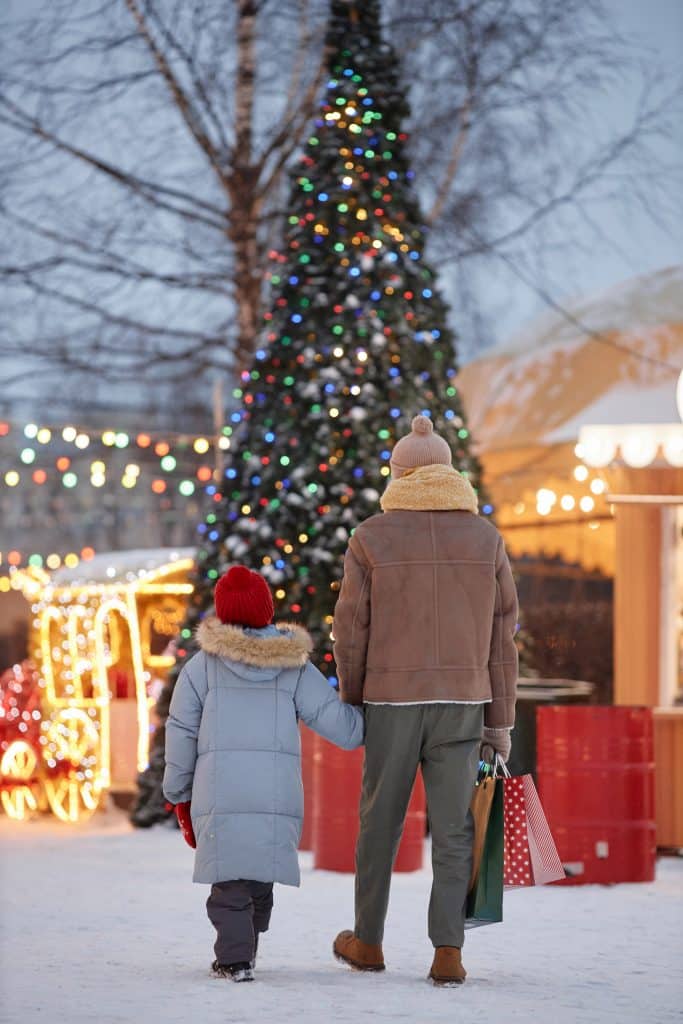
3. The Christmas Eve Walk
After dinner, before bed, the whole family walks the neighborhood: lights on, streets quiet, kids in coats over pajamas, the specific hush of the night before. Ten blocks, no phones, the same loop every year.
It costs nothing and solves everything: burns the pre-bed energy, creates the transition the night needs, and stamps a sensory memory, cold air, quiet streets, everyone together, that adults describe decades later in unusual detail. The cheapest tradition on the list, and for many families, the one nobody will ever agree to skip.
Quick Facts
- What it costs: nothing
- Why kids remember it: the quiet makes it feel sacred
- How to start it: tonight’s the first annual, coats over pajamas mandatory

2. The Story Hour
Sometime in the season, the old photos come out and the older generations tell the stories: the year the tree fell over, the Christmas in the tiny apartment, what grandma’s kitchen smelled like, who burned what. Kids hear their family’s history the only way kids ever really absorb it, as entertainment.
Cost: nothing. And a gentle truth learned by every family that waited too long: the stories are the one item on this list with a deadline. Recording a few on a phone, casually, mid-laughter, is the free tradition future generations will call the most valuable thing anyone ever did.
Quick Facts
- What it costs: nothing, plus maybe a phone on record
- Why kids remember it: it’s where they learn who their family is
- How to start it: one photo album on the couch does it automatically
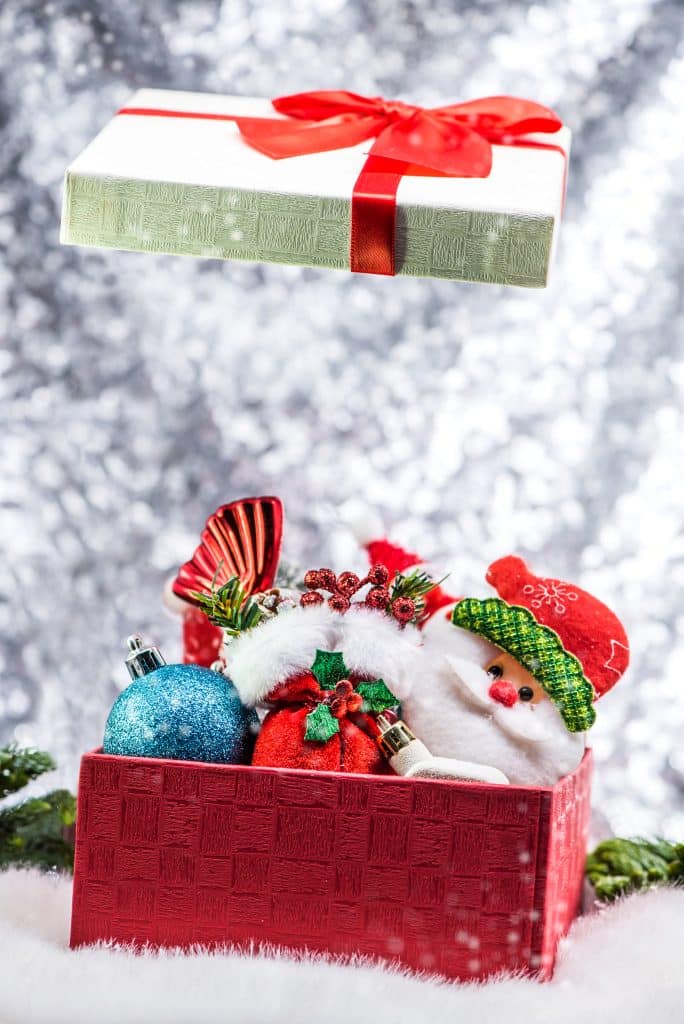
1. The Box You Add to Every Year
The crown, because it’s where half this list ends up living: one box, added to annually and opened annually, holding the dated ornaments, the kept Santa letters, the same-spot photos, a written note about the year, maybe the recipe card and the coupon books that got saved. Every tradition above feeds it. The box is the compounding account they all pay into.
The cost is a storage bin and the habit. The value curve is the entire point of this article drawn in cardboard: nearly worthless in year one, pleasant by year five, and by year twenty the single most carefully moved object in every house change, the thing family members will someday quietly negotiate over. Christmas budgets get argued about every year, and fairly. But the part of Christmas that appreciates, the only part that compounds, was never in the budget at all. It’s in the box. Start the box.
Quick Facts
- What it costs: one bin and an annual habit
- Why kids remember it: it’s their childhood, in physical form, opened yearly
- How to start it: this year’s letter, ornament, and photo are the first deposit
Before You Go
None of this argues against the presents. Kids love presents, presents are wonderful, and the gift budget is its own conversation this site covers elsewhere. The argument is smaller and happier: the memory layer of the season, the one that actually lasts, was never for sale, so a family can build it lavishly at any budget, in any year, starting this one.
For the money side of the season on this site, our best-time-to-buy calendar covers the December 26th stock-up strategy, the grandparents article covers the Christmas Club approach that pre-pays the holidays, and the bills ranking frees the monthly room the season needs. Fund the presents wisely. Build the traditions freely. The kids, decades from now, will have their own opinion on which mattered, and every adult reading this already knows what it will be.