27 Black Friday Traps Smart Shoppers Refuse to Fall For
Some links may be affiliate links. We may earn a commission at no extra cost to you. View our full disclosure.
The parking lot fills up before sunrise. The doorbuster line wraps around the building. Somewhere in that crowd is a shopper who’s about to save real money, and about a dozen people standing near them who are about to lose it.
That’s the thing nobody tells you about the biggest shopping day of the year. The deals are real. The traps built around the deals are just as real, and they’re usually better designed than the deals themselves.
I’ve watched this cycle play out for almost three decades now, first as a shopper and later as someone who studies how retailers structure a sale. The traps haven’t changed much. Only the wrapping has.
So here are 27 of them, counted down from the sneakiest to the one that costs shoppers the most money every single year. Some of these are obvious once you see them written out. A few will probably annoy you, because you’ve fallen for at least one before.
Smart shoppers aren’t the ones who skip the sales. They’re the ones who know exactly which traps are waiting and walk around them on purpose.
27. Believing “Black Friday” Is Still Just One Day
The name is basically a marketing fossil at this point. Sales now start in early November and roll straight through Cyber Monday and beyond.
That stretched-out window is exactly the trap. Shoppers rush to buy on the actual Friday because they think the window is small, when the same or a better price often shows up two weeks later.
The Math: Rushing to beat a deadline that doesn’t really exist is how a lot of unnecessary spending gets justified.
26. The Inflated “Was” Price
A sign that says “was $199, now $99” only means something if $199 was ever the real, sustained price. A lot of the time, it wasn’t.
Some retailers quietly raise a price for a short window before the sale so the discount looks bigger than it is. It’s a well documented tactic, not a conspiracy theory.
Checking a price history tool before buying anything expensive turns this from a guessing game into a quick fact check. It takes under a minute.

25. Doorbuster Bait
Doorbuster items are almost never the product most shoppers walk out with. They exist to get people through the door and past a wall of full-priced merchandise on the way to the checkout.
Retailers often stock a handful of the actual doorbuster item, sometimes just a few units per store. The odds of getting it are low.
If the only reason you’re in the store is that one item, it’s worth asking what you’ll actually buy once it’s gone.

24. The “Made for Black Friday” Model
Certain electronics and appliances are manufactured specifically to sell on this weekend. They carry a name and model number that never shows up in a store the rest of the year.
That matters because it means there’s no earlier price to compare against. The “80% off” math is invented from scratch by whoever set the original price.
Worth Remembering: A model number search before buying takes thirty seconds and tells you whether the item existed before this week at all.

23. Price-Match Policies That Take the Day Off
Plenty of retailers advertise a price-match guarantee year round. Read the fine print during the holiday sale window and it often has an exclusion for this exact weekend.
That’s not an accident. It’s the one time of year the guarantee could actually cost the store money, so it quietly steps aside.
Checking the exclusion list before you count on a price match saves an argument at customer service later.

22. “Lowest Prices of the Year” (For Some Things)
This phrase is technically true for a smaller list of categories than shoppers assume. Electronics, toys, and some kitchen gadgets genuinely do hit yearly lows this weekend.
Mattresses, furniture, and big appliances usually don’t. Those categories have their own separate sale calendar, and this weekend rarely beats it.
The phrase gets applied to the whole store anyway, which is where the confusion starts.
21. The Padded Bundle
Bundles look like a bonus. Buy the camera, get the case and memory card thrown in for one combined price that sounds like a steal.
Run the math on each piece separately and the “free” accessories are frequently priced right into the bundle. You paid full price for all three, it just got dressed up as a gift.
|
Worth It or Not
19 Things Smart Shoppers Always Buy Secondhand
|
Net Effect: Add up the individual list prices before assuming a bundle is actually cheaper than buying the one thing you wanted, the same math that applies to a lot of household items smart shoppers stopped buying once they ran the numbers.

20. The Extended Warranty Push at Peak Chaos
Checkout lines are long, the cashier is moving fast, and that’s exactly when the extended warranty pitch shows up. It’s timed for a moment when you’re least likely to think it through.
Most of these plans carry a high markup relative to how often they actually get used. Manufacturer warranties and certain credit cards already cover a chunk of what the extra plan claims to.
A genuinely fragile item, like a laptop a teenager will be hauling around daily, is one of the rare cases where the add-on plan can be worth a second look. Most other purchases don’t need it.
19. Pay-Later Buttons Everywhere
Split-it-into-four-payments buttons show up next to nearly every price this weekend. They make a $400 purchase feel like a $100 one.
The math on the item hasn’t changed. Only the way it’s presented has, and that presentation is designed to lower the mental resistance to buying it.
Stacking two or three of these plans across different purchases in the same weekend is how people end up with payments due in January that quietly outsize what they think they spent, the same effect behind a lot of the quiet monthly bill cuts people scramble to make right after the holidays.
18. Promo Gift Cards With Homework
“Spend $100, get a $20 gift card” sounds like free money attached to a purchase you were already making. Read the terms and there’s usually a redemption window measured in days.
Miss that window, which plenty of people do around a busy holiday, and the card expires unused. Retailers know the breakage rate on these is high.
The Upshot: A promo card is only worth factoring into your decision if you actually put a reminder on the calendar to redeem it.

17. The Countdown Clock
A ticking timer on a product page is one of the oldest tricks in online retail. It exists to manufacture urgency where none actually exists.
Refresh the page later, or check it from a different browser, and the same “expiring” clock has often quietly reset. That’s not always the case, but it’s common enough to be worth testing.
Closing the tab and coming back in twenty minutes is a simple test, and it’s one of the small habits people good with money have that everyone else skips.
16. The Crowd Is Part of the Machine
Long lines and packed aisles create their own kind of pressure. When everyone around you is grabbing something, it starts to feel like you should be too.
That’s social proof doing exactly what it’s designed to do. It has nothing to do with whether the item is actually a good deal.
A crowded store is information about how effective the marketing was, not information about the price.

15. Old Stock in New Signage
Some of what’s on the sale floor is simply last season’s inventory the store needed to clear anyway. A fresh yellow sign doesn’t mean a freshly discounted price.
That’s not necessarily a bad thing to buy. Clearance stock can be a genuinely good deal, it’s just not the same thing as a special one-day price cut.
Where This Lands: Knowing the difference between clearance and a real event-day discount changes how much urgency the purchase actually deserves.

14. The Return Window Fine Print
A lot of stores tighten their return window specifically for holiday-sale purchases. The standard 90 days can quietly shrink to 30, or come with a restocking fee that doesn’t normally apply.
That’s easy to miss when you’re checking out fast. It only becomes a problem in January, when the item doesn’t fit or the gift already exists in the house.
Reading the receipt or confirmation email for the return policy takes a minute and can be researched in before the regret sets in.

13. Deferred Interest “0% Financing”
“No interest for 12 months” sounds like a straightforward deal. On a lot of these plans, it’s deferred interest, not waived interest, which is a very different structure.
Miss the payoff date by even a few days and the interest can be charged retroactively on the entire original balance, not just what’s left. That fine print is easy to skip past at checkout.
The Math: These plans genuinely work when the balance is paid off on time. The risk is entirely in what happens if it isn’t.
12. Spending $600 to Save $200
This is the trap that hides inside all the others. A shopper walks in planning to spend $200, sees a stack of “deals,” and walks out having spent $600 while genuinely believing they saved money.
| Keep Reading — 20 Everyday Things That Used to Be Free (And What They Cost Now) |
Every discount felt real in the moment. The total on the receipt is still three times the original plan.
Setting a dollar limit before walking in, and treating it as a hard number rather than a rough idea, is the single most effective defense against this one.

11. The Deal on Something You Didn’t Want
A 70% discount on an air fryer you never asked for is still a purchase you didn’t need. The size of the markdown has a strange way of overriding the original question of whether you wanted it at all.
Discount size and usefulness are two completely separate measurements. Retailers count on shoppers treating them as the same thing.
Before checking out, it’s worth asking whether the item would have made this week’s list at full price. If the answer is no, the discount didn’t change that.
10. The Store Credit Card for an Extra 15% Off
A cashier offers 15% off the whole order for opening a store credit card on the spot. In the moment, that math sounds like free savings.
What gets left out is the hard credit inquiry, a card that usually carries a high interest rate, and one more account to track. The 15% only stays a win if the card gets paid off and then forgotten in a drawer, unused.
This is one of the household money habits worth breaking on purpose rather than falling into during a checkout-line pitch.

9. Treating a Gift Card Like Free Money
Buying a $50 gift card during a promotion feels different from spending $50 in cash, even though it’s the exact same amount leaving your account.
That mental accounting is how gift card purchases quietly grow past what was budgeted for gifts in the first place. The card feels like a bonus rather than a real expense.
Worth Remembering: A gift card is money you already spent, wearing a costume, and it’s one of the questions smart shoppers always ask before buying anything wrapped in a promotion.

8. The Mattress Doorbuster That Isn’t the Year’s Best Price
Mattresses get some of the loudest sale signage of the whole weekend, and it works, because the category is confusing enough that shoppers rarely know what a fair price even looks like.
Mattress pricing runs on its own separate promotional calendar tied to holidays throughout the year, not just this one. The “door-buster” price shown this weekend has frequently already shown up a few months earlier.
Checking a specific model’s price history over the past six months, where it’s available, tends to be more useful than trusting the in-store signage, and it’s the same logic behind ranking big purchases you’re making at the worst possible time.

7. The TV That’ll Be Just as Cheap in January
Televisions genuinely do go on sale this weekend, that part is true. What’s less true is the idea that this is the only window all year to get that price.
The same size and roughly the same specs, sometimes a newer model, tend to show up at a similar or better price around the Super Bowl and again in early summer. TVs, unlike a lot of items on this list, are a category with a genuinely repeating discount pattern.
The urgency around buying a TV this exact weekend is mostly manufactured. The price itself is often the one part that’s real.
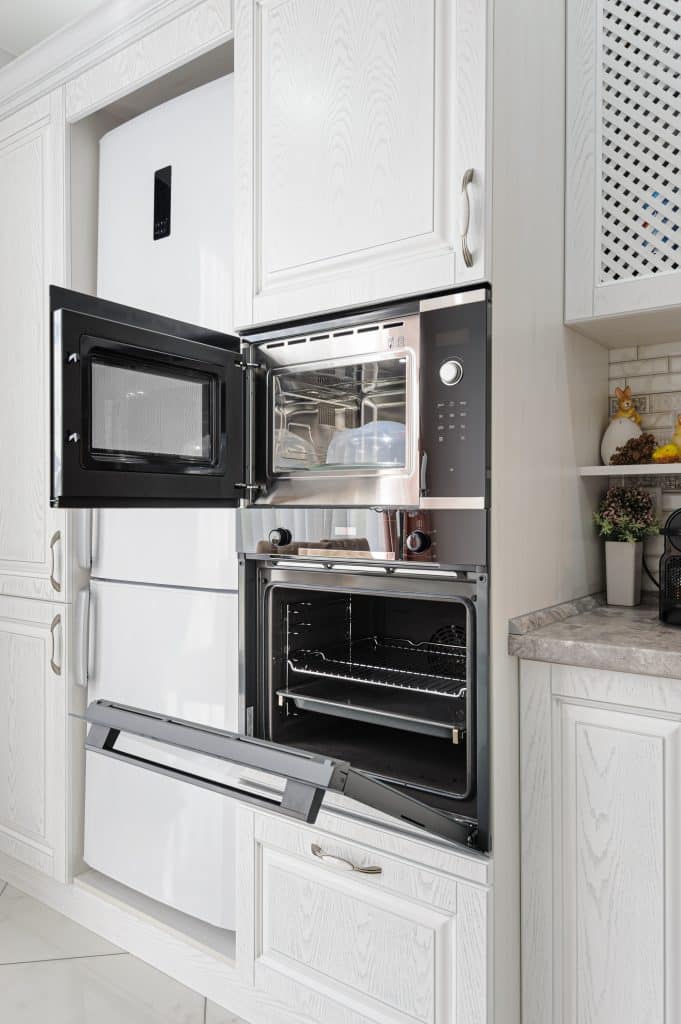
6. The Appliance Bundle That Skips the Off-Season Price Check
Kitchen appliance bundles look efficient, one purchase, one delivery, one discount applied across everything. It genuinely can be a good move if you already needed all of those items.
The trap shows up when the bundle includes something you didn’t need yet, priced in a way that makes the whole package look better than buying just the one appliance separately would have.
Net Effect: Price the single item you actually need on its own first, then compare that number to the bundle before deciding, especially if part of the pitch is that you’re replacing household items way too soon.

5. The Checkout-Line Impulse Extra
Phone cases, charging cables, batteries, small “while you’re here” items placed right at the register. They’re rarely part of anyone’s original shopping list.
Individually they’re cheap enough to feel like they don’t count. Across a full day of holiday shopping, three or four of these per stop adds up faster than it seems.
None of that is a real trap by itself. It’s the volume across a full shopping trip that turns it into one.

4. Chasing the Markdown Rack Instead of the List
Clothing racks with a big percentage-off sign have a gravitational pull. It’s easy to spend twenty minutes there without ever checking whether anything on the rack was actually on the original plan.
A shirt at 50% off is still money spent on a shirt nobody was shopping for. It just happened to be discounted at the moment you walked by.
|
Money Stuff
18 January Money Moves That Set Up Your Whole Year
|
The Upshot: Starting from a written list and only browsing the markdown section for items already on it is one of the plainest “cheapskate” money tricks that actually work.

3. The Beauty “Gift Set” Dressed Up as a Deal
Beauty and skincare gift sets are one of the most common impulse categories over this weekend. A bundled box with a bow feels like it belongs on a holiday list even when nobody asked for it.
A lot of these sets pack in a full size product with a few travel size items that inflate the perceived value on the box. The real per ounce cost is usually higher than buying the same product on its own.
If nobody on the gift list specifically uses that brand or scent, a discounted set they’ll never open isn’t actually a deal.
The Last Set Gut-Check
After numerous examples, the pattern should already be obvious. Almost none of these rely on lying about a price outright. They rely on urgency, framing, and the assumption that shoppers won’t check.
A lot of the traps above also show up in ordinary shopping the other 364 days of the year, they’re just louder and more concentrated this weekend. The same instincts that catch them here work in any month a “normal” expense quietly creeps up.
The last two on this list are the ones that cost the most money overall, because they’re less about a single bad purchase and more about the whole approach to the day.

2. Assuming Every Category Is Cheaper on Black Friday
Here’s the honest complication in a list like this one. Not everything on this weekend is a trap, and treating the whole day with blanket suspicion is its own kind of mistake.
Electronics, certain toys, and some small kitchen gadgets really do tend to hit their lowest price of the year around this exact weekend. That’s supported by pricing patterns retailers themselves have built their entire marketing calendar around.
The mistake isn’t shopping this weekend. It’s shopping it the same way for a television as for a mattress, when the two categories run on completely different pricing logic.
Worth Remembering: A little category-by-category skepticism goes further than either blanket trust or blanket avoidance of the whole day.

1. Buying a Big-Ticket Item Without Checking Its Price History First
Every trap on this list points at the same root problem. Shoppers trust the sign in front of them instead of the actual number behind it.
A price history check is the single habit that defuses almost everything above at once. It catches the inflated “was” price, the made-for-the-day model number, the mattress that was cheaper in July, and the TV that’ll be the same price in February.
It takes about a minute for any item over $100. That minute is worth more than every doorbuster line combined.
None of this is about skipping the sales. It’s about walking in already knowing which numbers are real, which is the actual difference between someone who saves money this weekend and someone who just thinks they did.
That one habit, more than any coupon or app, is what separates a genuinely smart shopper from someone standing in the same line believing the same sign.

What Actually Saves You Money
If none of this sticks beyond today, three habits do most of the work. Check the price history before buying anything expensive. Set a real dollar limit before walking in.
Treat every “was” price, every countdown clock, and every bundle with a little default skepticism.
Everything else on this list is a variation of those three ideas dressed up in different signage.
This weekend is a good time to look at spending patterns more broadly, too. A lot of the same instincts apply to the small money leaks quietly draining a bank account the rest of the year, not just the ones dressed up for a holiday sale.
Some of the traps above show up specifically in categories worth watching year round, including the warehouse club buys that aren’t worth the membership.
A few of the “traps” on this list are really just the flip side of “bad” money habits that turn out to be fine once you actually run the numbers.
If this list changed how you’ll shop this weekend, it’s worth carrying that same instinct into the rest of the year. Plenty of things frugal people refuse to buy follow the exact same logic as the traps above.
So do a lot of the “money rules” that turn out to be myths, just without the holiday signage to give them away.