16 Ways People Make Extra Money During the Holidays
Some links may be affiliate links. We may earn a commission at no extra cost to you. View our full disclosure.
The holidays run on two famous money facts: everything costs more, and everyone’s too busy. What gets less attention is that those two facts are the same job posting. Every dollar of holiday busyness, the shopping, wrapping, decorating, traveling, hosting, is a task somebody will happily pay someone else to handle, and for a few concentrated weeks, the demand outruns the supply everywhere.
That makes November through early January the best seasonal earning window of the year, and not just at the mall. The list below runs from pleasant pocket money to genuinely serious short-season pay, all of it built on the same engine: other people’s December.
Same rules as our main side income ranking: every number is a typical range and not a promise, real opportunities never charge you to start, and money earned is money the tax man eventually meets, so track it. With that said, here are 16 holiday earners, counted down to the one that quietly funds some people’s entire Christmas and then some.

16. Gift Wrapping
The season’s most underrated skill gap: an enormous number of people wrap badly, know it, and will pay $3 to $10 per gift for crisp corners and real bows. Wrappers set up at craft fairs, offer local pickup-and-return batches, or attach the service to other gigs on this list.
The startup is a wrap station from the December 26th clearance haul our calendar article recommends, which means last year’s 80-percent-off paper becomes this year’s inventory. Modest money, pleasant work, holiday movies in the background.
Quick Facts
- Realistic take: $3 to $10 per gift, batches add up
- The window: December 10th through the 24th, intensifying daily
- Startup needs: paper, ribbon, scissors, and corners you’re proud of

15. Craft Fair Season
For the makers from our main ranking, November and December are the entire retail year: holiday markets and church bazaars concentrate a year of gift-buying intent into a few weekends, and sellers routinely report the season outselling the other ten months combined.
The honest math includes booth fees, commonly $25 to $150 per event, which is why veterans pick fairs carefully and price for labor. A good weekend clears a few hundred dollars; a badly chosen fair clears the booth fee. Research the fair’s traffic before renting its table.
Quick Facts
- Realistic take: $100 to $500 per good weekend, minus booth fees
- The window: early November through mid-December
- Startup needs: inventory made ahead, a card reader, honest pricing

14. Holiday Baking Sales
The cookie-box economy is real: decorated sugar cookies, cinnamon rolls, and pie orders command genuine prices in December, with custom cookie boxes running $30 to $60 and holiday pie slots selling out for bakers with any local following.
The must-check first: cottage food laws, which govern selling home-baked goods and vary by state in what’s allowed and how it’s labeled. Where the rules allow it, December turns a stand mixer into a modest production line, and the neighbors’ group chat into a storefront.
Quick Facts
- Realistic take: $200 to $800 for a serious December of orders
- The window: Thanksgiving week through Christmas Eve
- Startup needs: your state’s cottage food rules read first, then ingredients

13. Seasonal Retail
The classic, upgraded by tight labor markets: holiday retail and mall positions run $15 to $22 an hour in many areas, frequently with employee discounts of 20 to 40 percent that arrive precisely when your own gift list is due.
|
Money Stuff
18 January Money Moves That Set Up Your Whole Year
|
The discount is the quiet second paycheck: staff who plan their family’s gifts through it effectively raise their hourly rate. Apply in October, because the good schedules go to the early names.
Quick Facts
- Realistic take: $15 to $22 an hour, plus the discount on your own list
- The window: October hiring for November-December shifts
- Startup needs: an early application and stamina for retail December

12. Warehouse and Delivery Peak
The volume side of the season: warehouses, sort centers, and delivery services staff up massively for peak, often with stated seasonal pay bumps and incentives above their normal rates, commonly landing $18 to $25 an hour with extra-shift availability that rarely runs out.
The honest trade: the work is physical, the shifts are real, and December overtime is the point, not the exception. As a pure earning sprint measured in dollars per available hour, it’s the season’s most reliable heavyweight.
Quick Facts
- Realistic take: $18 to $25 an hour with abundant hours
- The window: November through the early-January returns wave
- Startup needs: application timing and comfortable boots

11. Santa and Character Work
The season’s strangest good gig: experienced Santas earn real money, with mall and event Santas commonly clearing $150 to $500 per event and the busiest professionals earning five figures across a season. Mrs. Claus, elves, and character performers ride the same demand at lower but real rates.
Entry-level versions, neighborhood visits, office parties, photo events, pay $50 to $150 an appearance for anyone with the suit, the laugh, and genuine warmth with kids. The suit is an investment; the bookings, for the good ones, become annual clients forever.
Quick Facts
- Realistic take: $50 to $150 per appearance starting out, far more with experience
- The window: Thanksgiving through Christmas Eve, evenings and weekends
- Startup needs: a quality suit, patience with crying toddlers, background check for venues

10. Holiday Pet Sitting
Pet care’s annual demand spike: everyone travels the same two weeks, boarding fills months ahead, and in-home pet sitters charge holiday premiums of 25 to 50 percent above normal rates, with Christmas-week overnights commonly $60 to $100 a night.
The catch is symmetrical: earning the premium means being home while others travel. For the homebodies of the world, it’s the season’s easiest arbitrage, being paid handsomely for staying put with a golden retriever.
Quick Facts
- Realistic take: $60 to $100 per holiday overnight, booked solid
- The window: the two travel-heavy weeks, reserved by early November
- Startup needs: references, reliability, and no travel plans

9. House Sitting and Plant Watching
The pet-free version of the same spike: empty houses over the holidays need mail brought in, plants watered, driveways to look lived-in, and packages rescued from porches. Rates run $25 to $75 a day depending on duties, often stacked across several nearby houses at once.
The stacking is the play: one neighborhood, four houses, one daily route. It’s the least demanding entry on this list per dollar, built entirely on being the trustworthy person everyone’s glad they know.
Quick Facts
|
You might also like
16 Things Your Parents Rented That Everyone Buys Now (And When the Old Way Was Right) →
|
- Realistic take: $25 to $75 per house per day, stackable
- The window: mid-December through New Year’s
- Startup needs: a reputation, which is free and takes years

8. New Year’s Eve Babysitting
The single highest-rate babysitting night of the year: NYE sitters command $25 to $40 an hour in many markets, double normal rates, because every parent wants the same six hours and the supply is whoever didn’t make plans.
Book it early, take multiple families’ kids together where everyone agrees (and price accordingly), and the one night funds a real chunk of January. Our main ranking called childcare a starving market; December 31st is that market at its hungriest.
Quick Facts
- Realistic take: $150 to $250 for the one night
- The window: one night, booked by mid-December
- Startup needs: references and the willingness to toast at midnight with juice boxes
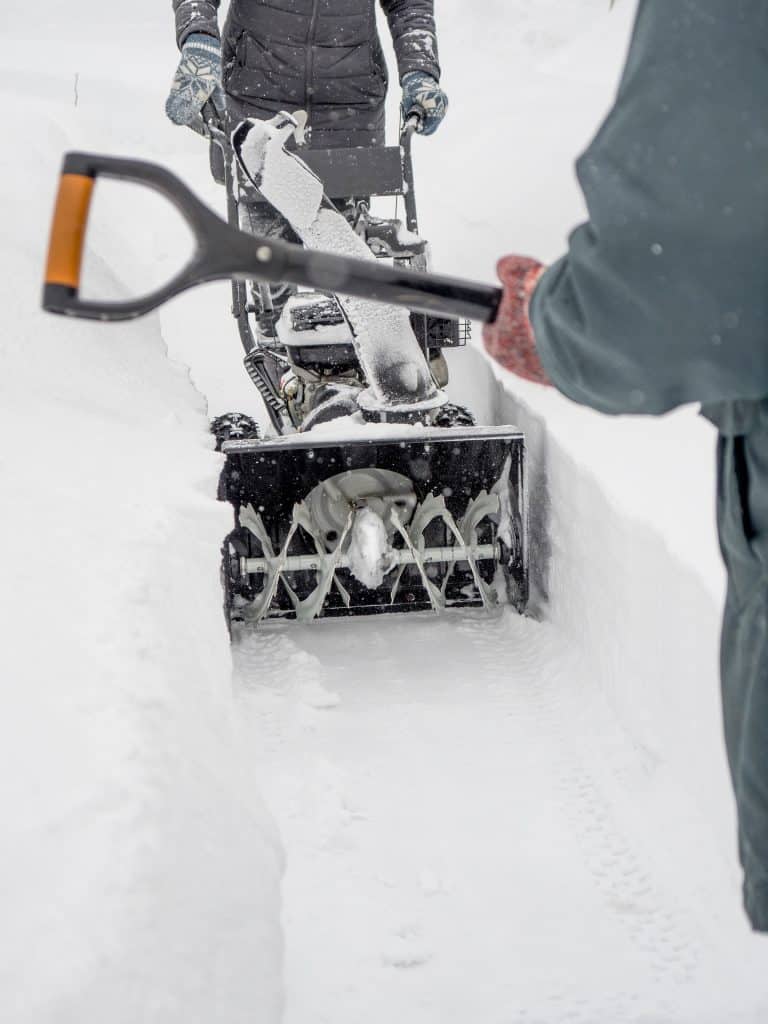
7. Snow Removal
Weather-dependent but potent where it lands: driveway and walkway clearing runs $30 to $75 per property per storm, and a tight route of ten regulars turns each snowfall into a several-hundred-dollar morning.
The route is the asset: recurring clients arranged in advance beat door-knocking mid-blizzard, and seniors and travel-prone households sign up gratefully for the season. The honest variables: your region’s snow luck, your back, and equipment from shovel to blower deciding your speed.
Quick Facts
- Realistic take: $30 to $75 per property per storm, route-dependent
- The window: whenever the sky cooperates, December through February
- Startup needs: a shovel or blower, a pre-built route, and layers

6. Christmas Tree Lot Work
The short intense classic: tree lots run from Thanksgiving to roughly December 20th, need strong hands for netting, trimming, and car-roof tie-downs, and pay $15 to $20 an hour with tips that surprise people, because customers tip the person who tied the tree down properly.
Three weeks, honest outdoor work, pine smell included. Lots hire in early November, and returning workers get first call, which is how a three-week gig becomes a small annual institution.
Quick Facts
- Realistic take: $15 to $20 an hour plus genuinely good tips
- The window: Thanksgiving through December 20th, then it vanishes
- Startup needs: work gloves and showing up in early November

5. Holiday Mini-Session Photography
For anyone with camera skills, November is the year’s demand peak: families want card photos, and mini-sessions, 20 to 30 minutes, a handful of edited shots, run $150 to $350 per family, with photographers stacking six to ten sessions into a single golden-hour weekend day.
The honest bar: real photography and editing skill, gear you already own, and the marketing lift of filling the first season’s calendar. But the format is famously efficient, one location, one afternoon, many families, and repeat clients rebook annually like clockwork.
Quick Facts
- Realistic take: $150 to $350 per mini-session, stacked by the day
- The window: late October through early December for card deadlines
- Startup needs: existing camera skills, a location, and one marketing push
4. Post-Holiday Flipping
The January entry most people miss: the post-holiday weeks flood marketplaces with unwanted gifts, open-box returns, and the December 26th clearance our calendar article maps, all sellable now or held for next season. Flippers buy 70-percent-off decorations in January and sell them at full demand in November, a patient trade with tidy margins.
|
Worth It or Not
17 Things You Can Rent Out That You Already Own
|
The unwanted-gift wave is the immediate version: gift cards sell near face value, duplicate electronics move fast, and the attic-value skills from our selling guide apply directly. The season’s earning window, it turns out, outlives the season.
Quick Facts
- Realistic take: margin-dependent, patient flippers report tidy Januarys
- The window: December 26th through late January
- Startup needs: storage space, marketplace basics, and the calendar article

3. Holiday Decorating Services
The busy-household service tier: putting up trees, garlands, wreaths, and interior decor for families with budgets and no time runs $150 to $500 per home, and the same clients pay again for takedown in January, the appointment everyone dreads most.
The clientele skews busy professionals, seniors, and short-term rentals, and one December of good work generates next year’s bookings by referral. Pair it with the wrapping service and the gig becomes a full holiday concierge, which is exactly what the market keeps asking for.
Quick Facts
- Realistic take: $150 to $500 per home, takedown billed separately
- The window: Thanksgiving through mid-December, then January takedowns
- Startup needs: an eye, a vehicle, and client decorations or a supply kit

2. Holiday Light Installation
The famous money-maker of the season, with honest asterisks: professional light installers charge $300 to $1,500+ per house depending on size and design, established crews book solid from November 1st, and the industry’s economics are real enough that landscaping companies convert to lights every winter.
The asterisks are not small: ladder and roof work carries genuine injury risk and deserves real safety equipment, training, and liability insurance before the first job, which is why this ranks second instead of first for a newcomer. Started safely and modestly, ground-level and single-story jobs, it’s still among the best pay on this list. Respect the ladder or skip the entry.
Quick Facts
- Realistic take: $300 to $1,500+ per house for pros, less starting safely small
- The window: late October through early December, takedowns in January
- Startup needs: safety equipment, insurance, and honest limits about heights

1. Your Existing Skill, at Holiday Demand
The crown, because it’s the highest rate with the shortest startup: whatever you already do well, December multiplies the demand for it. The photographer books mini-sessions, the baker sells cookie boxes, the organized person wraps and decorates, the handy person installs and assembles, the musician plays holiday parties, the tutor preps January exams, and the freelancer from our main ranking finds clients racing year-end deadlines with year-end budgets to spend.
The pattern across every strong entry on this list is the same: the season didn’t create new skills, it created urgency around existing ones, and urgency is what moves rates. So the real assignment is one honest question: what do people already ask you for help with? December is the month they’ll pay for the answer, at the year’s best prices, with next year’s bookings attached. The holidays are expensive. They’re also, for a few concentrated weeks, the easiest money on the calendar. Same season. Your choice which side of it to stand on.
Quick Facts
- Realistic take: your normal rate plus the seasonal premium
- The window: the whole season, whichever weeks your skill peaks
- Startup needs: the skill you already have and one round of telling people

Before You Go
The honest wrap-up: seasonal money is sprint money, best aimed at a named goal, funding the gifts, killing a card balance, banking January’s cushion, so the earning has a finish line the way the season does. And the boring essential one more time: seasonal income is income, so track it and set aside the tax slice, because our free-things article covers money the government owes you, and this is the reverse.
For the rest of the earning system on this site, the main side income ranking covers the year-round versions, the attic-value guide is the zero-skill fast start, and the calendar article turns January’s clearance racks into next November’s inventory. The season only lasts a few weeks. The people who earn from it started in October. Consider this your October.