37 Cheap 90s Dinners Everyone Forgot About
Some links may be affiliate links. We may earn a commission at no extra cost to you. View our full disclosure.
Somewhere in the late 90s, dinner at a lot of houses was a pound of ground beef and whatever was in the pantry. Nobody called it frugal. It was just Tuesday.
Then food delivery apps showed up, and a lot of those dinners quietly fell out of the rotation. The catch is that one delivered meal now often costs what several of these used to, once you add up the delivery fees most people never notice.
This list brings 37 of them back, counted down from the ones that faded quietly to the one that basically ran the decade. Every one was cheap then, and most are still cheap now.
A few come with honest updates, because some ingredients got pricier and at least one dinner here was never worth the fight at the table. Brand names have been swapped for plain descriptions, but you’ll recognize every box and can.
If you grew up in the era of the classic 90s kid’s bedroom, some of these are going to hit hard. Let’s start at 37.
37. Doctored-Up Instant Ramen
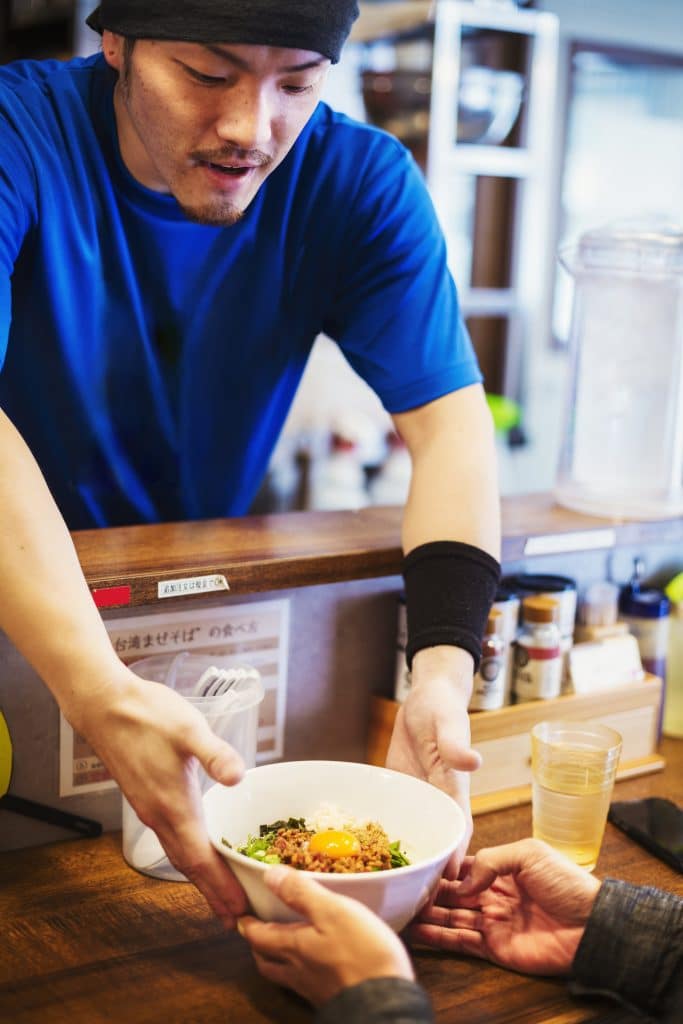
A brick of instant noodles, a scrambled egg dropped in at the end, maybe a handful of frozen peas if somebody was feeling fancy. It counted as dinner in plenty of 90s houses, especially on the nights a parent worked late.
I’ll be straight about this one. It’s about as cheap as dinner gets, but the seasoning packet brings a lot of sodium and not much else, so it works better as an occasional fallback than a weekly plan.
Adding an egg and some vegetables pushes it closer to a real meal for pocket change. On its own, it’s filler.
36. BLTs for Dinner
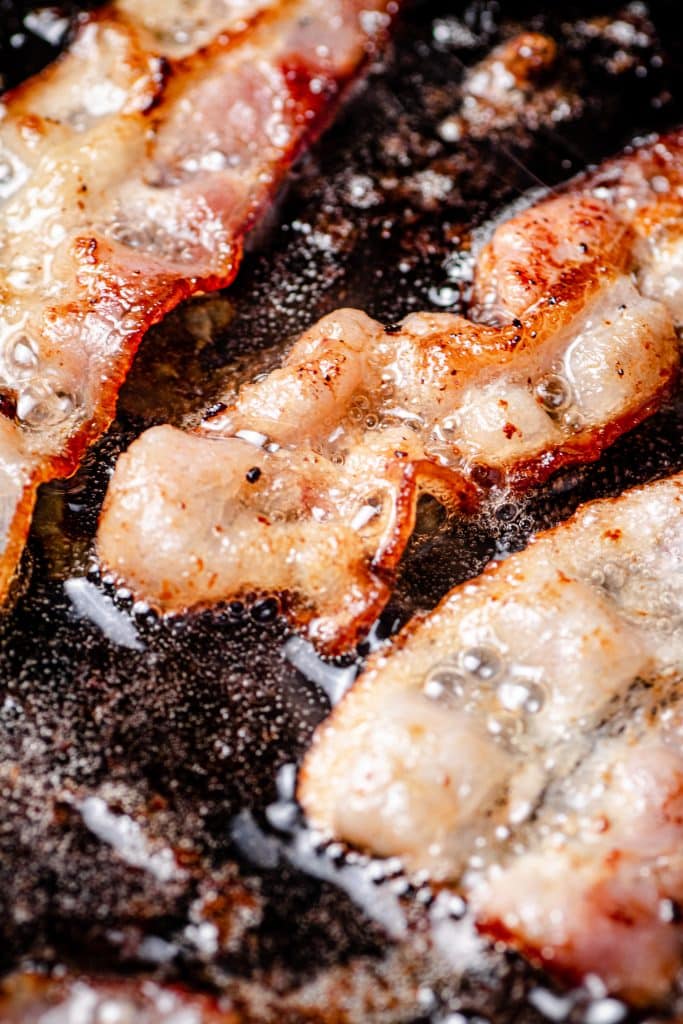
Somebody fried a pound of bacon, somebody else toasted half a loaf of bread, and the whole thing hit the table in about fifteen minutes. Summer tomatoes made it feel like a treat instead of a shortcut.
The leftover grease went into a can by the stove, which earns it a spot among the things frugal grandmothers never threw away. Nothing about this meal got wasted.
Worth remembering: A sandwich night once a week is one of the easiest ways to keep dinner well under the price of a single delivery order.
35. Hot Dogs and Baked Beans
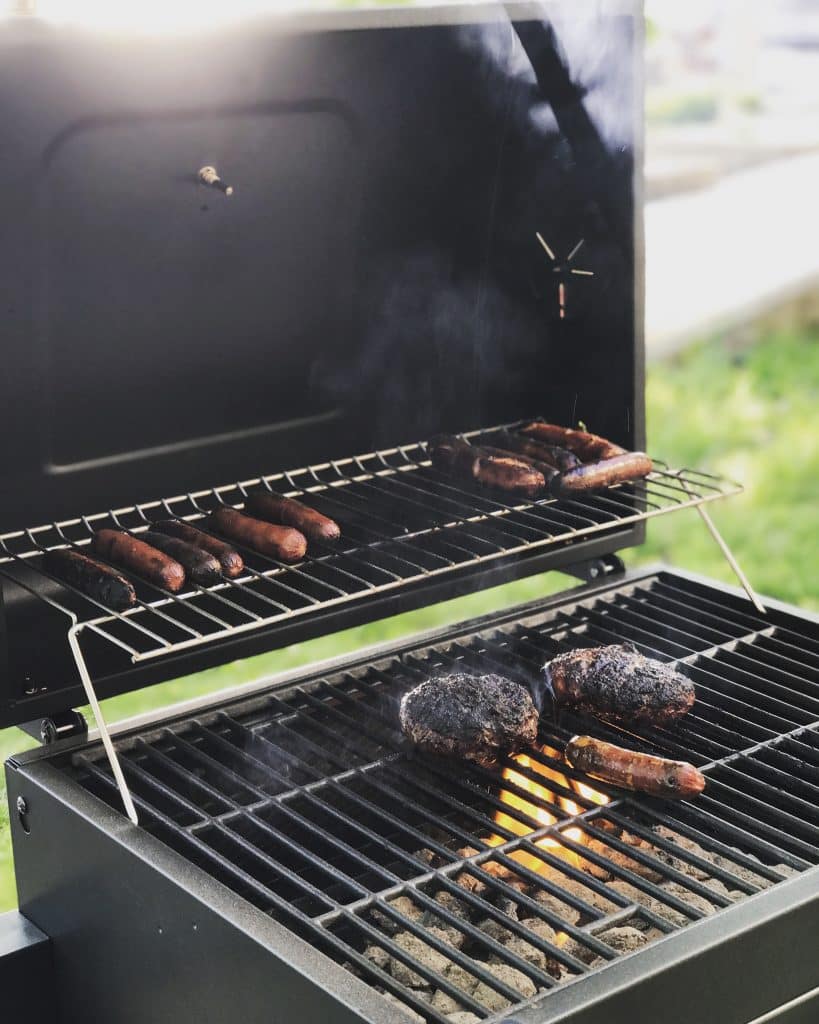
A pack of franks, a can of baked beans, and buns if you were lucky. Some families cut the hot dogs into coins and stirred them right into the beans, which somehow made it a completely different meal.
Nobody pretended this was health food. But it fed a table of kids for roughly what a single fast-food combo runs now.
Cheap, fast, and zero complaints from anyone under twelve.
34. Frozen-Vegetable Stir-Fry
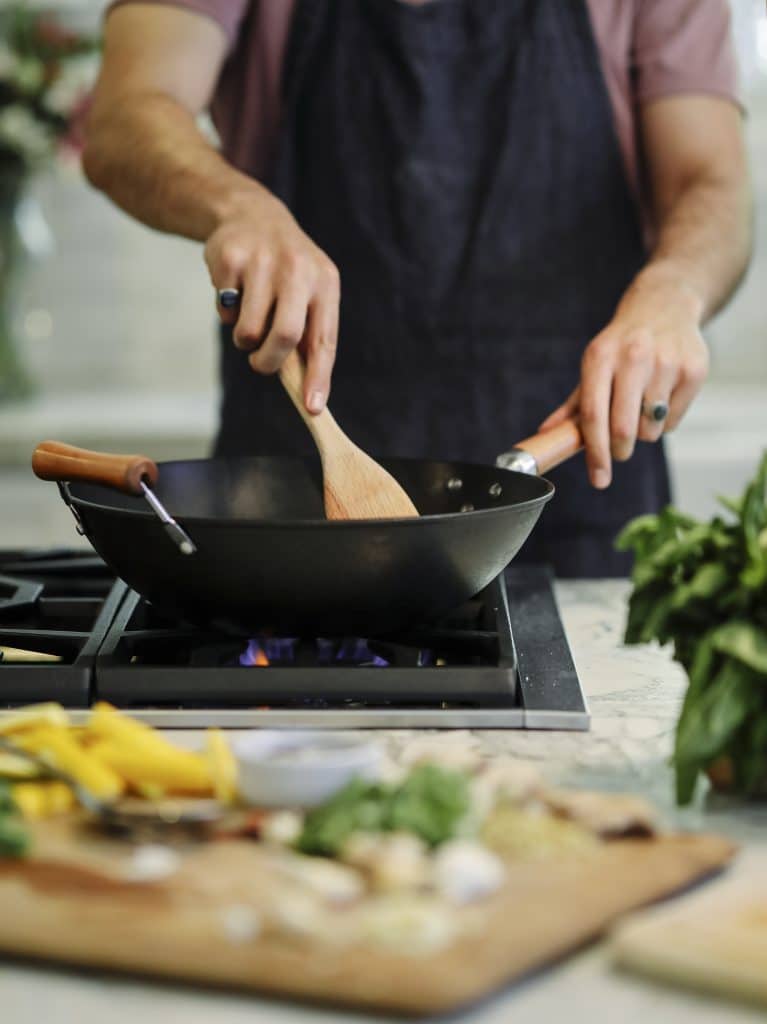
The 90s were when stir-fry went mainstream in regular suburban kitchens, usually built from a bag of frozen mixed vegetables, whatever meat was on sale, and a bottle of soy sauce. It went over rice and nobody asked questions.
The frozen bag is the underrated part. Frozen vegetables often cost less per serving than fresh, and they don’t turn slimy in the crisper drawer before you get to them.
The upshot: This is still one of the cheapest ways to turn a small amount of meat into dinner for four.
33. Baked Ziti
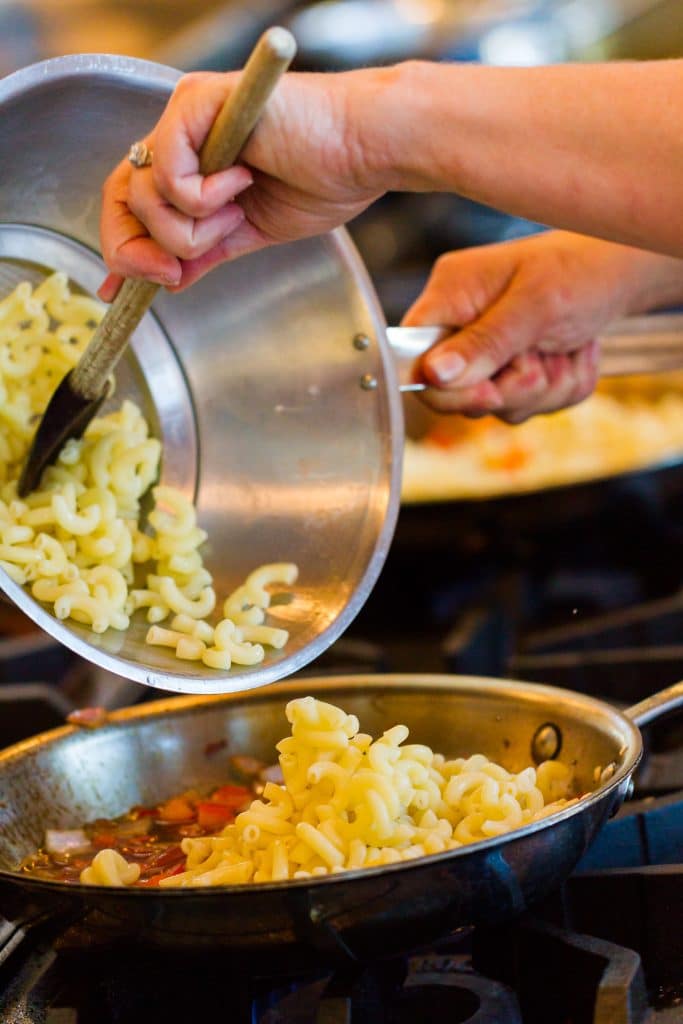
A pound of pasta, a jar of sauce, a tub of ricotta, and a bag of shredded mozzarella. It came out of the oven bubbling and fed everyone twice, because the leftovers were arguably better the next day.
Baked ziti was the dish people brought to new neighbors for a reason. It travels, it reheats, and it costs very little per plate next to what a restaurant charges for the same pan of pasta.
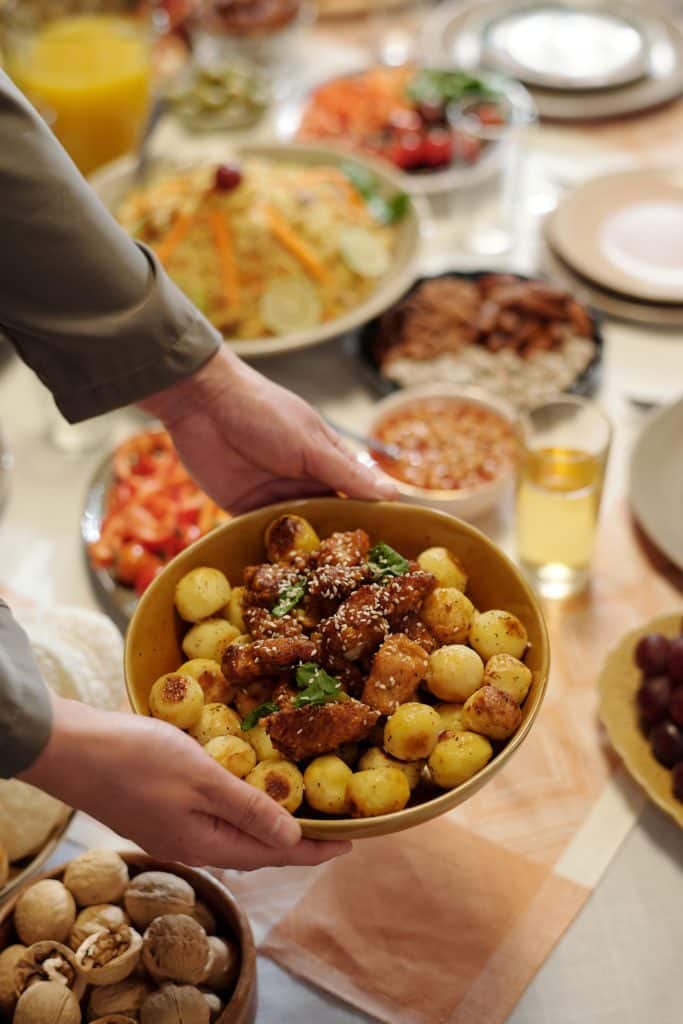
32. Oven-Fried Chicken With a Crumb Coating
The shake-in-a-bag coating mix was a 90s weeknight institution. You dumped the crumbs in a bag, added damp chicken pieces, shook it like you meant it, and baked the whole tray.
Next to a pot of mashed potatoes, it looked like Sunday dinner on a Tuesday budget. Bone-in chicken pieces were, and typically still are, one of the cheaper options in the meat case.
Plain breadcrumbs and a few spices from the cabinet do the same job for a fraction of the boxed price.
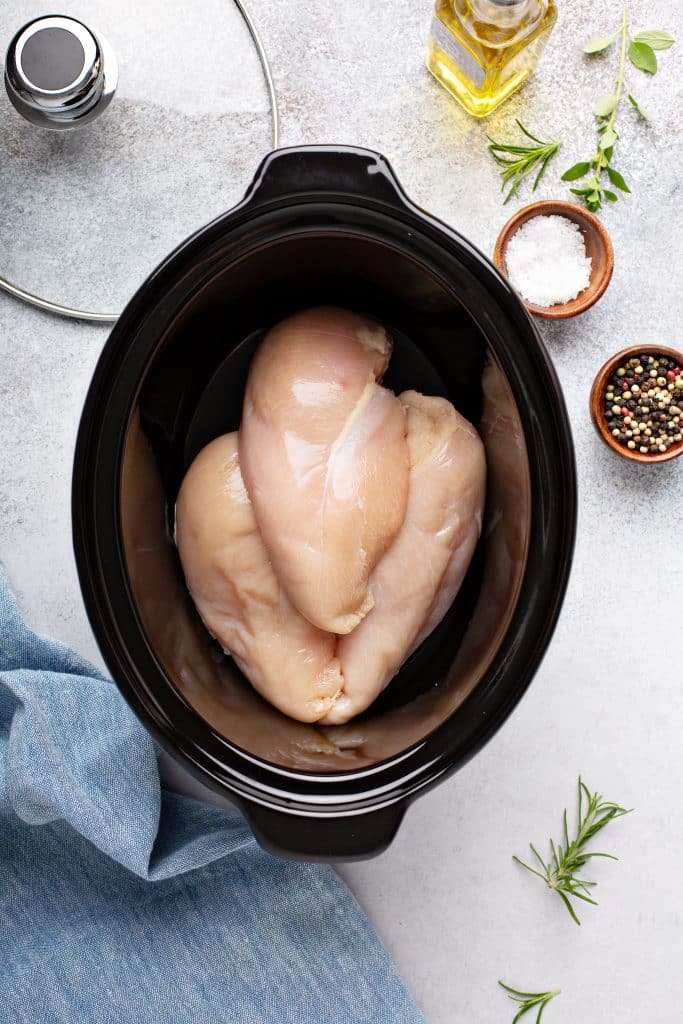
31. Slow Cooker Chicken
Chicken went into the slow cooker in the morning with a can of condensed soup or a jar of salsa, and dinner was waiting when everyone got home. It was meal prep before anyone called it that.
The real money trick is that a slow cooker turns cheaper, tougher cuts into something tender. It shows up for exactly that reason in money-saving habits that sound odd but actually work.
Net effect: One pot, no babysitting, and no temptation to order out because nobody felt like cooking at six o’clock.
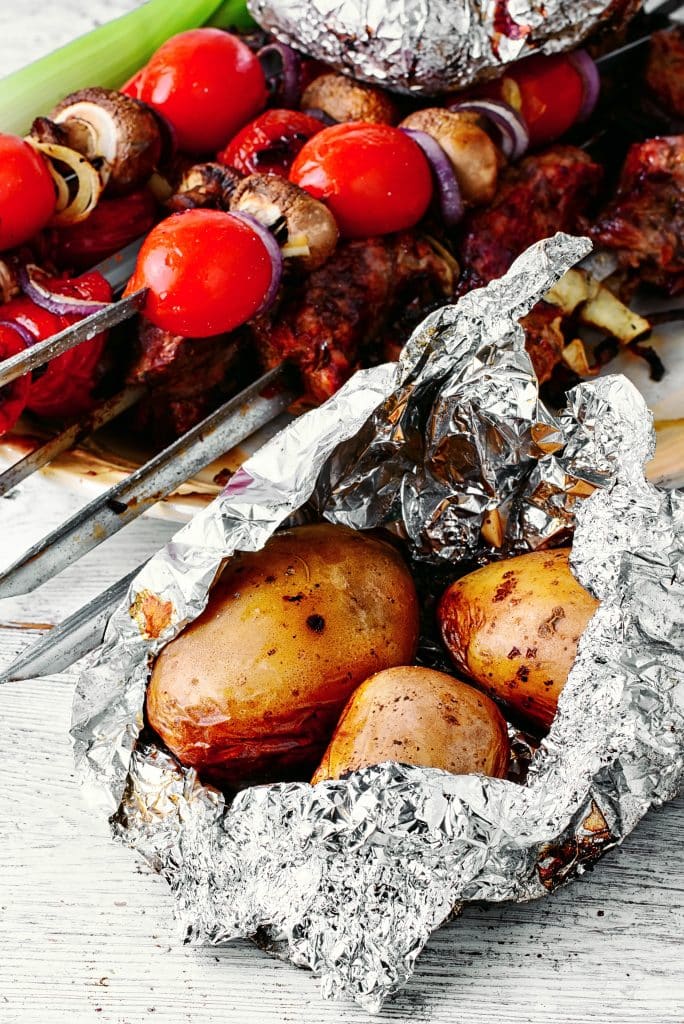
30. Sunday Pot Roast (and Monday’s Leftovers)
A chuck roast, potatoes, carrots, an onion, and a few hours in the oven. Sunday afternoon smelled like this in a lot of houses.
What people forget is Monday. Leftover roast became sandwiches, hash, or soup, so one purchase covered two or three dinners.
The math: A roast is rarely the cheapest cut per pound, but spread across several meals it usually costs less per plate than it looks at the register.
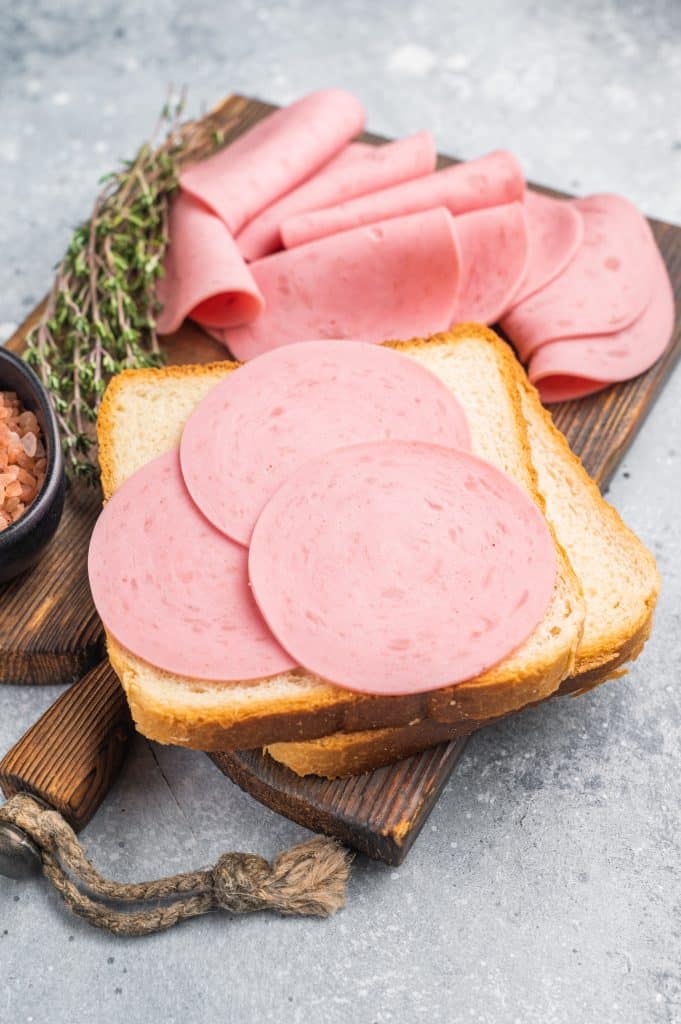
29. Fried Bologna Sandwiches
You cut a slit in the edge so it didn’t puff up into a dome in the pan. Then it went on white bread with a slice of processed cheese that melted just enough.
This was a dinner for the nights before payday. Lunch meat was cheap, and frying it made it feel like a hot meal instead of a packed lunch.
|
Rewind
18 Things Frugal Grandmothers Never Threw Away
|
Nobody is claiming it was balanced. It filled plates when money was tight, and that was the whole point.

28. English Muffin Pizzas
Split English muffins, a spoonful of jarred sauce, a pinch of shredded cheese, and a few pepperoni slices if any were left. A few minutes under the broiler and done.
Kids could make these themselves, which was half the appeal. The other half was that a pack of muffins cost a sliver of what a delivered pizza did, and that’s still true.
Friday pizza night never needed a delivery driver.
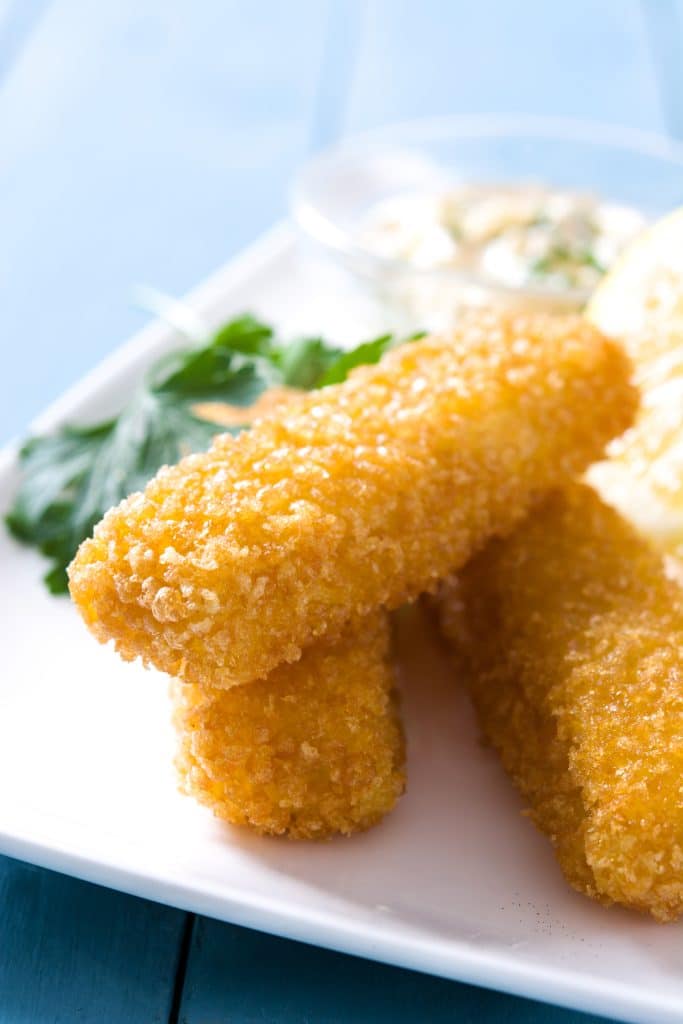
27. Fish Sticks With Ketchup
A box from the freezer aisle, twenty minutes on a sheet pan, and a puddle of ketchup on the side. Tartar sauce if your parents were adventurous.
Fish sticks got kids eating fish without a fight. They were also one of the rare freezer foods cheap enough to buy in the big box.
Where this lands: Frozen fish is still one of the more affordable ways to put seafood on the table, especially when fresh fish prices run high.
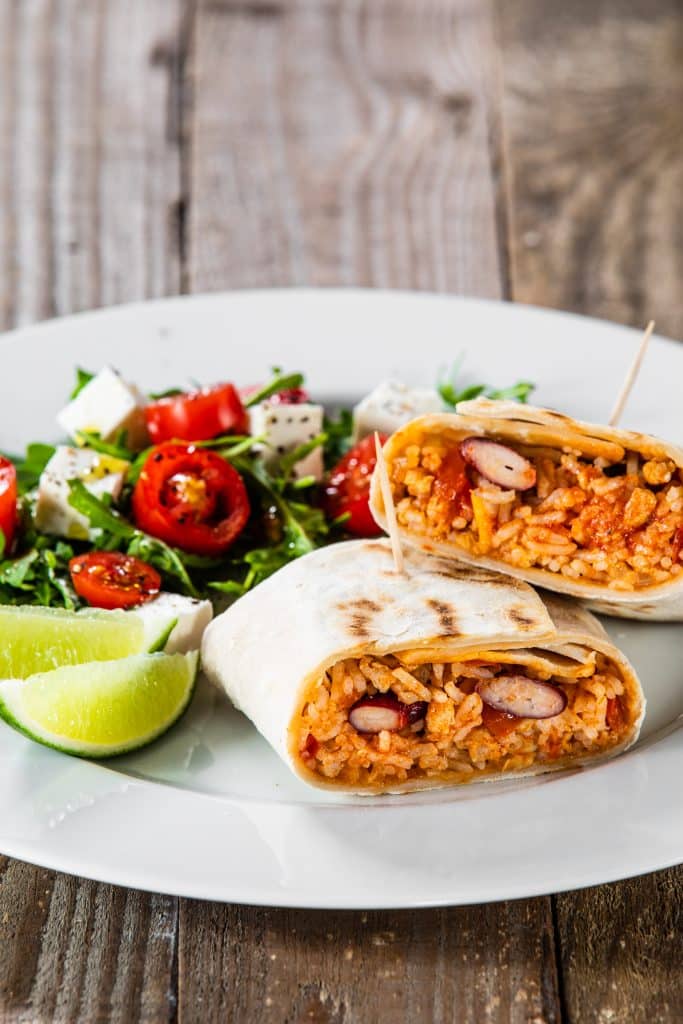
26. Bean and Cheese Burritos
A can of refried beans, a pack of flour tortillas, and shredded cheese. Rolled up, microwaved, maybe crisped in a pan, and eaten standing at the counter.
Beans are one of the cheapest proteins in the grocery store, and they were back then too. A full plate of these typically costs less than a single burrito from a fast-casual chain today.
Still one of the best dinner-per-dollar deals on this list.
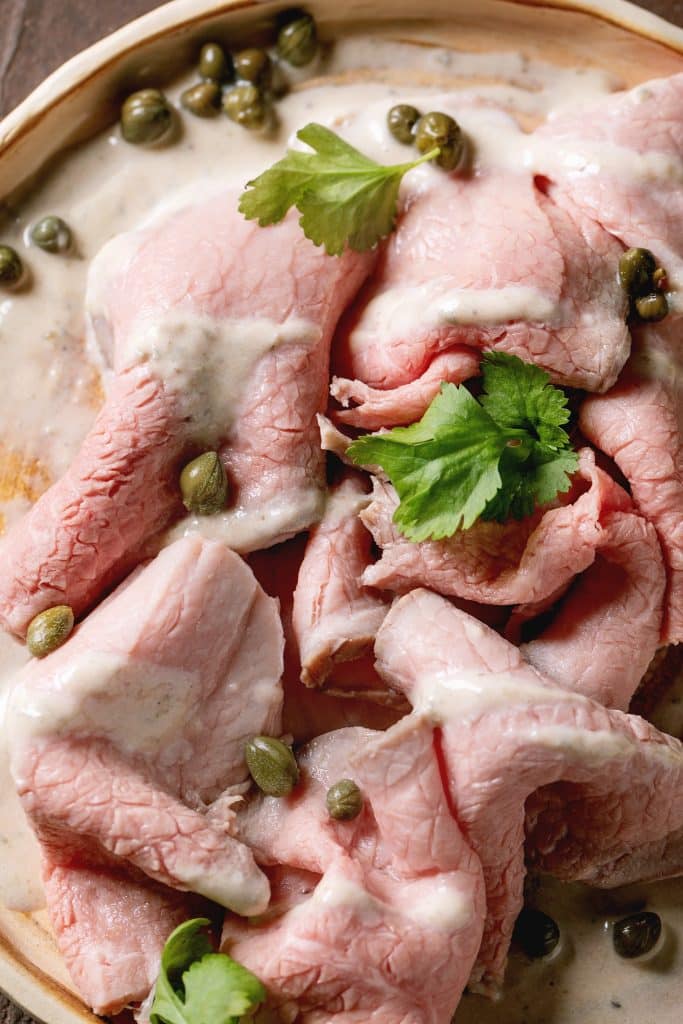
25. Creamed Chipped Beef on Toast
Dried beef from a jar, a white sauce made from butter, flour, and milk, all poured over toast. It had a less polite nickname in military households, and anyone who grew up with it knows exactly which one.
You’ll have a hard time finding it on a menu now. It was also dirt cheap, since one small jar of dried beef stretched across a whole family once the sauce went in.
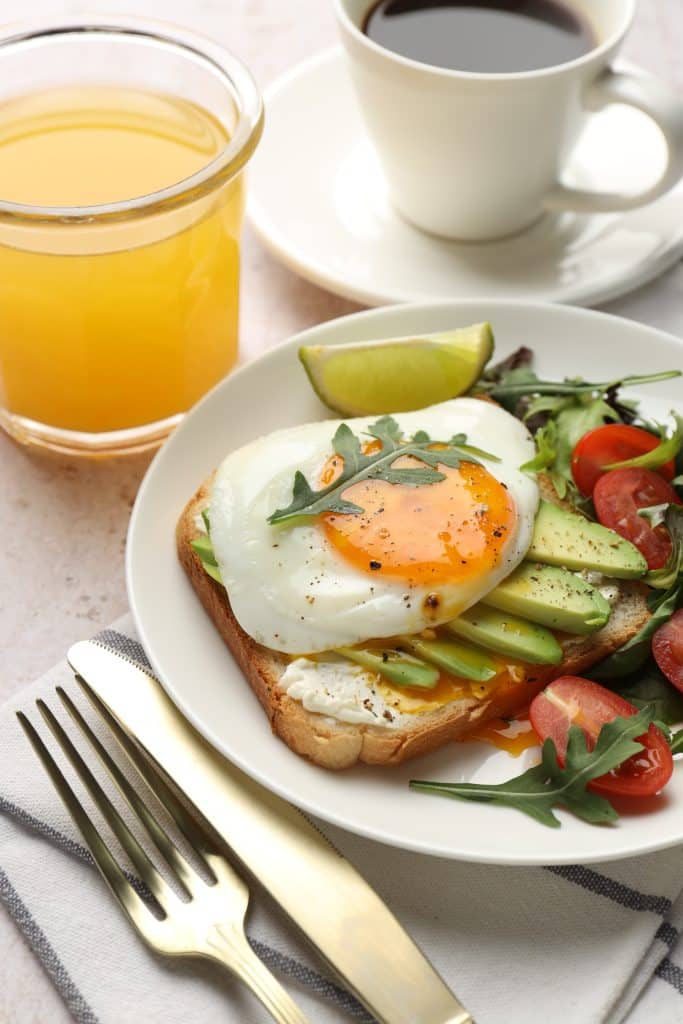
24. Breakfast for Dinner
Pancakes, scrambled eggs, and maybe some bacon if any survived the weekend. Kids treated it like a holiday.
For parents, it was a quiet budget move. Eggs, flour, and milk were usually already in the fridge, so breakfast for dinner meant skipping a grocery trip entirely.
Egg prices have swung around a lot in recent years, so it isn’t always the automatic bargain it used to be. Pancakes on their own still are.
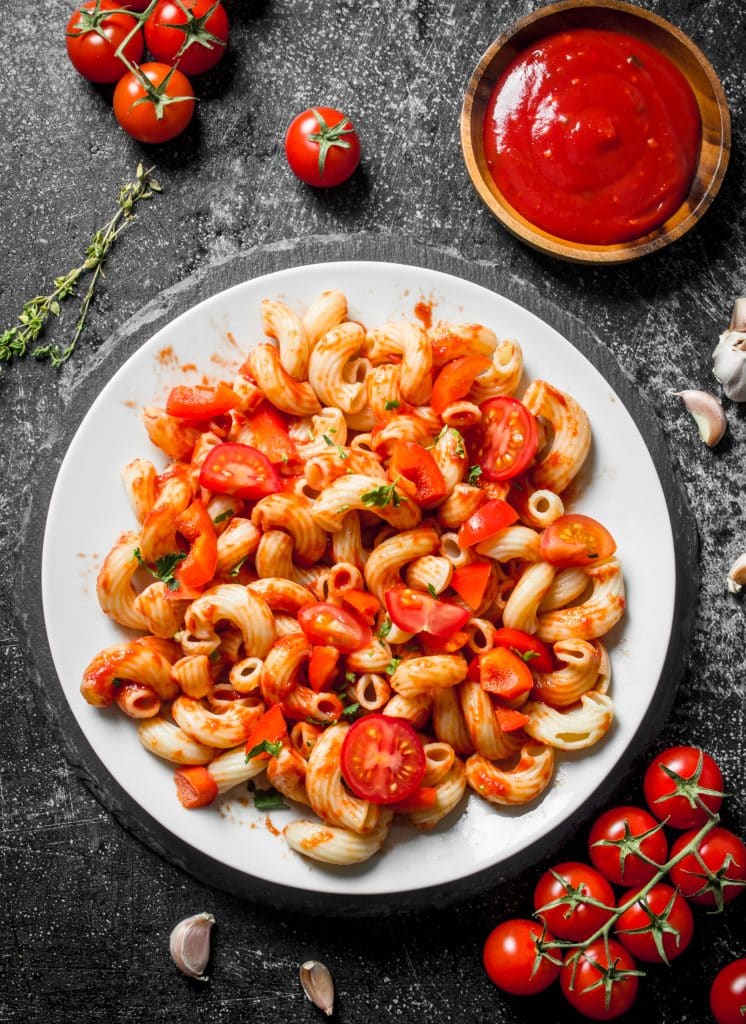
23. Tomato Macaroni
Elbow macaroni stirred into stewed tomatoes with butter, salt, and pepper. Some families added a little sugar, which caused genuine arguments between households.
It’s a Depression-era recipe that hung on well into the 90s because it cost almost nothing. A box of pasta and a can of tomatoes still covers it.
Worth remembering: Some of the cheapest dinners are the ones your grandparents already figured out.
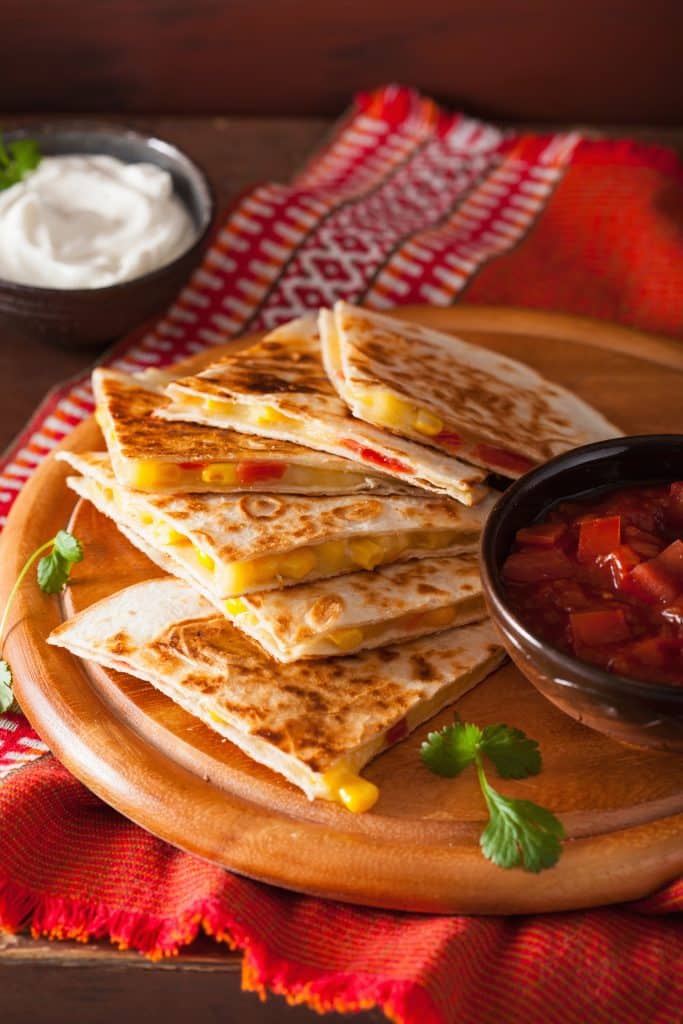
22. Quesadillas
Tortilla, cheese, fold, pan. The 90s version was simple and fast, and anything in the fridge could go inside.
Leftover chicken, half a can of beans, the last of the peppers. Quesadillas were basically a cleanup operation that happened to taste good.
A dinner that uses up leftovers saves money twice.
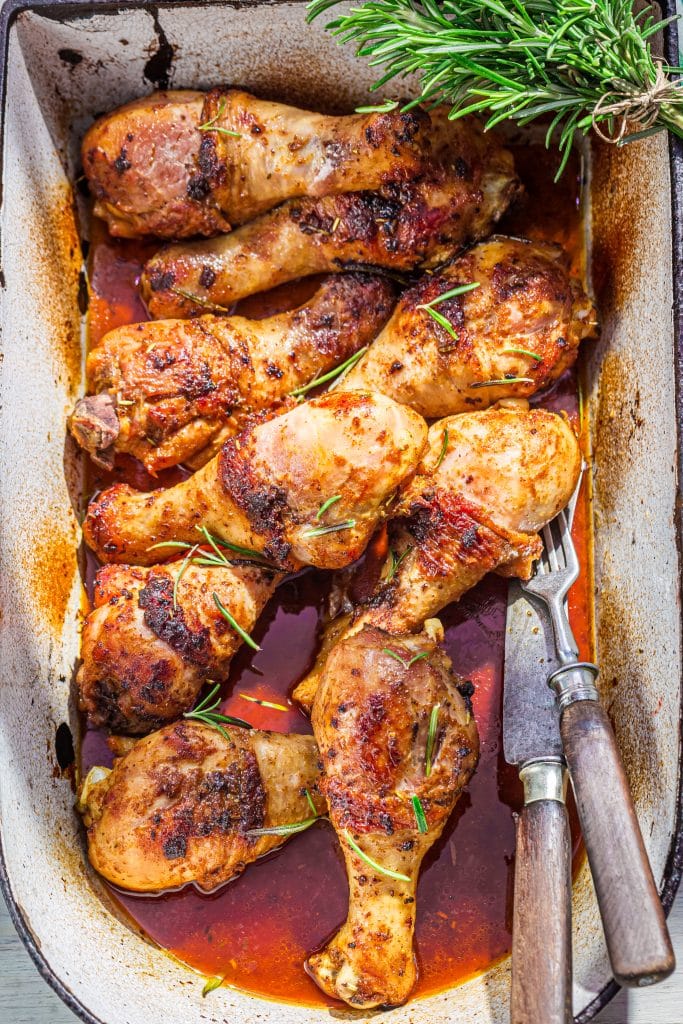
21. Chicken Drumsticks With Rice
Drumsticks were the budget cut then, and they mostly still are. Baked on a sheet pan with salt, pepper, and paprika, then served over a big pot of rice.
Family packs of legs usually run cheaper per pound than boneless breasts, sometimes by a lot. Grabbing them on markdown and freezing a few bags is the kind of move that separates bulk buys that pay off from the ones that don’t.
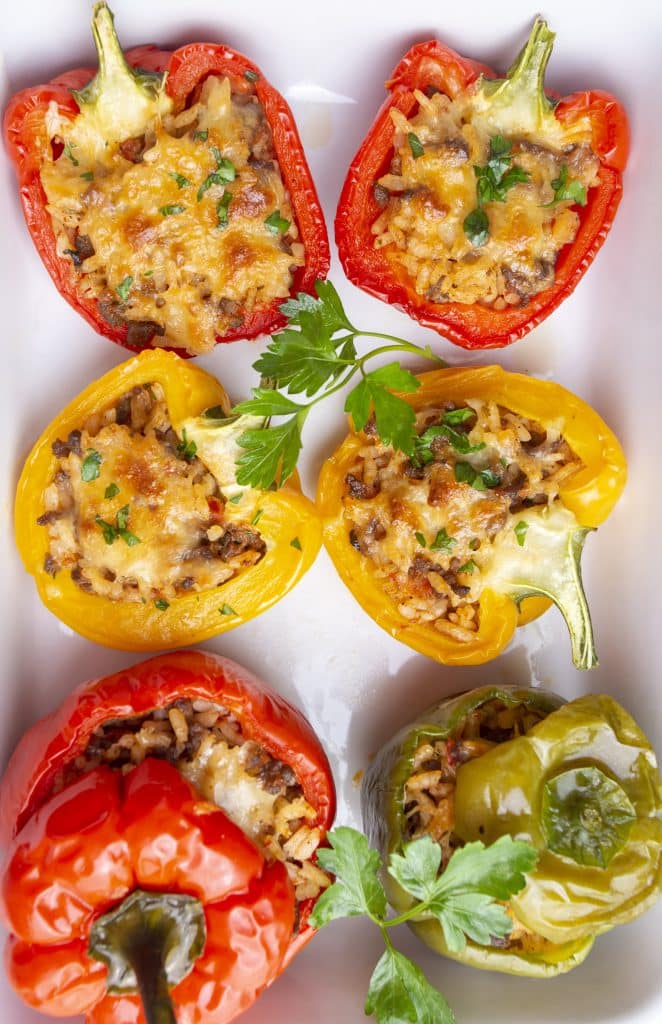
20. Stuffed Bell Peppers
Hollowed peppers packed with ground beef, rice, and tomato sauce, then baked until the tops browned. They looked fancier than they were.
Rice did the heavy lifting. Half a pound of meat could fill six peppers once it was mixed with rice and sauce.
The math: Stretching meat with a cheap grain is the most repeated trick on this list, and it works just as well now.
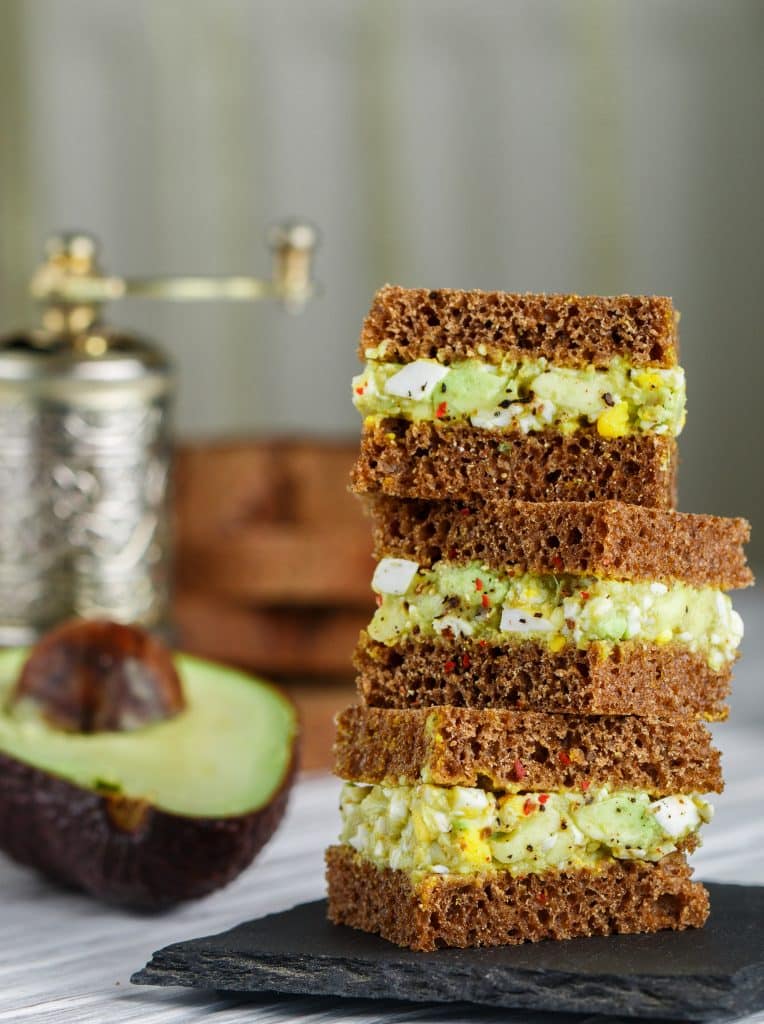
19. Egg Sandwiches
Fried eggs on toast, or egg salad on white bread with a pickle on the side. Dinner in ten minutes, with a sleeve of soda crackers if you wanted a side dish.
These showed up a lot at the end of the month. Nobody called it budgeting, but that’s what it was.
A quick myth check before the back half.
Myth: Cooking at home only saves real money if you make everything from scratch.
Reality: Most of these 90s dinners leaned on boxes, cans, and frozen bags, and they still typically cost a fraction of a delivery order. The savings come from skipping the markups and fees, not from being a great cook, which is the whole idea behind the takeout tax.
|
You might also like
19 Things Smart Shoppers Always Buy Secondhand →
|

18. Potato Soup
A bag of potatoes, an onion, milk, butter, and whatever bacon or cheese was around. It thickened up on its own and filled everyone up fast.
Potatoes have always been one of the cheapest calories in the produce section. A five-pound bag could handle this soup and a couple of side dishes besides.
Warm, filling, and built almost entirely from the cheapest thing in the store.
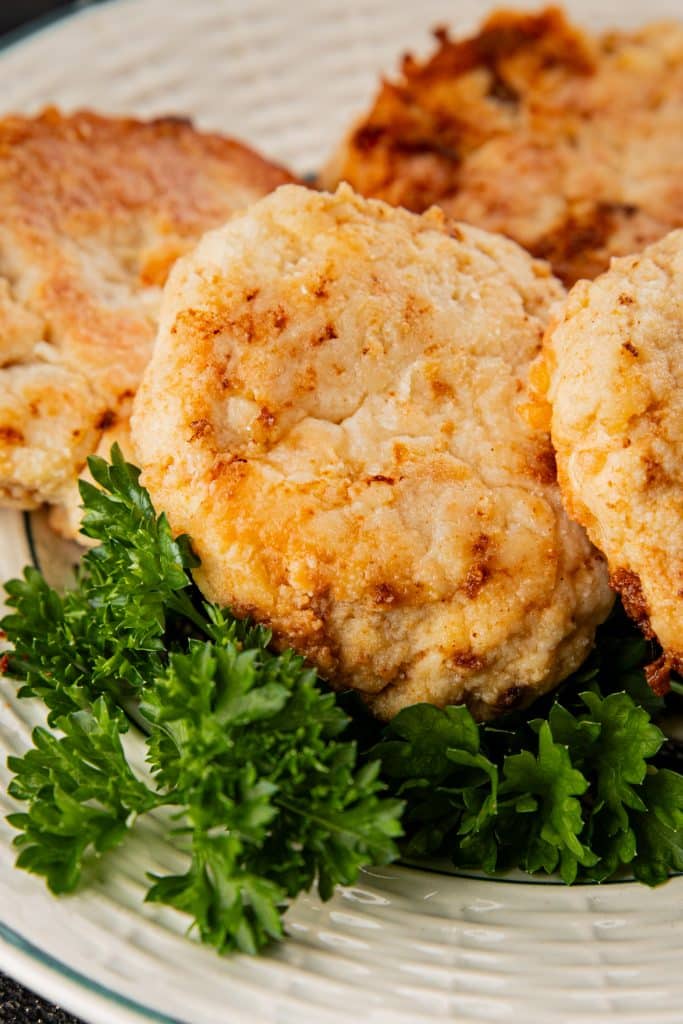
17. Salmon Patties
Canned salmon mixed with crushed crackers and an egg, shaped into patties, and pan-fried. Some families left the soft little bones in, which was either a calcium bonus or a dealbreaker depending on who you asked.
This one needs an honest update. Canned salmon isn’t the bargain it used to be, and in some stores it now costs more per pound than fresh chicken.
The upshot: Canned tuna or mackerel makes a cheaper patty today, and most people at the table won’t mind the swap.
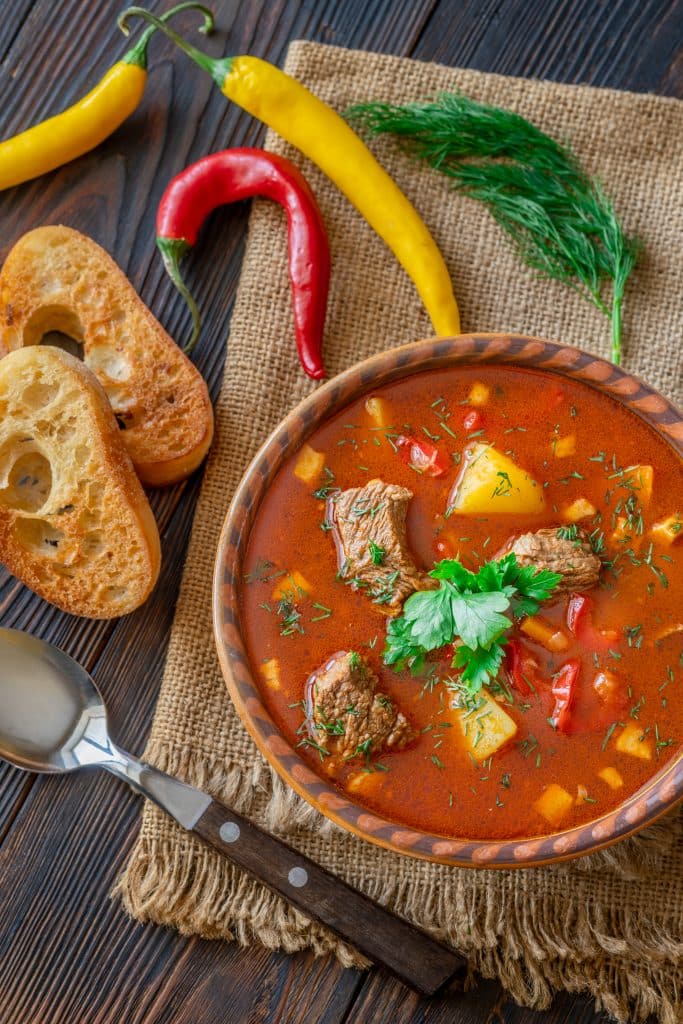
16. Goulash
The American version, not the Hungarian one: elbow macaroni, ground beef, canned tomatoes, and plenty of paprika or chili powder. Every family had its own recipe and was convinced theirs was right.
One pot, one pound of meat, dinner for five. Leftovers went into lunch containers for the next two days.
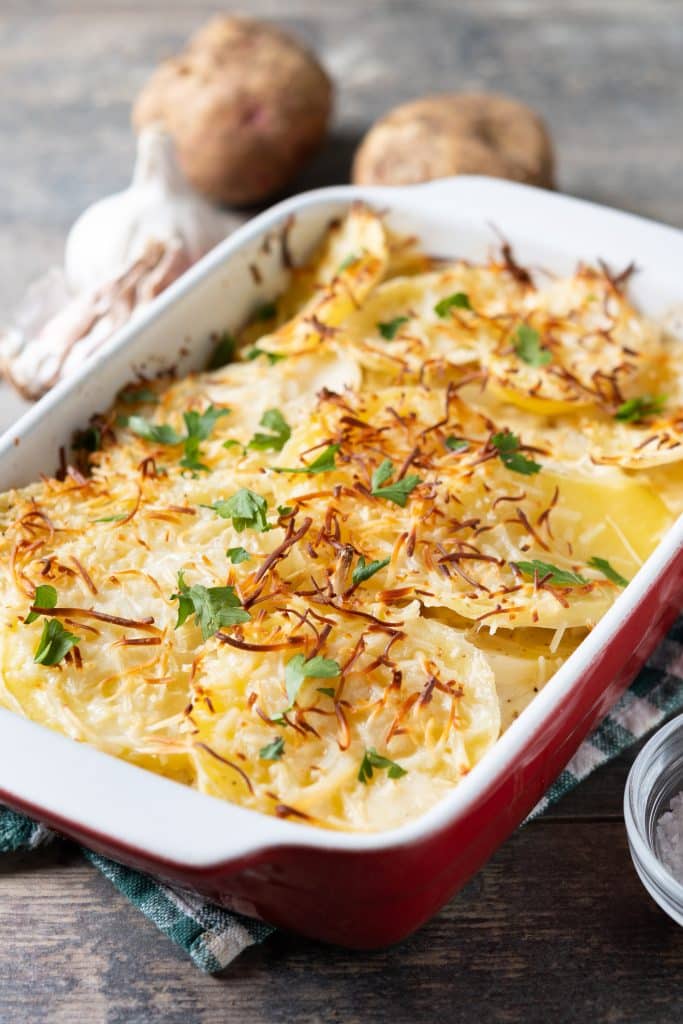
15. Ham and Scalloped Potatoes
Leftover holiday ham diced into a dish of sliced potatoes and cream sauce. Sometimes it came from a box with a powdered sauce packet, and nobody minded.
The whole point was using up the ham. One ham fed a family on the holiday, then again as sandwiches, then again in this, then one last time in bean soup.
Net effect: The cheapest meal is often the second or third one you get out of something you already bought.

14. Chicken Noodle Soup Night
Sometimes it was a stockpot with a whole chicken, sometimes it was two cans and a sleeve of crackers. Either way, it happened a lot in winter.
Starting from a whole chicken is where the real savings hide. The meat covers the soup, and the bones make stock you’d otherwise pay for in a carton.
A whole bird is usually the cheapest way to buy chicken, period.
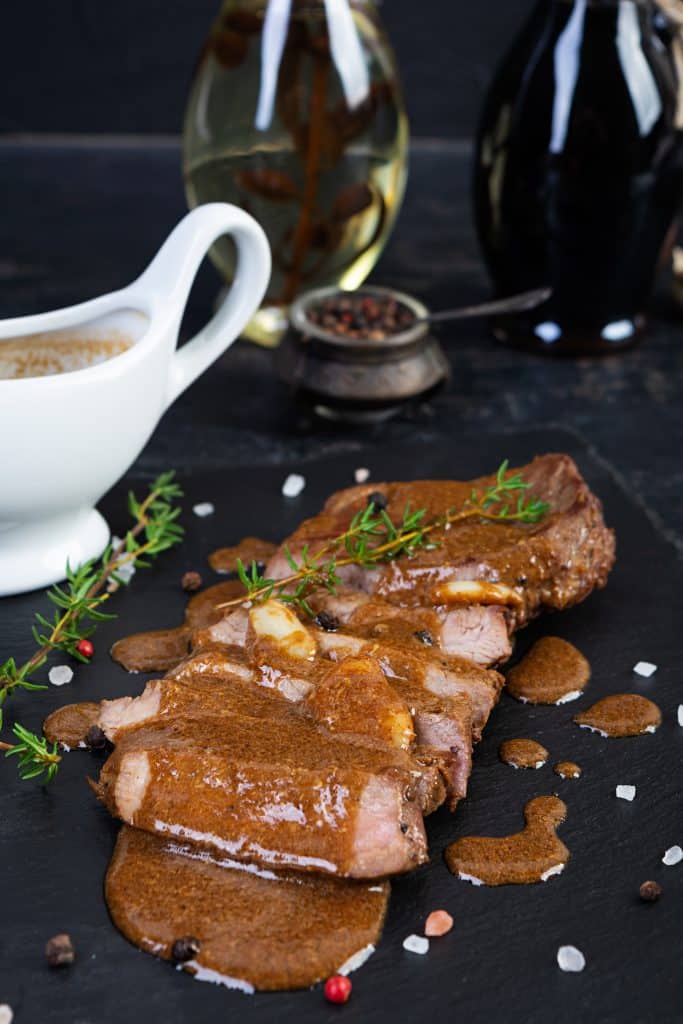
13. Cube Steak With Gravy
Cube steak is a cheap cut the butcher runs through a tenderizer, which gives it that waffle pattern. Dredged in flour, pan-fried, and smothered in gravy made from the drippings.
It gave families the feel of a steak dinner at a fraction of the price. Mashed potatoes and canned green beans made it a full plate.
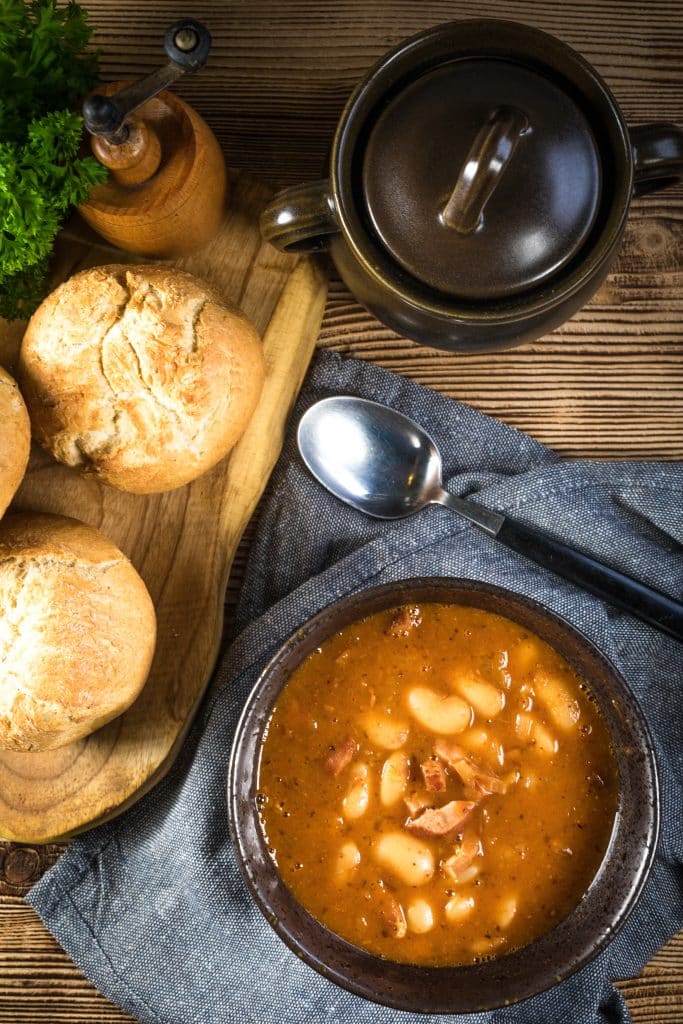
12. Cornbread and Beans
A pot of pinto beans simmered with a ham hock, and a skillet of cornbread on the side. In plenty of Southern and Midwestern homes, this was a standing weekly dinner.
Dried beans cost very little per pound, and boxed cornbread mix was one of the cheapest things in the baking aisle. Even now, this is about as close to a free dinner as a family can get.
Where this lands: Beans and cornbread still sit near the bottom of the cost-per-serving list, which is exactly where you want a weeknight staple.

11. Tuna Patties
The cousin of the salmon patty, made with canned tuna instead. Crackers or breadcrumbs, an egg, a little onion, and into the pan.
This is the version that still holds up on price. Canned tuna remains one of the cheaper shelf-stable proteins, which makes this a solid pantry dinner for the week before payday.
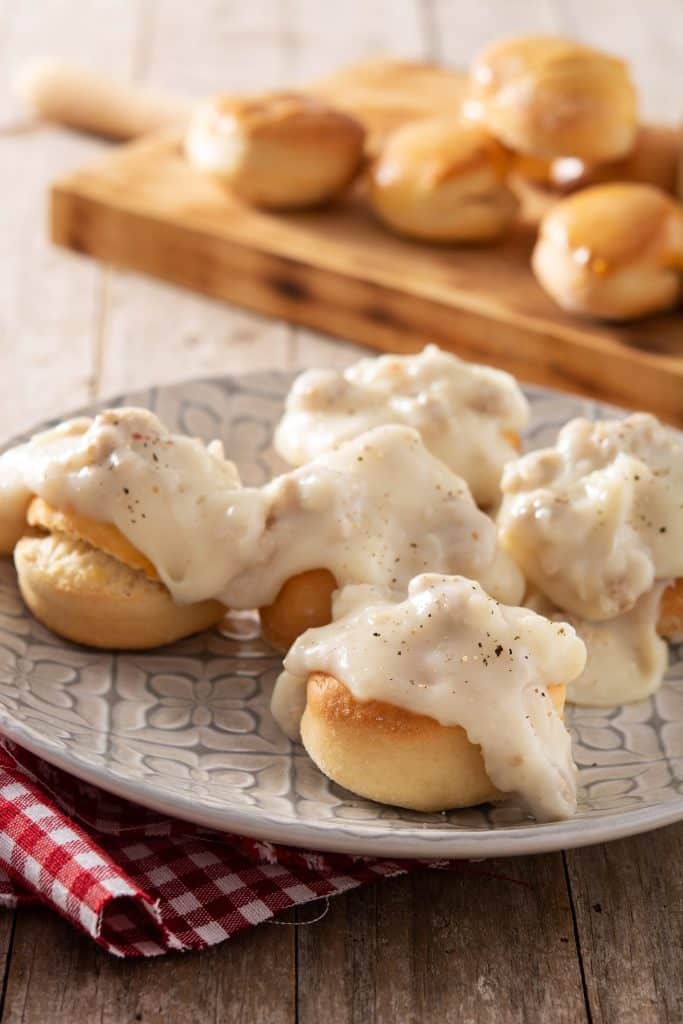
10. Sausage Gravy and Biscuits
A pound of breakfast sausage browned in a skillet, flour and milk stirred in, and all of it poured over biscuits. Technically breakfast, but plenty of families served it at dinner.
One pound of sausage made enough gravy for the whole table. Biscuits came from a can or a box of baking mix, both cheap.
Heavy, filling, and extremely hard to regret.

9. Chicken and Dumplings
A pot of chicken and broth with dumplings dropped on top to steam. Some families rolled the dough flat and cut it into strips, others spooned it in like drop biscuits.
Dumplings are flour, fat, and milk, so they added bulk for pennies. One chicken could stretch into dinner for six this way.
Worth remembering: Flour-based fillers like dumplings, biscuits, and noodles were how 90s families made a small amount of meat feel like a lot.
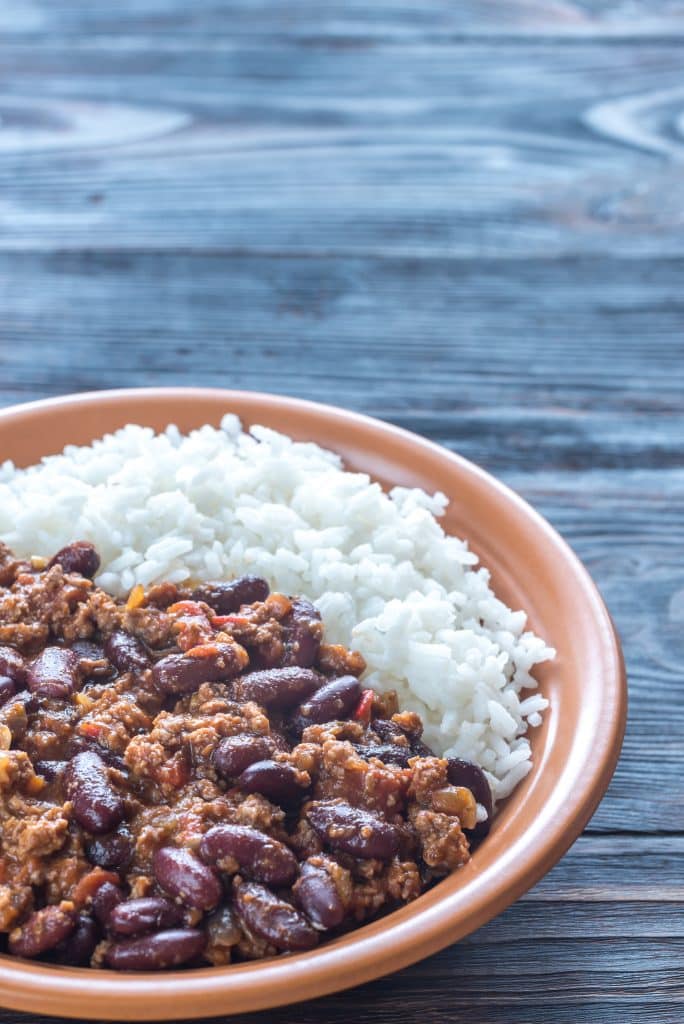
8. Beef and Bean Chili Over Rice
Ground beef, two cans of kidney beans, a can of tomatoes, and a chili seasoning packet. Served over rice, it went twice as far as a bowl on its own.
Chili gets cheaper per bowl the bigger the pot. Doubling the recipe costs a little more and yields two dinners plus a few bowls for the freezer, one of the cheapskate tricks that actually work.
The math: Cook once, eat three times is how a lot of families quietly held the grocery bill down.
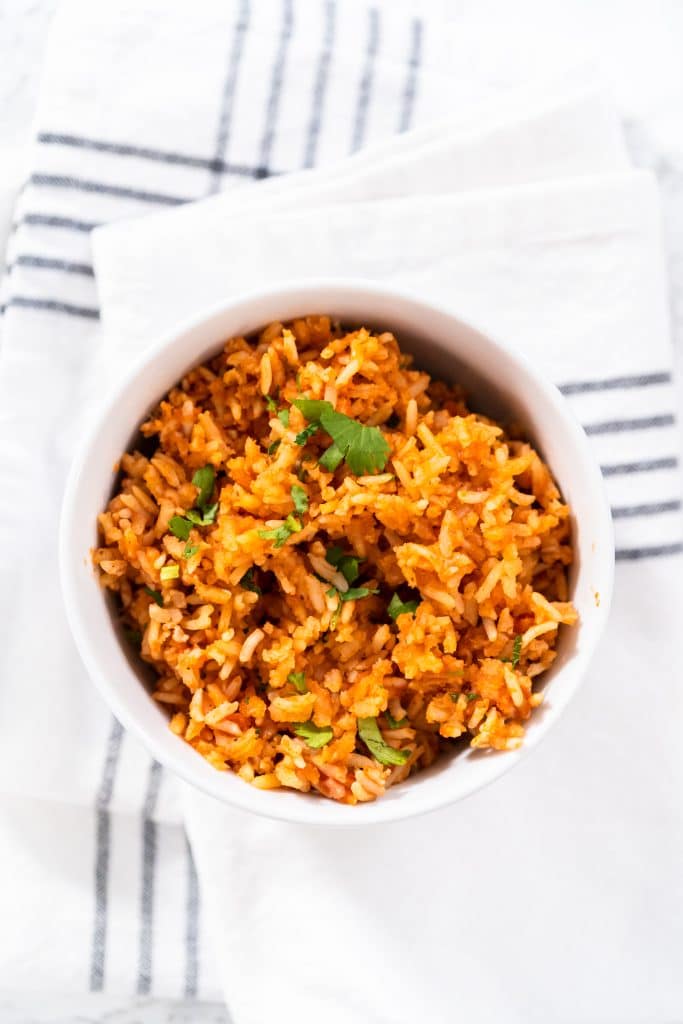
7. Spanish Rice With Ground Beef
Rice browned in oil, then simmered with tomato sauce, onion, peppers, and ground beef. Some families used a boxed rice-and-pasta mix instead, and it went over just as well.
|
You might also like
16 Ways People Make Extra Money During the Holidays →
|
A pound of beef in a big pan of seasoned rice fed a crowd. It also reheated well, which made it a lunchbox regular the next day.
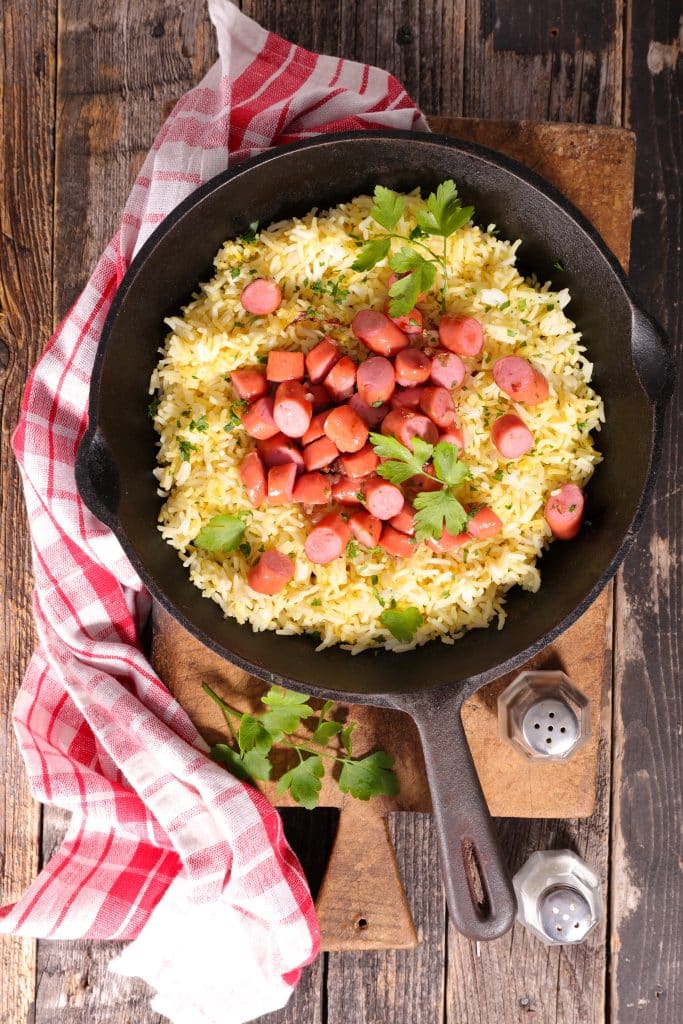
6. Hot Dog Fried Rice
Day-old rice, a couple of sliced hot dogs, a scrambled egg, frozen peas, and soy sauce. It sounds strange until you’ve had it, and then it makes complete sense.
This was a pure leftovers meal. Cold rice fries better than fresh, so yesterday’s side dish became tonight’s main.
Leftover rice is a head start on dinner, not a science experiment for the back of the fridge.
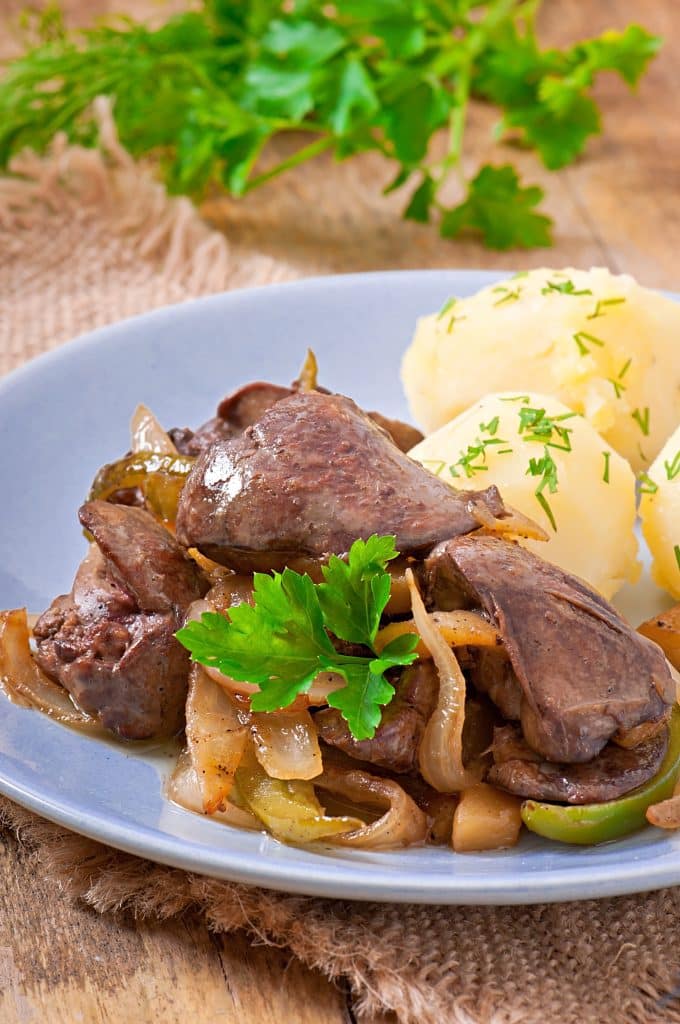
5. Liver and Onions
Liver was cheap, nutritious, and in plenty of 90s houses, fiercely unpopular with anyone under eighteen. Pan-fried with a mountain of onions, it showed up anyway.
Now the honest take. Organ meat is still inexpensive, but a cheap dinner nobody eats is just a slower way of throwing money out.
If your family won’t touch it, skip it. Whatever you saved at the store disappears the moment half the plate goes in the trash, one of the small money leaks that add up faster than people expect.
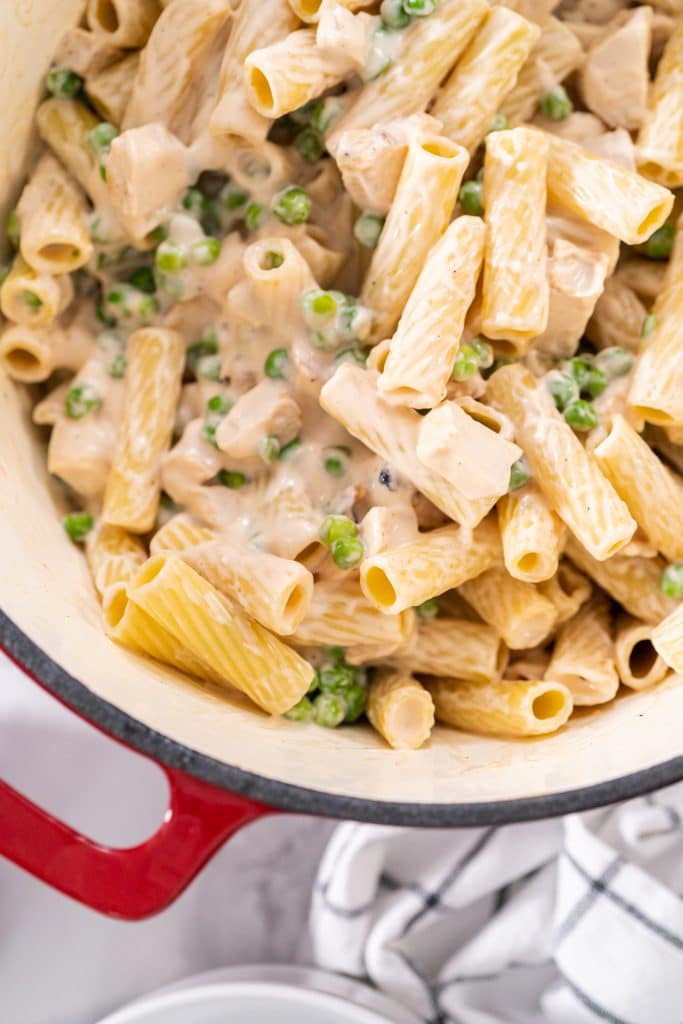
4. Tuna Casserole With Chip Topping
Egg noodles, canned tuna, a can of condensed soup, frozen peas, and a layer of crushed potato chips across the top. The chips were the best part and everybody knew it.
Tuna casserole was the textbook pantry dinner. Almost every ingredient was shelf-stable or frozen, so it could happen any night without a trip to the store.
Net effect: A stocked pantry makes the “nothing to eat, let’s order out” night a lot less likely.
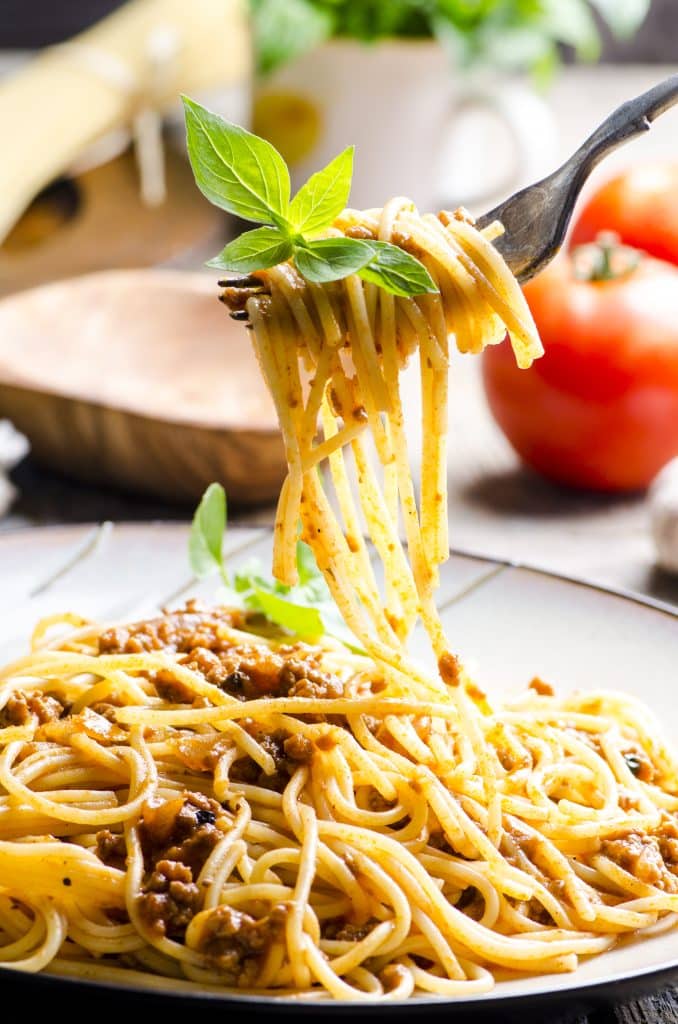
3. Spaghetti Night
A pound of spaghetti, a jar of sauce, and a pound of ground beef browned in the pan. Garlic bread made from a store loaf and a tub of margarine.
Spaghetti night was the backbone of the 90s family menu for good reason. It’s cheap, fast, and nearly everyone eats it.
A plate of spaghetti at a sit-down restaurant can cost several times what the whole pot costs at home. That gap is exactly the kind of thing behind the “normal” expenses frugal people refuse to pay.
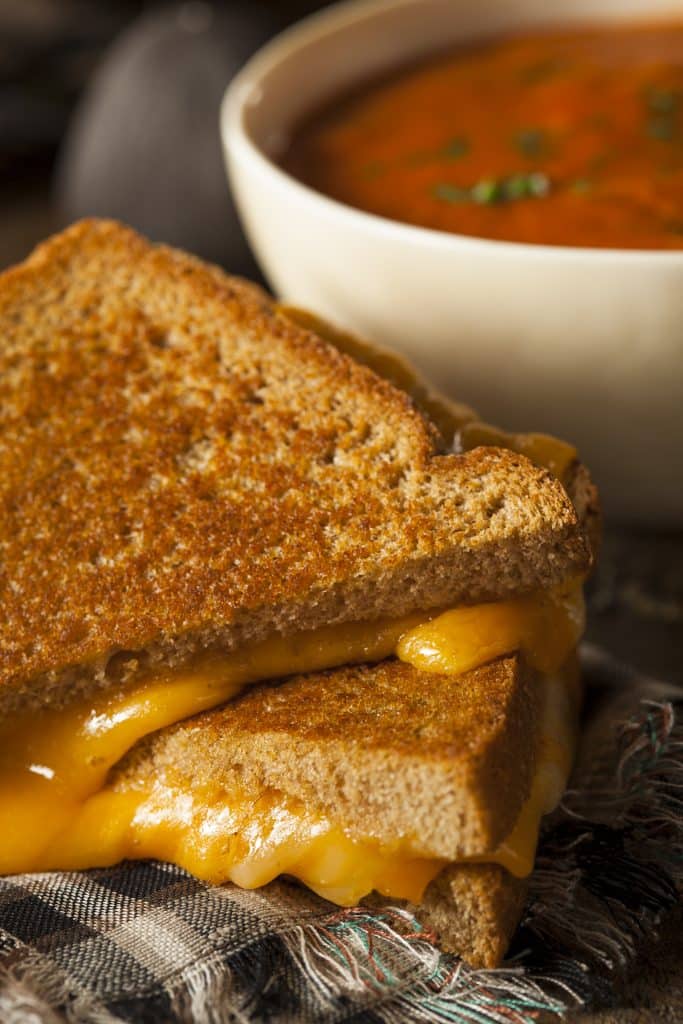
2. Grilled Cheese and Tomato Soup
Buttered bread, a slice or two of cheese, a hot pan, and a can of tomato soup made with milk instead of water. Rainy days practically required it.
It’s hard to name a more universally loved cheap dinner. Kids ate it, adults ate it, and it cost so little that nobody even thought about the price.
Where this lands: Some comfort food also happens to be good money sense.
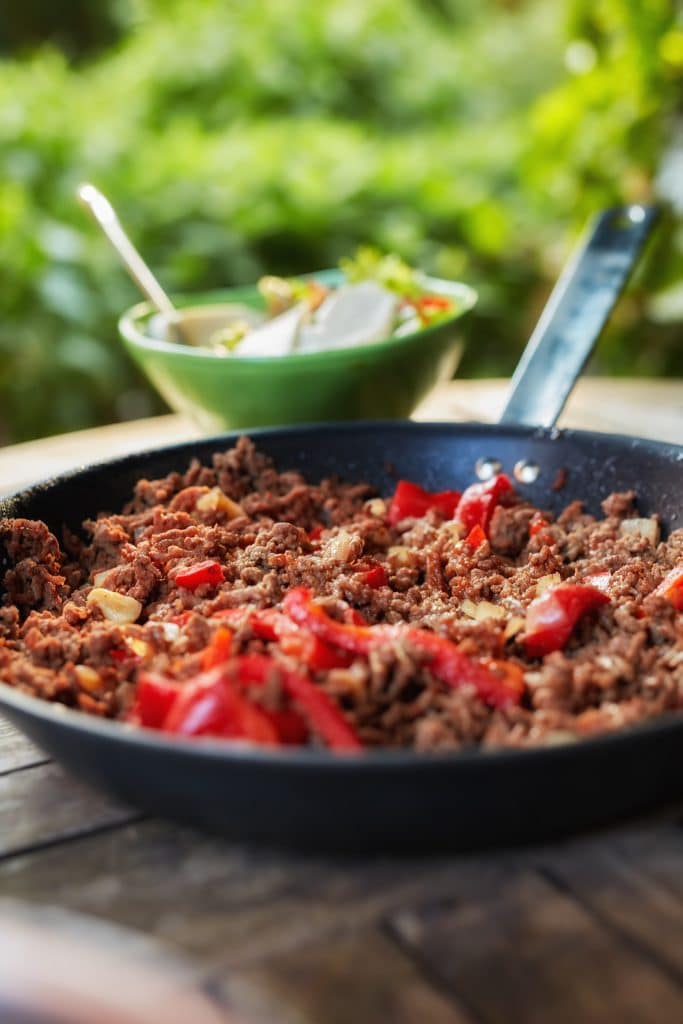
1. The Boxed Skillet Dinner
A pound of ground beef, a box of dried pasta with a seasoning packet, water, and milk, all in one skillet. Twenty minutes later, dinner for four or five.
The box itself was a little bit of a trick. It’s mostly pasta and a powdered seasoning blend, and making the same thing with plain pasta, a few spices, and a handful of cheese typically costs less per serving.
But the formula was the genius part, not the box. One pound of meat, stretched with a cheap starch and a sauce, cooked in one pan, served to the whole family.
Nearly every dinner on this list runs on that same logic. Goulash, chili over rice, stuffed peppers, Spanish rice, tuna casserole: they’re all ways of making a little protein go a long way.
That’s what 90s kitchens knew that a lot of us forgot once food delivery apps took over the weeknight. Cheap dinners were never about deprivation, they were about having a system, and people who are good with money tend to have one for almost everything.
The box was optional. The formula wasn’t.
Putting These Back in Rotation
You don’t need to bring back all 37. A handful showing up on regular weeknights is enough to change what a month of groceries looks like.
If you only do a few, start with a big pot of chili over rice, a skillet dinner made from plain pasta instead of the box, and one leftovers night a week, whether that’s fried rice or quesadillas. Those three alone can cover a lot of nights that would otherwise end in a delivery order.
If the grocery bill itself is the pressure point, the ways people are quietly cutting their monthly bills pick up where this list leaves off.
For the habits behind the habits, the household money habits worth breaking is a good next stop.
And if you want the shopping side, here’s what frugal people refuse to buy in the first place.
Curious what else from that era looks different now? The tools that made these dinners happen show up in the things every 80s kitchen had that nobody buys anymore.
The snacks that came after dinner didn’t stay the same either, as these childhood snacks that quietly changed will remind you.