27 Old Money Sayings Decoded (And Why They Still Hold Up)
Some links may be affiliate links. We may earn a commission at no extra cost to you. View our full disclosure.
Grandparents had a saying for everything, and most of them were about money. Some of those lines still hold up perfectly. Others have not aged well at all.
The tricky part is telling which is which. A phrase that made sense when a dollar covered a week of groceries does not automatically apply to a modern paycheck.
So here is a straight decode of 27 of the most repeated old money sayings, ranked by how much real use they still have. Some are as true today as the day they were coined.
A few of the most famous ones do not hold up nearly as well as people assume. I’ll flag those honestly instead of pretending every old saying is timeless wisdom.
We start with the sayings that need context to still work, and build toward the one line that most financial advisors still repeat word for word.

27. “Money Doesn’t Grow on Trees”
This one gets said to kids constantly, and it is true in the most basic sense. Income takes effort, and it runs out faster than people expect.
Where it falls short is that it stops at the warning. It never tells you what to actually do once the money is in your hand, which is the part that matters more.
The math: the saying explains scarcity, not strategy. You still need a real plan for the money once it shows up, not just a reminder that it’s limited.

26. “You Get What You Pay For”
For a lot of durable goods, this is still accurate. A well built pair of boots or a solid piece of furniture usually does outlast the bargain version by years.
The problem is people use it to justify overspending on things where price has nothing to do with quality. A pricier version of the same generic item is often just the same item.
Before you use this saying to talk yourself into the expensive option, check what’s actually different besides the number on the tag. Sometimes the answer is packaging, not durability.

25. “Fools and Their Money Are Soon Parted”
This one is blunt, but it holds up. Impulse spending and get rich quick pitches have been separating people from their savings for centuries, not just since online shopping.
What’s changed is the delivery method. It used to be a traveling salesman, and now it’s a checkout screen designed by people whose entire job is making you click buy now without a second thought.
Plain prose closer here on purpose. Some sayings just don’t need a punch line, and this is one of them.

24. “Easy Come, Easy Go”
Tax refunds, bonuses, and gift money tend to disappear fast. There’s research on this pattern going back decades, and it’s called mental accounting for a reason.
People treat windfall money as house money, spending it more freely than a paycheck earned through regular work. It’s a real, well documented bias, not just an old wives’ tale.
Worth remembering: if a windfall lands and you want it to last, move part of it somewhere before it has a chance to feel like free money.

23. “Don’t Count Your Chickens Before They Hatch”
Applied to money, this is about not spending income you haven’t actually received yet. A promised bonus, a deal that hasn’t closed, a raise that’s still under discussion.
People plan purchases around money that’s still just a possibility, and then scramble when the timing slips or the number changes. It happens with side income constantly.
Wait until the deposit clears before you spend against it. It’s not cynical, it’s just accurate about how often “almost certain” turns into “actually, not this month.”

22. “Keeping Up with the Joneses”
This phrase is over a century old, and it describes something that’s gotten worse, not better. Social comparison spending used to be limited to the neighbors you actually saw.
Now it’s every person you follow online, curated to look wealthier than reality. The comparison pool went from a handful of houses to thousands of strangers picking their best angle.
Plain prose here too. This one has aged into being more relevant, which is not something most old sayings can claim.
| Keep Reading — 18 Ways Families Are Doing Christmas Cheaper This Year (Without the Kids Noticing) |

21. “Money Talks”
Usually people use this to mean wealth gets attention. There’s a more useful version buried in there though, which is that money is negotiable more often than people assume.
Bills, medical charges, service fees, and even some retail prices move when someone actually asks. People treat sticker prices as fixed when a lot of them genuinely aren’t.
Net effect: a five minute phone call can beat an hour of coupon hunting. Asking for a lower rate works more often than most people expect.

20. “If It Sounds Too Good to Be True, It Probably Is”
This has held up remarkably well, mostly because the underlying math never changes. Returns that outpace every legitimate market by a wide margin usually come with a catch.
The one place it fails people is genuine limited time pricing, which does exist. Not every steep discount is a trap, so this saying works best as a pause button, not an automatic no.
Unlabeled version here. Use it to slow down and check the fine print, not to talk yourself out of every good deal on principle.

19. “Make Hay While the Sun Shines”
Farmers said this because a good weather window doesn’t last, and the harvest had to happen while conditions allowed it. The money version is about acting during a genuine opportunity.
A strong earning season, a temporary skill shortage in your field, a stretch of low interest rates. These windows close, and waiting for a better moment often means missing the moment entirely.
January is actually a common time people put this into practice, using the reset feeling to make real money moves instead of vague resolutions.

18. “Waste Not, Want Not”
This one is older than most personal finance advice and it still tracks. Food thrown out, leftovers ignored, and half used products tossed early all add up to real money over a year.
The average household wastes a meaningful chunk of the groceries it buys, and that number rarely gets counted as a real expense, even though it functions like one every single week.
The upshot: treating waste as a leak instead of a given is a habit that genuinely frugal people build early and never really drop.

17. “Time Is Money”
People usually apply this to work, but it’s just as true for money sitting idle. A dollar not earning anything is quietly losing ground to inflation every single year.
It also applies to decisions, not just dollars. Hours spent chasing a small discount can cost more in time than the discount is worth, and that trade rarely gets weighed honestly.
Unlabeled bold. Treat your own hour at a real rate before deciding whether a “deal” actually saves you anything once your time is factored in.

16. “A Stitch in Time Saves Nine”
This is about small maintenance preventing bigger repair bills later, and it’s one of the most reliably true sayings on this whole list. A minor fix ignored rarely stays minor.
A small roof leak becomes a ceiling replacement. A slow car noise becomes an engine repair. The nine stitches saved are real, and they usually cost a lot more than the one.
Plain prose closer. Some sayings are just correct as written and don’t need a modern spin to prove it.

15. “Cut Your Coat According to Your Cloth”
This is a very old way of saying spend based on what you actually have, not what you hope to have. It predates budgeting apps by a few centuries, but it’s the same core idea.
The failure mode now is credit, which lets people cut a much bigger coat than their cloth allows and pay for the difference later, with interest attached to every extra inch.
Where this lands: the saying is really just early advice against living past your actual income, said in tailor’s terms instead of budgeting terms.
Translation Check: a lot of these old sayings survive because they describe a math problem, not a moral one. If a phrase is really just “spend less than you make” dressed up in older language, it’s probably going to hold up no matter what decade you’re in. The ones worth questioning are usually the ones tied to a specific old economy, like fixed prices or single income households, where the underlying assumption has genuinely changed.
14. “Live Within Your Means”
This one gets repeated so often it barely registers anymore, but it’s still accurate. Spending less than you earn is the entire foundation everything else on this list sits on.
Where it gets more complicated is that “means” isn’t fixed. Housing, insurance, and food costs have moved a lot faster than wages in a lot of places, which shrinks the gap this saying assumes exists.
|
You might also like
21 Big Purchases Ranked by the Best Time of Year to Buy Them →
|
Unlabeled bold. The advice is still correct, it’s just harder to execute than it was for the generation that coined it, and that’s worth admitting.

13. “Buy Low, Sell High”
Everyone knows this one, and almost nobody actually does it, because it requires buying when things feel scary and selling when things feel great. That’s the opposite of most people’s instinct.
It applies past investing too. Furniture, appliances, and cars go through real seasonal pricing swings, and knowing roughly when those windows open is worth more than any single coupon.
Plain prose here. Timing big purchases around known cycles is one of the few places this saying is genuinely actionable, not just a slogan.

12. “It Takes Money to Make Money”
There’s truth here, since starting capital does open doors that no amount of hustle alone can open. But the saying often gets used as an excuse to never start at all.
Plenty of income streams start with almost nothing and grow slowly instead of needing a big upfront investment. The saying holds for some paths and is a myth for others, which people rarely separate.
The math: before repeating this one as a reason to wait, check whether the specific opportunity in front of you actually requires capital, or whether that’s just the assumption talking.

11. “Don’t Put All Your Eggs in One Basket”
This is diversification, explained before that word existed in a finance textbook. Spreading risk across more than one income source, account, or investment protects against a single bad outcome wiping you out.
It applies to income just as much as investing. Relying on a single employer, single client, or single platform for all your earnings is the modern version of one basket.
Unlabeled bold. This is one of the rare old sayings that has aged into being more urgent, not less, given how much income now runs through platforms that can change terms overnight.

10. “A Bird in the Hand Is Worth Two in the Bush”
This is the honest exception on this list. The saying argues for the guaranteed thing over the uncertain one, and a lot of the time that’s smart, safe advice.
But taken too literally, it becomes an argument against ever taking a calculated risk, and some of the biggest gains people make in their finances come from exactly that kind of risk.
A steady job over a risky opportunity is often the right call. It is not always the right call, and pretending otherwise is where this saying stops being wisdom and starts being fear with good branding.
9. “Don’t Rob Peter to Pay Paul”
This one is about moving debt around instead of actually solving it. Paying one bill by falling behind on another just relocates the problem, it doesn’t fix it.
Modern credit makes this easier to do without noticing. A balance transfer or a new card can feel like progress while the total amount owed barely moves, or quietly grows through fees.
Worth remembering: before shuffling a balance around, check whether the total owed is actually shrinking, or whether it’s just changing shape.

8. “Neither a Borrower Nor a Lender Be”
This is the second honest exception. Taken literally, it means never take on debt of any kind, and that’s not realistic or even smart advice for most people today.
A mortgage at a reasonable rate, a loan for a reliable car, or financing a business with real revenue backing it are not the same thing as reckless borrowing. Debt itself isn’t the enemy.
Unlabeled bold. The useful version of this saying is really about high interest, unplanned borrowing, not debt as a category, and that distinction gets lost every time it’s quoted whole.

7. “Beware of Little Expenses; a Small Leak Will Sink a Great Ship”
This one is credited to Benjamin Franklin, and it’s aged into being more relevant than when it was written. Small recurring charges are easier to ignore now than they’ve ever been.
A forgotten subscription here, a small fee there, none of it feels significant in the moment. Stacked across a year, these small leaks often add up to more than one big splurge would.
Plain prose closer. This is genuinely one of the strongest, most underrated sayings on the whole list.
6. “Pay Yourself First”
This phrase gets credited to various early finance writers, and it’s the idea behind automated savings before it was called that. Move money toward savings before it has a chance to get spent.
Waiting to save whatever’s left at the end of the month rarely works, because there’s rarely anything left. Automating the transfer removes the decision from the equation entirely.
|
Worth It or Not
17 Questions Smart Shoppers Ask Before Buying Anything Over $100
|
Net effect: a set percentage moved automatically, even a small one, beats a good intention that depends on willpower every single month.

5. “Save It for a Rainy Day”
This is one of the oldest, most repeated money sayings there is, and it’s also one of the most correct. An emergency fund is still the closest thing personal finance has to a universal rule.
The number people argue about is how big the fund needs to be, and honestly it varies by job stability, health, and family situation more than any single figure can capture.
Unlabeled bold. Whatever the exact target, the habit behind this saying, building a cushion before you need one, has never gone out of date.
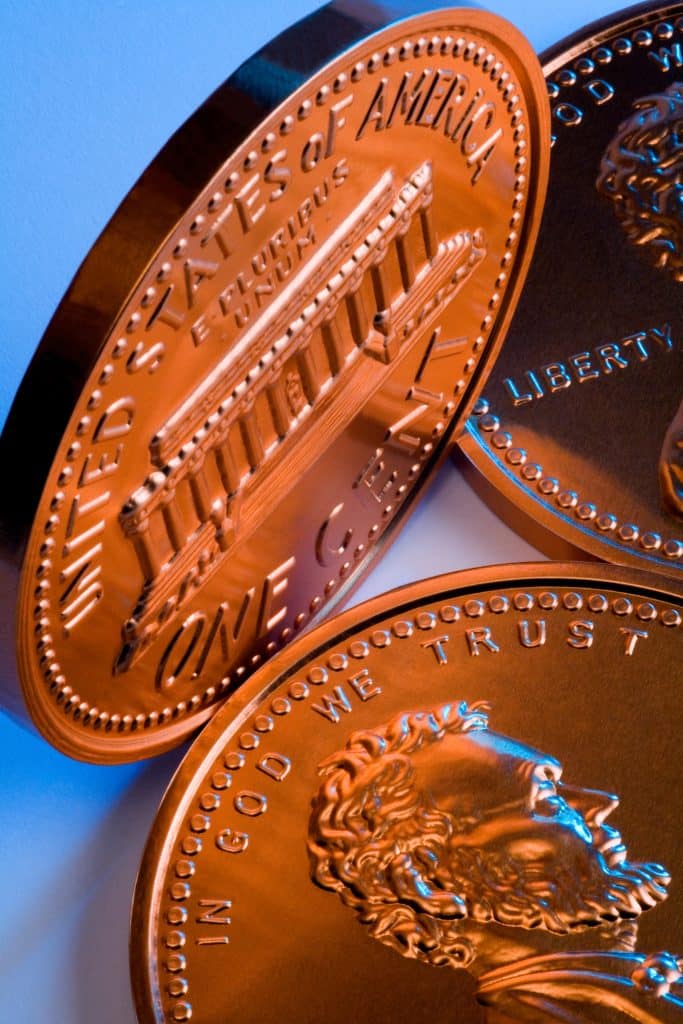
4. “Penny Wise, Pound Foolish”
This is the warning against obsessing over tiny savings while missing bigger costly mistakes. Clipping every small deal while carrying high interest debt is the exact pattern this saying calls out.
It’s easy to feel productive chasing small wins because they’re visible and immediate. The bigger financial decisions, insurance coverage, interest rates, housing choices, are slower and less satisfying to fix.
Plain prose here. Worth a genuine gut check on where your attention actually goes versus where the real money is sitting.

3. “Look After the Pennies and the Pounds Will Look After Themselves”
This is basically the friendlier cousin of the small leak saying above, and it’s built on the same math. Small consistent habits compound into large outcomes over time.
The part that gets skipped is that this only works if the pennies are actually going somewhere, like savings or debt payoff. Watched pennies that just sit in a checking account don’t compound into much.
The upshot: the habit of tracking small amounts matters, but only when it’s paired with a destination for that money, not tracking for its own sake.

2. “Use It Up, Wear It Out, Make It Do, or Do Without”
This one came out of a wartime rationing era, and it’s basically the entire modern frugal living movement compressed into a single sentence. Use what you already have before buying more.
It’s the mindset behind everything frugal grandmothers got remembered for, from mending clothes to repurposing containers instead of tossing them.
Unlabeled bold. It sounds old fashioned, but it’s a near perfect description of what secondhand shopping and repair culture look like today, just without the branding.

1. “A Penny Saved Is a Penny Earned”
This is the one nearly everyone knows, often credited to Benjamin Franklin even though the exact wording predates him. It’s also, quietly, still true in a way most people underestimate.
A penny saved actually behaves a little better than a penny earned once taxes get involved. Earned income gets taxed before it reaches you, but money you don’t spend keeps its full value.
That’s not a call to hoard every cent. It’s a reminder that cutting a real cost has a slightly bigger effect on your finances than most people give it credit for, dollar for dollar.
It also explains why this saying has outlasted almost every other one on this list. It doesn’t depend on interest rates, market conditions, or the price of anything, it’s just arithmetic.
Where this lands: most of these sayings need context or a caveat to still be useful. This one has survived a few hundred years without needing either, and that’s a pretty good track record.

The Ones Still Worth Saying
If you only take a handful of these forward, make it the ones with no real caveats attached. Save it for a rainy day, watch the small leaks, and pay yourself before anyone else gets a shot at the money.
The two honest exceptions on this list, the bird in hand and the borrower or lender line, are worth remembering too, just not as absolute rules. Calculated risk and reasonable debt both have a place.
A lot of these phrases were repeated so often they turned into background noise. Slowed down and actually checked against real math, most of them earned that repetition honestly.
If any of these hit a little close to home, a few related reads worth a look: cheapskate money tricks that actually work, money rules that are actually myths, and habits people good with money have that everyone else skips.
And if the “living within your means” one stung a little, this look at “normal” expenses frugal people refuse to pay is a natural next stop.