39 Ways to Make Extra Money That Don’t Require a Side Hustle
Some links may be affiliate links. We may earn a commission at no extra cost to you. View our full disclosure.
“Get a side hustle” has become the default answer to almost every money problem. Need extra cash for the holidays? Side hustle.
Trying to build an emergency fund? Side hustle.
The problem is most people don’t want a second job. They want a little breathing room, not a new set of hours to work around.
A lot of extra money never required starting anything at all. It was sitting in a closet, a driveway, or a drawer full of expired gift cards the whole time.
Here are 39 ways to bring in extra money without committing to a recurring gig. Some are one-time actions. Others are things you already own that could be working a little harder for you.
We start with the smallest, easiest wins and build toward the one that quietly has the most upside. Number one is worth reading all the way through.

39. Selling Gift Cards Sitting in a Drawer
Almost every household has a gift card with a balance nobody remembers. It’s for a store you don’t visit anymore, worth ten or twenty dollars, and it’s been in a junk drawer for a year.
Gift card resale sites and apps will buy it from you for a percentage of its face value. It’s not full value, but it’s more than a drawer full of plastic is currently paying you.
This pairs well with other money moves worth making early in the year, when receipts and gift cards from the holidays are still fresh in a drawer somewhere.

38. Trading In Old Textbooks
If there’s a college student in the house, or was one a few years ago, there’s a box of textbooks somewhere gathering dust. Buyback programs and resale marketplaces pay for these by the semester, not the year.
The math changes fast once a new edition comes out, so check the buyback price before the fall term starts rather than after. It’s the same logic behind things smart shoppers always buy secondhand in the first place, most stuff loses value the day it leaves the shelf.
The math: a stack of ten old textbooks rarely pays for a vacation, but it often covers next semester’s parking pass, which is its own kind of win.
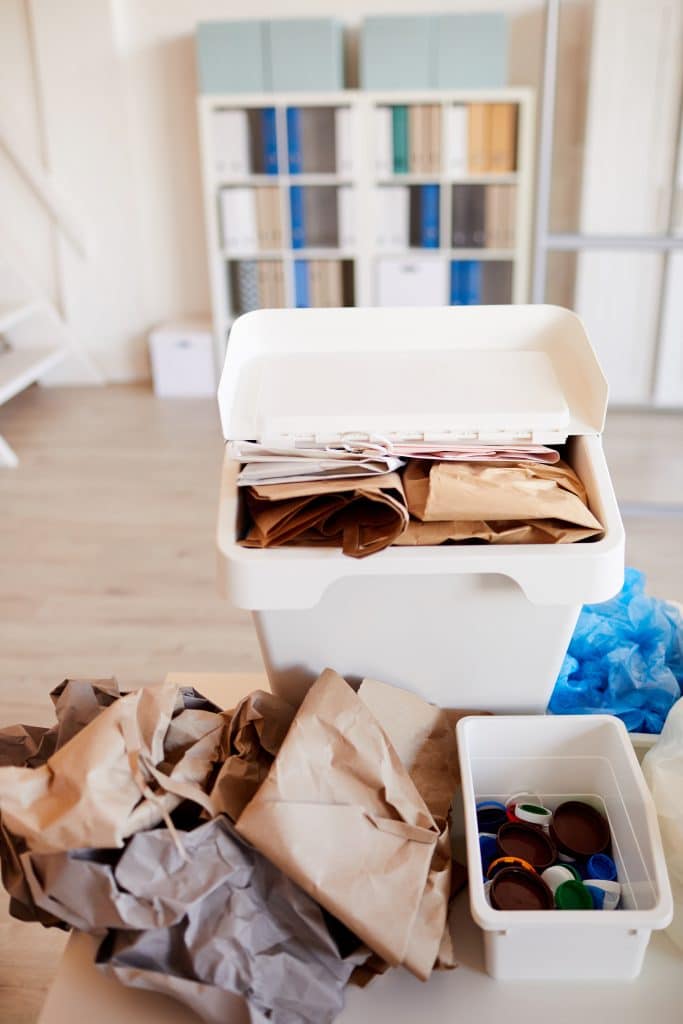
37. Cashing In Recyclables and Scrap Metal
Cans and bottles are worth a few cents each in states with deposit programs, and it adds up faster than people expect once a household is actually saving them instead of tossing them.
Scrap metal is the bigger payoff. Old appliances, pipes, and wiring that would otherwise go to the curb can be worth real money at a local scrap yard.
If this feels like too much effort for pocket change, it’s worth comparing against services worth paying a neighbor for instead, since the time tradeoff isn’t always in your favor.

36. Taking a Few Short Paid Surveys
Paid survey platforms won’t replace a paycheck, and anyone promising otherwise is overselling it. What they’re actually good for is turning fifteen spare minutes into a few dollars instead of zero dollars.
Stack a handful of surveys into a slow evening and it starts to look less like pocket change and more like a modest weekly habit.
Set it up during commercial breaks or a waiting room. It’s not exciting, but it’s genuinely passive in a way most things on this list aren’t.

35. Signing Up for an Occasional Paid Focus Group
Market research firms and universities regularly pay for a couple hours of your honest opinion. The pay is typically better than a survey app, often in the range of fifty to a hundred dollars for a single session.
These aren’t always advertised widely, so it takes signing up with a few research panels and waiting for an invite that fits your schedule.
Worth remembering: not every invite is a fit, and skipping the ones with a long screening questionnaire for a small payout is usually the right call.

34. Getting Paid to Test New Apps and Websites
Companies building new apps and websites will pay for someone to talk through their experience using it, usually while recording their screen and thinking out loud.
Each session usually runs twenty to thirty minutes and pays a flat rate, so it functions more like a small errand than a job.
It’s an easy one to do from a phone during downtime, and it doesn’t require any special skill beyond being able to explain what you’re thinking.
33. Selling Unused Loyalty Points and Airline Miles
Loyalty points and airline miles quietly expire more often than people realize, and a lot of them go unused simply because nobody checked the balance before it reset to zero.
Some programs allow transferring or redeeming points for gift cards or statement credit, which turns a forgotten balance into actual usable money.
This is a once-a-year check, not a habit. Set a reminder around tax season and clear out whatever’s sitting there before it disappears.
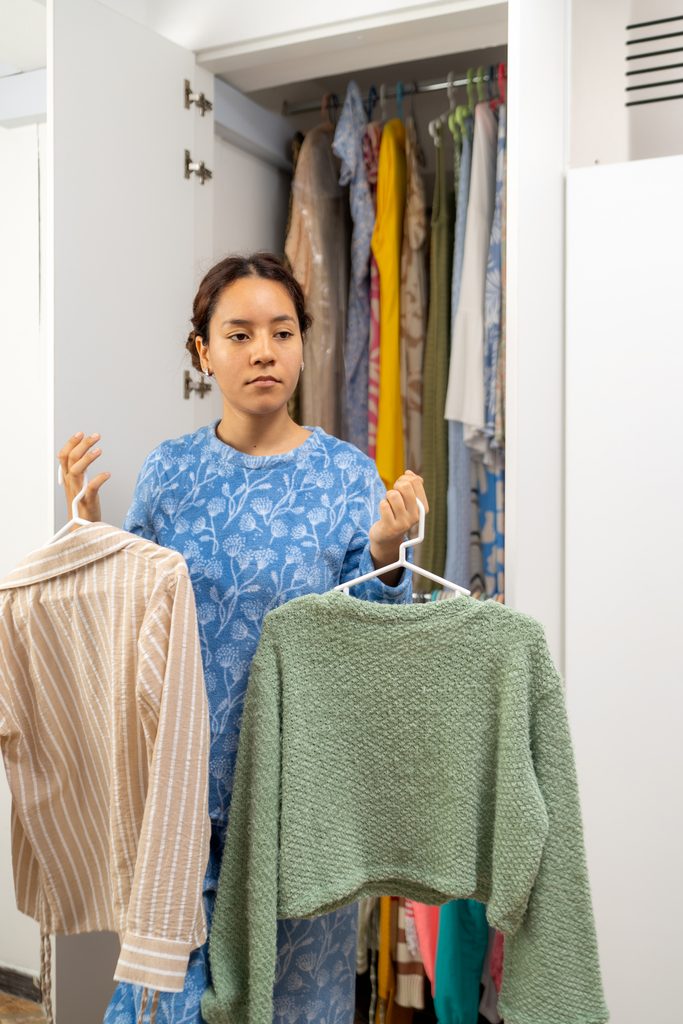
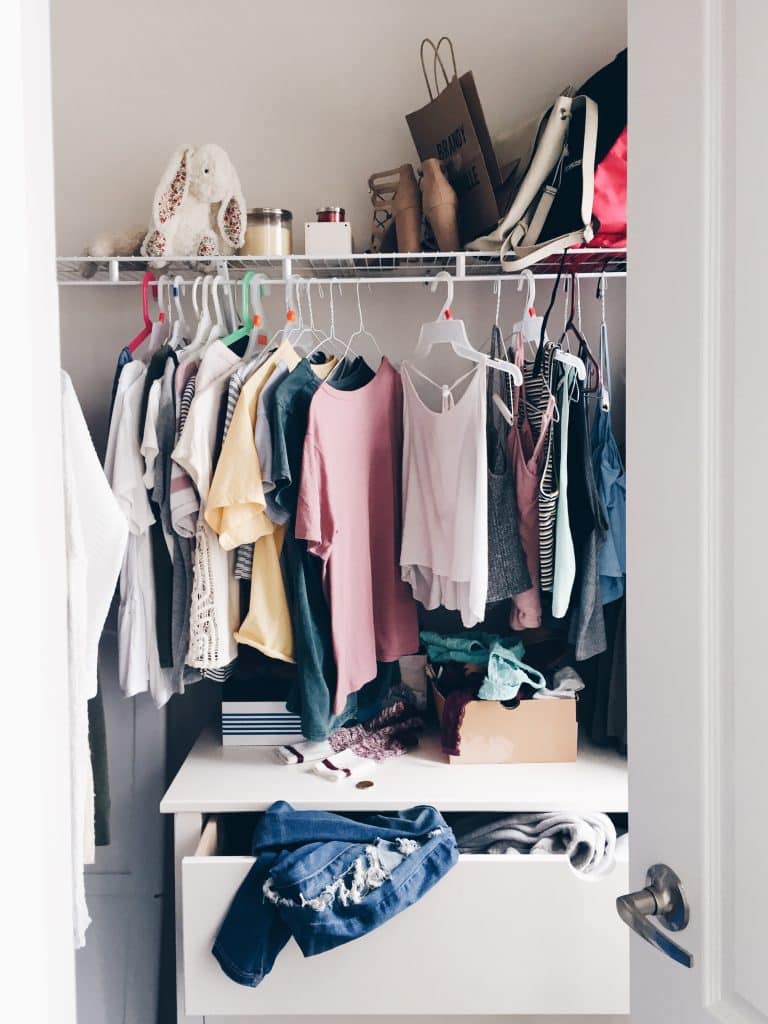
32. Clearing Out a Closet Through a Resale App
Clothing resale apps have made this close to effortless compared to the yard sale era. Photograph what’s not worn anymore, list it, and let the app handle the rest.
A single closet cleanout, done properly with decent photos and honest descriptions, typically nets more than most people expect from clothes they’d already written off.
Net effect: the closet gets more usable at the same time the bank account does, which is a rare two-for-one on this list.

31. Selling an Old Phone or Tablet You Upgraded Away From
The phone that got replaced two upgrades ago is probably still sitting in a drawer, still worth something, and still depreciating by the month it stays there.
Trade-in programs and resale marketplaces both work, and it’s worth checking both, since the gap between them can be significant depending on the model and condition.
This is one of the habits people good with money already have, selling the old device the same week the new one arrives, rather than letting it sit for another two years.
| Keep Reading — 43 Weird Money-Saving Habits That Really Pay Off |

30. Running One Well-Timed Yard Sale a Year
A yard sale isn’t a business, and it shouldn’t feel like one. Pick a single Saturday, price things to move rather than to negotiate, and treat it as a once-a-year reset.
Timing matters more than most people think. Early spring, right after a long winter of accumulating clutter, tends to draw better traffic than a random weekend in the fall.
The goal isn’t maximizing every item’s value. It’s clearing the garage and walking away with a few hundred dollars instead of a trip to the dump.

29. Using a Cashback Browser Extension for Purchases You’d Make Anyway
Cashback browser extensions and receipt-scanning apps don’t ask you to change what you buy. They just quietly return a small percentage of purchases you were already going to make.
It’s not a lot per transaction, usually a few percent, but it’s genuinely passive once it’s set up. You install it once and forget about it.
The upshot: this one earns its spot on the list precisely because it takes zero ongoing effort, which is rare for anything labeled a money-making tip.
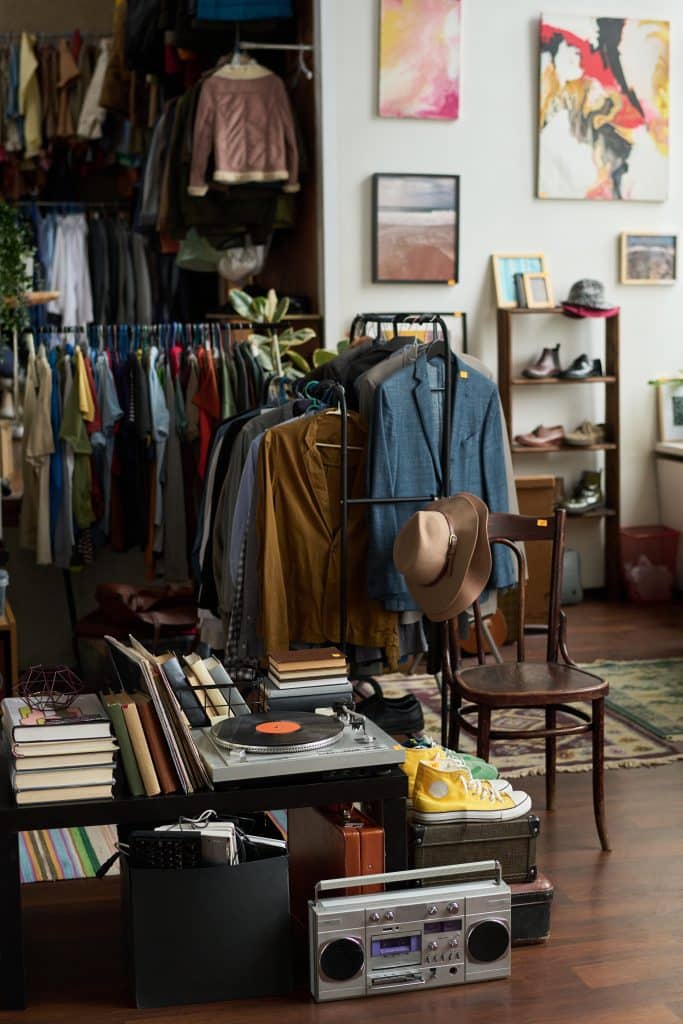
28. Flipping a Few Thrift Store Finds
This one takes a bit more of an eye than most items on this list. Certain brands of kitchenware, furniture, and clothing sell for several times their thrift price on resale marketplaces.
It’s not a full-time thrifting operation, just an occasional detour when you’re already at the store for something else and spot something worth a second look.
Photograph and price it fast. Items that sit listed for months rarely age into a better price the way people hope they will.
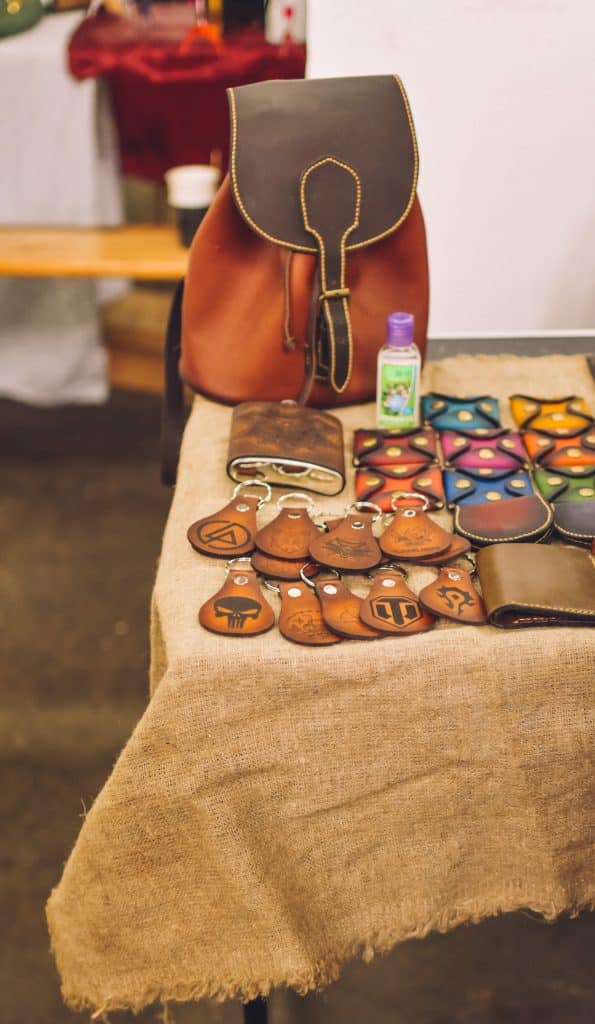
27. Selling Handmade Crafts a Couple Times a Year
If you already knit, woodwork, or bake for fun, a craft fair or holiday market a couple times a year turns a hobby into occasional income without turning it into a job.
Even the kids in the house catch onto this early, and a table at a local craft fair is genuinely one of the more reliable weekend paydays on this whole list.
Price for the venue, not for a full-time shop. A table at a school fundraiser can’t carry the same prices as a boutique, and pricing it that way just means going home with unsold inventory.

26. Selling a Digital Download of Something You Already Know How to Do
A simple guide, template, or planner built around something you’re already good at, a budgeting spreadsheet, a meal plan, a workout log, can be sold as a one-time digital download.
The work is front-loaded. Once it’s built, each sale after that takes almost no additional effort, which is the appeal and the catch at the same time.
Where this lands: this leans closer to the harder version of this game than anything else on this list, so treat it as a slow burn rather than a quick win.

25. Renting Out a Parking Spot You Don’t Use
Anyone near a downtown area, a stadium, a college campus, or a busy commuter corridor has a parking spot worth more empty than most people assume.
Parking rental apps connect drivers looking for a spot with homeowners who have one sitting unused during the day, at night, or on event weekends.
It requires zero renovation and almost no upkeep. You’re basically charging rent on square footage you were already paying for.
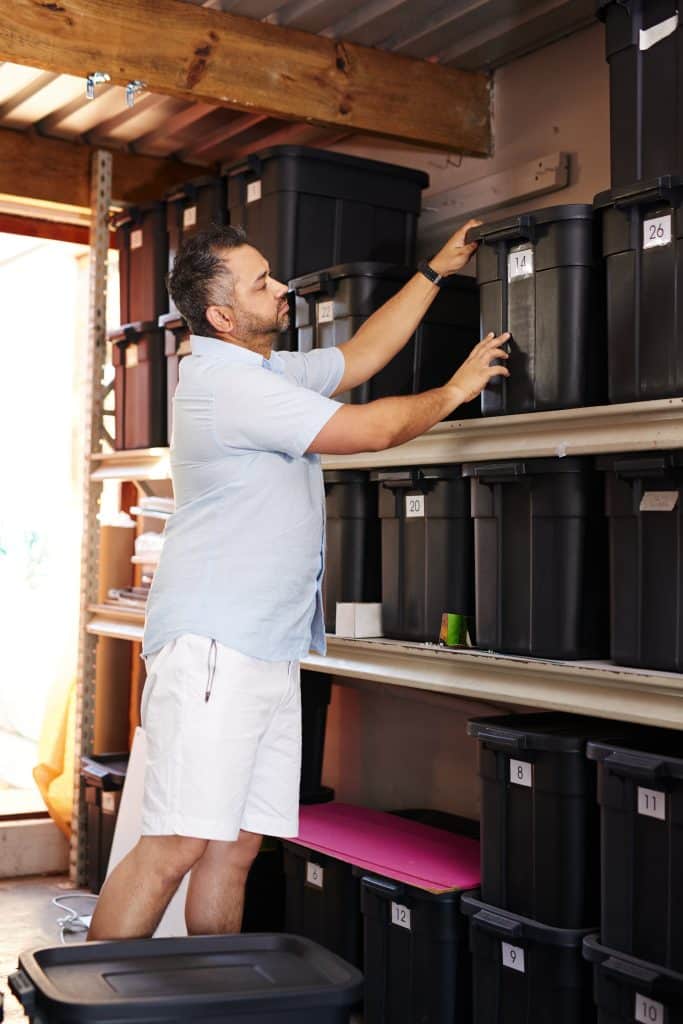
24. Renting Out Closet or Garage Storage Space
A spare closet, a corner of the garage, or an empty basement shelf can be rented to someone who needs seasonal storage and doesn’t want to pay for a full storage unit.
Peer-to-peer storage apps handle the matching and often the payment too, which removes most of the awkwardness of arranging it yourself.
The math: a few dozen square feet you weren’t using can cover a meaningful chunk of a monthly bill, without a single renovation.

23. Renting Out a Spare Room for Short Stays
A spare bedroom that mostly holds exercise equipment and guests twice a year can bring in real money as an occasional short-term rental instead.
This doesn’t have to be a full-time listing. Plenty of people list a room only for a few busy weekends a year, around a local event or graduation season.
Check local rules first. Some towns and homeowners associations restrict short-term rentals, and it’s worth knowing that before listing anything.

22. Renting Out Your Driveway During a Local Event
If you live anywhere near a stadium, a fairground, or a concert venue, event-weekend parking can be worth far more per day than the going rate for a monthly rental.
A single driveway can host multiple event days a year, and the pay-per-day rate for a big game or concert is often the best single-day return on this entire list.
Post it a few weeks ahead of the event. Last-minute listings compete against dozens of others posted the night before.
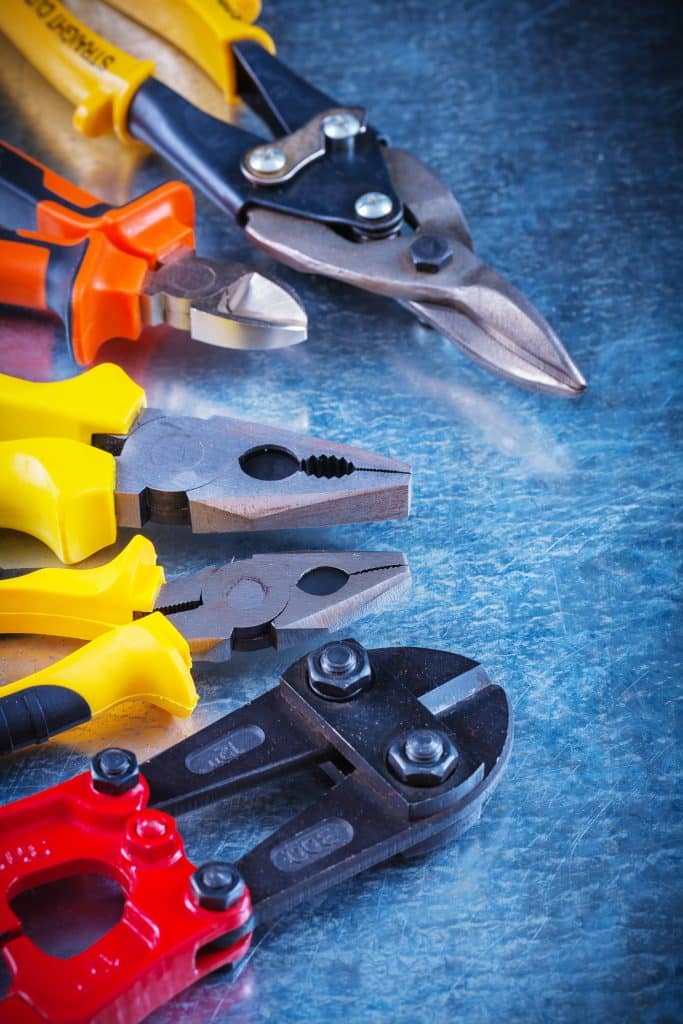
21. Renting Out Tools and Equipment That Mostly Sit in the Garage
A pressure washer, a table saw, a ladder tall enough to reach the gutters, most of these tools get used a handful of days a year and sit idle the rest of the time.
Peer-to-peer tool rental apps and neighborhood groups make it easy to rent these out for the days they’d otherwise just be taking up wall space. For a full rundown of what’s rentable around a typical house, it’s worth a separate look.
Set a clear deposit and pickup process before the first rental. It saves an awkward conversation later.

20. Renting Out Camera Gear or Bikes You Barely Use
A decent camera, a set of lenses, or a couple of bikes that mostly hang in the garage can be rented out through the same peer-to-peer apps used for tools.
Weekend renters, tourists, and hobbyists testing gear before buying their own make up most of the demand, and the daily rate on specialty gear is often higher than people expect.
Worth remembering: rent out the gear you’d be annoyed to replace, not the gear you’d genuinely miss, since accidents happen even with a deposit in place.
|
You might also like
20 Everyday Things That Used to Be Free (And What They Cost Now) →
|
Worth Knowing
Roughly half of this list is stuff you sell once, and the other half is stuff you rent out repeatedly. The renting side generally pays better over a year, but it takes more setup and a little more comfort handing over your own belongings.
If none of that appeals to you yet, some of the habits that sound weird but pay off are a gentler place to start before jumping into renting anything out.

19. Renting Out Your Car on the Days You Don’t Drive It
Peer-to-peer car rental apps let owners rent out their vehicle on the days it would otherwise just sit in the driveway. It’s most useful for a second car or a car that gets used a few days a week.
The pay can be meaningful, sometimes several hundred dollars a month for a car that mostly sits idle. It’s also the one with the most moving parts on this list.
Insurance coverage, wear and tear, and mileage all need to be worked out before listing it, and that’s genuinely not worth the hassle for everyone. If your car is older, paid off, and mostly parked, it’s worth a look. If it’s newer or you’re precious about it, this one’s easy to skip.

18. Petsitting for a Neighbor Now and Then
Occasional petsitting for neighbors, friends, or through a local pet-sitting app pays surprisingly well for time that mostly involves feeding an animal and letting it out.
Weekends and holiday weeks tend to be the highest demand, since that’s exactly when people traveling need someone reliable.
Start with people you already know before opening it up to strangers through an app. It builds trust faster and the referrals tend to come quickly after.

17. House-Sitting While Someone Travels
House-sitting is petsitting’s quieter cousin. Someone needs their plants watered, their mail collected, and their house looking lived-in while they’re away, and they’re often willing to pay a flat rate for it.
It’s the closest thing on this list to actual passive income, since most of the “work” is just being present in a house that isn’t yours.
Demand for this spikes seasonally, and the exact playbook for the holiday season covers the version of this that shows up most around travel-heavy weeks.

16. Selling Furniture You Were About to Replace Anyway
Before hauling old furniture to the curb during an upgrade, list it first. Even a couch or dresser you consider outdated often has real value to someone furnishing a first apartment.
Solid wood pieces especially hold value, sometimes more than newer, cheaper furniture, simply because they were built to last in the first place.
Net effect: the new furniture arrives, the old furniture pays for part of the delivery fee, and nothing ends up at the curb.

15. Selling Old Jewelry and Gold for Scrap Value
Broken chains, single earrings, and jewelry nobody wears anymore can be sold for scrap gold value, which is separate from and usually simpler than trying to sell it as jewelry.
Local jewelers and dedicated gold buyers will weigh it on the spot. It’s worth getting two quotes before accepting the first one offered.
This one leans against the myth that collectibles are a retirement plan, since jewelry sitting in a box isn’t building wealth for anyone. It’s just sitting there.

14. Selling Books, Games, and Media in Bulk Instead of One at a Time
Selling individual books and games one at a time takes forever and often isn’t worth the shipping hassle for a five-dollar item.
Bulk buyback programs, both online and at local used bookstores, will take a whole box at once for a flat total, no listing or shipping involved.
It’s a lower per-item payout than selling piece by piece, but the time saved usually makes it worth the tradeoff for anything you weren’t going to individually list anyway.

13. Opening a Savings Account for the Signup Bonus
Some banks offer a one-time cash bonus for opening a new savings or checking account and meeting a minimum deposit or direct deposit requirement.
These bonuses have ranged from a hundred to several hundred dollars, though the exact terms vary constantly and it’s worth reading the fine print before committing.
The upshot: this pairs naturally with quietly trimming what you already pay for banking fees, since both are about making your bank work harder for you instead of the other way around.
12. Switching Banks for a One-Time Bonus
This is the more aggressive version of the last item, deliberately moving your primary banking relationship to chase a bigger signup bonus, then possibly moving again next year.
It can add up to real money over a few years for people willing to do the paperwork. It’s not for everyone.
Honestly, managing multiple new accounts a year, tracking requirements, and remembering which auto-payments need updating is more mental overhead than most people want for a few hundred dollars. It’s a fine strategy for someone who already enjoys optimizing this kind of thing, and a headache for everyone else.

11. Selling Print-on-Demand Designs of Something You Already Draw or Design
If you already doodle, design, or create digital art for fun, print-on-demand platforms let you put those designs on shirts, mugs, and prints without holding any inventory yourself.
You upload the design once, set a price, and the platform handles printing and shipping for every order that comes in after that.
Where this lands: sales tend to be slow and unpredictable unless you’re also sharing the designs somewhere people will see them, so treat this as a side project for a hobby you already have, not a plan on its own.

10. Selling Stock Photos of Things You Already Shoot
If photography is already a hobby, stock photo sites will pay a small licensing fee every time one of your photos gets downloaded by a business or publisher.
A single photo rarely pays much per download, but a solid portfolio of a few hundred images can generate a steady trickle of income over years.
Upload the photos you’re already taking anyway. This isn’t worth buying new gear or planning shoots around, at least not until it proves itself.
|
Worth It or Not
18 January Money Moves That Set Up Your Whole Year
|

9. Selling Extra Produce or Eggs From Your Own Yard
A backyard garden or a small flock of chickens produces more than most households can eat, especially at peak season, and neighbors are often happy to buy the overflow.
A small honor-system stand at the end of the driveway, or a post in a local group, is usually all it takes to move it.
It’s not going to replace a trip to a warehouse club buys run, but it does help rethink what’s actually worth buying in bulk when your own yard is already producing some of it for free.

8. Taking On One Small Freelance Task Instead of a Whole Side Hustle
This is deliberately not a call to build a freelance business. It’s picking up a single paid task, editing a resume, building a spreadsheet, writing one page of website copy, using a skill you already have from your day job.
Freelance marketplaces make it easy to find one-off tasks that don’t require ongoing client relationships or marketing yourself as a service provider.
Honestly, this is the item on this list most likely to quietly turn into a side hustle if you’re not careful. One good client review leads to another job, and before long you’ve built the thing this article promised to help you avoid. If you want to keep it occasional, say no more often than feels natural.

7. Cashing In Old Store Credit and Unused Gift Balances
Store credit from a return, a rewards balance from a loyalty program, an unused promotional credit, these all quietly sit unused because redeeming them requires remembering they exist in the first place.
A quarterly check of email inboxes and account dashboards for “you have a balance” notifications usually turns up more than people expect.
The math: individually these are small, ten dollars here, twenty there, but a full household audit often turns up a genuinely surprising total.
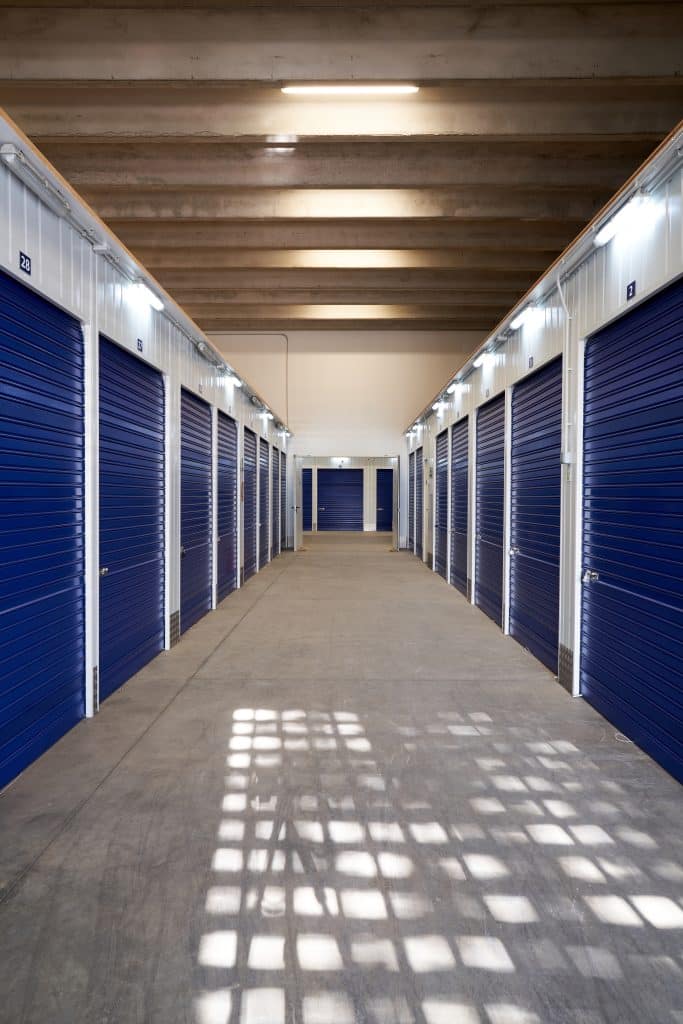
6. Renting Out a Storage Unit You’re Already Paying For
If you’re already renting a storage unit that’s half empty, subletting the unused space to someone else can cover a meaningful chunk of your own monthly rate.
This is one of those small money leaks that works in reverse. Instead of plugging the leak, you’re getting someone else to help pay for it.
Check your storage facility’s policy first. Some allow subletting and some don’t, and it’s worth confirming before making an arrangement with anyone.

5. Doing a Single Mystery-Shopping Assignment
Mystery shopping pays you to visit a store or restaurant and evaluate the experience, then report back on service, cleanliness, and whether staff followed procedure.
Some assignments reimburse the purchase entirely on top of a flat fee, which effectively means getting paid to do something you were doing anyway.
Worth remembering: legitimate mystery shopping programs never ask you to pay upfront for an assignment, so treat any that do as a scam and move on.
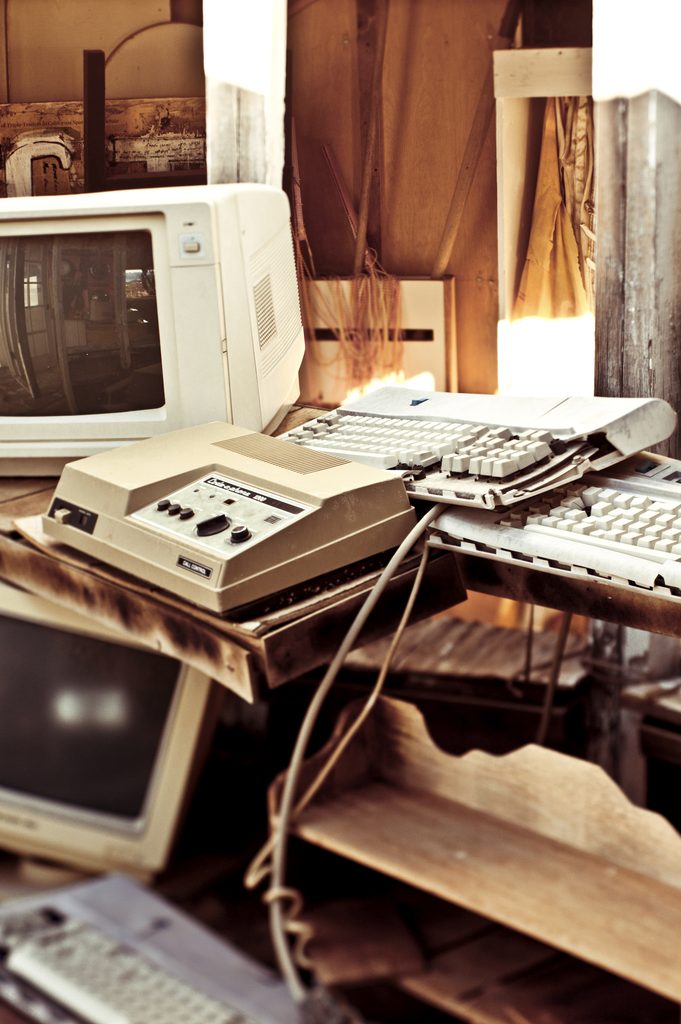
4. Selling Scrap Electronics, Cords, and Old Cables
Every household has a drawer of cables, chargers, and dead electronics that belong to devices nobody owns anymore. Electronics recyclers and scrap buyers will actually pay for a lot of this.
The circuit boards and copper inside old electronics have real scrap value, even when the device itself is broken beyond repair.
It’s not a big payout for a single item, but clearing out an entire drawer at once usually adds up to more than expected, and it clears the clutter either way.

3. Renting Out Your Yard or Pool for a Few Hours
A nice backyard, a pool, or a well-kept lawn can be rented out by the hour to families throwing a party or hosting a small gathering without their own outdoor space.
Peer-to-peer outdoor space rental apps have made this more common in recent years, especially in neighborhoods where pools are common but not universal.
Net effect: a single Saturday afternoon rental can pay more than a full day at a regular job, though it does mean sharing your yard with strangers for an afternoon.
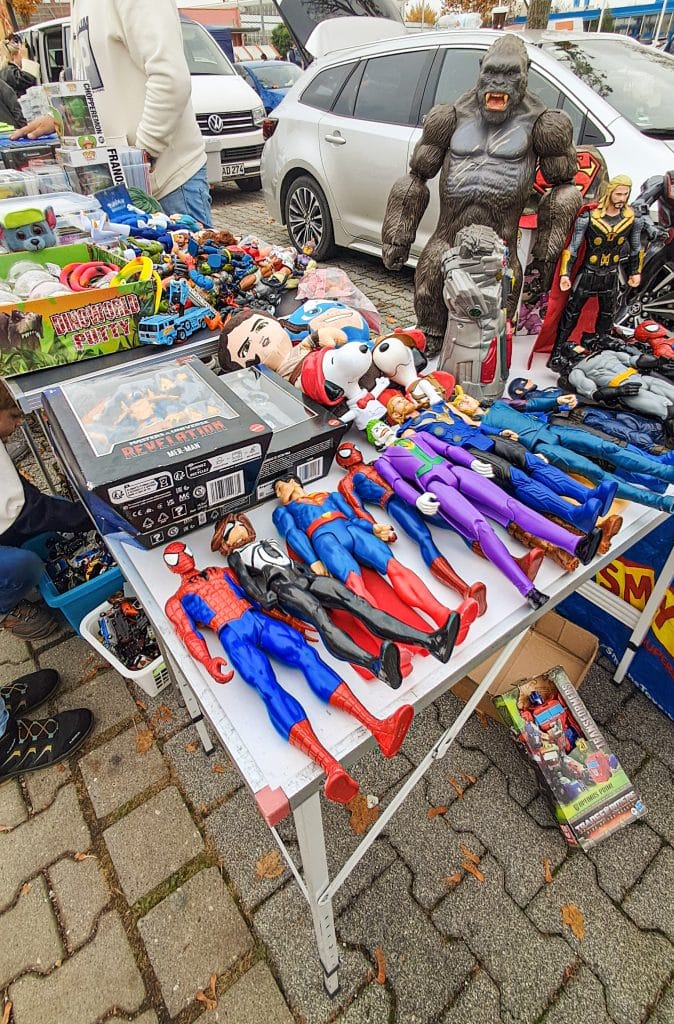
2. Selling a Collectible or Rare Item That’s Been Sitting in a Box
Old coins, trading cards, vinyl records, comic books, most households have a box of something that was collected years ago and forgotten since.
A specialist collector’s marketplace, rather than a general resale app, usually gets a fairer price, since general buyers rarely know what a specific item is actually worth.
Get an appraisal before assuming a box of comics is retirement money. It rarely is, and that’s one of the money mistakes you don’t need to feel guilty about, just don’t let the appraisal come as a surprise.

1. Renting Out the Biggest Unused Asset You Already Own
Somewhere on this list is the one thing in your life that’s genuinely underused. Maybe it’s the car that sits in the driveway five days a week. Maybe it’s the guest room, the storage space in the garage, or a parking spot next to a stadium.
The reason this one lands at number one isn’t that it’s the easiest. It usually isn’t. It’s that it’s the one with the highest ceiling, because you’re not selling something once, you’re renting the same asset over and over.
A car that earns a few hundred dollars a month, or a spare room rented out on a handful of busy weekends, adds up to real, recurring money over a year without ever becoming a second job.
Most people never get here because it takes actually looking at what they own with fresh eyes. The driveway isn’t just a driveway.
The extra room isn’t just storage for boxes nobody’s opened in years. Somewhere in your house is an asset that’s been sitting quiet this whole time, and it’s worth a walk through every room asking what it’s actually worth if it stopped sitting idle.

The Easiest Wins First
Not all 39 of these are worth your time, and that’s fine. Nobody needs to do all of them at once.
If you only do a few, start with the ones that take zero setup: the gift card drawer, the closet resale, the cashback extension, and a quarterly check for unused store credit.
Once those are cleared out, look harder at what’s actually sitting idle around your house. A parking spot, a spare room, a car that mostly stays parked, these tend to pay more over time than anything you’d sell once.
None of this requires quitting a job, starting a business, or learning a new skill overnight. It just requires actually looking at what you already have. For more of the same spirit, a handful of money tricks that actually work pair well with this list, since keeping more of what you earn matters just as much as earning a little extra.