27 Habits People Good With Money Have That Everyone Else Skips
Some links may be affiliate links. We may earn a commission at no extra cost to you. View our full disclosure.
I’ve watched a lot of people build real money over the years, and almost none of them talk about it like a system. No spreadsheets they’re proud of. No secret account nobody knows about.
What they actually have is a set of small, boring moves they run without thinking twice. None of it looks impressive from the outside.
Meanwhile, everyone else is out here optimizing the wrong thing. Chasing a better interest rate on a savings account with $400 in it, while ignoring the $60-a-month subscription nobody uses.
That’s the pattern worth paying attention to. Good money habits are rarely dramatic, they’re just repeated often enough that they stop feeling like decisions.
I pulled together 27 of the habits I see over and over in people who quietly have their money together. Some of these will sound obvious. Stick around, because the ones that sound obvious are usually the ones people skip anyway.
Here’s the countdown, starting with the small stuff and ending with the habit that actually moves the needle.

27. They Actually Read the Bill Before They Pay It
Most people glance at the total and pay it. People good with money open the statement and scan the line items first.
It takes maybe two extra minutes a month. Over a year, those two minutes catch the double charge, the rate that quietly went up, the fee that shouldn’t be there at all.

26. They Let the Cart Sit Overnight
Not every purchase gets this treatment, just the ones over a threshold they’ve picked for themselves. The item goes in the cart, and the tab gets closed.
If they still want it the next morning, they buy it with no guilt attached. A surprising number of carts just quietly empty themselves overnight.
The Habit: the delay isn’t about willpower, it’s about removing the moment of pressure entirely.

25. They Ask “Is There a Discount for That?” Out Loud
This one feels awkward the first few times, then it stops feeling like anything at all. It works on more than you’d guess: streaming subscriptions, gym contracts, even medical bills.
Worst case, someone says no and life continues exactly as before. Asking costs nothing and occasionally saves real money.

24. They Automate the Boring Stuff Before They Ever See It
Savings, the extra debt payment, the transfer into a separate account, all of it moves before the paycheck ever feels spendable. This isn’t about discipline in the moment.
It’s about removing the moment entirely. Money you never see is money you never have to talk yourself out of saving.

23. They Know Their Big Numbers Cold
Ask them their rent, their car payment, and roughly what they owe across everything, and they don’t have to think. Not to the dollar, just close enough to be useful.
Why It Works: you can’t manage a number you can’t recall, and most people genuinely can’t recall theirs.

22. They’ve Actually Returned Something
The thing that didn’t fit, the gadget that never got used, the impulse buy that looked better online. It goes back, receipt or no receipt, return window permitting.
Plenty of people let that money just sit in a drawer instead, treating the loss as final. It usually isn’t.

21. They Negotiate Bills Everyone Else Assumes Are Fixed
Internet, insurance, even a hospital bill. A surprising number of these prices are more of a suggestion than most people realize.
|
You might also like
18 Ways Families Are Doing Christmas Cheaper This Year (Without the Kids Noticing) →
|
The move is a single phone call, usually asking to speak with retention or billing directly. It doesn’t work every time, but it works often enough to be worth the ten minutes.
20. They Check Unit Prices Even When It’s Annoying
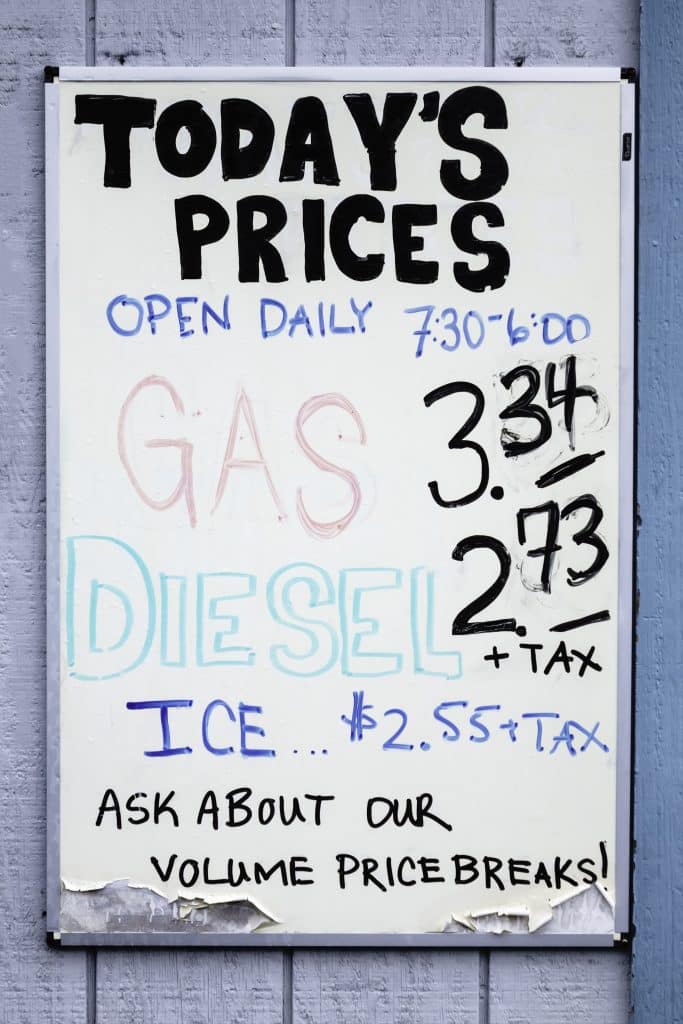
The bigger package isn’t automatically the better deal, and store shelves are built to make that hard to notice. Unit price is usually printed in tiny type right under the sticker price.
What It Buys You: a few seconds of squinting, in exchange for not quietly overpaying for the bigger box.

19. They Buy Quality Once Instead of Cheap Five Times
This isn’t a green light to spend more everywhere, it’s the opposite. They spend more on the small handful of things that actually get used constantly, and cut corners hard everywhere else.
A better pair of shoes that lasts three years beats a cheap pair replaced three times. The math only works if the item genuinely gets heavy use.

18. They Keep Driving the Car After It’s Paid Off
The payment ends and the car keeps running, so the money that used to go to the loan gets redirected instead of absorbed into a new one. That’s a meaningful chunk of income freed up, sometimes for years.
The upgrade urge shows up right on schedule anyway. Most of the time it gets ignored a little longer.

17. They Audit Every Subscription Twice a Year
Not once, twice. Enough time passes between reviews that new subscriptions quietly pile up, and a single annual sweep misses too much.
The Habit: this only pays off if it’s actually scheduled somewhere, because “I’ll get to it eventually” never happens.
To be fair, not every subscription is worth cutting. If something gets used every week, canceling it to save a few dollars a month usually isn’t the move, that’s a spending decision, not a leak.
Worth checking the current lineup against your own small money leaks before assuming everything on the list is dead weight.
16. They Say No to the Extended Warranty
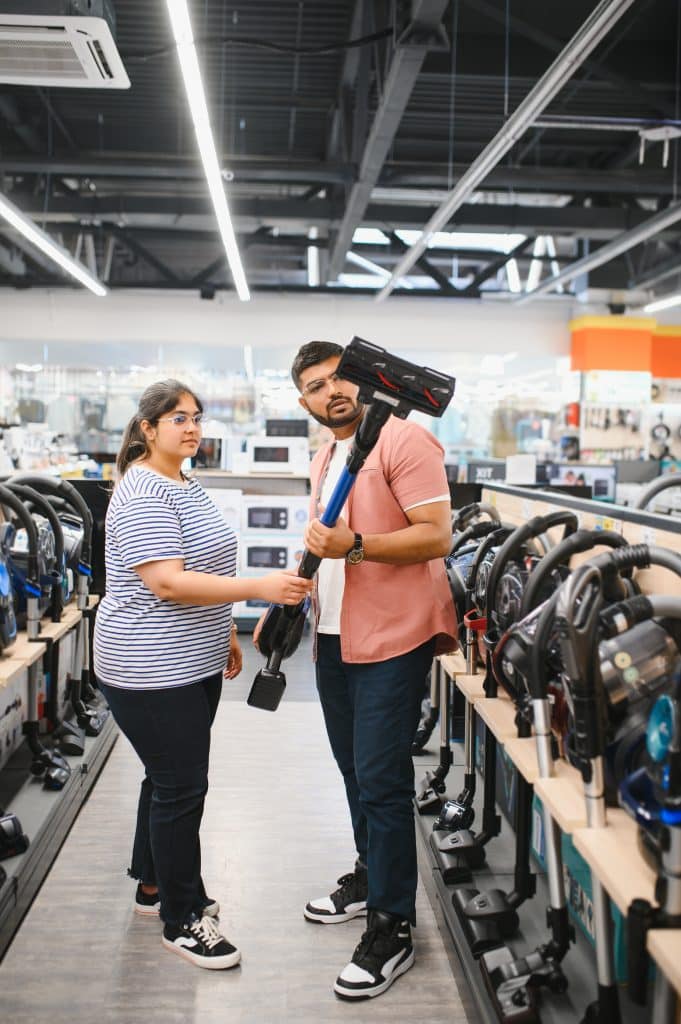
The pitch always sounds reasonable in the moment, protection for just a few dollars more. Most of these plans are priced well above the actual risk they’re covering.
A small emergency fund covers the same risk for a lot of purchases, without a recurring fee attached. It’s not the right call every time, but it’s the default most people good with money land on.

15. They Use the Library Like It’s Still 1995
Books, movies, sometimes even tools and equipment depending on the branch. It’s one of the last genuinely free things left, and most people forgot it exists.
A library card costs nothing and replaces a real amount of casual spending over a year. It’s a small habit, but it adds up quietly.

14. They Cook More Than They Order In
Nobody’s claiming they never order food, they just don’t do it as a default reflex. Cooking is the baseline, ordering in is the occasional exception.
Why It Works: the gap between the two adds up to real money over a month, even before counting the delivery fees on top.
Curious how much those fees quietly cost over a year? I broke it down in delivery fees you’re paying without realizing it.
Worth Knowing: the halfway point of this list is a decent moment to check yourself honestly against it so far.
If you’ve counted six or more without trying too hard, you’re probably already doing better than you give yourself credit for. If you’ve counted two, that’s fine too, this is a list to steal from, not a scorecard.
|
Rewind
31 Things Every '80s Kitchen Had That Nobody Has Anymore
|
Either way, the back half of this list is where the bigger habits live. Keep going.

13. They’ve Had the Uncomfortable Money Conversation
With a partner, a roommate, sometimes a parent. The conversation people avoid for months usually takes twenty awkward minutes once it actually happens.
Avoiding it doesn’t make the numbers less real, it just means two people are managing the same money with different information. If this one’s been sitting on your list too, money conversations couples keep avoiding is a decent place to start.
12. They Keep a Real Emergency Fund, Not Just an Intention
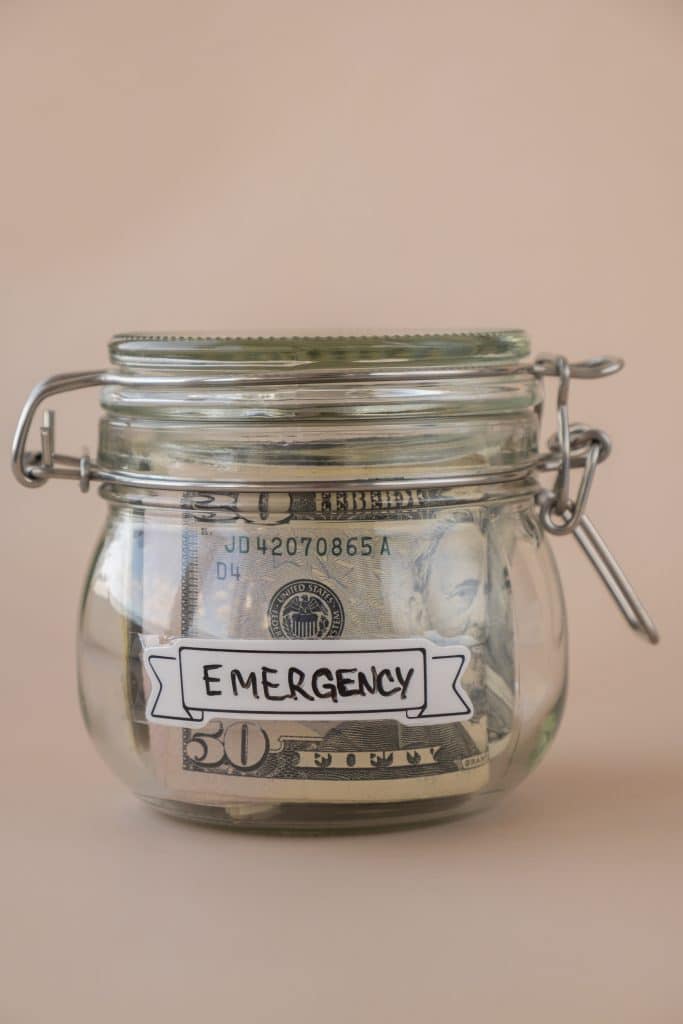
Everyone says they should have one. A much smaller group of people can actually point to it existing, funded, and separate from their checking account.
It doesn’t have to be large to start doing its job. Even a partial cushion changes how a bad week feels, and how much it costs you.

11. They Feel the Twinge After an Impulse Buy, and Listen to It
That little flash of regret right after checkout isn’t guilt for no reason. It’s useful information, and most people just push right past it.
The Payoff: paying attention to that feeling, even after the fact, slowly rewires what feels worth buying in the first place.

10. They Track Their Credit Score Without Obsessing Over It
Checking it monthly, not daily, and treating a small dip as noise instead of a crisis. Scores move around for boring reasons all the time.
The point isn’t to chase a perfect number. It’s to notice quickly if something actually looks wrong, like an account that isn’t theirs.

9. They Have a Plan for Windfalls Before the Money Shows Up
A bonus, a refund, an inheritance, even a garage sale that goes better than expected. Without a plan, that money tends to evaporate into a dozen small purchases nobody remembers later.
People good with money usually decide the split in advance, some toward savings or debt, some just for spending guilt-free. Exactly how much goes where is a personal call this article isn’t going to make for you.

8. They Know the Difference Between Good Debt and Bad Debt
Not all debt is treated the same, and it shouldn’t be. A low-rate loan on something that builds value is a very different animal than a high-rate balance carried on things already used up.
What It Buys You: the ability to prioritize which balance actually deserves the extra payment first, instead of treating every dollar of debt the same.
For a deeper look at which “rules” here actually hold up, “money rules” that are actually myths covers a few of the common ones.

7. They Shop With an Actual List
Written down, or typed into a phone, it doesn’t matter which. What matters is that it exists before they walk in the door.
Stores are laid out specifically to make you buy things you didn’t come in for. A list is one of the cheapest defenses against that layout that exists.

6. They Don’t Buy Into “Keeping Up”
The new car in a friend’s driveway, the vacation photos, the renovated kitchen. None of it says anything about that person’s actual finances, and people good with money seem to genuinely internalize that.
It’s less about willpower and more about just not caring as much. That’s a harder habit to build on purpose, but it’s real.
5. They Understand Compound Interest Beyond the Buzzword
Not the formula necessarily, just the shape of it. Money left alone to grow tends to grow faster the longer it sits, and money borrowed at a high rate works the same way in reverse.
Where It Adds Up: a small amount set aside consistently in your twenties can, hypothetically, end up outpacing a much larger amount started later, though this is a hypothetical illustration, not a prediction or recommendation.
|
Rewind
16 Things Your Parents Rented That Everyone Buys Now (And When the Old Way Was Right)
|
None of this is a rescue plan for a spending problem, and it shouldn’t be treated like one. It’s a reason to start something small now instead of waiting for a bigger number later.

4. They Stay Away From Timeshares and Their Look-Alikes
The free dinner, the “just come listen for ninety minutes” pitch, the pressure-filled room at the end of it. People good with money treat the whole category as entertainment, not an offer.
The math on most of these deals rarely works out the way it’s pitched. Renting stays flexible, ownership rarely does.
3. They Keep Some Cushion, Even a Small One
Not a full emergency fund necessarily, just something. A hundred dollars set aside somewhere it won’t get touched still changes the math on a bad day.
It’s the difference between an inconvenience and a crisis. People good with money treat “some cushion” as non-negotiable, even when it’s small.

2. They’ve Cancelled Something This Year, On Purpose
A membership, a service, a plan that quietly outgrew its usefulness. Cancelling something on purpose is a different muscle than just forgetting to renew.
The Payoff: it trains you to actually evaluate what you’re paying for instead of assuming everything on the statement is earning its spot.

1. They Started Before They Felt Ready
This is the one that actually separates people, more than any of the other 26 combined. Not a bigger income, not a lucky break.
Just starting the habit while the amount still felt embarrassingly small.
The person who starts saving $20 a week at 24 usually ends up ahead of the person waiting for a “real” amount to start with at 34. Ten years of a small habit beats zero years of a bigger one that never actually began.
I’ve seen this play out over and over, in people with wildly different incomes. The ones who did fine weren’t the highest earners in the room.
They were the ones who picked one habit from a list roughly like this one and just kept doing it, quietly, for years, without waiting for permission or a better starting point.
None of the other 26 habits matter if this one never happens.

The Pattern Behind It
If you’re looking for the one thread running through all 27 of these, here it is. None of them require more income.
They just require doing the small, unglamorous thing consistently enough that it stops being a decision. That’s genuinely the whole secret, and it’s not a very exciting one.
If you only take a few of these and run with them, make it the automated savings, the actual emergency fund, and starting before you feel ready. Everything else on this list is optimization around those three.
Want more of this kind of thing? weird money-saving habits that actually work and “bad” money habits financial advisors say are actually fine are good next stops.
If you’d rather look at the flip side, at the stuff people with their money together have quietly stopped doing, things people stopped buying once they got smart with money and things frugal people refuse to buy pair well with this one.
A few more worth a look: “normal” expenses frugal people refuse to pay, household money habits you need to break, and money mistakes you need to stop feeling guilty about.
And if you want the practical side of all this, “cheapskate” money tricks that actually work, things that cost way less than you think, things smart shoppers always buy secondhand, and questions smart shoppers always ask before buying round out the list.