37 “Cheapskate” Money Tricks That Actually Work
Some links may be affiliate links. We may earn a commission at no extra cost to you. View our full disclosure.
Every family has one person who saves the twist ties. In mine, that’s me.
For years I got the eye roll for it. Then grocery prices climbed and suddenly the twist-tie person looked less weird and more prepared.
Here’s the thing about “cheapskate” tricks. Most of them get mocked because they sound small, not because they don’t work.
A few genuinely are a waste of effort, and I’ll call those out when we get to them. But most of the list below actually moves the needle, especially once you stack a handful together.
I’ve spent decades watching which frugal habits survive contact with real life and which ones quietly get abandoned after two weeks. The ones on this list are the survivors, the kind of small stuff that adds up to genuinely costing you less than you’d expect over a year.
We’re counting down from 37 to the one habit I’d keep if I could only keep one. Let’s get into it.

37. Repurposing Glass Jars Instead of Buying Storage Containers
Pasta sauce jars, pickle jars, jam jars. Wash them out and they’re free pantry storage that happens to be dishwasher safe and see-through.
Matching plastic storage sets cost real money, and lids always go missing within a year anyway. Glass jars just keep accumulating on their own schedule.
The math: a decent storage set runs you real money every few years. A jar you were already throwing away costs nothing.

36. Making Your Own All-Purpose Cleaning Spray
A bottle of water, white vinegar, and a few drops of dish soap cleans counters, glass, and most everyday messes for pennies a batch.
It smells sharp for a minute and then fades, and refilling the same spray bottle for years beats buying a new one every month.
Here’s the honest part. Vinegar does not disinfect, so this is not the spray for a cutting board that just touched raw chicken or a house recovering from a stomach bug.
For everyday counters and mirrors, it’s genuinely fine. For anything that needs real disinfecting, buy the disinfectant and treat this as the everyday backup instead.
35. Borrowing Specialty Tools Instead of Buying Them
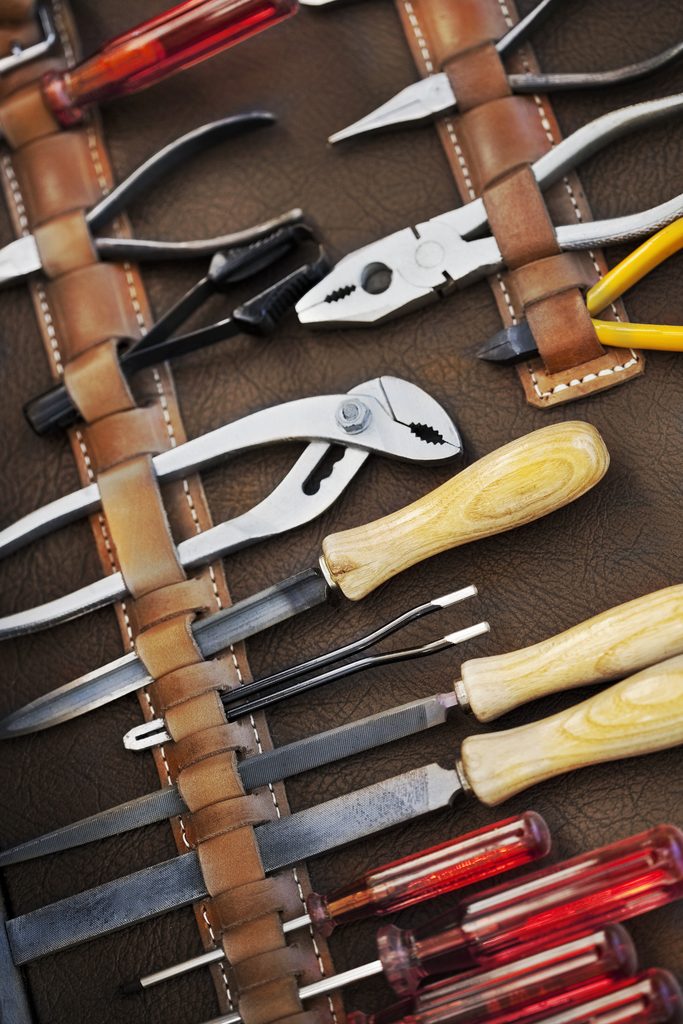
A tile saw, a pressure washer, a stud finder you’ll use twice. These are the tools that make sense to borrow from a neighbor, a local tool-lending library, or a rental counter instead of owning outright.
Owning a tool you use once a year means storing it, maintaining it, and eventually replacing it when it seizes up from disuse.
You’re not cheap for borrowing a tool you’ll use twice a decade. You’re just doing math the manufacturer would rather you skip.
34. Making Your Own Laundry Detergent
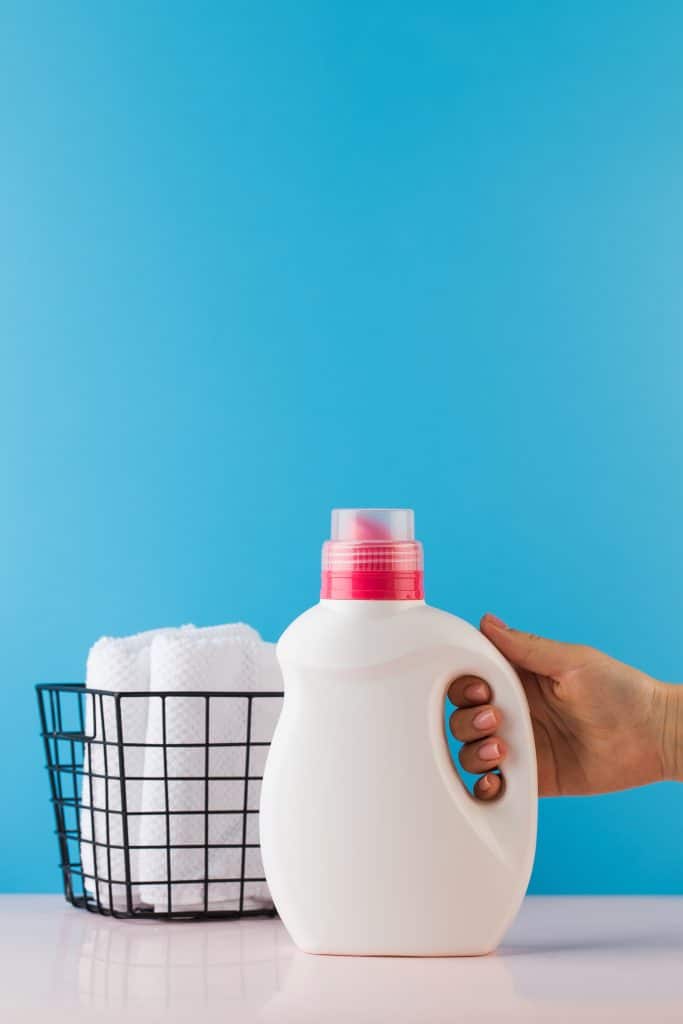
Washing soda, borax substitute, and a bar of grated soap turn into a laundry detergent that costs a fraction of the name-brand jug, and even the bulk warehouse version can’t quite match the per-load price.
It works fine on everyday loads. Towels, t-shirts, kids’ clothes that just need a normal wash.
The honest part: homemade detergent struggles on genuinely greasy stains, and some recipes can leave residue in high-efficiency machines if you don’t dilute them correctly.
Keep a small bottle of real detergent around for the tough loads, and use the homemade batch for everything else.
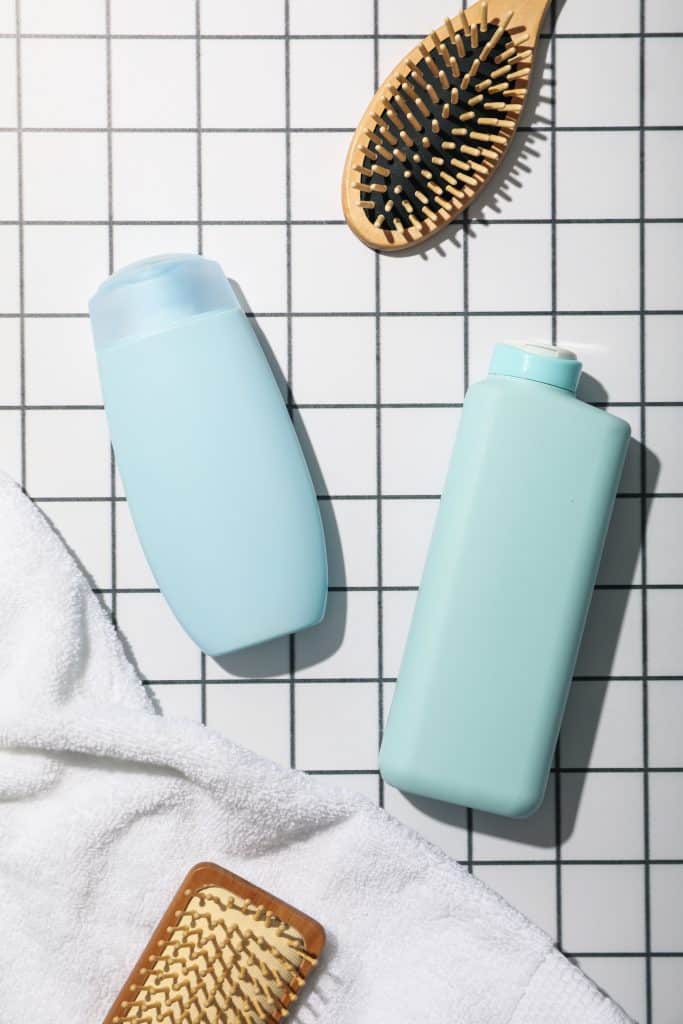
33. The Empty-Bottle Water Trick
Add a splash of water to an “empty” shampoo, conditioner, or lotion bottle, shake it, and you’ll get three or four more uses out of product that was headed for the trash.
It sounds silly until you realize how much product actually clings to the inside of a bottle. That’s not that different from other tricks that look strange and still pencil out.
A minute of shaking a bottle stretches the last dollar of a product you already paid full price for.
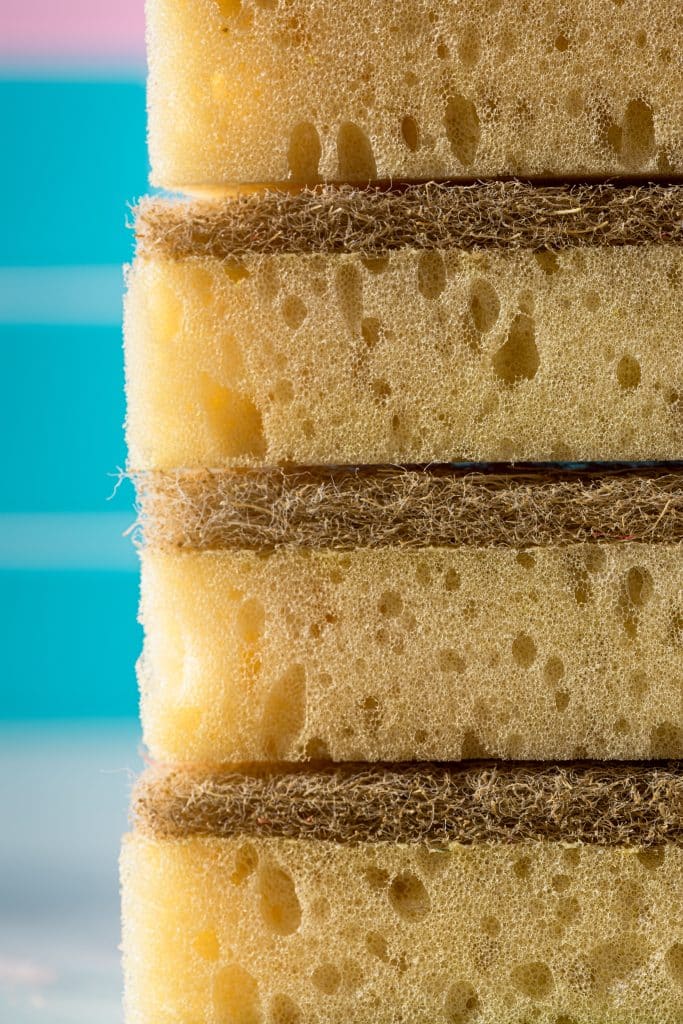
32. Cutting Sponges and Dryer Sheets in Half
A dryer sheet does most of its job in the first half of the load anyway. Cut one in half and you’ll get two loads out of it with barely a difference in softness.
Same idea with a fresh sponge. Cut it in half before it ever touches a dish and you’ve doubled how long that pack lasts.
Net effect: half the cost on two products you were already buying, with no real change in how either one performs.

31. Reusing Wrapping Paper and Gift Bags
Gift bags in particular are built to survive more than one trip. Fold the tissue paper back in, save the bag, and it’s ready for the next birthday.
Wrapping paper is trickier since it tears, but the good sheets can usually survive one careful unwrap if the recipient isn’t shredding through it.
It’s not going to make anyone’s list of things worth buying new, but it quietly saves a real amount around the holidays specifically.
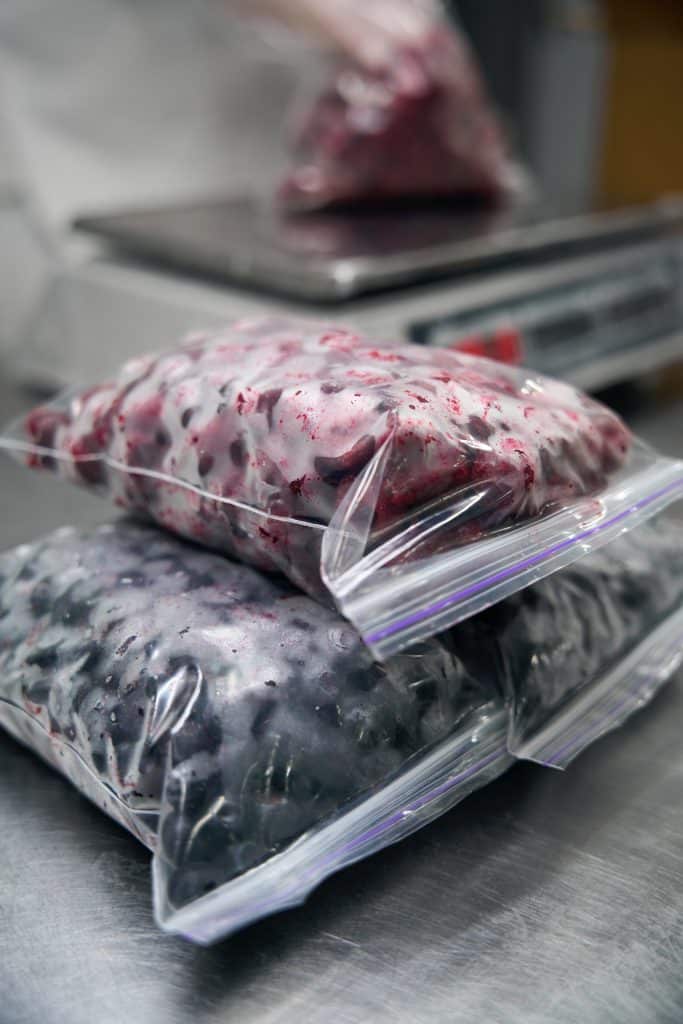
30. Washing and Reusing Resealable Plastic Bags
A bag that held bread or dry snacks can be rinsed, turned inside out to dry, and used again several times before it’s actually worn out.
Skip this one for anything that held raw meat. That’s where the trick stops being frugal and starts being a health risk.
Used the right way, on the right foods, one box of bags can quietly last twice as long as it’s supposed to.
| Keep Reading — 21 Big Purchases Ranked by the Best Time of Year to Buy Them |

29. Keeping Powdered Milk on Hand for Baking
Recipes that call for a splash of milk, like pancakes or a box of cornbread mix, work just fine with reconstituted powdered milk.
Nobody’s pouring it into their coffee. This is strictly a baking-and-cooking swap, not a full milk replacement.
The upshot: a small box sits in the pantry for months and quietly saves a carton run every time a recipe needs half a cup.

28. Buying the “Ugly” Produce
The bruised banana bunch, the oddly shaped peppers, the apples with a scuff. Grocery stores mark these down because shoppers pass them over for cosmetic reasons that have nothing to do with taste.
They’re going into a smoothie or a pot of soup either way. The blemish never makes it to the plate.
This is one of the easiest tricks on the list because it requires zero extra effort, just a different aisle habit.

27. Keeping a “Spite List”
Every time something breaks or a price jumps, write it down instead of replacing it immediately out of frustration.
Come back to the list in a week. Half the “must replace now” items turn out to be things you can live without or fix cheaply once the emotion wears off.
The delay does the actual saving. The list just makes the delay feel deliberate instead of lazy.

26. The Birthday Freebie Circuit
Restaurants, coffee chains, and retailers regularly give away a free item or a real discount during your birthday month if you’re signed up for their list.
Stack a handful of these and a birthday month turns into a string of small free meals and treats without spending anything extra to get them.
Where this lands: it’s not a strategy, it’s a once-a-year bonus. But it’s a genuinely free one if you’re already getting the emails anyway.
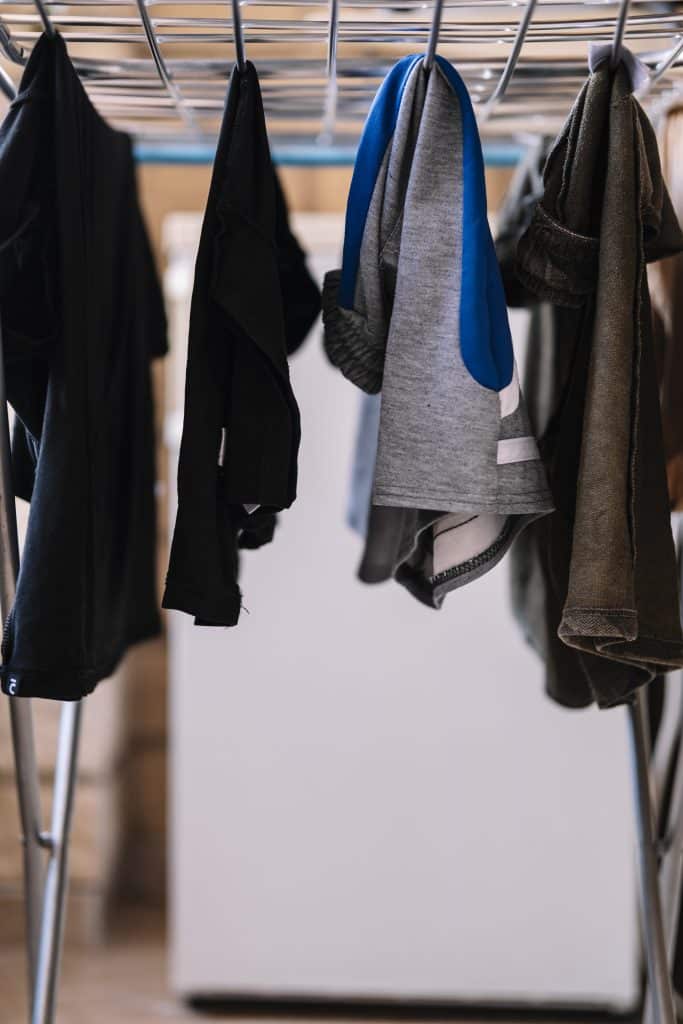
25. Hanging Laundry Indoors on a Drying Rack
A folding drying rack costs less than one month of running the dryer for every load, and it pays for itself within a season for most households.
Towels and jeans take longer to dry this way. Everything else, shirts, workout clothes, undergarments, dries just as fast as a dryer cycle in a room with decent airflow.
Run the dryer for the bulky stuff and rack-dry the rest, and the electric bill notices the difference within a month.
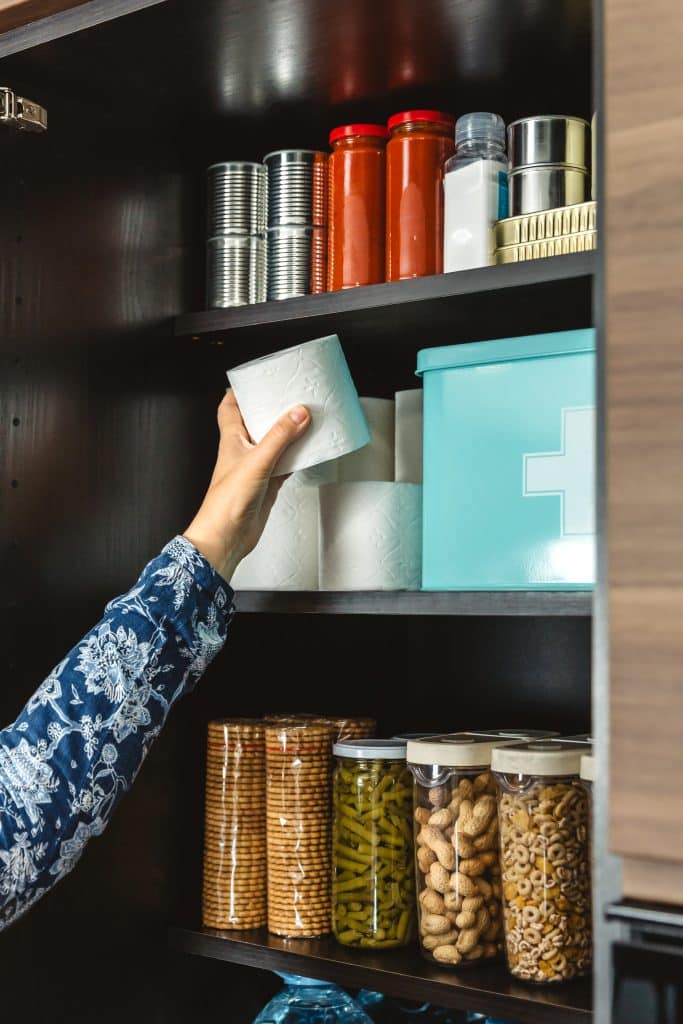
24. Shopping Your Own Pantry First
Before writing a grocery list, actually open the pantry and the back of the freezer. Most households are sitting on ingredients for two or three full meals without realizing it.
This is the step most people skip because it feels like extra work, when it’s really the fastest way to cut a grocery bill without changing what you eat.
A five-minute pantry check before every shopping trip quietly prevents a whole category of duplicate purchases.

23. Cooking a Scraps Soup Every Couple of Weeks
Vegetable ends, the last bit of a rotisserie chicken, rice that’s a day from turning. All of it goes into one pot with broth and becomes dinner instead of trash.
It’s not a fixed recipe. It’s whatever’s about to go bad, cooked long enough to taste intentional.
The math: one pot of scraps soup every couple of weeks is a free dinner made from food you’d already paid for and were about to lose.
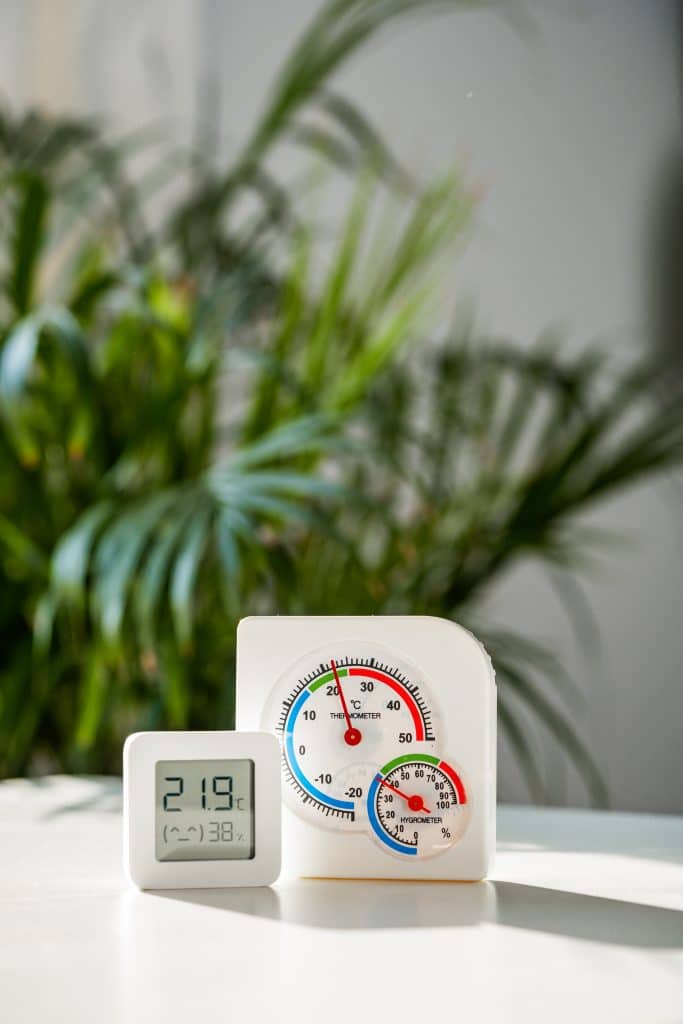
22. Fighting the Thermostat With a Sweater First
Before bumping the heat up a degree, put on a sweater or a second pair of socks and give it ten minutes.
It sounds like the kind of advice that makes people roll their eyes, and honestly, I get why. Nobody should feel guilty about staying warm in their own house.
But a degree or two on the thermostat adds up over an entire heating season, and a sweater costs nothing to put on.
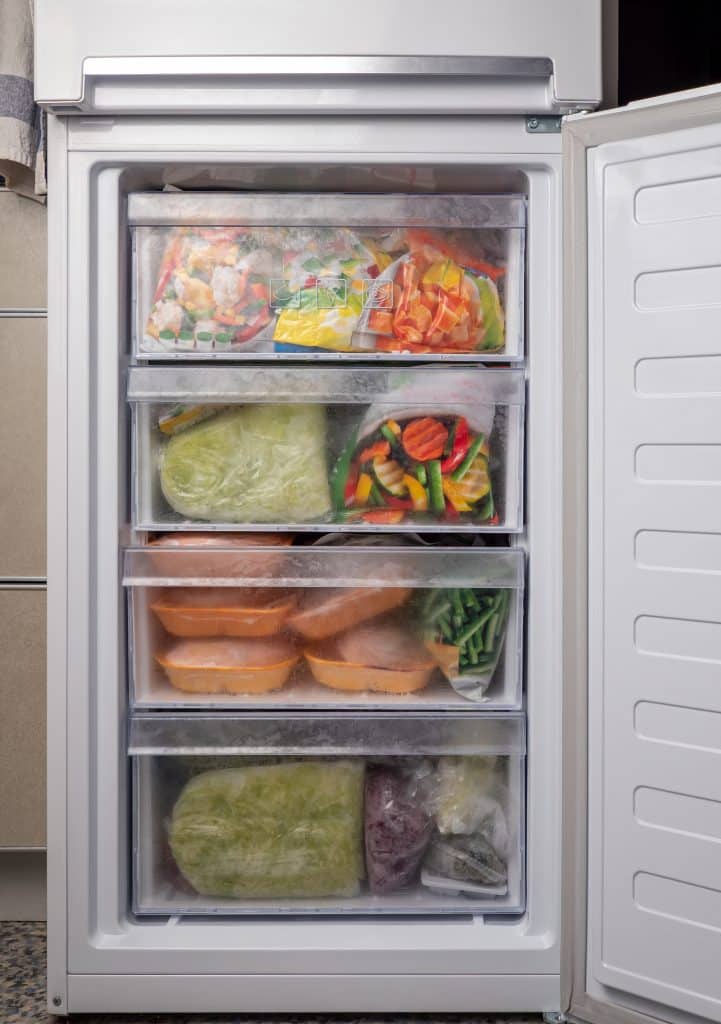
21. The Freezer Inventory Taped to the Door
A simple running list taped to the freezer door, updated every time something goes in or comes out, ends the mystery of what’s actually buried in there.
Freezer-buried food is money that’s already been spent and then forgotten about. The list turns that forgotten food back into meals.
It costs a pen and a piece of paper, and it’s the single easiest way to stop rebuying something that’s already sitting six inches away.

20. The 24-Hour Cart Rule
Add the item to an online cart, then close the tab and walk away for a full day before deciding whether to actually buy it.
Most impulse buys don’t survive the wait. The ones that do usually turn out to be things worth buying anyway.
Worth remembering: the rule isn’t about denying yourself things, it’s about only paying for the ones you still want tomorrow.

19. Making Fancy Coffee at Home With a Cheap Frother
A small handheld milk frother costs about what one fancy coffee out costs, and it turns regular coffee into something close to a latte in under a minute.
This one genuinely replaces a habit instead of just trimming it. Every homemade version is a coffee run that never happened.
It’s not identical to the real thing. It’s close enough that most people stop noticing the difference after a week or two.
|
You might also like
18 Ways Families Are Doing Christmas Cheaper This Year (Without the Kids Noticing) →
|
The Cheapskate Test
We’re halfway through, and by now a pattern should be obvious. The tricks that actually work all pass the same quiet test: does it cost you almost nothing, and does it save real money without making daily life noticeably worse?
The ones that fail that test, the extreme versions people mock cheapskates for, usually cost more in time or hassle than they save. That’s worth remembering as we get into the second half.
Everything left on this list passes. Let’s keep going.

18. The Dollar-Per-Use Rule
Before buying anything non-essential, divide the price by how many times you’ll realistically use it.
A cheap gadget used once is worse value than an expensive one used weekly for years.
Running the math for ten seconds before checkout catches more bad purchases than any budgeting app ever will.

17. Buying Next Winter’s Coat in March
Winter clothing gets marked down hard the moment the season ends, sometimes 50 percent off or more within a few weeks of spring arriving.
The trick is buying a size ahead for a growing kid, or simply committing to shop off-season for anything you know you’ll need again. It’s the same logic behind timing any big purchase around the calendar instead of the need.
Net effect: the exact same coat, for roughly half the price, just bought six months earlier than you needed it.
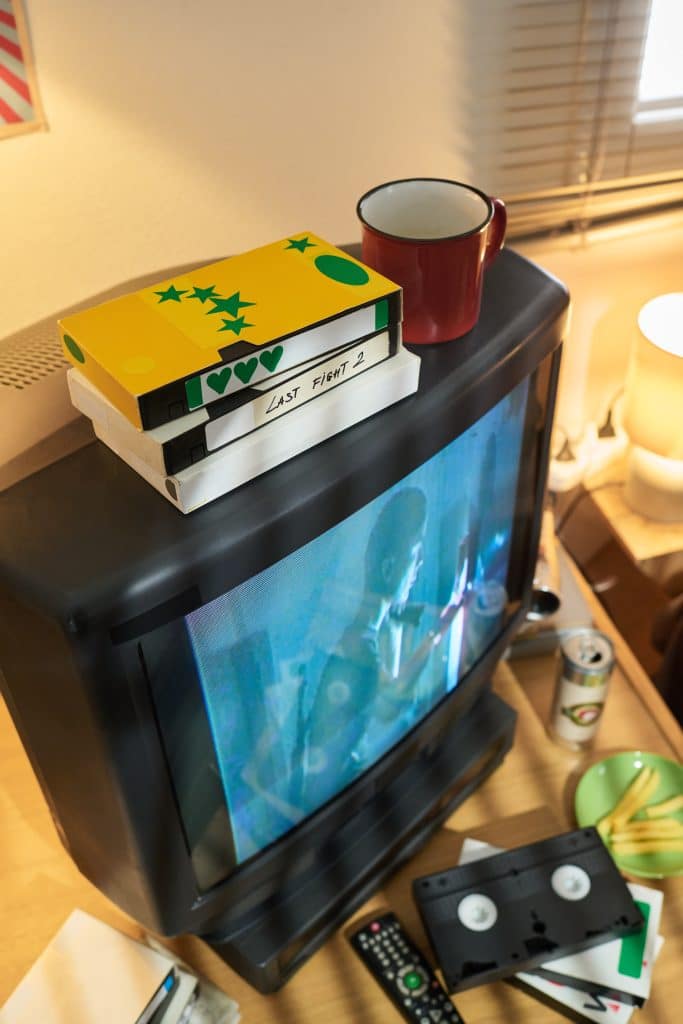
16. Unplugging Devices That Draw Power While “Off”
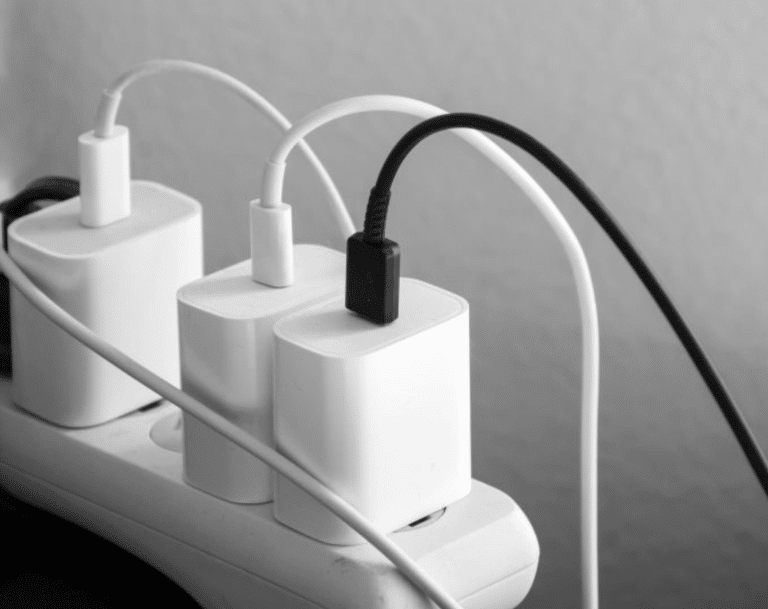
Game consoles, phone chargers, and older televisions can pull a small amount of power even when they’re switched off but still plugged in.
A power strip with a physical switch turns “unplugging everything” into one flip instead of crawling behind furniture.
It’s a small habit with a small payoff, but it’s a genuinely free one once the strip is installed.

15. Hosting Potlucks Instead of Going Out
Everyone brings a dish, nobody pays for a full restaurant tab, and the group still gets a night together without the check arguments at the end.
It also sidesteps the fees and markups that come with ordering food for a crowd.
Same social night, a fraction of the cost, split so evenly nobody notices carrying more than their share.

14. Selling One Thing Every Month
Pick one item a month, something you haven’t touched in a year, and actually list it instead of letting it sit in a closet.
It forces a running declutter habit and turns unused stuff back into cash instead of clutter.
The upshot: twelve small sales a year add up to real money, and the closet stays manageable the entire time.

13. Buying Meat Only on Markdown Day
Most grocery stores mark down meat nearing its sell-by date on a predictable schedule, often the same day or two each week.
Buy it, freeze it same-day, and it’s identical in quality to full-price meat cooked within a normal window.
Learning your store’s markdown day is a five-minute investment that quietly cuts a real chunk off the grocery bill’s biggest category.

12. Buying Discounted Gift Cards for Stores You Already Use
Resale marketplaces regularly sell gift cards for stores you were shopping at anyway, at a real discount off face value.
The trick only works if it’s a card for somewhere you’d already spend money, otherwise it’s just a discount on something you didn’t need.
A discounted card for your regular grocery store or gas station is free money. A discounted card for a store you never visit is a trap.

11. Rotating Streaming Services Instead of Stacking Them
Subscribe to one streaming service, binge what you want, then cancel and move to the next one the following month.
Most shows and seasons can be finished well within a single billing cycle if you’re actually watching instead of letting subscriptions pile up unused.
Where this lands: you can genuinely watch everything you wanted for a fraction of what stacking every service costs.
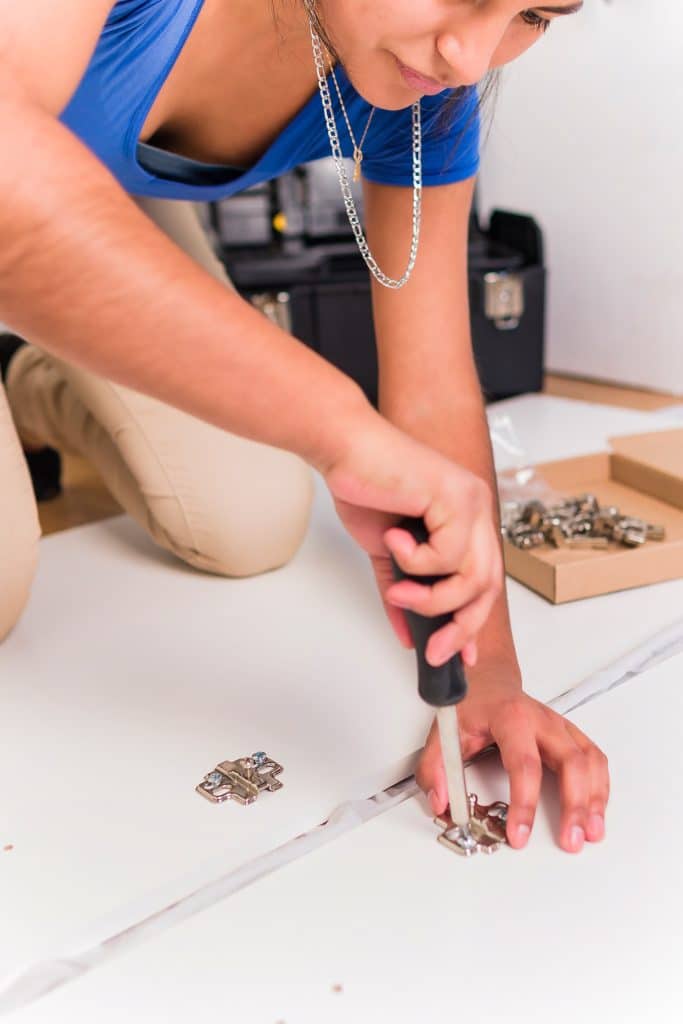
10. Repair Cafés and Free Video Tutorials Before Replacing Anything
A wobbly chair leg, a stuck zipper, a vacuum that stopped picking anything up. Most of these have a fix that’s a search away, done in under twenty minutes.
Some cities also run repair cafés where volunteers help fix small appliances and furniture for free or a small donation.
Things that are genuinely built to last usually just need a small fix, not a full replacement.

9. Calling to Cancel, Then Saying Yes to the Counteroffer
Call to cancel a subscription or service, and more often than not you’ll get offered a discount to stay before the call even ends.
It works because losing an existing customer costs a company more than keeping one at a discount. That’s exactly the kind of “bad” habit that actually holds up under scrutiny.
|
Rewind
31 Things Every '80s Kitchen Had That Nobody Has Anymore
|
You don’t have to actually want to leave. You just have to be willing to ask the question.
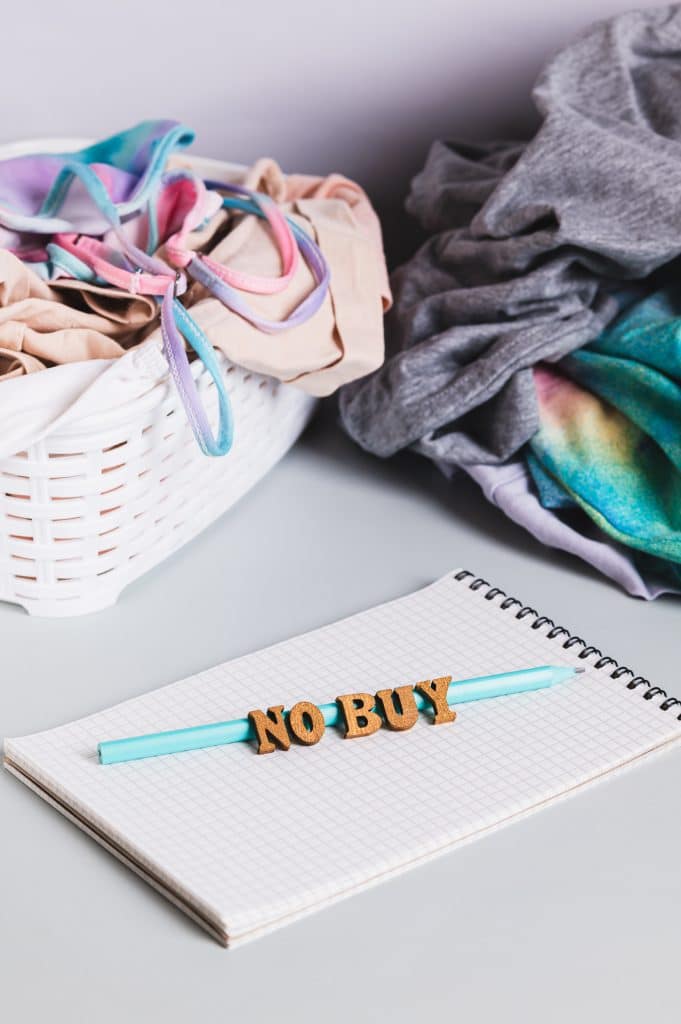
8. The No-Spend Weekend Once a Month
Pick one weekend a month and spend nothing beyond bills already on autopay. No takeout, no impulse stops, no “just this once.”
It’s uncomfortable the first time and boring by the third. That’s kind of the point.
The math: even a modest weekend of spending, done twelve times a year, adds up to a real chunk of savings for zero actual sacrifice beyond patience.
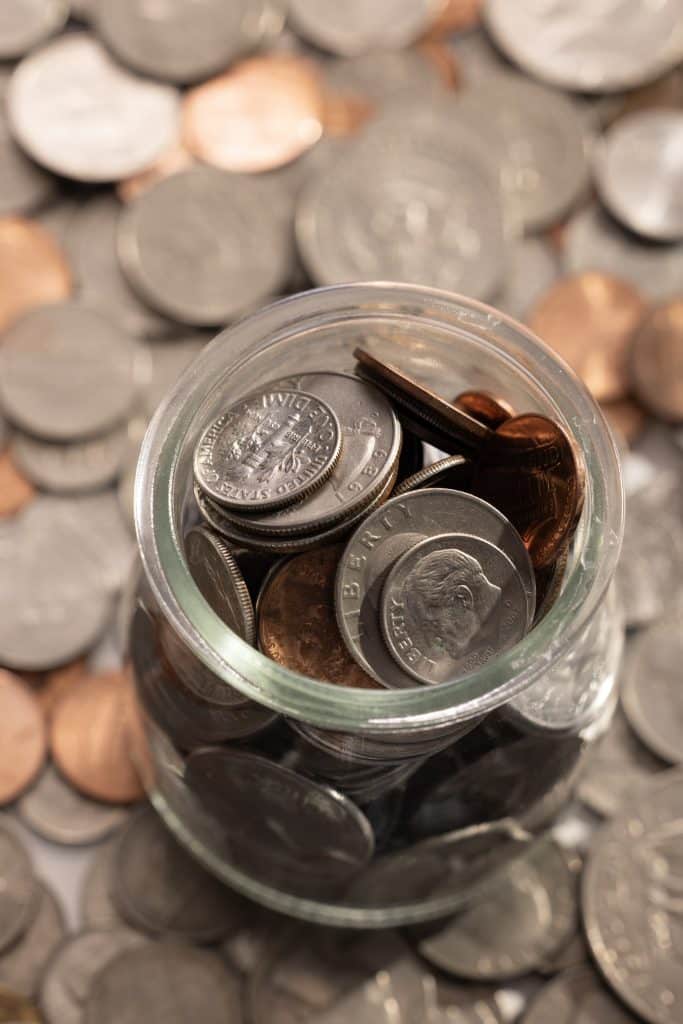
7. The Change Jar’s Digital Cousin
Round-up savings tools take the spare change from every purchase and quietly move it into savings without you noticing it’s gone.
It’s the exact same psychology as the old coin jar on the counter, just automated so it can’t be forgotten or spent by accident.
A few dollars a week doesn’t feel like much until it’s been running quietly for a full year.
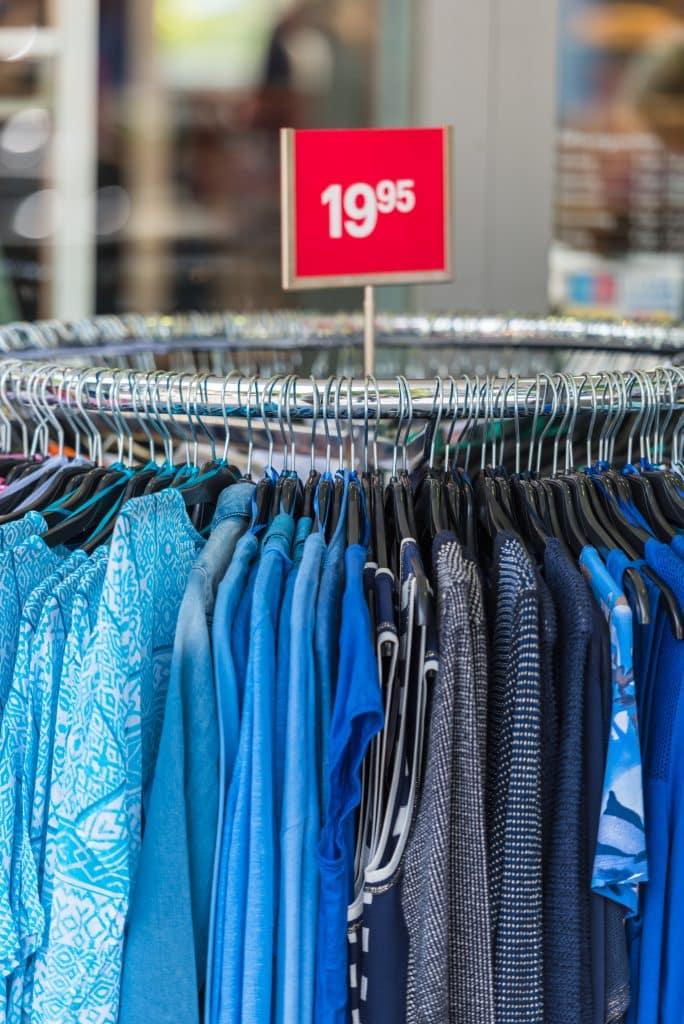
6. Asking “Is That Your Best Price?” Out Loud
Furniture stores, mattress stores, and a surprising number of retail counters have more flexibility on price than the sticker suggests.
The question costs nothing and takes five seconds to ask.
Worst case, the answer is no and nothing changes. Best case, you just talked the price down without any real effort.
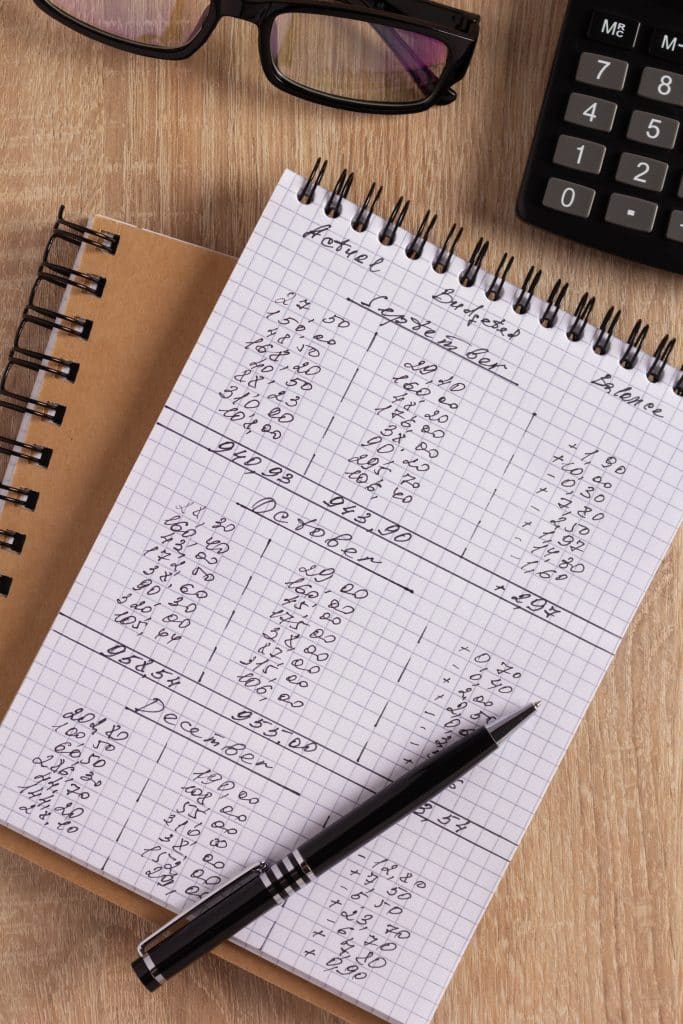
5. Writing Down Every Purchase for One Month a Year
Not a full-time budget, just one month of writing down literally everything spent, even the small stuff.
The point isn’t the tracking itself. It’s how much it changes what you notice in the moment you’re about to spend.
Worth remembering: most people don’t need a permanent system. They need one honest month to see where the money’s actually going.

4. Buying Last Year’s Phone, Every Year
The newest phone always costs the most for features most people barely use in the first year anyway.
Buying the previous year’s model, once the price drops after the new release, gets nearly the same phone for noticeably less.
Do this every cycle and you’re never behind by more than a single year, for a fraction of what staying current usually costs.

3. Auditing Every Subscription Twice a Year
Twice a year, pull up the bank statement and actually read every recurring charge instead of skimming past it.
Forgotten subscriptions are one of the quietest ways money leaves a household, precisely because nothing about them ever demands attention.
Ten minutes, twice a year, is usually all it takes to find a subscription that’s been running for months with nobody using it.
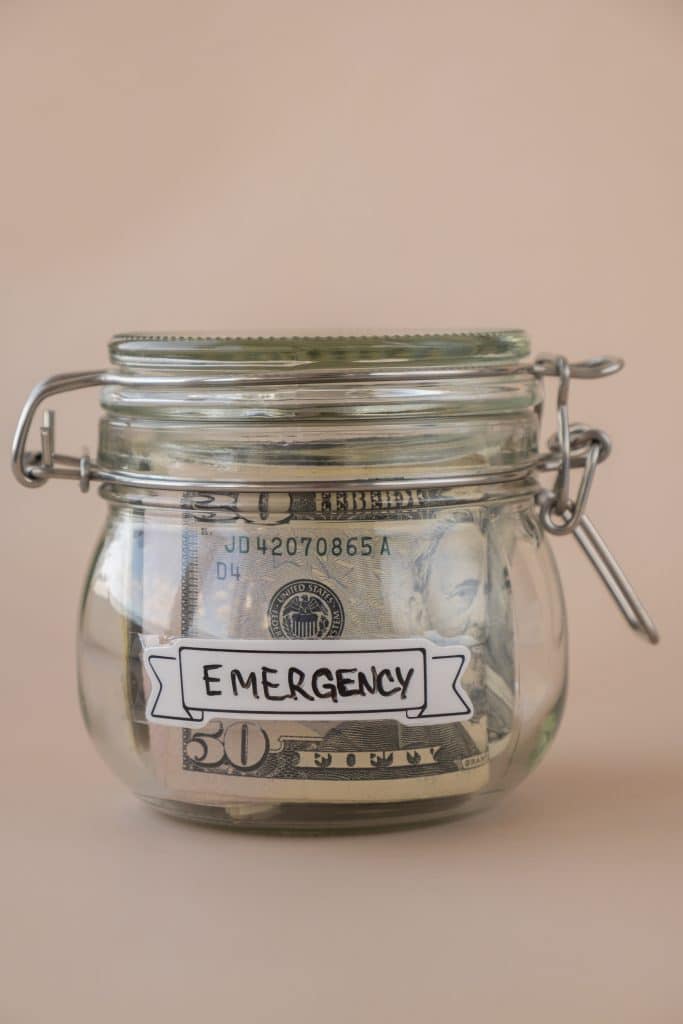
2. Hosting the Emergency Fund in a High-Yield Account
Money sitting in a regular checking account earns close to nothing. The same money in a high-yield savings account earns real interest for doing absolutely nothing different.
This isn’t a trick so much as a setting most people never bother to change.
Net effect: the same emergency fund, earning actual money every month, just for sitting in a slightly different account.

1. Keeping a Car for Ten-Plus Years On Purpose
A car payment is one of the biggest monthly expenses most households carry, and it’s also one of the few that eventually disappears completely if you let it.
Pay a car off and then keep driving it. No upgrade every three years just because the lease is up or the new model looks nicer.
The math on this is almost embarrassingly simple. A paid-off car with no payment frees up more monthly cash than nearly any other single trick on this list.
It’s not glamorous. Nobody’s impressed by a decade-old sedan in the driveway, and repairs do get more frequent as the car ages.
The upshot: a well-maintained car kept a few extra years, instead of traded in out of habit, is one of the few “cheapskate” moves that can genuinely change a monthly budget instead of just trimming around its edges.

The Tricks Worth Keeping
If you only take a handful of these, start with the free ones. The pantry check, the 24-hour cart rule, and calling to cancel a subscription cost nothing and take minutes.
From there, layer in the ones that require a small upfront step, the drying rack, the frother, the homemade detergent, and let them become habits instead of one-time experiments.
None of these are going to make anyone rich on their own. Stacked together over a year, they quietly change what’s left in the account at the end of the month.
If this list got you thinking about where else money quietly slips out, it’s worth a look at what frugal people refuse to buy in the first place, since prevention usually beats any trick after the fact.