33 Household Items Smart Shoppers Stopped Buying
Some links may be affiliate links. We may earn a commission at no extra cost to you. View our full disclosure.
Walk through most kitchens and you’ll find at least one drawer nobody opens on purpose. It’s full of things that seemed necessary at checkout and useless within a month.
Smart shoppers eventually notice the pattern. The same handful of items keep showing up on the “why did I buy this again” list, year after year.
Some of it is marketing doing exactly what it’s designed to do. Some of it is just habit, the kind that never gets questioned because the purchase feels small.
We pulled together the household items people have quietly stopped buying once they started paying closer attention to where the money actually goes. Some of these will feel obvious. A few will probably sting a little.
This isn’t a list of things you can never buy again. It’s a list of habits worth a second look, the same way other repeat purchases people finally cut tend to start with one uncomfortable question.
Thirty-three items, counting down. Number one is the one that trips up the most people, so stick around for it.
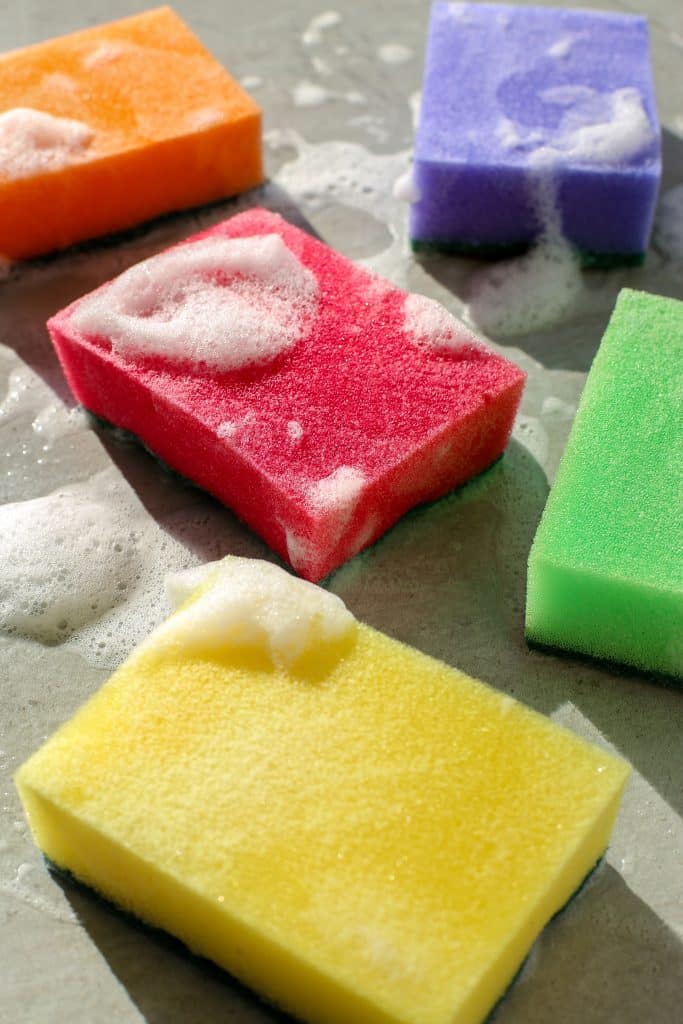
33. A New Sponge Every Single Week
A sponge lasts a lot longer than the guilt-driven weekly swap most people were doing. Rinse it, wring it, and let it fully dry between uses and you can stretch one for a couple of weeks easily.
Smart shoppers now buy sponges in bulk maybe twice a year instead of tossing a fresh one in the cart every grocery run. It’s a small line item, but small line items add up fast when they repeat weekly.
The math: a couple dollars a week doesn’t sound like much until you realize it’s a recurring bill you never signed up for on paper.
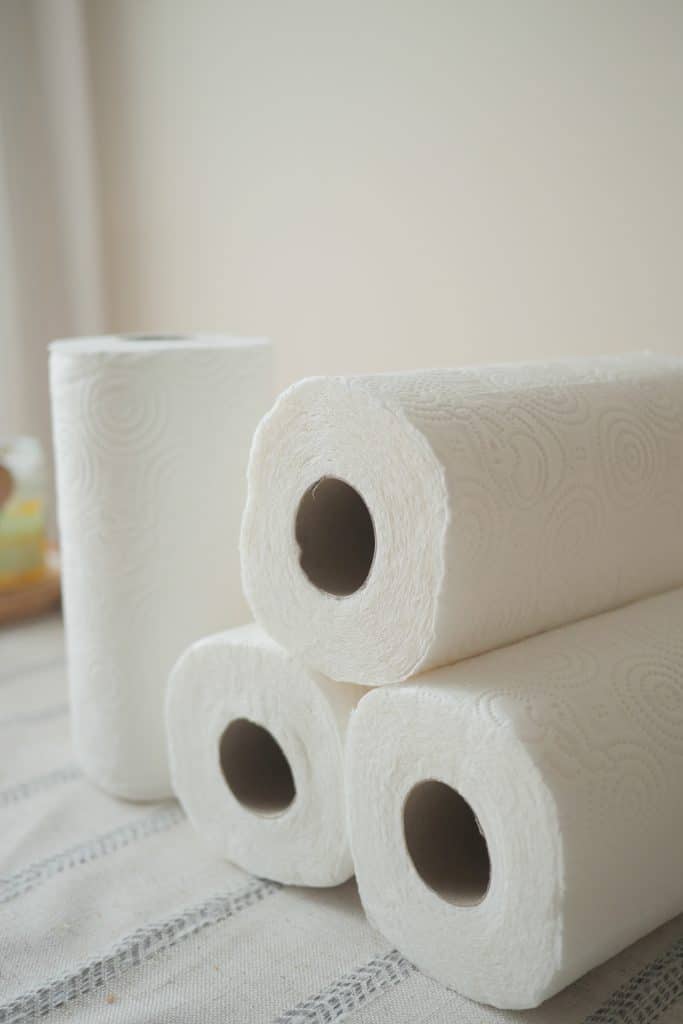
32. Paper Towels For Every Single Spill
Paper towels still have a place. Raw meat cleanup, greasy pans, that kind of thing.
But a lot of households were burning through a roll every couple of days wiping up water, crumbs, and counters that a cloth rag handles just as well. A stack of old kitchen towels does the same job for free, over and over.
The switch doesn’t need to be total. It just needs to stop being automatic.
31. Bottled Water By The Case
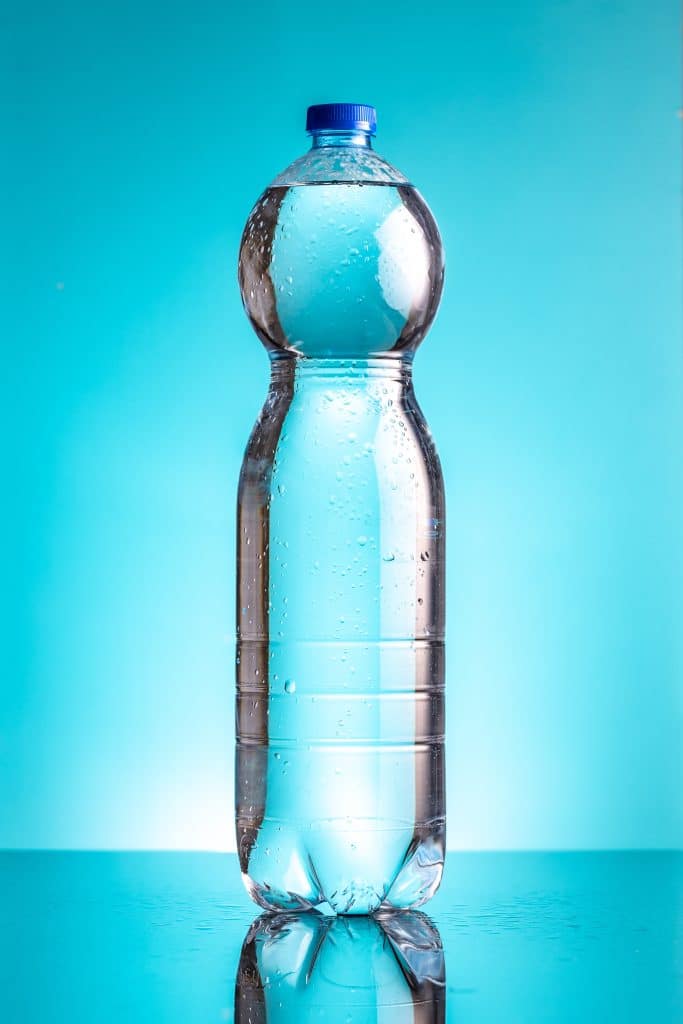
Case after case of bottled water for home use is one of the easiest habits to break once you actually run the numbers. Tap water plus a basic filter pitcher costs a fraction of what a case runs, and it never sells out on you.
A warehouse club run for water used to feel like a smart bulk buy. It’s really one of the warehouse club purchases that quietly costs more than it saves once you price it by the ounce.
A refillable bottle and a filter pitcher pay for themselves within a month or two for most households. After that, it’s just savings.
30. Trendy Single-Use Kitchen Gadgets
The avocado slicer. The strawberry huller. The gadget that only juliennes carrots and nothing else.
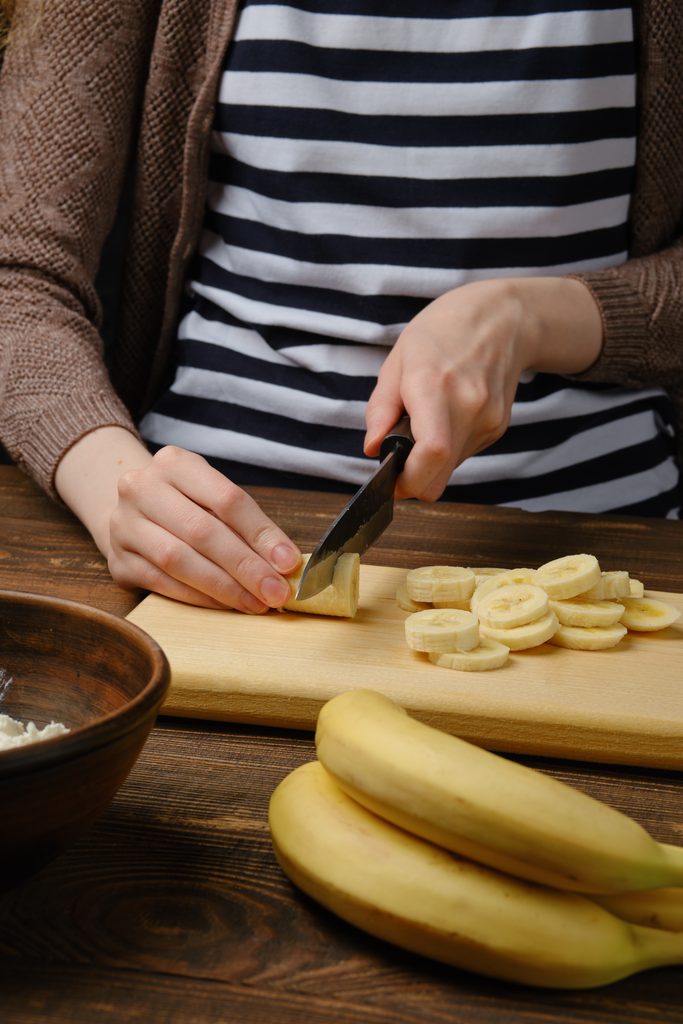
These show up in a video, look genuinely clever, and end up in a drawer within a month. A good knife handles almost everything a single-purpose gadget promises to do, and it never takes up a whole drawer slot doing it.
Worth remembering: if a tool only does one job, ask how often that job actually happens in your kitchen before it goes in the cart.
29. A New Nonstick Pan Every Year
Cheap nonstick coating wears out fast, so a lot of people just accept a yearly replacement as normal. It doesn’t have to be.
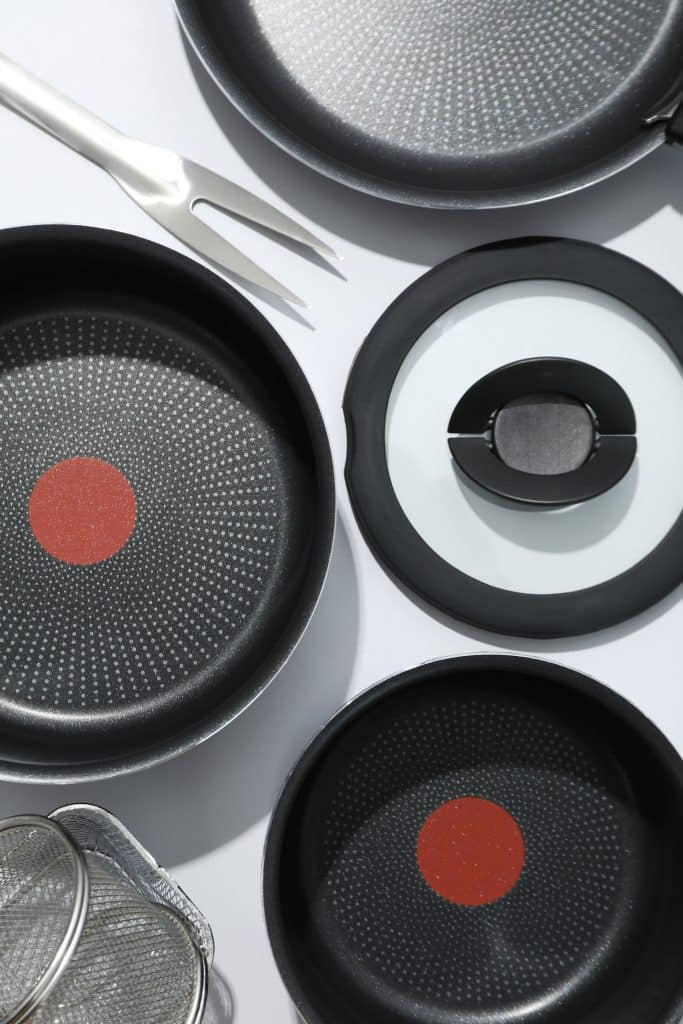
One mid-range pan treated with a little care, hand washed, no metal utensils, low to medium heat, can last several years instead of one season. It’s one of those “cheapskate” habits that actually holds up when you compare the total spend over time.
The upgrade costs more up front. It costs less over a five-year stretch, and that’s the number that actually matters.
28. Printer Ink At Full Retail Price
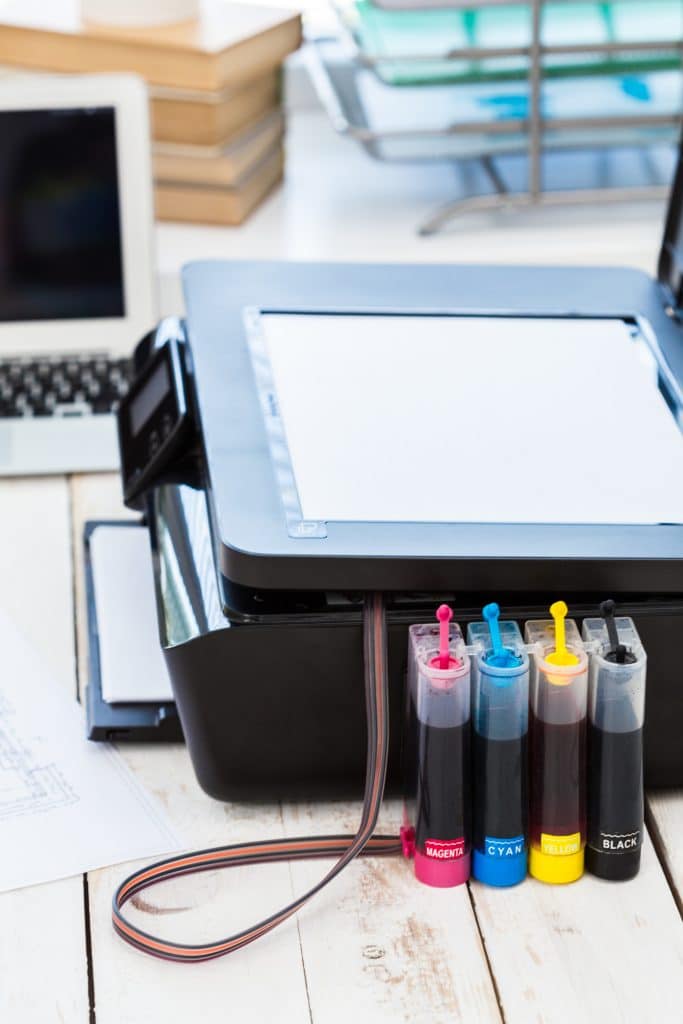
Original-brand ink cartridges are priced like specialty chemicals, because in a sense the printer companies treat them that way. Compatible cartridges from third-party sellers work fine for most home printing needs.
Refill kits work too, if you don’t mind a little mess. Either option runs a fraction of the retail cartridge price.
Most households print rarely enough that a cheap ink tank printer pays for itself before the first refill runs out. Worth checking before buying the next cartridge out of habit.
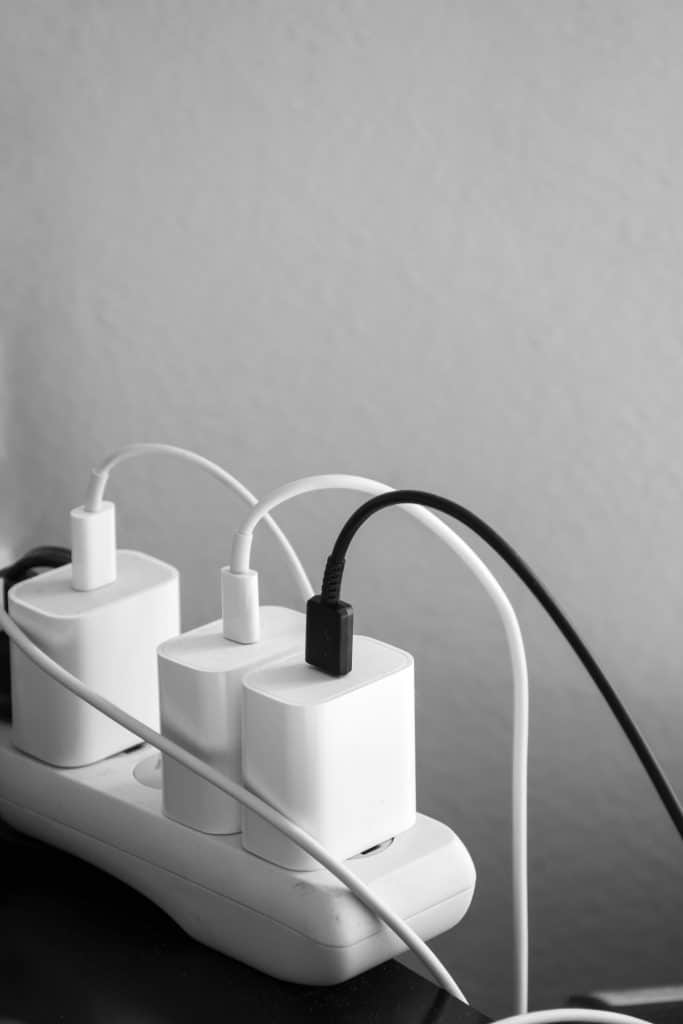
27. Extra Phone Chargers “Just In Case”
Every household seems to accumulate a small pile of chargers, most bought in a moment of mild panic when the one you had went missing. Half the time the original one turns up a week later, wedged behind a couch cushion.
Smart shoppers keep one spare, labeled with tape, in one spot. It’s a small fix, but these are exactly the kind of small money leaks that quietly drain a budget without ever showing up as one big number.
The upshot: the fix isn’t buying fewer chargers, it’s keeping track of the ones you already own.

26. An Extended Warranty On Every Small Appliance
The register pitch for an extended warranty on a small kitchen appliance is one of the highest-margin add-ons a store makes. That should tell you most of what you need to know about who it actually benefits.
Most small appliances either fail within the manufacturer warranty window or last for years past it. The warranty fee rarely lines up with either outcome, which is exactly the kind of thing financial advisors say you don’t need to feel bad about skipping.
|
You might also like
The Takeout Tax: What Skipping Five Dinners a Month Actually Buys Back →
|
Saying no at the register is fine. It’s expected, honestly.
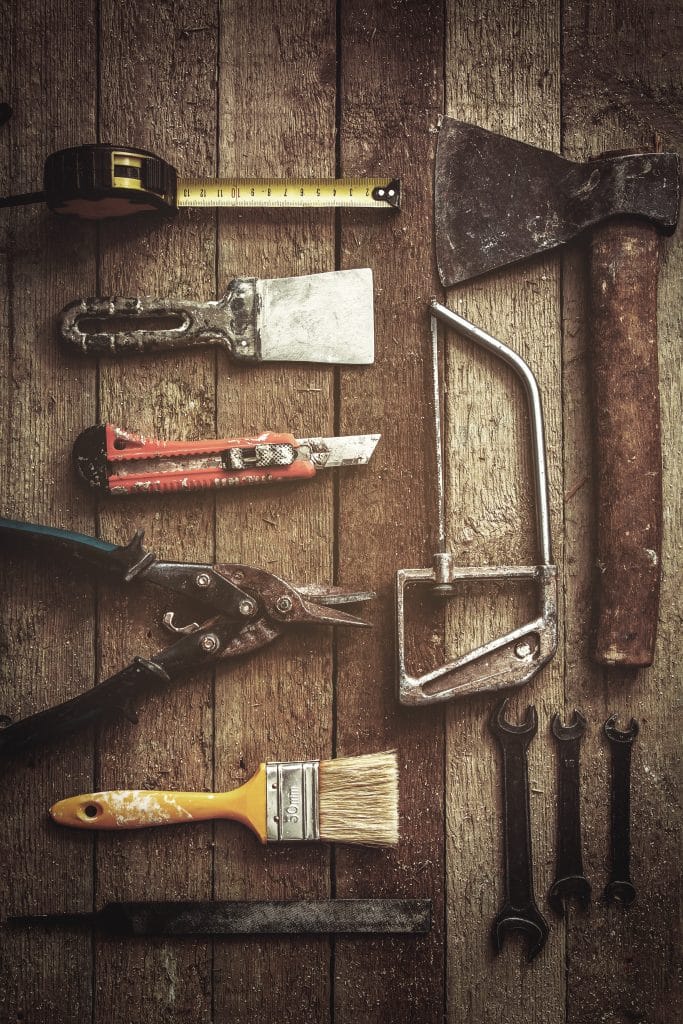
25. Hand Tools That Snap On The First Real Use
The bargain-bin screwdriver set feels like a win right up until the first stripped screw. A lot of frugal households eventually skip the cheapest tool tier entirely.
One mid-tier hammer, one decent set of screwdrivers, and a real tape measure will outlast a decade of cheap replacements. That’s the whole idea behind buying things built to last instead of replacing them constantly.
Buy once, buy a step above the cheapest option, and stop rebuying the same tool every year.
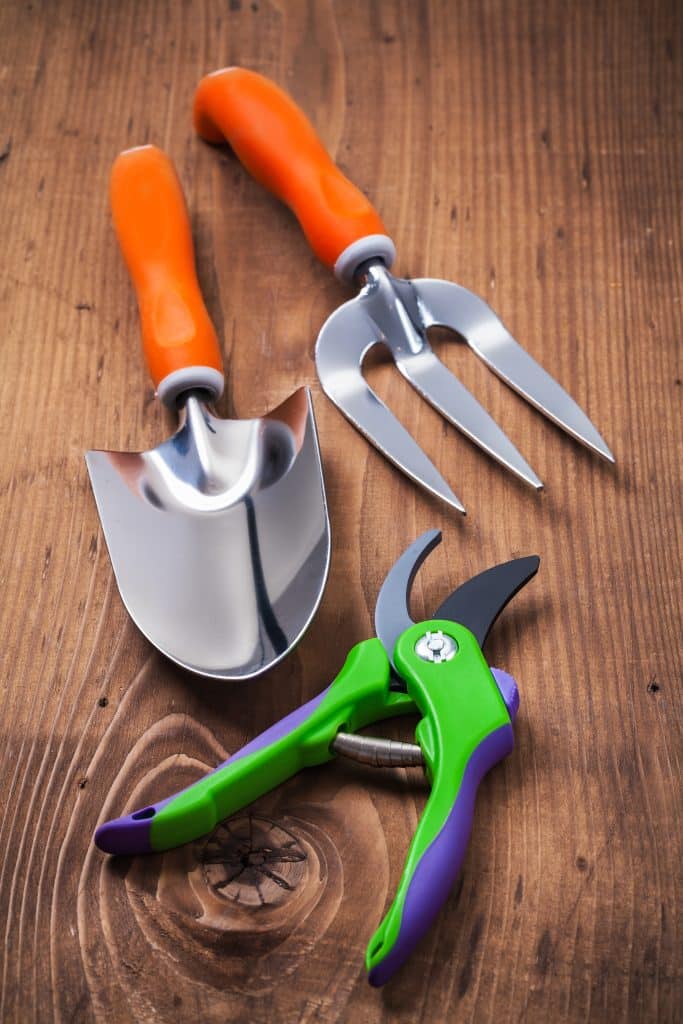
24. A Fresh Set Of Garden Tools Every Spring
Trowels and pruners left out in the rain all winter rust fast, and a rusted tool feels unsalvageable. Most of the time it isn’t.
A little oil, some steel wool, and ten minutes brings most garden tools back to working order. It’s the same logic behind household items people are replacing far too soon, spring gear just gets hit worst because it sits outside all winter.
Where this lands: a covered bin for garden tools costs less than one season of replacements, and it solves the actual problem instead of the symptom.
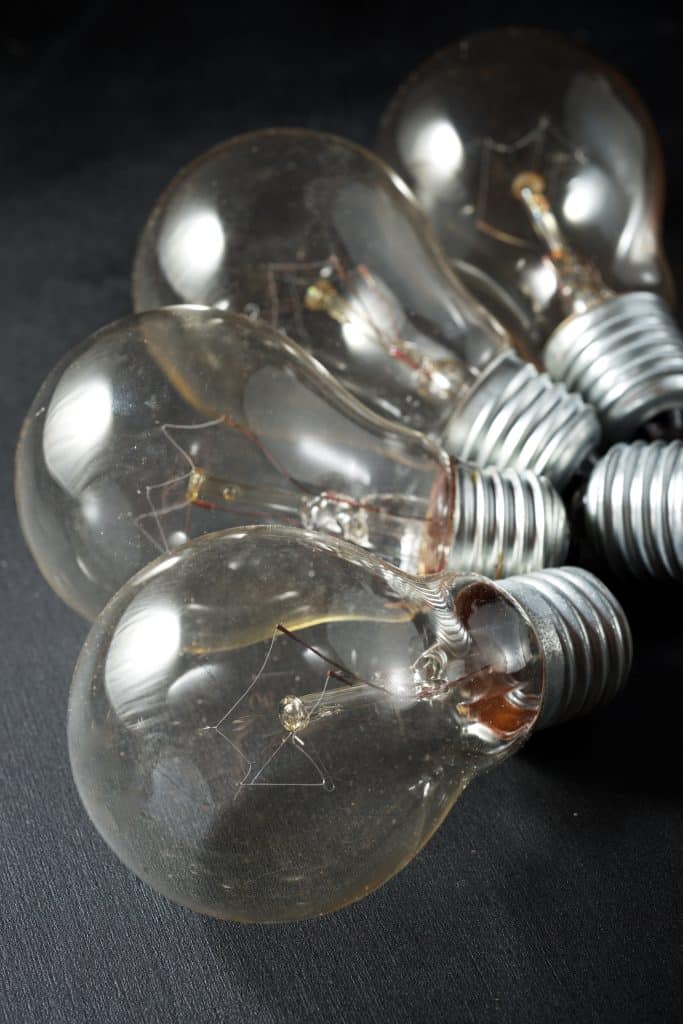
23. Light Bulb Stockpiles
Buying bulbs six at a time used to make sense when incandescent bulbs burned out constantly. LED bulbs change that math completely.
A single LED bulb can run for a decade or more of normal household use. Stockpiling a whole shelf of spares just ties up cash for a replacement that might not happen for years.
One or two spares per fixture type is plenty. Anything past that is just a drawer full of money.
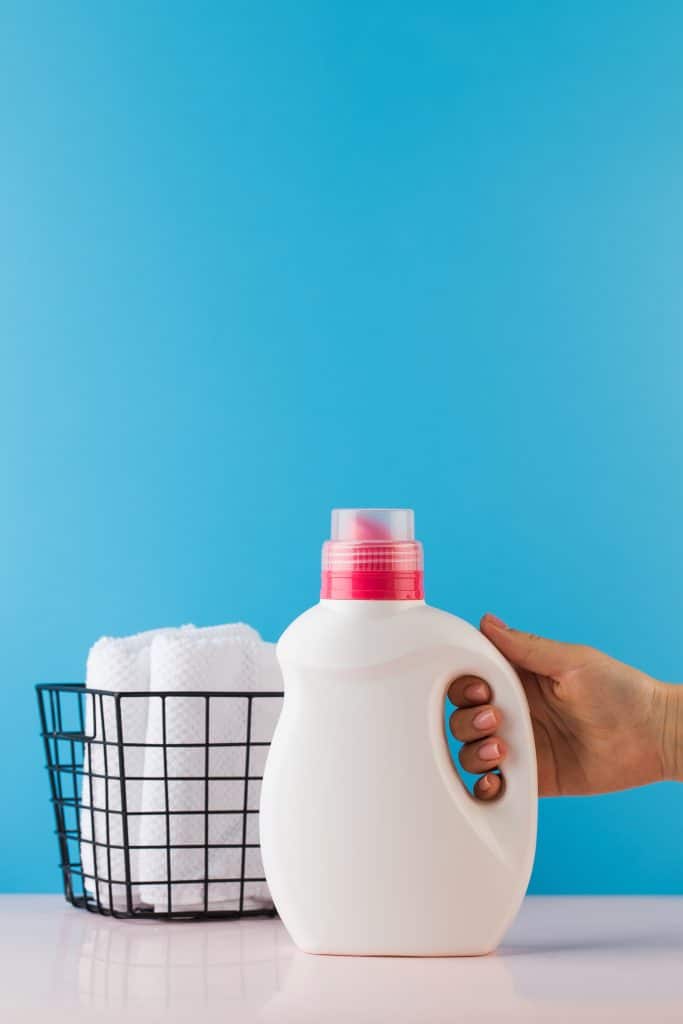
22. Trash Bags In Tiny, Overpriced Boxes
The small drawstring boxes near the checkout look convenient. Priced per bag, they’re often two to three times what a large roll costs at a warehouse club or bulk retailer.
One bulk roll, cut down or used as-is depending on the can, covers most households for months. It’s a boring switch, and boring switches are usually the ones that save the most money without changing anything about daily life.
The convenience premium here is almost never worth what it costs. Buy the big roll once and stop thinking about it.
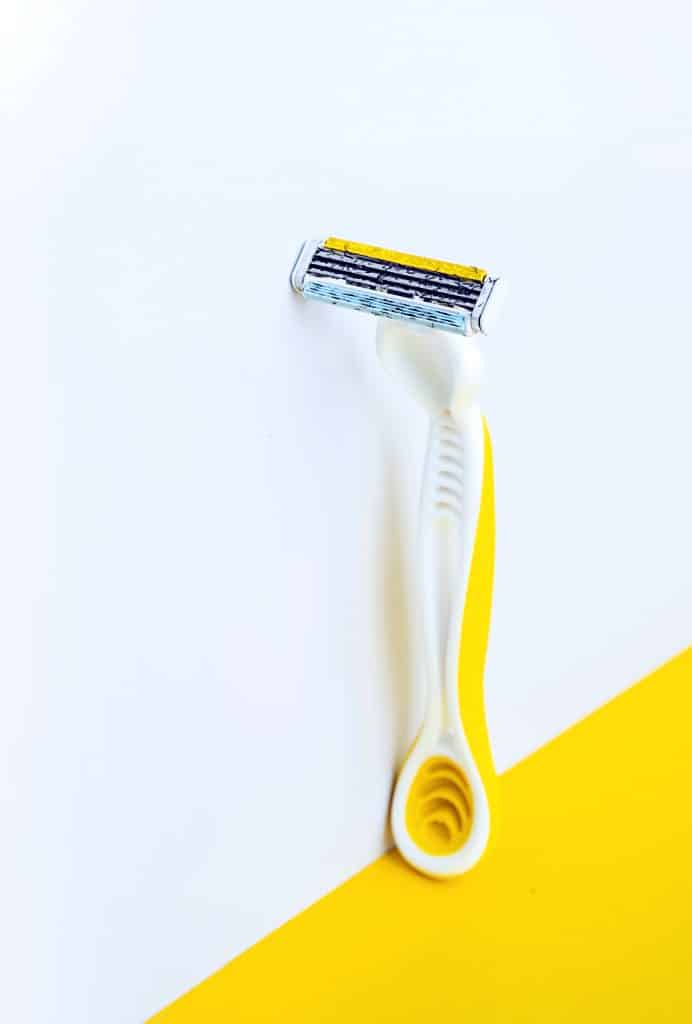
21. Razor Blades At Full Retail Price
Replacement razor blades sit among the more marked-up items in a typical drugstore, priced almost like small electronics. A subscription service or a bulk online order usually runs a fraction of the shelf price for the exact same cartridges.
Some people switch to a classic safety razor entirely, which cuts the ongoing cost down even further. It’s not for everyone, but it’s worth knowing the option exists.
The math: the blade itself hasn’t changed, just the markup between the manufacturer and the checkout counter.

20. Greeting Cards Off The Drugstore Rack
A single greeting card at a drugstore can run more than a small paperback book. For a piece of folded cardstock read once and often tossed within a week, that price never quite made sense.
Dollar store cards work fine, and a lot of people find a handwritten note means more than a printed sentiment anyway. It’s one of those weird money-saving habits that sounds petty and actually adds up across a year of birthdays and holidays.
Nobody remembers which card you spent seven dollars on. They remember what it said.
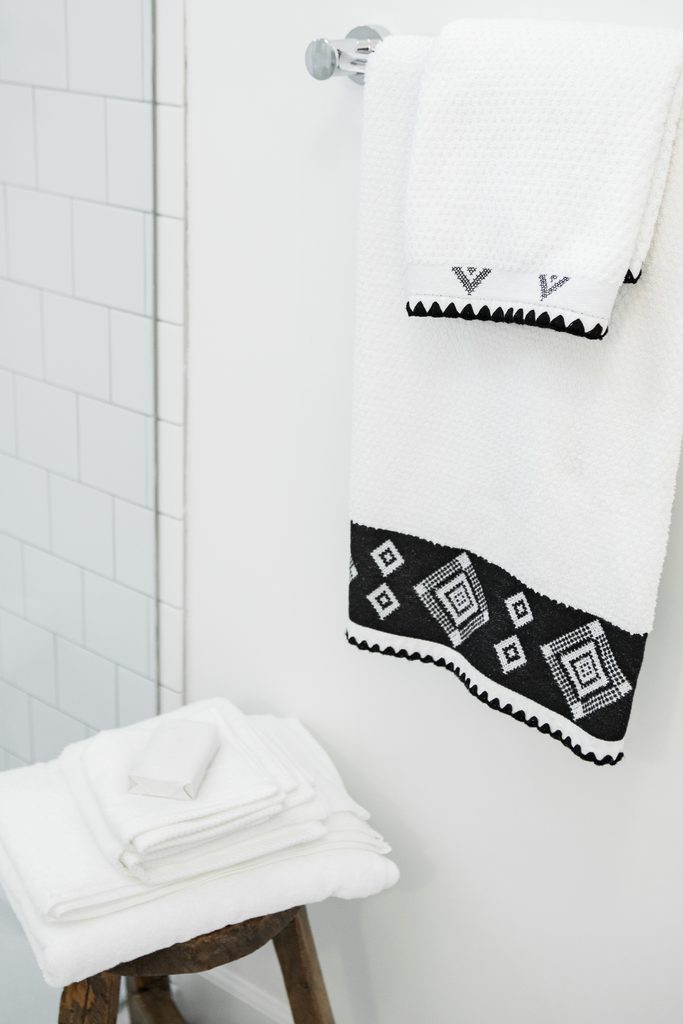
19. A “Formal” Towel Set That Lives In The Closet
The matching guest towel set nobody’s allowed to actually use is a strange tradition when you think about it. It sits folded for special occasions that rarely arrive.
Smart shoppers now buy one good everyday set and skip the separate “nice” set entirely. It’s less to store, less to wash separately, and one less category of purchase to repeat every few years.
If it never gets used, it never earned its shelf space in the first place.
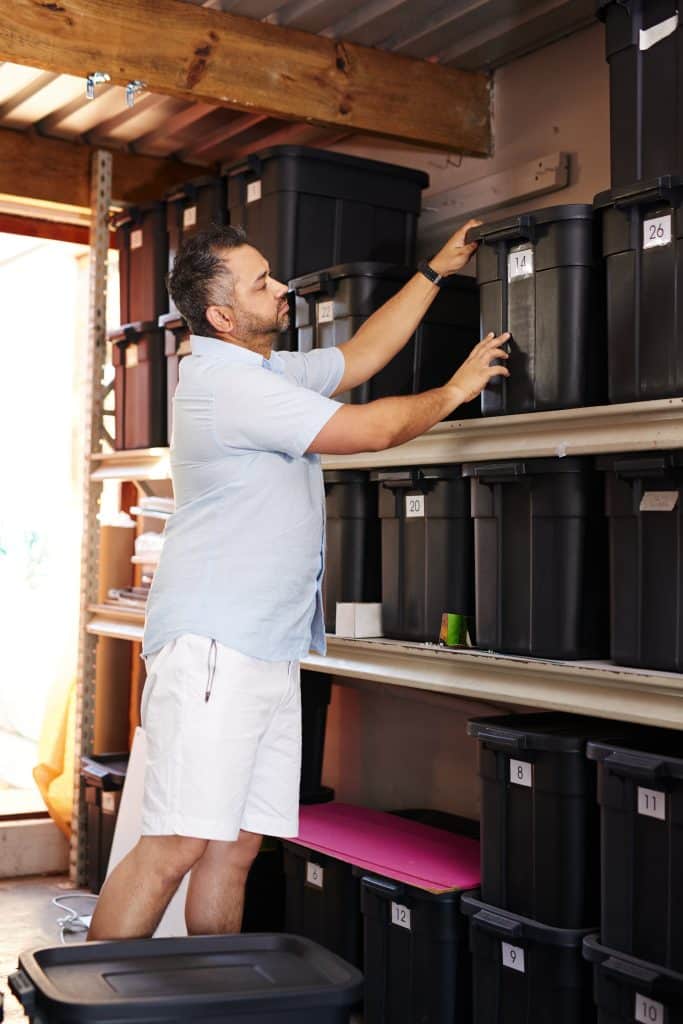
18. Storage Bins That Crack After One Winter
The cheapest plastic storage bins go brittle fast, especially in a garage or attic where temperatures swing. A crack in the corner defeats the whole point of storing things safely.
A sturdier bin costs more per unit but doesn’t need replacing every couple of years. Frugal families used to know this instinctively, the same way frugal grandmothers never threw anything sturdy away until it truly gave out.
Worth remembering: the cheap bin is only cheap once. After that it’s a recurring cost with extra steps.
One More Thing: The Generic Test
Before restocking any item on this list, try the store brand version once before defaulting back to the name brand. For most household basics, the generic version comes off the same type of production line with a plainer label and a smaller marketing budget.
This single habit is behind a lot of the “money rules” that turned out to be myths once people actually ran the comparison themselves. It doesn’t work for every category, a few exceptions show up later in this list, but as a default it’s worth trying before assuming the pricier option is automatically better.
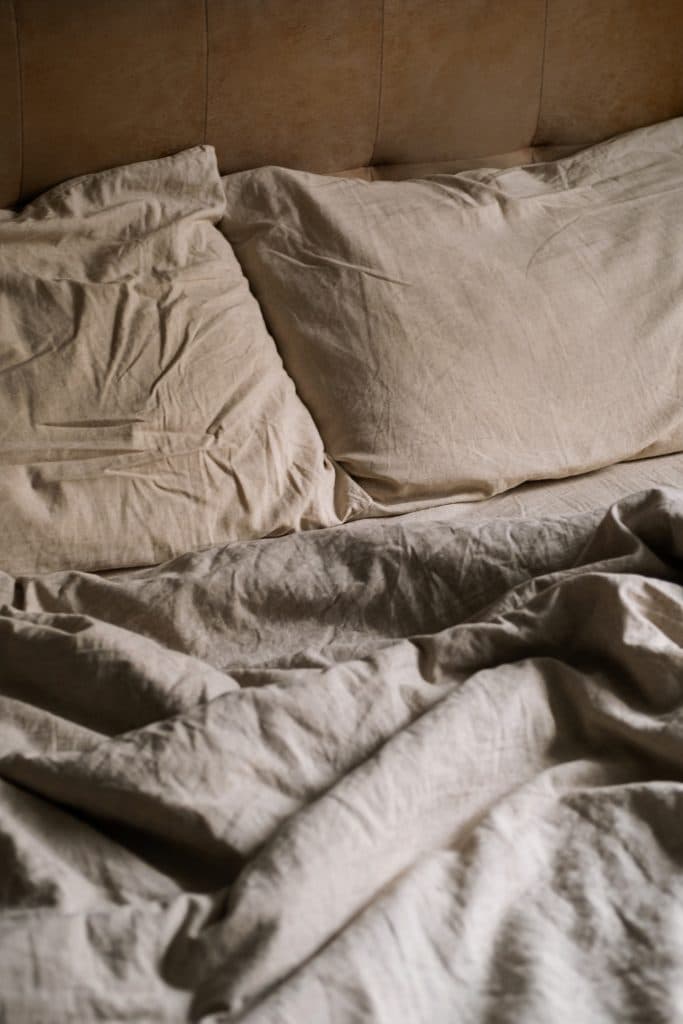
17. A New Pillow Every Time One Goes Flat
Pillows do go flat eventually, and a genuinely worn-out pillow is worth replacing for sleep quality. The issue is how early most people pull the trigger.
Fluffing, sun airing, and an occasional wash extend a decent pillow well past the point most people give up on it. A fresh pillowcase alone fixes a surprising amount of the “this feels old” feeling.
|
You might also like
16 Money Habits Every Household Had in 1990 (And What Replaced Them) →
|
Replace when it’s actually flat, not when it’s just been around a while.

16. A Whole New Set Of Bed Sheets, Twice A Year
Seasonal sheet swaps, cotton for summer, flannel for winter, are a nice idea that gets expensive fast when both sets are bought new every year. One good quality set of each, rotated and cared for, lasts several years easily.
Washing on the gentle cycle and skipping high heat in the dryer does more for sheet longevity than any specific brand does. It’s a maintenance question more than a shopping question.
Two well-made sets, cared for properly, will outlast four cheap sets bought over the same stretch of time.
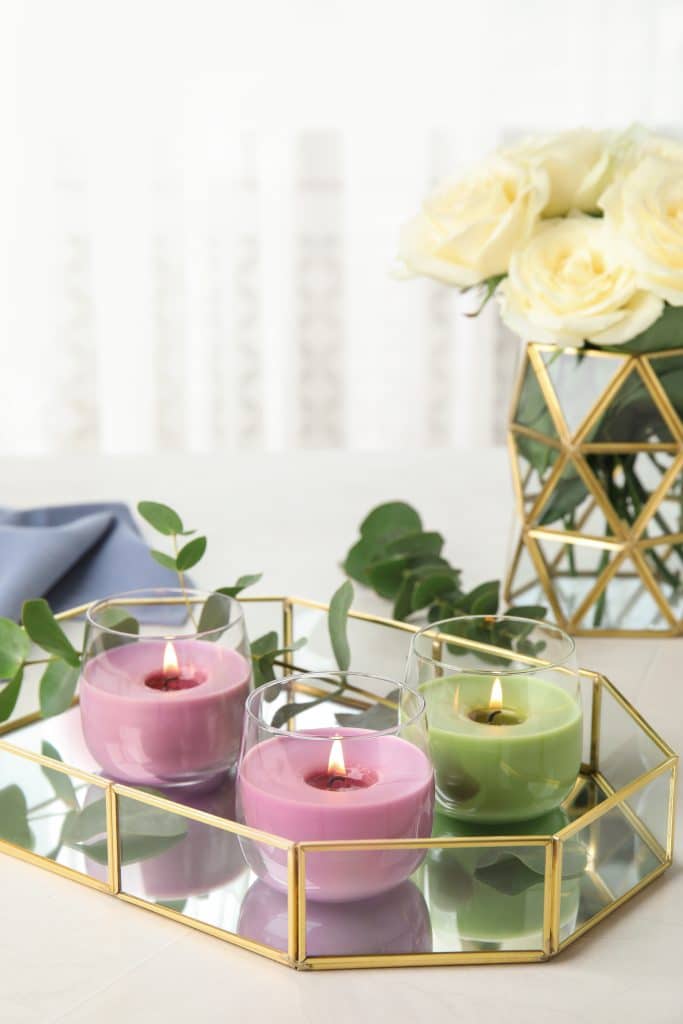
15. A Candle For Every Room, Every Season
Seasonal candle collections are one of the easiest impulse categories to fall into, especially near the checkout aisle. A pumpkin candle in October, a peppermint one in December, a fresh linen one for spring, and suddenly there’s a whole shelf of half-burned candles.
A couple of neutral scents that work year-round cover most of the same ground. Rotating two or three candles gets you the same effect for a fraction of the shelf space and spend.
Net effect: fewer candles, burned all the way down instead of abandoned at the halfway mark, comes out cheaper every time.

14. The Good Dishes That Only Come Out Once A Year
A full separate set of “nice” dishes, kept in a cabinet and used only for holidays, is a lot of storage and a lot of money for a handful of uses a year. Everyday dishes have gotten sturdy and good looking enough to cover both jobs.
Consolidating down to one set that works for a random Tuesday and a holiday dinner frees up a whole cabinet. It also removes the stress of handling something too precious for daily use.
One set, used constantly, beats two sets where one sits idle most of the year.

13. Collectibles Marketed As A Future Payday
Limited-edition plates, figurines, and “will only appreciate in value” collectibles have burned a lot of households over the decades. The resale market for most of these items is far smaller than the sales pitch implies.
Some collectibles do hold or gain value. Most, especially anything mass-produced specifically to be sold as a collectible, don’t.
If a company is telling you something will be valuable someday, that’s usually the moment to stop and ask who benefits from you believing it.
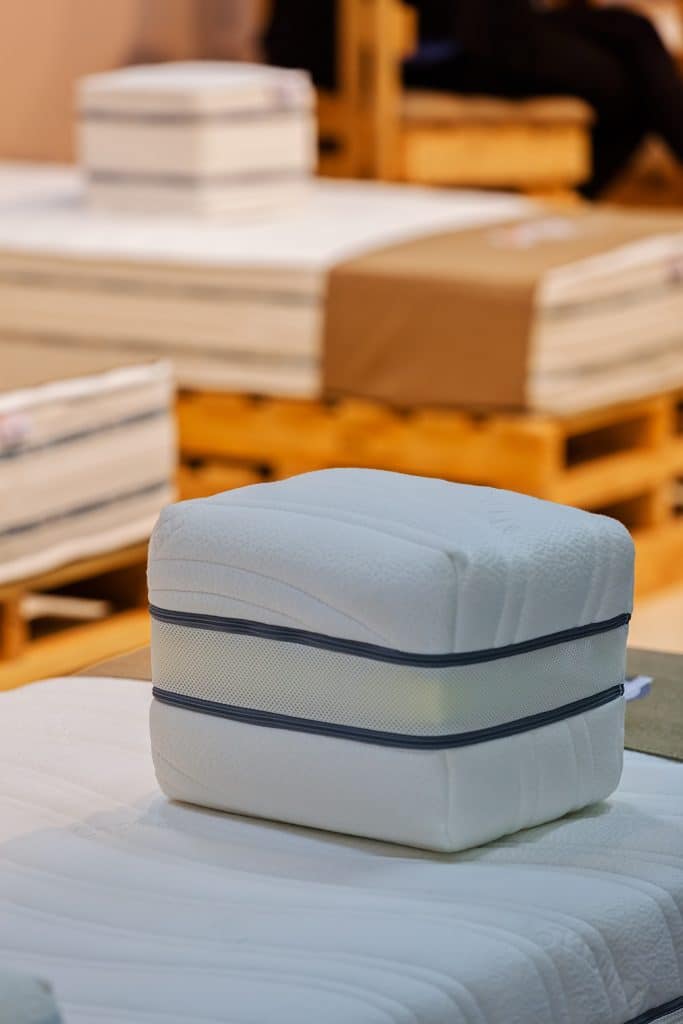
12. A Brand New Mattress Before The Old One’s Earned Retirement
Mattress sales seem to happen constantly, and the pressure to upgrade “before it’s too late” is a well-worn tactic. A mattress that’s still supportive, without sagging or visible wear, doesn’t need replacing just because a sale is running.
This is one where honesty matters, because the advice cuts both ways. If you’re waking up with real back pain or the mattress is genuinely sagging, that’s not the place to keep pinching pennies, sleep and back health are worth paying for.
The rule isn’t “never buy a mattress.” It’s “don’t buy one because an ad told you to, buy one because your body is telling you to.”
The upshot: a mattress is one of the rare items on this list where the smart move sometimes is spending, not skipping.
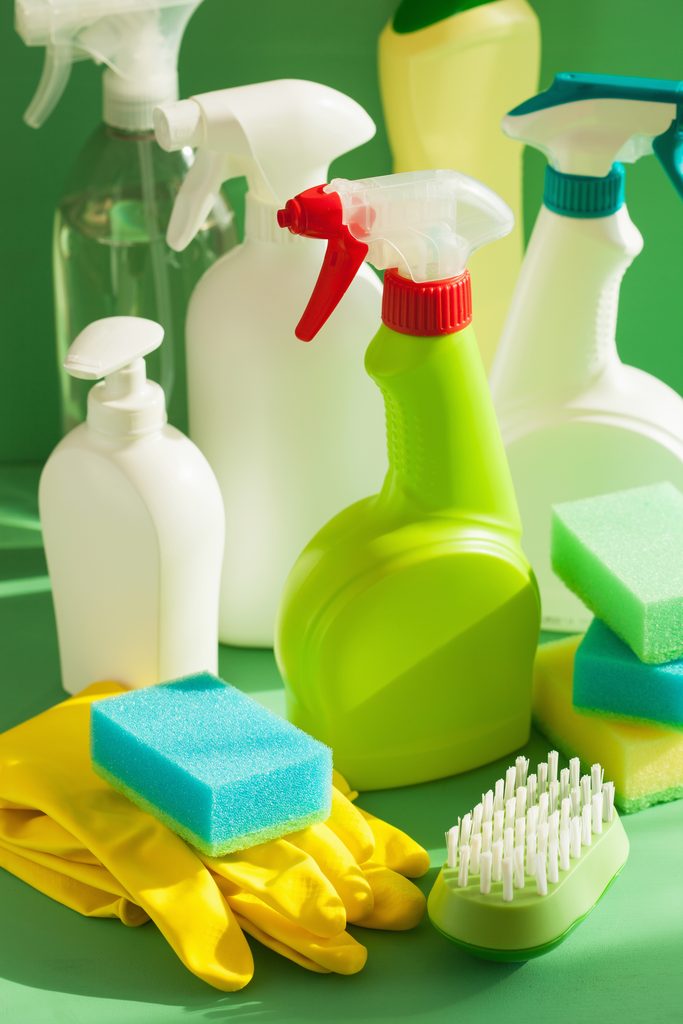
11. A Different Cleaner For Every Single Surface
Glass cleaner, wood cleaner, stainless steel cleaner, bathroom cleaner, kitchen cleaner, each one its own bottle taking up cabinet space. Most households don’t actually need a dedicated product for every surface in the house.
A basic all-purpose cleaner and a separate bathroom-specific one cover the vast majority of cleaning needs. It’s a smaller cabinet and a smaller recurring bill, and it’s part of a broader shift in household money habits worth breaking on purpose rather than by accident.
Fewer bottles, fewer trips to the store, same clean house.
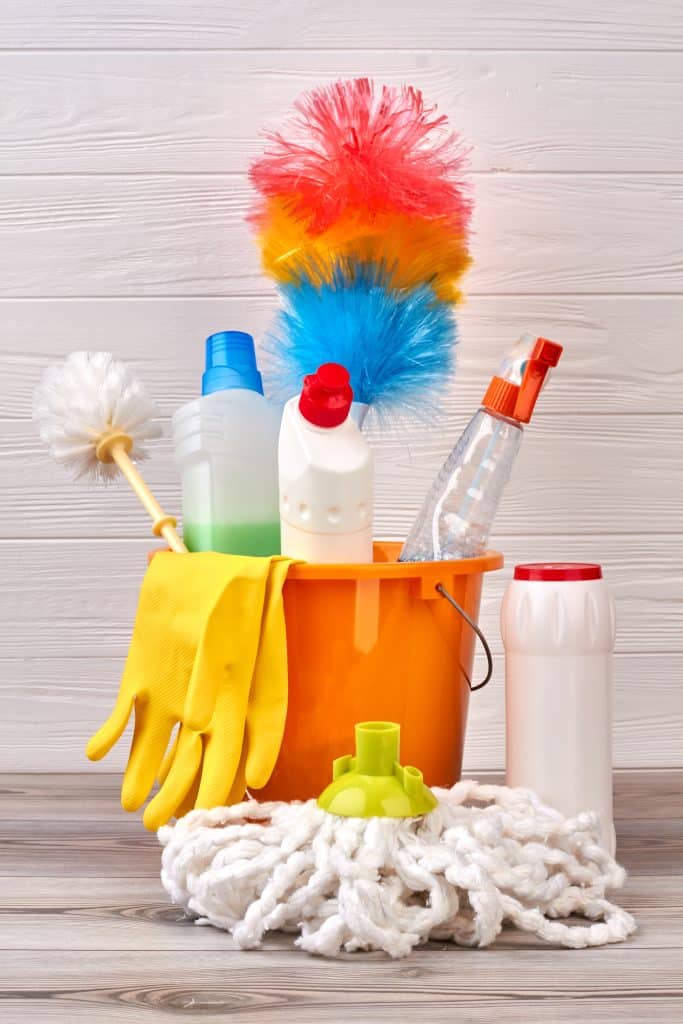
10. Fancy Cleaning Products With A Whole Fragrance Line
Boutique cleaning brands with matching scents across every product category look great on a shelf and cost noticeably more per ounce than the basic version doing the same chemistry underneath. The cleaning power is rarely different enough to justify the gap.
A cleaner with a plain scent, or no scent at all, does the job just as well. The packaging is the product being sold here more than the formula inside it.
If it looks like it belongs on a shelf as decor, it’s probably priced like decor too.
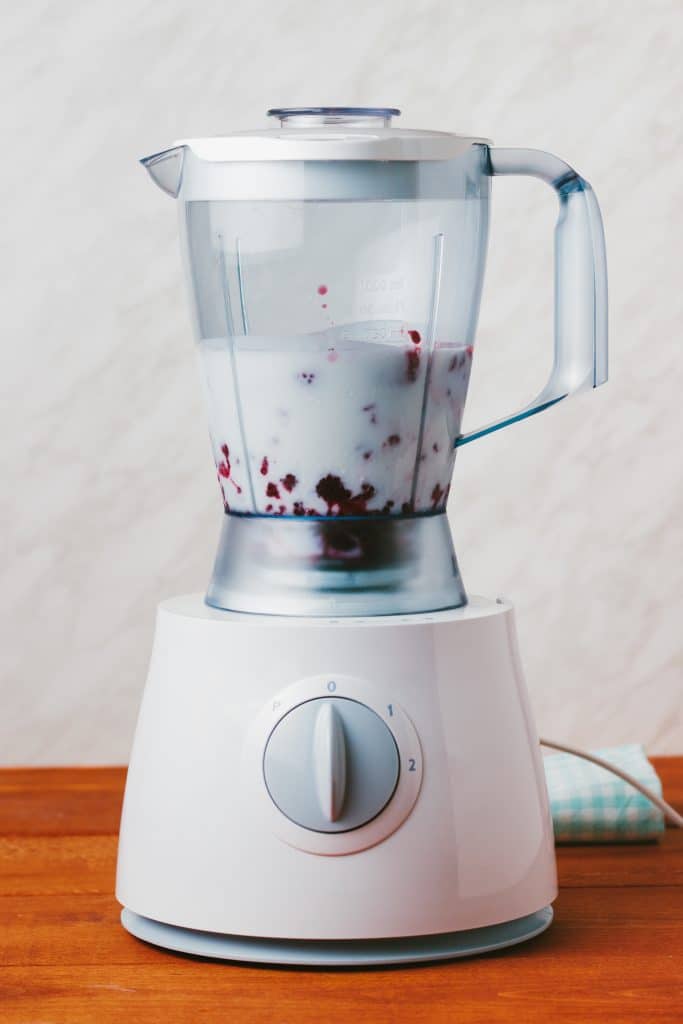
9. A Stand Mixer Or Blender That Gets Used Twice A Year
Big countertop appliances bought during a baking phase often end up as counter clutter within a few months. If it’s not part of a weekly routine, it’s probably not going to become one just because it’s already been purchased.
If you genuinely bake every week, this one doesn’t apply to you, a stand mixer that earns its keep is a completely different purchase than one bought on a whim. The test is honest usage, not good intentions.
Where this lands: borrow or rent before buying anything large and single-purpose, and let actual use decide whether it’s worth owning.
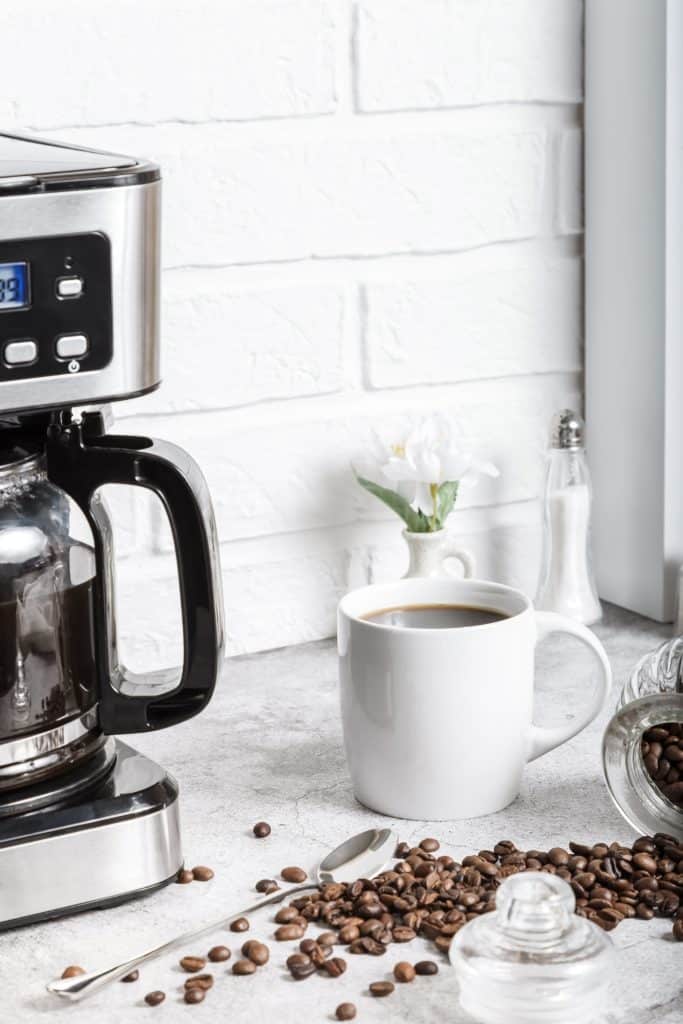
8. A New Coffee Maker Before The Old One Actually Quits
A coffee maker that runs a little slower or needs a good descaling isn’t broken, it’s just due for maintenance. A vinegar and water cycle through the machine solves most of what people assume means it’s time to replace it.
This falls into the same bucket as a lot of “normal” expenses frugal people have learned to push back on, the appliance still works, it just needs five minutes of attention instead of a full replacement.
Descale first. Replace only if descaling genuinely doesn’t fix it.
|
Worth It or Not
18 Signs You're Actually Better With Money Than You Think
|

7. Full-Price Furniture Instead Of Waiting A Season
Furniture pricing follows a pretty predictable seasonal pattern, with the biggest markdowns typically landing around major holiday weekends. Buying the day you notice you need a couch almost always means paying the highest price of the cycle.
Secondhand and floor model options have also gotten a lot more accessible, and quality furniture holds up well used. It’s part of why smart shoppers now default to secondhand for certain big-ticket categories instead of treating new as the only real option.
A little patience on furniture timing routinely saves more than any coupon ever will.

6. Curtains And Rugs Bought To Match A Mood
A room refresh built entirely around a new rug or curtain color is fun, but it’s also one of the easier ways to spend real money chasing a feeling that fades in a season. The room usually looked fine before.
Swapping smaller, cheaper accents like throw pillows or a lamp shade scratches the same itch for a fraction of the cost. Save the full rug and curtain replacement for when it’s genuinely worn, not just when the mood shifts.
The math: a full room refresh runs into the hundreds easily, a few small swaps run into the tens.

5. Furniture And Decor Bought Just To Fill Empty Space
An empty corner or a bare wall can feel like a problem that needs solving right away. It usually isn’t one.
Living with a space for a few weeks before filling it almost always leads to a better, more intentional choice than an impulse purchase made to make the room feel “done.” A lot of rooms actually read better with a little breathing room left in them.
Empty isn’t the same as unfinished. Sometimes it’s just empty, and that’s fine.
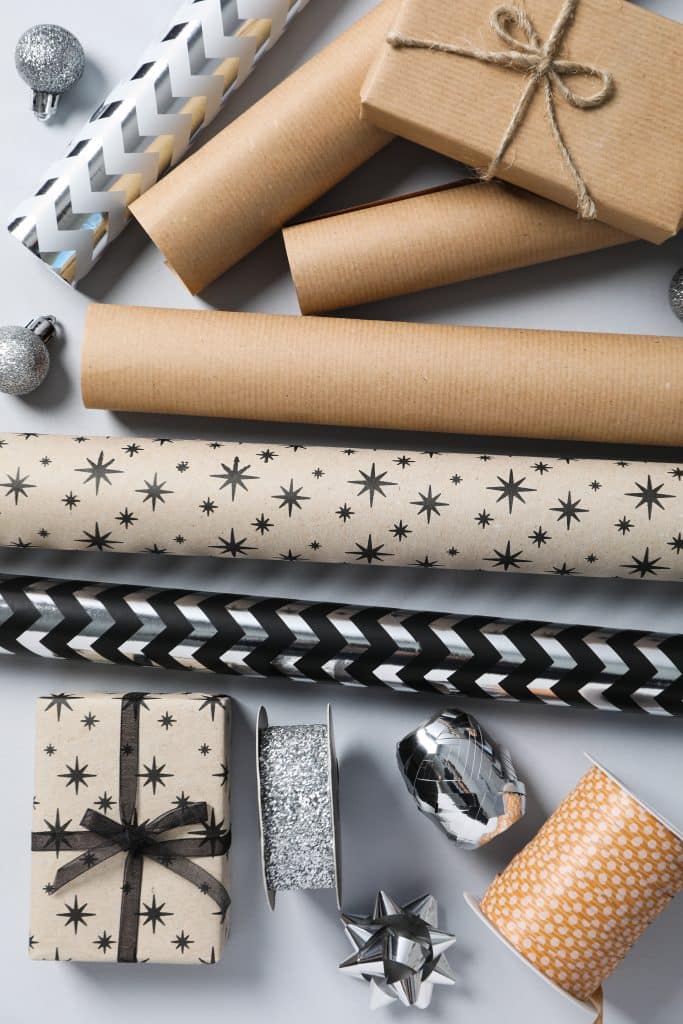
4. Wrapping Paper And Ribbon Bought New Every Holiday
Wrapping paper gets used once and thrown away, which makes it one of the more wasteful recurring purchases in a typical household budget. Ribbon and bows can be saved and reused far more than most people realize.
Gift bags in particular hold up for years of reuse if handled with any care at all. A small stash saved from last year’s gifts covers a surprising amount of this year’s wrapping needs.
Save what’s reusable, buy only what actually gets destroyed in the unwrapping.
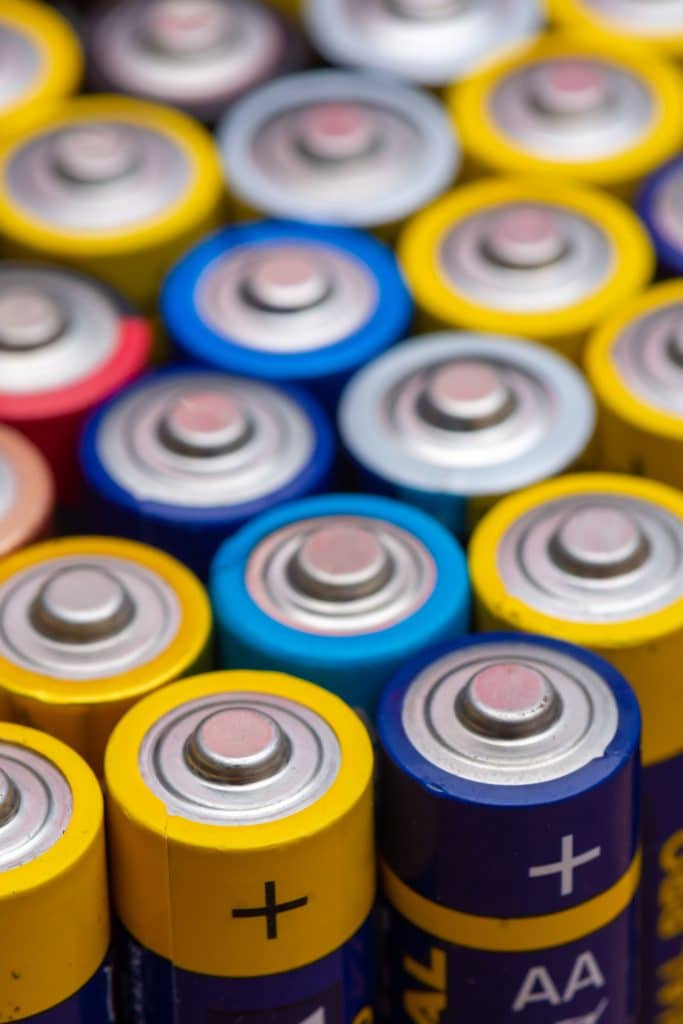
3. Batteries Bought One Pack At A Time
Grabbing a single pack of batteries at the drugstore whenever a remote dies is one of the more expensive ways to buy something you’ll always eventually need again. Per-unit pricing on those small packs is rarely competitive.
A bulk pack ordered once a year, or rechargeable batteries with a charger, both beat the repeated small-pack habit by a wide margin. Rechargeables in particular pay for the charger within the first year for most households.
Worth remembering: the panic purchase is always the expensive purchase. Buying ahead of the need is almost always cheaper.
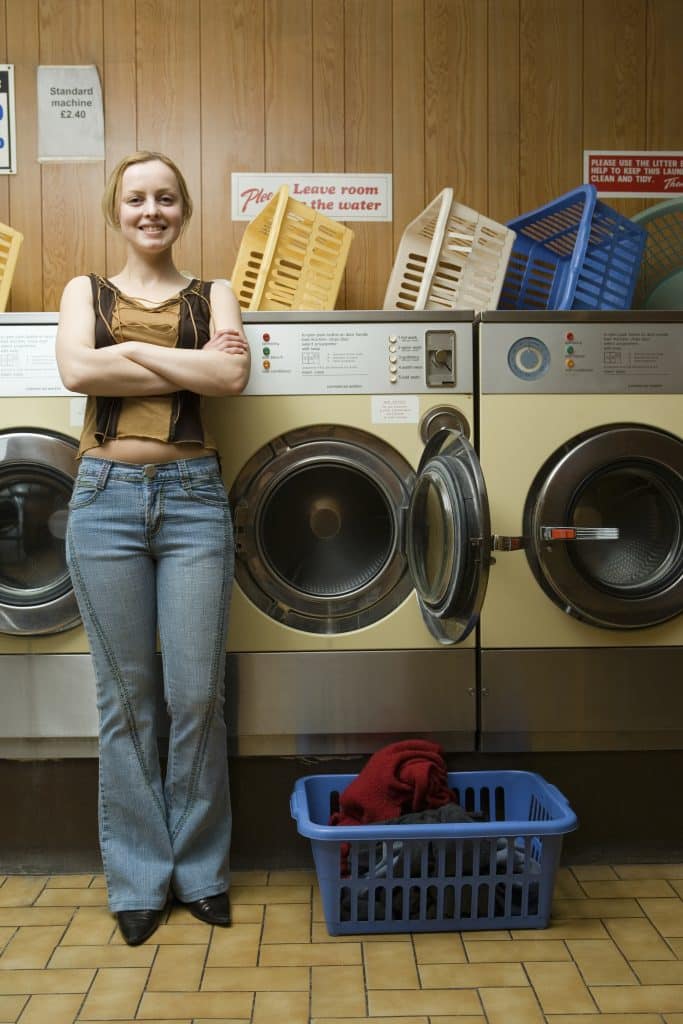
2. A Whole New Washing Machine Instead Of One Repair
A washing machine that starts making noise or skipping a cycle triggers an instinct to replace the whole unit. Most of the time, the actual issue is one part, a belt, a pump, a sensor, that costs a small fraction of a new machine.
A quick search of the model number and the symptom usually turns up the likely culprit before a technician even shows up. Even paying for a repair visit typically runs well under the cost of a replacement unit.
Repair first. Replace only once repair has actually been ruled out, not assumed.
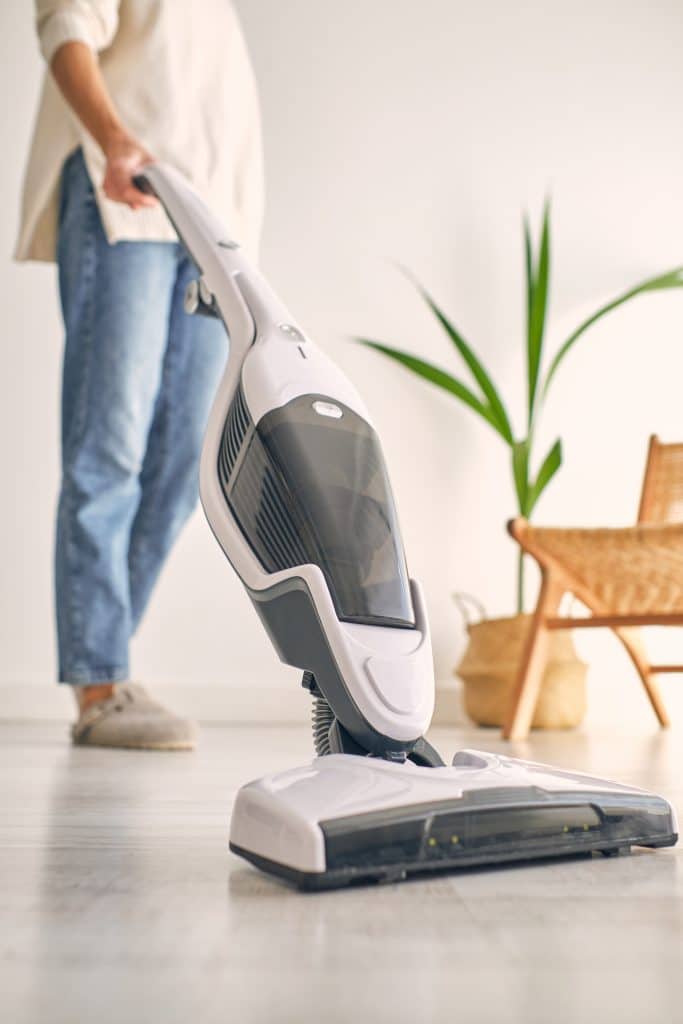
1. The Vacuum Cleaner Replaced Instead Of Repaired
This is the one that catches even people who consider themselves careful shoppers. A vacuum loses suction, and the instinct is to assume the motor is dying and the whole unit needs replacing.
The far more common culprit is a clogged filter, a tangled brush roll, or a full canister. All three take under ten minutes to check, and all three are things most people never bother checking before heading to the store.
A replacement filter or belt runs a few dollars. A new vacuum runs well into the hundreds, sometimes close to a thousand for higher-end models, which makes this exactly the kind of big purchase people make at the worst possible moment, right when frustration is highest and patience is lowest.
Clean the filter. Clear the brush roll. Empty the canister fully, not just partway.
If it still doesn’t pull suction after all three, then it’s genuinely time to shop. Most of the time, it never gets to that point.

One Last Thing
None of this is about deprivation. Most of it is about noticing which purchases are habits and which ones are actual needs, then treating those two categories differently.
If you only change a handful of things from this list, start with the ones tied to a repeating bill: the sponges, the paper towels, the light bulbs, the razor blades. Those savings compound quietly every single month.
The bigger-ticket items, mattresses, appliances, furniture, are worth a slower, more deliberate look before any purchase. A little research before buying tends to separate the households that are actually better with money from the ones that just think they are.
Either way, the goal is the same. Spend on purpose, not on autopilot.