
37 Household Items You’re Replacing Way Too Often
Some links may be affiliate links. We may earn a commission at no extra cost to you. View our full disclosure.
Somewhere along the way, replacing things became the default setting. A pan loses its shine, the sofa gets a little saggy, the towels feel thin, and the instinct is to go buy new ones before anyone even asks if the old ones are actually done.
That instinct is expensive, and most of the time it is not based on anything the item is actually telling you. It is based on marketing, on a neighbor’s kitchen renovation, on a sale email that showed up at the right moment.
A lot of household items are built with real life left in them long after people decide they are finished. Cast iron, in particular, can outlive the person who bought it if it gets basic care.
This list is not about hoarding broken things or refusing to ever buy anything new. It is about knowing which items have a genuine failure point, and which ones just have a marketing-driven one.
By the end you’ll have a rough sense of which drawer, closet, or garage corner is holding something you were about to replace for no real reason. Let’s start at the bottom of the list and work up to the one that costs people the most.

37. Doormats
A doormat that looks a little flat is not a doormat that has failed. Its entire job is to catch grit before it hits your floors, and a mat that has done that job for two years is doing exactly what it was bought to do.
People tend to replace these on a vague seasonal instinct, not because the mat stopped working. Shake it out, hose it off, let it dry flat in the sun, and it will keep catching dirt just fine.
Unless it’s cracked in half, it’s still working.
36. Garden Hoses
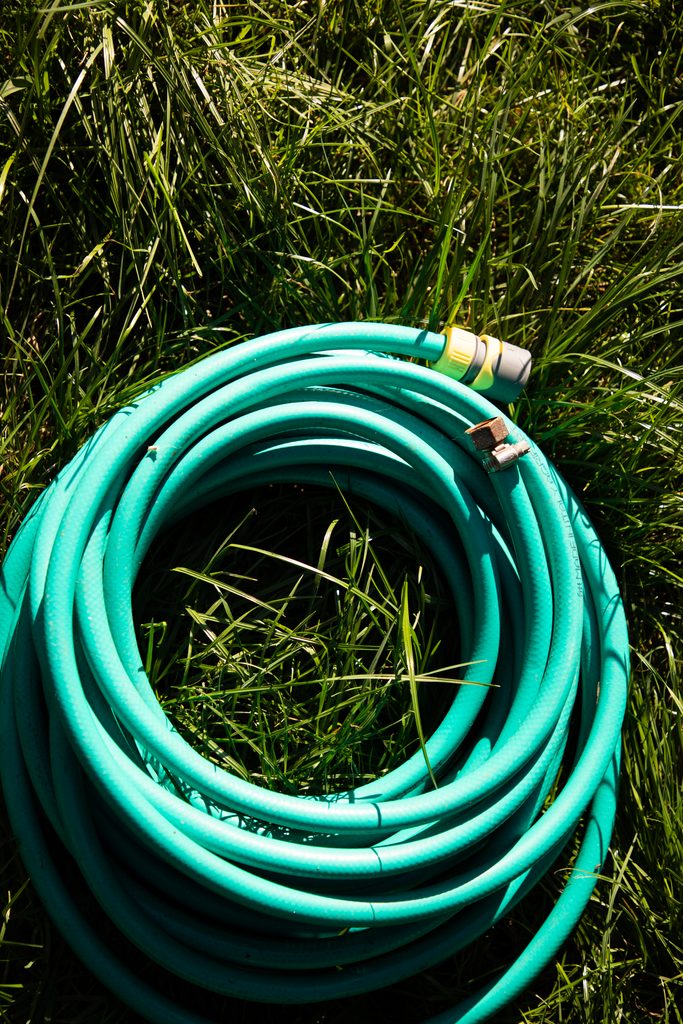
A garden hose with a slow drip at one fitting is not a dead hose. Most leaks happen at the connector, not along the hose itself, and a new washer costs less than a coffee run.
Full replacement makes sense once the rubber is cracking along its whole length or the coil won’t hold its shape anymore. Before then, you’re paying for a part when the whole thing still works.
35. Ceiling Fans
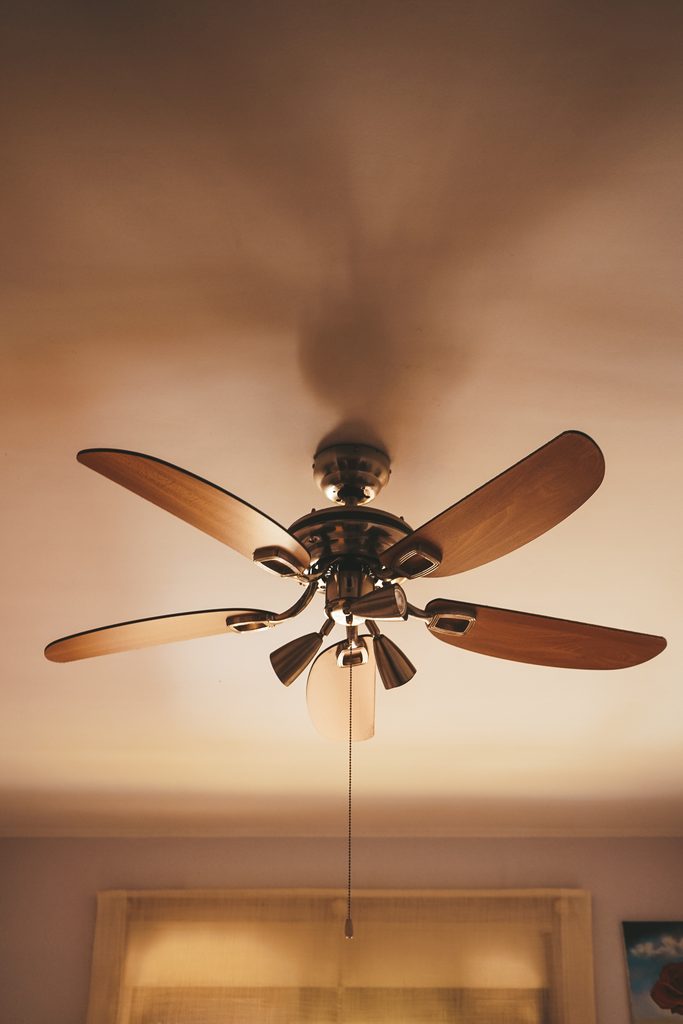
A wobbly ceiling fan gets replaced constantly, and almost every time the real problem is a set of unbalanced blades, not a dying motor. A five-dollar balancing kit fixes the wobble in about ten minutes.
Squeaking is usually a dry bearing, not a dying unit either. A drop of the right lubricant on the motor housing quiets most fans that people were ready to pull off the ceiling.
The math: A balancing kit costs a fraction of a new fixture and an electrician’s time.
34. Space Heaters
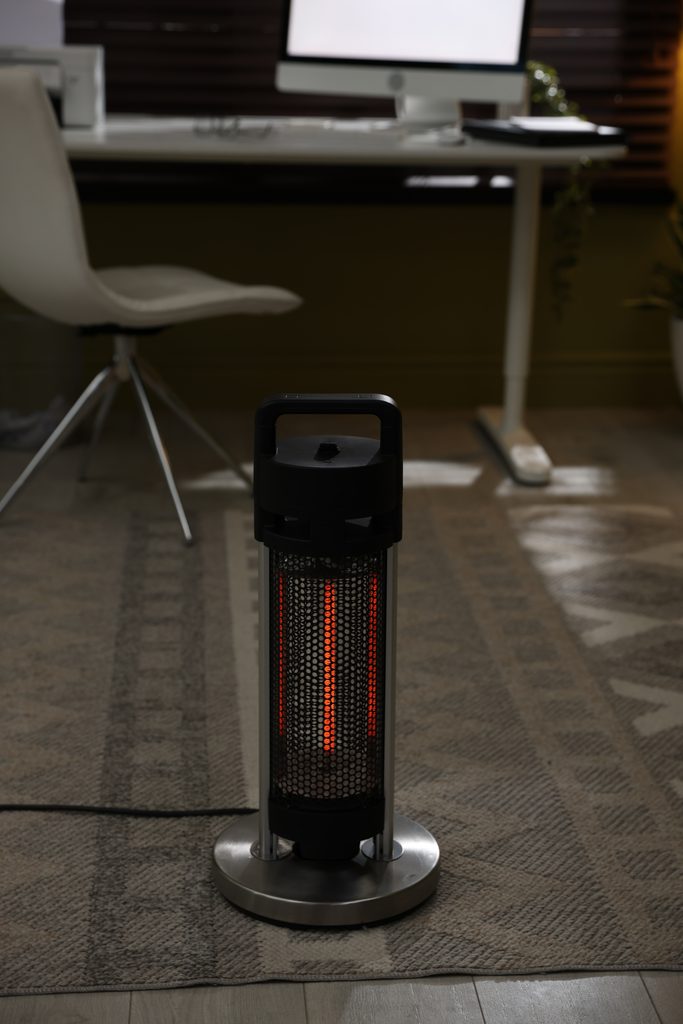
A space heater that shuts off unexpectedly usually has a dusty intake, not a broken safety switch. These units are built to trip when they overheat, and dust buildup around the vents is the most common trigger.
A quick vacuum of the intake grille solves the shutoff problem for most models. If it still trips after a real cleaning, that’s a fair reason to replace it, but that’s rarely the first move that’s needed.
33. Humidifiers
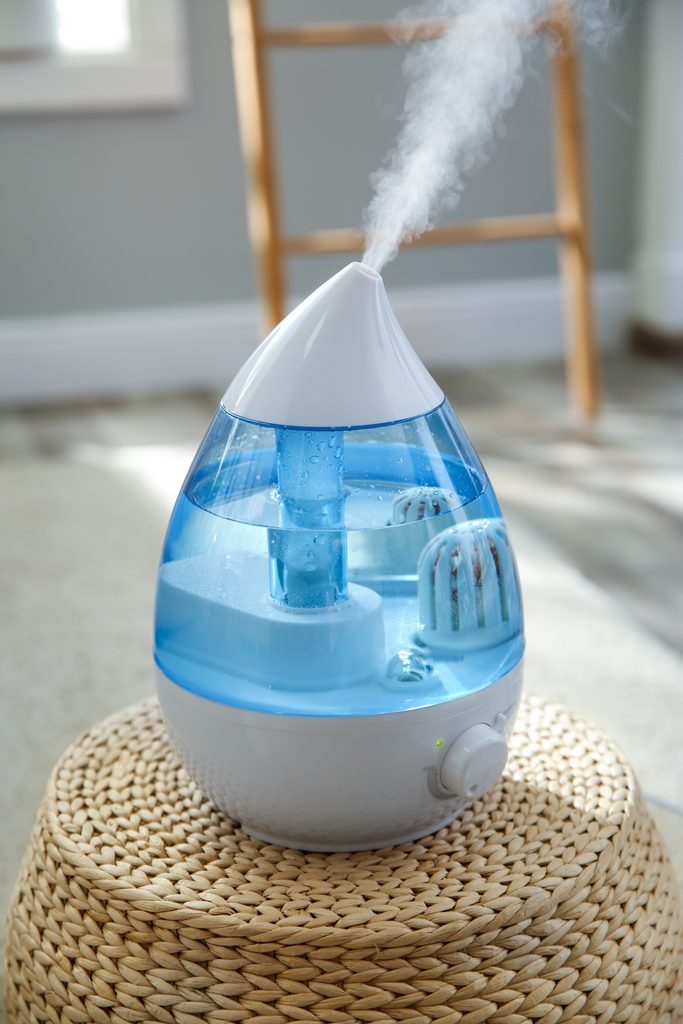
Humidifiers get thrown out for mineral buildup constantly, and mineral buildup is one of the most fixable problems a household appliance can have. A soak in diluted white vinegar breaks down scale that people assume means the unit is done.
Weak mist output is almost always the same issue. Clean the tank, clean the base, descale the wick or plate if the model has one, and most units come right back to full output.
For more on this, weird money-saving habits that actually work is worth a look.
Scale is a cleaning problem, not a mechanical one.

32. Extension Cords
A cord that looks a little frayed at one plug end gets tossed constantly, when the actual failure point is almost always the connection, not the wire running through it.
If the insulation is cracked and you can see bare wire anywhere along the length, replace it, that’s a real safety issue. A slightly worn plug housing with intact wiring underneath is not the same problem.
For more on this, small everyday money leaks is worth a look.
31. Kitchen Sponges
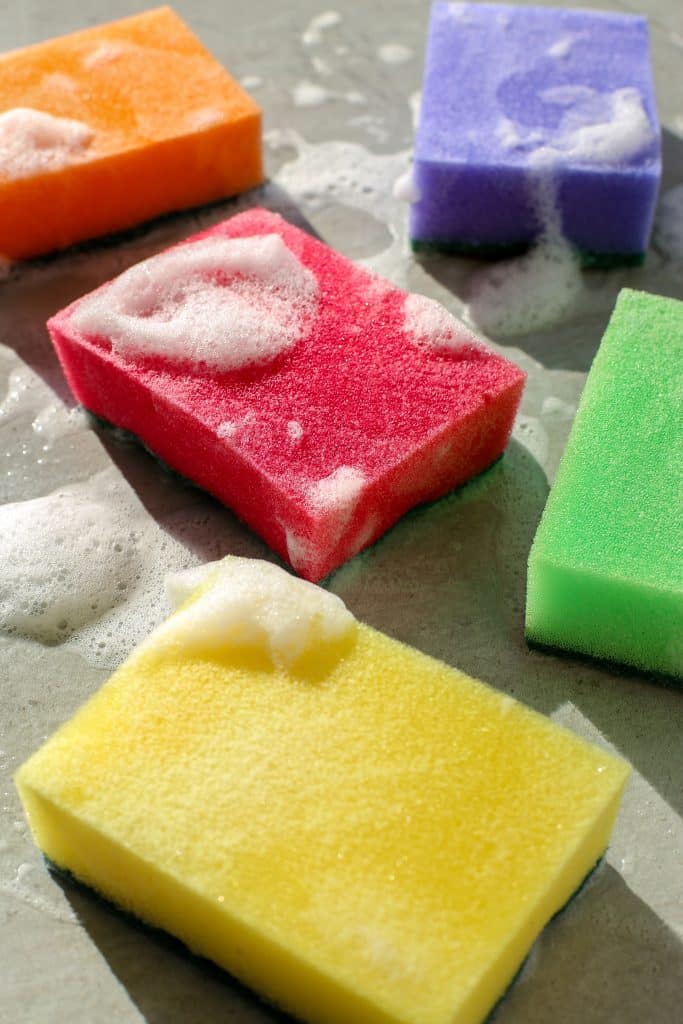
Here’s the honest exception on this list. A kitchen sponge is one of the few items you actually should replace on a short schedule, roughly every one to two weeks with regular use.
That damp, warm, food-soiled texture is exactly what bacteria look for, and no amount of microwaving or dishwasher cycling fully solves it. This is the one entry where stretching the life of the item is the wrong move, not the smart one.
This is the exception. Replace this one on schedule.

30. Grills
A rusty-looking grate gets a lot of grills replaced early, but grates are a replaceable part on nearly every model, not a reason to buy the whole unit again.
A cracked burner tube is the same story. Most manufacturers sell replacement burners for a fraction of a new grill’s price, and swapping one is a twenty-minute job with a wrench.
Worth remembering: Check for the replacement part before pricing out a whole new grill.

29. Lawn Mowers
A mower that won’t start after winter storage is almost never dead. Old gas gums up the carburetor, and that’s the actual culprit in most no-start calls a small engine shop gets every spring.
Draining old fuel, running fresh gas through the line, and cleaning or swapping the spark plug brings most mowers back. A small engine tune-up runs a fraction of a replacement machine.
28. Ladders
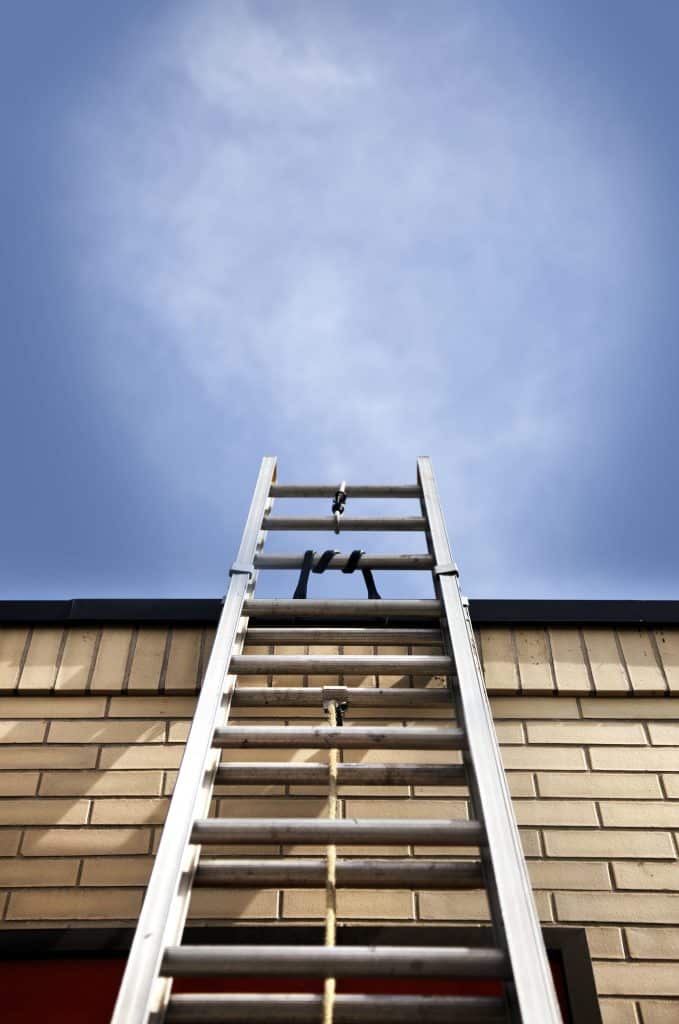
A wobbly rung or a stiff extension mechanism gets people shopping for a new ladder before checking the actual hardware. Loose rivets can usually be tightened, and stiff extension locks respond to a basic lubricant.
Aluminum ladders in particular are built to last for decades of occasional use. Unless there’s a bent rail or visible stress cracks, the wobble is almost always fixable rather than fatal.
27. Toolboxes
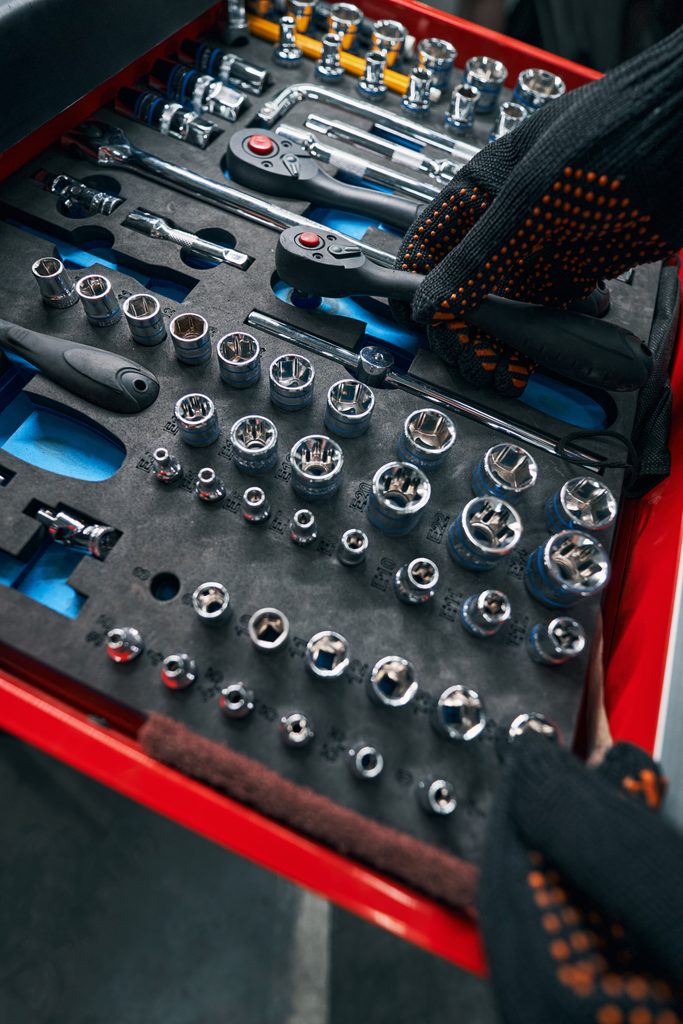
A sticking drawer or a rusty latch does not mean the toolbox is done. A little penetrating oil on the slides and hinges fixes most of the friction that makes people think the box is falling apart.
|
You might also like
18 Warehouse Club Buys Ranked: What's Worth It in Bulk (And What Never Is) →
|
Surface rust on a metal toolbox can usually be sanded and repainted in an afternoon. The structural box underneath tends to outlast several rounds of whatever’s stored inside it.
Rust on the outside rarely means rot underneath.
26. Vacuum Cleaners
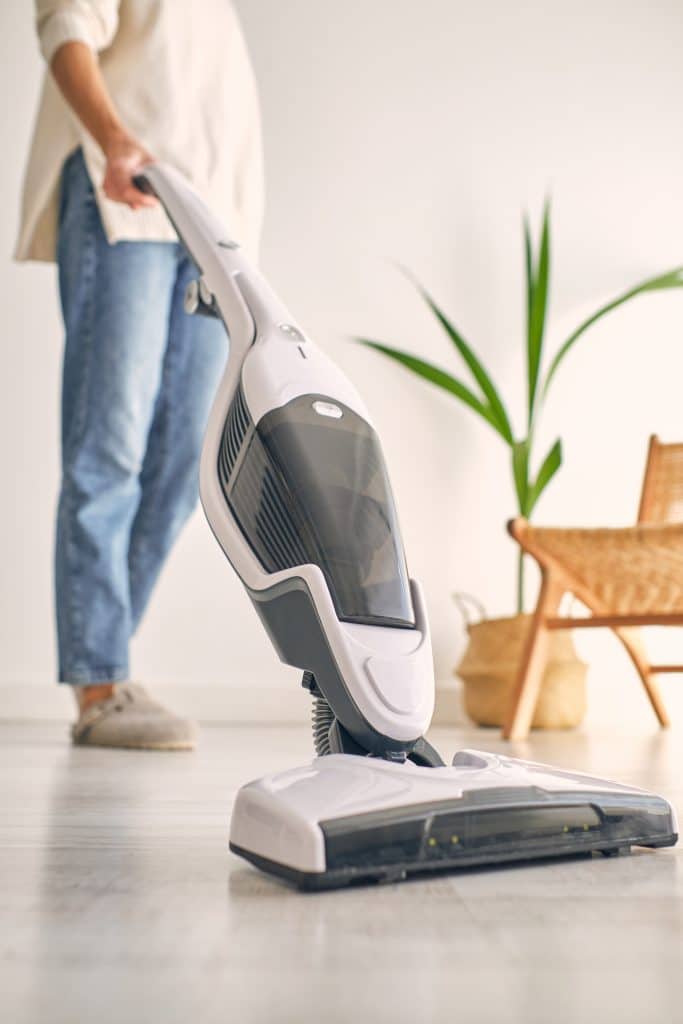
Weak suction is the number one reason people replace a vacuum, and it is also one of the easiest fixes in the whole appliance category. A clogged filter or a full canister can cut suction dramatically without anything being mechanically wrong.
A worn belt is the next most common culprit, and belts cost a few dollars and take a few minutes to swap on most upright models. Before you shop for a new unit, check the filter, empty the bin, and inspect the belt.
If the motor itself is making a grinding sound or has burned out, that’s a real end-of-life signal. Weak suction alone almost never is.
Net effect: Filters and belts solve most suction complaints before a new motor is needed.

25. Wine Glasses
A cloudy wine glass gets tossed constantly, and it is almost always mineral etching from hard water and the dishwasher, not a defect in the glass itself.
A soak in white vinegar, followed by a hand polish with a microfiber cloth, clears most of that haze right up. Full replacement makes sense for a chip on the rim, since that’s a real safety issue, not for cloudiness alone.
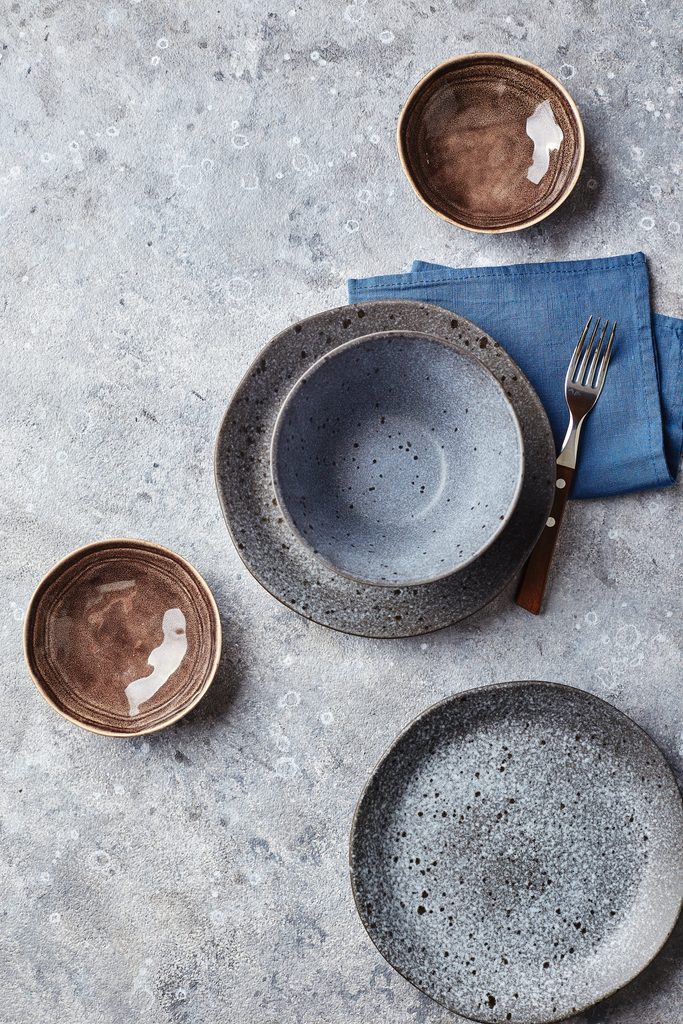
24. Everyday Dinnerware
Chipped enamel on the rim of a plate gets a whole set tossed more often than it should. A single damaged piece does not mean the rest of the set has failed too, it means one piece needs replacing, not sixteen.
Mismatched sets from combining a chipped-out old set with a few new pieces work perfectly fine at a family table. Nobody at dinner is grading plate uniformity.
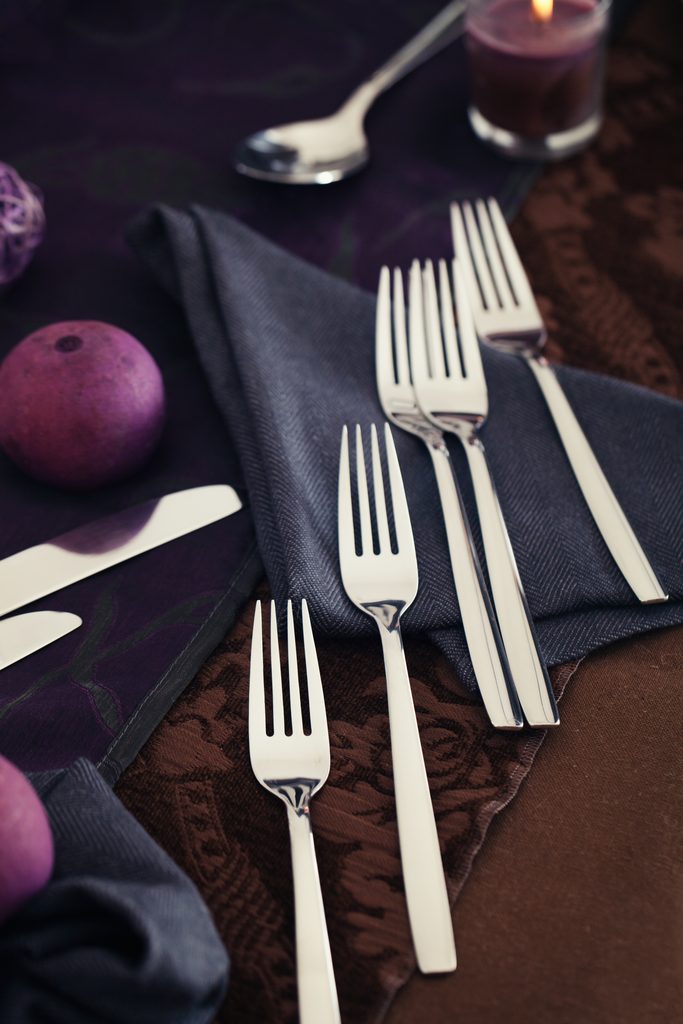
23. Silverware Sets
Tarnished silverware looks like it’s failing, but tarnish is a surface reaction, not decay. A baking soda and warm water soak, or a foil-lined pan with hot water and salt, pulls most tarnish off in minutes.
Stainless steel flatware almost never actually tarnishes the way real silver does, so a dull look on those pieces is usually just soap film. A quick vinegar rinse handles that.
Tarnish is chemistry, not damage.
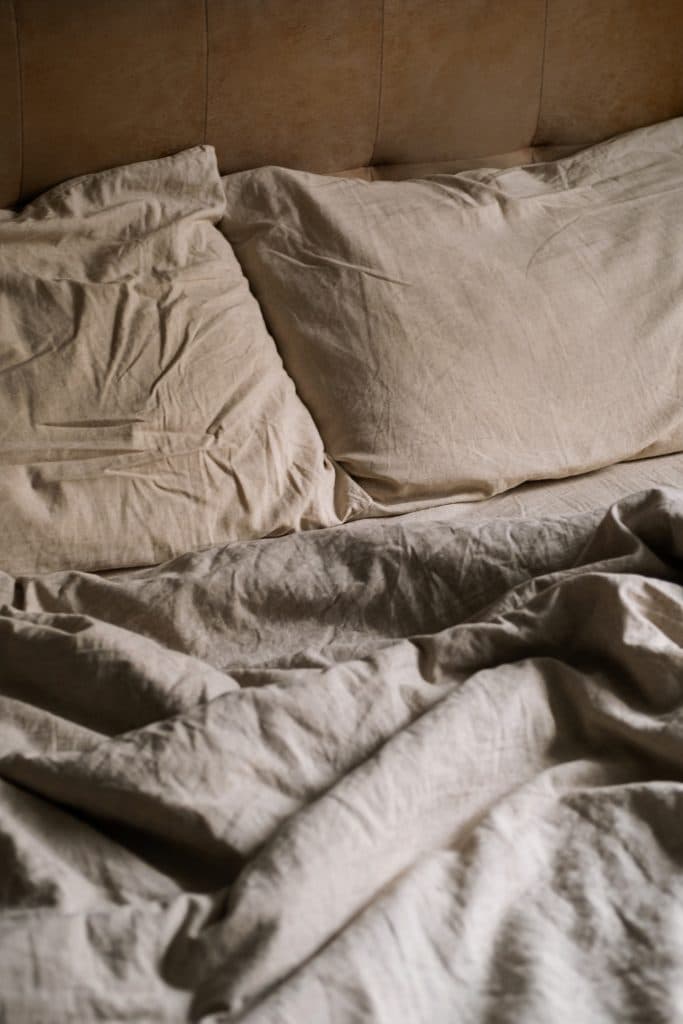
22. Bed Sheets
Sheets that have gone a bit stiff or faded usually just need a real wash, not a replacement trip. Hard water and detergent buildup over time leaves sheets feeling rougher than they actually are.
A wash with a cup of white vinegar in place of fabric softener strips that buildup and restores most of the original softness. Real fraying at the seams or thinning fabric you can see light through is the actual replacement signal.
For more on this, household money habits worth breaking is worth a look.
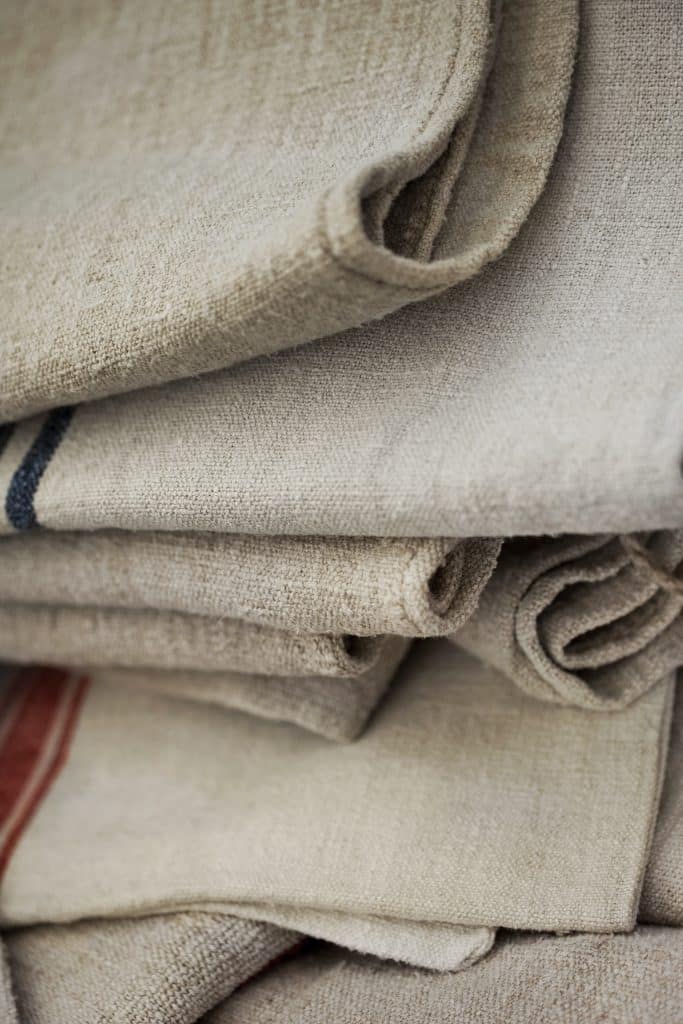
21. Bath Towels
A towel that stopped absorbing water well is not dead, it’s coated. Fabric softener and detergent residue build a waxy layer on towel fibers that blocks absorption over time.
Wash them in hot water with a cup of vinegar and no softener, and most towels absorb like new again. Skip this step for a couple of years and people end up replacing perfectly good towels because of a laundry habit, not the towel itself.
The upshot: A vinegar wash beats a shopping trip for towel replacement.
20. Wool Sweaters
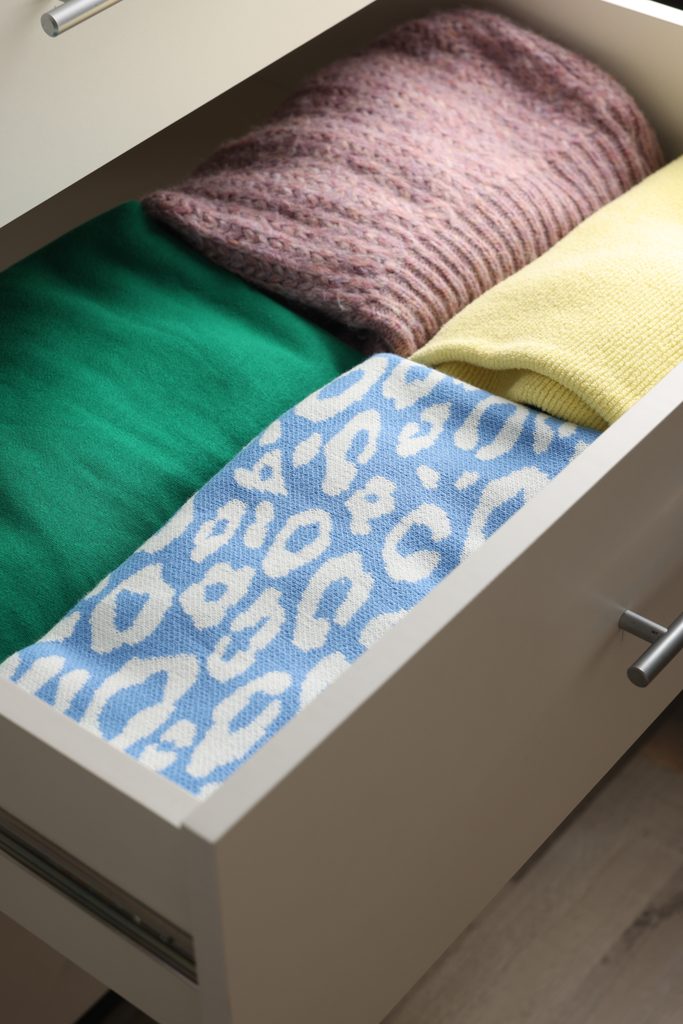
Pilling on a wool sweater looks like the end of its life, and it’s really just surface fuzz from friction. A fabric shaver or a simple sweater comb removes it in a few minutes and the sweater underneath is unaffected.
Real wool holds up for decades when it’s stored properly and kept away from moths. A sweater that’s pilling but otherwise intact still has years left in it.

19. Leather Boots
Scuffed leather boots get replaced constantly by people who don’t realize leather is one of the most repairable materials in a closet. Conditioning cream restores flexibility and a lot of the original color in one treatment.
Worn-down soles are a cobbler job, not a whole-boot job, and resoling usually costs far less than a new pair. Good leather boots are designed to be repaired, not replaced.
For more on this, what secondhand really means for smart shoppers is worth a look.
Good leather is built to be repaired, not discarded.
Worth Knowing
Quick gut check before we keep going. If you’ve read this far and started mentally listing which of your own things fit the pattern, that’s normal, this is basically every kitchen and garage in the country.
The common thread through everything so far is simple. Cosmetic wear and mechanical failure are two completely different problems, and most replacement decisions get made without ever checking which one is actually happening.
The second half of this list gets into the appliances and big-ticket items where that mix-up costs real money, not just a wasted trip to a store.

18. Leather Wallets and Bags
A cracked corner or faded patina on a leather wallet reads as wear and tear people should just accept and replace. Leather conditioner treats both, and a slightly darkened patina is often considered an upgrade rather than damage in leather goods circles.
A ripped seam is a five-minute fix for anyone who can thread a needle, or a cheap job for a shoe repair shop. Full replacement is really only necessary when the leather itself has torn through.

17. Outdoor Umbrellas
A patio umbrella with a faded canopy is often just sun-bleached fabric on a frame that’s completely fine. Replacement canopies are sold separately for most standard sizes, and swapping one takes about the same time as putting the umbrella up for the season.
A bent rib is usually straightenable by hand or with pliers if it’s aluminum, not a reason to buy the whole unit again.

16. Patio Furniture Cushions
Faded, flattened outdoor cushions get whole patio sets replaced more than any other single part. Replacement cushion covers are sold for most common frame sizes, and the foam inserts underneath usually still have life left.
|
Money Stuff
The Subscription Autopsy: What a Year of "It's Only $9.99" Actually Costs
|
A fresh cover over the same foam looks like a new set for a fraction of the price. The frame itself, especially aluminum or teak, is the part actually built to last.
Where this lands: Recover before you replace the whole set.

15. Curtains and Drapes
Sun-faded curtains get tossed constantly, and dye fading from UV exposure has nothing to do with the fabric’s structural condition. If the material itself isn’t thin or torn, it’s still a functioning window covering.
A steam and a real wash brings back a surprising amount of drape and texture. Rotating faded panels to a less sun-exposed window, if you have one, gets more life out of them before replacement makes sense.

14. Area Rugs
A flattened, matted area rug looks worn out and often just needs professional cleaning, not replacement. A deep clean lifts crushed fibers and pulls out years of embedded dirt that a home vacuum never fully reaches.
Wool and natural fiber rugs in particular are built to outlast synthetic ones by a wide margin, and a real cleaning restores a lot of the original texture. Save replacement for actual backing damage or fraying edges.
For more on this, things built to last that don’t need replacing so often is worth a look.
13. Wooden Dining Tables
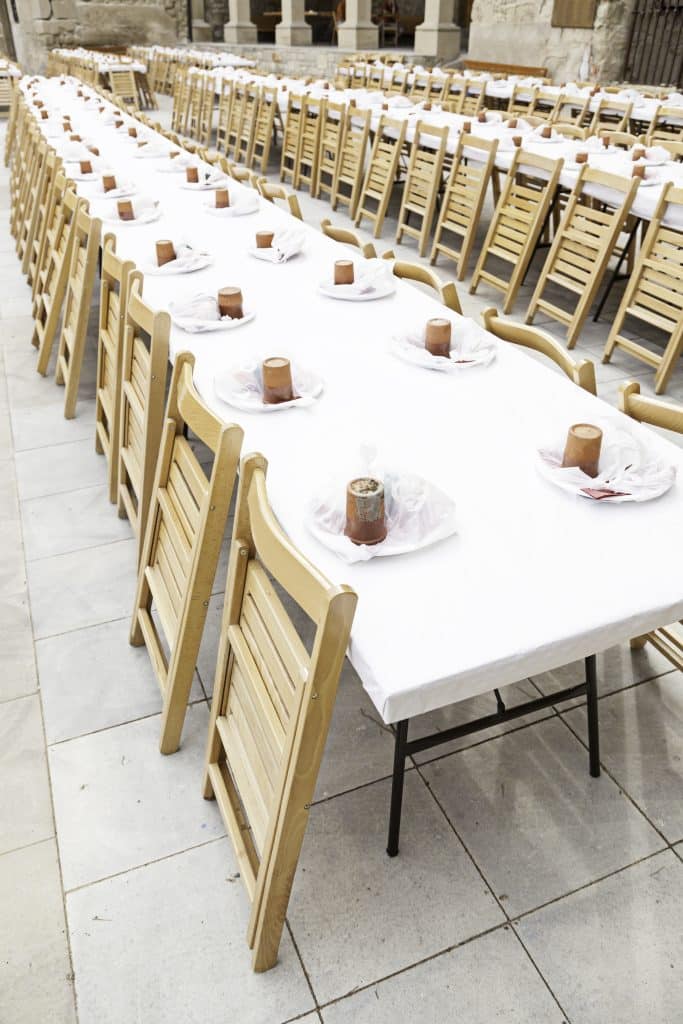
Scratches and water rings on a wooden table are treated like a death sentence for the whole piece, and they’re almost always a refinishing job. A light sand and a fresh coat of oil or polyurethane can make a decade-old table look close to new.
A wobbly leg is a hardware fix, tightening bolts or adding a shim, not a reason to buy a new table. Solid wood furniture is specifically built to be refinished more than once over its life.
Refinishing is cheaper than replacing, almost every time.

12. Kitchen Knives
A dull kitchen knife gets treated like a worn-out one, and dullness is just the edge losing its angle, not the metal failing. A proper sharpening, whether it’s a stone, a pull-through, or a professional sharpening service, restores most knives fully.
Even knives that have been dull for years respond well to a real sharpening rather than a quick honing steel pass. Replace a knife for a chipped blade or a cracked handle, not for dullness alone.
For more on this, cheapskate money tricks that actually work is worth a look.
11. Wooden Cutting Boards
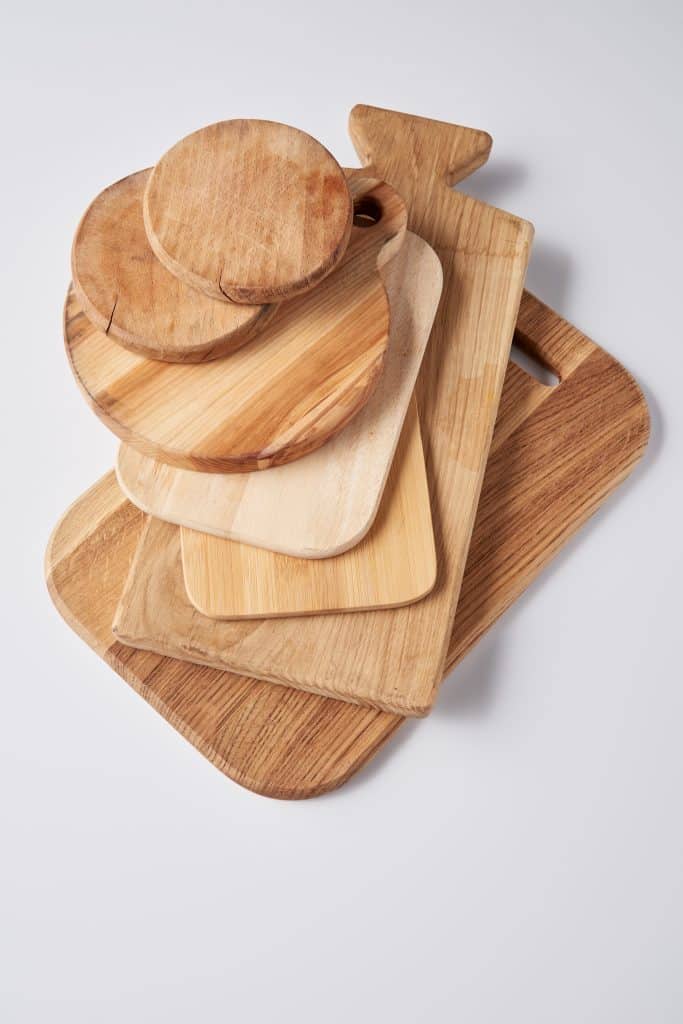
Knife grooves and a rough surface get wooden cutting boards tossed constantly, and both are fixable with light sanding. A pass with fine-grit sandpaper smooths the surface back down in about twenty minutes.
A food-safe mineral oil treatment afterward reconditions the wood and helps it resist future staining. A board only needs to go in the trash for a deep, unremovable crack, not for surface wear.
The math: A sanding kit costs less than one replacement board.
10. Cast Iron Skillets
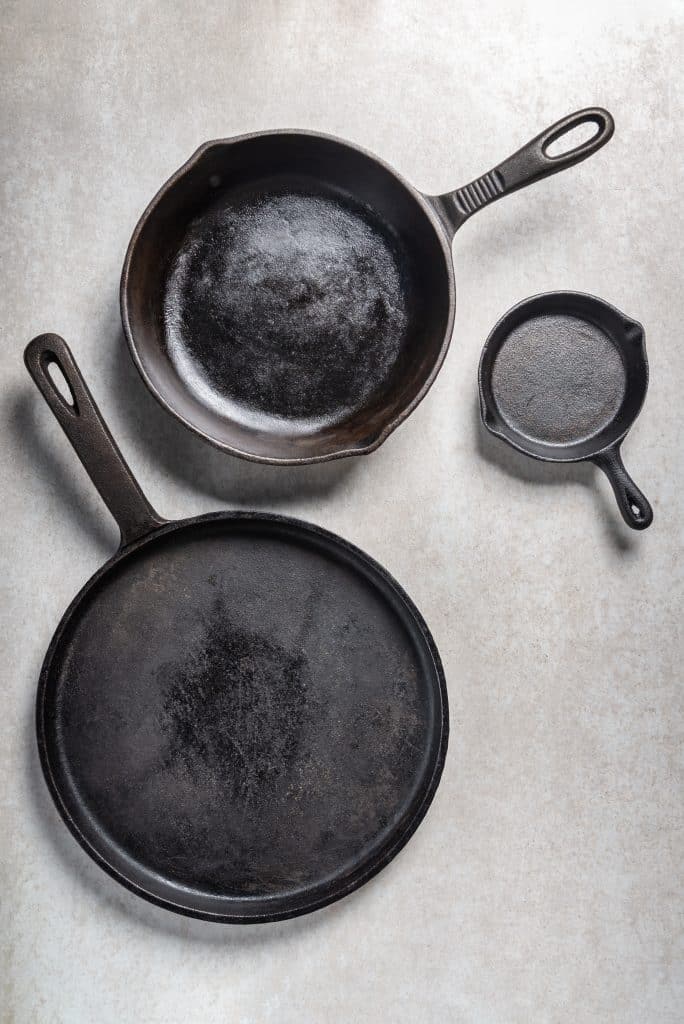
Rust on a cast iron pan looks like the end, and it is genuinely one of the easiest fixes in the whole kitchen. A scrub with steel wool, a rinse, a full dry, and a fresh coat of oil baked on in the oven brings a rusty pan back to full function.
These pans are specifically designed to be re-seasoned indefinitely, and plenty of cast iron in active use today is decades old, sometimes inherited from a grandparent’s kitchen.
There’s really no true end-of-life point for cast iron short of an actual crack in the metal, which is rare.
For more on this, things grandmothers refused to throw away is worth a look.
There’s no real expiration date on cast iron.
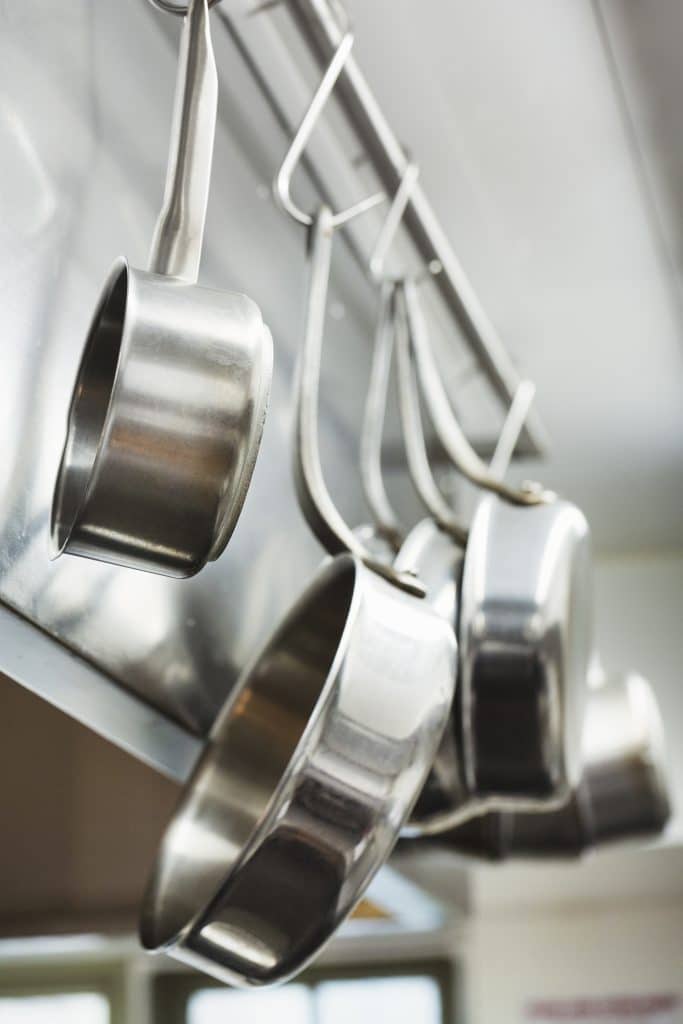
9. Stainless Steel Cookware
Discoloration on stainless steel, that rainbow or cloudy tint from high heat, looks like damage and is purely cosmetic. A paste of baking soda and water, or a dedicated stainless cleaner, buffs it right out.
Stuck-on food that seems permanently burned on usually lifts with a simmering water and vinegar soak followed by a scrub. Stainless cookware is built to handle this kind of abuse repeatedly without any real degradation.
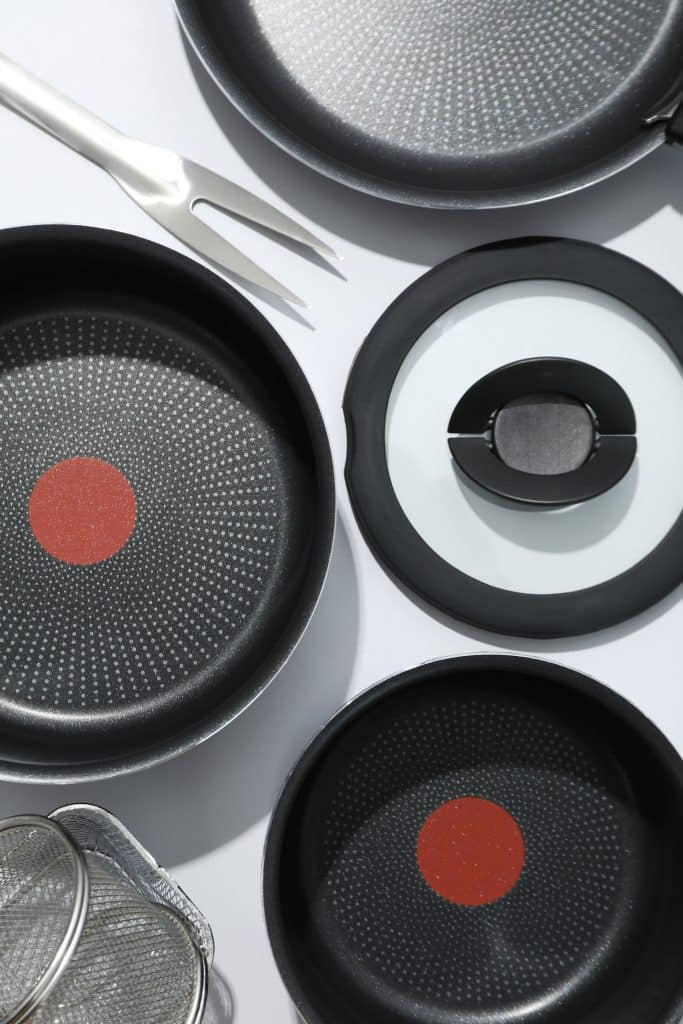
8. Non-Stick Pans
This is the other honest exception on the list. Non-stick coatings genuinely do wear out, and once the surface is visibly scratched, flaking, or food is sticking where it never used to, that coating has broken down for real.
Unlike cast iron or stainless steel, there’s no home fix that restores a worn non-stick surface. Replacing these roughly every few years of regular use is a legitimate, not wasteful, decision, and it’s worth budgeting for rather than stretching.
This one has a real shelf life. Don’t fight it.

7. Washing Machines
A washing machine that’s suddenly loud or off-balance gets replaced far more often than it needs to be. Most of the time it’s unbalanced feet or a load shifted to one side, both fixable in five minutes without a repair call.
A musty smell is almost always a buildup issue in the gasket or detergent drawer, cleared with a hot cycle and some white vinegar, not a sign the machine is failing. A repair technician can typically diagnose the actual issue for less than a fraction of a new unit’s price.
For more on this, big purchases people time badly is worth a look.
Worth remembering: A repair call is nearly always cheaper than a new machine.

6. Refrigerators
A fridge that’s running warm gets a lot of people shopping for a new one before checking the two things that actually cause it most often, a dirty condenser coil and a worn door gasket.
Vacuuming the coils on the back or bottom of the unit twice a year restores efficiency dramatically. A gasket that’s lost its seal, which you can test with a dollar bill closed in the door, is a cheap replacement part, not a reason to buy a whole new appliance.
A working refrigerator that’s just running warm or loud almost never needs full replacement. It needs an hour of basic maintenance most people have never done once.
| Keep Reading — 29 Things Every '90s Kid's Bedroom Had |
For more on this, money rules that turn out to be myths is worth a look.
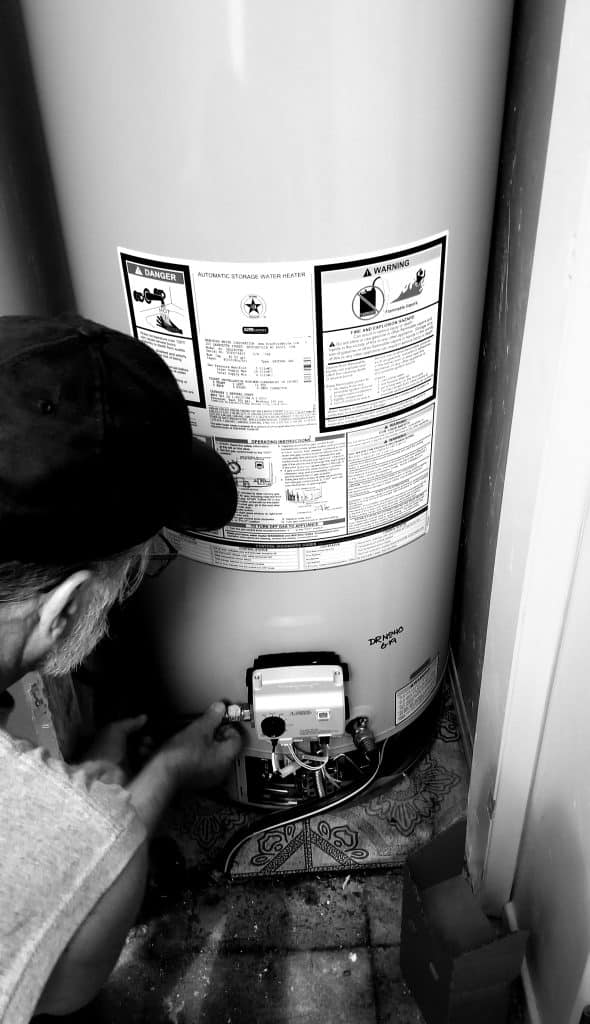
5. Water Heaters
Rusty-looking or lukewarm water gets a full water heater replacement scheduled before anyone checks the sediment buildup at the tank’s bottom, which is the actual cause most of the time.
Flushing the tank once a year clears sediment and restores heating efficiency, a job that takes about thirty minutes with a garden hose. A failing heating element is also a replaceable part on most standard tanks, not a reason for a whole new unit.
For more on this, quietly cutting monthly household bills is worth a look.
Net effect: Flushing and a new element beat a full replacement most of the time.

4. Roof Shingles
A few curling or missing shingles get whole roofs replaced years earlier than necessary. Spot repairs, patching individual damaged shingles rather than the entire roof, are standard practice for licensed roofers and cost a small fraction of full replacement.
A roof only needs full replacement when damage is widespread across most sections or the underlying decking is compromised, not because a handful of shingles look rough after a storm.
Get a second opinion before signing off on a full roof job based on one visible trouble spot. It’s a decision worth getting more than one estimate on, and one this article isn’t in a position to make for you.
For more on this, neighborhood services you’re quietly overpaying for is worth a look.
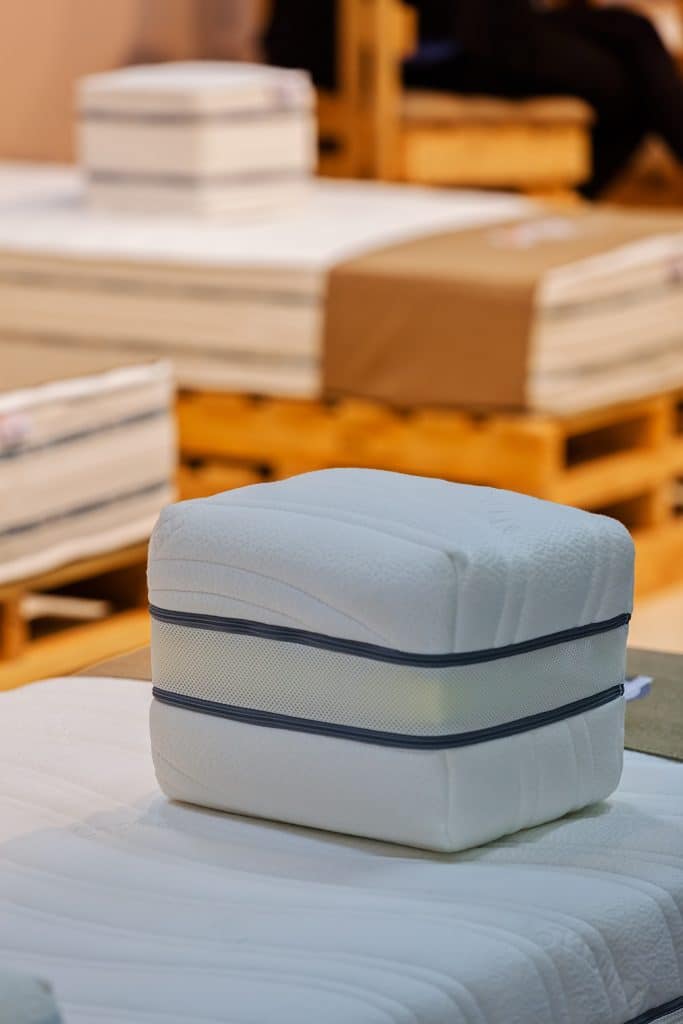
3. Mattresses
Here’s the most important honest exception on this whole list. Mattresses do have a real functional lifespan, typically somewhere around seven to ten years depending on the type and how it’s cared for, and sagging support is a genuine health and sleep quality issue, not just cosmetic wear.
Rotating the mattress regularly and using a supportive frame extends that window somewhat, and a mattress topper can buy a year or two on a mattress that’s just starting to soften. But visible sagging, waking up sore, or a mattress well past a decade old is a legitimate replacement, not an overreaction.
This is different from most of the items above it. Stretching a genuinely worn-out mattress to save money can cost more in the long run through poor sleep and back strain than the replacement itself would have.
This is one item where waiting too long is the actual mistake.
2. Sofas and Couches
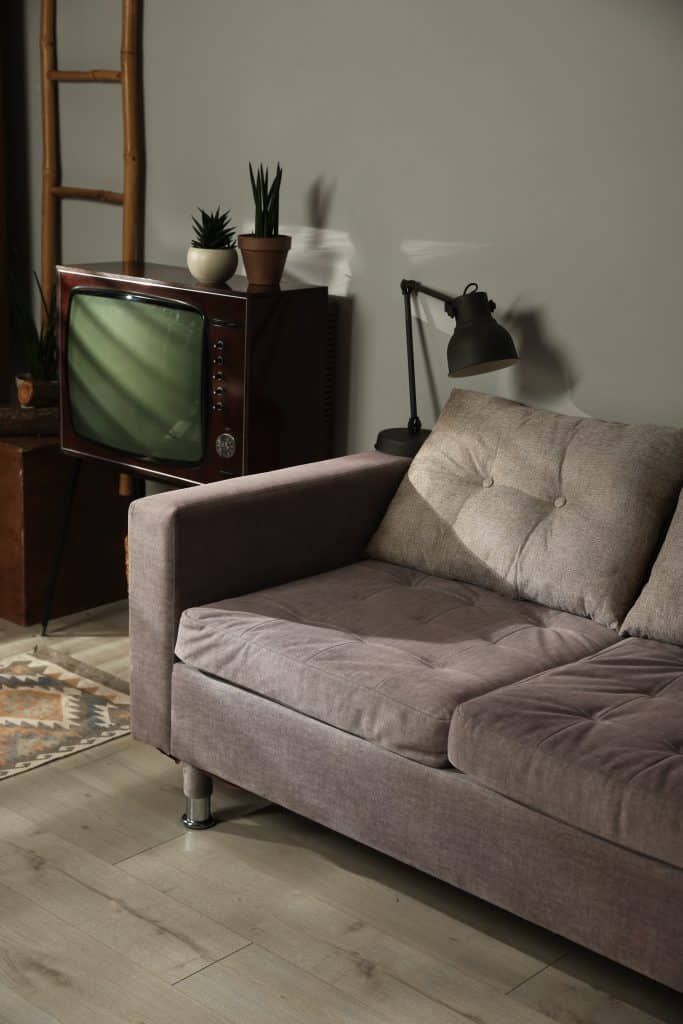
Sagging cushions get whole sofas replaced constantly, and the cushion inserts are a separate, replaceable piece from the frame in nearly every sofa built. New foam inserts or a professional refill runs a fraction of a new sofa’s cost.
A worn or stained cushion cover is a reupholstery job or a slipcover, not a frame problem. The hardwood frame underneath, if it’s real wood joinery rather than particleboard, is genuinely built to outlast several rounds of cushions and covers.
Check what the frame is actually made of before writing off the whole piece. A solid frame with tired cushions is a much smaller fix than people assume when they’re standing in a furniture showroom.
For more on this, full-price furniture people didn’t need to pay for is worth a look.
The upshot: Sagging cushions are a repair, not a reason to shop for a new sofa.
1. Kitchen Cabinets
This is the one that costs people the most, by a wide margin. Kitchen cabinets get gutted and fully replaced constantly over problems that are almost entirely cosmetic, worn finish, outdated color, doors that don’t quite sit flush anymore.
A full cabinet replacement in most kitchens runs into the tens of thousands of dollars once labor, materials, and countertop disruption are factored in. That’s a genuinely enormous number for a decision that’s frequently driven by wanting a different look, not a structural failure.
Refacing, keeping the existing boxes and simply replacing the doors, drawer fronts, and hardware, solves the cosmetic problem most people are actually reacting to. It typically runs at a fraction of full replacement cost and can be done in days rather than the weeks a full gut job takes.
Painting the existing cabinet boxes is an even cheaper route, and a proper primer and cabinet-grade paint job can genuinely transform a kitchen’s look without a single box coming off the wall. Save full replacement for boxes that are actually water-damaged, structurally failing, or don’t fit a layout change you’re making for other reasons.
I’ve watched people quote out a full kitchen gut renovation over doors that were sitting slightly crooked, something a hinge adjustment would have fixed in an afternoon. Before that call goes to a contractor for a full teardown, it’s worth getting a refacing quote first, and treating the box-versus-door distinction as the actual decision point rather than assuming the whole kitchen needs to go.
For more on this, household items smart shoppers already stopped buying is worth a look.
Reface before you gut. The boxes are almost never the problem.

The Wrap-Up
If there’s one habit worth taking from this whole list, it’s a pause before the shopping cart. Ask whether the item has a mechanical failure or just a cosmetic one, and treat those as two completely different decisions.
The short version, if you only remember a few: cast iron and stainless steel basically never need replacing, wooden furniture wants refinishing before it gets hauled to the curb, and cabinets almost always want refacing before a full gut job.
The real exceptions worth respecting are kitchen sponges, non-stick pans, and mattresses. Those three have genuine shelf lives, and stretching them past that point costs more than it saves.
For the broader version of this mindset, the roundup of things people stopped buying once they got smart with money covers a lot of the same territory from a different angle.
And if you want the flip side, the habits that actually separate people who are good with money from everyone else, that list is a natural next stop if this one was useful.
None of this is a rule to follow blindly either. Some of it really is done and deserves the trash can, and that’s a call only you can make standing in front of the actual item.
