27 Neighborhood Services You’re Paying Too Much For
Some links may be affiliate links. We may earn a commission at no extra cost to you. View our full disclosure.
Every few months, something new shows up as a recurring charge on your bank statement. It’s usually a neighborhood service you signed up for during a busy stretch of life and never thought about again.
Some of these are genuinely worth the money. Your time has value, and paying someone else to handle a job you hate is a legitimate choice, not a failure.
But a lot of these services quietly outlive their usefulness. You hired someone for a specific season or a specific problem, the problem went away, and the charge stayed.
I went through 27 of the most common neighborhood and household services people pay for month after month. Ranked from the ones that sneak up on you least to the ones costing the most real money.
If you want a companion piece on the recurring charges themselves, the subscriptions people forget they’re still paying for covers similar ground from a different angle. Let’s start at the bottom and work up.

27. Bottled Water Delivery Services
A jug delivery service run to the house every few weeks adds up to a real monthly bill for something your tap and a decent filter can handle. Most municipal water is tested more often than the bottled stuff sitting in your garage.
A pitcher filter or an under-sink unit pays for itself in a couple of months and never needs a delivery window.
The cost keeps climbing while the reason you started barely holds up.

26. Mobile Car Detailing
A driveway detail service runs a real markup for what amounts to a wash, a vacuum, and a wipe-down of the dash. You’re paying for someone to show up, not for anything your local self-serve bay can’t do.
A monthly detail is where this becomes a habit rather than a treat. Twice a year for a deep clean is reasonable. Every four weeks stops being about the car.

25. Notary Visit Services
A mobile notary that drives to your house for one signature charges a travel fee on top of the notarization fee. Most banks and libraries notarize documents for free or close to it.
The convenience version makes sense for closing documents on a tight deadline. It doesn’t make sense for a routine form that could wait until your next errand run.
The math: a fifteen-minute detour usually beats a fifty-dollar house call.

24. Window Washing Services
A single-story house with standard windows doesn’t need a professional crew twice a year. A squeegee, a bucket, and a Saturday morning get you most of the same result.
Where this actually earns its price is a second-story window with no safe way to reach it from the ground. That’s a fair trade for not falling off a ladder.

23. Holiday Light Installation
Paying a crew to string lights along your roofline is one of the fastest-growing seasonal service categories out there. It’s also one of the easiest to do yourself with a clip-on light strip and an afternoon.
An honest exception here: a steep roof or a two-story house changes the calculation fast. Paying someone to work at that height isn’t a splurge, it’s a reasonable safety trade.
For a single-story ranch with a flat front yard, doing it yourself is a couple of hours, not a specialized job.

22. Furniture Assembly Services
Flat-pack furniture assembly has turned into its own gig-economy category, and the per-item charge is steeper than most people expect before they book it. A bookshelf that takes an hour with an included tool kit shouldn’t cost a full evening’s worth of restaurant money.
A wardrobe with forty screws and a confusing diagram is a different story. That’s where paying someone else to swear at the instructions instead of you starts to look reasonable.
Worth remembering: simple pieces are a DIY job, complicated ones are where the fee earns its keep.

21. TV Mounting Services
A wall-mount installation charges for roughly thirty minutes of drilling into studs and hiding a few cables. It’s a genuinely simple job once you own a stud finder, which costs less than the service call itself.
|
You might also like
16 Ways People Make Extra Money During the Holidays →
|
Renters in an apartment with a management company that restricts wall drilling are the real exception. In that case the fee is buying you a workaround, not just labor.

20. On-Call Handyman Visits for Small Fixes
A running tab with a handyman service for things like a loose cabinet hinge or a squeaky door adds up faster than one big project would. Each visit carries its own minimum charge no matter how small the fix.
Batching four or five small jobs into a single visit, instead of calling every time something goes slightly wrong, cuts the per-fix cost by a real amount.
A list on the fridge saves more money than most people realize.
19. Driveway Sealing Services
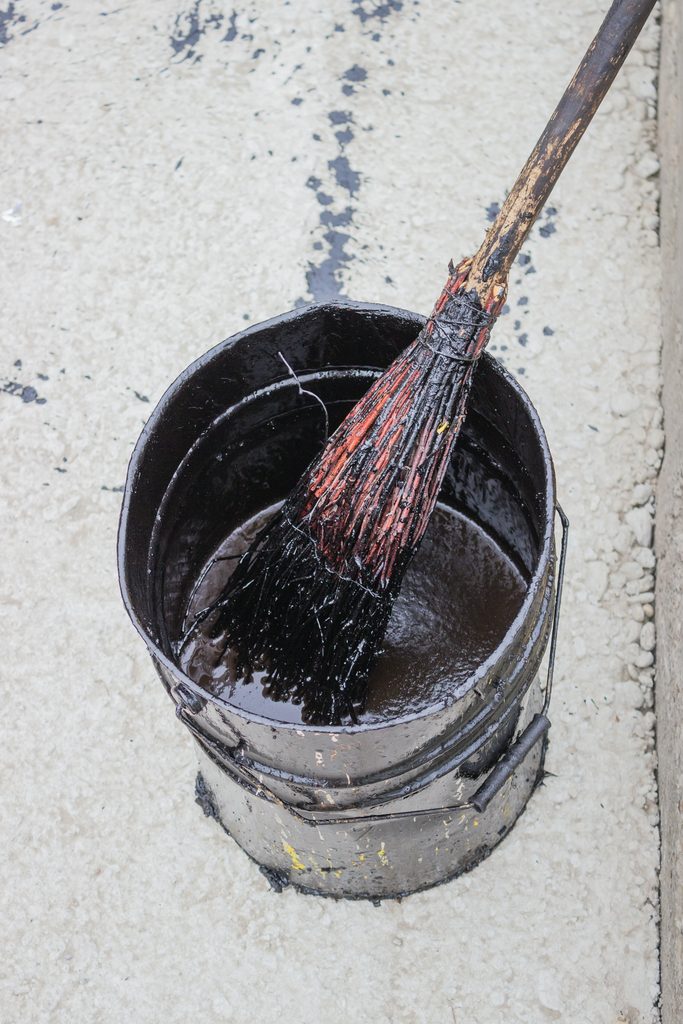
An asphalt sealcoat crew shows up every year or two with a scare pitch about cracking and water damage. The actual research on how often sealing extends driveway life is a lot murkier than the door hanger makes it sound.
A DIY sealant from a hardware store, applied every couple of years, gets most homeowners a similar result for a fraction of the price.
Net effect: the yearly upsell rarely matches the yearly need.

18. Garage Door Tune-Up Visits
A yearly maintenance plan for a garage door opener promises to catch problems before they happen. Most of what a tune-up actually does is lubricate the tracks and tighten a few bolts, both of which take fifteen minutes with a can of spray lubricant.
Save the professional call for an actual broken spring or a motor that’s making a new noise. That’s a real repair, not a subscription.

17. Dryer Vent Cleaning Services
Annual dryer vent cleaning is marketed hard around fire-risk statistics, and lint buildup is a legitimate hazard worth taking seriously. Where the pitch overreaches is implying every household needs a professional visit every single year.
A flexible brush kit from a hardware store clears most vent lines yourself in under an hour. Long or oddly routed vent runs, especially in older houses, are the case where hiring it out makes more sense.
Every year on a schedule is overkill for most setups.
16. Carpet Cleaning Subscriptions
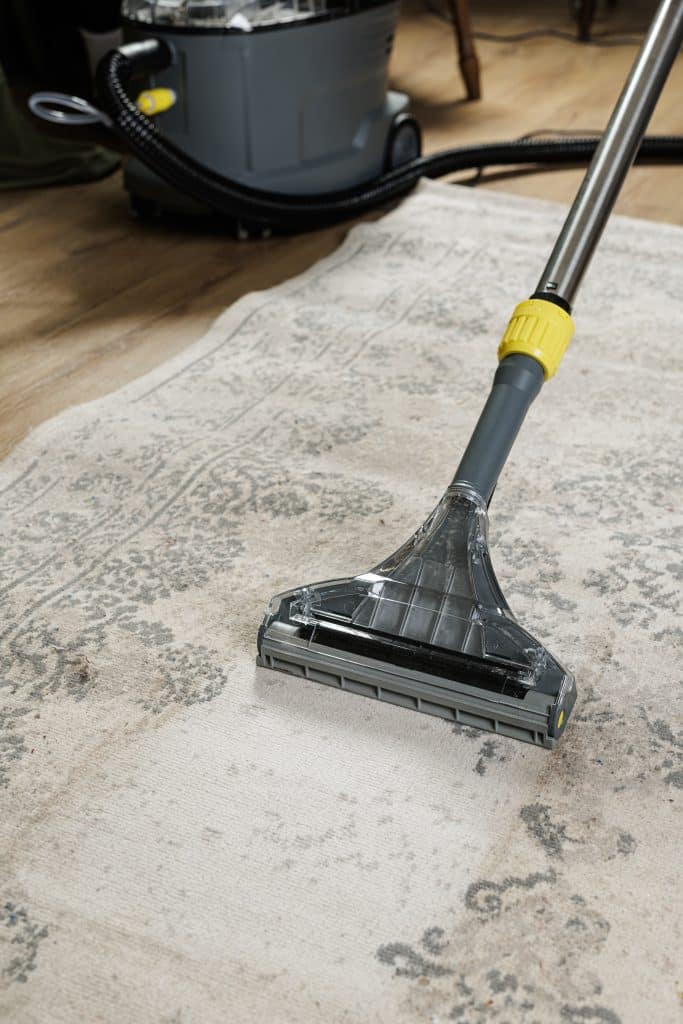
A recurring carpet cleaning plan, booked every few months whether the carpet needs it or not, is paying for a calendar reminder as much as a clean floor. A rental steam cleaner from a hardware store handles most households for a fraction of the annual cost.
Households with pets, allergies, or light-colored carpet in high-traffic rooms are the real case for a professional deep clean once or twice a year.
The upshot: a rented machine twice a year beats a subscription running on autopilot.

15. Grocery Delivery Service Fees
Delivery fees, service fees, and the built-in markup on the groceries themselves stack quietly on top of each other. A weekly grocery delivery habit can end up costing more in fees alone than a tank of gas would for the same trip.
For someone with mobility limits or no car, the service is genuinely solving a real problem. For someone who’s just avoiding the store, it’s an expensive way to avoid the store.

14. Dog Walking Apps
A daily dog walker booked through an app is a real recurring cost, and for a healthy dog with a fenced yard, it’s often solving a scheduling problem rather than a necessity. A midday break from a neighbor, a teenager down the street, or a work-from-home adjustment covers the same need for free.
For an apartment dog with no yard access and an owner working long hours, this is a different conversation entirely. That’s a real welfare need, not a convenience purchase.
Where this lands: the dog’s actual situation should decide it, not the habit of booking the app.
Where You Stand So Far
Notice the pattern forming in these first fourteen. Most of the smaller services aren’t scams, they’re just solving problems you can solve yourself for less.
The services still ahead carry bigger monthly numbers, which means the potential savings get bigger too. If you’ve already found a few bills worth trimming on your own list, this is where it starts to matter.

13. Pet Sitting Apps
Booking a pet sitter through an app for every short trip, including an overnight or a long weekend, gets pricey fast once you add the nightly rate to the check-in fee. A neighbor swap, where you feed their cat while they’re gone and they return the favor, costs nothing but a spare key.
|
Rewind
17 Things That Actually Cost Less Than They Did 40 Years Ago
|
A two-week vacation with a pet that needs medication is where a professional sitter genuinely earns the fee. That’s not a favor to ask a neighbor.
Where this lands: short trips are where the app fee is the most avoidable.
12. Laundry Pickup and Delivery Services
A wash-and-fold pickup service charges by the pound, and the per-pound rate on a family’s weekly laundry adds up to a genuinely large number over a year. It’s solving a time problem, not a money problem, which is worth being honest with yourself about.
If the alternative is genuinely not doing laundry at all because of a disability or an overloaded schedule, that’s a real trade-off worth making. If the alternative is just doing laundry on a Sunday, it’s a harder one to justify.

11. Meal Prep Delivery Services
Pre-portioned meal prep delivery runs a steep cost per plate once you compare it against cooking the same ingredients yourself. The service is selling planning and decision-making as much as it’s selling food.
Cooking one large batch on a Sunday and portioning it into containers gets most of the same convenience for a fraction of the weekly bill.
The service isn’t lying about being convenient. It’s just charging a premium for a habit you could build yourself in an afternoon.
10. Alarm and Security Monitoring Contracts
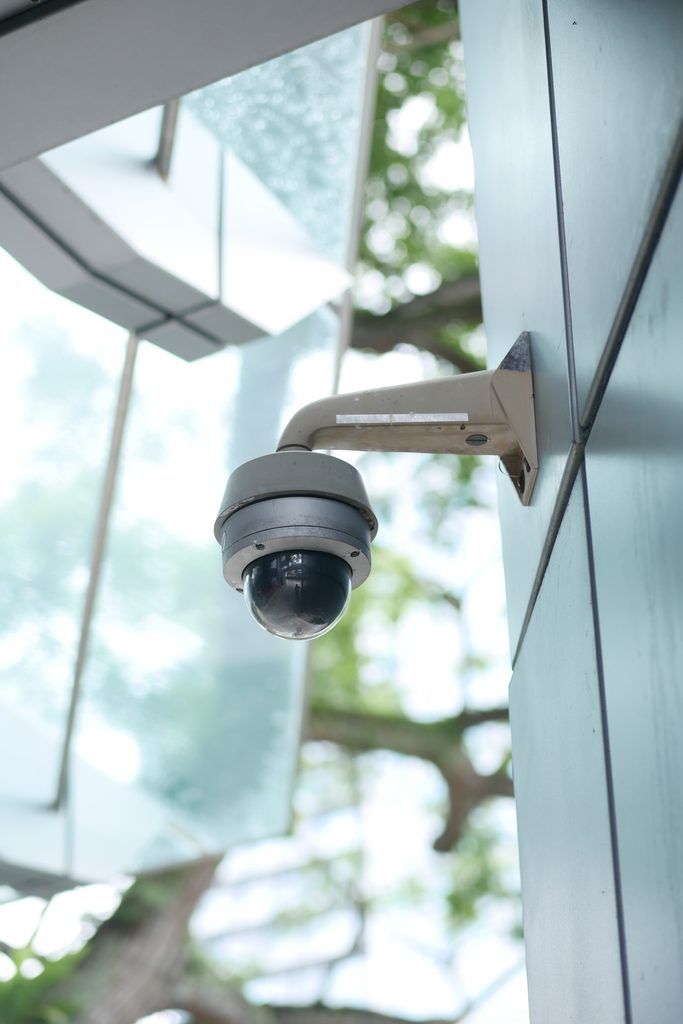
A monitored alarm contract, often bundled with equipment financing, can run a real monthly bill for years past the point where the contract term ends. Plenty of people keep paying the monitoring fee long after they’ve forgotten the original reason they signed up.
An honest exception: someone living alone, in a neighborhood with a real break-in history, or with a health condition that makes fall detection genuinely useful, shouldn’t cancel this to save money. That’s not the same situation as a family in a low-crime area paying out of habit.
The math: check what the contract actually costs versus a self-monitored camera system before renewing on autopilot.

9. Gutter Cleaning Services
Twice-a-year gutter cleaning is a legitimate maintenance task, and the fee for doing it isn’t unreasonable on its own. Where people overspend is booking a full-service crew for a single-story house with a straightforward roofline, which is genuinely a ladder-and-gloves job.
A two-story house with a steep pitch, or a homeowner who genuinely shouldn’t be on a ladder, is where paying someone else is the sensible call every time.

8. Pressure Washing the Whole Exterior
A full-house pressure washing package, sold as an annual necessity, is a bigger bill than most people expect until they get the quote. A rental pressure washer for a weekend covers the same siding and driveway for a fraction of the professional rate.
The real professional-grade case is stucco, delicate siding material, or a two-story house where the ladder work gets dangerous. That’s where the fee is buying safety and expertise, not just water pressure.
A rented machine for a weekend usually beats the annual package on price.
7. Leaf Removal Crews
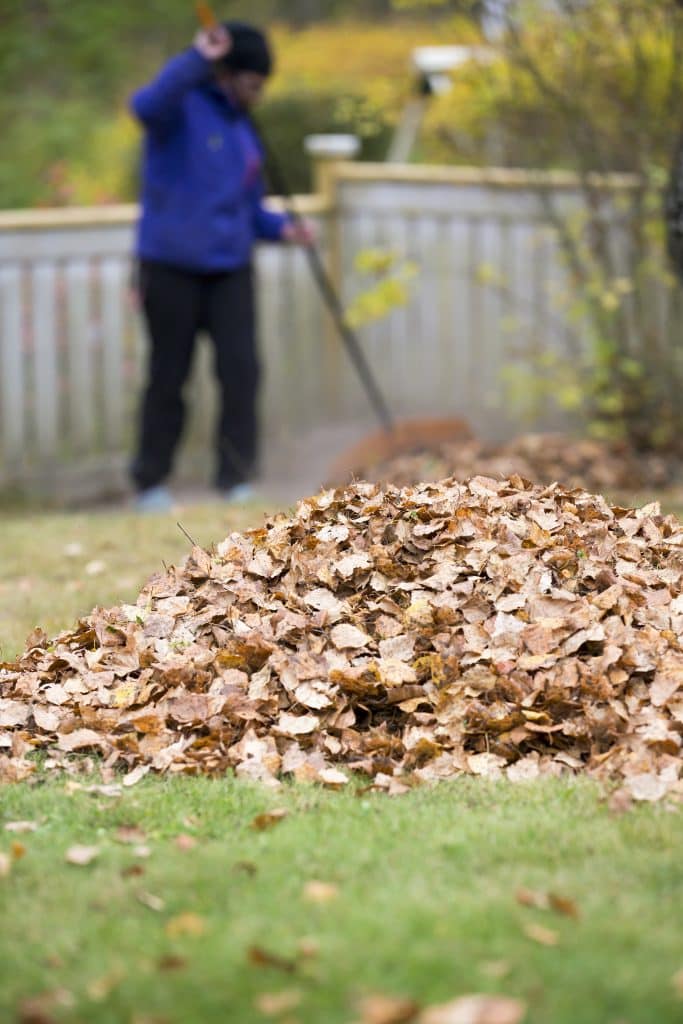
A fall leaf removal crew running a truck and a crew of four through the neighborhood charges by the visit, and a heavily wooded yard can need several visits across the season. A rake, a tarp, and a couple of weekend afternoons cover a standard suburban lot without much trouble.
Worth remembering: a large property with mature trees, or a homeowner dealing with a physical limitation, is a fair reason to hire this out.
A standard quarter-acre lot with a few trees is where the seasonal fee stops being worth it.
6. Snow Removal Contracts
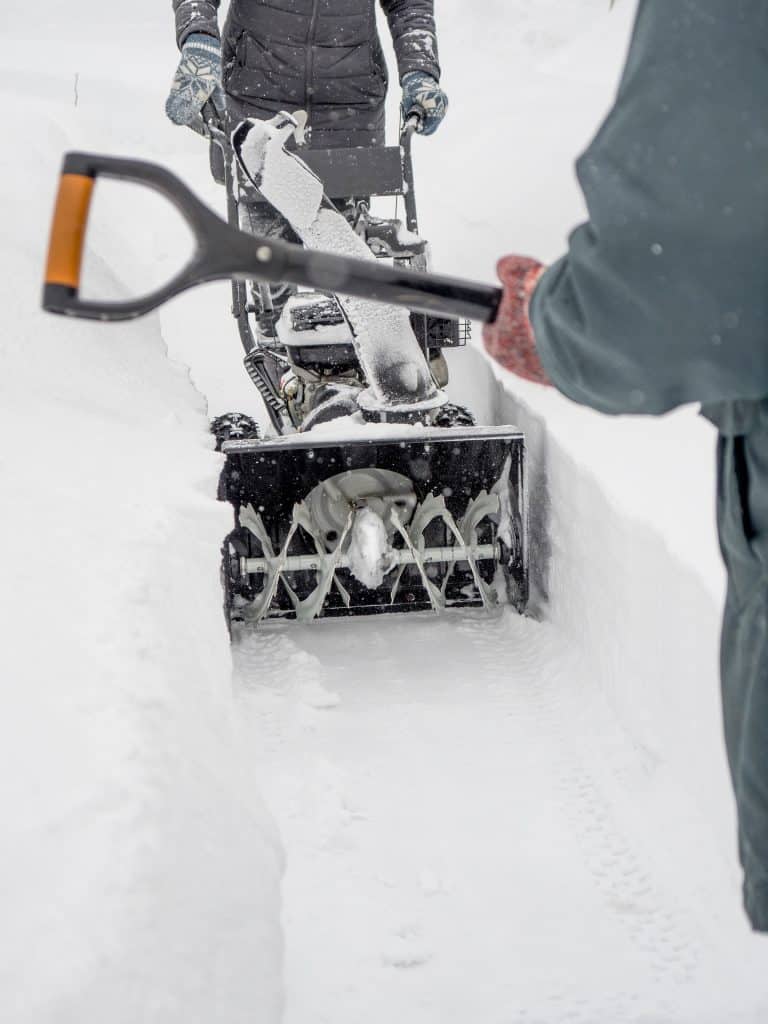
A seasonal snow removal contract locks in a price for the whole winter regardless of how much snow actually falls. In a light snow year, you’re paying full price for two or three visits.
An honest exception: a steep driveway, a bad back, or a work schedule that requires the driveway clear by a fixed early hour, all make this a genuinely reasonable expense. A snow blower and a healthy back handle a flat, short driveway for a lot less money over a normal winter.
Pay-per-storm pricing, rather than a flat seasonal contract, is usually the better deal in a region with unpredictable winters.

5. Pest Control Subscriptions
Quarterly pest control, billed automatically whether or not you’ve seen a single bug since the last visit, is one of the quieter recurring charges on a lot of household budgets. The preventative spray treatment is doing very little for a house with no actual pest history.
| Keep Reading — 18 Gifts That Look Expensive But Aren't |
A one-time treatment when an actual problem shows up, ants, termites, or a wasp nest, costs less over a few years than a standing quarterly contract.
Homes in termite-heavy regions or with a documented past infestation are the real case for staying on a plan.
4. Tree Trimming Services
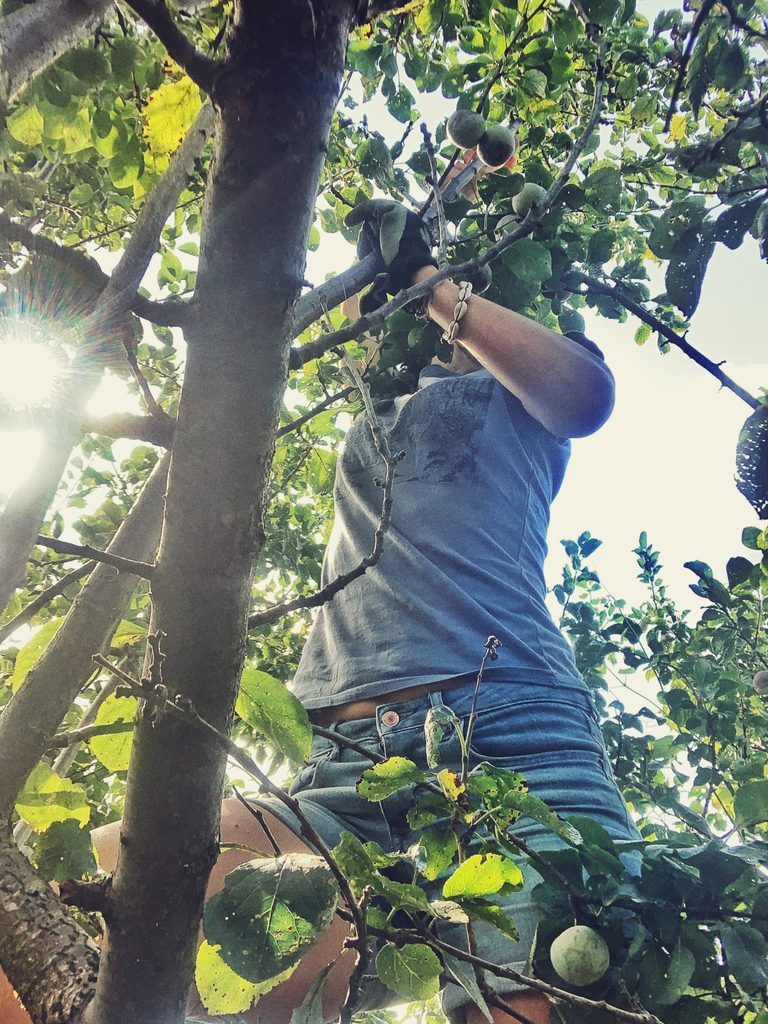
Annual tree trimming, sold as routine maintenance, can run a genuinely large bill for a mature tree, and a lot of that fee is for a job that doesn’t need to happen every single year. Small ornamental trees and shrubs rarely need professional trimming at all.
A large tree near power lines, a roofline, or a property boundary is a different situation entirely. That’s where the training and insurance behind a professional crew are worth paying for.
Net effect: every-other-year trimming, instead of an annual contract, is enough for most healthy trees.

3. Pool Cleaning and Maintenance Services
A weekly pool service charges a flat rate to skim, test chemicals, and run the vacuum, and that flat rate is often higher than the actual time the job takes for a small residential pool. Learning to test and balance your own chemicals costs a testing kit and an evening of watching a couple of videos.
A large pool, a busy household with no time for weekly upkeep, or equipment old enough to need an expert eye regularly are the real cases where the service earns its keep.
For a small pool and an owner willing to learn the basics, this is one of the more expensive habits on the list relative to the actual labor involved.
2. Full-Service Lawn Care Contracts
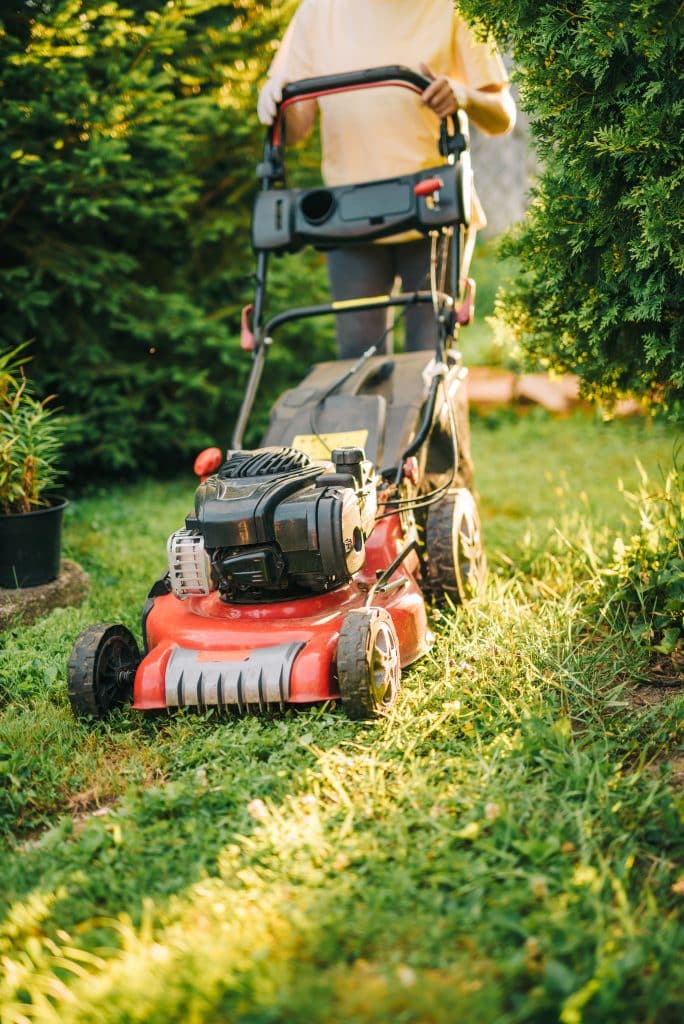
A full-season lawn care contract, mowing plus fertilizing plus weed treatment bundled together, is one of the bigger recurring line items on this whole list. Mowing alone is a job most physically able homeowners can do in under an hour with a basic mower.
A large property, a physically demanding job schedule, or a homeowner who simply doesn’t want to spend weekends on yard work are all legitimate reasons to keep paying for this. It’s a choice, not a trap, as long as you’re making it on purpose.
Where a lot of people lose money is stacking mowing, fertilizing, and weed control into one bundled contract instead of pricing each piece separately. Unbundling often reveals which parts are actually worth paying for.

1. Weekly House Cleaning Services
Here’s the one that costs more than everything else on this list combined, often by a wide margin. A weekly cleaning service, booked year-round, is a genuinely large annual expense once you add it up outside the monthly billing cycle that keeps it feeling small.
None of this means the service is a bad choice. For a household with two full-time jobs, kids, and genuinely no spare hours, paying for a clean house is buying back real time, and that’s worth something.
Where it’s worth a second look is the gap between weekly and every-other-week. Most homes don’t get meaningfully dirtier in fourteen days than they do in seven, and cutting the visit frequency in half can cut the annual bill nearly in half too.
A deep clean once a month, with lighter upkeep from the household in between, is another version of the same idea. It keeps the parts of the job you genuinely hate, like scrubbing bathrooms, off your plate without paying for a full weekly visit.
This is the entry where the savings potential is largest, and it’s also the one where I’d push back hardest against canceling it outright. For a lot of households, this service isn’t the leak, it’s the trade. The move isn’t cutting it, it’s checking if the current frequency is more than your house actually needs.

What You Can Handle Yourself
If you only act on a few of these, start with the cheap, easy ones. Bottled water delivery, TV mounting, and grocery delivery fees are the fastest wins with the least effort involved.
Then work up toward the bigger recurring bills. Lawn care, house cleaning, and alarm monitoring are where the real annual savings live, and they’re also the ones worth thinking through rather than canceling on impulse.
None of this is about doing everything yourself out of principle. It’s about knowing which services are solving a real problem in your life and which ones are just running on autopilot.
If this kind of audit is useful, the autopay subscriptions people forget they’re paying for things they never use is a natural next stop, and the smaller money leaks quietly draining a bank account covers the stuff that’s easy to miss entirely. For the bigger recurring bills specifically, the household money habits worth breaking walks through a similar version of this same problem.
A few more worth a look: warehouse club buys that aren’t worth the membership, household items smart shoppers have stopped buying, the “normal” expenses frugal people refuse to pay, and things that cost way less than you’d think all sit in the same territory as this one.
And if you’re the type who likes finding the habit before it becomes a line item, the habits people good with money have that everyone else skips, the weird money-saving habits that actually work, the questions smart shoppers ask before buying, the “bad” money habits financial advisors say are actually fine, and the delivery fees you’re paying without realizing it round out the rest of the list. The coffee habits quietly costing thousands a year is a good one to end on if you want to see how small charges compound over time.