29 Things Frugal People Refuse to Buy (And What They Do Instead)
Some links may be affiliate links. We may earn a commission at no extra cost to you. View our full disclosure.
Frugal people get a bad reputation for skipping the fun stuff. That is not really what is going on.
The truly frugal people I know are not skipping much of anything. They are just refusing to hand over money for things that quietly waste it.
There is a real difference between cheap and frugal. Cheap avoids spending. Frugal avoids spending badly.
I have watched people build real savings, roughly a few hundred dollars a month in some cases, by saying no to a short list of purchases most households never question. Some of that adds up faster than most people expect, purchase by purchase, month after month.
None of this is extreme. Nobody here is skipping meals or living without heat.
They are just refusing 29 specific purchases that cost more than they’re worth. Here they are, counting down to the one that costs the most.
29. An Extended Warranty on Every Appliance
The pitch happens at the register, right when you’re distracted by the total. A little extra protection, just in case.
Most of these plans cost a real chunk of the item’s price. A lot of that money is pure profit for the store, and the failure rates on modern appliances rarely justify it.
Frugal people check what the manufacturer already covers before adding anything on top. Some of that overlaps with what a warranty plan quietly gets sold as a money rule that turns out to be a myth once you actually read the fine print.
The math: the plan usually costs more than the average repair it’s supposed to cover.

28. Bottled Water for Everyday Drinking
A case of bottled water feels cheap in the moment. Priced per gallon against tap water, it typically runs hundreds of times higher.
Frugal households solve this once with a pitcher filter or a reusable bottle. The upfront cost disappears fast against what a daily bottled habit costs over a year, and small money leaks like this one rarely get noticed until someone adds them up.
This is one of those habits that costs almost nothing to fix and keeps paying off for years.

27. Brand-Name Over-the-Counter Medication
The name-brand box sits right next to the generic one, often at close to double the price. The active ingredient inside is typically identical, down to the dosage.
Frugal shoppers check the active ingredient line, not the packaging, before deciding. It takes about ten seconds and can meaningfully cut a family’s pharmacy bill over a year, though costs vary widely by region and insurance plan and this is a general habit, not personal medical guidance.
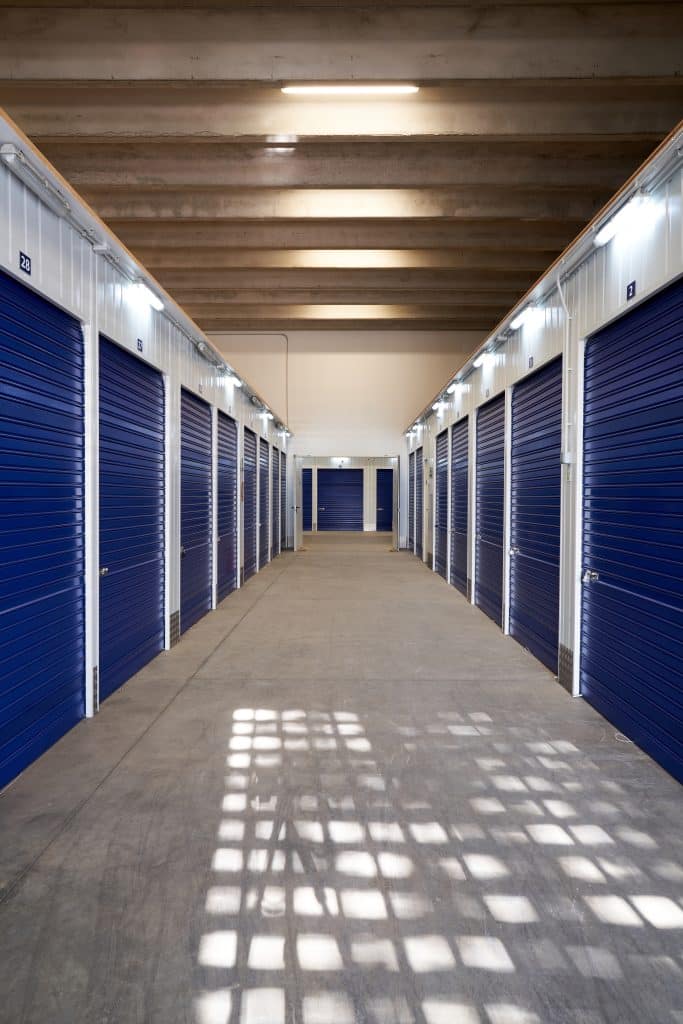
26. A Storage Unit for Things They Never Use
A storage unit is a monthly bill for stuff you’re not using. It quietly outlasts most of the boxes inside it.
Frugal people run the math once a year, storage rent times twelve, against what it would cost to just replace the item someday if they ever needed it again. Most of the time the unit gets emptied. A lot of these household money habits only get fixed once someone actually does that math on paper.
Worth remembering: paying to store something is rarely cheaper than replacing it later.

25. Pre-Cut Fruit and Vegetables
Someone else did the chopping, and you’re paying for that labor. It can roughly double the price per pound compared to buying whole produce.
Frugal cooks keep a decent knife sharp and spend the extra five minutes themselves. Over a month of grocery runs, a lot of things cost way less than you’d think once you skip the convenience markup entirely.
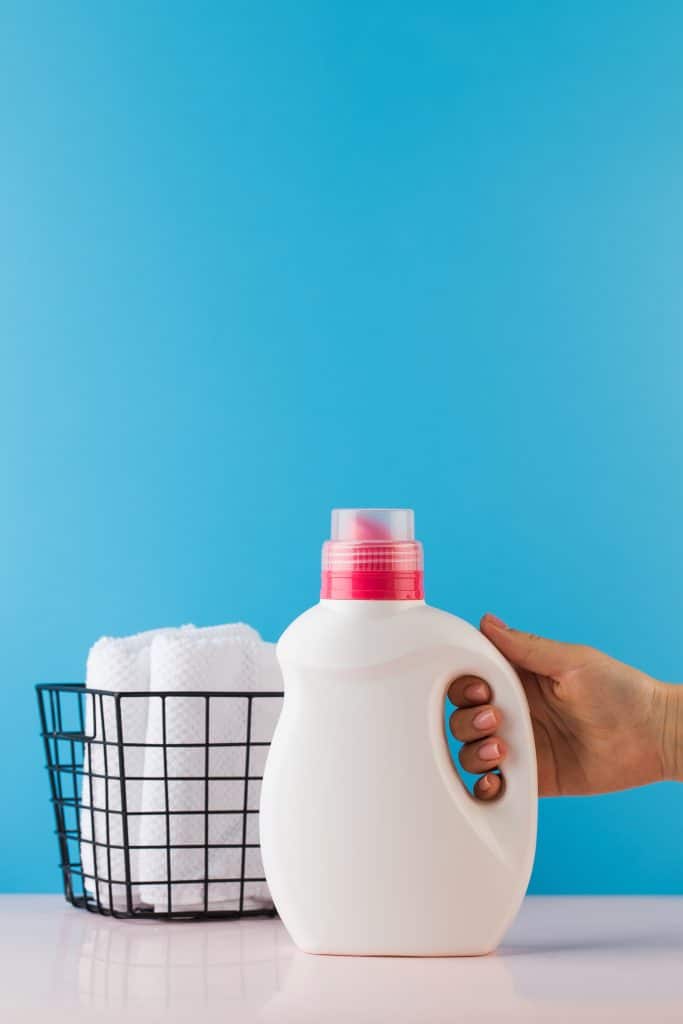
24. Name-Brand Laundry Detergent
Laundry detergent is one of the easiest brand taxes to spot once you go looking. Store-brand versions typically run 30 to 50 percent cheaper for a comparable formula.
Frugal shoppers switched years ago and mostly never noticed a difference in clean clothes. Their laundry room still smells fine on wash day.
Half a shelf of laundry marketing exists just to justify a higher price tag.
|
You might also like
18 January Money Moves That Set Up Your Whole Year →
|
23. A Drive-Thru Coffee Every Single Morning
One coffee a day feels harmless. Priced out over a year, it typically lands somewhere in the low thousands depending on the order.
Frugal people are not necessarily quitting coffee. They’re just making most of it at home and treating the drive-thru run as an occasional thing rather than a daily default, the same math that shows up in the full coffee ledger once someone tracks a year of receipts.
Net effect: the habit costs more than the coffee, it’s the daily trip that adds up.
22. Premium Gas for a Regular Engine
Most cars on the road are built to run on regular gas. Unless the owner’s manual specifically says otherwise, premium is just a higher price for the same drive.
Frugal drivers check the manual once and stop guessing after that. Over a few tanks a month, the savings are modest, but they’re free money for reading a label you already own.

21. Disposable Razors at Full Retail Price
Razor cartridges sit near the top of the list for price per ounce in the entire store. It’s a category built almost entirely on repeat purchases nobody comparison shops.
Frugal people switch to a subscription refill service or a basic safety razor and cut the cost by more than half. It’s one of those “cheapskate” tricks that actually work, even if it sounds a little old-fashioned.

20. Furniture at Full Price
Furniture showrooms run sales so often that “full price” barely means anything. There’s almost always a sale event within a few weeks of any given date.
Frugal buyers wait for it, or they check secondhand listings first, since a lot of solid pieces show up barely used. Some of them are exactly the kind of things built to last that people used to just keep for decades.
The upshot: patience alone can knock a meaningful amount off a furniture bill.

19. Greeting Cards From a Specialty Rack
A card from a specialty rack can run five to eight dollars for a folded piece of cardstock read once and often tossed within a week. It’s one of the strangest markups in retail once you think about it.
Frugal people buy a discount multi-pack once a year or make one by hand. Either way, nobody remembers the price of the card once they’ve read the message inside.

18. Name-Brand Spices
A tiny name-brand jar of a common spice can cost three or four times what the same spice runs in the bulk or international aisle. The plant it grew from doesn’t know the difference.
Frugal cooks refill a few small jars from the bulk bins instead of buying a fresh branded one every time. It’s a small habit, but it repeats every single time the spice rack runs low.
17. Dryer Sheets
A box of dryer sheets is mostly scent and static control layered onto a thin sheet of material. Wool dryer balls do most of the same job and get reused for years.
Frugal households make the switch once and stop restocking a box every month. It’s a quiet line item that disappears from the shopping list, right alongside a few other household items smart shoppers stopped buying entirely.
Where this lands: a one-time purchase quietly replaces a recurring one.

16. A Gym Membership Sitting Unused
Here’s the honest part. If you actually go a few times a week, a gym membership is one of the better things you can spend money on, and frugal people know that too.
The problem is the membership that outlives the motivation. It sits on a monthly statement for months, sometimes years, after the visits stopped.
Frugal people check their own visit count honestly, not the plan they hoped they’d stick to. If the number is low, they cancel and find a cheaper way to move.

15. Name-Brand Diapers
Diapers are a recurring cost that adds up fast, and the name-brand premium on them is steep. Store-brand versions typically run meaningfully cheaper per diaper without a real difference in absorbency for most kids.
Frugal parents test a store-brand pack early rather than assuming the name brand is required. Most families switch and never look back once the first pack works fine.
Over a couple of years of diapering, the brand premium alone can fund a real chunk of a baby’s first-year expenses.
Myth vs. Reality: Frugal Spending
Myth: Buying the cheapest option always saves the most money.
|
You might also like
17 Old Money Sayings Decoded: The Real Financial Advice Hiding in Grandma's Proverbs →
|
Reality: The cheapest option sometimes wears out fast and gets rebought twice as often. Frugal people are chasing cost per use, not the lowest sticker price in the aisle.
Myth: Frugal people never spend on convenience.
Reality: They spend on convenience when it actually saves time that’s worth more than the fee. What they refuse is paying a convenience price for something that took no extra effort to provide.

14. Fancy Brand-Name Cleaning Sprays
Walk down the cleaning aisle and every surface seems to need its own specialty spray. A single all-purpose cleaner and a bottle of basic disinfectant handle almost everything most homes actually need.
Frugal people consolidate down to two or three bottles instead of twelve. A lot of the switch is the same logic behind replacing household items you’re buying too soon, just applied to what’s already under the sink.
The math: three bottles that each do one job beat twelve that all do the same thing.

13. Professional Car Detailing
A full professional detail can run over a hundred dollars for a service that a bucket, a hose, and an hour of effort mostly replicate. Most of it is labor you can do yourself with basic supplies.
The one honest exception is right before selling a car. A clean interior and a fresh detail can genuinely help the sale price, so it’s one of the rare times paying for it pays for itself.

12. Every Hotel Add-On at the Front Desk
Room service, the minibar, the parking fee, the resort fee tacked on after booking. Each one is small on its own and adds up fast by checkout.
Frugal travelers skip the extras and bring their own snacks and a portable charger instead. The room rate was the plan, not the upsell menu waiting inside it.
A hotel makes real money on the extras, not just the room itself.
11. Paper Towels for Every Little Mess
Paper towels get reached for out of habit more than need. A basic spill, a wiped counter, a dropped crumb, all of it usually works fine with a cloth rag.
Frugal households keep a stack of rags for everyday cleanup and save the paper towels for the messes that genuinely need them. It’s one of the easiest habits on this list, and it’s part of what people stopped buying once they got smart with money without really missing it.

10. A Brand-New Phone the Moment One Comes Out
A new flagship phone often costs close to a thousand dollars, and the year-over-year upgrade is usually a camera tweak and a faster chip most people never max out. The old phone still makes calls and takes photos fine.
Frugal people wait two or three release cycles, or they buy the previous generation once the price drops. A phone lasting an extra year or two is one of the cleaner ways to skip a repeat expense.
Most of what a new phone launch sells is a feeling, not a real functional gap.
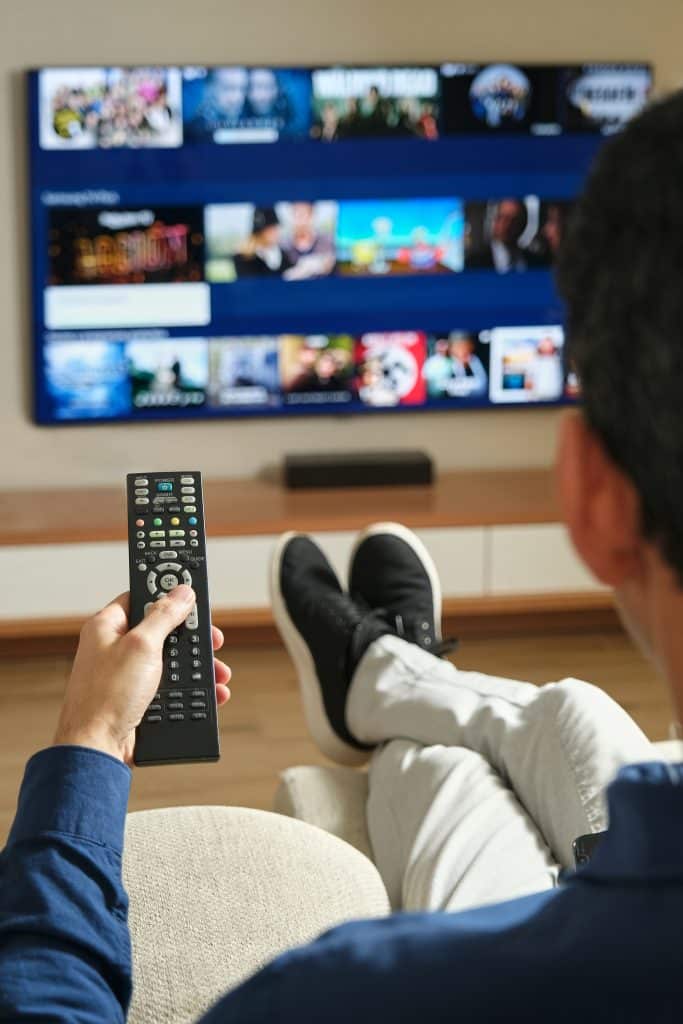
9. Streaming Tiers Loaded With Channels Nobody Watches
Streaming bundles quietly upsell into a package with add-on channels most households never open. The base tier usually covers what people actually watch.
Frugal people check their own watch history once a year and downgrade anything they haven’t used. It’s the same instinct behind the subscription autopsy, the audit almost nobody runs until they finally sit down and do it.
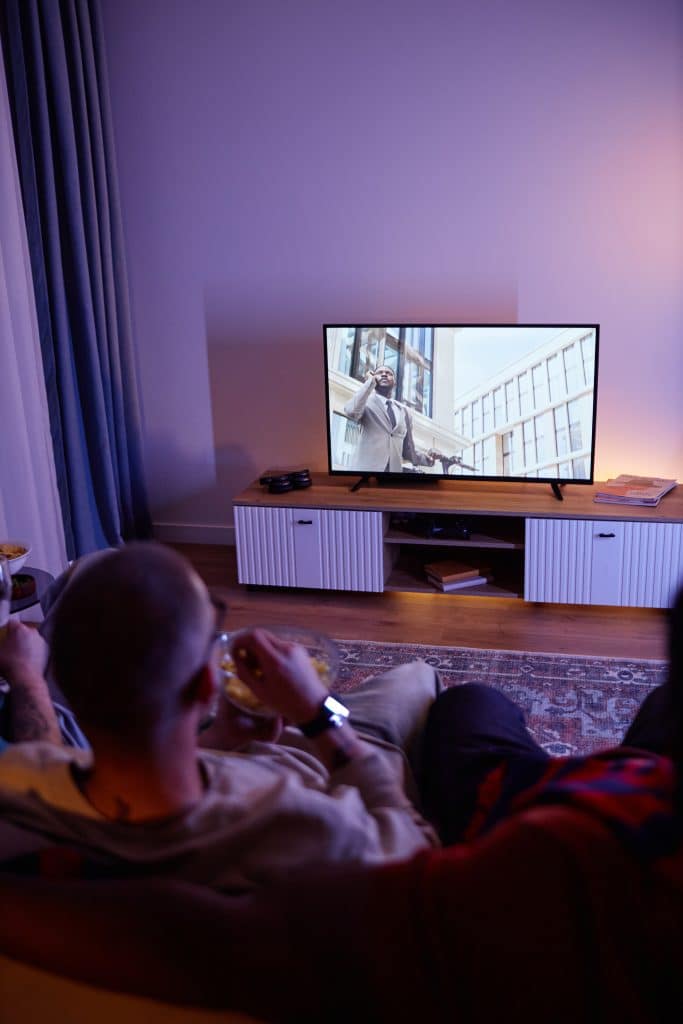
8. A Cable Package Twice the Size They Need
Cable packages get bundled up front with dozens of channels a household will never tune into. It’s easier for the provider to sell one big tier than a customized small one.
Frugal people call and ask for the smallest package that covers their actual favorites, or drop cable entirely for a smaller streaming lineup. The bill drops noticeably either way.
Net effect: paying for two hundred channels to watch fifteen of them is a math problem, not a viewing habit.

7. Single-Use Party Supplies
Themed paper plates, single-use tablecloths, and disposable decor add up fast for something that gets tossed within hours. A whole party’s worth of decor can run surprisingly high once it’s all added at checkout.
Frugal hosts keep a small box of reusable decorations, cloth tablecloths, and basic serveware that comes back out for every event. It gets cheaper every single time it’s reused.
|
You might also like
18 Gifts That Look Expensive But Aren't →
|
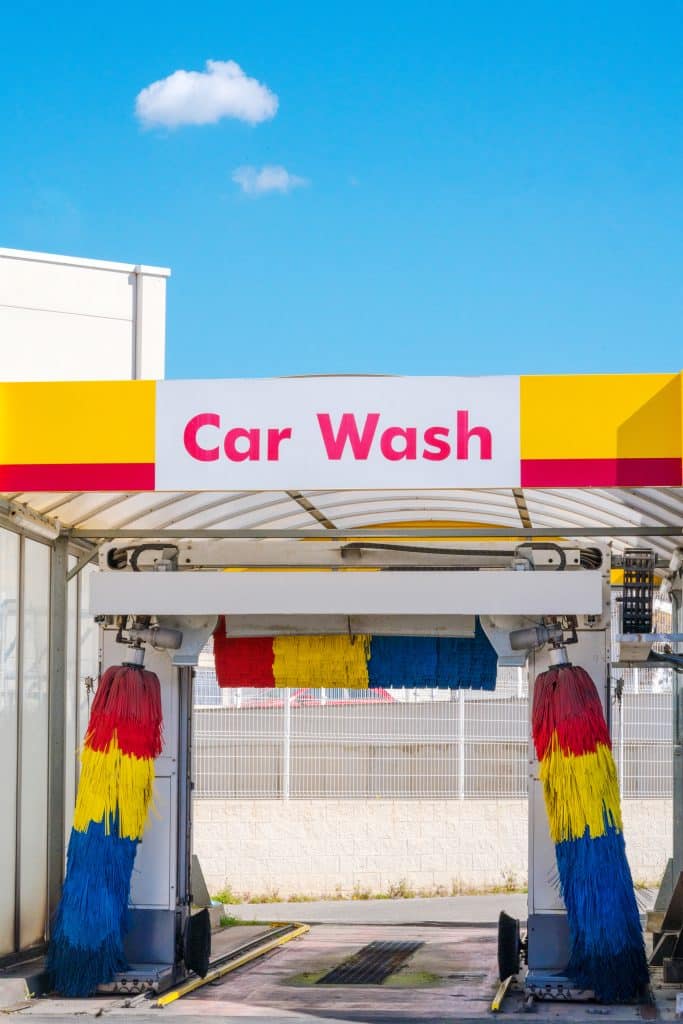
6. A Car Wash Membership They Forgot They Had
Unlimited car wash memberships are cheap enough per month that they hide easily on a statement. Some people pay for months at a time without ever using the car wash once.
Frugal people check the membership against how often they actually drove through in the last three months. If the answer is close to zero, it’s the easiest cancellation on this whole list.
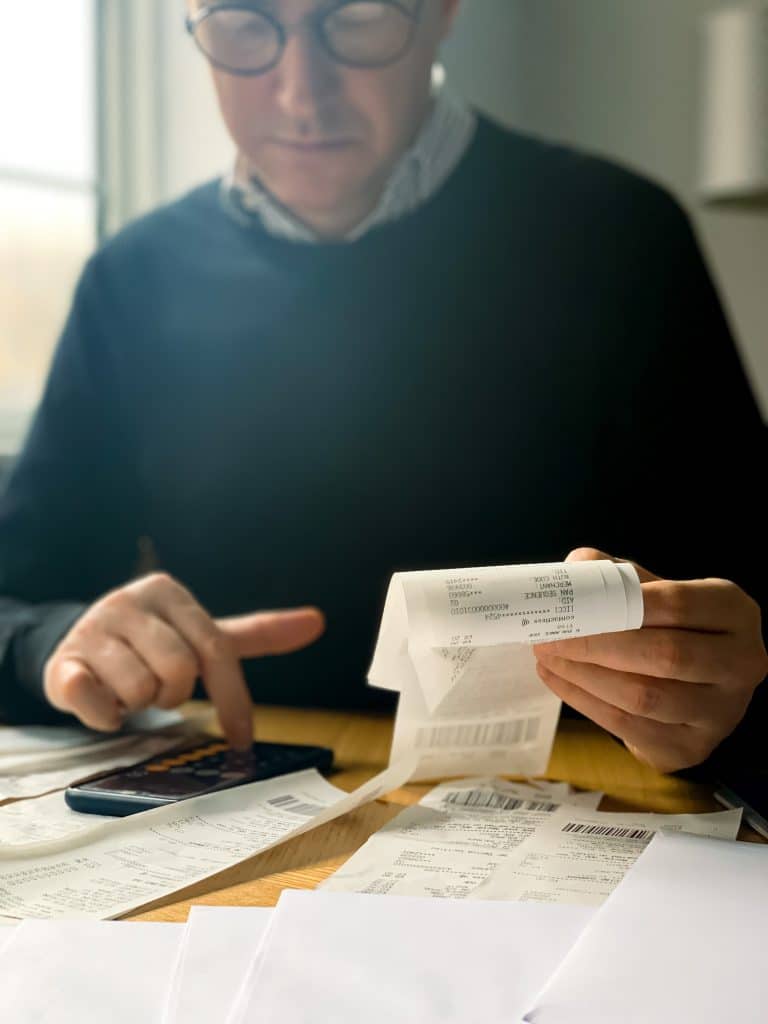
5. A Stack of Unused Subscriptions
One subscription is easy to track. Six of them, quietly auto-renewing on six different dates, are nearly impossible to keep in your head.
Frugal people pull a bank statement once a quarter and circle every recurring charge. It’s the same exercise behind autopay subscriptions people keep paying for things they never use, and it usually turns up at least one surprise.
The upshot: the charges that hurt the most are the ones you forgot existed.

4. Rental Car Insurance Add-Ons
The counter agent asks about coverage right after you’ve already committed to the rental. It’s an easy moment to say yes without thinking it through.
Frugal travelers check their own auto policy and their credit card’s rental benefits before ever getting to the counter. Both often already cover a rental car, which makes the add-on pure duplicate coverage.
A five-minute call to your own insurance agent beforehand usually settles the question for free.

3. Airport Food and Drinks Bought Out of Convenience
Past security, prices climb fast, and there’s no competition forcing them back down. A basic meal and a drink can run well past what the same order costs outside the terminal.
Frugal travelers pack a sandwich or snacks before leaving the house and fill a water bottle after the checkpoint instead of buying one inside. It’s a small habit, but it repeats on every single trip.

2. A Bigger House Than They Need
Housing creep happens gradually. A slightly bigger place, a slightly higher payment, and suddenly the mortgage eats a much bigger share of the paycheck than it used to.
Frugal people size a home around what they actually use, not what a lender says they qualify for. Extra square footage comes with extra heating, extra furniture, and extra everything else that follows it in.
Where this lands: the house payment is rarely the whole cost of the house.

1. A Brand-New Car Straight Off the Lot
This is the big one, and it’s the purchase frugal people are most consistent about avoiding. A new car typically loses a large chunk of its value in the first year alone, sometimes before the first payment is even due.
That depreciation is not a fee anyone sees on paper. It’s just gone, baked into the difference between what you paid and what the car is worth the moment you drive away.
Frugal people let someone else eat that first year of depreciation. They buy a car two or three years old with the newest owner’s headache already absorbed by someone else, and they check the best time of year to make big purchases before signing anything.
It’s not a rule against ever buying new. Some people genuinely want that new-car feeling and are willing to pay for it, and that’s a personal call this article doesn’t make.
But for anyone counting every dollar, this is the single purchase on the list with the biggest number attached to it. Skip the depreciation hit once, and it’s worth more than everything else on this list combined.
Before You Go
None of these 29 things are about deprivation. They’re about noticing where money leaves quietly and deciding, on purpose, whether that trade is actually worth it.
If you only fix a few, start with the recurring ones. A canceled subscription or an unused gym membership saves money every single month without you doing anything else.
The big-ticket items, the car and the house, take more planning. But they’re where the real money sits, and a little patience there is worth more than any single line-item cut.
None of this is financial advice specific to your situation, and figures here are general ranges that vary by region and household. For bigger decisions like a mortgage or a major purchase, a qualified professional can look at your actual numbers.
If this list felt familiar, a few more habits worth a look are the “normal” expenses frugal people refuse to pay and the money mistakes you need to stop feeling guilty about once you’ve made a few of your own.