33 Things That Cost Way Less Than You Think
Some links may be affiliate links. We may earn a commission at no extra cost to you. View our full disclosure.
Somewhere along the way, a bunch of ordinary things quietly got a reputation for being expensive that they don’t really deserve anymore.
Some of it is old math that never got updated in your head. A price you paid once, twenty years ago, that stuck.
Some of it is marketing doing exactly what marketing is built to do, making the “premium” option feel like the only sane choice. It usually isn’t.
I’ve spent years watching people avoid perfectly good, perfectly affordable options because of a price tag that lives in their memory and not in reality. This list is a correction on 33 of them, from the merely overestimated to the genuinely surprising.
We’ll count down from #33 to the one that tends to catch people off guard the most. A few of these connect to the site’s ongoing look at money “rules” that don’t hold up under a closer look, so if this list clicks, that one probably will too.
Let’s get into it.
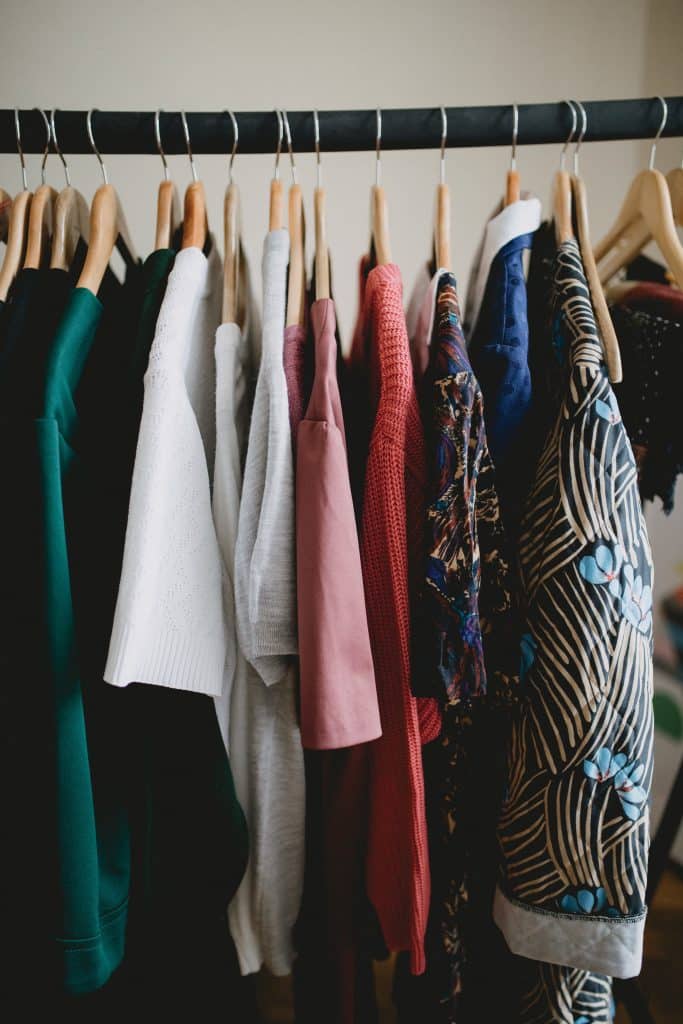
33. Basic Clothing
A plain t-shirt or a pair of jeans costs a smaller share of a typical paycheck today than it did decades ago. Manufacturing got faster and cheaper, and a lot of that savings made it to the price tag.
Where people overspend isn’t the basics. It’s the label markup layered on top of them, which is a separate decision entirely.
Buy the plain version first and add branded pieces only where you actually care.

32. Toys
Kids’ toys used to eat a real chunk of a gift budget. Now the same category is flooded with options, and competition dragged prices down across the board.
The exception is anything tied to a hot license during its first season on shelves. That window is where the old “toys are expensive” reputation still holds true.
Wait a season and the price usually settles, sometimes a lot.
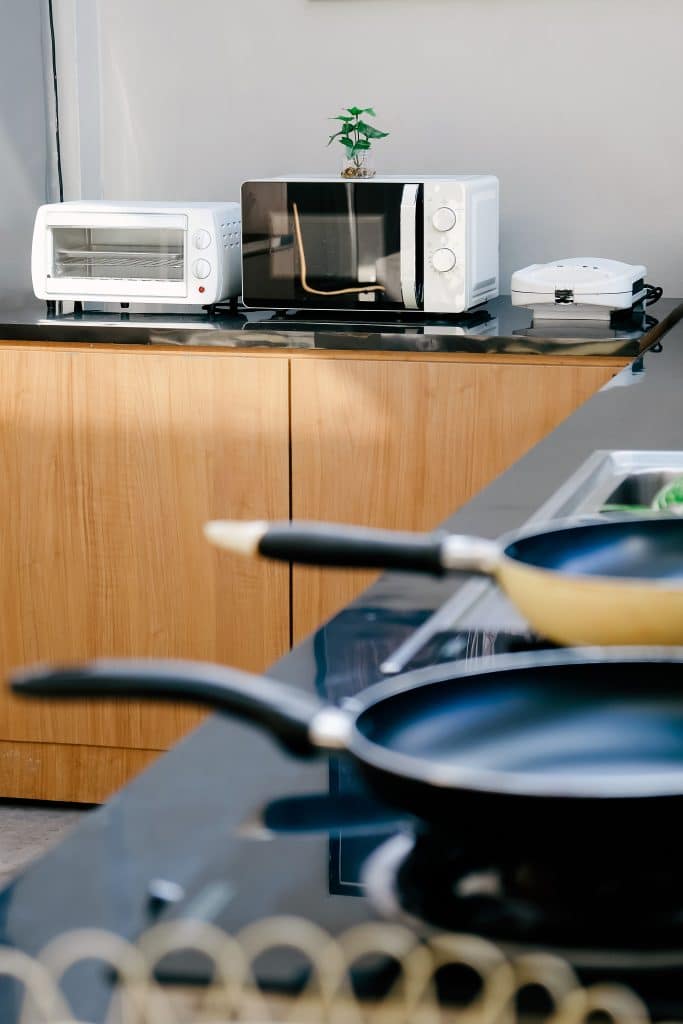
31. Small Kitchen Appliances
A basic microwave, toaster, or coffee maker is one of the cheapest things you’ll buy for a kitchen relative to what it does. That wasn’t always true.
What actually got more expensive is the “smart” version of each of those same appliances. A plain one still does the job for a fraction of the price, and it breaks less.
If you want the appliance to last, that’s a separate conversation from the kitchen staples people quietly stopped buying once they realized they didn’t need most of them.
30. Calculators and Basic School Supplies
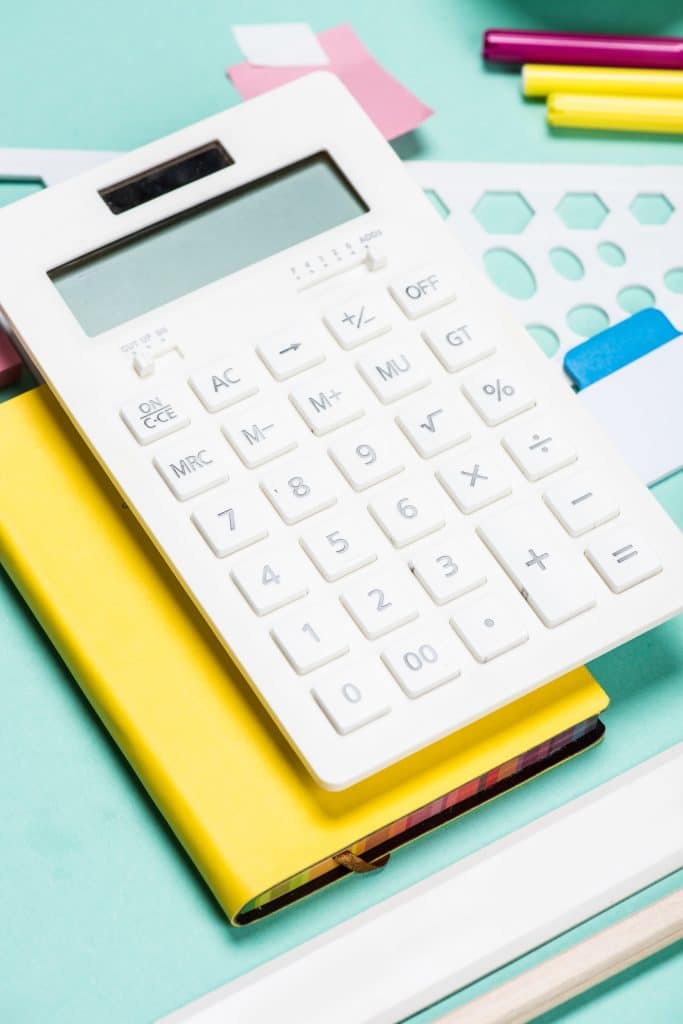
The scientific and graphing calculators that once ran a real bill are now a small line item, and the basic four-function kind is close to disposable.
The rest of a school supply list follows the same pattern more than people expect. Pens, folders, and notebooks are mass-produced at a scale that keeps them cheap year after year.
The real cost creep is in specialty electronics schools now ask for, not the basics.

29. Basic Eyeglasses
A standard pair of prescription glasses used to be treated like a luxury purchase. A no-frills frame and lens combo is now genuinely inexpensive if you’re not chasing a specific look.
The price climbs fast once you add designer frames, blue-light coatings, or transition lenses. None of those are required to see clearly.
A basic pair for basic vision correction is one of the cheapest medical devices you’ll ever own.
28. Long-Distance and International Calls
There was a real era where calling another country cost real money by the minute. That era is functionally over.
Most phone plans now bundle unlimited or near-unlimited calling nationwide, and internet-based calling handles most international needs for close to nothing.
Worth Checking: if you still avoid calling family overseas out of habit, check what your plan actually covers before assuming the old rate still applies. A lot of us grew up in the years before smartphones made this a non-issue, and the caution stuck around longer than the actual cost did.

27. Flights
Adjusted for inflation, flying is typically cheaper today than it was a few decades back, even with the extra fees layered on top.
A ticket that once required saving for months is now often within reach of a normal paycheck, especially with flexible dates.
| Keep Reading — 31 Things Every '80s Kitchen Had That Nobody Has Anymore |
What did get more expensive is everything airlines unbundled from the base fare. That’s a fee problem, not a flying problem.
26. A Home Movie Night
Renting a movie for the night used to mean an actual trip and an actual per-title fee. Now a whole catalog sits behind one monthly subscription.
Split across a month of use, the per-movie cost of a streaming subscription is a fraction of what a single rental used to run.
Net Effect: the catch is stacking subscriptions you barely use, which is its own separate money leak covered in more detail in the subscription autopsy.
25. Recorded Music
Buying albums one at a time used to add up fast. Streaming flattened that entirely for anyone who listens to more than a handful of artists a month.
The math only flips if you barely listen at all, in which case a free ad-supported tier usually covers it.
Either way, music is one of the biggest cost drops on this entire list.

24. Photography
Film, developing, and prints used to make every roll of pictures a small expense. A phone camera made that cost disappear almost completely.
Even a dedicated camera, once you shop outside the newest release, is far more capable per dollar than what was available a generation ago.
Printing physical photos is really the only part of this that still costs anything, and even that’s occasional now instead of routine.
23. Navigation
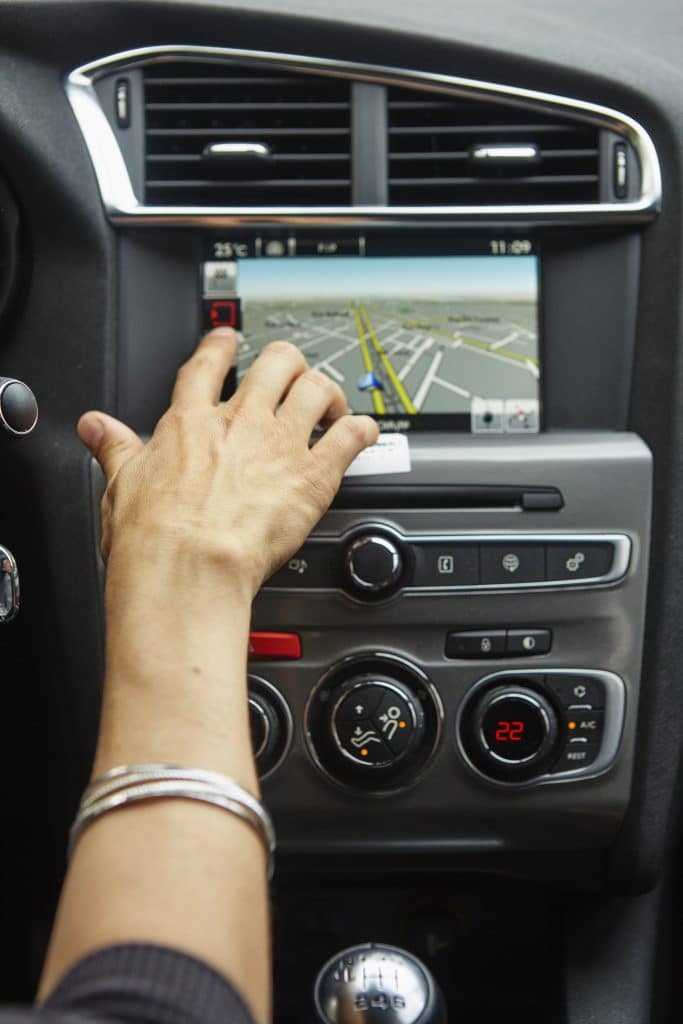
A dedicated GPS unit used to run a real price and still needed separate map updates to stay useful. That entire category is now free, built into a phone most people already carry.
It’s genuinely hard to find a way to spend money on getting directions anymore.

22. Reference Knowledge
A full encyclopedia set was once a genuine household expense, sometimes paid off over months. Most of that reference material is now free online, updated constantly instead of once a year.
Specialty knowledge, textbooks aside, followed the same path. Plenty of it sits behind no paywall at all now.
The Upshot: it’s one more entry on the long list of everyday things that quietly changed price in the other direction too, worth remembering the next time you assume information costs money.

21. Software
Boxed software used to cost hundreds of dollars for a single license, often for one computer only.
Free and low-cost alternatives now cover most everyday needs, word processing, spreadsheets, photo editing, without asking for a dime.
Specialized professional software still carries a real price. That’s a smaller slice of what most people actually use day to day.
20. Sending Money
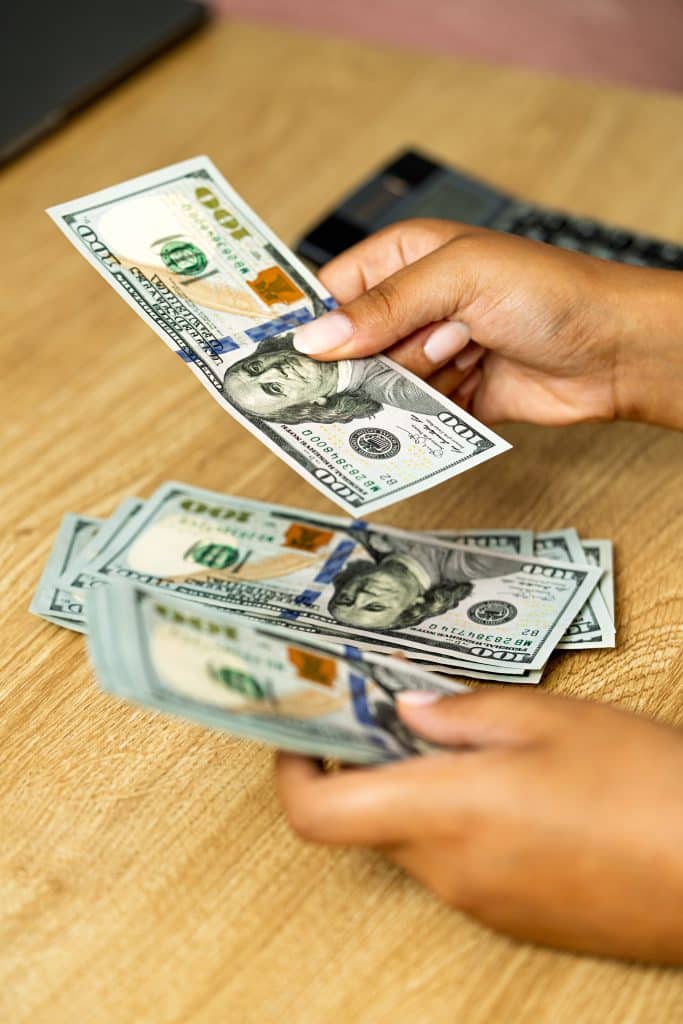
Wiring money used to mean a trip and a flat fee that stung no matter how small the amount. Sending money to a friend, or even overseas, is now often instant and free through a banking app.
Fees still show up on certain international transfers and currency conversions, so it’s worth comparing before you assume the free option covers your exact situation.

19. Computers
A capable computer for everyday use, browsing, email, documents, streaming, is dramatically cheaper relative to income than it was a generation ago.
A refurbished or open-box machine from a reputable seller often runs a fraction of a new one and still handles normal tasks fine.
Where This Lands: this is one of the honest exceptions on the list, though. If you’re doing video editing, gaming at high settings, or anything computing-intensive, the price climbs back up fast, and there’s no getting around that.
18. Televisions
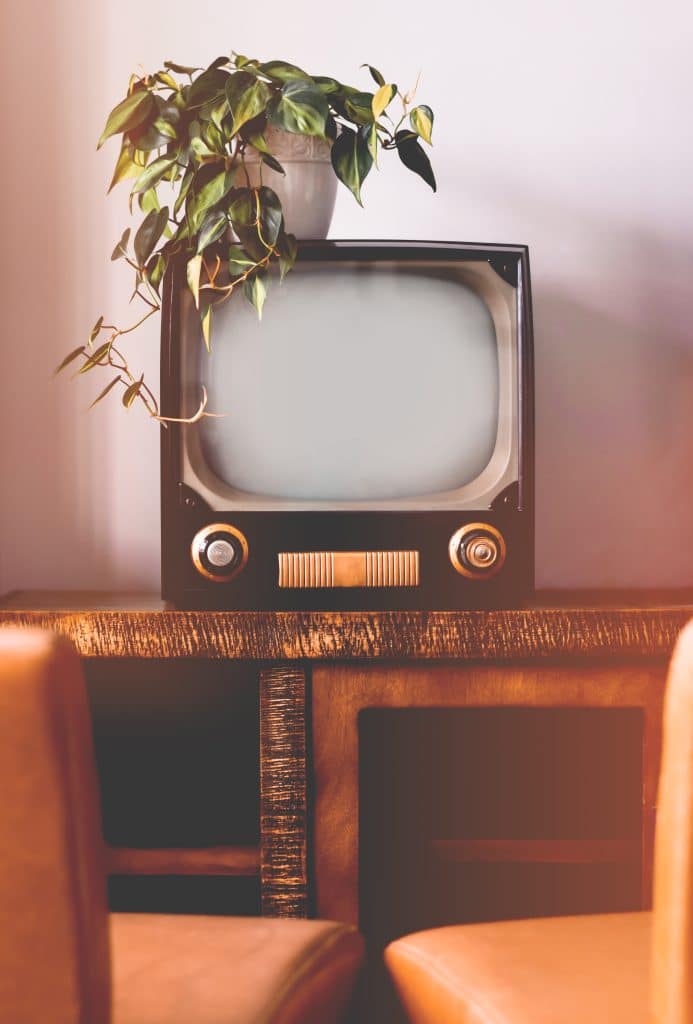
A television that would have cost a serious chunk of a paycheck decades ago is now a mid-tier purchase, and the picture quality is objectively better.
Bigger screens used to command a steep premium per inch. That gap has narrowed a lot as the technology matured.
The newest features on the newest models still cost extra, same as they always have.

17. Staying in Touch
A landline plus long-distance charges used to be a monthly bill that people budgeted around carefully. A basic phone plan today covers calling, texting, and video chat with people anywhere, all folded into one flat price.
|
Money Stuff
The Takeout Tax: What Skipping Five Dinners a Month Actually Buys Back
|
Staying close to people you don’t see often has never cost less, even though it can feel like it should cost more.
We’re now halfway through the list, and the tone shifts a little from here. Roughly The Half-Hour Check: the second half is less about things that got cheaper over time, and more about everyday costs people overpay simply because they haven’t checked the price lately. Worth setting a half-hour aside sometime this month to actually shop two or three of the items coming up, the ones tied to bills you’re paying on autopilot right now.
16. Basic Home Internet
A lot of people are still paying an introductory-plus-years-of-increases rate they never bothered to question. A basic plan, negotiated or switched to a competitor, is typically a lot cheaper than the number on your current bill.
The Real Number: a single call asking to match a competitor’s promotional rate is one of the highest-return phone calls you can make, and it’s covered in more depth in the roundup of small money leaks quietly draining your bank account.

15. Term Life Insurance
People picture life insurance as a big, complicated, expensive product reserved for later in life. For a young, healthy applicant buying a basic term policy, it’s typically one of the cheapest recurring bills in a household budget.
The price climbs with age and health changes, so the “cheap” window doesn’t last forever.
This isn’t financial advice, and how much coverage makes sense is a personal call this article doesn’t make. A licensed agent can run real numbers for your situation.

14. Store-Brand Groceries and Medications
The gap between name-brand and store-brand versions of the same product is usually bigger than people assume, and the actual quality gap is usually smaller.
Generic over-the-counter medications in particular use the exact same active ingredient at the exact same dose, at a noticeably lower price.
A full warehouse club membership isn’t required to get most of that savings. A store-brand switch alone covers a lot of it.

13. A Community or Rec-Center Gym Membership
Plenty of people rule out a gym entirely because they’re picturing a premium membership with all the extras. A basic community center or municipal rec facility usually charges a small fraction of that for the same weight room and cardio equipment.
Worth Checking: availability and hours vary a lot by location, so this is worth a quick search for what’s actually near you before assuming your only options are pricier ones.
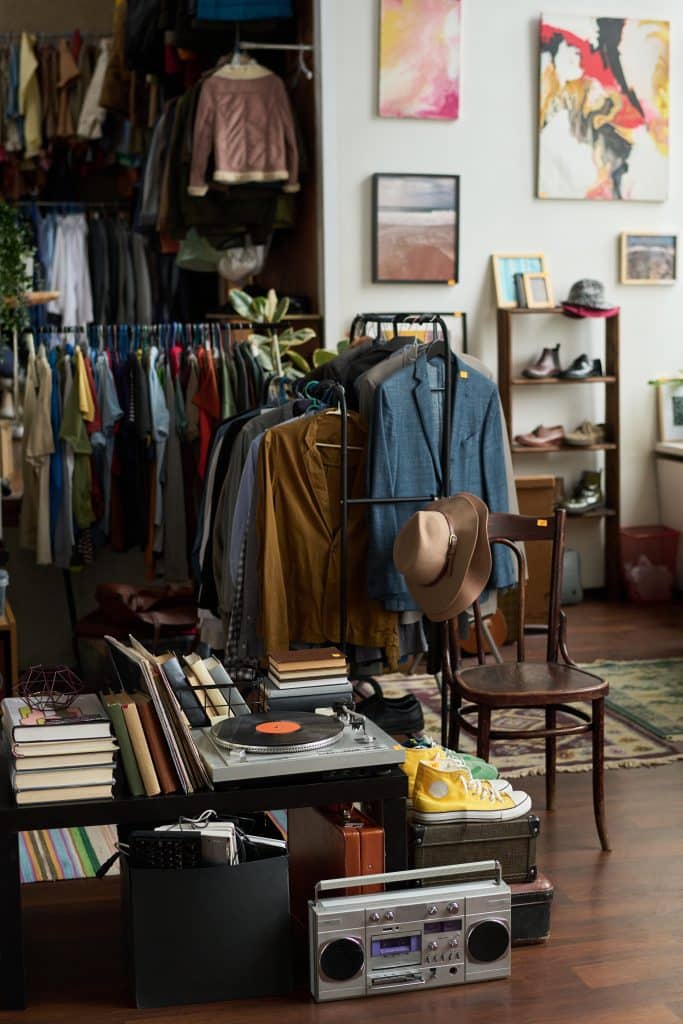
12. Furniture and Home Goods, Secondhand
An estate sale, thrift store, or local secondhand listing can turn up real wood furniture, built decades ago, for a small fraction of a new replica in a showroom.
Older pieces are often exactly the kind of thing smart shoppers deliberately buy used instead of new, on purpose, not as a compromise.
A little cleaning or reupholstering closes most of the remaining gap.

11. Car Insurance, If You Actually Shop It
Most people renew their car insurance automatically without ever checking a competing quote. Rates between insurers for the exact same coverage often vary more than drivers expect.
Net Effect: setting a reminder for the month before every renewal, part of a broader list of money moves people wish they’d made sooner, tends to be one of the easiest wins on this whole list.

10. College Textbooks
New textbook prices at a campus bookstore have earned their bad reputation fairly. Renting the same edition, buying a used copy, or finding an older edition sidesteps most of that markup entirely.
A lot of students still buy new out of habit, or because it’s the first option a course portal shows.
Checking two or three alternatives before buying new typically cuts the cost by more than half.
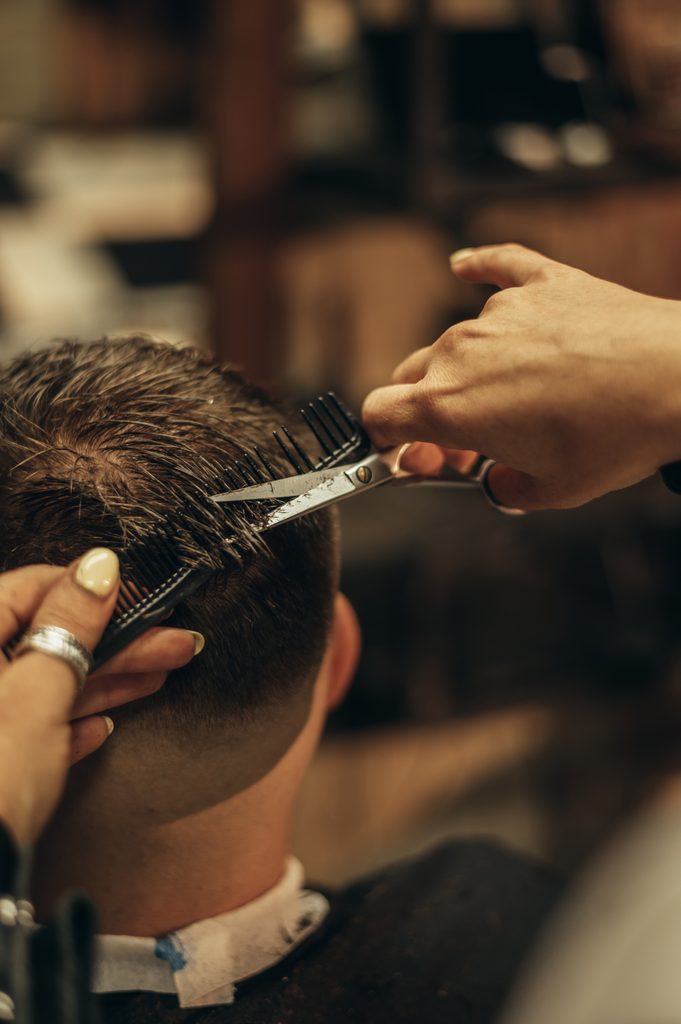
9. A Haircut at a Cosmetology School
A licensed cosmetology school with a public-facing student clinic typically charges a fraction of salon prices for the same basic services.
Students work under an instructor’s supervision, so the quality bar is higher than the price would suggest.
Appointments run longer since everything gets double-checked. That trade-off is worth knowing going in.

8. Prescription Eyeglasses, Ordered Online
Once you have a current prescription in hand, ordering glasses online typically runs a fraction of a traditional retail optical shop for a comparable frame and lens.
The exam itself still requires an in-person visit, and that part is worth paying for regardless of where you end up buying the glasses.
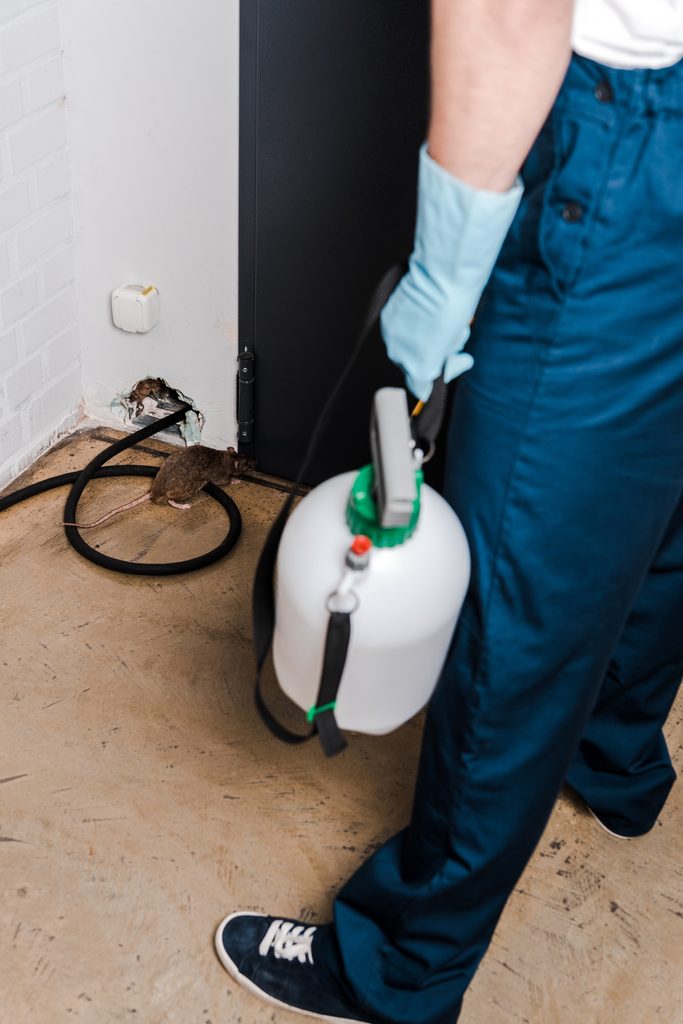
7. Pest Control, Done Yourself
A recurring full-service pest control contract adds up over a year in a way most people don’t total up.
|
Worth It or Not
21 Big Purchases Ranked by the Best Time of Year to Buy Them
|
For routine ants, spiders, and general upkeep, over-the-counter products handle most of the same work for a small fraction of the annual contract price.
The Upshot: a genuine infestation, termites especially, is a different situation entirely, and that’s where calling in a professional stops being optional.

6. A Dental Cleaning at a Dental School Clinic
A dental school with a supervised student clinic typically charges well under standard private-practice rates for cleanings and basic exams.
It’s one more example of the “normal” expenses that don’t actually have to cost what most people assume they cost.
Appointments run longer and availability is limited to certain days, so it works better as a planned visit than an emergency one.

5. A Basic Will, Done Online
A lot of people assume a will requires an expensive attorney meeting, so they put it off entirely.
For a straightforward, uncomplicated estate, an online legal document service can produce a valid basic will for a small fraction of a traditional attorney fee.
A complicated estate, blended families, business ownership, real property in multiple states, genuinely benefits from a lawyer’s involvement. That’s a case where the higher cost buys something real.
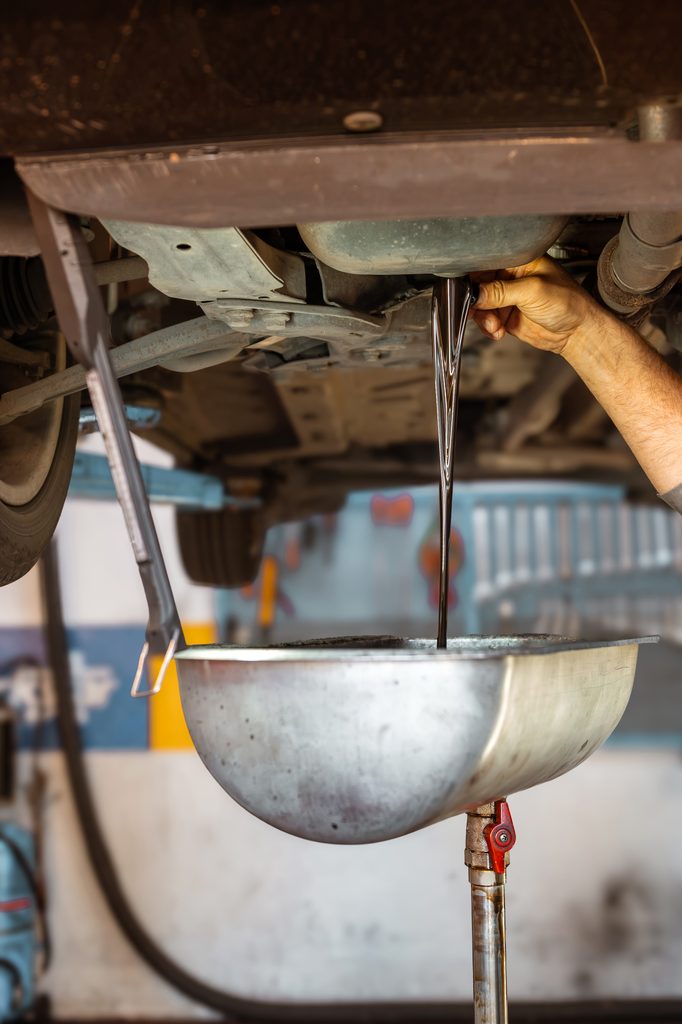
4. Oil Changes at an Independent Shop
A dealership service department often charges noticeably more for the exact same oil change an independent local shop performs.
A reputable independent mechanic using the same grade of oil your manual calls for gets the job done for meaningfully less, with no real trade-off in quality.

3. Homeowners or Renters Insurance, Shopped Every Renewal
Homeowners and renters insurance both tend to creep upward year after year without much scrutiny, since the bill just arrives and gets paid.
The Real Number: getting two or three competing quotes at renewal, the same habit behind a lot of the quiet monthly bill cuts other households have made, regularly turns up meaningfully lower coverage for the same protection.

2. A Weekend Home Repair, Handled by a Generalist
A lot of small home fixes, a wobbly cabinet hinge, a leaky faucet washer, a squeaky door, get routed to a specialist trade out of habit.
A general handyperson usually charges less per hour than a licensed plumber or electrician for jobs that don’t actually require that specific license.
Anything touching gas lines, main electrical panels, or structural work is where hiring the licensed specialist stops being optional.

1. Working With a Fee-Only Financial Advisor
This is the one that surprises people the most, so it earns the top spot.
A lot of people rule out a financial advisor entirely, picturing a percentage fee reserved for households with serious money already put away.
A fee-only advisor, paid a flat rate for a single planning session rather than a cut of your assets, is a genuinely different structure. A one-time consultation to sanity-check a budget, a retirement contribution rate, or an insurance decision often costs about what a nice dinner out costs, not a percentage of anything.
It’s a version of the same idea covered in “bad” money habits financial advisors say are actually fine, that a lot of financial guilt and financial avoidance is built on outdated assumptions about what professional advice actually costs.
An hour with someone who actually knows the numbers, for the price of a dinner out, tends to be worth more than the avoidance ever was. This isn’t a recommendation to hire any specific advisor or to make any specific financial decision. That part is entirely a personal call this article doesn’t make.
Where the Savings Really Are
None of these are dramatic on their own. Stacked together, they add up to a genuinely different monthly budget than most people are running.
If you only do a few things from this list, shop your car and home insurance at the next renewal, switch one prescription or grocery item to the store brand, and call your internet provider to ask about a better rate. Those three alone cover a meaningful chunk of the total.
If the checking-and-shopping habit is new to you, it pairs well with the broader set of habits people good with money tend to have that everyone else quietly skips.
And if freeing up some of this money has you thinking about the other side of the equation, there’s a separate list on ways to make extra money that don’t require taking on a whole second job.
Either way, the price in your head is worth double-checking against the price on the page. More often than you’d guess, they don’t match anymore.