35 Everyday Things That Used to Be Free and We Now Pay Too Much For
Some links may be affiliate links. We may earn a commission at no extra cost to you. View our full disclosure.
Somewhere along the way, the word “free” picked up a footnote.
Grocery bags, air for your tires, the bread basket at dinner. None of it used to show up on a receipt, and most of us never noticed the day it started.
That’s the trick with these costs. They rarely arrive as one big price hike, they show up as a quarter here and a three-dollar fee there, spread across a hundred ordinary moments.
I’ve been watching prices long enough to remember when a checked bag, a box of checks, and a phone charger all came with the thing you actually paid for. Now each one is its own line item.
Below are 35 everyday things that used to cost nothing and now cost more than they should, counted down from the mildly annoying to the one that shapes almost every purchase you make. Some of them you can dodge completely. A few, honestly, aren’t worth fighting.
35. Gift Wrapping at the Store
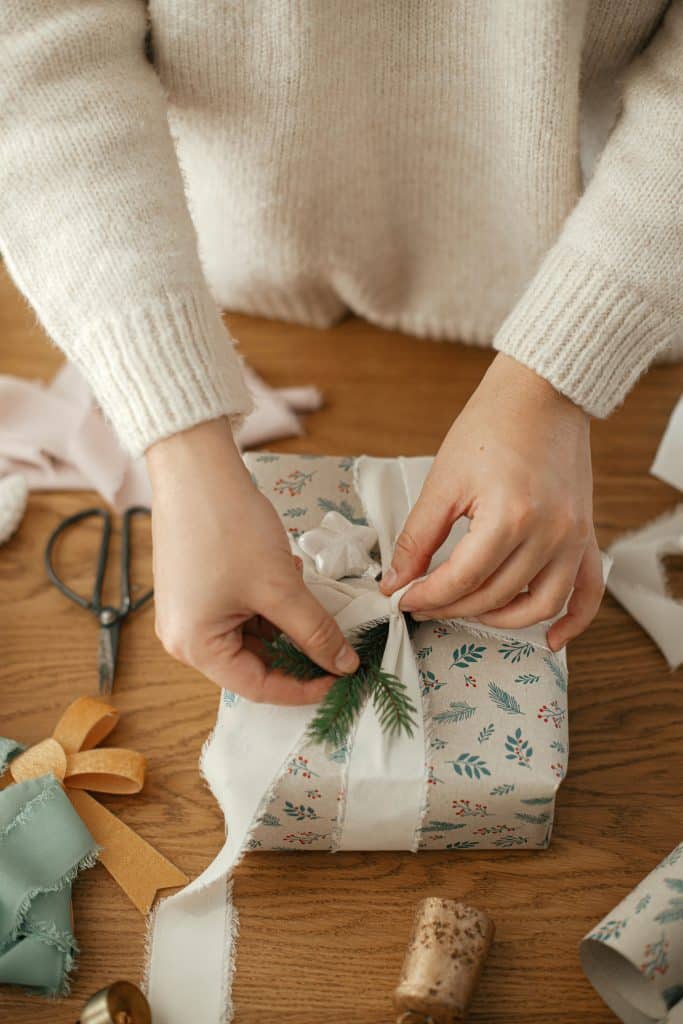
Department stores used to wrap a purchase at the counter like it was part of the sale. You walked out with a box, tissue paper, and a bow, and nobody handed you a bill for it.
Today, in-store wrapping is often a few dollars per box, reserved for store-card holders, or gone entirely. Online, gift wrap is usually a checkout add-on that can cost nearly as much as a whole roll of paper.
A roll of kraft paper and some twine does the job for pennies per gift, and a plain, simple wrap job can look pricier than the fancy one anyway.
Worth remembering: paying per box for something you can do at the kitchen table in five minutes is a convenience fee with a bow on it.

34. The Birthday Dessert
Restaurants used to find out it was your birthday and just bring out a slice of cake with a candle in it. Maybe the staff sang. That was the whole transaction.
Now the free birthday treat usually lives inside a loyalty app, which means you trade your email, your phone number, and a steady stream of marketing for it. Some places also require a purchase to redeem.
The dessert isn’t free anymore, you’re paying for it with data. Dedicated deal hunters turn it into a surprisingly effective cheapskate routine, but only if the apps get deleted once the month is over.
If you’d never have ordered it at full price, the freebie isn’t the deal, the meal around it is.
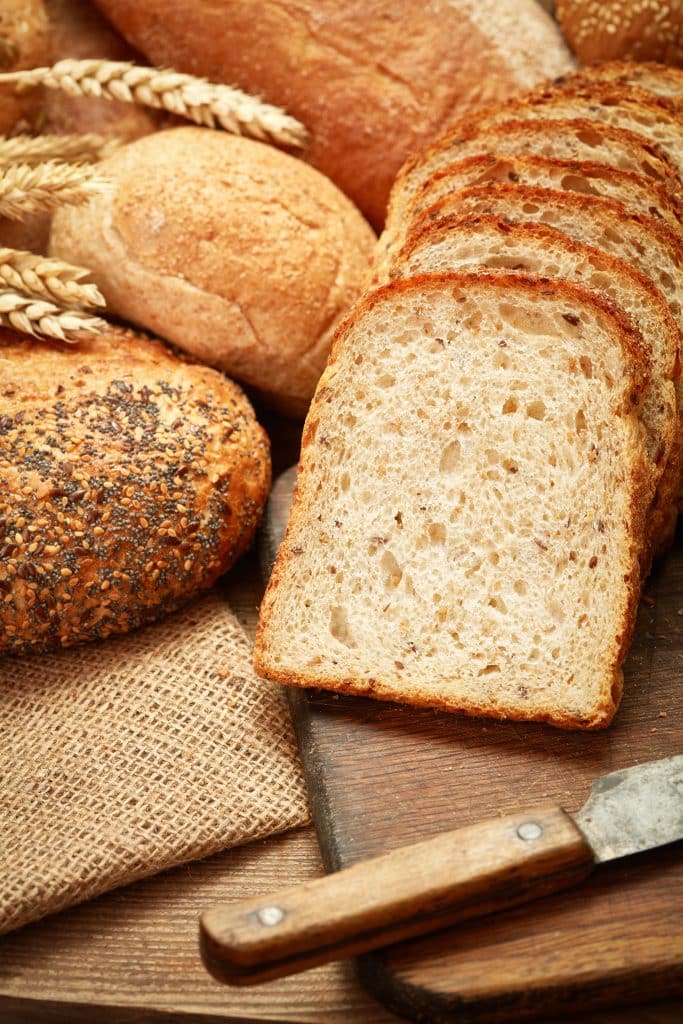
33. The Bread Basket
For decades, sitting down at a restaurant meant warm bread showed up before you even asked. It was the unspoken welcome.
A growing number of restaurants now list bread as a menu item, often a few dollars or more, especially places leaning on local bakeries and fancy butter. Others simply stopped offering it.
Some of the paid bread is honestly better than the free stuff ever was. But if you’re only ordering it out of habit, that’s an easy few dollars to leave on the table, literally.

32. Directory Assistance
There was a time you could dial information and a real person would look up a number for you. Before that, the phone book landed on your porch every year at no charge.
Directory assistance from a cell phone today can run a couple of dollars or more per call, depending on the carrier, and it’s easy to trigger by accident. The phone book itself mostly stopped showing up.
Plenty of things about life before smartphones saved money, but this is a rare case where the old paid version lost. A quick search on your phone does the same job for free.
The upshot: if an information-call charge ever shows up on your phone bill, check whether anyone in the house meant to make it.
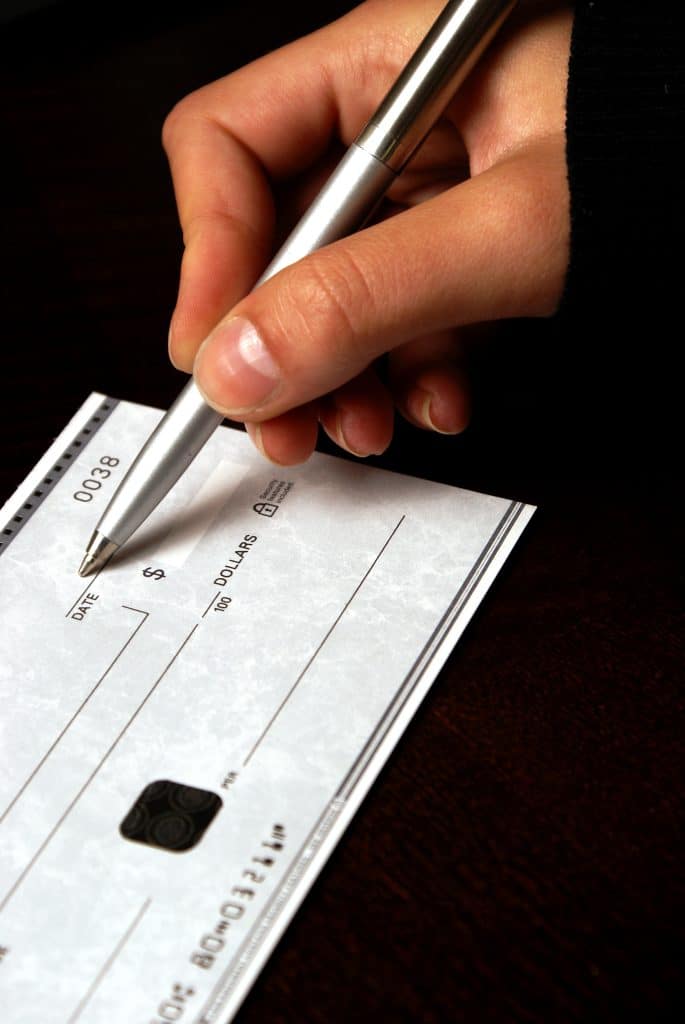
31. A Box of Checks
Banks used to hand you a book of checks when you opened an account, and reorders were often free or close to it. Checks were how everyone paid for everything.
Now a box ordered through a bank can run $20 or more depending on the style, and some banks add shipping on top. Most people barely write any, which makes each check oddly expensive.
Independent check printers are usually cheaper, and many banks will still print a few counter checks when you really need one.
Buy the plainest checks available, and one box will probably outlive the account.
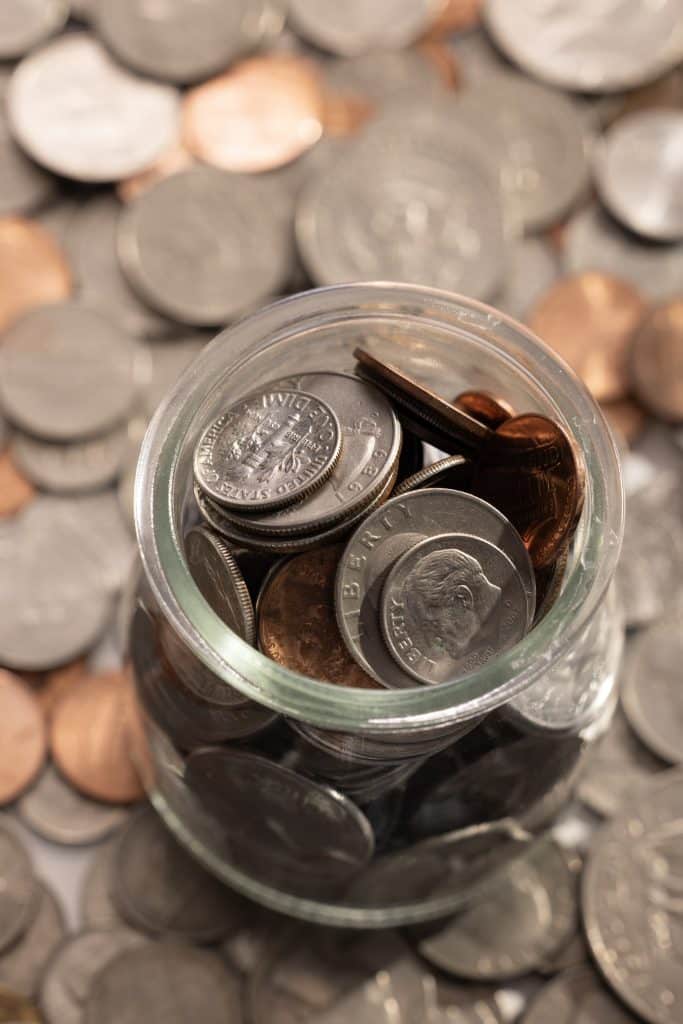
30. Counting Your Coins
Plenty of banks used to count your coin jar for free, especially if you had an account there. You brought in the change and walked out with bills.
The self-serve coin kiosks at grocery stores often keep roughly a dime or more of every dollar you pour in. On a big jar, that fee can easily eat a meal’s worth of money.
Some banks and credit unions still count coins free for members, and many kiosks waive the fee if you take a store gift card instead. Charges like this are textbook small money leaks, tiny on their own and annoying in total.
The math: a fee in the neighborhood of ten percent is a steep price for about ten minutes of convenience.
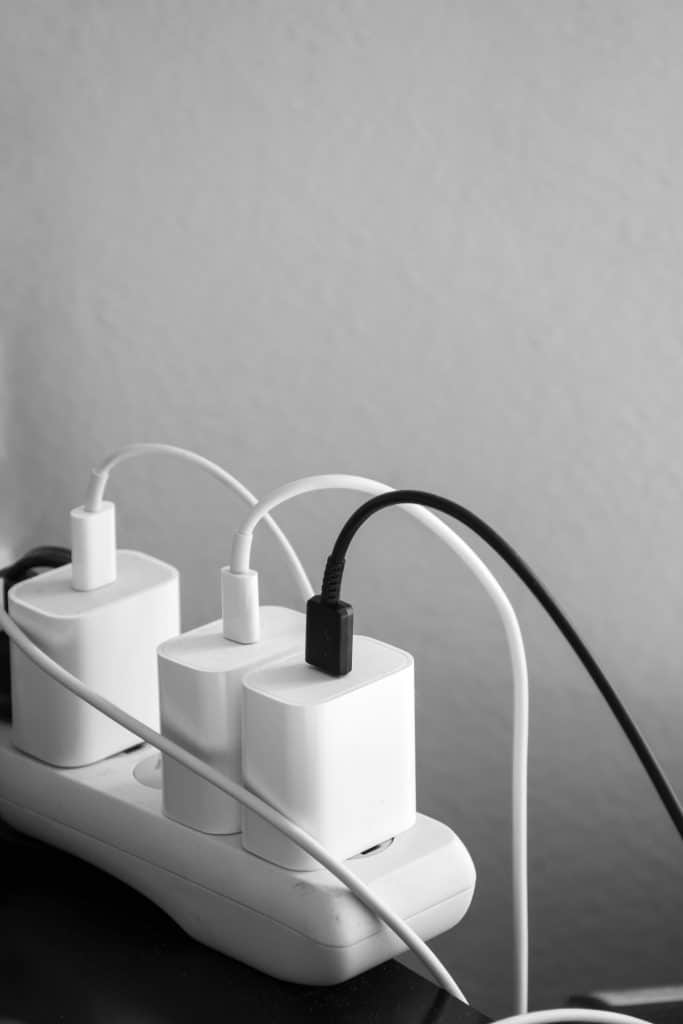
29. The Charger in the Box
Phones used to come with a charging brick and a cable in the box, no questions asked. Around 2020, many phone makers started shipping just the cable, or nothing at all.
A decent replacement charger typically runs somewhere around $15 to $30. That’s a real cost if you don’t have one.
Here’s the honest part, though. Most households already have a drawer full of chargers from older devices, and plenty of them still work fine with newer phones, so this is one item on the list that probably isn’t costing you much at all.
28. Full-Service Gas
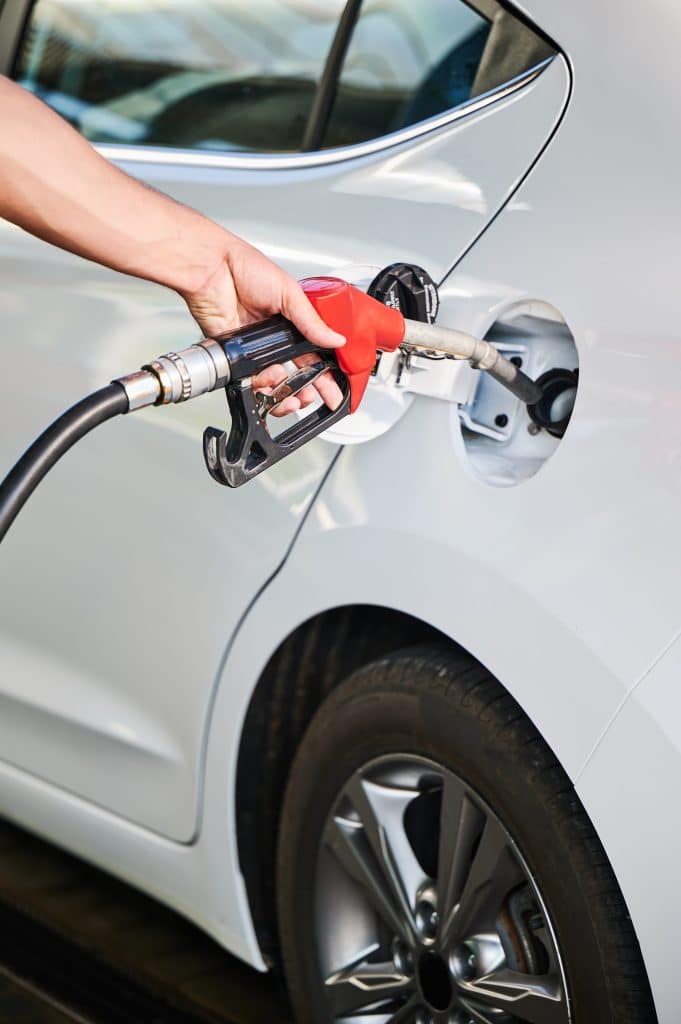
Pulling into a gas station once meant an attendant pumped the gas, checked the oil, and squeegeed the windshield. All of it was baked into the price per gallon.
| Keep Reading — 18 Warehouse Club Buys Ranked: What's Worth It in Bulk (And What Never Is) |
Outside of a couple of states where full service is still the law, like New Jersey, most stations are self-serve now, and where full service does exist elsewhere it often costs more per gallon. The free oil check and window wash mostly disappeared with it.
The real cost isn’t the gas, it’s what nobody checks anymore. Low oil and underinflated tires are cheap to catch early and expensive to discover late.
Net effect: pop the hood yourself every few fill-ups, since the free inspection no longer comes with the gas.

27. Furniture Delivery and Setup
Buying a couch or a dresser used to include delivery, and often somebody carrying it into the room you wanted. Assembly wasn’t your problem because the furniture showed up assembled.
Now delivery is frequently its own fee, sometimes a steep one for large items, and setup or hauling away the old piece costs extra on top. Flat-pack furniture shifted the assembly job onto you by default.
Paying to deliver something too heavy to haul yourself is fair. Paying a separate assembly fee for a simple bookshelf is where people get squeezed, the same way they overpay for small jobs around the house they could handle themselves.
Before checkout, add the price, the delivery fee, and the assembly fee together, and compare that full number instead of the sticker.

26. Counter Service Without a Tip Screen
Ordering a coffee or a muffin at a counter used to come with a price and nothing else. Tipping was mostly for table service.
Now a screen swivels around with suggested tips, often 15 to 25 percent, for grabbing a pastry out of a case. It’s not technically required, but it’s designed to feel that way.
Tipping is a personal call, and plenty of counter workers genuinely rely on it. The point is to decide on purpose instead of tapping the middle button out of pressure, since these nudges belong with the expenses people treat as normal without ever choosing to.
Where this lands: pick your own default for counter service before you’re standing at the screen, and the screen loses most of its power.

25. Reading the News Online
In the early days of the internet, almost every newspaper put its full stories online for free. People got used to that fast.
Today, many news sites sit behind paywalls, and a handful of subscriptions can add up to more than the old home-delivered paper cost. Broadcast news is still free, but the in-depth reporting mostly isn’t.
I’ll push back on myself a little here. Local reporting costs real money to produce, and paying for the one outlet you actually read can be worth it, while paying for four you skim is not.
24. Storing Your Photos
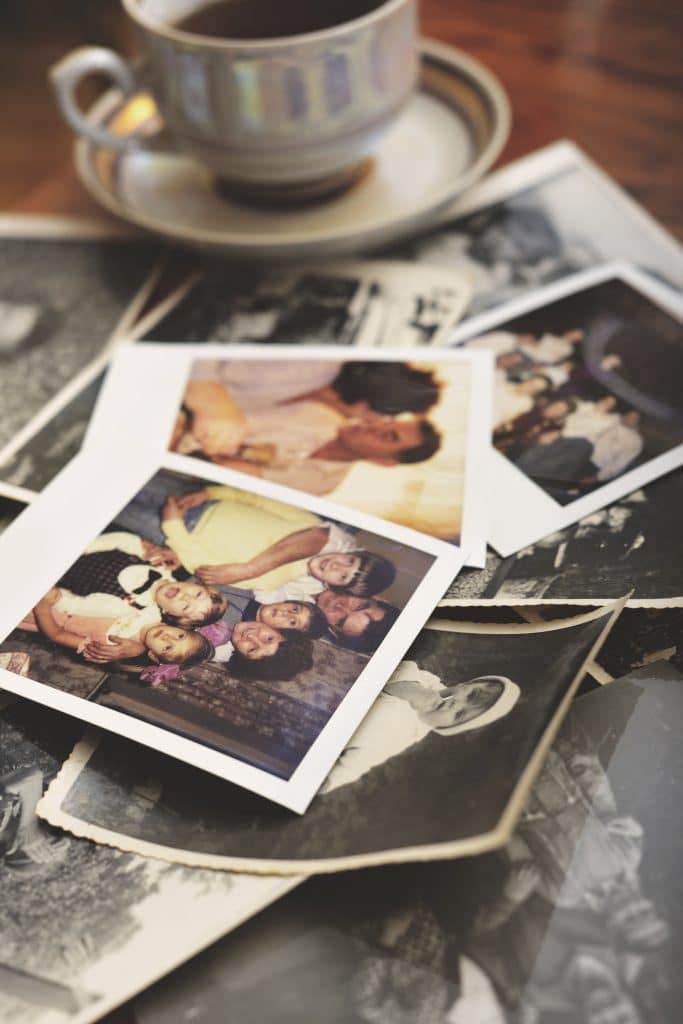
Some big photo services used to offer unlimited free storage for your pictures. You could upload an entire camera roll and never think about it again.
Most of those deals got capped, and extra storage now usually means a monthly plan, often a few dollars a month for a basic tier. Phones with more built-in storage cost more up front, too.
This is one entry where paying is honestly the smart move. A few dollars a month to back up irreplaceable family photos is one of the better deals on this whole list, just make sure you’re not paying for the same storage in two places.
Worth remembering: one backup plan is insurance, two overlapping ones is a leak.
23. Features Already Built Into Your Car
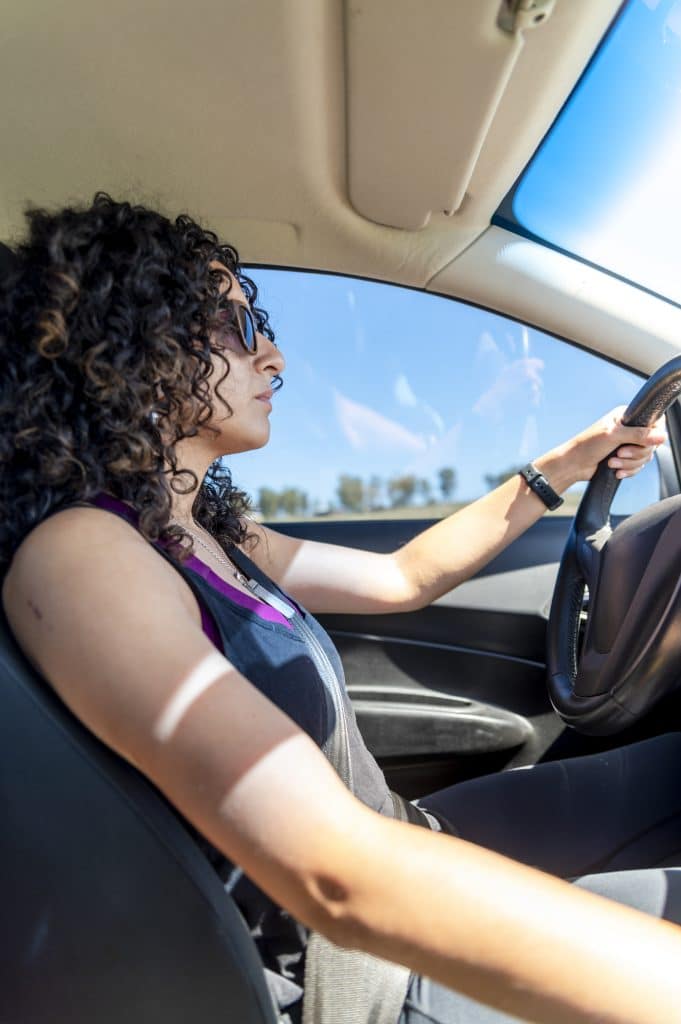
When you bought a car with heated seats or remote start, those features were simply yours. You paid for the car, and the car did what it could do.
Some automakers have experimented with monthly or yearly subscriptions to switch on features the hardware already supports. Connected services like remote apps and built-in navigation often start as a free trial that turns into a bill.
Check what’s auto-renewing on any car that’s a few years old. Trials tied to a vehicle tend to be the easiest subscriptions to forget.
If the feature is already bolted into the car, think hard before renting it back month by month.
22. The Overhead Bin
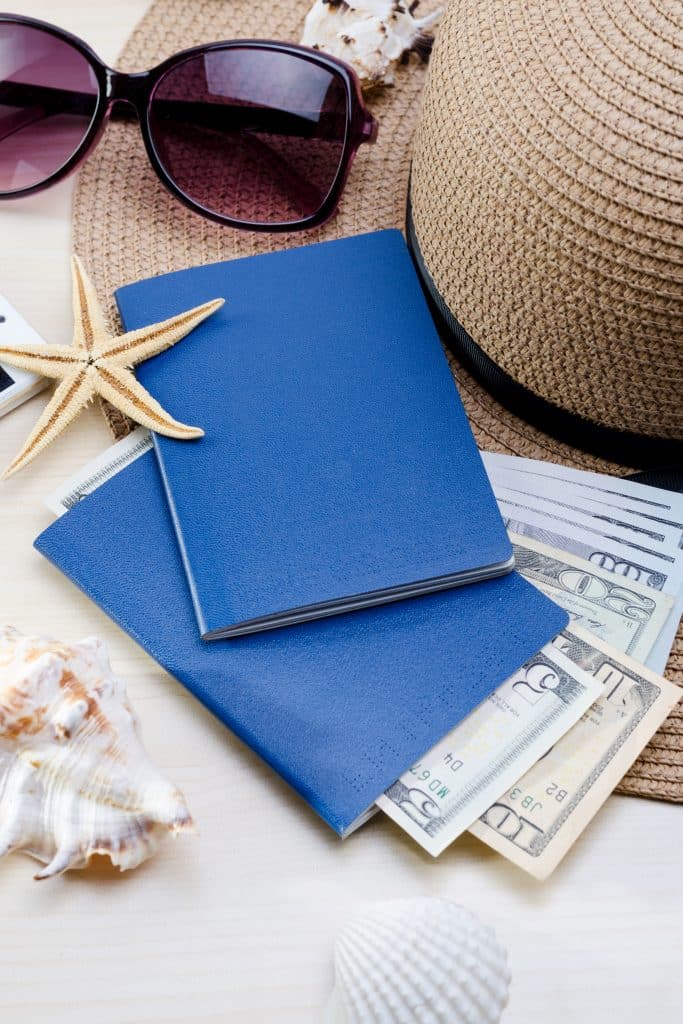
A full-size carry-on used to be a given with any plane ticket. You rolled it down the aisle and shoved it overhead.
Some basic economy fares now include only a small personal item that fits under the seat, with a full-size carry-on costing extra or not allowed at all. The cheapest fare isn’t always the cheapest trip.
Compare the total with bags included, not the headline fare. A slightly pricier ticket that includes the carry-on often lands cheaper than the bargain fare plus fees.
The math: the fare plus every bag you’ll actually bring is the only price worth comparing.

21. Apps You Already Paid For
Software used to be something you bought once. You paid for the program, and it was yours until the computer died.
Many apps have switched to subscriptions, so something that once cost a few dollars one time can now cost that much every month, indefinitely. Across a phone full of them, it adds up without much noise.
Run a full subscription autopsy at least once a year, and look hardest at apps you open only a few times a year. Some still sell a one-time version or have a decent free alternative.
20. Grocery Bags
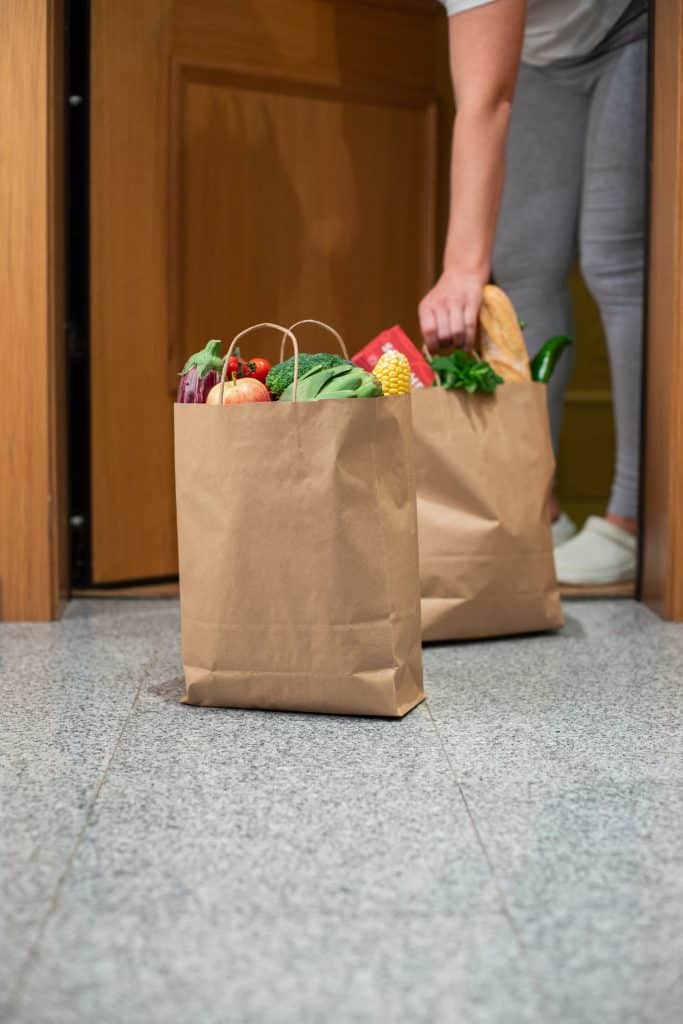
Every checkout line used to end with paper or plastic, your choice, no charge. Some baggers even asked how you wanted things packed.
In a growing number of states and towns, single-use bags are now banned or come with a per-bag fee, often a nickel to a dime each. Reusable bags cost money too, especially when you keep buying new ones because yours are sitting in the car.
The upshot: keep a few reusable bags where you’ll actually grab them, and this becomes a one-time cost instead of a running one.
19. Air for Your Tires
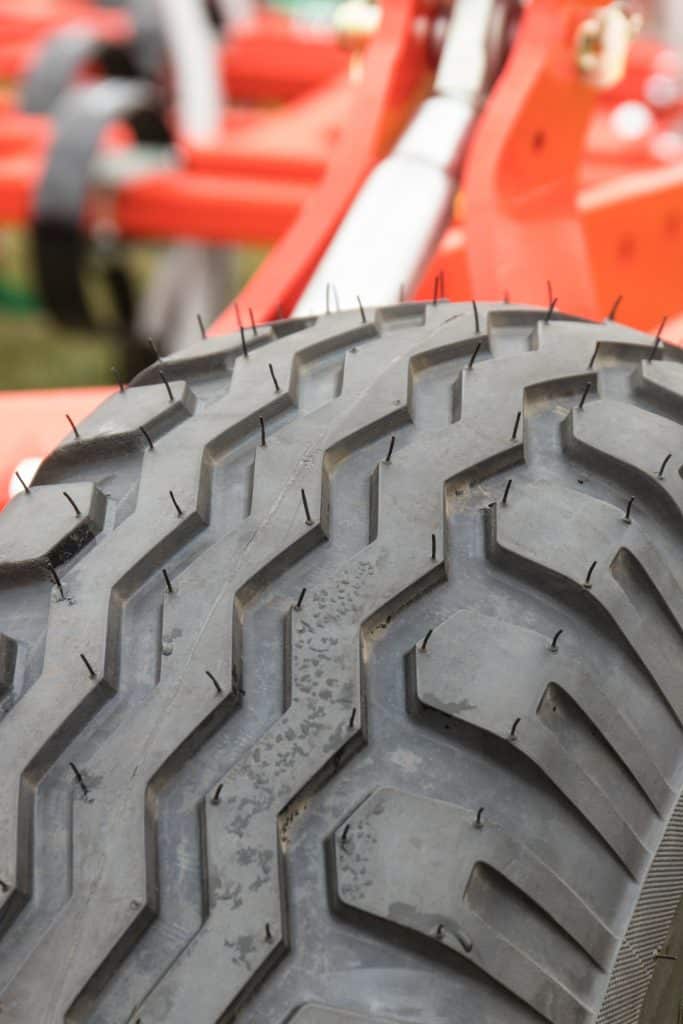
Almost every gas station once had an air hose you could just use. Now it’s usually a coin or card machine charging a dollar or two for a few minutes.
| Keep Reading — 21 Big Purchases Ranked by the Best Time of Year to Buy Them |
A few states require stations to give free air to paying customers, so it’s worth asking inside. A basic portable inflator that plugs into the car can pay for itself over a handful of uses and ends the scramble for quarters.
Properly inflated tires tend to last longer and waste less gas, so the air is the cheap part either way.
18. Radio-Quality Music
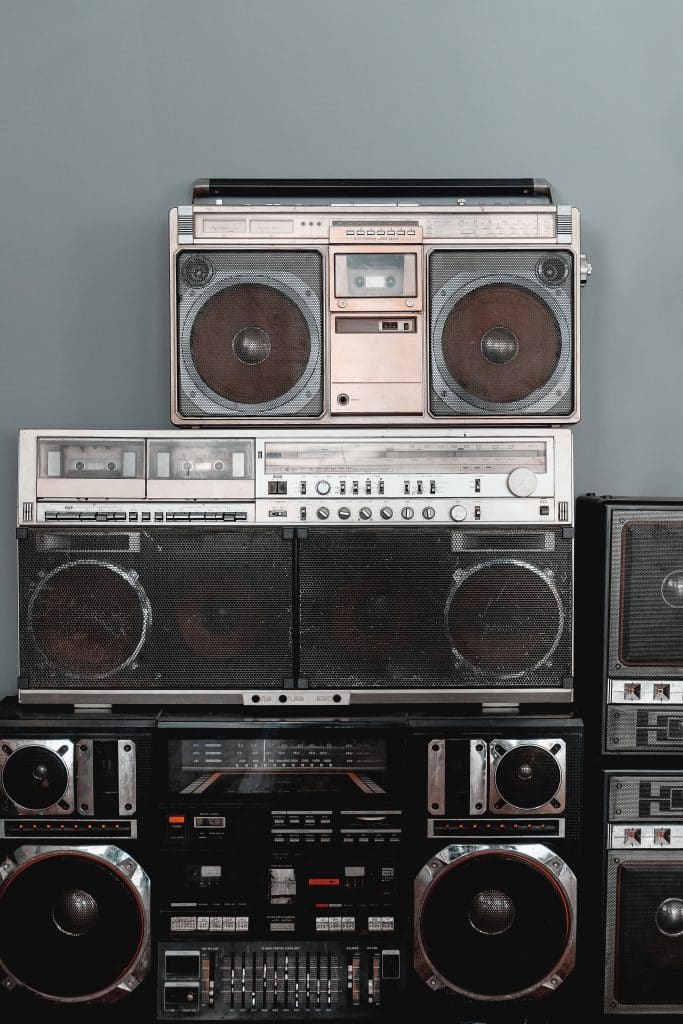
Music used to arrive free over the airwaves, along with the occasional tape you recorded off the radio. You only paid if you wanted to own the album.
Now most people pay for a music subscription, often somewhere around $10 to $12 a month for an individual plan, and family plans cost more. The radio is still free, but the habit moved.
If you mostly listen in the car or cycle through the same few playlists, the free, ad-supported tier of most music services may be plenty.
The running tab so far: eighteen items in, and the pattern is hard to miss. Almost nothing here got more expensive in one dramatic jump, it got carved into pieces and billed separately.
The good news is that most of these have a free or cheaper workaround, like the reusable bag, the credit union coin counter, or the independent check printer. The same approach works on bigger line items too, which is exactly how people are trimming their monthly bills right now.

17. Broadcast TV
Television used to be free the moment you plugged in the set and fiddled with the antenna. Then came cable, and later a pile of streaming services.
Plenty of households now pay for several services at once, and prices have crept up across the board. Here’s what surprises people: local broadcast channels are still free over the air with an inexpensive antenna, often in high definition.
Net effect: an antenna won’t replace everything, but it can cover local news and a lot of sports for a one-time cost.

16. School Sports and Activities
Joining the team used to be about making the cut, not paying up. The school covered uniforms, buses, and most of the rest.
Many districts now charge pay-to-play fees, which can range from modest amounts to a few hundred dollars per sport depending on the area. Add equipment, camps, and travel teams, and the total climbs quickly.
Ask about fee waivers or sibling caps before assuming the full price applies. Many districts have them but don’t advertise them loudly.
One question to the athletic office can be worth more than any coupon on this list.
15. Paper Bank Statements
A printed statement used to arrive every month whether you wanted it or not. Nobody charged you for the stamp.
Some banks, card issuers, and utilities now charge a small monthly fee for paper statements, often a dollar or two. It sounds minor until it’s running on several accounts for years.
Where this lands: switch to electronic statements where you’re comfortable, and download a copy of anything important for your own records.

14. Checking Accounts
Free checking used to be the standard pitch for getting you in the door, sometimes with a toaster thrown in. Many big banks now charge a monthly maintenance fee, often somewhere around $5 to $15, unless you hit a minimum balance or direct deposit requirement.
Free checking still exists, especially at many online banks and credit unions. Switching feels like a hassle, which is exactly what the fee counts on, and dealing with it early is one of the habits people who are good with money rarely skip.
13. Your Own Cash
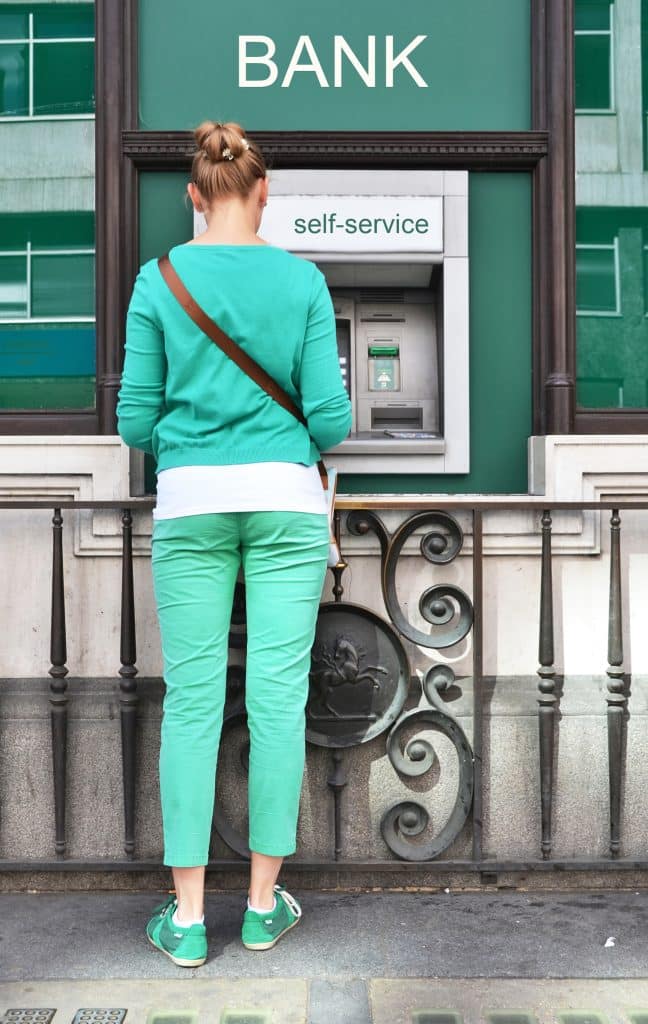
Getting cash used to mean a teller or your own bank’s machine, no fee attached. Now an out-of-network ATM often charges its own fee, and your bank may charge another on top.
Put those together and a single withdrawal can cost several dollars, which is a steep price for money that was already yours. Use your bank’s fee-free network, get cash back at the grocery register, or pick an account that reimburses ATM fees.
The math: hand over a few dollars to pull out $40 and a noticeable slice is gone before you spend any of it.
12. Restaurant Delivery
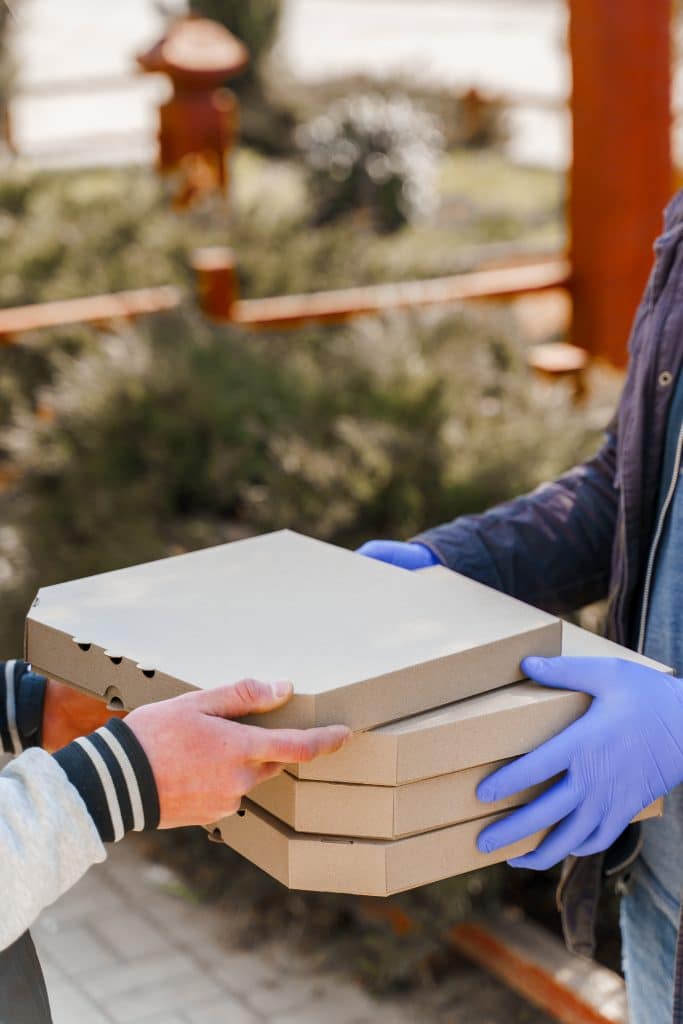
Pizza delivery used to cost you the pizza and a tip. The driver worked for the restaurant, and the menu price was the menu price.
Ordering through a food delivery app can now stack a delivery fee, a service fee, and menu prices marked up above what the restaurant charges in person. Those layered delivery fees can push a simple dinner well past what you expected.
Ordering directly from the restaurant, or picking it up yourself, often cuts most of that out.
Pickup is still the closest thing left to the old free delivery.

11. Condiments and Extras
Extra ranch, an extra side of salsa, a second packet of sauce. Those used to be yours for the asking.
Many restaurants and fast-food spots now charge somewhere between a quarter and a dollar or more for extra sauces and add-ons. It’s a tiny charge that lands on almost every order, one piece of the broader takeout tax.
Worth remembering: add-ons are an easy place for restaurants to recover costs, so that small sauce charge is doing more work than it looks.
10. Parking
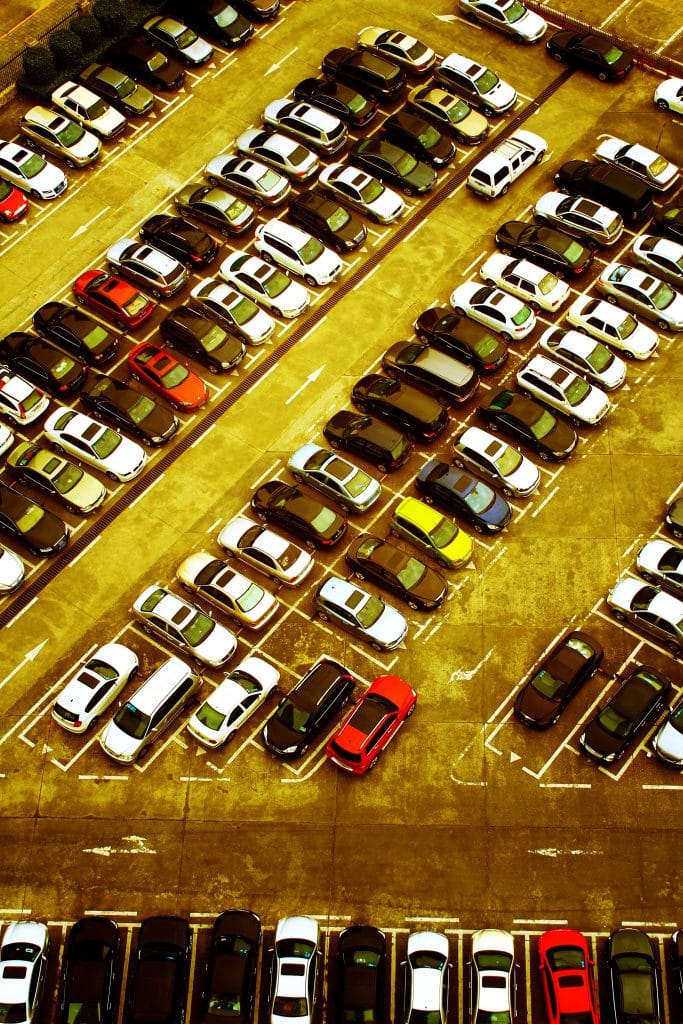
Parking at the hospital, downtown, or near the beach used to be free more often than not. You found a spot and walked in.
More lots now charge by the hour, and many run through apps that add their own convenience fee on top. Hospital and airport parking can turn into one of the priciest parts of the visit.
Check for validation, a nearby free lot, or a cheaper garage a block or two away before defaulting to the closest spot.

9. Customer Service
Calling a company used to connect you to a person, eventually. Nobody asked you to pay for the privilege.
| Keep Reading — 18 Gifts That Look Expensive But Aren't |
Now some companies push you toward chatbots, charge a fee to pay a bill over the phone with an agent, or reserve faster support for a paid tier. The cost is sometimes money and sometimes an entire afternoon.
Before paying for a premium support plan, check whether the free help is simply hiding behind a few extra menu options.
8. Returns
Taking something back used to take a receipt and a short line. The store absorbed the cost.
Some retailers now charge return shipping, deduct a restocking fee that can reach 15 percent or more on certain items, or shrink the return window to a few weeks. Read the policy before buying anything you’re unsure about, not after.
Net effect: a lenient return policy is part of the price, so weigh it like one.

7. Hotel Everything
A hotel room used to include the room, the parking, the internet, and usually a bottle of water on the desk. Checking in early often just took asking nicely.
Now resort fees, parking fees, early check-in charges, and even the in-room water can stack on top of the nightly rate. Newer federal rules push hotels to include mandatory fees in the advertised total, which helps, but parking and other optional extras can still surprise people at checkout.

6. Sitting Together on a Plane
Booking a flight together used to mean sitting together. Now many airlines charge to pick a seat on cheaper fares, and travel companions can end up scattered across the cabin unless they pay.
Some airlines have policies for seating young children next to a parent at no extra charge, so check the rules before paying. For adults, the seat fee sometimes costs less than the stress, and that’s a personal call.
The upshot: look up the seat fee before comparing fares, since it can flip which ticket is actually cheaper.
5. Checked Bags
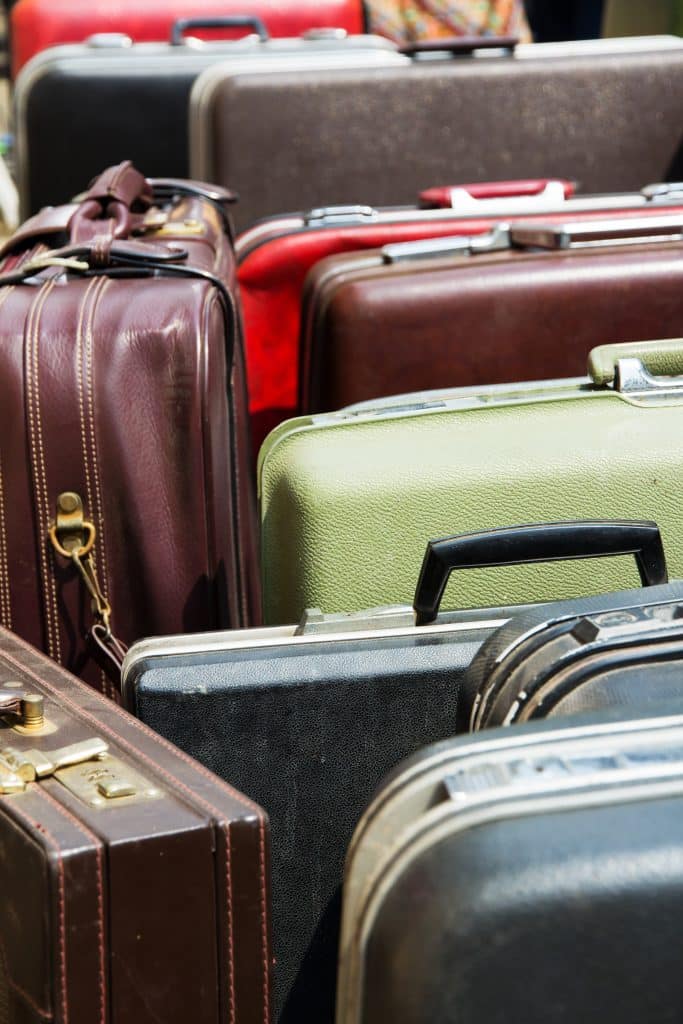
Up until around 2008, the first checked bag on most domestic flights was free. Now it commonly runs somewhere in the $35 to $45 range each way, varying by airline, and the second bag costs more.
The honest counterpoint: unbundling isn’t all bad. If you travel light with just a carry-on, you’re no longer subsidizing everyone else’s luggage, and some fares really are lower because of it.
Airline credit cards often include a free checked bag, which only makes sense if the annual fee is less than what you’d spend on bags anyway.
Pack for the bag you already paid for, not the one you might need.
4. Event Tickets at Face Value
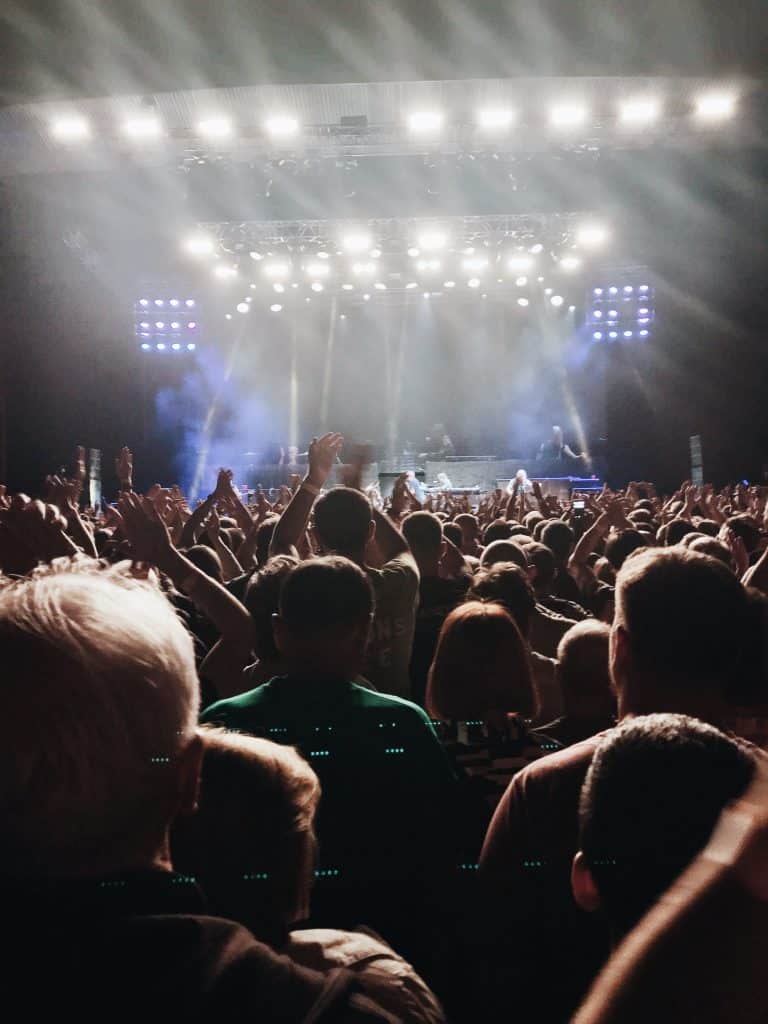
Tickets used to cost what was printed on them, plus maybe a small fee at the box office. Now service, facility, and processing fees can add a big chunk to the face value, often 20 percent or more.
Buying at the venue box office, when that’s an option, sometimes skips a few of those charges. On less popular shows, prices can also drop closer to the date.
Where this lands: compare the checkout total, not the face value, since that’s the only number you actually pay.
3. Water
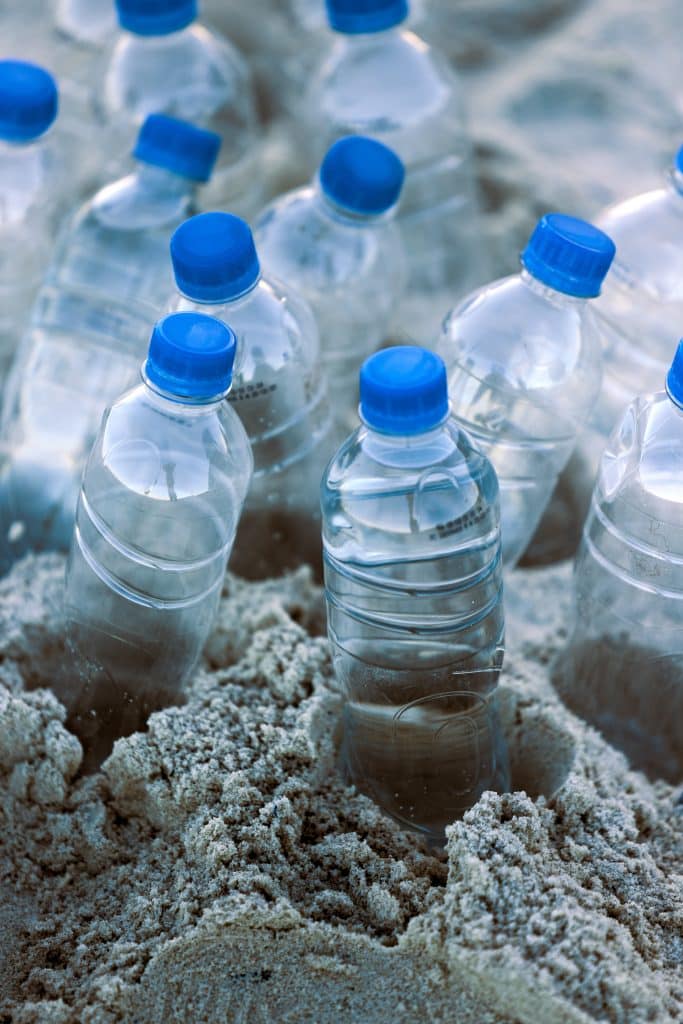
A cup of water was just something you asked for, and drinking fountains were everywhere. Bottled water turned that into a steady purchase.
A case of bottled water can quietly become a weekly line item, and a single bottle at an airport or stadium can cost several dollars. Tap water in most places is safe and costs a fraction of a cent per glass, which is why frugal people skip bottled water almost entirely.
A reusable bottle and, if your tap tastes off, a basic filter pitcher tend to pay for themselves quickly.
2. Paying Your Bills
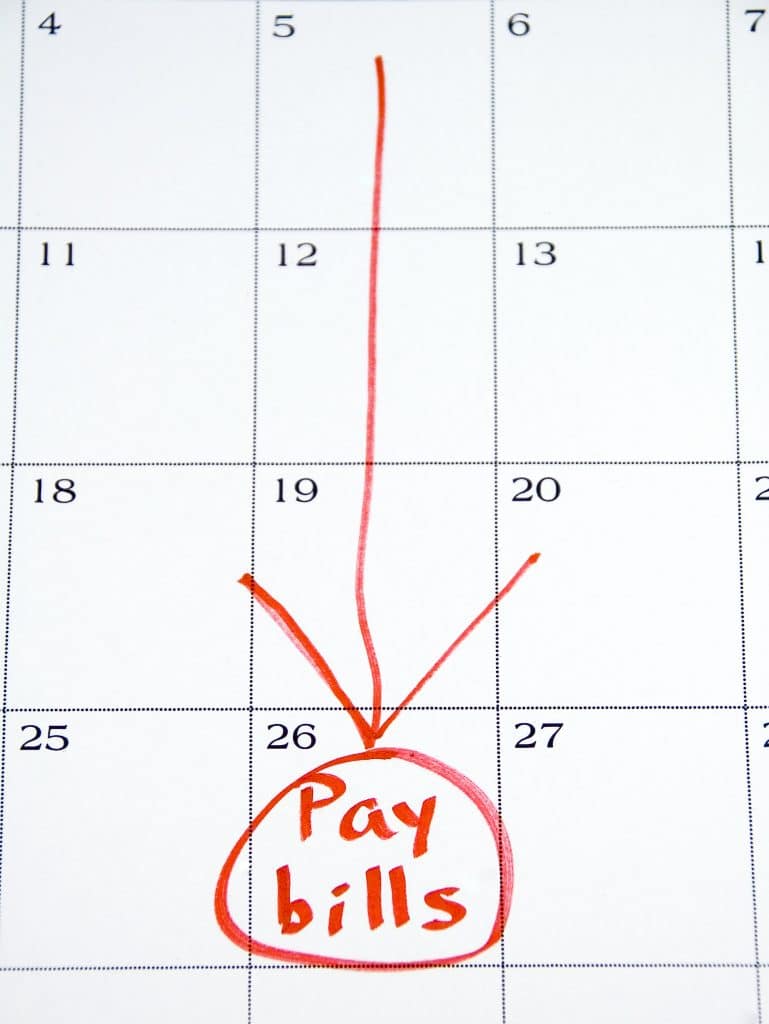
Paying a bill used to cost you a stamp, or nothing at all if you dropped it off in person. Now some utilities, landlords, and government offices tack on a convenience fee for paying by card or over the phone, often a few dollars or a percentage of the bill.
Paying straight from a bank account through the biller’s own site or autopay is often free. Build that into your household money habits and most of those fees disappear.
Nobody should have to pay a fee for the privilege of paying.
1. Knowing the Price at All
This is the one that ties the whole list together. Not long ago, the price on the tag or the menu was the price you paid, give or take sales tax.
Now a huge share of everyday buying runs on drip pricing, where the number you see first isn’t the number you pay. Service fees, convenience fees, resort fees, processing fees, and platform fees appear one screen before checkout, after you’ve already decided to buy.
Newer federal rules require all-in pricing for some categories, like live-event tickets and short-term lodging, and a few states have gone further. Outside those areas, plenty of purchases can still reveal extra charges late in the process.
The fix isn’t glamorous. Click through to the final checkout screen before committing, compare that total across your options, and walk away from anything that hides the real price until the end. Asking a few quick questions before buying catches most of it.
Every other item on this list is really a version of this one. Train yourself to look only at the final number, and most of the other 34 lose their grip.
What’s Still Free (For Now)
Not everything went the other way. Libraries are still free, and many have dropped late fines entirely. Over-the-air TV, tap water, most public parks, and plenty of things that cost less than you’d think are still on the good side of the ledger.
If you only do a few things from this list, make it these: look at the final checkout total before buying anything, bring your own bags and water bottle, stick to fee-free ATMs, and compare flights with bags and seats included.
Fees like these are designed to be too small to fight one at a time. Added together, they’re worth a little attention, and where that money goes afterward is a personal call this article doesn’t make.