27 “Normal” Expenses Frugal People Refuse to Pay
Some links may be affiliate links. We may earn a commission at no extra cost to you. View our full disclosure.
Frugal people get called cheap a lot. That label never quite fits.
What frugal people are actually doing is asking a question most households stopped asking: does this expense still make sense, or did it just become automatic?
A long list of “normal” costs fall apart under that question. Insurance riders nobody has revisited. Warranties nobody reads.
Fees that exist mostly because nobody ever canceled anything.
Here are 27 of those expenses, the ones frugal people have quietly stopped paying, ranked from the smallest habit up to the one that costs the most over a lifetime.
Number one is the expense that, more than anything else on this list, keeps otherwise careful people broke without them ever noticing.

27. Extra Insurance Riders Nobody Has Re-Shopped
Most people buy a policy once and never look at it again. Rates creep every renewal, and riders added years ago for a car or a life stage that no longer exists just keep renewing along with everything else.
Frugal people put a policy review on the calendar, usually once a year. They cancel the rental car add-on they haven’t needed since a trip four years ago, and they ask what a competing insurer would charge for the exact same coverage.
The math: a policy nobody has re-shopped in three years is almost always overpriced, even if nothing about the actual risk has changed.

26. The Loyalty “Tax” on Autopilot
Plenty of companies quietly charge existing customers more than new customers, betting that switching feels like too much hassle to bother with.
Frugal people treat that hassle as a small errand, not a crisis. A phone call asking to match a competitor’s rate usually pays for the ten minutes it takes, and it quietly proves one of the money rules that turned out to be a myth.
Loyalty rarely gets rewarded. It just gets billed.
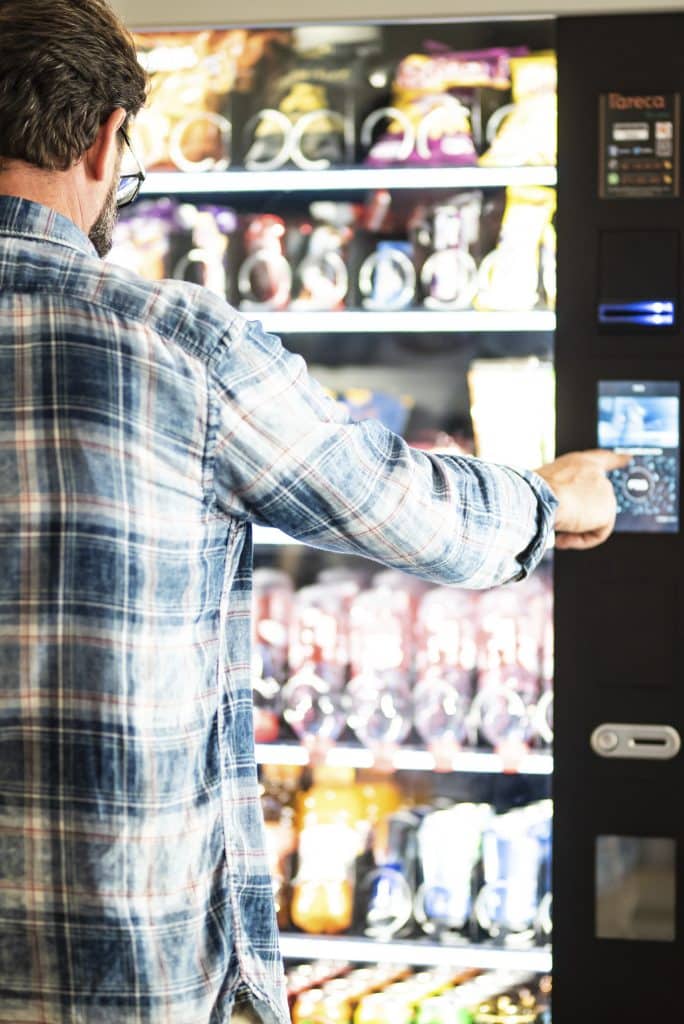
25. Vending Machine and Bottled Water Markups
A bottle of water or a snack from a machine or a corner counter usually costs three or four times what the same item costs at a regular store.
It is a tiny amount in the moment, which is exactly why it survives. Frugal people just keep a refillable bottle and a granola bar in the car or the bag, and the markup never gets a chance to happen.

24. The Extended Warranty Reflex
The extended warranty pitch happens at checkout, and it gets loudest during a big sale, right when the discount already feels like a win.
Most electronics fail either in the first few weeks, which the manufacturer’s own warranty already covers, or well past the extended warranty window. The years in between are usually fine.
Frugal people skip the pitch and put whatever the warranty would have cost into a general repair fund instead, one that covers every device rather than just this one.
Worth remembering: the average repair on most household electronics costs less than a few years of extended warranty premiums combined.

23. The Gym Membership From Two Years Ago
A membership signed up for in January and forgotten by March keeps charging a card every month, sometimes for years.
Frugal people check their statement for anything charging monthly that they couldn’t name off the top of their head. If the gym hasn’t been visited in ninety days, the membership gets canceled, not paused.
An unused membership is just a subscription to guilt with a monthly fee attached.
| Keep Reading — Three Delivery Fees, One Bad Habit: The Real Cost of Never Leaving the Couch |

22. Bank Fees Running on Autopilot
Monthly maintenance fees, paper statement fees, minimum balance penalties: banks build a real revenue line out of charges that exist mostly because customers never asked to have them removed.
Frugal people call and ask, in plain terms, to have avoidable fees waived or the account switched to a free tier. These charges show up in the same place the small leaks that quietly drain a bank account tend to hide.
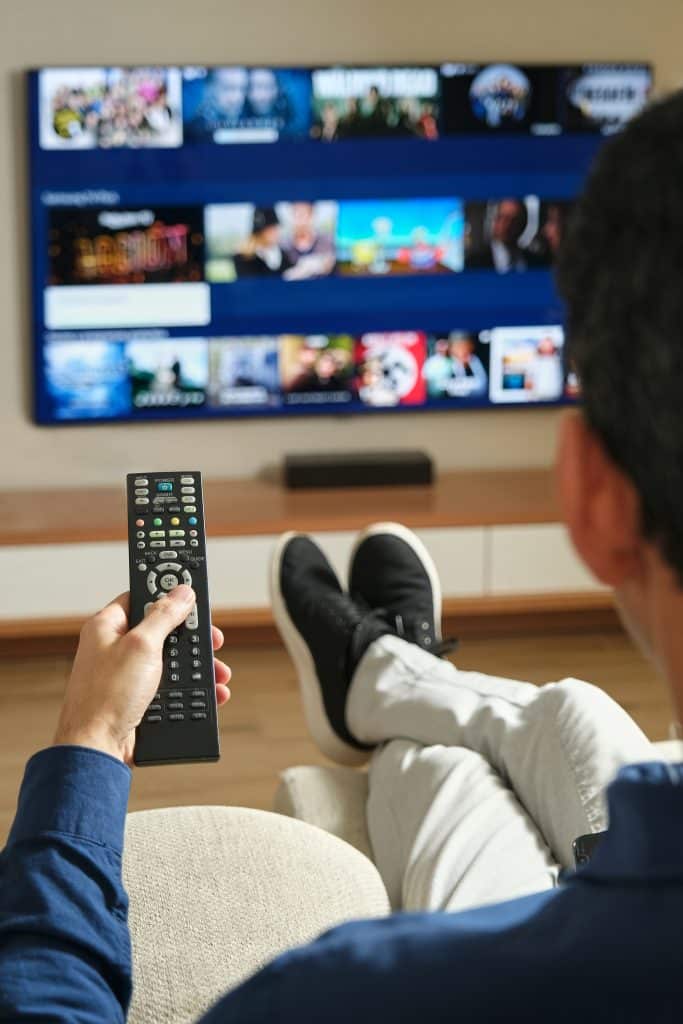
21. Premium Streaming Tiers Nobody Chose
A streaming subscription that started on the basic tier tends to creep upward every time a price increase rolls in, landing on a premium tier nobody actually chose.
Frugal people check the account settings once a year and drop back down to whatever tier they actually use. Multiple household streaming services rarely all get watched in the same month anyway.
Net effect: dropping one unused premium tier back to basic usually saves more over a year than clipping a dozen grocery coupons.

20. Delivery Markups on Food They Could Have Made
Delivery apps stack a service fee, a delivery fee, a small order fee, and a suggested tip on top of menu prices that are often already marked up for the platform.
Frugal people aren’t against ordering food. They’re against paying three separate fees for it on a random Tuesday, and they save delivery for when it’s genuinely worth it.
The food isn’t the expensive part. The four fees stacked on top of it are.

19. The Three-Item Grocery Run
Running in for milk and eggs rarely stays a two-item trip. Impulse displays near the entrance and the checkout line exist specifically to turn a quick errand into a twenty-item cart.
People who have stopped buying on impulse shop with a short list and stick to it, even for a “quick” run. It’s a small discipline that adds up over dozens of trips a year.

18. Full-Price Cards and Wrapping Paper
A greeting card bought the day of an event, at full retail, can cost more than the gift itself once wrapping paper and a bag get added on.
Frugal people buy cards and wrap in bulk after a holiday, when it sells for a fraction of the price, and keep a small stash of both on hand. A few “cheapskate” tricks that actually work start exactly this simply.
The upshot: the card is rarely the meaningful part of a gift, but the markup on buying it last-minute is real.
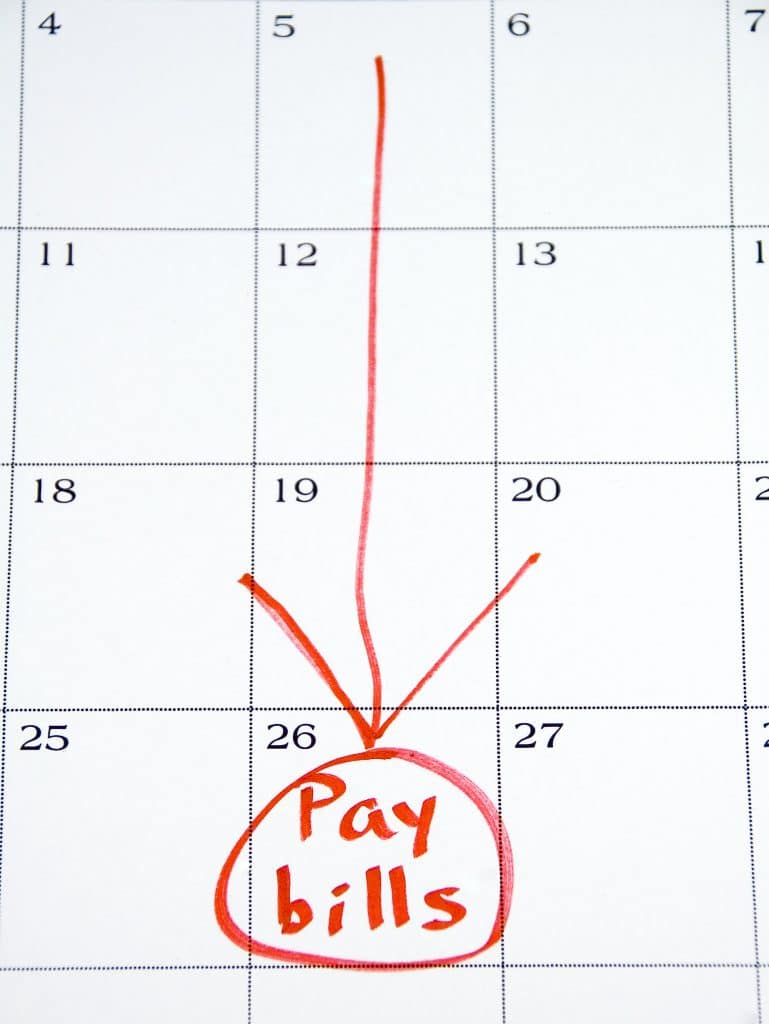
17. Late Fees and the Cost of Disorganization
A late fee isn’t a real expense in the sense that a bill is. It’s a penalty for a missed date, and it’s entirely avoidable.
Frugal people put every recurring bill on autopay or a calendar reminder, specifically so the due date is never the thing that decides how much they pay. A missed date shouldn’t cost more than the mistake itself, and most money mistakes aren’t worth losing sleep over once they’re fixed.

16. Storage Units for Stuff They Forgot They Own
A storage unit rented “temporarily” during a move has a way of becoming a permanent monthly bill for furniture and boxes nobody has opened in years.
Frugal people set a hard deadline. If the unit hasn’t been visited in six months, whatever’s inside gets sold, donated, or thrown out, and the unit gets closed. This is one of the things frugal people simply refuse to keep paying for.
Paying rent on boxes is one of the easiest expenses to walk away from, and one of the last ones people actually cancel.
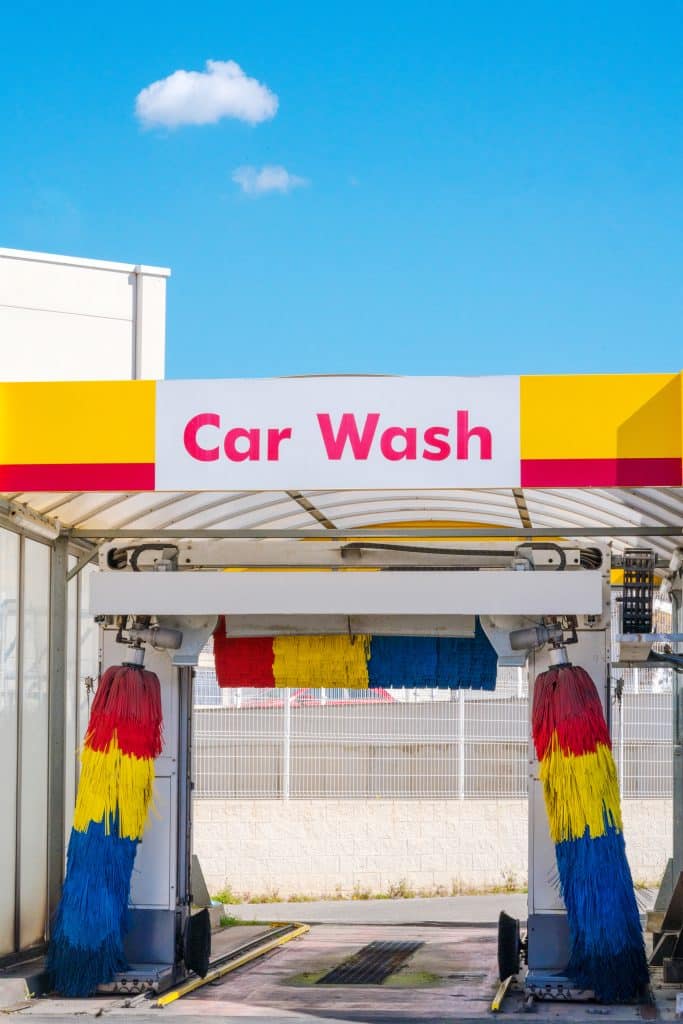
15. The Car Wash Club Nobody Uses Enough
An unlimited car wash membership can genuinely be a good deal, if the car actually gets washed every week or two.
The honest math only works out for people who use it. Frugal people track it for a month; if the car got washed twice, the membership loses, and a single wash from a neighborhood service makes more sense instead.
Where this lands: this is one of the rare “normal” expenses that can be worth paying for, as long as someone actually checks the math first.
14. The Default Phone Plan
Most people signed up for a phone plan years ago and never checked whether a cheaper carrier running on the same network now covers the same data for less.
| Keep Reading — 18 Warehouse Club Buys Ranked: What's Worth It in Bulk (And What Never Is) |
Frugal people compare plans once a year, the same way they’d compare insurance. A carrier switch usually takes less than an hour, and the savings show up every month after.
Pro Tip: before canceling anything on this list, check whether it renews monthly or annually. Some “normal” expenses are cheapest to cancel right before a renewal date, and some carry an early cancellation fee that makes waiting a few weeks worth it.

13. Full-Price Furniture for an Empty Corner
Buying a piece of furniture at full showroom price, just to fill a corner that’s been empty for a while, is one of the most avoidable purchases on this whole list.
Frugal people wait for a floor model sale, check secondhand listings first, or simply live with the empty corner a little longer. Plenty of the household items smart shoppers stopped buying fall in this exact category, things bought to fill a space rather than a need.

12. A Brand New Car Off the Lot
A new car typically loses a meaningful chunk of its value in the first year alone, and most of that drop happens in the first few months.
Frugal people let someone else absorb that first-year drop and buy a car that’s a year or two old with low mileage instead, often for tens of percent less than the new sticker price. Timing matters too, and some months are simply worse than others to buy a car.
The math: the difference between new and gently used is rarely about reliability. It’s almost entirely about who eats the depreciation.

11. The Second Car That Barely Drives
Insurance, registration, and upkeep on a second car that mostly sits in the driveway can quietly cost more in a year than a lot of alternatives ever would.
Frugal people run the actual numbers before assuming a second car is cheaper than the alternative. Sometimes it is. Often it isn’t, and that’s an uncomfortable thing to admit about a car sitting right outside.
A car that barely moves is still a full-price expense every single month.

10. A House Bigger Than the Life That Fits It
Every square foot in a house comes with a mortgage payment, a tax bill, a heating cost, and a maintenance bill attached to it, whether that room ever gets used or not.
Frugal people size a home to the life they’re actually living, not the life they might live someday. An extra bedroom kept “just in case” is one of the most expensive maybes a household can carry.

9. The Upgrade Cycle
A phone, a laptop, a car, whatever it is, there’s a version of “normal” that says replace it the moment a newer model shows up.
Frugal people run devices until they actually stop working well, not until a marketing calendar says it’s time. Most gadgets have years of useful life left long after they stop being the newest option.
Worth remembering: “outdated” and “broken” are two different things, and only one of them actually needs a purchase.

8. A Wedding Paid for in Installments
Wedding costs have a way of creeping upward the moment a vendor hears the word “wedding” instead of “party.”
Frugal people negotiate hard, cut the parts guests won’t remember anyway, and refuse to finance a single day with years of interest attached. A big purchase is still a big purchase, even when it’s dressed up as a once-in-a-lifetime exception.

7. Baby Gear at Full Retail
Babies grow out of clothes, gear, and equipment fast enough that most of it barely gets used before it’s outgrown.
Frugal people buy the bulk of it secondhand, from consignment sales, hand-me-downs, or online listings, the same way smart shoppers already buy a long list of other things secondhand.
Car seats and cribs are the clear exception. Those get bought new, every time, because a used one’s safety history usually can’t be verified. This is one spot where cutting a corner isn’t worth what it saves.

6. Travel Sports Fees Nobody Questions
Travel league fees, tournament costs, gear, and gas add up to a genuinely large number over a season, and most parents never total it up in one place.
Frugal people run the number once, out loud, before signing up for another season. Sometimes the answer is still yes. The point is making it a decision instead of a default.
|
Rewind
17 Things That Actually Cost Less Than They Did 40 Years Ago
|
Net effect: a season of travel sports can rival the cost of a family vacation, and most households never realize it until they add it all up.
5. New Tires at Sticker Price
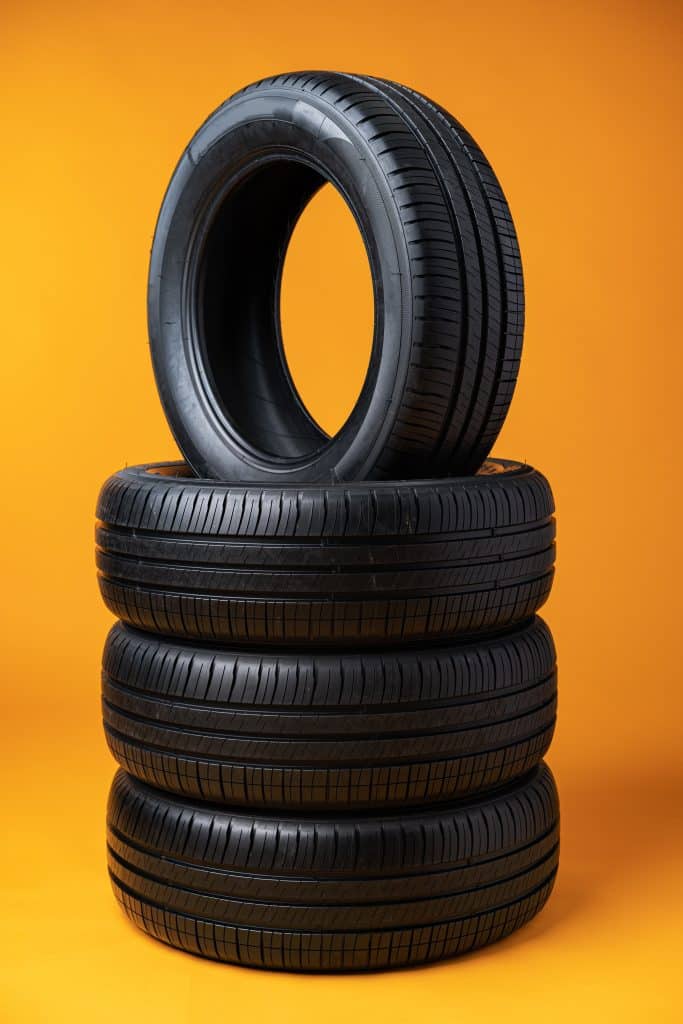
Tires are one of the few places on this list where frugal people don’t look for the cheapest option available.
A worn or unknown-history used tire is a genuine safety risk, not just a quality tradeoff, so this is one expense worth paying in full. Frugal people shop for a sale price on new tires instead, timing the purchase for whichever season tends to run cheaper.
4. Energy Leaks Nobody Chases Down
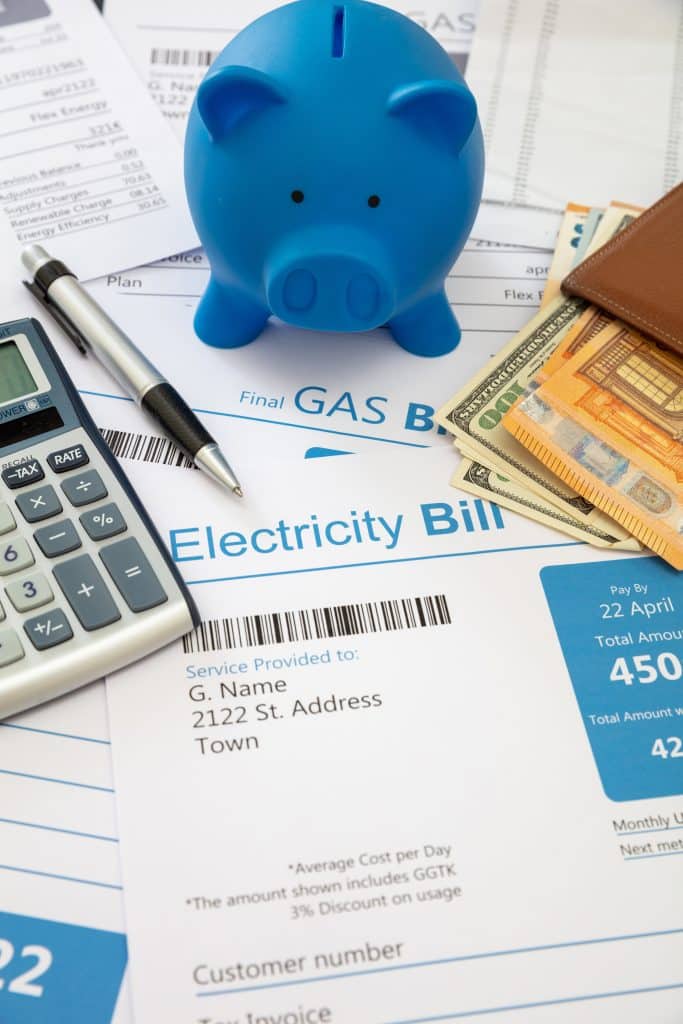
Drafty windows, an old thermostat left running on the same schedule year-round, a water heater set hotter than anyone needs: these leaks are invisible on the bill, but they show up in the total every single month.
Frugal people do a short seasonal walkthrough: checking seals, adjusting the thermostat schedule, and swapping in a few cheap fixes. It’s the same category as other weird money-saving habits that actually work.
The utility bill rarely lies about how a house is actually being run.

3. Groceries That Become Trash
A surprising share of a grocery bill ends up in the trash, not the stomach, once produce wilts and leftovers get forgotten in the back of the fridge.
Frugal people plan meals around what’s already in the house before buying anything new, and they treat food waste as a real line item, not an afterthought.
The upshot: the real grocery leak often isn’t at the register. It’s in the trash can three days later.

2. Subscriptions Hiding Inside Apps
A free trial inside an app quietly becomes a recurring charge, often billed through the app store instead of a bank statement, which makes it easy to lose track of entirely.
Frugal people check their phone’s subscription list, not just their bank statement, at least twice a year. A five-dollar charge that’s been running for two years adds up to more than most people would guess.
These are the easiest charges to forget, and the easiest ones to cancel, if someone actually goes looking for them.
1. Interest on a Balance They Never Meant to Carry
Every other expense on this list is a habit. This one is a math problem, and it’s the biggest one most households carry.
Carrying a credit card balance means paying interest that typically runs well into the double digits annually, month after month, on top of whatever was actually purchased. A television bought on sale for a good price can end up costing far more than sticker, once the interest is added up over a year or two of minimum payments.
Frugal people treat “I’ll pay it off eventually” as the most expensive sentence in personal finance. They pay off the balance completely, every month, even if it means buying less in the moment.
When a balance already exists, the fastest fix isn’t a hack. It’s picking the highest-interest card and throwing every spare dollar at it first, then moving to the next one, a method with a name but no magic to it. A handful of household money habits make this easier to stick to, mostly by making sure a balance never gets a chance to build again.
Every other item on this list saves real money. This one, left unchecked, can quietly erase all the savings from the other twenty-six combined.

The Short List
If all 27 feel like too much to tackle at once, three of these matter more than the rest.
Cancel the unused gym membership and the phone-app subscriptions hiding on autopay. Then attack any credit card balance still carrying interest, since it’s quietly working against every other change on this list.
None of this requires a dramatic lifestyle change. It just requires asking, item by item, whether an expense is actually necessary or just familiar.
For more of the same thinking, see which “bad” money habits financial advisors actually say are fine, and which warehouse club buys aren’t worth the membership in the first place.