27 Things Frugal Grandmothers Never Threw Away
Some links may be affiliate links. We may earn a commission at no extra cost to you. View our full disclosure.
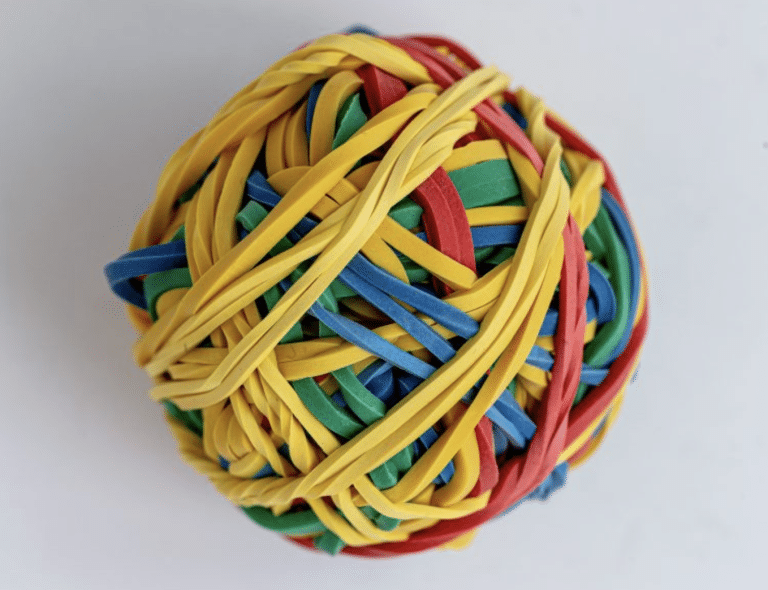
My grandmother had a drawer just for rubber bands. Not a junk drawer. A rubber band drawer, sorted loosely by size, because you never knew when a good thick one would save you a trip to the store.
I used to think that was a quirky old habit. Now I think it was a quiet form of financial literacy that never got written down anywhere.
None of this was about hoarding. It was about a generation that grew up assuming things had a second use before they had a trash can waiting for them.
We buy replacements for things that still work. She never did, and her monthly costs showed it.
Here are 27 things frugal grandmothers never threw away, counted down to the one that says the most about how she actually thought about money.
27. Newspaper
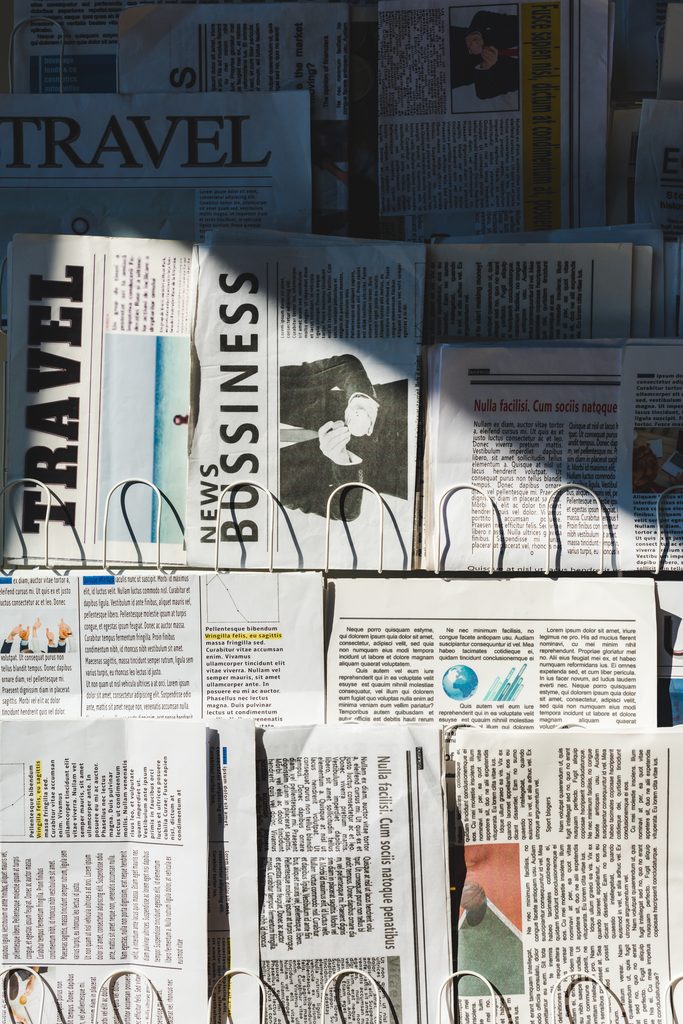
Newspaper wrapped fragile dishes for a move. It lined the bottom of a birdcage or a litter box.
Crumpled up, it cleaned windows better than paper towels ever did, and it cost nothing extra since the paper was already coming through the door.
Most homes do not get a daily paper anymore, so this one is mostly gone by circumstance rather than choice. It is still worth remembering that a free byproduct of one habit can quietly replace a purchase for another.

26. Paper Grocery Bags
Paper bags became book covers, lunch sacks, and kindling for the fireplace. Flattened, they lined a kitchen drawer or padded a package going in the mail.
She never bought a roll of shelf liner when a few grocery bags did the same job. That is not a stretch, it is just noticing what is already in the house.
A lot of things that used to come free now show up as a line item somewhere. Bags are one of the smaller ones, but they add up the same way the bigger ones do.
She was building a mini supply closet out of packaging other people threw away.
25. String and Twine
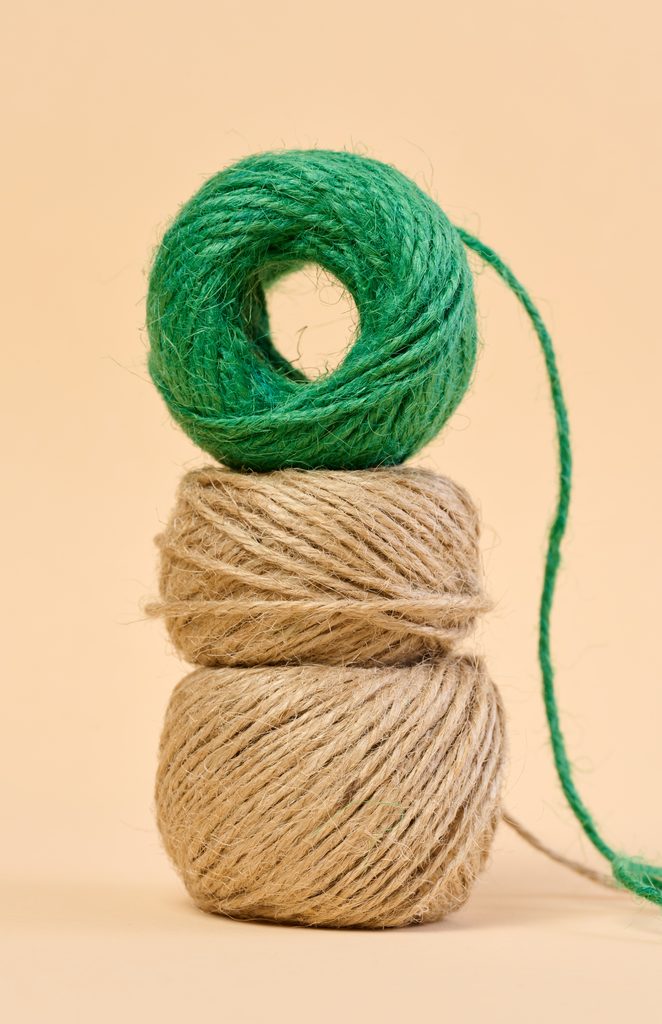
Every gift ribbon got untied, not cut, so the string could go back in the drawer for next time. A ball of kitchen twine tied roasts, staked tomato plants, and bundled newspapers for recycling.
It sounds like nothing until you price out a roll of butcher’s twine at a kitchen store and realize she never bought one in thirty years.
Worth remembering: a saved length of string is a tool, not clutter, right up until the day you need one and don’t have it.
24. Butter Tubs and Plastic Containers
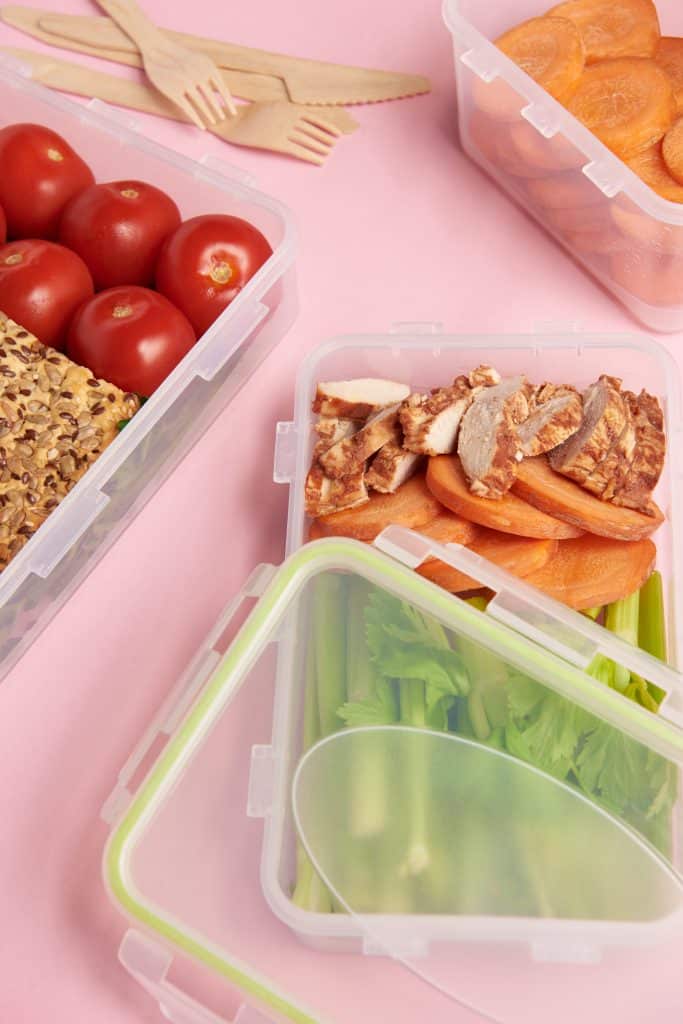
Every kitchen had a cabinet where the tubs outnumbered the lids two to one. Soup went in a margarine tub. Leftovers went in a cottage cheese container.
A matching set of storage containers from the store was a purchase she quietly never made, because the containers already existed inside the food she’d bought anyway.
If you’re still tossing these into the recycling bin without a second thought, this is the kind of thing that shows up on lists of household items people are replacing way too soon.
23. Coffee Cans
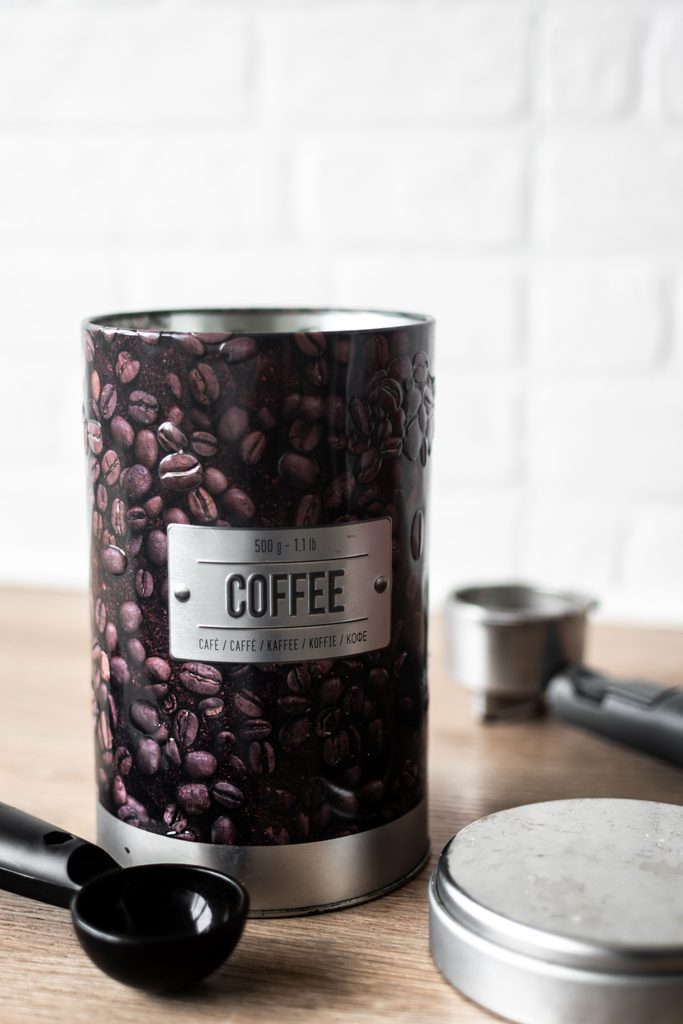
A metal coffee can with a plastic lid became a bank for loose change, a container for nails and screws, or a pencil holder on a desk.
Bigger ones got planted with herbs on a windowsill. It was sturdier than most of what you’d pay for at a hardware store, and it had already been paid for once.
A container is a container, whether or not it came with a price tag attached the second time.
22. Shoe Boxes
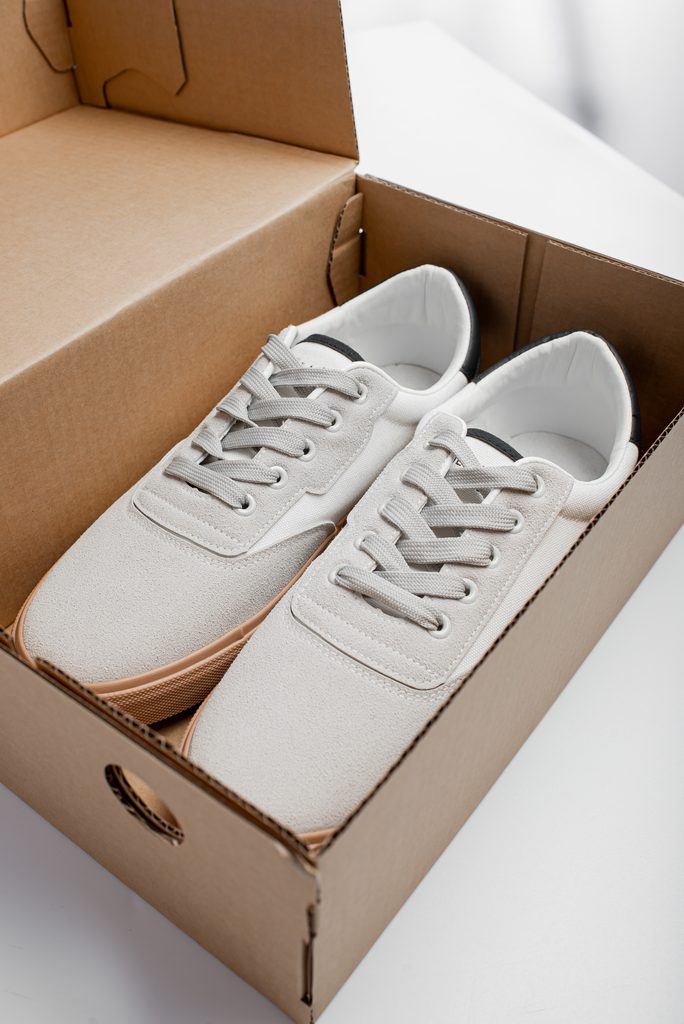
Shoe boxes held photographs, receipts, sewing supplies, and whatever else needed a lid and didn’t need to be seen. Stacked in a closet, they were free organization that never showed up on a budget line.
Every plastic storage bin sold today is solving a problem a cardboard box already solved for free, just with sturdier corners. It’s the same drawer that once held whatever counted as the essentials of a kid’s bedroom decades ago, just repurposed.
The math: a box you already own beats a box you have to go buy, almost every time.
|
You might also like
18 Warehouse Club Buys Ranked: What's Worth It in Bulk (And What Never Is) →
|
21. Greeting Card Fronts
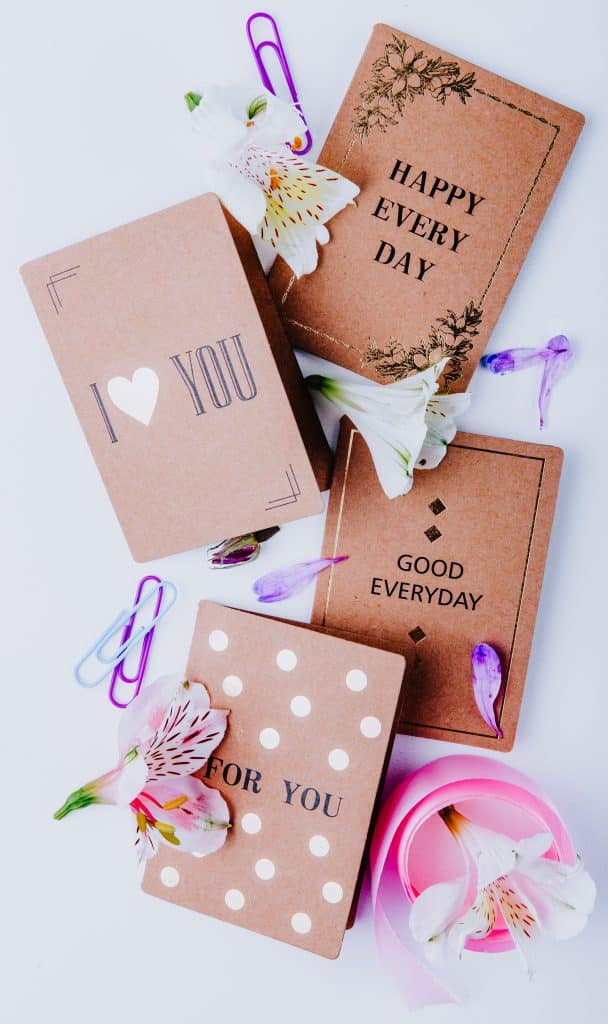
The front of a birthday card, cut off from the message inside, became next year’s gift tag. A whole box of them sat in a drawer for exactly this reason.
It meant she almost never had to run out for gift tags in a hurry, and gift tags at full retail price are one of those small purchases that adds up faster than people expect.
Cards bought at the last minute are a classic example of one of the “normal” expenses frugal people just refuse to pay, mostly because they planned ahead by a few months instead of a few hours.
20. Aluminum Foil
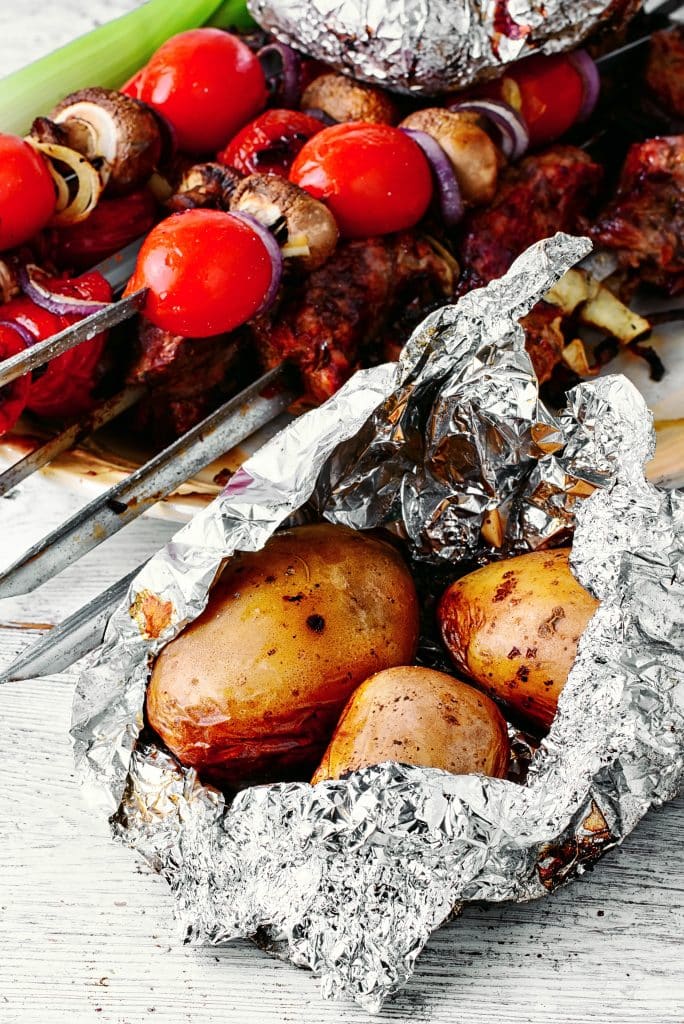
A sheet of foil got rinsed off, smoothed flat on the counter, and folded back into the box for round two. Sometimes round three.
It wasn’t glamorous, and it wasn’t quick, but a roll of foil that lasts twice as long is a roll of foil you buy half as often.
This is the kind of small habit that shows up all over lists of things people did in a kitchen from a few decades back that nobody thinks twice about today.
19. Broken Appliances Kept for Parts
A toaster that stopped working didn’t leave the house. It went to the basement, because the cord, the tray, or a single working screw might fix something else someday.
This is the one on this list I’d actually push back on a little. A basement full of dead appliances waiting on parts that never get used is not frugality, it’s clutter wearing a frugal costume.
Modern small appliances are often cheaper to replace outright than to source a single part for, and a lot of what fits the spirit of things that were actually built to last is worth repairing. The stuff that wasn’t built well in the first place usually isn’t.
Net effect: keep the parts worth keeping, and let the rest actually leave the house.
18. Glass Jars
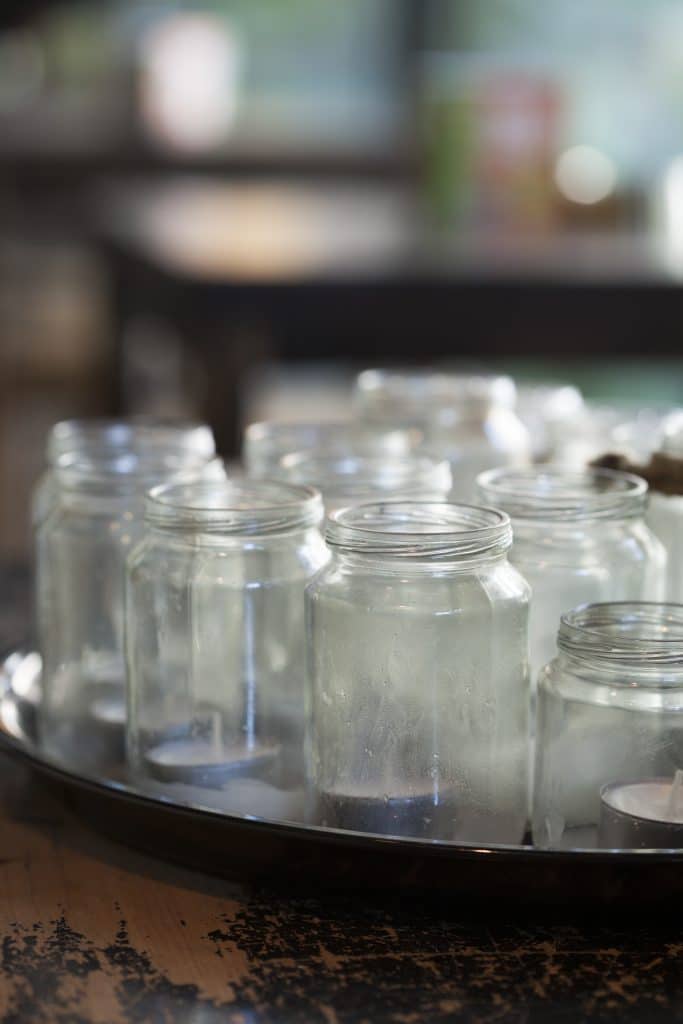
A jam jar rinsed out became a drinking glass. A pickle jar became a container for nails, buttons, or bacon grease, which is a whole other entry on this list.
An entire cabinet ran on jars that came free with something else. It’s basically the original version of the reusable glassware people pay extra for today.
Where this lands: the “save the good jars” instinct has genuinely aged well, even if it looked a little eccentric at the time.
17. Bread Bags and Twist Ties
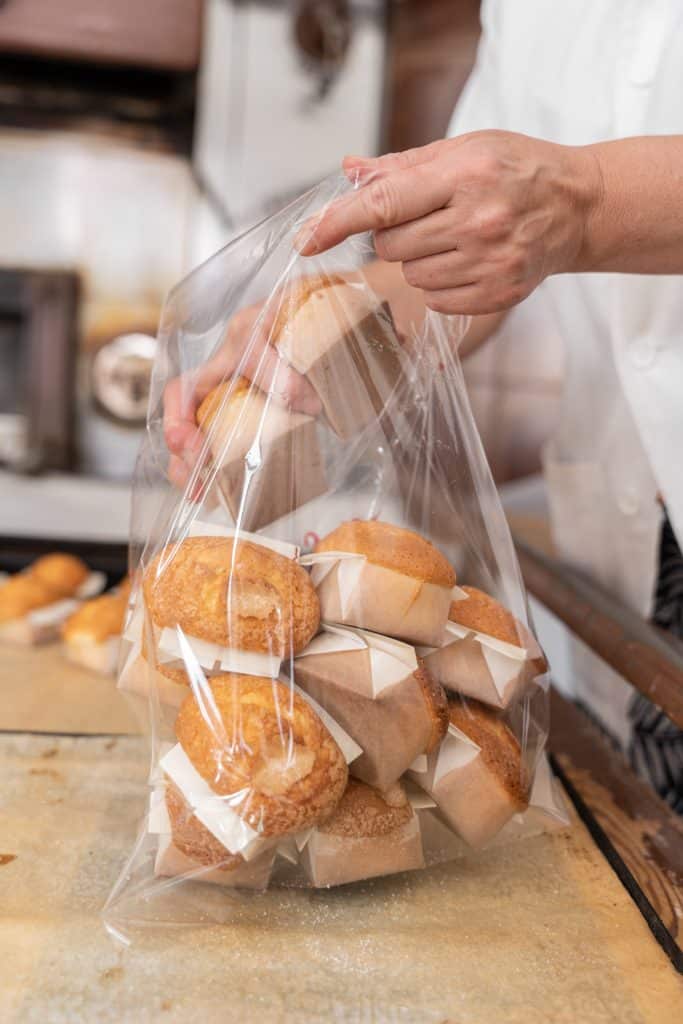
An empty bread bag got shaken out and reused for sandwiches, produce, or anything that needed to stay fresh in the freezer. The twist tie that came with it never got thrown away either.
Between the bag and the tie, that’s two purchases avoided from a loaf of bread she was buying anyway.
It’s a tiny example of the bigger pattern behind small money leaks quietly draining a budget, just running in reverse.
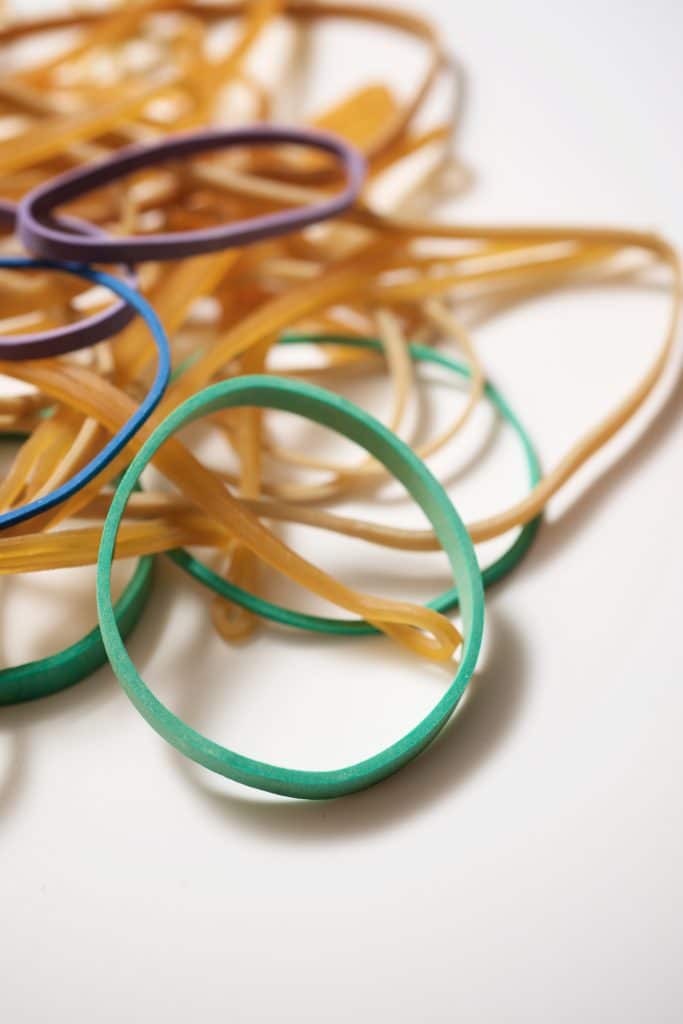
16. Rubber Bands
Every rubber band that showed up on produce, mail, or newspapers went straight into a drawer instead of the trash. There was always one within reach when a bag needed sealing.
A bag of rubber bands from the store costs a few dollars. Hers cost nothing, because they arrived attached to things she was buying regardless.
This is the same instinct behind saving twist ties, folding bags flat, and keeping every jar, none of it is dramatic on its own.
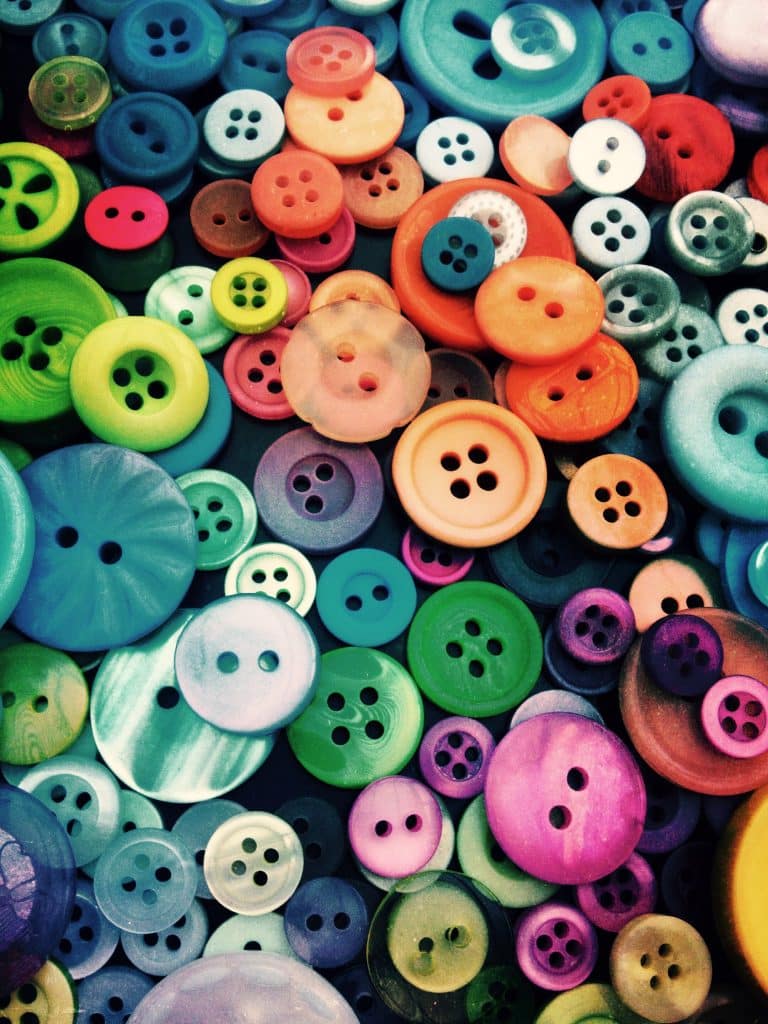
15. Buttons
Before a worn-out shirt got cut up for rags, the buttons came off first and went into a tin. When a new shirt lost a button, there was always a close match already sitting in the house.
Replacing a single button at a shop, when someone even still offers that service, can cost more than it seems like it should. It’s a small version of the bigger point behind household money habits worth breaking, just in reverse, this one was worth keeping.
The upshot: a five minute sewing fix beats a wasted shirt, and the button tin is what made that fix free.
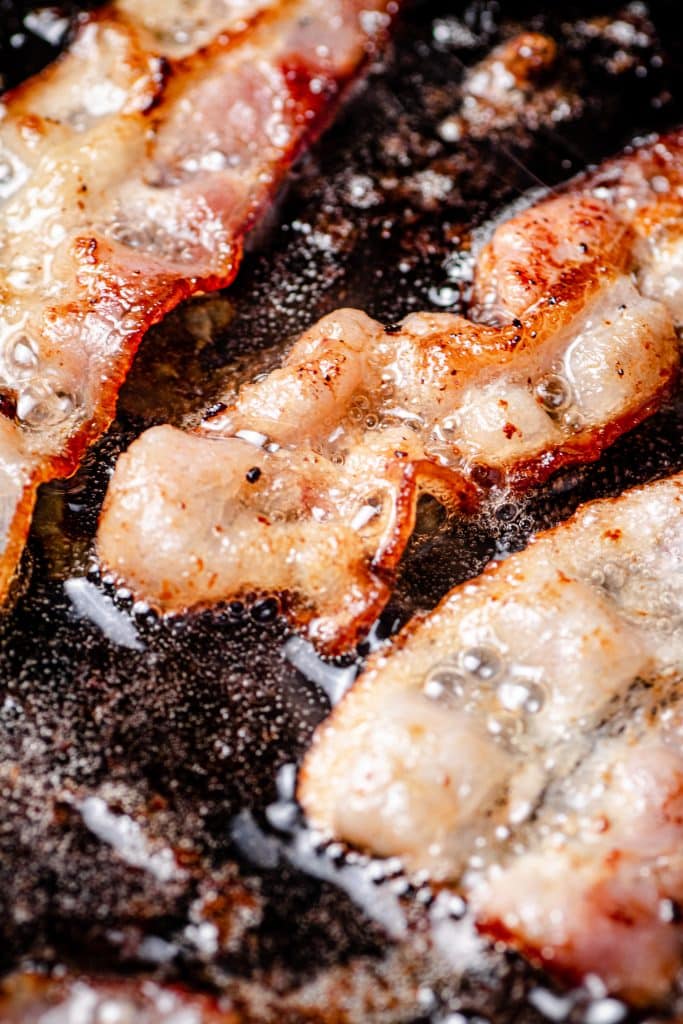
14. Bacon Grease
The grease from a pan of bacon got poured into an old coffee can or a jar, not the sink. It came back out weeks later for frying eggs, browning potatoes, or seasoning a cast iron pan.
It’s not for every diet, and that’s a fair modern update to make. But as a cooking fat that was already paid for twice, once for the bacon and once for the flavor, it made a certain kind of sense.
This kind of resourcefulness in the kitchen is a close cousin of the habits people describe in lists of “cheapskate” tricks that actually hold up.
| Keep Reading — 19 Things Smart Shoppers Always Buy Secondhand |
A Quick Pause Before We Keep Going
Thirteen items in, and not one of them was expensive to keep. That’s the pattern worth noticing before the list continues.
None of it required a special container, a labeled system, or a trip to a store for organizing supplies. It just required not throwing something out the moment its first job was done.
The next thirteen lean a little more into things you’ll actually recognize from your own house, and one entry near the very end where I think the “never throw it away” instinct genuinely goes too far.
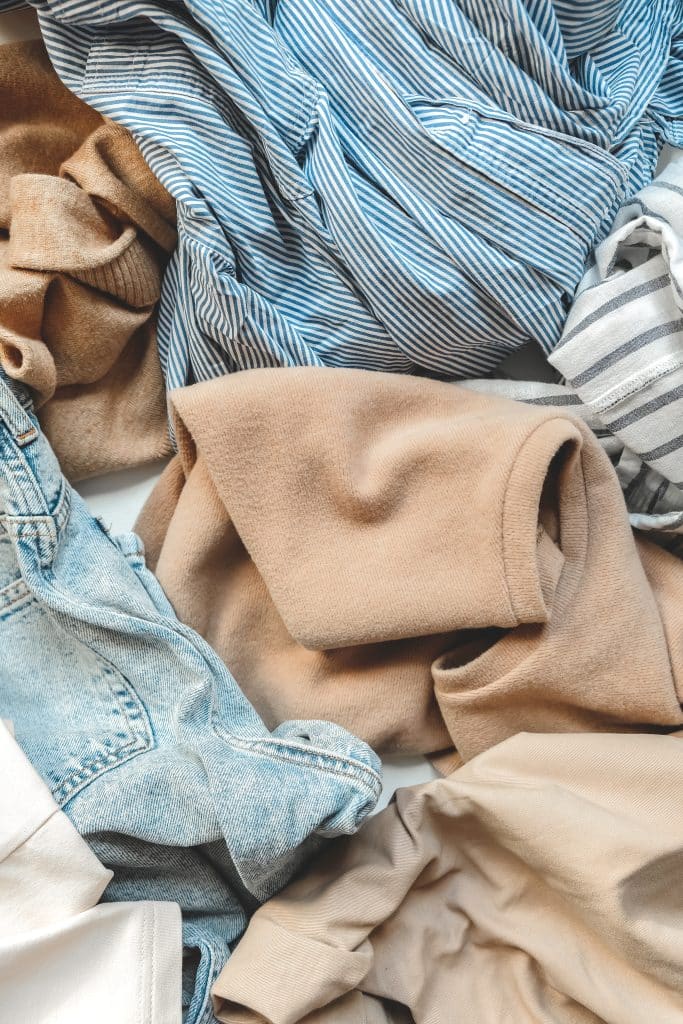
13. Old T-Shirts
A shirt too worn to wear in public still had plenty of life left as a rag, a car-washing cloth, or the inside lining of a homemade cushion.
Buying a pack of cleaning rags from the store was, in her mind, buying something she was about to throw away for free in a year or two anyway.
Old cotton is soft, absorbent, and already sitting in a drawer somewhere in most houses right now.
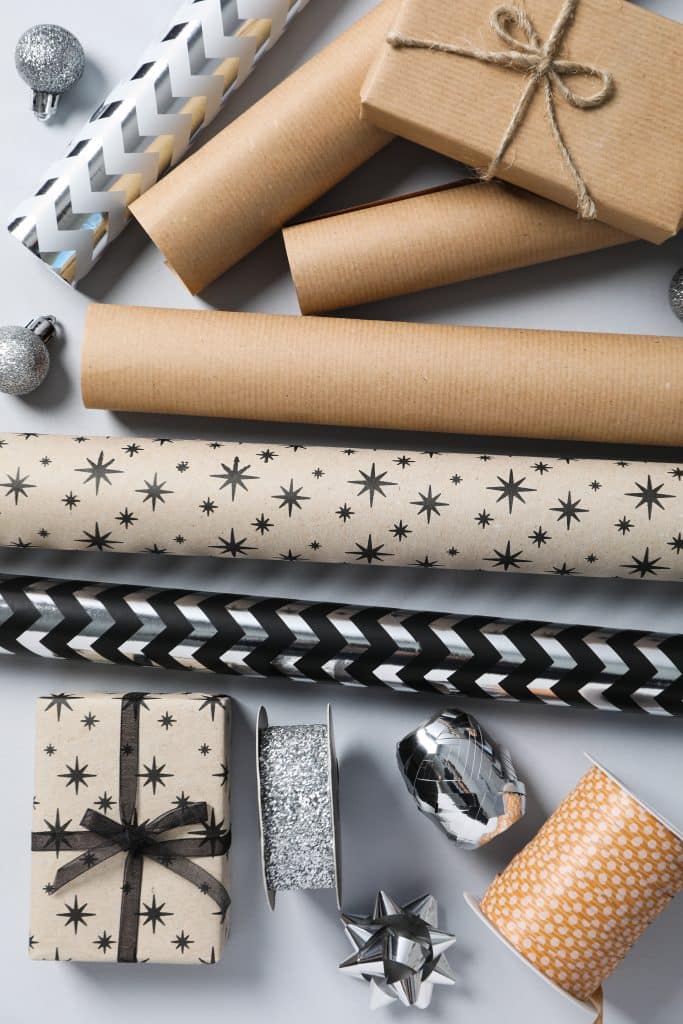
12. Wrapping Paper and Ribbon
Gifts got unwrapped carefully, tape lifted rather than torn, so the paper could be folded and used again next year. Ribbon got wound back onto a spool.
Holiday wrapping paper adds up fast if you’re buying it fresh every season for every gift, and a roll that survives three Christmases instead of one is a roll you’re buying a third as often. It’s one small piece of a bigger set of ways to make Christmas cheaper without anyone noticing.
Worth remembering: the wrapping was never the gift. Treating it like something disposable rather than precious was, in hindsight, the more honest way to see it.
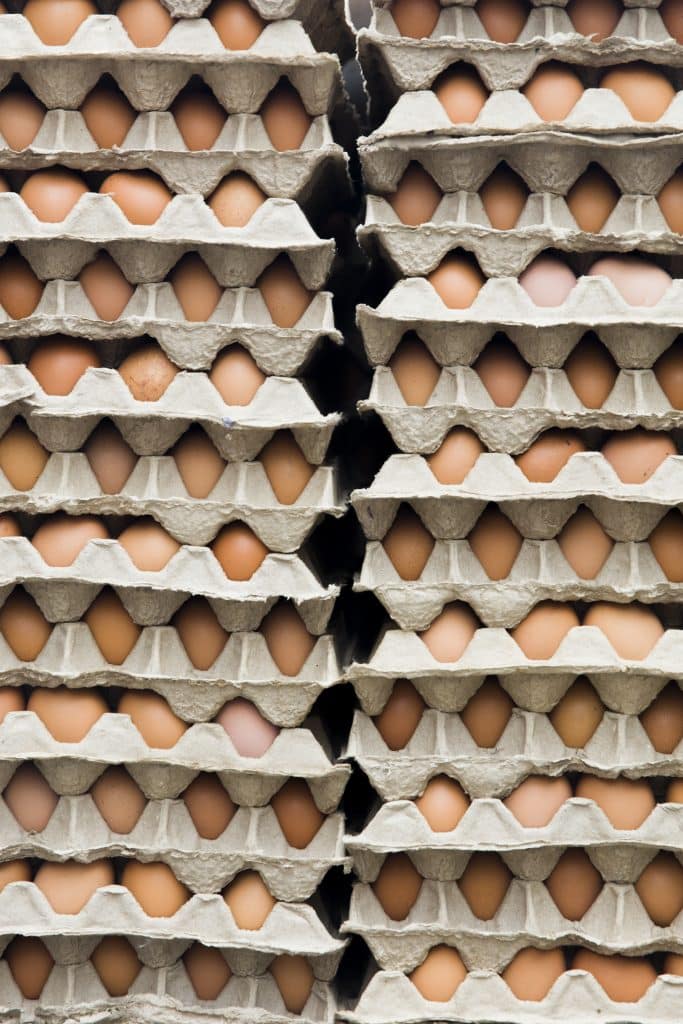
11. Egg Cartons
Empty egg cartons became seed starters for the garden, paint palettes for a kid’s art project, or storage for small ornaments packed away after the holidays.
If anyone in the house kept chickens, the carton went right back into circulation, which is its own kind of closed loop.
A specialty seed-starting tray at a garden center costs real money for something a carton already does for free.
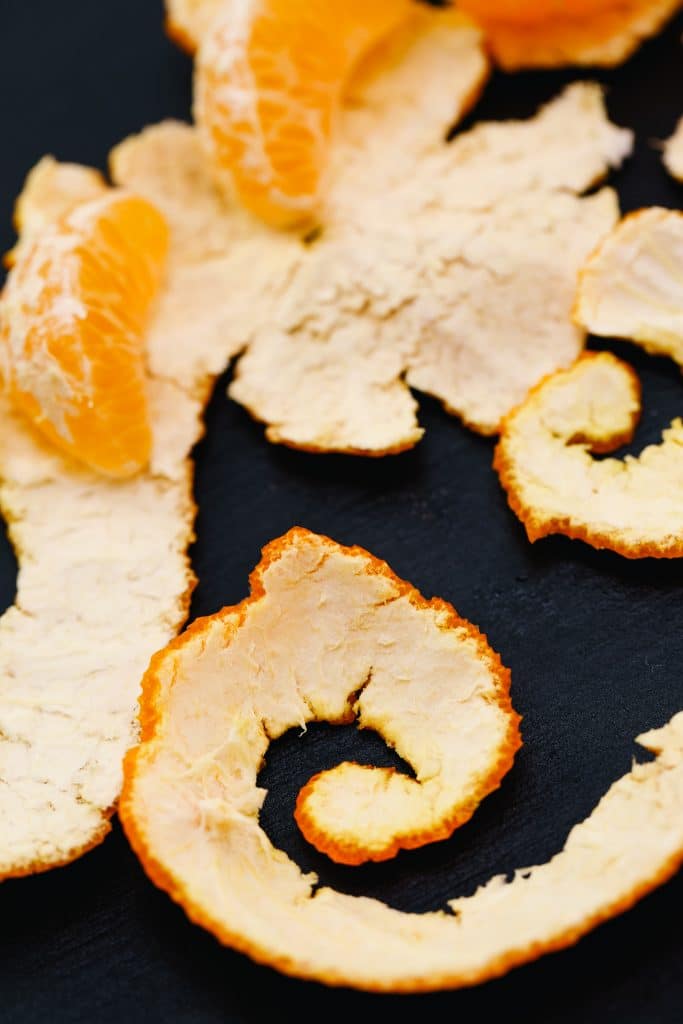
10. Citrus Peels
Orange and lemon peels dried on the windowsill, then got tossed into a drawer or closet as a mild, pleasant-smelling freshener. Nobody was buying scented sachets when the fruit bowl already provided one.
Some peels went into the compost pile, others into a simmering pot on the stove that made the whole house smell like something was baking, even when nothing was.
It’s the same principle behind so many of these habits, wringing a second use out of something you already paid for once.
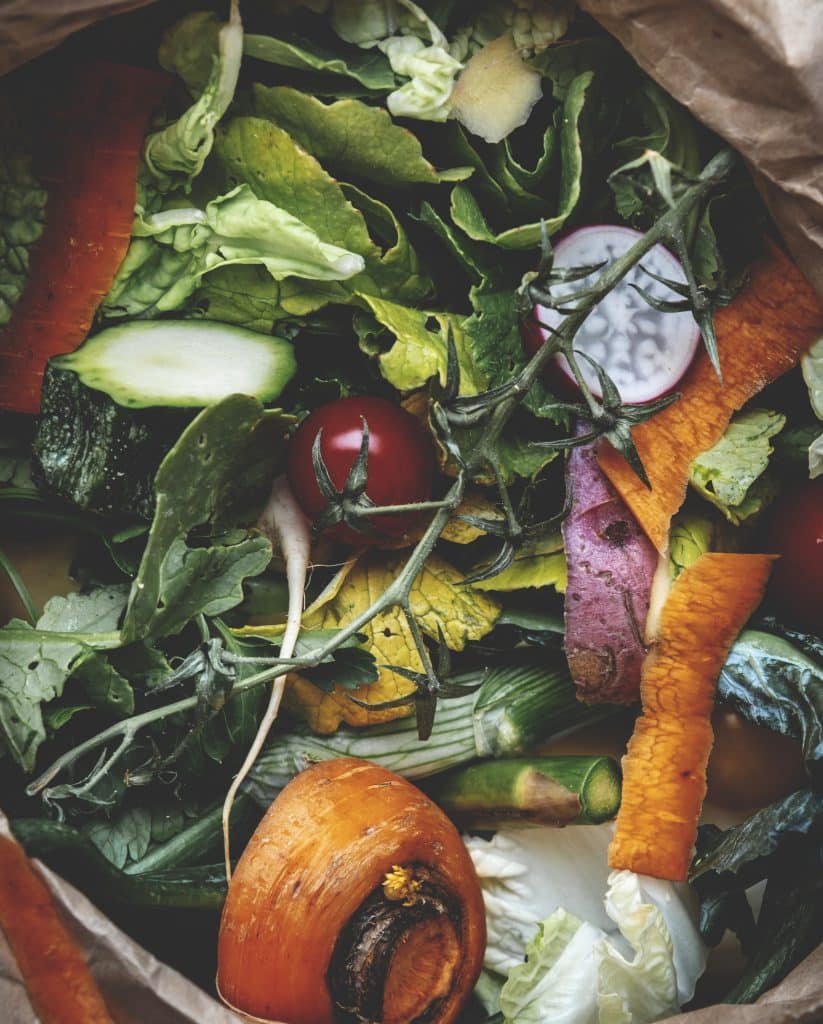
9. Vegetable Scraps
Onion skins, carrot ends, and celery leaves went into a bag in the freezer instead of the trash. Once that bag filled up, it became the base for a pot of stock that cost almost nothing beyond time.
Store-bought broth is a fine convenience, but it’s also a product built almost entirely from parts of vegetables most households already throw away. It’s one of those quiet habits people good with money tend to share without ever calling it a system.
Net effect: a freezer bag of scraps turns into dinner, and dinner turns into one fewer thing on the grocery list.
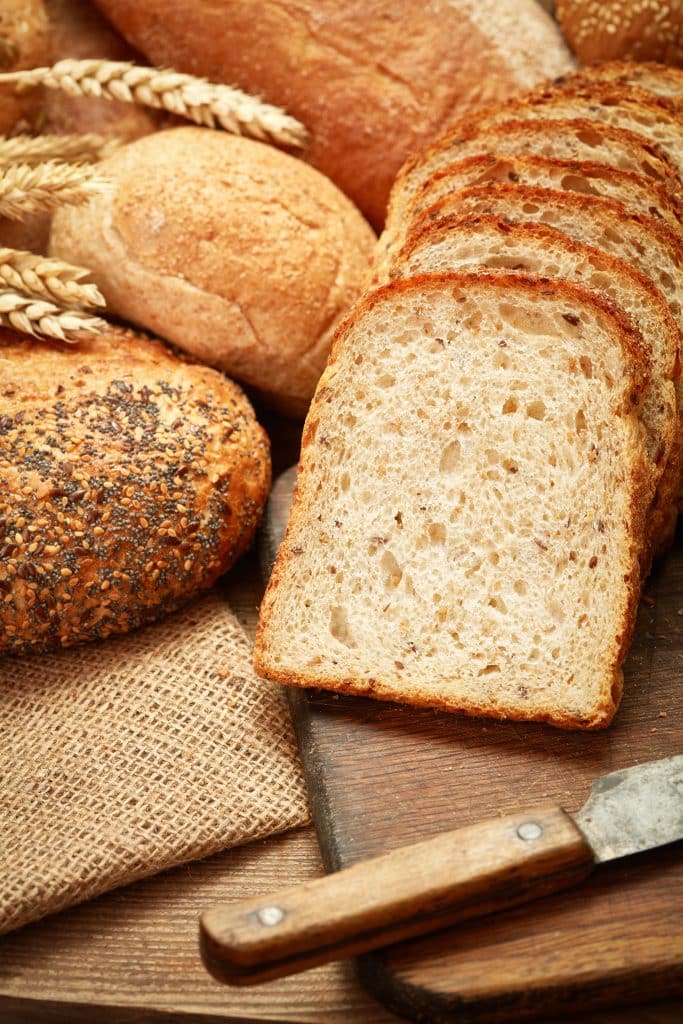
8. Stale Bread
A loaf gone stale didn’t leave the counter. It got turned into breadcrumbs, croutons, French toast, or the filling for a stuffing that only tastes right with bread that’s already a little dry.
A canister of store-bought breadcrumbs is a strange purchase when you consider what it’s actually made from, and how easily most households already have the raw material sitting on the counter.
It fits the same mindset behind so many of the things frugal people just refuse to buy, mostly because there’s already a version of it in the house.
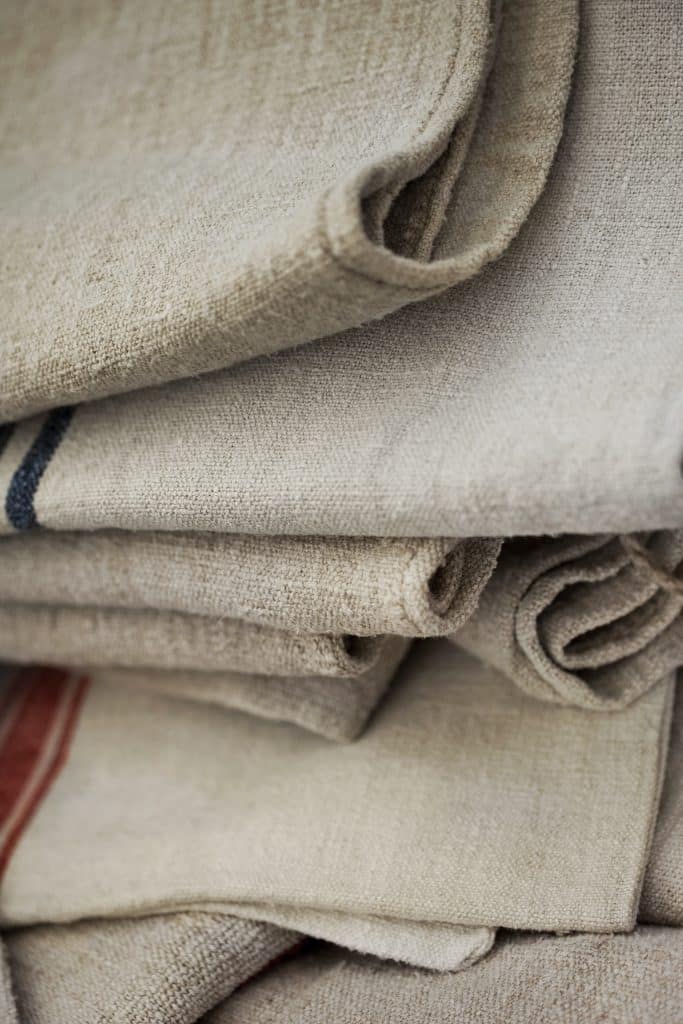
7. Worn Towels
A bath towel too thin to actually dry anyone off got demoted to the garage, the car, or the dog’s bed. Nothing with fabric left in it got tossed while it still had a job to do.
I’ll be honest here too, a rag pile can absolutely get out of control. If yours has more towels in it than you’ll use in your lifetime, buying nothing and donating the surplus is the more frugal move, not keeping every last one.
A reasonable rag drawer saves money. An entire closet of them is just clutter wearing a frugal costume, same as the appliance parts a few items back.
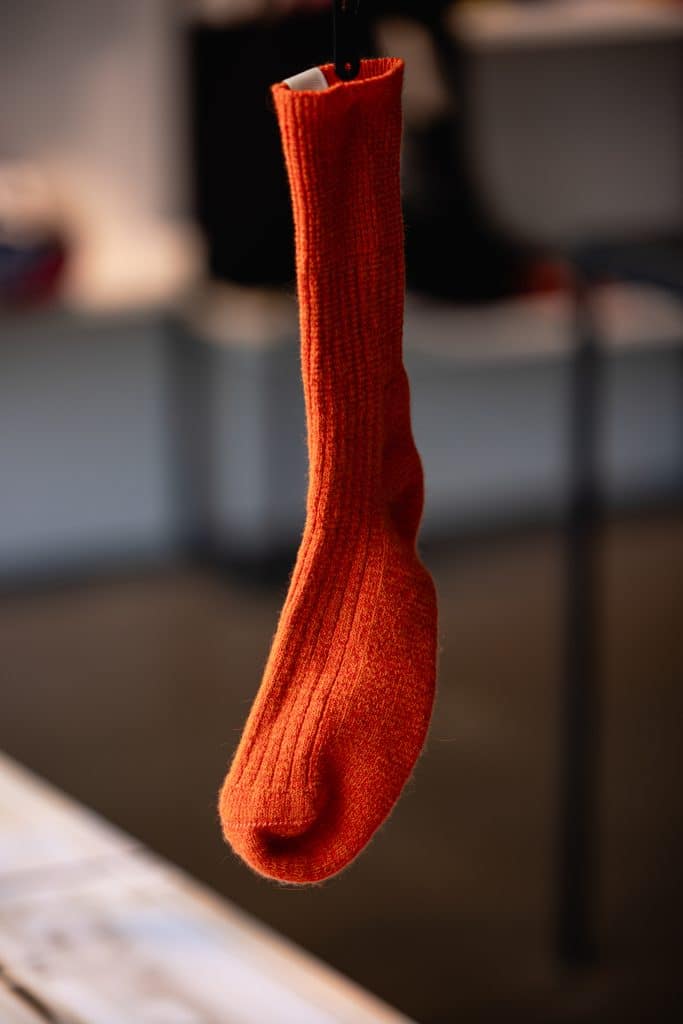
6. Single Socks
Every lone sock, orphaned somewhere in the wash, went into a bag instead of the trash. Slipped over a hand, it dusted furniture and blinds better than most store-bought cloths ever will.
|
Money Stuff
18 Things That Used to Be Built to Last (And How to Buy That Quality Today)
|
A pack of dusting mitts sold at a home goods store is, functionally, a sock with better marketing, one more entry on the long list of things people stopped buying once they got smart with money.
The math: free cleaning tool versus a purchased one that does the exact same job, and the free one wins every time.
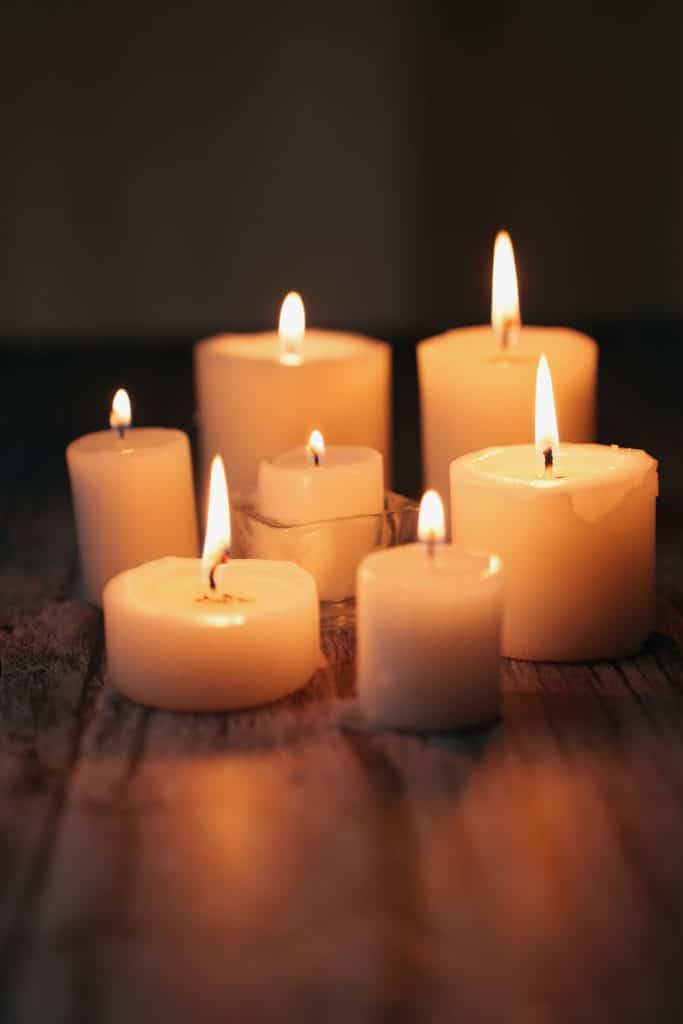
5. Candle Stubs
Once a candle burned down to a nub too short to hold a wick upright, it didn’t go in the trash. It went into a small bag, waiting to be melted down into a fresh candle whenever there were enough stubs to matter.
It took effort most people would rather skip today, and that’s fair. But a candle you made from scraps you already owned is a candle you didn’t buy new.
Small habits like this show up throughout lists of weird money saving habits that quietly work, mostly because nobody expects them to matter until they do.
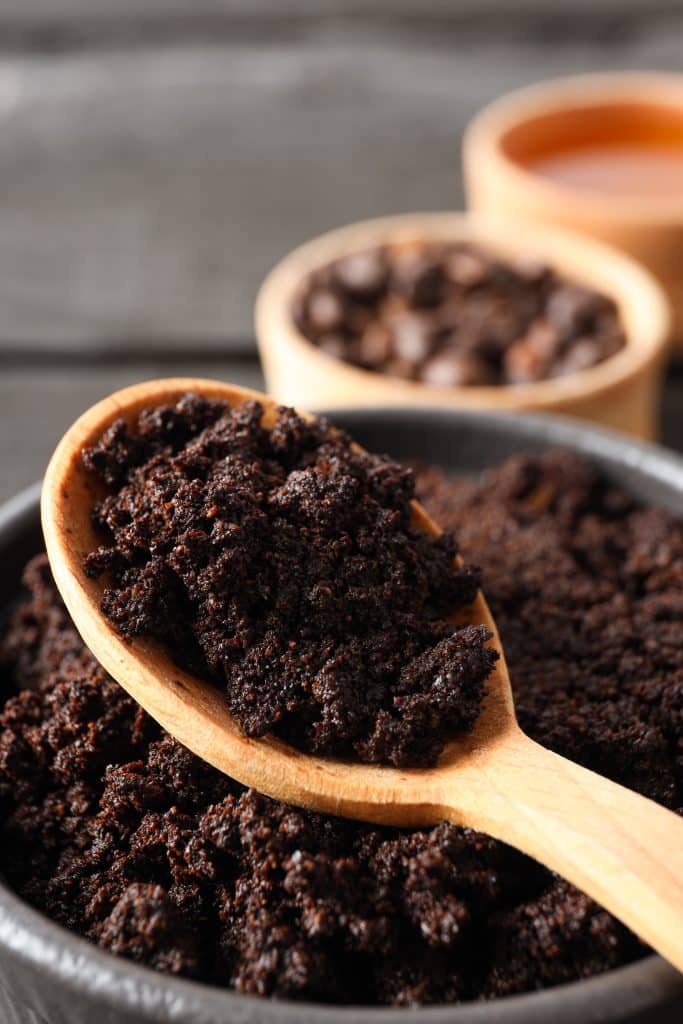
4. Coffee Grounds
Used coffee grounds went into the garden, worked into the soil around roses and tomatoes. A dry bowl of them near the sink absorbed cooking odors, no aerosol can required.
A canister of grounds already headed for the trash becomes fertilizer, deodorizer, or an occasional scrub for stuck-on pans, all without another purchase.
Something you were going to throw away anyway doing three more jobs before it finally leaves the house is a pretty good return on a cup of coffee.
3. Soap Slivers
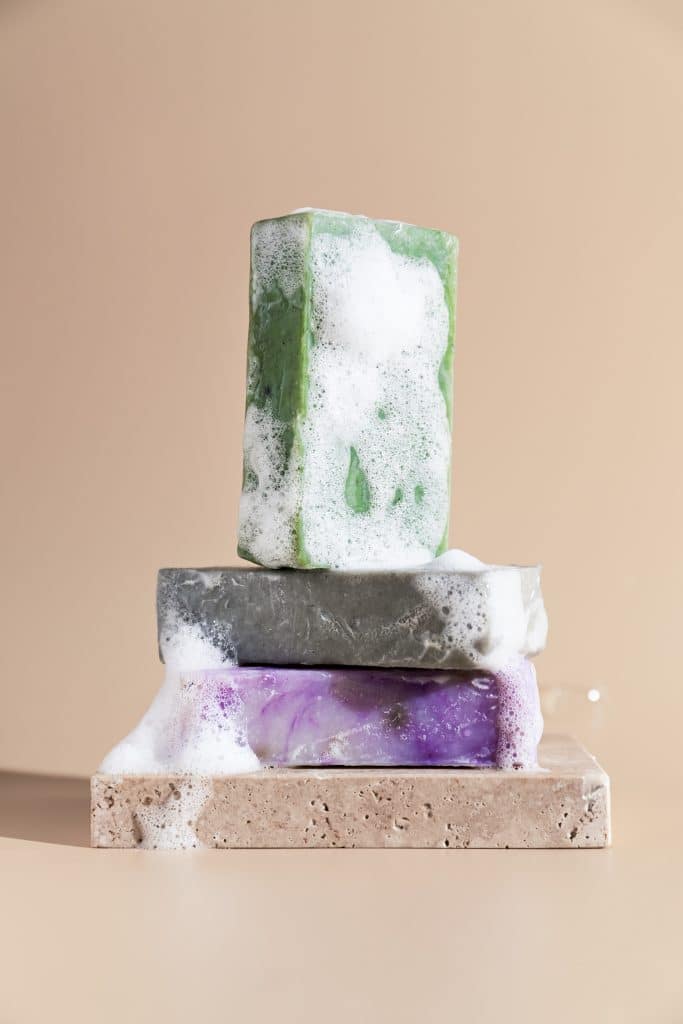
A bar of soap worn down to a sliver never made it into the trash. It went into a small dish, waiting to be pressed onto the next fresh bar, or softened in a bit of water and reshaped into a new bar entirely.
A whole bar’s worth of soap can hide in the slivers most people throw away over the course of a year without ever noticing.
It is a small thing, and it looks a little strange the first time you see someone do it. It also means one less bar bought at the store, which was always the point.

2. Hand-Me-Down Clothes
Clothes moved down a chain of cousins, neighbors, and church friends until they genuinely couldn’t be worn anymore, and even then the fabric had one more use waiting in the rag pile.
There was no stigma attached to it the way there sometimes is now. It was simply what you did before something wore all the way through.
A closet full of clothes that already had one owner is a closet full of money that never left the family.
1. The Cookie Tin
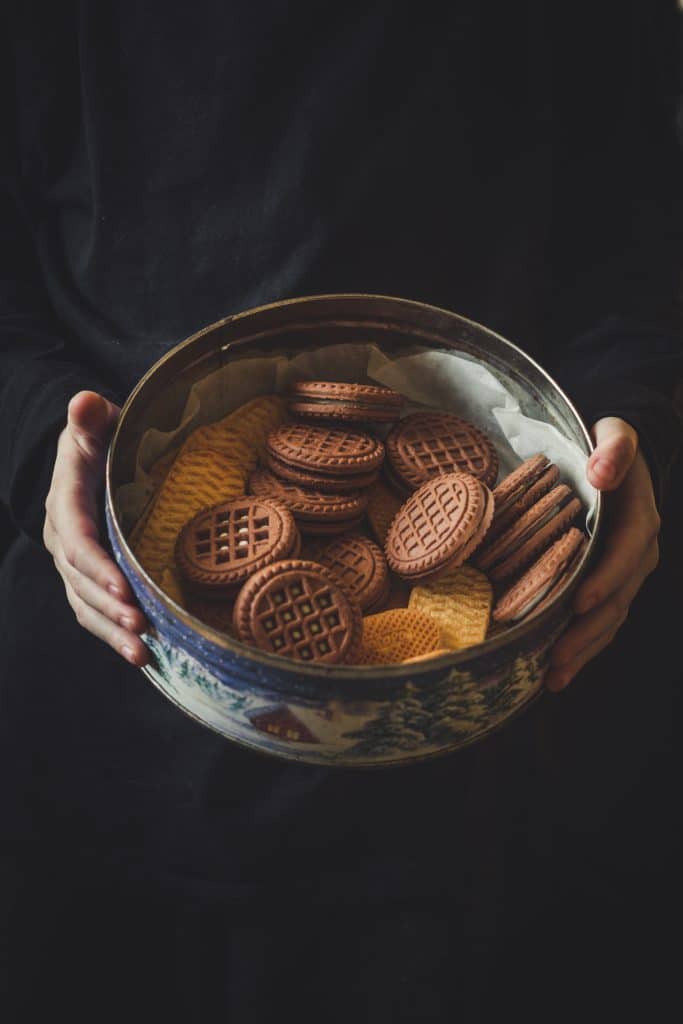
This is the one that says the most, and almost every family has a version of it. A holiday popcorn or cookie tin, metal, with a picture of a snow scene on the lid, arrived once as a gift full of butter cookies.
It never went back to holding cookies again. It became the sewing tin, or the button tin, or the place where every loose photo and receipt and spare key ended up living for the next twenty years.
What made the cookie tin the perfect symbol wasn’t the tin itself. It was that she looked at a container built for one single use, holding cookies for a few weeks around the holidays, and saw a lifetime of storage sitting right there for free.
That’s really the whole list in one object. Not a rule about never spending money, just a habit of asking whether something in front of you could keep doing a job before assuming you needed to buy the next thing that did it.
Where this lands: the tin outlived the cookies by decades, and so did the thinking behind it. Some of those old sayings make a lot more sense once you look at what grandma’s proverbs were actually telling us all along.

What Grandma Was Really Teaching Us
None of this was about being cheap for its own sake. It was about noticing that most things have a second job hiding inside them if you don’t throw them out the second the first job ends.
Some of it holds up perfectly today, the jars, the buttons, the vegetable scraps turning into dinner. Some of it, like a basement of appliances waiting on parts nobody ever uses, is a reminder that the habit can tip into clutter if nobody checks it.
If you only pick up a few of these, the jars, the scraps, and the button tin will get you most of the way there without turning a closet into a museum.
The rest of it was never really about the objects anyway. It was about paying attention before something left the house for good, a habit that’s worth keeping whether or not you still have a rubber band drawer.