27 Things Every 90s Kid’s Bedroom Had (That You’d Never Buy Now)
Some links may be affiliate links. We may earn a commission at no extra cost to you. View our full disclosure.
Open a box of stuff from a 90s kid’s old bedroom and you can date it almost to the year.
The lava lamp. The beaded curtain. The stack of jewel cases with the hinges already cracked.
None of it was expensive at the time. That was kind of the point, it was cheap enough that a kid could ask for it and a parent could say yes without much of a fight.
Looking back at it now with an adult’s sense of money, a lot of it was also a small, steady drain. Batteries, replacement bulbs, blank tapes, the occasional broken lamp that had to be replaced before the next sleepover.
This is a walk through 27 of those bedroom fixtures, in reverse order, with an honest look at whether you’d actually spend money on the equivalent today. Some genuinely hold up. Most, once you do the math, do not.
A few of these connect to bigger patterns worth reading on their own, like the way the snacks in the pantry quietly changed right along with the decor, or how dinner itself looked different back when a bedroom full of this stuff was considered normal.
Count them off with me. #27 starts the list, #1 is the item that explains everything else on it.

The Nostalgia Tax
Add up everything so far and you’re not looking at one big purchase, you’re looking at a dozen small ones stacked on top of each other.
That pattern shows up everywhere, not just in old bedrooms. It’s basically the same story behind the small money leaks quietly draining a bank account today, just with different props.
Plenty of it also traces back to everyday things that used to be free and quietly aren’t anymore, batteries and bulbs included.
The next stretch of items keeps going, and a couple of them genuinely still hold up. Worth reading the honest ones as closely as the obvious ones.
27. The Lava Lamp
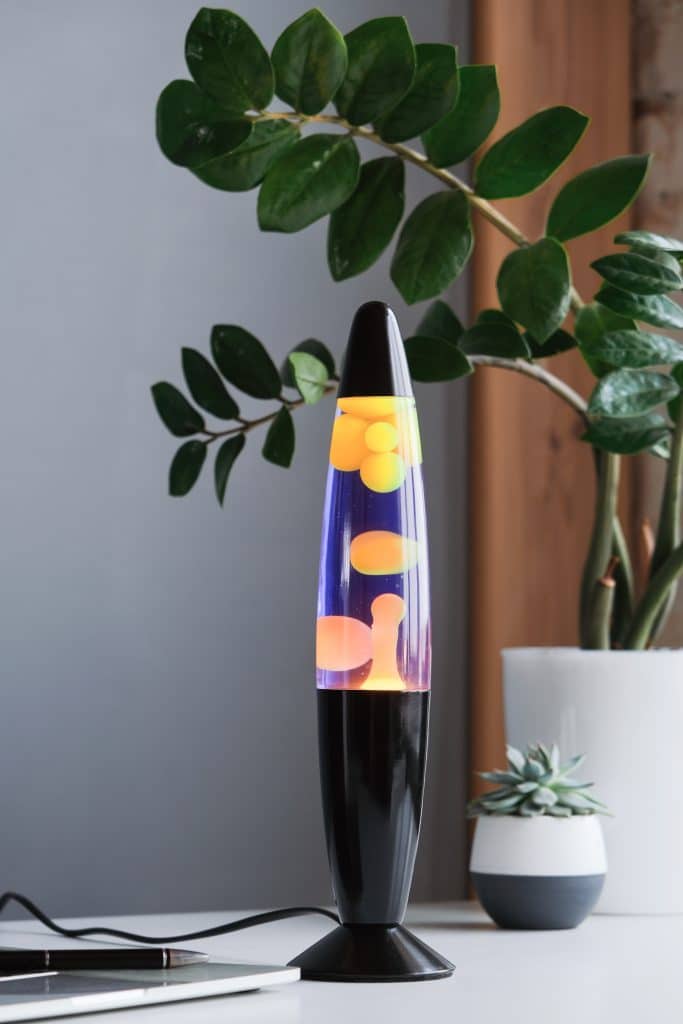
Every bedroom had one, usually sitting on a dresser next to a stack of cassette tapes. It took a full hour to warm up and looked cool for about ten minutes at a time.
The bulb inside ran hot and burned out fast, and a replacement bulb wasn’t cheap for what it was. Buy one today and you’re paying a premium for a nightlight that needs its own warmup routine.
It’s a decoration that asks for more patience and more upkeep than almost anything else on a dresser.

26. The Beaded Curtain in the Doorway
It clicked and clattered every time anyone walked through, and within a month a few strands had already snapped and needed retying.
It didn’t block sound, didn’t block light, and didn’t actually do anything a real door didn’t already do better.
The math: A curtain that announces every entrance and exit isn’t privacy, it’s a doorbell you paid for.

25. The Sports Pennant Collection
Every team got one, and they went up on the wall with thumbtacks that left a hundred tiny holes behind by the time the kid moved out.
Felt pennants faded fast under direct sun, and most ended up rolled in a closet within a couple of years anyway.
It’s the same drawer-clutter instinct behind the stuff every 80s kitchen had that nobody buys anymore, just moved from the kitchen to the wall.
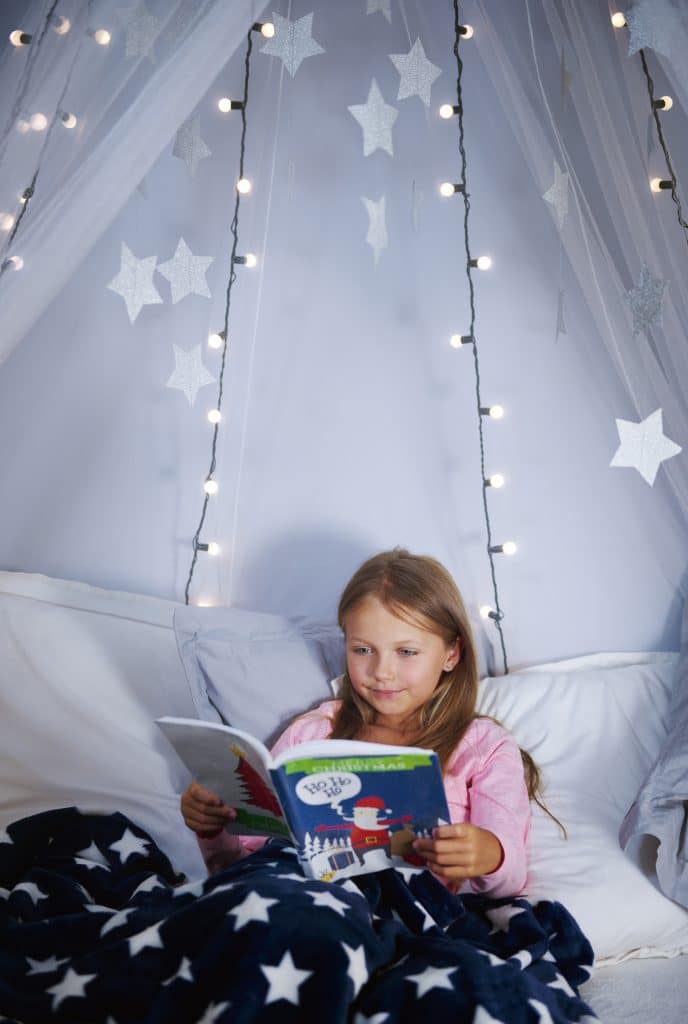
24. The Glow-in-the-Dark Star Stickers on the Ceiling
A full pack covered maybe half a ceiling, so most kids ended up buying two or three packs to actually fill the sky they wanted.
The glow faded to almost nothing after nine or ten at night, long before the kid actually needed it.
Getting them back down without pulling paint off the ceiling was its own small project for whoever moved out.
A one-time purchase that quietly turned into three, for a light show that mostly worked during the first hour of sleep.
| Keep Reading — 17 Christmas Traditions That Cost Almost Nothing (And Are the Ones Kids Remember) |
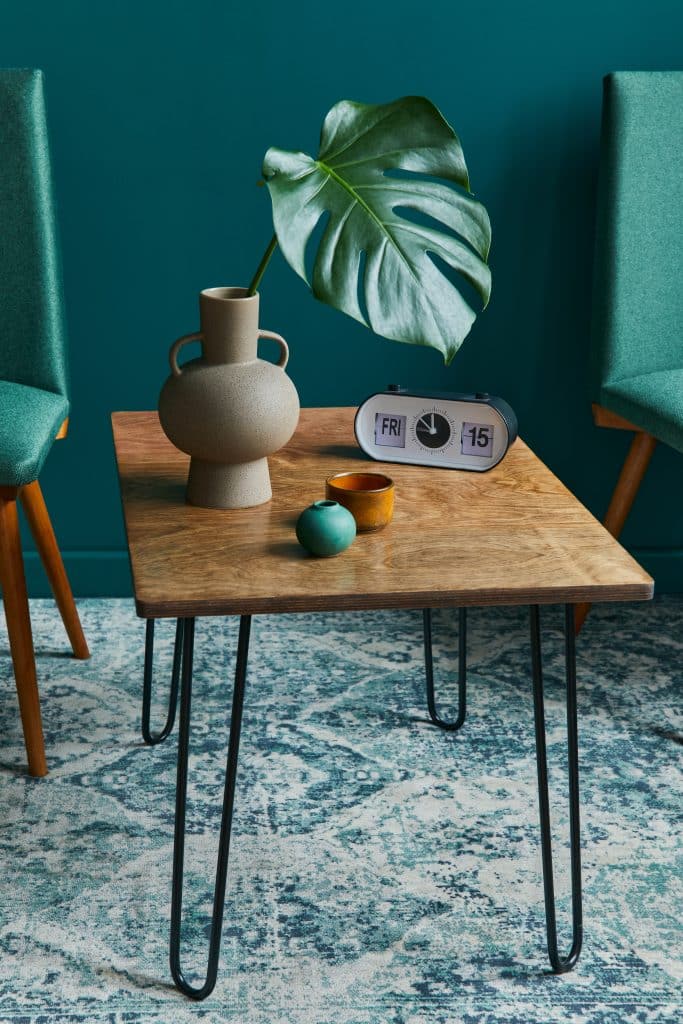
23. The Alarm Clock Radio
It sat on the nightstand doing exactly two jobs, telling the time and playing the radio, and it did both of those jobs fine.
The catch was replacing it every time the display started blinking twelve after a power blip, which happened more than anyone liked to admit.
Worth remembering: A phone on a nightstand now does both jobs for free and never blinks twelve after a storm.
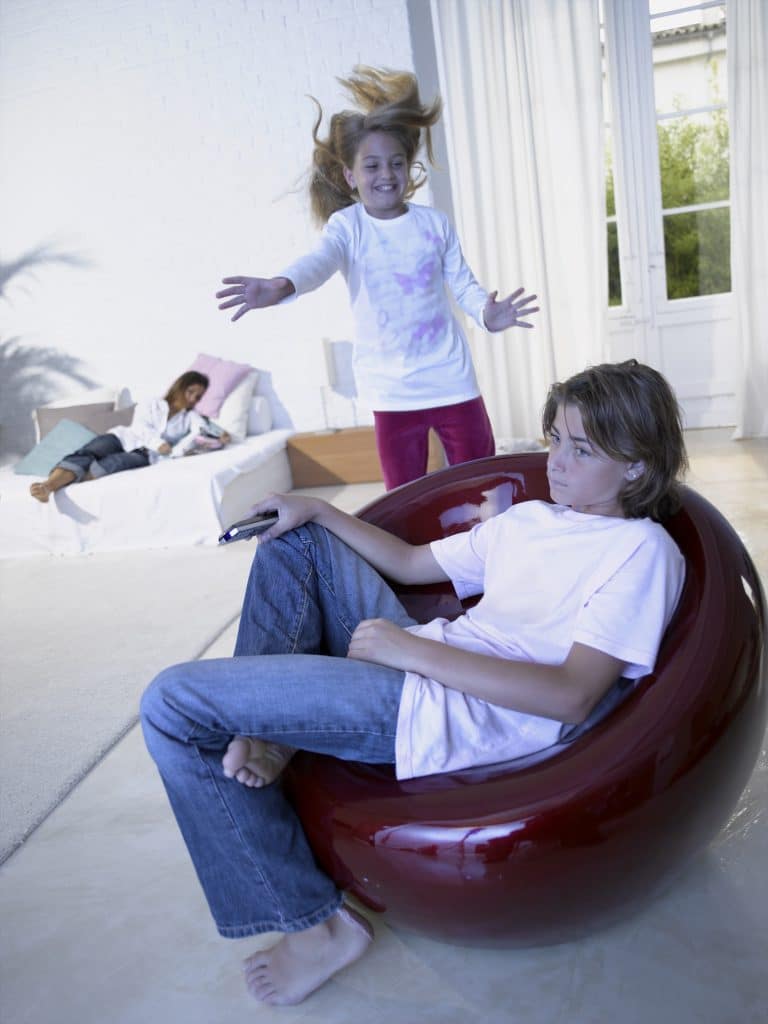
22. The Inflatable Chair
It looked like the future of furniture in the catalog and lasted about as long as a pool toy in real life.
One sharp corner, one stray pen, and the whole thing went flat overnight. Most kids were on their second or third by the end of a single school year.
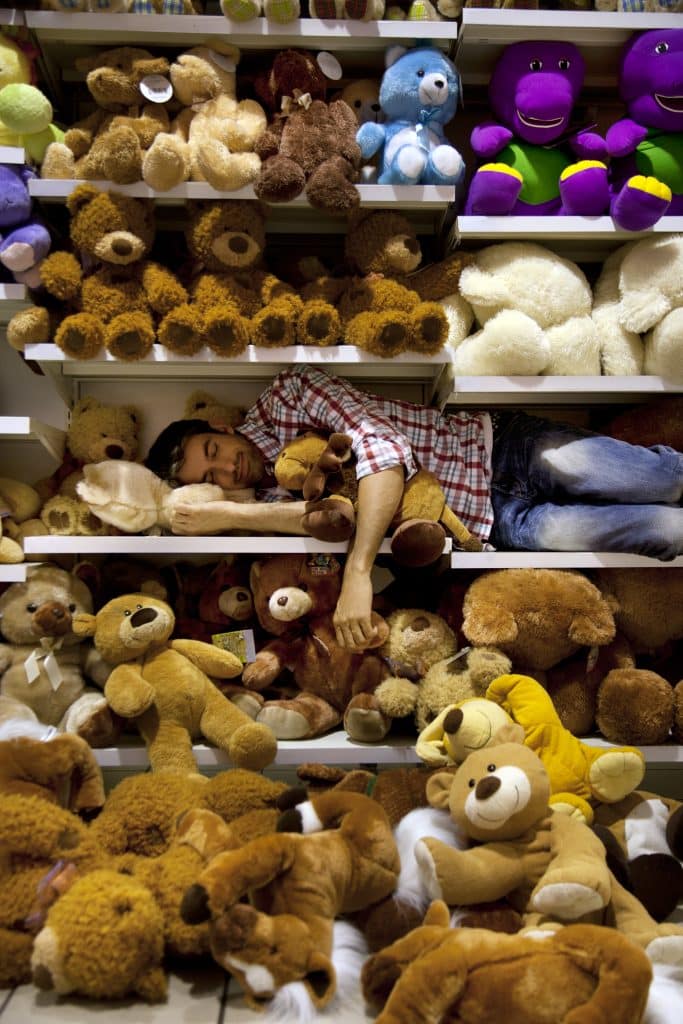
21. The Stuffed Animal Collection You Never Actually Gave Up
By middle school it was technically embarrassing, so the collection migrated to a shelf instead of the bed, but it never actually left the room.
New ones kept arriving anyway, mostly from claw machines and carnival games, at a price per toy that was almost always higher than buying the same thing off a shelf.
The shelf version costs just as much as the bed version, it just looks a little more grown-up.
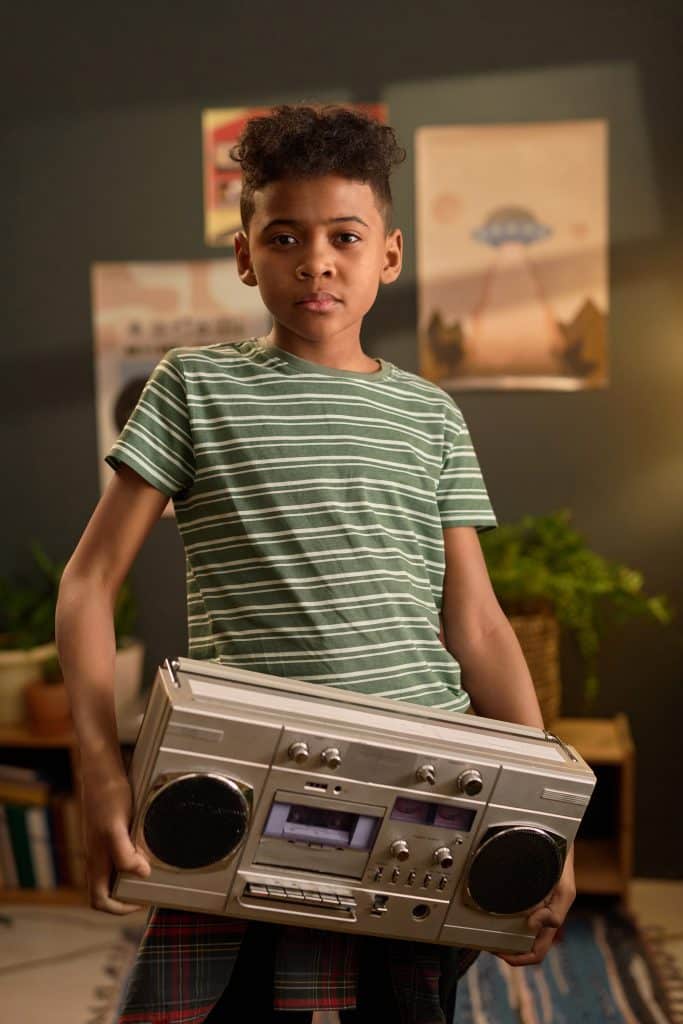
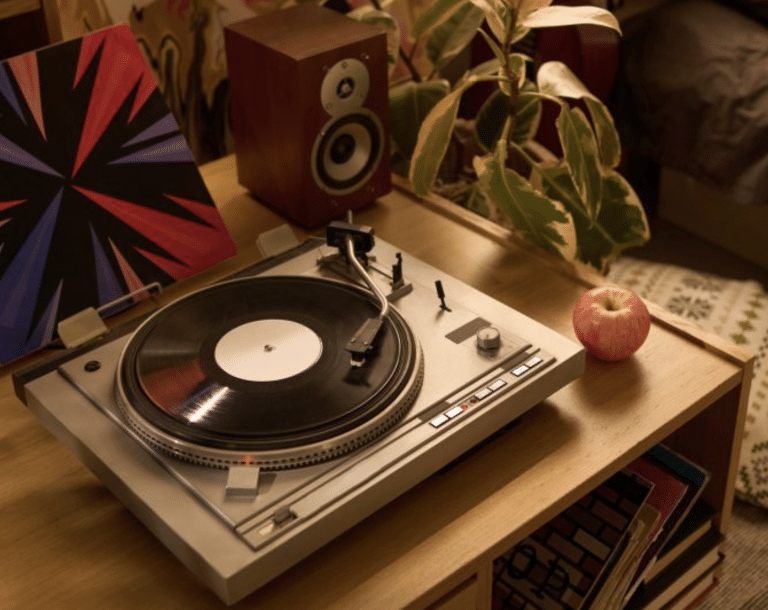
20. The Boom Box
It ran through batteries at a rate that felt almost hostile, and the good ones weren’t cheap to begin with.
Add in blank tapes, replacement speakers when the bass blew one out, and the occasional new set of batteries mid-song, and the real cost kept climbing long after the box itself was paid for.
It sits in the same family as the things your parents used to rent that everyone just buys now, gear that felt essential for a season and expensive the whole time.
Net effect: One purchase up front, then a steady stream of smaller ones for years after.

19. The Fiber Optic Lamp
It was the lava lamp’s slightly fancier cousin, a bundle of glowing strands that slowly cycled through colors.
It did nothing except glow, and the motor inside it wore out faster than most people expected for something that just sat on a shelf.
18. The Blacklight Poster or Tie-Dye Tapestry
The poster was cheap on its own, but it only worked with a blacklight bulb, and those bulbs weren’t stocked at the regular store.
Without the bulb it was just a slightly odd-looking piece of fabric taped to a wall in daylight.
It’s a two-part purchase disguised as a one-part decoration.

17. The Sticker-Covered Mirror
Puffy stickers, scratch-and-sniff stickers, whatever came free with a magazine, all of it ended up around the edge of a mirror over time.
Individually they cost close to nothing. It was the sheer volume, bought a few dollars at a time over years, that actually added up.
The upshot: Small purchases don’t feel like spending until you count how many of them it took to cover a mirror.
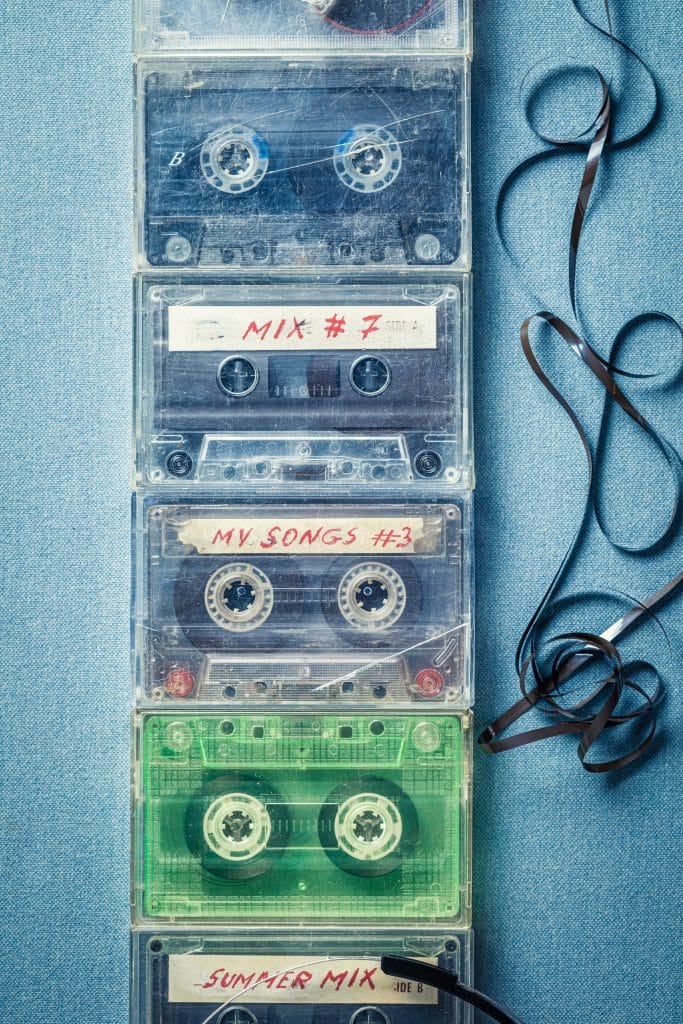
16. The Cassette Tape Rack (or Shoebox)
Blank tapes for recording off the radio, pre-recorded albums, and a handful of mixtapes all lived together in a shoebox or a wall-mounted rack.
A single album on tape cost about the same as a full digital album does now, minus any of the convenience.
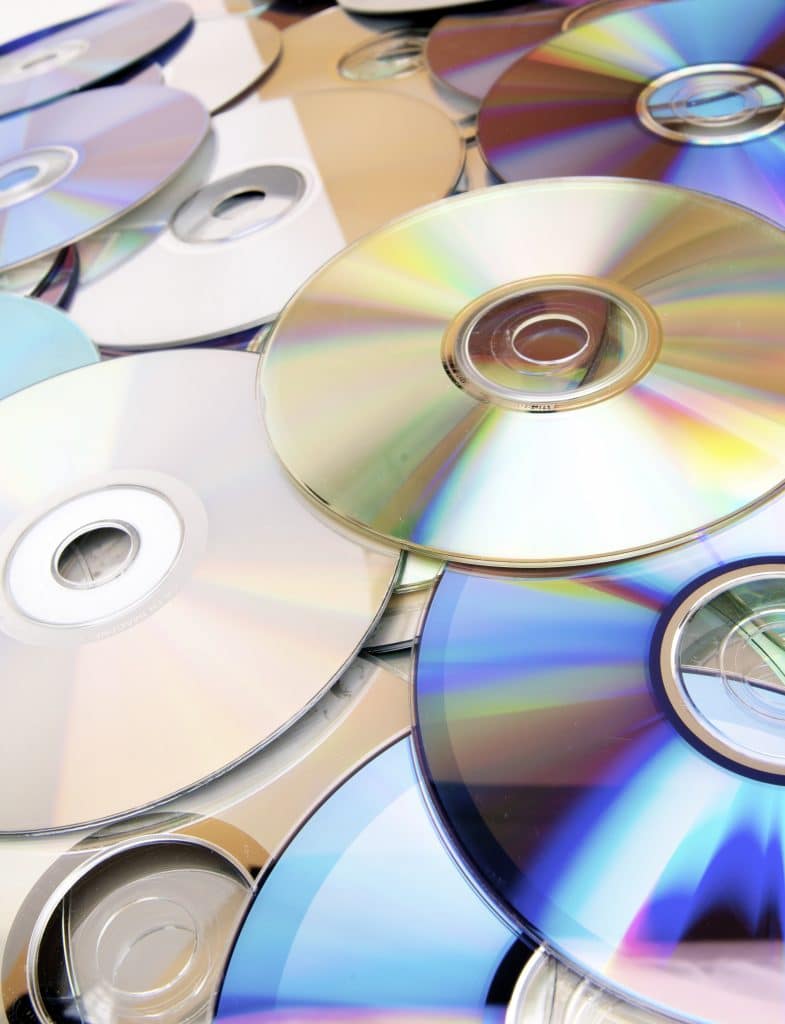
15. The Binder Full of CD Cases
Jewel cases cracked constantly, so most people eventually gave up and moved everything into a zip-up binder with plastic sleeves.
The binder itself was an extra purchase on top of the discs it was holding, just to protect items that were already fragile by design.
Where this lands: A whole secondary product category existed just to fix the first product’s packaging.
|
Money Stuff
16 Ways People Make Extra Money During the Holidays
|

14. The Door Covered in Bumper Stickers
Bands, skate brands, whatever a kid wanted the world to know they liked, all stuck directly to hollow-core bedroom doors.
Getting them off before moving out usually meant either a lot of adhesive remover or a security deposit that didn’t come back in full.
The sticker was cheap. Getting it back off was not.
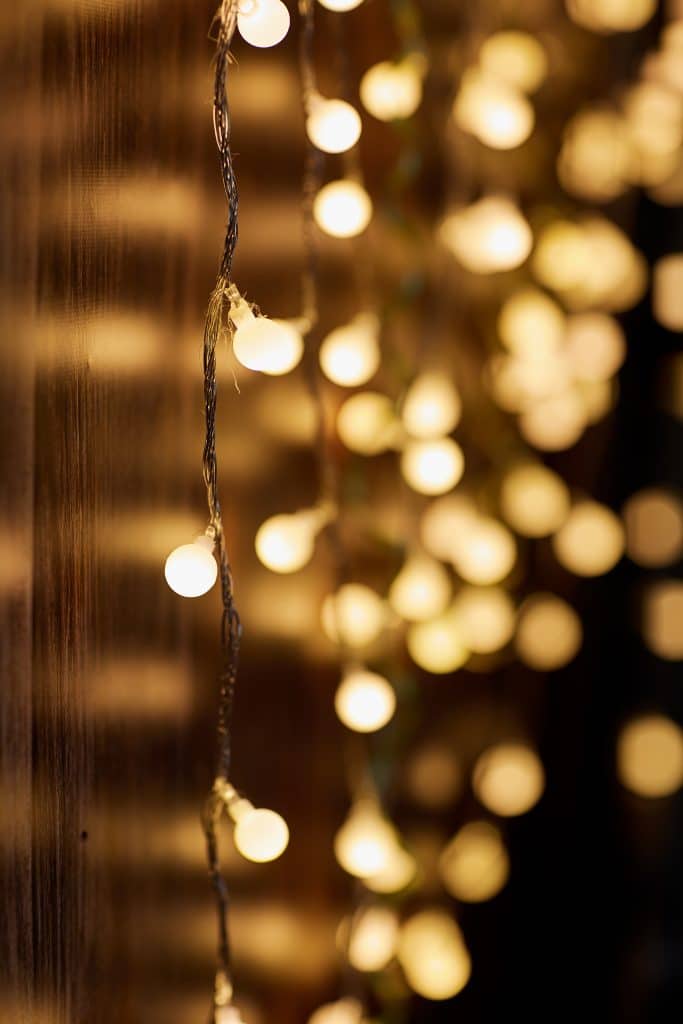
13. The Twinkle Lights Strung Along the Headboard
A single strand rarely felt like enough, so most bedrooms ended up with two or three strands tangled together over time.
Bulbs burned out in the middle of a strand and took the whole section dark with them, which meant buying a full new strand instead of one bulb.
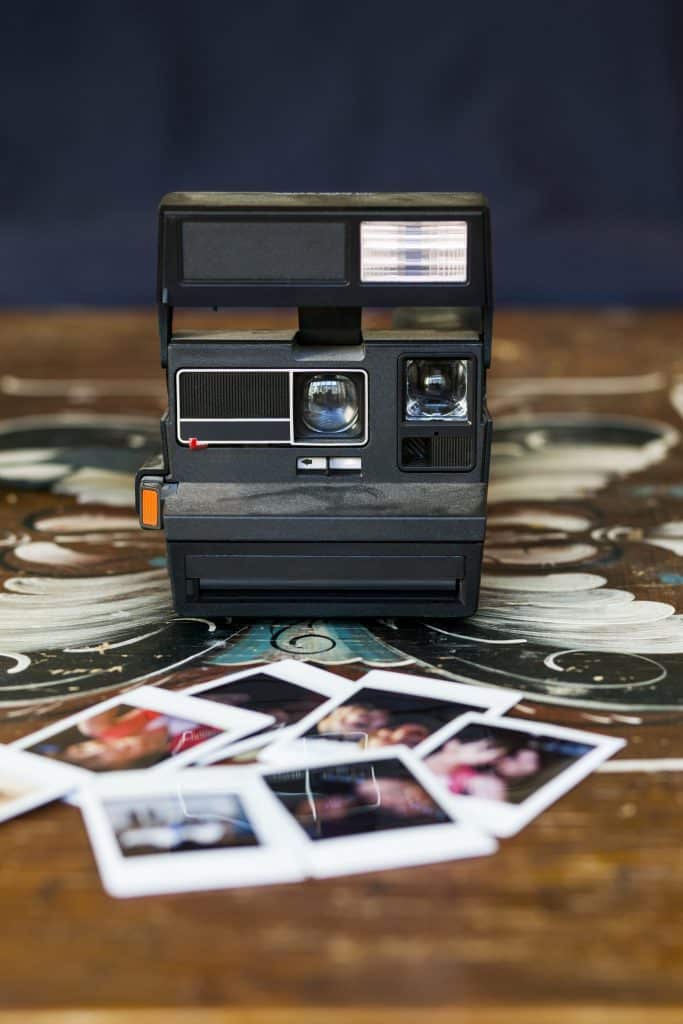
12. The Instant Camera Photos Tucked Into the Mirror Frame
Film for those cameras cost real money per shot, with no way to check the picture before it printed.
A pack of ten exposures could disappear in an afternoon, and plenty of those ten came out blurry or with a thumb over the lens.
The math: Digital photos made this exact decoration nearly free. The 90s version charged per attempt.
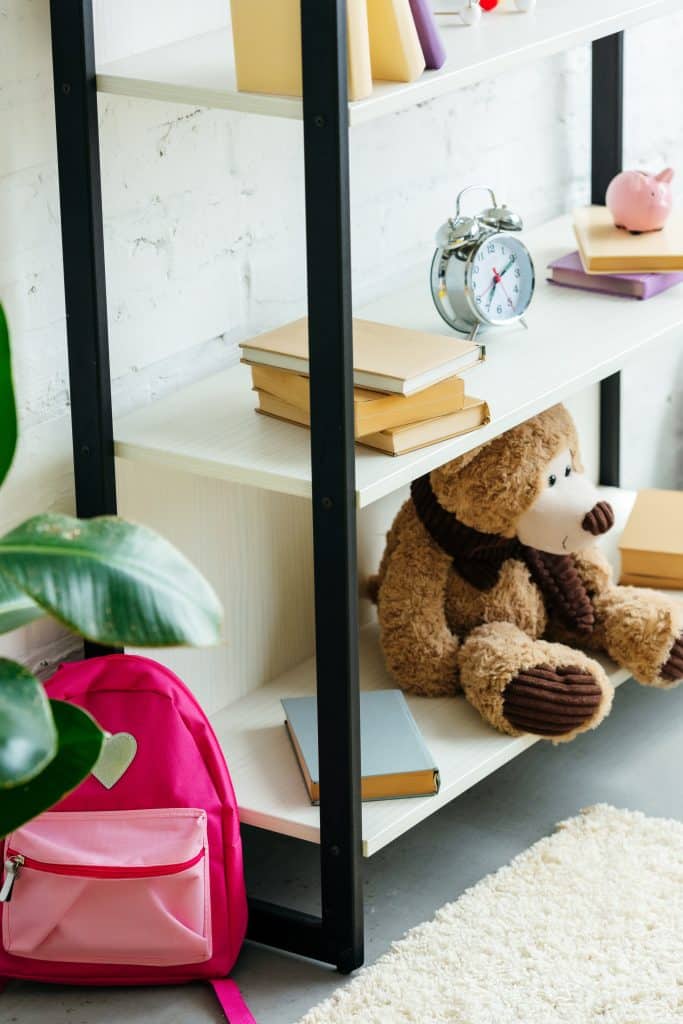
11. The Bookshelf That Was Really a Display Case
Half the shelves held books that were never reread, and the other half held collectibles bought mostly to fill space.
It’s a version of the same instinct behind why frugal grandmothers never threw anything away, except this version was actively bought new instead of saved.
A shelf built to hold books mostly held things that were purchased just to have something on the shelf.
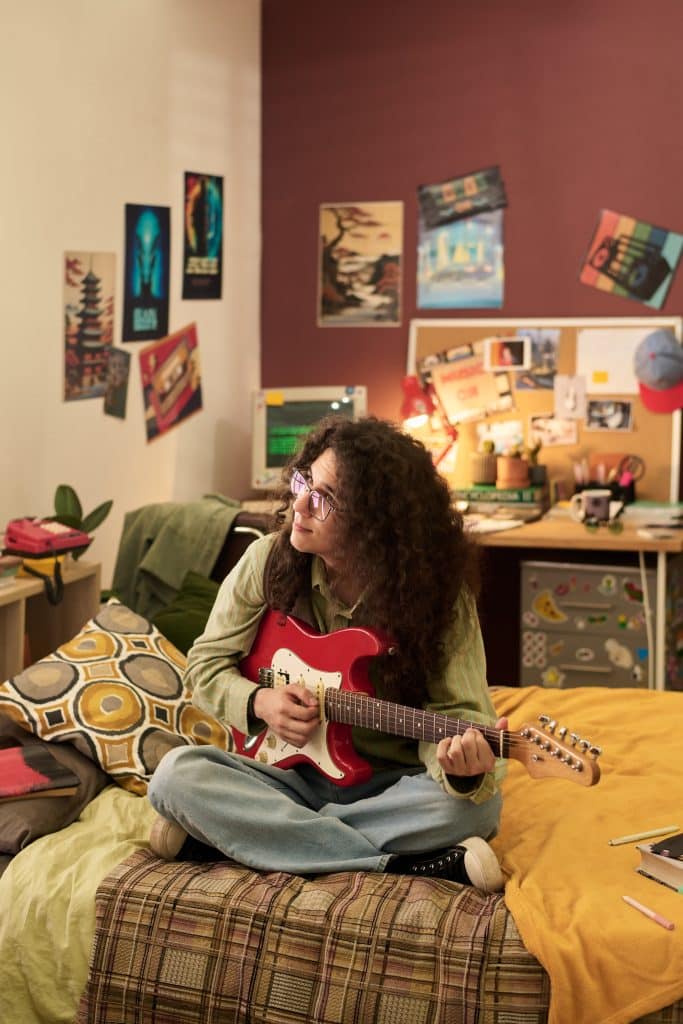
10. The Signed Poster
Some were real autographs from a concert meet-and-greet. A lot more were printed signatures sold as the genuine thing at a markup.
Either way it went up with the same tape and thumbtacks as everything else and came down the same way, with a corner ripped.

9. The Beanbag Chair
The cheap versions flattened out within a year and needed a refill bag of foam beads to feel right again.
A well-made one is honestly still a smart buy for a small room today, it’s just that most of the 90s versions weren’t the well-made kind.
Worth remembering: This is one where the object still earns its keep. The bargain-bin version of it never did.
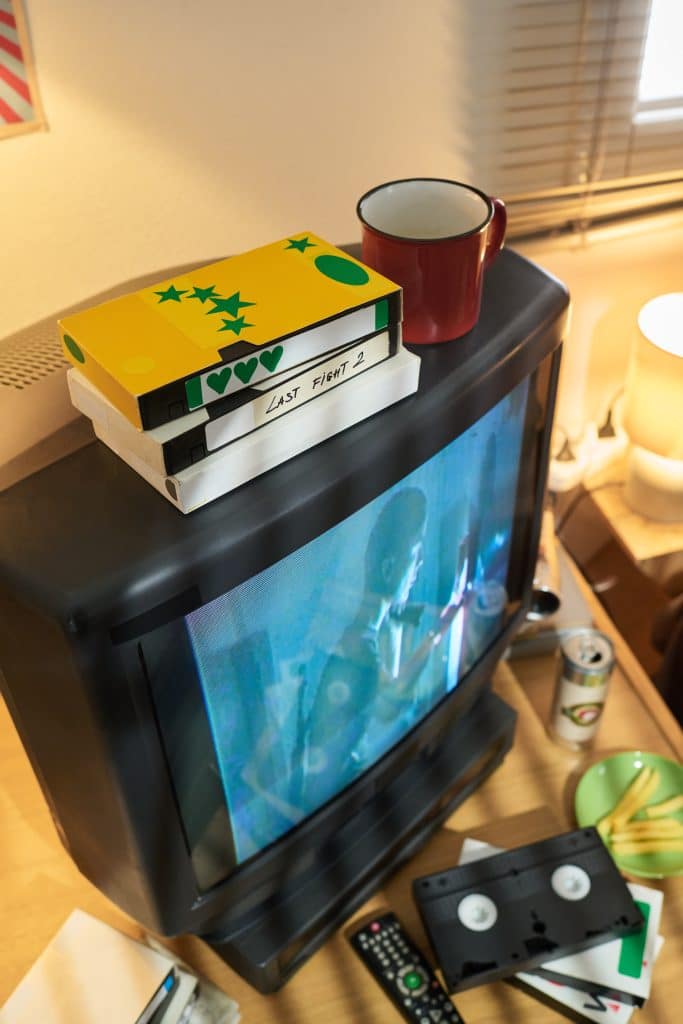
8. The TV With a Built-In VCR
A second television, just for one bedroom, plus a VCR built right into the same box so nobody had to fight over the living room.
Add a stack of movies bought or rented one weekend at a time, and one bedroom TV quietly turned into an ongoing subscription with extra steps.
Buying the hardware was the smaller half of what that setup actually cost over the years.
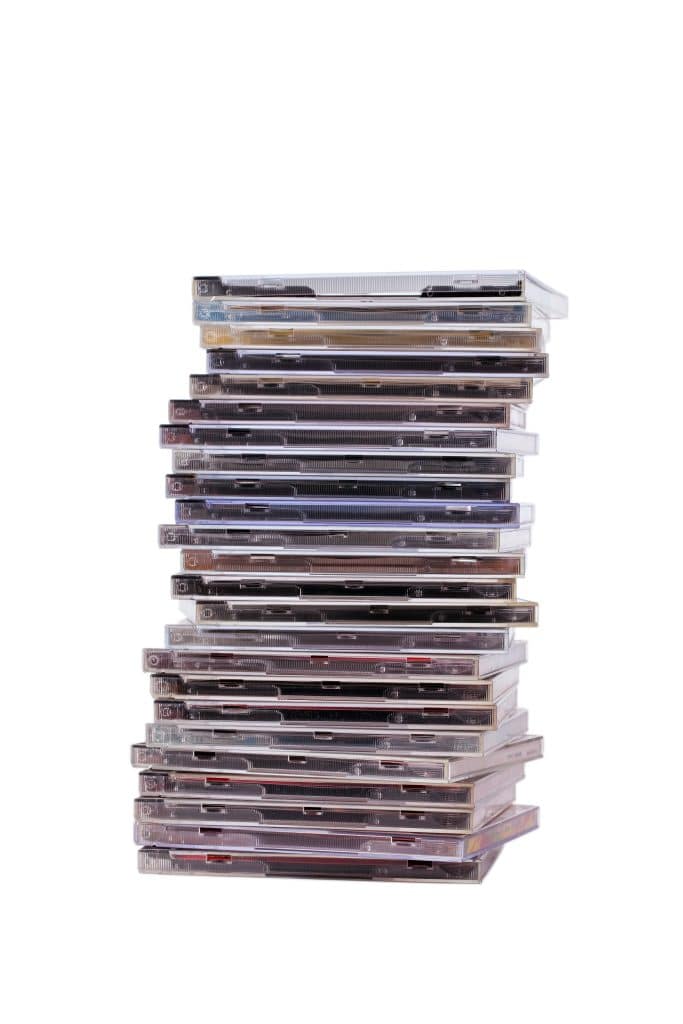
7. The CD Jewel Case Tower
A spinning or stacking tower to hold the CD collection, sold separately from the CDs it was meant to organize.
It only made sense once the collection had already gotten big enough to need it, at which point plenty of money had already gone into filling it.
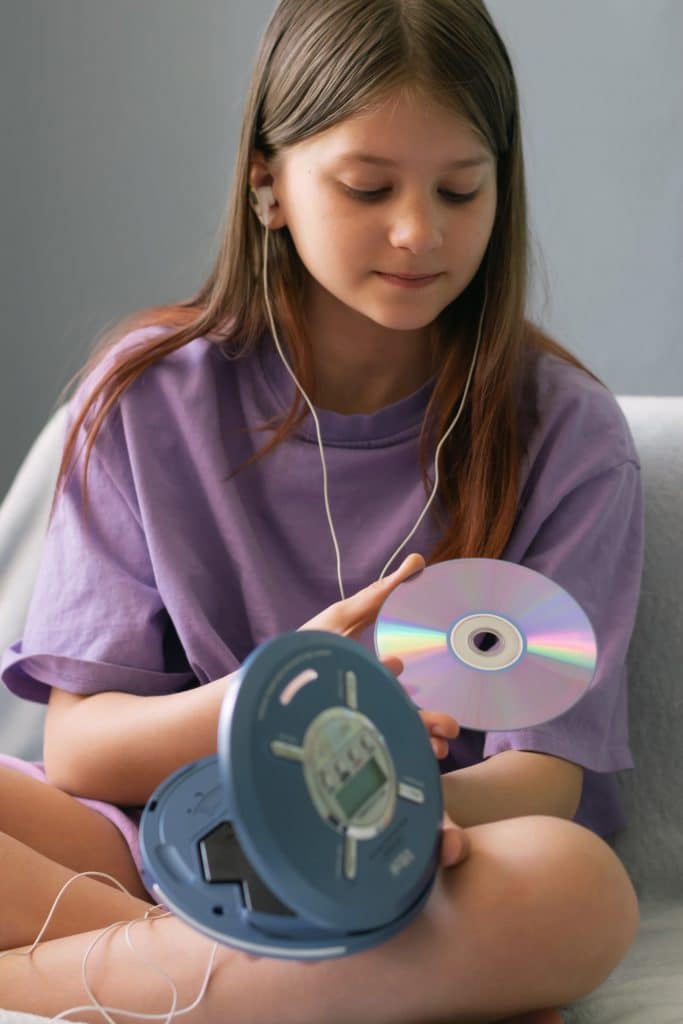
6. The Portable CD Player
Skip protection helped, but it still meant carrying a stack of discs in a separate case wherever you went.
Every album was its own purchase, full price, no way to sample a song first without buying the whole thing.
Net effect: The device was one cost. The library you had to keep buying to use it was the real one.
|
You might also like
18 Things That Used to Be Built to Last (And How to Buy That Quality Today) →
|

5. The Family Computer, Now Living in the Bedroom
By the late 90s the shared family computer had a habit of migrating into whichever kid’s room could claim it first.
A second phone line, paid by the month just so the internet didn’t tie up the house phone, quietly became a fixture in a world before smartphones existed to do all of that for free.
A monthly bill for something a phone now does at no extra charge.
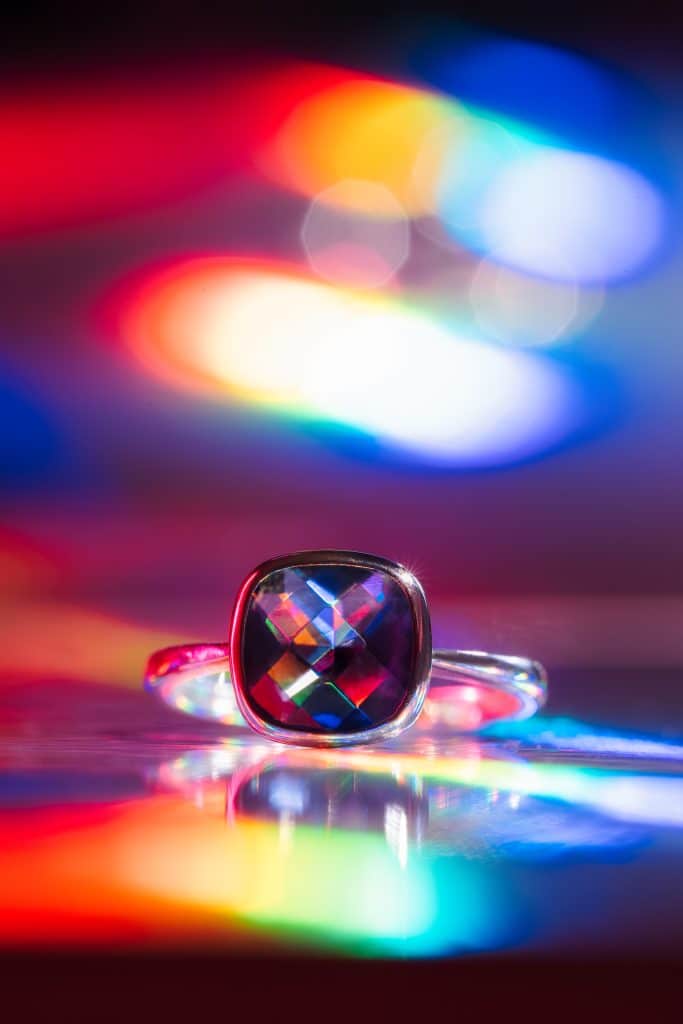
4. The Mood Ring in the Jewelry Bowl
It didn’t read moods, it read skin temperature, and it usually settled on the same one or two colors no matter what mood a kid was actually in.
Cheap ones tarnished and cracked within a few weeks, so a lot of jewelry bowls held two or three replacements over the years.

3. The Poster You’d Never Admit To Now
Everyone had one they’d deny owning today, usually torn out of a magazine or bought from a mall poster shop for a few dollars.
It’s the honest entry on this list. Not every purchase here was a mistake, some were just a phase, and there’s nothing wrong with spending a little money on a phase.
The upshot: Not every dollar spent in a 90s bedroom needs a financial justification. Some of it was just fun, and that’s fine.
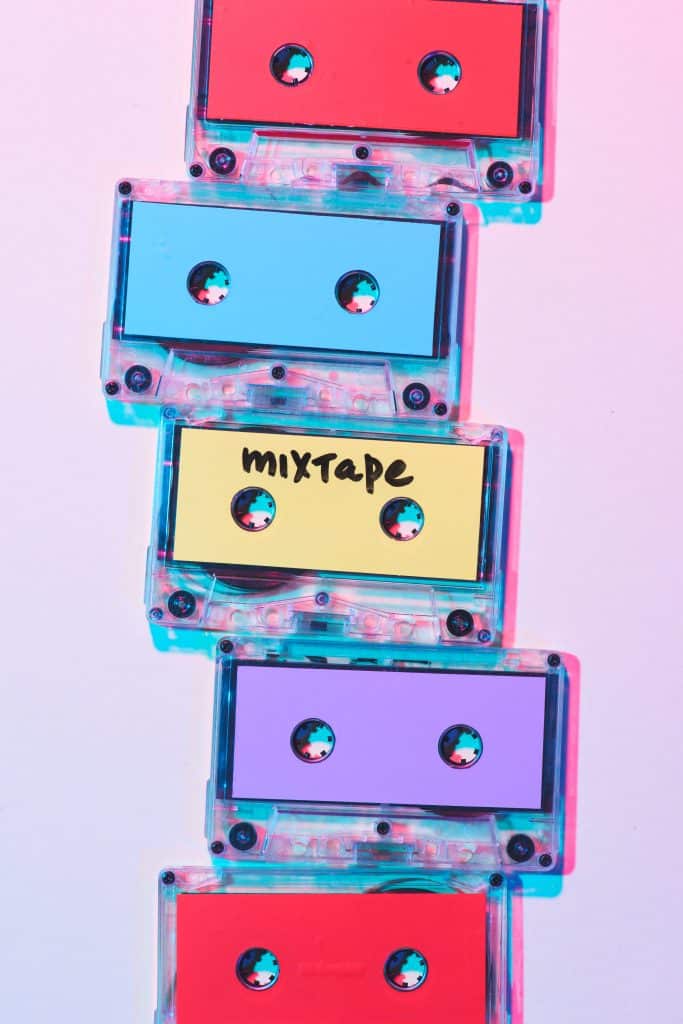
2. The Mixtape (or Mix CD, by 1998)
Making one meant sitting by the radio with a finger on record, waiting for the right song, or burning through blank tapes one bad take at a time.
A blank tape wasn’t expensive on its own, but between the do-overs and the tapes given away as gifts, the real cost of one good mixtape was higher than it looked.
The cheapest item on this list in theory. In practice, one of the most repeated purchases.
1. The Whole “Command Center” Setup
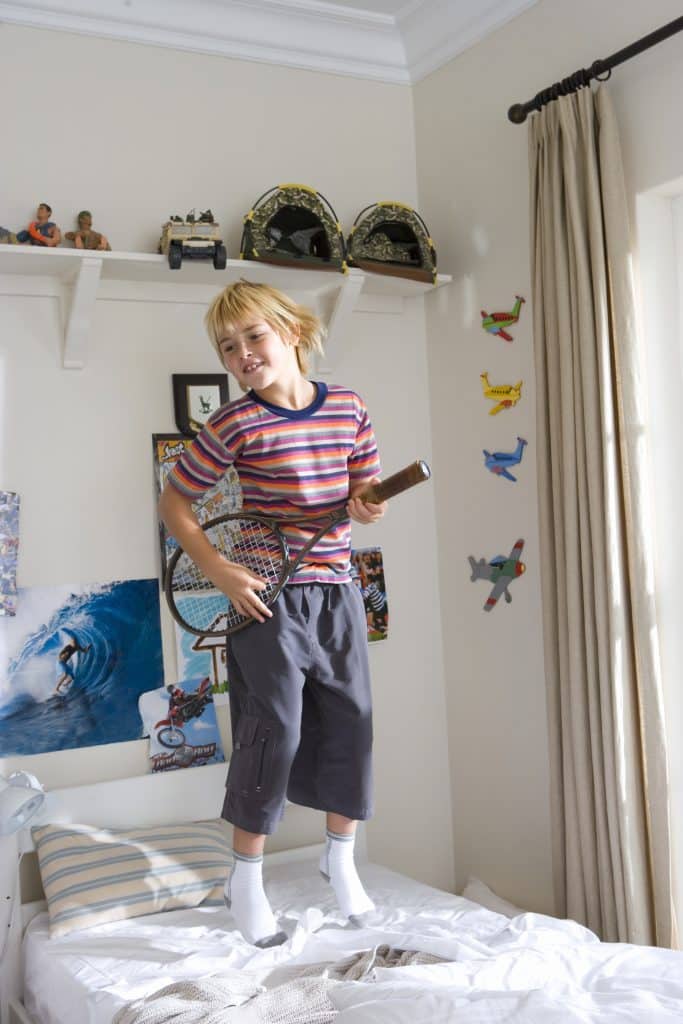
Put every item on this list in one room and what you actually get is a small, self-contained media and hangout system built around a bed.
A television, a CD player, a phone line, string lights, and a chair to sit in while using all of it. None of it was one purchase, it was a slow accumulation of a dozen smaller ones, each easy to justify on its own.
That’s really the pattern worth taking from this whole list. It’s rarely one big expense that gets people, it’s usually a string of small ones that only look big once someone adds them up years later.
A phone now handles almost every function that entire setup was built for, at a fraction of the cost and with none of the tangled cords. That’s not really a knock on the 90s bedroom, it just explains why nobody’s rebuilding one today.
It also explains why so much of it landed in a donation box or a landfill within a few years of being bought. Most of it wasn’t built to last, it was built to be replaced.
What’s Actually Worth Bringing Back
If you only take a few of these seriously, take the pattern, not the specific items. It’s almost never the big purchase that adds up, it’s the dozen small ones sitting quietly around it.
The beanbag chair still earns a spot in a room. The tarot of small accessories around it mostly doesn’t.
That same lesson shows up outside the bedroom too, in the weird money habits financially successful people actually swear by and in the habits people good with money have that everyone else tends to skip.
A lot of what filled a 90s bedroom was built to be replaced within a year or two. It’s worth comparing that against the household items actually built to last, since the contrast explains a lot about where money quietly went back then.
None of this is a rule about what to buy today, that call depends on the room, the budget, and the person living in it. It’s just easier to make that call with the full list of small costs in view instead of hidden inside one nostalgic memory.
Worth a look next: the subscriptions people forget they’re still paying for and the coffee habits quietly costing thousands a year, since both are just the modern version of the same 90s bedroom pattern.