27 Small Money Leaks That Quietly Cost Five Figures a Decade
Some links may be affiliate links. We may earn a commission at no extra cost to you. View our full disclosure.
Nobody’s bank account gets drained by one big mistake. It’s twenty seven small ones, running quietly in the background while you’re busy paying attention to the big stuff.
I’ve gone through years of my own statements looking for exactly this kind of leak, and I’ve helped friends do the same thing. The math is never as scary as it feels once you actually see it written down.
Some of these you already suspect. A few will make you open your banking app mid-article, which is fine, that’s kind of the point.
This isn’t about never doing anything nice for yourself again. If you’ve already started quietly cutting your monthly bills, a few of these will look familiar right away.
We’re counting down from twenty seven to the one leak that costs people more than almost anything else on this list, combined.

27. That Gym Membership You Haven’t Used Since January
The gym charge still hits your card every month, right on schedule. You haven’t been inside since the parking lot was covered in snow.
Most gym contracts are built around this exact pattern. They know a chunk of members will keep paying and stop showing up, and they price around it.
The math: even a modest monthly fee adds up to a few hundred dollars a year for a membership you’re not using. Cancel it, or actually go. There’s no comfortable in-between.

26. The Free Trial You Forgot to Cancel
Free trials are designed to be forgotten. The signup takes ten seconds, and the cancellation takes a phone call, a hold time, and sometimes a retention offer you have to say no to twice.
A lot of people are paying for at least one thing they meant to try for a week and never got around to canceling. If you’ve ever gone through a real subscription audit, you already know how common this is.
If you signed up for a trial in the last six months and haven’t thought about it since, it’s still charging you.

25. Monthly Bank Maintenance Fees
Plenty of checking accounts charge a monthly fee just for existing, unless you hit a minimum balance or a certain number of direct deposits.
Most people qualify for the waiver without realizing it, or they don’t and just eat the fee every month. It’s one of those normal-seeming expenses that frugal people actually push back on.
Call your bank and ask what it would take to waive it. In a lot of cases the answer is something you’re already doing.
24. Out-of-Network ATM Fees
Every time you pull cash from a machine outside your bank’s network, you’re usually getting hit twice. Once by the machine’s owner, and once by your own bank.
Worth remembering: those two fees combined often run several dollars per withdrawal. Do that a couple times a month and it’s a real number by December.

23. Overdraft Fees for a Coffee Run
An overdraft fee can be larger than the purchase that triggered it. A five dollar coffee turns into a thirty five dollar mistake because your balance dipped below zero for an afternoon.
Most banks let you turn off overdraft coverage for everyday debit purchases. The card just declines instead of quietly approving a fee you didn’t agree to.
Turning off overdraft coverage on debit purchases is one of the fastest fixes on this entire list.
22. Minimum Payments That Never Touch the Principal
Paying the minimum feels responsible because you’re paying something. The math underneath it is a lot less forgiving.
A big share of that minimum payment goes straight to interest, especially early on, so the balance barely moves even though you’re sending money every month. It’s the same pattern behind a lot of things people have quietly stopped buying once they ran their own numbers.
|
Money Stuff
18 Ways Families Are Doing Christmas Cheaper This Year (Without the Kids Noticing)
|
Paying even a little above the minimum changes that math more than most people expect.
21. Two People in the Same House Paying for the Same Service
This happens more than you’d think in bigger households. A partner or a kid signs up for their own account on a streaming service the family is already paying for, usually because nobody checked first.
Net effect: you’re funding the same subscription twice a month for content one household plan already covers.

20. Subscriptions Living Inside Your Apps
App store subscriptions are some of the easiest charges to lose track of, because they don’t show up as a normal bill. They show up as a single line buried in your phone’s billing history.
A workout app, a meditation app, a game you downloaded for one trip. If you’ve never checked what’s still renewing automatically on your phone, it’s worth five minutes.
Most phones will show you every active app subscription in one settings menu, and most people have never opened it.

19. Extended Warranties You Keep Renewing on Autopilot
Extended warranties get sold hardest at the exact moment you’re least equipped to think clearly about them, standing at a register having just decided to buy something.
A lot of them renew automatically after the first term, sometimes on a product you don’t even own anymore. The pressure to say yes is highest during big seasonal sales, which is exactly when people agree without doing the math.
Most manufacturer warranties already cover the failures that actually happen. Read what’s already included before paying extra for more of it.

18. “Convenience Fees” on Every Ticket You Buy
Buy a concert ticket, a sports ticket, almost any event ticket online, and there’s a fee tacked on that has nothing to do with convenience.
The upshot: those fees can add a meaningful chunk to the face price of the ticket, and they’re rarely shown until the very last screen of checkout.

17. Foreign Transaction Fees on Everyday Purchases
Plenty of cards charge a percentage fee on any purchase processed through a bank outside the country, even something as small as an app charge that happens to route overseas.
It’s a quiet percentage that never shows up as its own line on your statement. It just makes the total slightly higher every time.
Cards with no foreign transaction fee exist and cost nothing extra to carry, so there’s rarely a reason to keep paying this one.

16. Paper Statement and Account Inactivity Fees
Some banks and card issuers still charge for mailing a paper statement instead of emailing one. Others charge an inactivity fee on an account you haven’t touched in a while.
Both are avoidable with about two minutes of account settings. Most people have simply never gone looking for them.
Log into an account you rarely use and check what fees are attached to just letting it sit there.
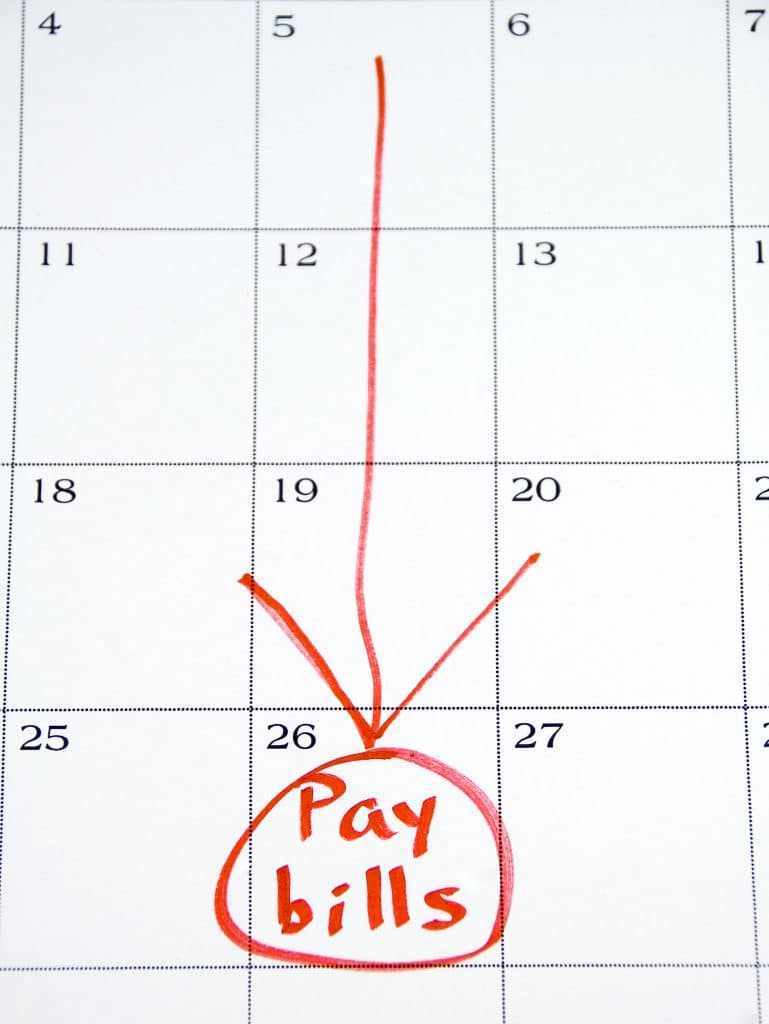
15. Late Fees From Autopay You Meant to Set Up
This one isn’t about being irresponsible. It’s about a bill that lands on an inconsistent date, and a busy month getting in the way.
Where this lands: a single late fee is usually small, but missing the same bill a few times a year adds up to real money for something autopay would have solved for free.
Quick gut check. That’s the first half of the list. If even five of these sound familiar, you’ve probably got more slack in your budget than you think, without cutting anything you’d actually miss.
I broke down an entire year of my own charges like this once, line by line, in the coffee ledger. The running total surprised me more than any single expense did.
| Keep Reading — 18 Things Frugal Grandmothers Never Threw Away |

14. Devices Quietly Drawing Power While They’re “Off”
A lot of electronics never fully power down. Game consoles, cable boxes, and chargers left in the wall all pull a small trickle of electricity around the clock.
On their own, each one is tiny. Added across a household full of them, it becomes a real number on the power bill, and it’s one of the more overlooked household money habits worth breaking.
A power strip you can switch off at night handles most of this in one motion.

13. A Cloud Storage Plan You’re Paying For and Not Using
Cloud storage subscriptions creep up in small increments. You needed a little more space two years ago, upgraded a tier, and never checked whether you still need it.
To be fair, this is one where paying is sometimes the right call. If it’s actually backing up photos and documents you’d hate to lose, that’s not a leak, that’s insurance.
The leak is paying for a tier bigger than what you actually use. Check your storage usage against what you’re paying for, and downgrade the difference.
12. A Meal Kit Subscription Nobody’s Cooking
Meal kit boxes are great for the first month. By month three, a lot of them are sitting in the fridge going bad, or the deliveries are getting skipped week after week without anyone canceling.
The math: most meal kits cost noticeably more per meal than buying the same ingredients yourself, even before you count the ones that went to waste. It’s the same pattern people run into with the takeout tax, just wearing a healthier costume.
11. The Subscription Box You Forgot You Signed Up For
Razors, socks, snacks, candles, there’s a subscription box for almost anything now, and they’re built to keep shipping until you actively stop them.
A box that once felt like a fun surprise becomes a monthly charge for stuff you’re not opening.

10. Buy Now, Pay Later Fees Stacking Up
Splitting a purchase into four payments feels harmless, until you’ve got four or five of those plans running at once across different apps.
Miss a payment on one and the fee structure stops feeling so friendly. Some of the appeal here rests on the same kind of money myth that makes any kind of financing sound free.
If you can’t say how many of these you currently have open without checking your phone, that’s the actual problem, not any single payment.

9. Checkout Add-Ons You Click Without Reading
Online checkout is full of small pre-checked boxes now. Extended protection plans, donation add-ons, and expedited shipping upgrades all default to yes.
Worth remembering: these add a few dollars each, individually small enough that most people never notice, which is exactly the point. It’s the same instinct frugal people train themselves out of, one checkout at a time.

8. Parking Apps That Round Up Every Session
Plenty of parking payment apps round your session up to the next increment, and tack on their own service fee over whatever the meter already charges.
A few extra minutes you didn’t use, plus a fee for the convenience of paying with your phone, every single time you park.

7. Delivery Fees, Service Fees, and a Tip, All on One Order
Order food through a delivery app and the final total is rarely just the food. There’s a delivery fee, a service fee, sometimes a small order fee, and then a tip on top of all of it.
There are nights this is genuinely worth it, when you’re exhausted or sick or just need the win. That’s a real trade, not a failure.
The leak isn’t ordering delivery. It’s ordering it as a habit and never noticing how much of the total is fees instead of food, and a running tally over a month tends to be the wake-up call.

6. A Print Subscription You Read Online Anyway
A print magazine or newspaper subscription still shows up on plenty of credit card statements, months after the actual reading moved entirely to a phone or a laptop.
|
Worth It or Not
18 Black Friday Traps (And What's Actually Worth Buying)
|
Net effect: you’re paying for delivery of something you’re consuming a different way, while the physical copies stack up somewhere unread.
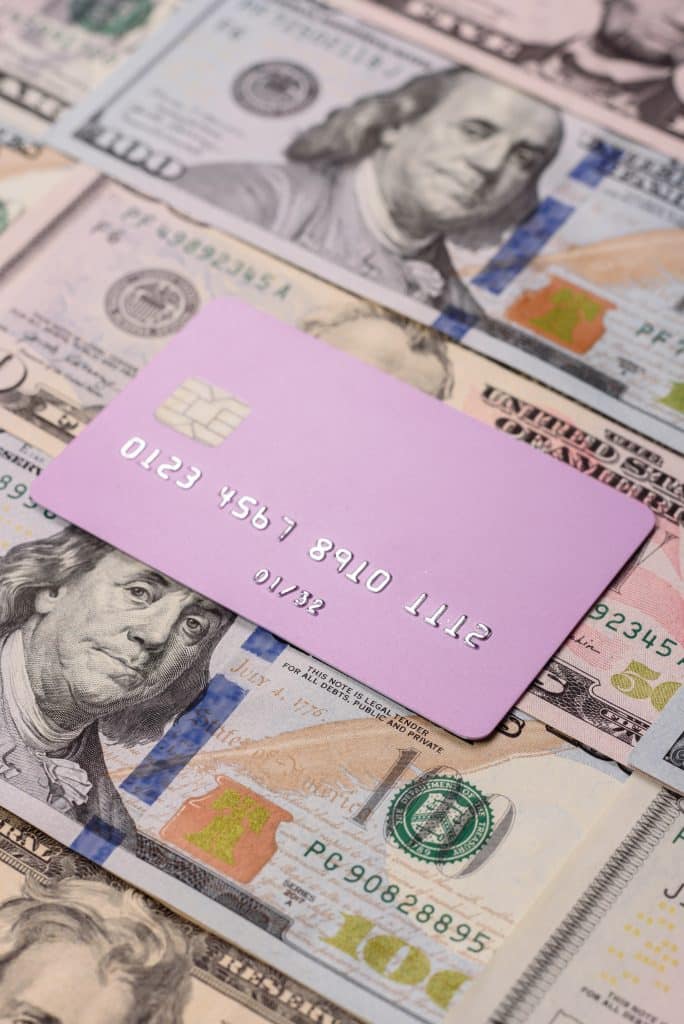
5. An Annual Fee for a Card Sitting in a Drawer
Some credit cards charge an annual fee that only makes sense if you’re actually using the rewards, the travel perks, or the credit line attached to it.
A card you stopped carrying two years ago is still charging you once a year just to exist in your wallet.
4. Low-Balance Fees on an Account You Barely Touch
Some savings and checking accounts charge a fee the moment your balance drops under a set threshold, even for a single day.
It’s an easy one to trip without noticing, especially on a secondary account you don’t check often.
Either keep the minimum parked there or move the money somewhere that doesn’t penalize you for having less of it.
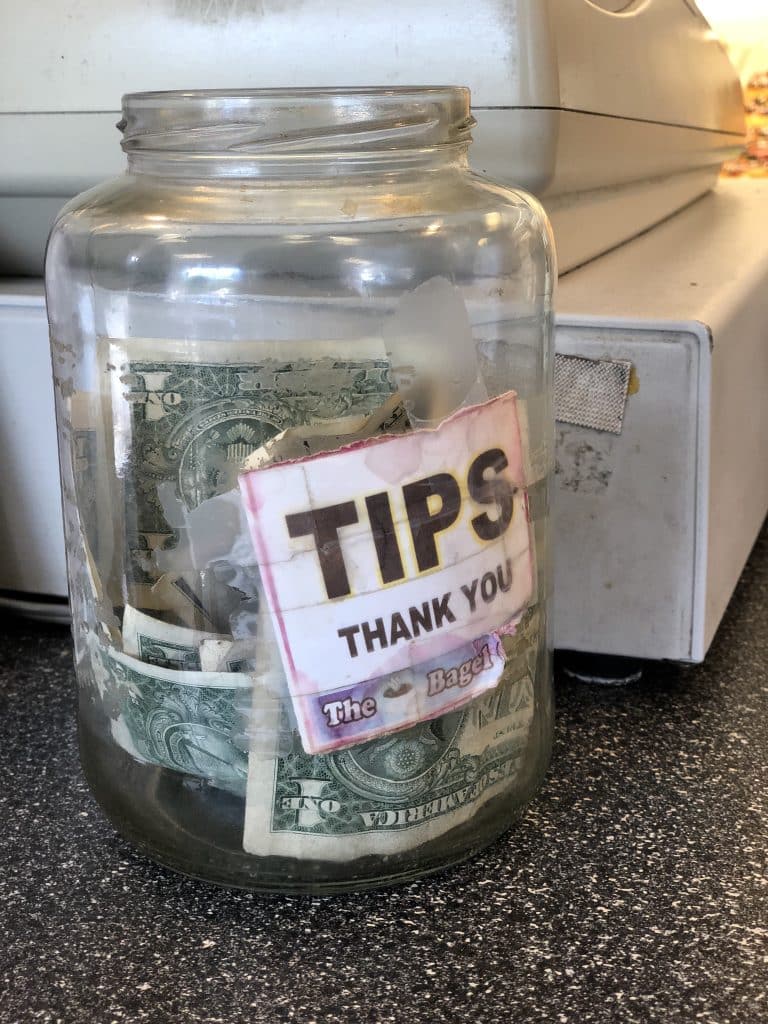
3. Automatic Gratuity Creeping Into More Bills
Tip screens have shown up in more places than they used to, on counter service, on takeout orders, on transactions that never used to prompt for one at all.
The upshot: tipping itself isn’t the problem. The prompts have expanded faster than the service has, and a lot of people tip on autopilot out of guilt instead of choice, the same guilt worth examining the way you’d examine any other money habit that snuck in without a real decision behind it.

2. Insurance That Auto-Renews Without You Shopping Around
Auto and home insurance policies renew automatically almost everywhere, at whatever rate the insurer decides to charge that year.
Rates creep upward steadily if nobody’s checking, and most people never compare their renewal quote against anything else. A quick shop-around is one of the better money moves you can make on a random Tuesday.
A five minute comparison at renewal time can be worth more than most of the other items on this list combined.
1. Credit Card Interest Quietly Compounding in the Background
This is the leak that dwarfs almost everything else on this list, and it’s the one most people have already made peace with instead of fixing.
Carrying a balance means you’re paying interest on top of interest, month after month, on top of whatever you originally charged. It’s not one purchase costing more, it’s every purchase on that card costing more for as long as the balance sits there.
A lot of people don’t even see it as a separate expense. It just blends into the total on the statement, the same way every other leak on this list blends into a bill nobody looks at line by line.
None of this is a suggestion to feel bad about where you are right now. A high-interest balance is a fixable math problem, not a character flaw, and plenty of people carry one at some point.
If you only fix one thing after reading this whole list, make it this one. Everything else here saves you real money, but this is the one that actually multiplies against you the longer it sits.

Where Your Money’s Actually Going
Twenty seven is a lot to fix at once, and you don’t need to. Start with the credit card interest, the free trial you forgot about, and one recurring subscription you haven’t used in months.
Those three alone usually free up more than people expect, and they take less than an hour total to actually handle.
None of this is about guilt. A few of these charges snuck in honestly, and feeling bad about the ones that got past you doesn’t undo them, fixing them does.
Pick three, cancel or fix them this week, and check back on the rest next month.