35 Weird Money-Saving Habits That Really Pay Off
Some links may be affiliate links. We may earn a commission at no extra cost to you. View our full disclosure.
Every family seems to have that one person with a habit nobody else quite understands. The one who rinses out plastic bags. The one who won’t buy anything without checking the unit price first.
That same person somehow always has a little more left over at the end of the month than everyone else.
Most of the time, those habits look small enough to laugh at. That’s usually a mistake.
The truth is that a lot of what looks quirky from the outside is just discipline wearing a strange outfit. These aren’t get-rich tricks or extreme budgeting stunts. They’re small, repeatable moves that quietly add up, the kind that don’t make for a dramatic before-and-after photo but do show up in your bank balance a year later.
I’ve spent years watching which of these actually hold up and which ones are just internet noise. What follows is 35 of the ones that survive real life: kids, busy weeks, and the occasional bad month.
Counting down from the smaller wins to the one habit that changes how every other habit on this list works.

35. The 30-Day “Want List” Before Buying
Instead of buying something the moment you want it, you write it on a running list with the date. Nothing gets purchased until 30 days pass.
Most items quietly fall off the list on their own. The ones that survive a full month were probably worth buying anyway.
The upshot: it’s not about denying yourself. It’s letting time do the filtering instead of your mood on a Tuesday night.
34. Freezing Bread the Moment You Buy It
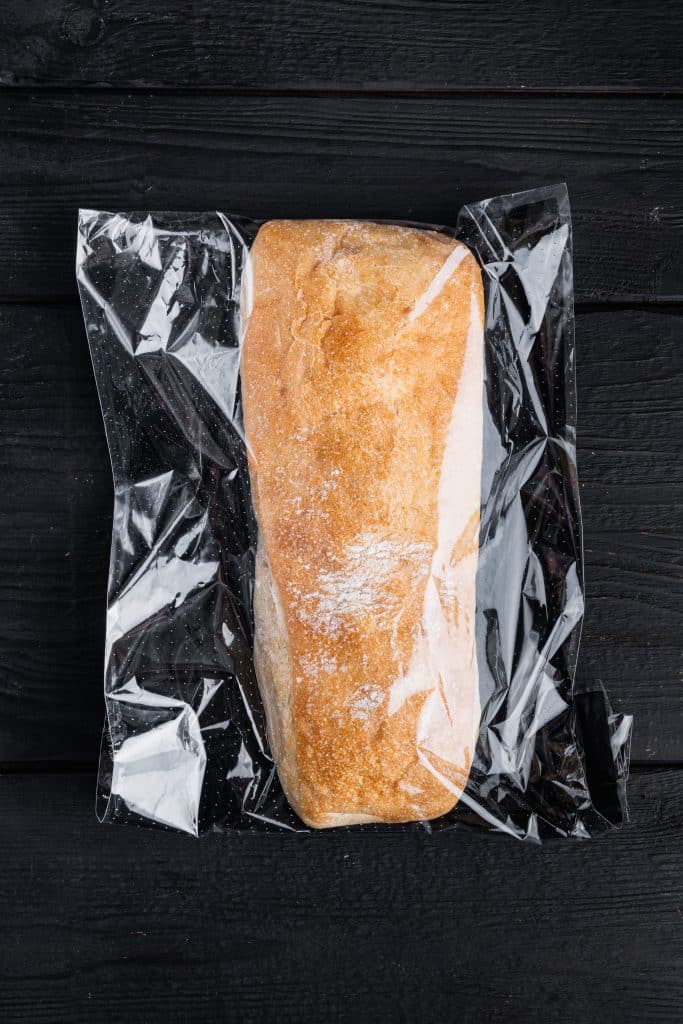
Bread goes stale faster than almost anything else in the kitchen. The fix is embarrassingly simple: freeze half the loaf the day you bring it home.
Toast pulls slices straight from frozen just fine. Sandwiches thaw on the counter in about twenty minutes.
It sounds too small to matter, and by itself it kind of is. Stack a dozen habits like it and the pattern starts to matter a lot more.

33. Buying Greeting Cards at the Dollar Store, Not the Pharmacy
A pharmacy-aisle greeting card can run you six or seven dollars for a folded piece of cardstock. A dollar store card, wrapping paper aisle included, does the exact same job for a fraction of that.
Nobody has ever kept a card because of where it was purchased. The sentiment survives the markdown just fine.

32. Cutting Open Tubes and Containers to Get the Last Bit
Toothpaste, lotion, sunscreen, cooking paste. Most tube and squeeze-bottle products still have ten to fifteen percent of product left when they start feeling “empty.”
Cutting the container open with scissors recovers all of it. It’s a genuinely odd-looking habit if someone catches you doing it in the bathroom, and also a free week or two of product every single time.

31. Shopping the Markdown Sticker Aisle First
Before you even glance at the regular shelves, you walk the clearance rack or the marked-down endcap first. Whatever’s there gets first dibs on the shopping list.
It flips the whole trip around. Instead of building a list and hoping for deals, you’re building meals and outfits around the deals that already exist.
Worth remembering: this only pays off if you actually use what you buy. A markdown you never touch isn’t a deal, it’s just clutter with a receipt.

30. Keeping a Household Inventory Before You Shop
A running list, taped inside a cabinet door or kept in your phone, tracking what’s already in the pantry and freezer. You check it before you shop, not after.
It sounds like overkill until the third time you find two unopened jars of the same sauce. After that it just becomes routine.

29. Using a Slow Cooker for the Cheaper Cuts of Meat
The tough, inexpensive cuts of meat need low heat and patience more than they need a high price tag. A slow cooker gives them both without you standing over a stove.
Same dinner, roughly half the cost per pound, and honestly better texture most of the time. It’s less a sacrifice than it looks from the outside.
| Keep Reading — 16 Money Habits Every Household Had in 1990 (And What Replaced Them) |

28. Buying Spices From the Bulk Bins Instead of the Rack
A name-brand spice jar can cost four or five dollars for what amounts to an ounce of seasoning. Bulk bins and the international aisle sell the same spice for a fraction of that.
You buy exactly what you’ll use before it loses its flavor, instead of a jar that sits in the cabinet for three years.
The math: it’s routinely a 60 to 70 percent difference for the same jar, roughly, item for item.
27. Keeping a Small Notebook of Prices
A short list of what you regularly buy, and what it typically costs at the two or three stores near you. It sounds like a spreadsheet person’s fantasy, and it kind of is.
It also means you know instantly when a “sale” price isn’t actually a deal at all, just a return to the normal price after an artificial markup. That happens more often than most people assume.

26. Buying Clothes at the End of the Season, Not the Start
Winter coats go on clearance in February. Swimsuits get marked down in August. Buying a year ahead of when you’ll actually wear something feels backward, and it’s how you avoid ever paying full price for a coat again.
It takes a little planning and a storage bin. That’s about the entire cost of admission.
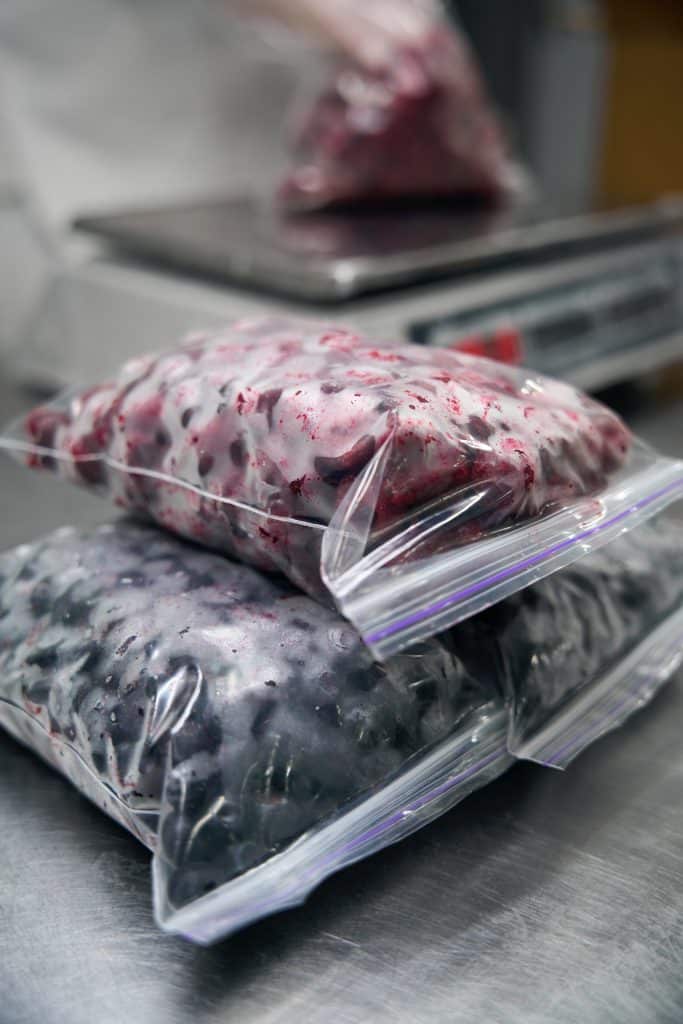
25. Rinsing and Reusing Resealable Bags
Not every bag needs to be reused, and nobody’s suggesting you rinse out the one that held raw chicken. But the bag that held pretzels or produce can go a few more rounds with a quick rinse and an air-dry.
Net effect: a box of bags stretches noticeably further, and it’s one less thing going straight into the trash.
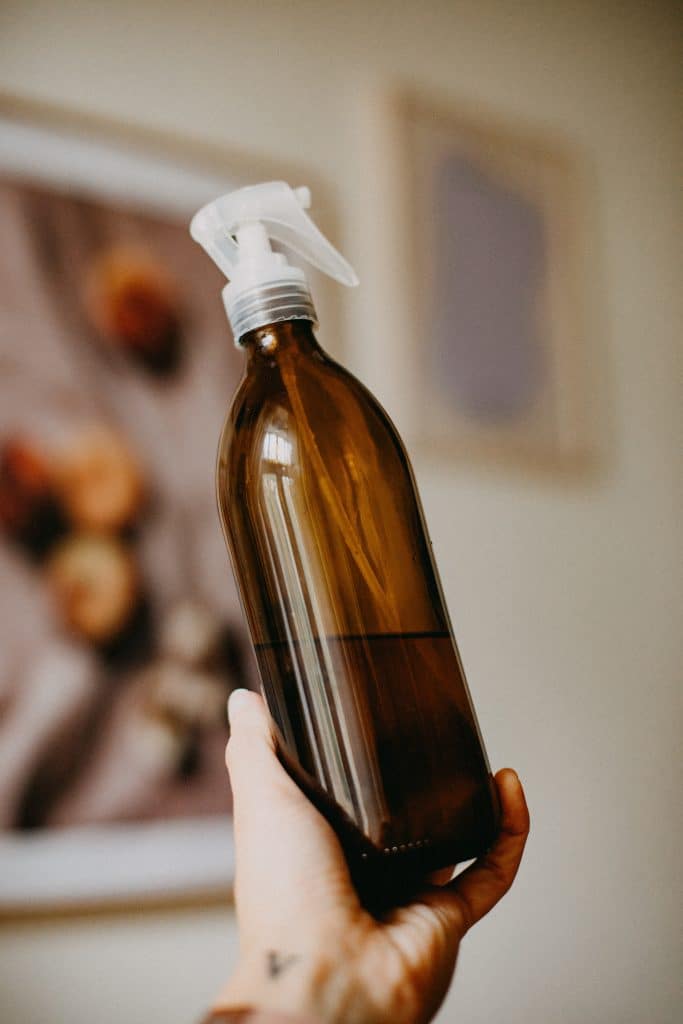
24. Making Your Own Cleaning Concentrates
A lot of household cleaners are mostly water with a small amount of active ingredient and a lot of branding. A basic concentrate mixed with water at home covers most everyday cleaning jobs for a fraction of the cost.
It won’t replace every specialty product in your cabinet, and it doesn’t need to. It just needs to replace the ones you’re buying every single month, which is a good place to start cutting household items you no longer need to buy.

23. Eating Leftovers Intentionally, Not as a Last Resort
Leftovers get treated like the sad backup plan when the fridge is empty. Some of the most financially disciplined people I know build them into the week on purpose, usually with a set “leftover night” on the calendar.
It stops food from quietly going to waste, and it stops the “nothing sounds good, let’s just order something” spiral before it starts.

22. Buying Generic Over Name-Brand Medications
Generic and store-brand versions of common over-the-counter medications typically use the exact same active ingredient at the exact same dose. The packaging and the price are what’s different.
This is one where it genuinely pays to read the active ingredient panel once and confirm it for yourself. After that, the decision basically makes itself every time.
Where this lands: a habit this small, repeated across a full medicine cabinet, adds up to real money over a year without changing anything about how well it works.

21. Turning Cooking Water Into Stock
Vegetable scraps, bones, and the water you boiled potatoes or pasta in all have more flavor left in them than most people realize. A bag in the freezer collects the scraps until there’s enough for a pot of stock.
It replaces something you’d otherwise buy in a carton, using ingredients that were headed for the trash anyway. Hard to argue with that trade.

20. Buying Store Brand for Anything Where the Label Doesn’t Matter
Flour, sugar, baking soda, canned tomatoes, basic dairy. These are largely commodity products, and the store brand is often made in the same facility as the name-brand version.
This isn’t a rule for everything. It’s a rule for the aisle where nobody’s tasting the difference blindfolded, which quietly overlaps with a few “money rules” that turn out to be myths once you look closely.
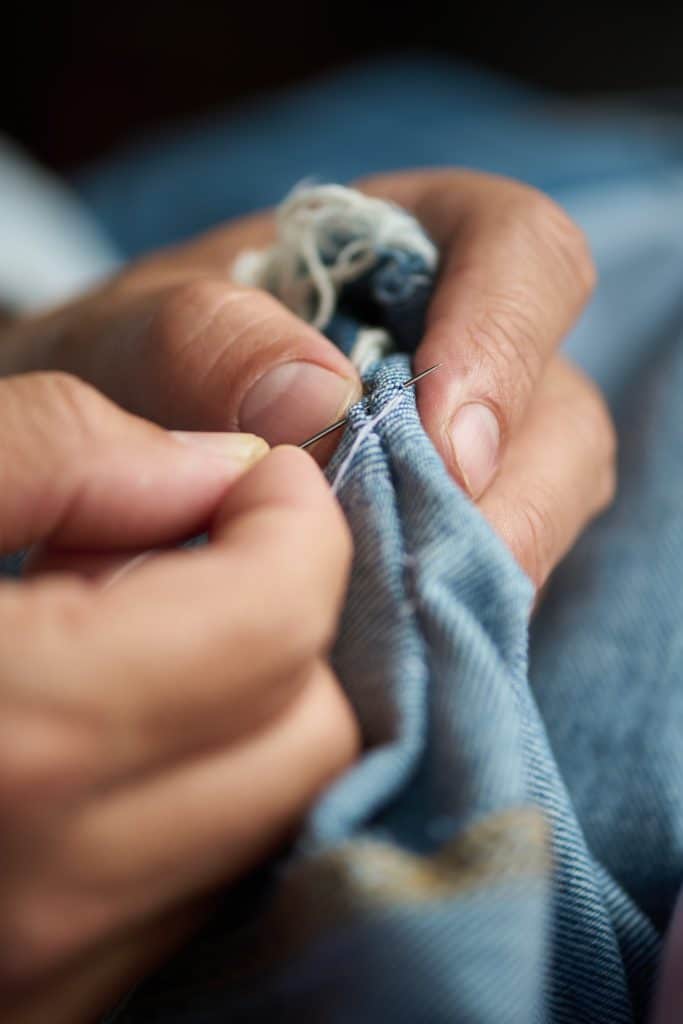
19. Mending Clothes Instead of Replacing Them
A missing button or a small tear used to mean five minutes with a needle and thread. Somewhere along the way it started meaning a trip to buy a replacement.
Basic mending is a skill anyone can pick up in an afternoon of watching videos. It’s one small way to push back against replacing things that were actually built to last in the first place.
The upshot: the goal isn’t to fix every single thing you own. It’s to stop reflexively tossing something the moment it needs a little work.

18. Negotiating Bills You Assume Are Fixed
Insurance, internet, medical bills, even some rent renewals have more flexibility than the invoice suggests. A short, polite phone call asking “is there anything you can do here” gets a yes far more often than people expect.
| Keep Reading — 29 Things Every '90s Kid's Bedroom Had |
Most of the pushback isn’t about money, it’s about the awkwardness of asking. Once that part stops feeling weird, it’s just a once-a-year phone call, and a good place to start is with the local services you’re probably already overpaying for.
The Fine Print: a few of the habits on this list only pay off if you actually keep them up past the first week. Freezing a card in ice or writing a want list doesn’t do anything for you if you quietly stop doing it a month later. The point isn’t the trick, it’s whether it survives a normal, busy life.

17. Cooking Dried Beans Instead of Buying Canned
A bag of dried beans costs a fraction of the equivalent amount in cans, and cooking a big batch takes an hour of mostly hands-off simmering. What you don’t use freezes just fine for later.
It requires planning a day ahead instead of grabbing a can on the way out the door. That’s really the whole trade.

16. Keeping a “Use It Up” Week Every Month
One week a month, meals get built entirely from what’s already in the pantry and freezer. No grocery run except for fresh basics like milk or eggs.
Worth remembering: it’s less about the money saved in that one week and more about how much less gets thrown out overall once you’re actually looking at what you already own.

15. Buying Experiences Through Deal Sites or Off-Peak Times
A weekday matinee, an off-season hotel rate, a deal-site voucher for a class you’d take anyway. Experiences almost always have a cheaper version if you’re willing to shift the day or the time.
It doesn’t dull the memory at all. Nobody looks back on a good afternoon and remembers what day of the week it fell on.

14. Rotating Streaming Services On and Off
Instead of paying for every streaming service year-round, you subscribe to one for a month, binge what you want, then cancel and move to the next. Most content libraries can be worked through in four to six weeks anyway.
This one’s honest work, though. It only saves anything if you actually cancel on schedule instead of letting the subscription quietly renew because canceling felt like a hassle that week.

13. Buying Refurbished Electronics Instead of New
A manufacturer-refurbished laptop or phone has typically been tested and repaired to close to new condition, often with its own warranty attached. It just can’t legally be sold as “new” once it’s been opened and returned once.
Check the return window and the warranty before you buy, and stick to certified refurbished rather than a random resale listing. Once you’ve done that, it’s an easy way to land on gadgets that are actually worth buying without paying full retail.
The math: savings typically run 15 to 30 percent off the same model new, depending on the category and how recently it launched.

12. Growing a Few Things You Buy Every Week
Nobody’s suggesting you become a homesteader. A pot of basil, green onions regrown from scraps, or a single tomato plant on a windowsill covers a surprising amount of what you’d otherwise buy fresh.
It’s a small habit with an outsized psychological effect. Once you’re growing something, you tend to waste less of everything else too.

11. Buying Meat in Bulk and Dividing It at Home
A large family pack of chicken or ground beef costs noticeably less per pound than the small individual packages. You just need ten minutes and a stack of freezer bags to portion it out when you get home.
This works whether or not you belong to a warehouse club, since plenty of regular grocery stores run the same family-pack pricing without a membership fee attached.
10. Reading the Unit Price, Not the Shelf Price
The small print on a shelf tag, usually price per ounce or per unit, is the number that actually tells you which size is the better deal. The bigger box isn’t automatically cheaper, and stores count on most people not checking.
It takes about two seconds once you know where to look. That two seconds is basically a free discount every single trip, and it pairs well with the other questions smart shoppers ask before buying anything at all.
Net effect: a habit this small, done every grocery trip for a year, is one of the highest returns on effort of anything on this list.

9. Keeping a “Financial Wins” Log
Instead of only tracking what you spent, you keep a running note of every small win: a negotiated bill, a returned impulse buy, a coupon that actually worked.
It’s a strange habit until you realize what it’s actually doing: reframing money as something you’re getting better at, not just a scoreboard you keep losing. That shift matters more than the individual entries do, and it’s one of the quieter money mistakes you can stop feeling guilty about once you see the wins alongside them.

8. Buying the Loss Leader, and Only the Loss Leader
Stores advertise a handful of items at a steep discount specifically to get you in the door, then design the whole layout to get you to buy other things once you’re there. The habit is walking in, grabbing exactly the discounted item, and leaving.
I’ll be straight about this one: it only works if you have the discipline to actually leave. Most people don’t, and that’s the entire reason so many “deal” days are traps instead of the win they’re advertised as.
|
You might also like
18 Ways Families Are Doing Christmas Cheaper This Year (Without the Kids Noticing) →
|
7. Paying Annual Instead of Monthly, Where You Can
Most subscription services quietly discount the annual plan, often by an amount equal to a month or two free. It just requires paying the larger number all at once, which is the whole reason people avoid it.
Where this lands: only do this for something you’re genuinely certain you’ll keep for the full year. Otherwise you’ve just locked in a cost you were trying to cut, and it works best right after a broader pass through your monthly bills to see what’s worth quietly cutting first.

6. Automating Savings Before You Can Spend It
A set amount moves to savings automatically the same day your paycheck lands, before it ever sits in the checking account long enough to feel spendable. Willpower never enters the equation.
It’s the closest thing to a cheat code on this whole list, mostly because it removes the decision entirely. It’s also one of the money moves people wish they’d made sooner, according to nearly everyone who finally sets it up.

5. Keeping a “Cost Per Use” Mindset for Purchases
A jacket that costs more but gets worn 200 times a year is a better deal than a cheap one worn five times before it falls apart. The sticker price is only half the math.
Doing this math in your head, even roughly, changes what “expensive” actually means. Some of the things that cost way less than you’d think turn out to be the ones you were avoiding for the wrong reason.

4. Tracking Every Dollar for One Month, Once
Not forever. Just one full month, every purchase written down, no exceptions and no rounding.
Almost everyone who does this finds at least one category they had no idea was that big. That’s usually the moment they start noticing their own small money leaks quietly draining the account every month.
The math: the point isn’t to keep tracking forever, it’s that one clear-eyed month tends to change behavior for years afterward.

3. Eating Before You Grocery Shop
Shopping hungry reliably adds items to the cart that a full stomach would have walked right past. It’s not a personality flaw, it’s just how appetite works on a brain that’s making dozens of small decisions in a row.
It costs nothing and takes ten minutes. Few habits on this list have a return that lopsided.

2. Reviewing Every Recurring Charge Twice a Year
Twice a year, on set dates you actually keep, you go through the bank statement line by line and ask what each recurring charge is still doing there. Some of the answers will surprise you.
This is the practical partner to a lot of the other habits on this list. It’s also exactly what a good subscription autopsy is built to catch.
1. Treating Frugality as a Skill, Not a Sacrifice
Every habit on this list works better once this one is in place, because it changes how the other 34 feel while you’re doing them.
Most people frame saving money as a form of self-denial, something you white-knuckle through until you’re allowed to stop. That framing makes every one of these habits feel like a punishment, which is exactly why it’s so easy to quit them after two weeks.
The people who keep these habits for years tend to talk about them differently. They talk about getting good at something, the same way you’d talk about getting better at a hobby or a sport, where the improvement itself feels like the win.
That reframe is small on paper and enormous in practice. It’s the difference between a habit that survives a bad month and one that quietly disappears the first time life gets busy.
The upshot: none of the other 34 habits on this list matter much if you can’t stick with them. This is the one that makes sticking with them possible, and it’s the clearest habit shared by the people who are genuinely better with money than everyone else around them.

What Actually Works
If you only take three of these off the list, take the ones that require no willpower at all: automate the savings transfer, eat before you shop, and check the unit price. None of the three depend on your mood that day.
The rest are worth building in over time, one at a time, rather than all at once. A habit adopted in a burst of motivation on a Sunday afternoon rarely survives a Tuesday.
None of this requires extreme frugality or giving up things you actually enjoy. It’s mostly a matter of paying attention in the handful of moments that quietly cost the most, and letting the rest of your spending happen without a second thought.
The people who are best with money aren’t the ones who never spend. They’re the ones whose small habits are working in the background so the big decisions get easier.