39 Things Everyone Did Before Smartphones That Saved More Money Than You’d Think
Some links may be affiliate links. We may earn a commission at no extra cost to you. View our full disclosure.
Somewhere around 2008, everyone got a store in their pocket. Nobody really noticed the checkout counter had moved into bed with us.
Life before smartphones wasn’t more virtuous. It was just slower, and slow turned out to be one of the best money-saving tools anyone ever had by accident.
Buying something took a car trip, a phone call, or a stamp. Comparing yourself to strangers took effort. Even getting bored was free.
I’ve been doing the online money thing since the dial-up days, and I watched that friction disappear one convenience at a time. Some of it deserved to go. A lot of it was quietly saving people money.
So here are 39 things everyone did before smartphones, counted down from the small stuff to the one habit worth stealing back. Not all of them hold up, and I’ll say so when they don’t.
39. You Memorized Phone Numbers
Ten or twenty numbers lived in your head: home, grandma, your best friend, the pizza place. Nobody thought of it as a skill. It was just how phones worked.
The money angle is small but real. Directory assistance used to show up as a per-call charge on the phone bill, so knowing the number meant not paying someone to read it to you.
The upshot: information you carried around yourself beat information you rented by the call.
38. One Phone Line for the Whole House
A household had one number, maybe with an extension in the kitchen and another in the bedroom. Four people shared a single monthly bill for talking to the world.
Now a family of four can easily carry four separate lines, each with a device payment baked in. The per-person cost of staying reachable went up quietly, one plan at a time.
Nobody ever itemized what it costs to have everyone reachable every minute of the day.
37. You Called Around From the Phone Book
Need a plumber or a tire shop? You opened the phone book, picked three or four listings, and called each one for a price. It ate half an evening.
That half evening was the whole trick. Getting several quotes out loud, from real people, tended to shake loose a better number than tapping the first result that pops up.
The habit still works, by the way. Most people just stopped doing it because one quote now feels like enough.
36. You Saved Long Distance for Nights and Weekends
Calling a relative in another state had a meter running, and the rate typically dropped in the evening and on weekends. Families planned calls around it.
People kept those calls short, said what they needed to say, and hung up. Talking was treated like it cost money, because it did.
The math: when every minute has a visible price, you spend fewer of them.

35. The Radio Was Your Music Subscription
Music came from the radio, free, with ads you learned to talk over. If you loved a song you waited for it, and maybe you hit record on a tape when it finally came on.
Buying an album was a decision, not a default. Most people owned a modest stack and played it to death.
Waiting for a song to come around made you love it more and pay for it less.

34. Magazines Got Passed Around
One magazine subscription could feed a whole street. Your mom read it, then the neighbor, then it ended up in a waiting room somewhere.
Reading material was whatever happened to be in the room. Plenty of everyday things that used to cost nothing now come with their own little fee, and reading is one of them.

33. You Used the Library for Everything
Books, magazines, tapes, reference questions, and a quiet place to sit, all for a library card. For a lot of families it was basically the entertainment budget.
The library never went anywhere, which is the funny part. It just lost the habit, even though many branches now lend far more than books.
Worth remembering: the free option is still sitting down the street, waiting for you to dig the card out of the junk drawer.

32. Boredom Was Free
Rainy Saturdays were long. You drew, read the back of the cereal box, took apart a broken radio, or just stared at the ceiling.
None of that cost anything. Boredom pushed people toward free things, where a phone now fills every gap with something that has a shop button attached.
An empty afternoon used to be the cheapest thing in the house.
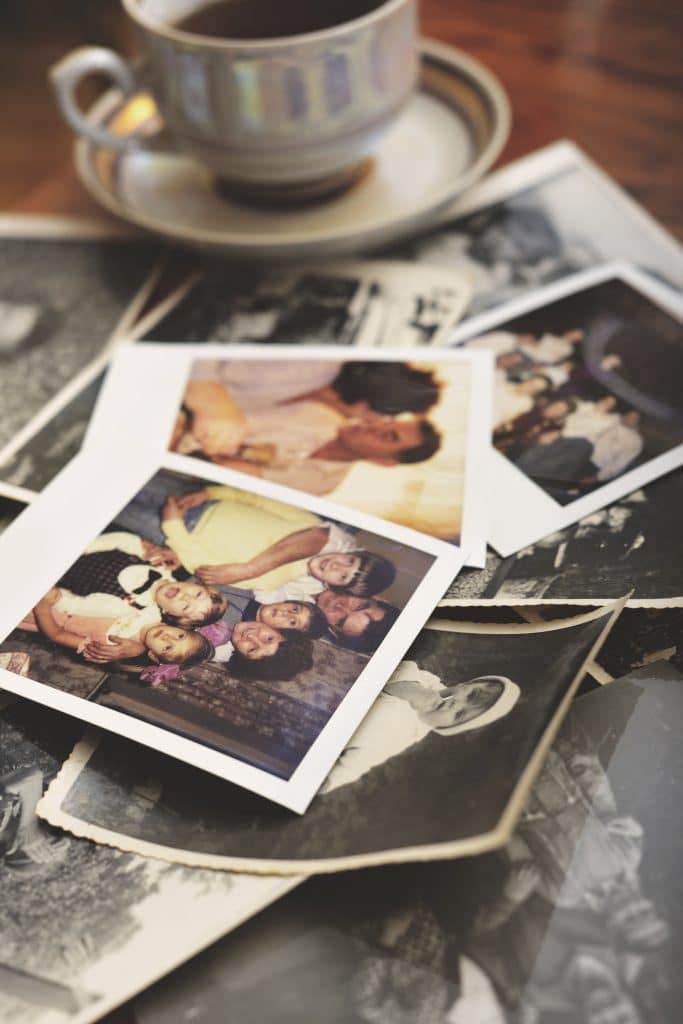
31. Photos Were Rationed
A roll of film had 24 or 36 shots, and every one cost money to develop. So people took a few good pictures at the birthday party instead of four hundred.
Those prints went in an album and stayed there. No storage plan, no monthly fee to keep years of blurry duplicates somewhere.
To be fair, film was not cheap per photo. The savings came from taking fewer, not from the format itself.
|
You might also like
29 Forgotten 90s Dinners That Fed a Whole Family for Almost Nothing →
|
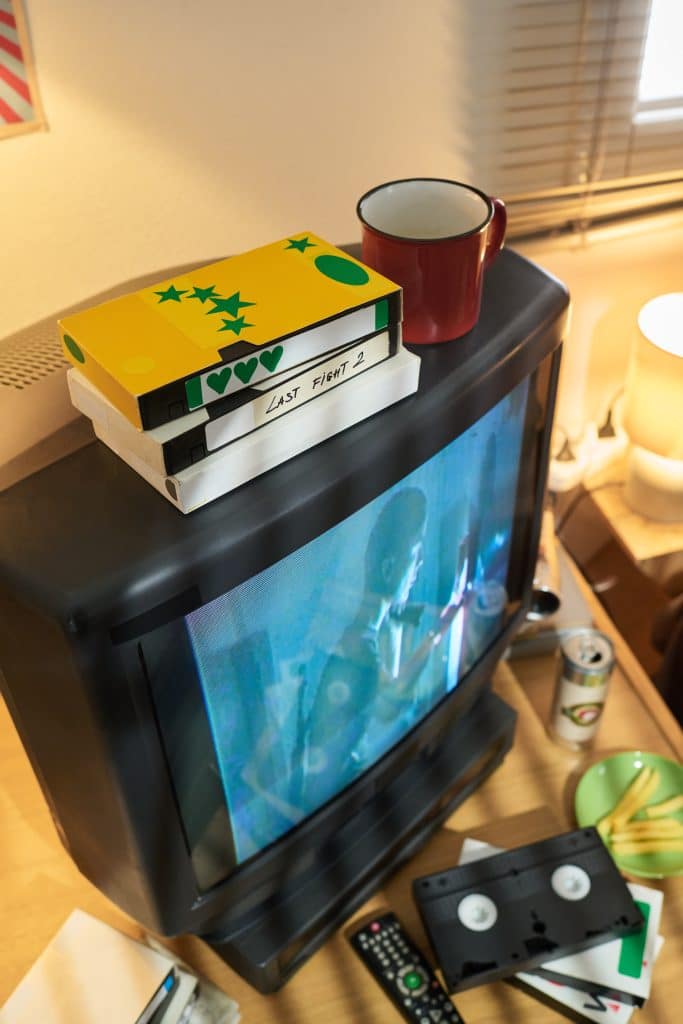
30. One TV, Whatever Was On
Broadcast TV came through an antenna for free, and the family watched whatever was on. If nothing good was on, you went outside.
Compare that to stacking several streaming services, each with a monthly rate that tends to creep up. Most households are paying for at least one they forgot about.
Net effect: less choice, and a lot less money leaving every month.
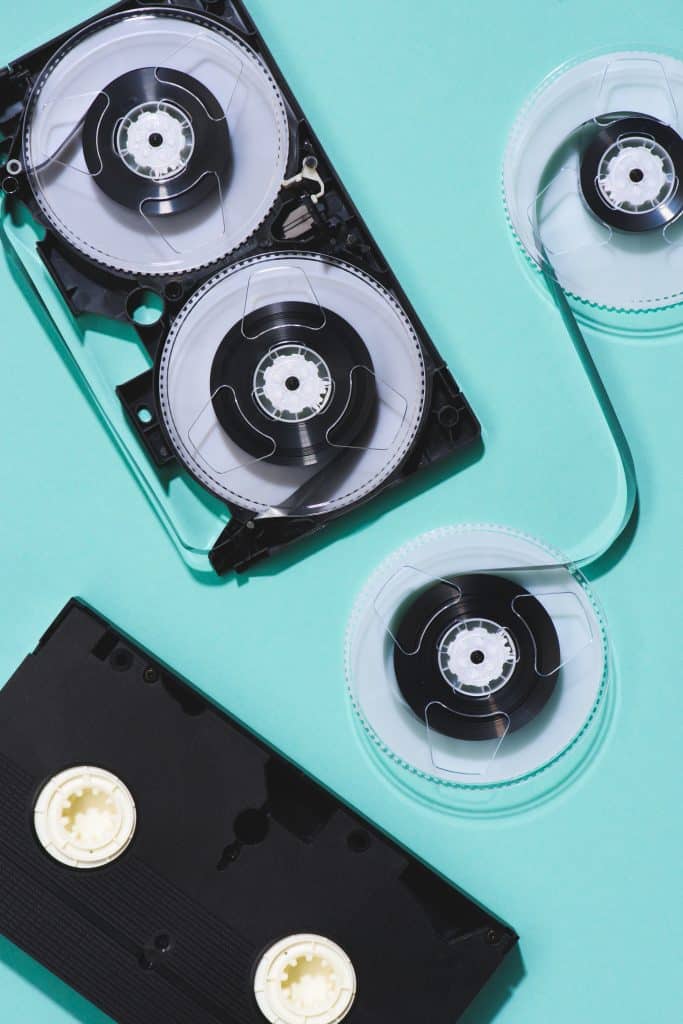
29. The Weekend Movie Rental (And the Late Fees Nobody Misses)
Friday night meant a trip to the rental store, ten minutes arguing in front of the new-release wall, and a tape for the weekend. It was cheap, right up until it wasn’t.
Late fees were the tax on being a normal, disorganized human. Forget to return it for a week, and a cheap rental could cost more than buying the movie outright.
Not every old habit saved money, and this one bled it on a regular basis.

28. Dinner Happened at the Table
Weeknight dinner was whatever was in the fridge, cooked by whoever got home first. Eating out was an occasion, not a Tuesday.
There was no app in your hand at 6 o’clock offering to fix it for you. The convenience markup on food has become one of the bigger quiet costs in a lot of budgets.
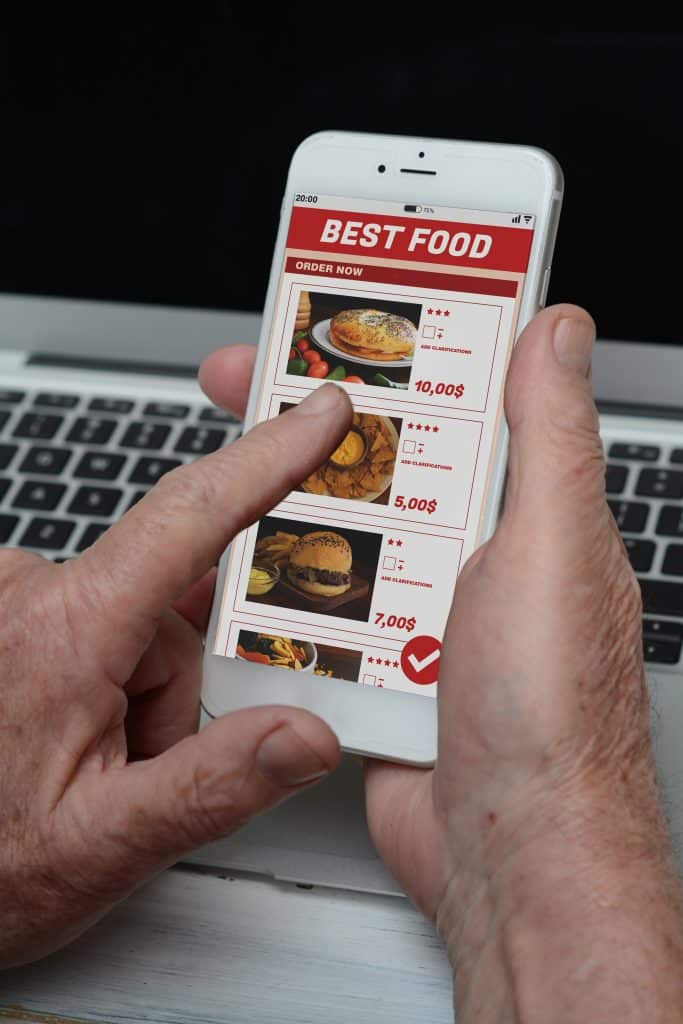
27. You Called the Restaurant and Picked It Up
Takeout existed. You called, they said twenty minutes, and you drove over and grabbed the bag yourself.
The price on the menu was the price you paid, give or take a tip. Delivery now tends to stack several fees on top of the food, and app menu prices are often higher than at the counter.
Where this lands: the ten-minute drive was the cheapest part of the whole meal.
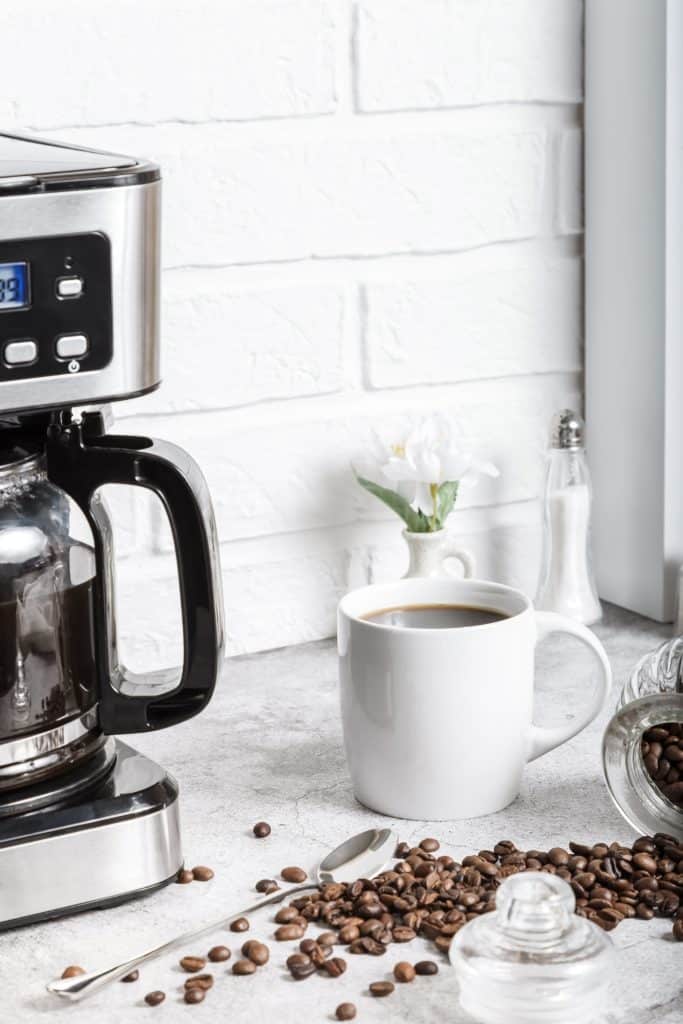
26. You Brewed the Coffee at Home
A big drip machine on the counter, a can of grounds, and a full pot before work. A coffee chain stop was a road-trip treat.
Mobile ordering made the daily stop almost frictionless, which is exactly why it adds up. The yearly total on a daily coffee run surprises most people who actually tally it.
The pot at home never asked if you wanted to add a pastry.
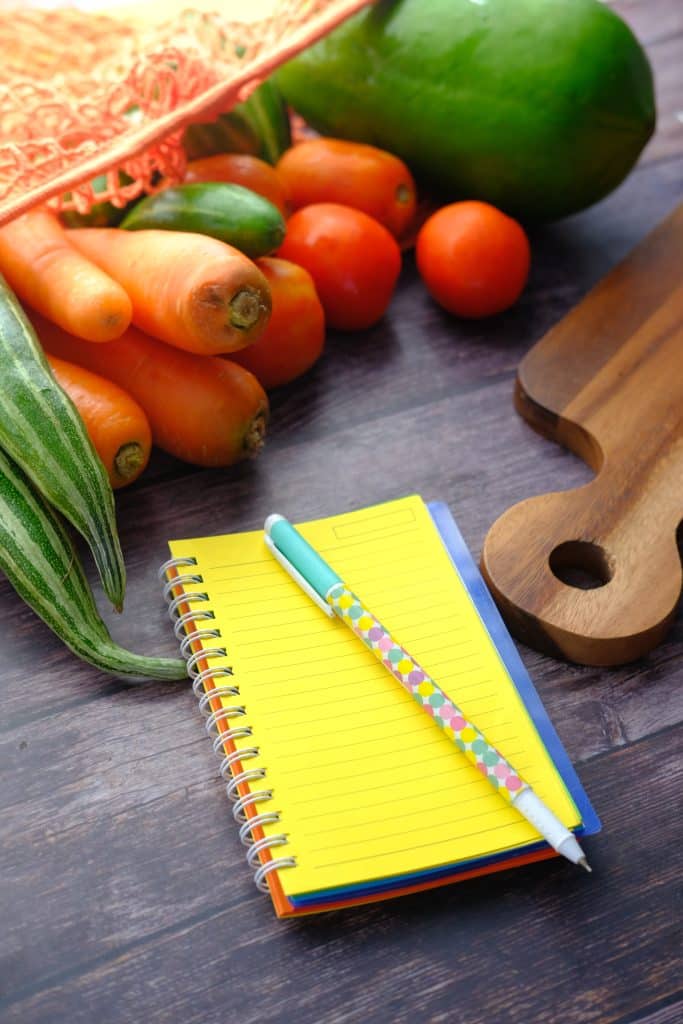
25. You Wrote the Grocery List on Paper
A notepad lived on the fridge, and anyone who used the last of something wrote it down. You shopped from the list.
Paper lists are weirdly effective because they’re finite. You can see the end of them, and anything not written down has to earn its way into the cart.
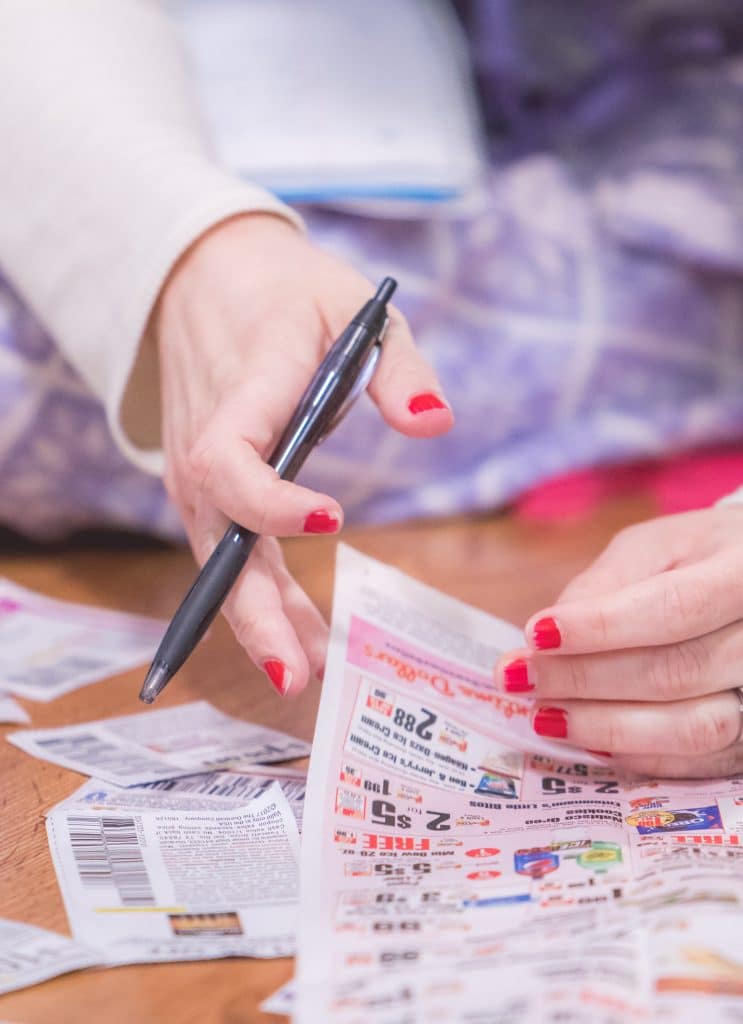
24. You Clipped Coupons From the Sunday Paper
Sunday meant the circulars, a pair of scissors, and a little envelope of coupons that lived in a purse. Some families turned it into a real competition.
The savings on any one coupon were small. The bigger effect was planning meals around what was actually on sale that week, instead of deciding at the shelf.
The upshot: the coupon mattered less than the planning session that came with it.
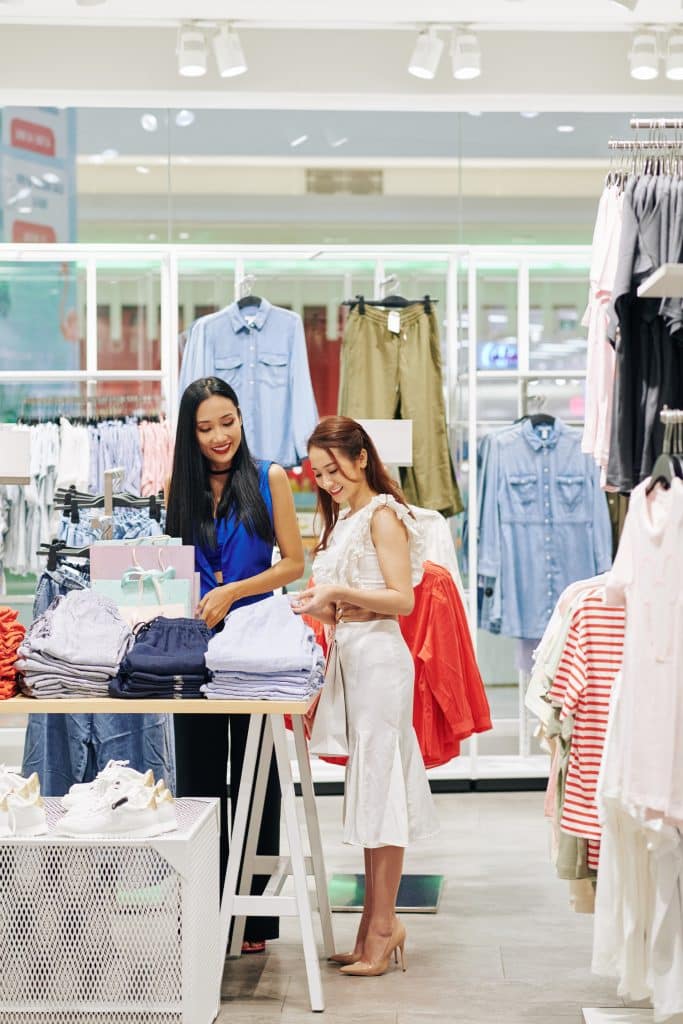
23. Shopping Required Going Somewhere
Stores had hours. If you wanted something at midnight, you wanted it until morning, and by morning you often didn’t.
Getting to a store took gas, time, and a parking spot, so trips got batched and purchases got made on purpose. That built-in effort filtered out plenty of buys before they ever happened.
A closed store was the best budgeting tool nobody gave credit for.

22. Window Shopping Was the Whole Trip
Walking the mall just to look was a legit activity. You saw the new stuff, wanted some of it, and went home empty-handed more often than not.
Looking and buying were two separate acts, with a walk to the register in between. Now they sit one tap apart on the same screen, and something you wanted at 10 at night can be on the porch by Thursday.
21. You Kept a Want List
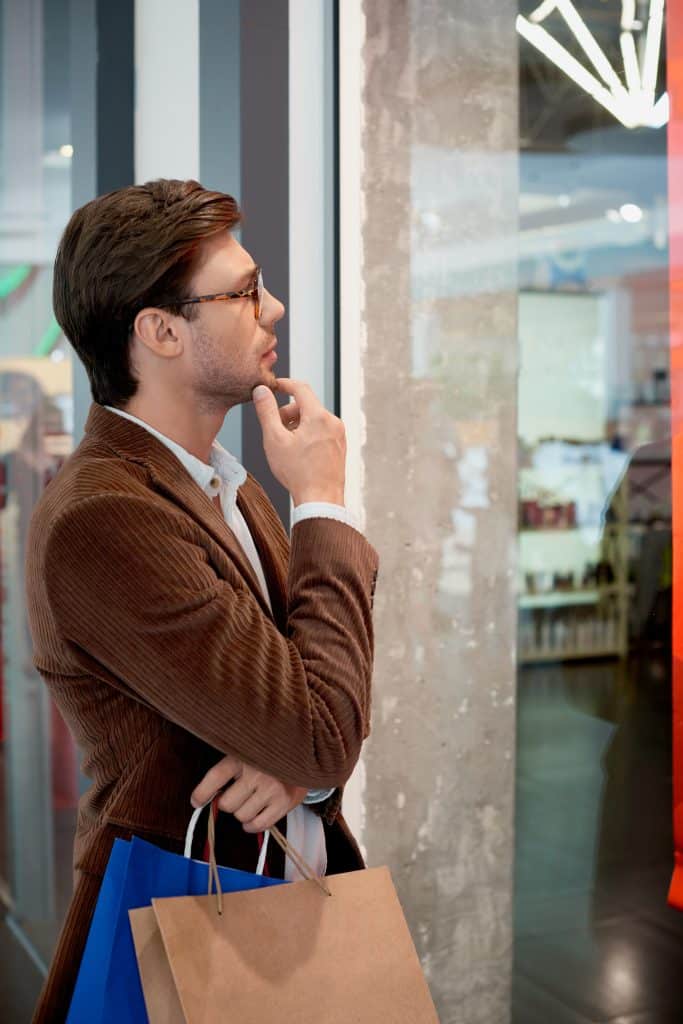
A lot of households kept a running list of bigger wants: a new vacuum, a better stereo, the jacket from the catalog. Stuff sat on that list for a while.
Time did the editing. Half the list stopped mattering after a few weeks. A few pointed questions before buying can recreate that filter on purpose.
The math: every item that falls off the list on its own is a purchase you never had to argue yourself out of.
20. You Paid Cash and Watched It Shrink
The paycheck became cash, and the cash went in a wallet or an envelope. By Wednesday you could literally see how the week was going.
Handing over physical bills tends to feel different from tapping a card, and plenty of people who try a cash-only week report spending less. Results vary, but the visibility was real.
An empty wallet ended the conversation in a way an account balance rarely does.
One More Thing: Try a one-week experiment and move every shopping app off your home screen into a folder on the last page. It sounds silly, but a couple of extra swipes brings back a little of that closed-store friction.
For a quick scan of where the old gap is missing in your own budget, the small leaks that quietly drain an account are a good place to start.
|
Money Stuff
17 Money Conversations Every Couple Should Have (Ranked by How Awkward They Are)
|
19. Nobody Asked for a Tip at the Counter
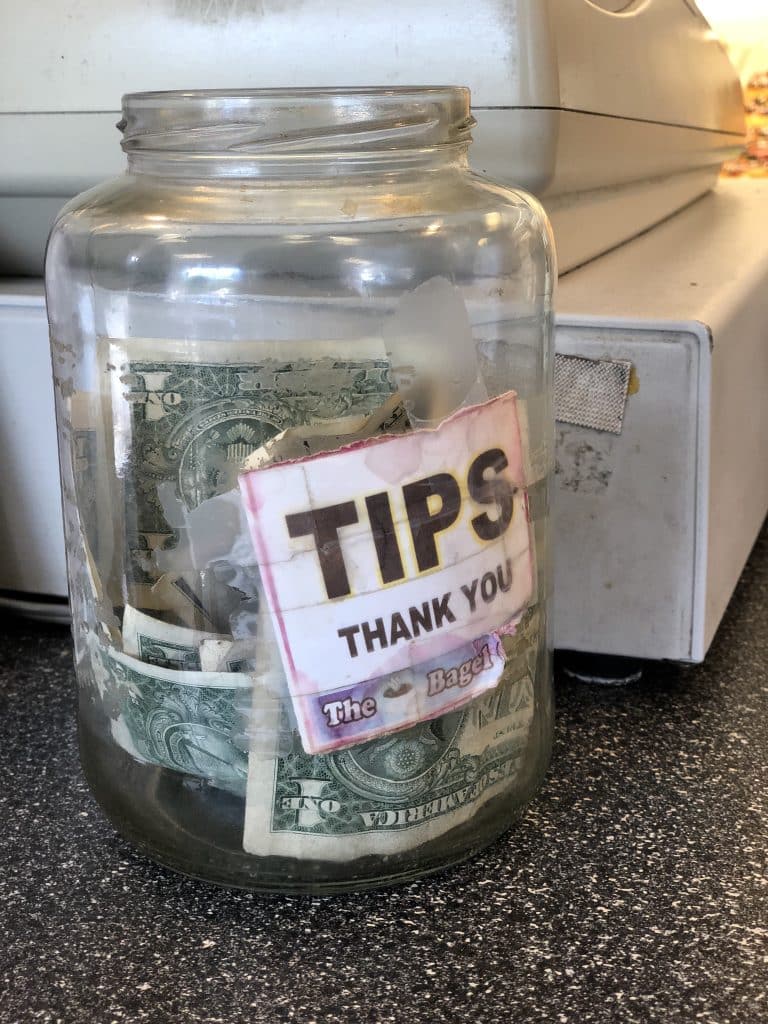
You tipped the waitress and the pizza guy, and that was about it. Buying a muffin didn’t come with a screen suggesting 20, 25, or 30 percent.
Tipping people who serve you still matters, and I’m not arguing otherwise. What changed is how many small counter purchases now come with a prompt, and how many people hit the middle button just to end the awkward pause.
18. You Balanced the Checkbook by Hand
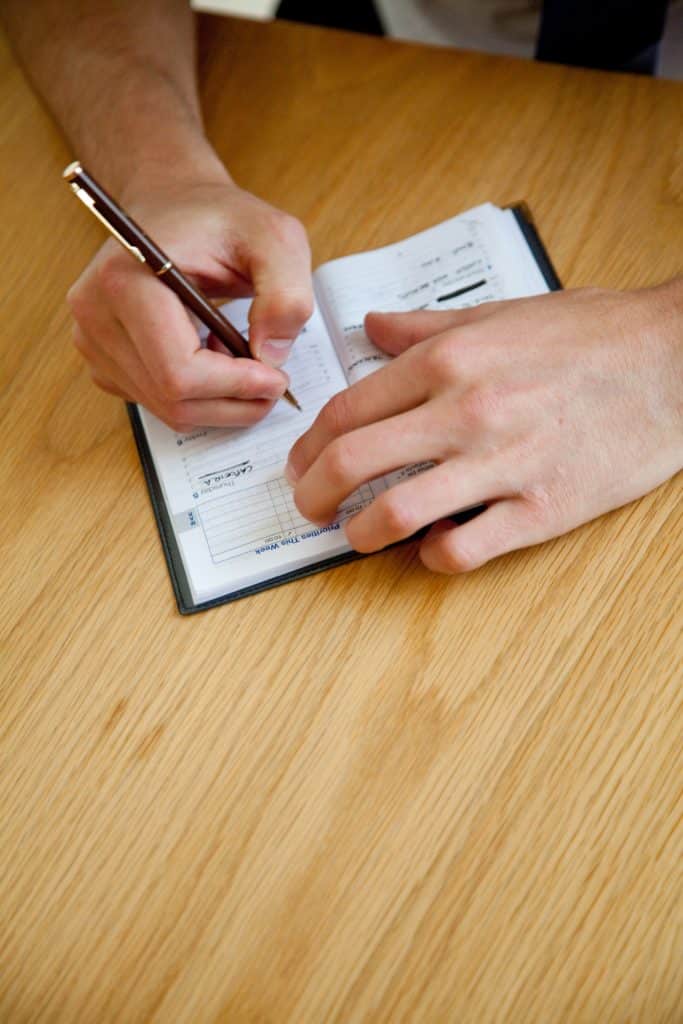
Every check and withdrawal went into a little paper register, and once a month you matched it against the bank statement. Tedious, yes.
But you knew your number at all times, because you’d written every piece of it yourself. People who are good with money still do some version of this, just on a spreadsheet.
Worth remembering: the point was never the arithmetic, it was looking at every transaction once.
17. Bills Came by Mail (And That Cut Both Ways)
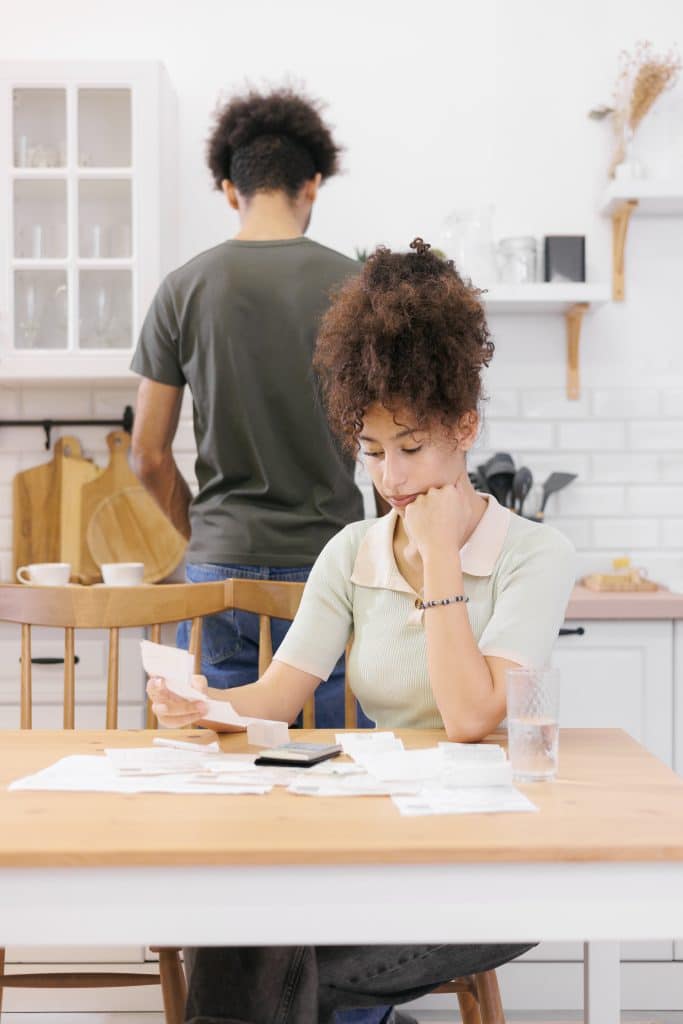
The electric bill arrived in an envelope, and somebody sat at the kitchen table and opened it. You saw the number, winced if it was high, and wrote a check.
Here’s the honest part. Paper bills also got lost under the fruit bowl and late fees were common, so autopay today prevents a lot of wasted money.
The best version keeps both: automatic payment, plus actually reading the bill once a month.
16. The Coin Jar on the Dresser
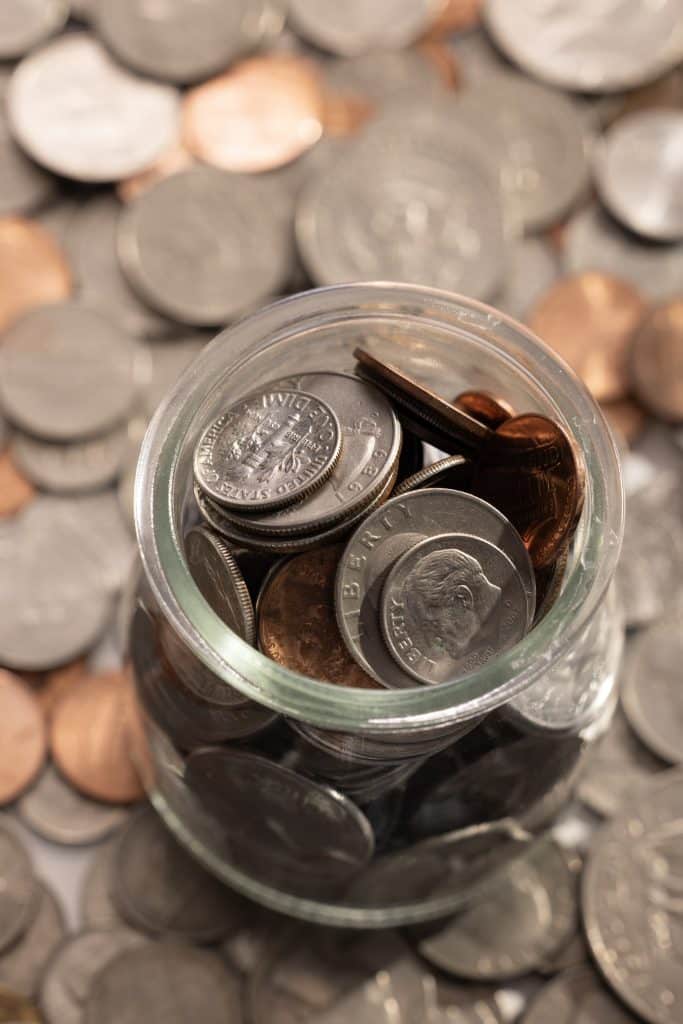
Pocket change got dumped in a jar every night. A few times a year somebody rolled it up and hauled it to the bank.
Nobody planned it as a savings strategy, and it turned into one anyway. Small amounts nobody missed became a pile worth noticing.
15. You Planned the Route Before You Left
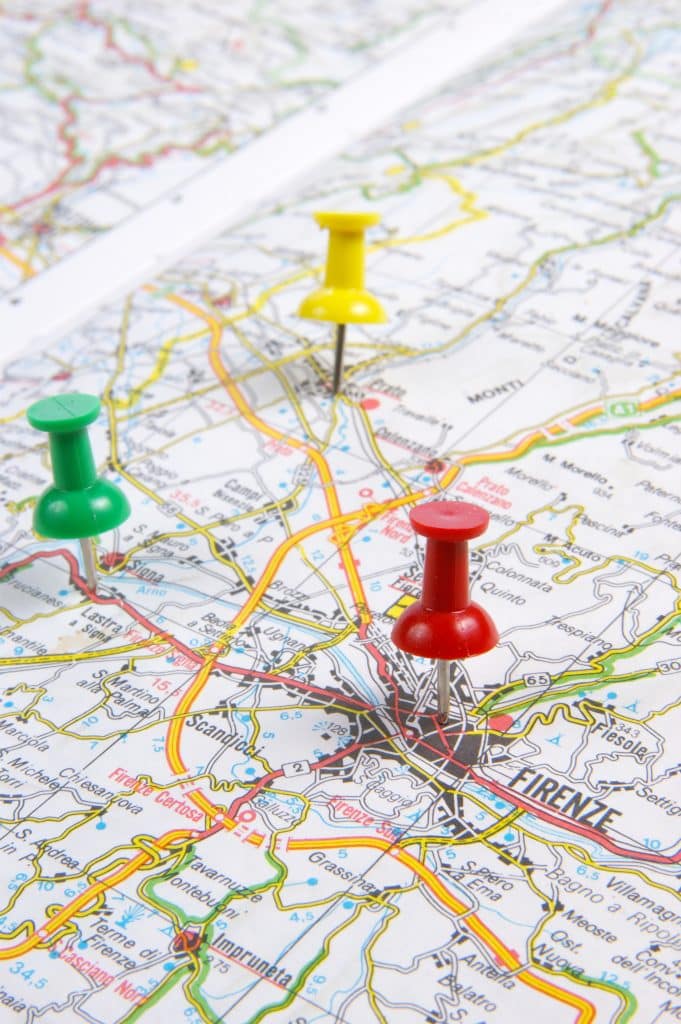
Before a trip across town, you checked a map, maybe scribbled directions on an index card, and figured out what else was on the way. Errands got chained together because driving around blind was a hassle.
Chaining stops meant fewer trips and less gas. Running errands in one planned loop is one of those old habits that still quietly pays off.
Net effect: one planned loop almost always beats three spontaneous drives.

14. Getting Lost Cost Real Money
Let’s not romanticize the paper map. Everybody’s family had a trip where Dad refused to ask for directions and burned half a tank finding the highway again.
Wrong turns cost gas and time, and a missed exit could mean an extra toll. Navigation on a phone saves real money here, and pretending otherwise is just nostalgia talking.
Credit where it’s due: turn-by-turn directions are a flat-out upgrade.
13. Comparing Prices Was a Chore, and People Skipped It
Before phones, comparing prices meant driving between stores or calling around. Most people didn’t bother, so they paid whatever the first store charged.
The phone wins outright on this one. A quick price check in the aisle can catch a markup in seconds.
The catch is that the same device running the comparison is also pitching you the impulse buy. Use it to check, then put it back in your pocket.
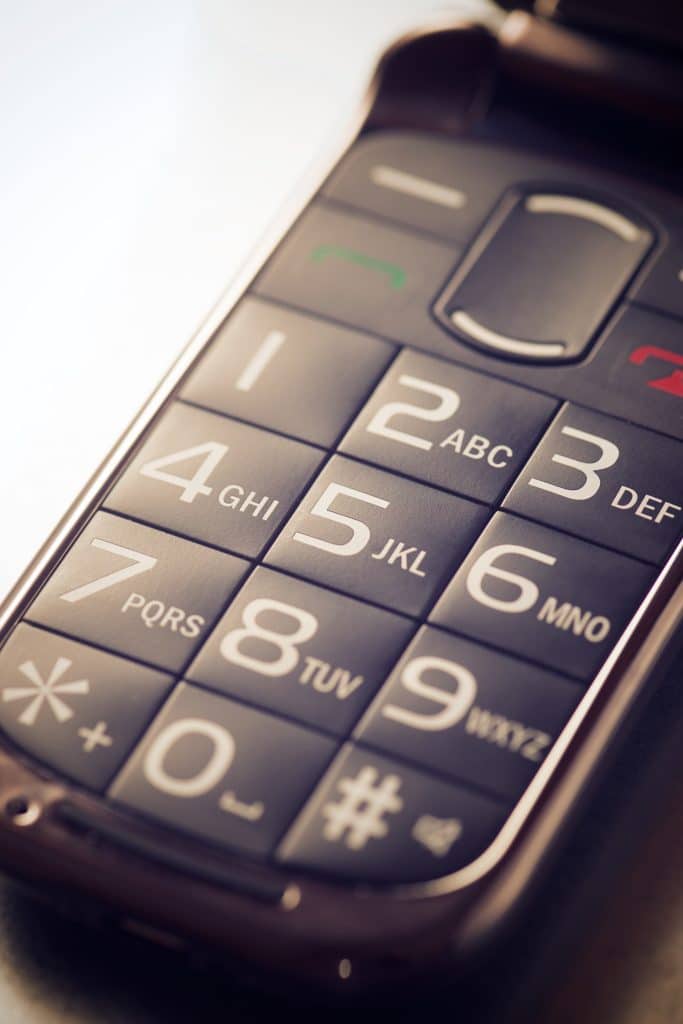
12. Nobody Upgraded a Phone Every Two Years
The kitchen phone lasted as long as the cord did, which was often a decade or more. A new model was not a yearly event.
Upgrade cycles now nudge people toward a new device long before the old one fails. Holding onto things that still work is one of the easiest money habits to bring back.
Where this lands: a phone that works is a phone you don’t need to replace.
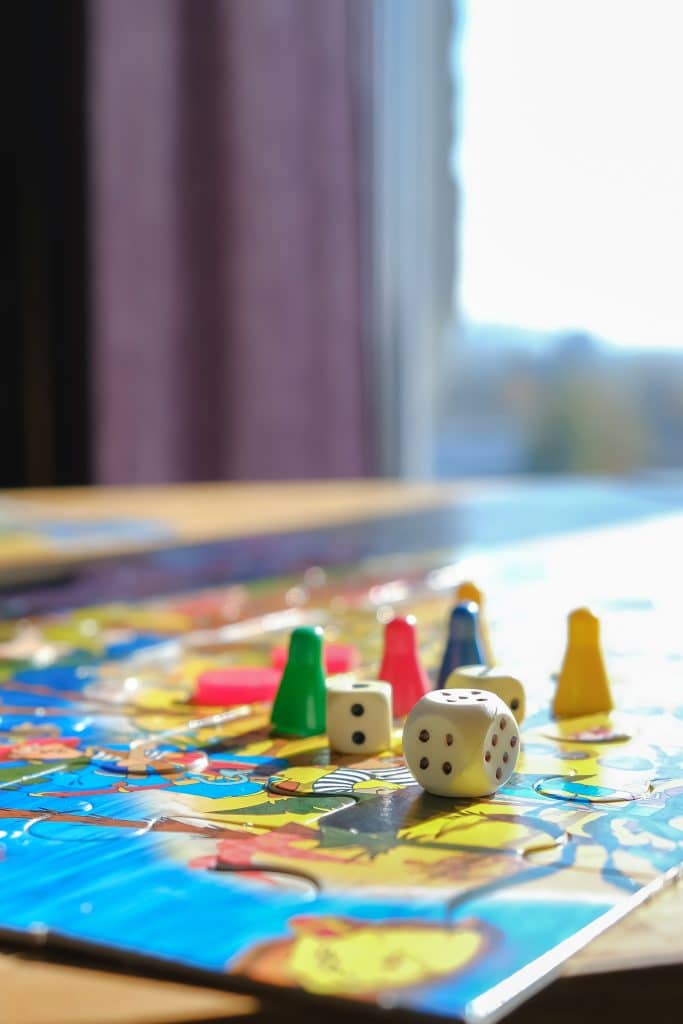
11. Kids’ Games Didn’t Sell Upgrades
A board game got bought once and played for years. Missing pieces got replaced with a button or a coin.
Plenty of modern kids’ games are free to download, then sell coins, outfits, and extra lives in small amounts that add up fast. Parents often don’t see the total until the card statement shows up.
A game you pay for once has a price. A game that keeps asking has a budget.
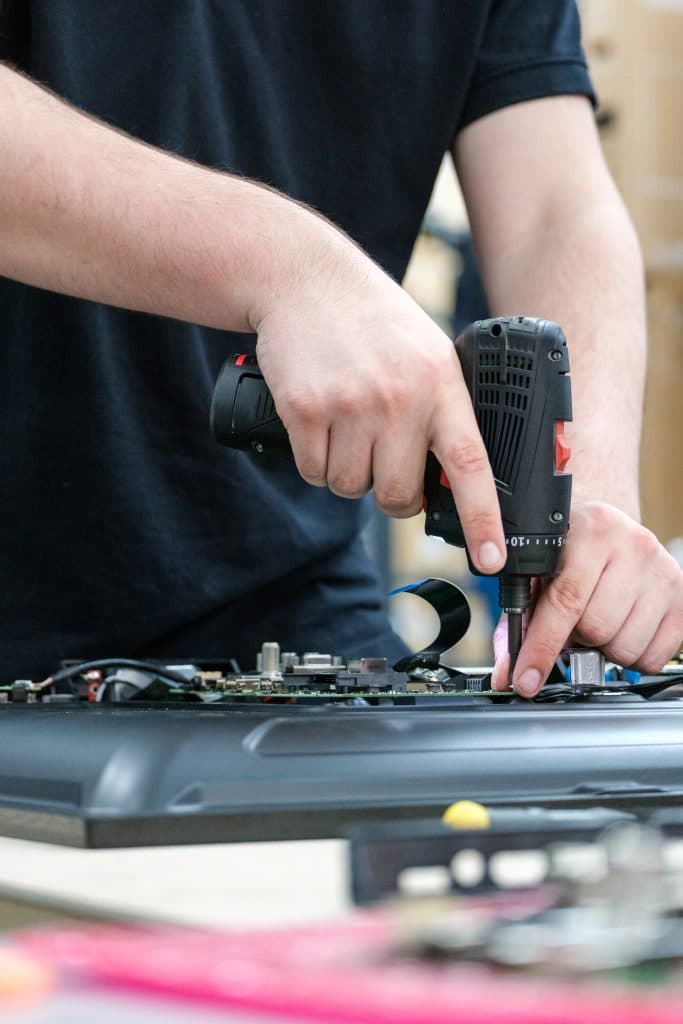
10. You Fixed It Instead of Replacing It
A broken toaster went on the workbench before it went in the trash. Somebody in the family, or somebody on the street, usually knew how to open it up.
Things were often simpler to repair back then, which helped. Online video tutorials make a lot of fixes easier than they’ve ever been, so the habit is worth reviving even if the gadgets got harder to open.
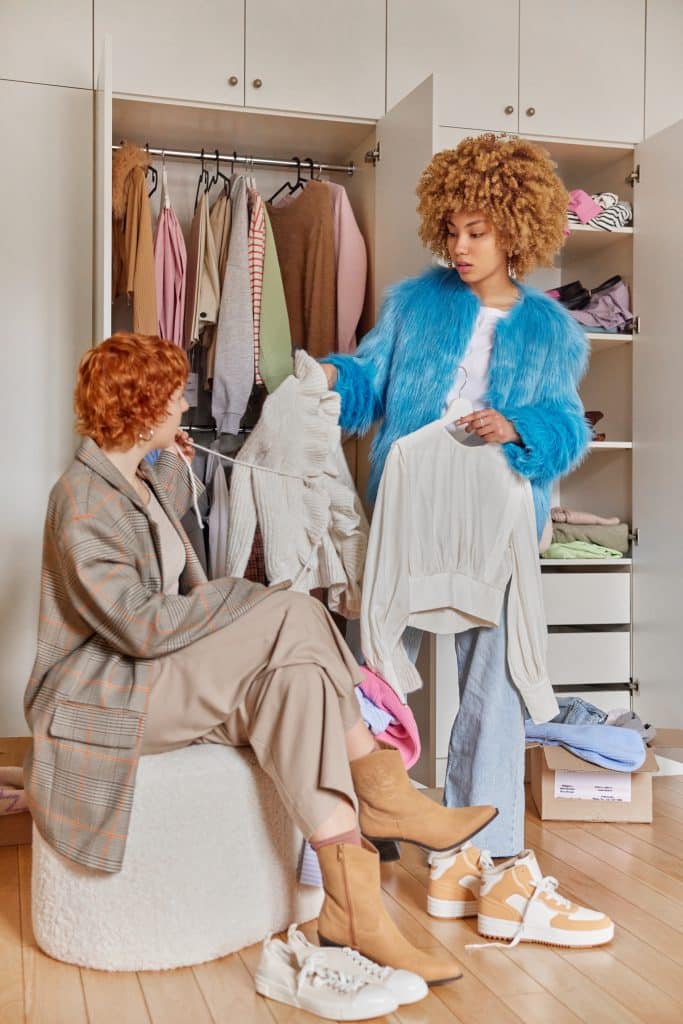
9. You Borrowed From the Neighbors
Need a ladder, a card table, or something to wear to a wedding? You walked next door and asked.
Borrowing kept a lot of one-time purchases from happening at all. The hedge trimmer used twice a year didn’t need to exist in every garage on the street.
The upshot: the cheapest tool is the one somebody else already owns.
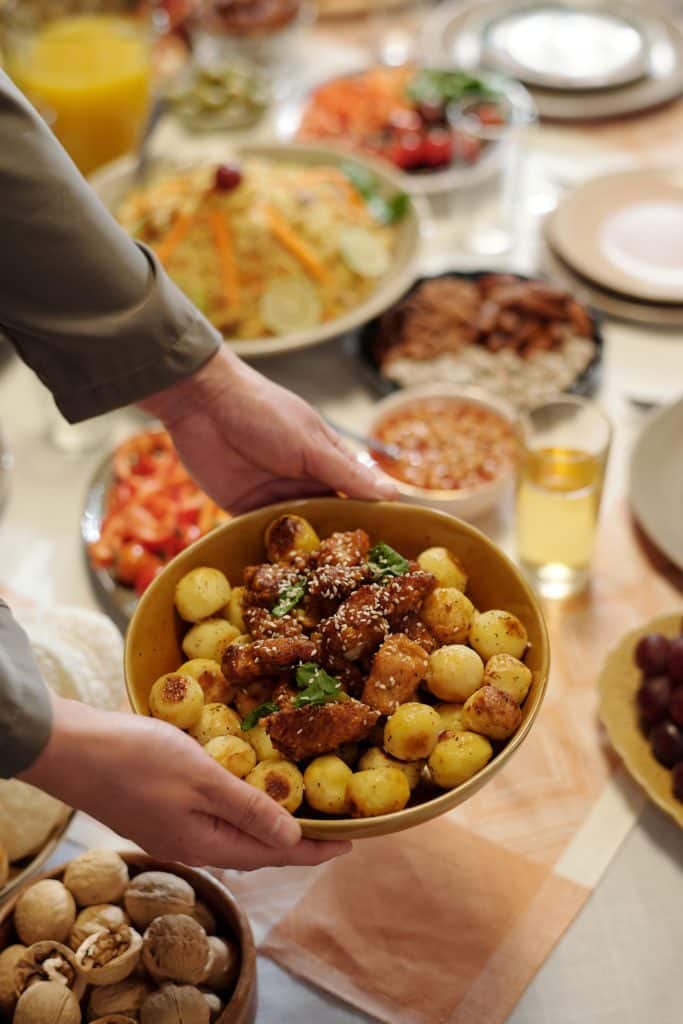
8. Hanging Out Meant Somebody’s Living Room
Friday night with friends often meant a couch, a deck of cards, and whatever snacks were in the cupboard. Potlucks were a standard social event, not a quaint idea.
|
Worth It or Not
18 Things That Used to Be Built to Last (And How to Buy That Quality Today)
|
Going out still happened, just less often. Frugal people still refuse to make every get-together a restaurant bill, and their nights don’t seem any less fun.
The best nights rarely came with a check to split.
7. Ads Didn’t Know Who You Were
Commercials were aimed at everybody watching the same show. They had no idea you’d looked at hiking boots on Tuesday.
Targeted ads now follow people from app to app with the exact item they already hesitated on. That hesitation used to be the end of the story.
6. Nothing Buzzed at Midnight With a Sale
A sale lived in the Sunday paper or a store window. It couldn’t find you in bed.
Push notifications and flash-sale emails now land at all hours, usually with a countdown clock attached. That urgency is often manufactured, and plenty of people stopped buying into it once they noticed.
The math: a sale you never hear about costs you exactly nothing.
5. Almost Nothing Came With a Monthly Fee
The typical household had a handful of recurring bills: rent or mortgage, utilities, phone, maybe cable. Most other things were bought once and owned.
Now software, storage, fitness, music, news, and even some car features can come as subscriptions. Families quietly cutting their monthly bills usually start by counting these.
Owning something outright used to be the default, not the premium option.

4. You Couldn’t Compare Yourself to Everyone
Keeping up with the neighbors meant the actual neighbors, maybe five or six houses. You saw their new car, not a stranger’s kitchen remodel.
Social feeds put a steady stream of other people’s best purchases in front of you all day. Comparison spending isn’t new, but the scale of it is.
The old version had a ceiling. That ceiling saved people money they never knew they would have spent.
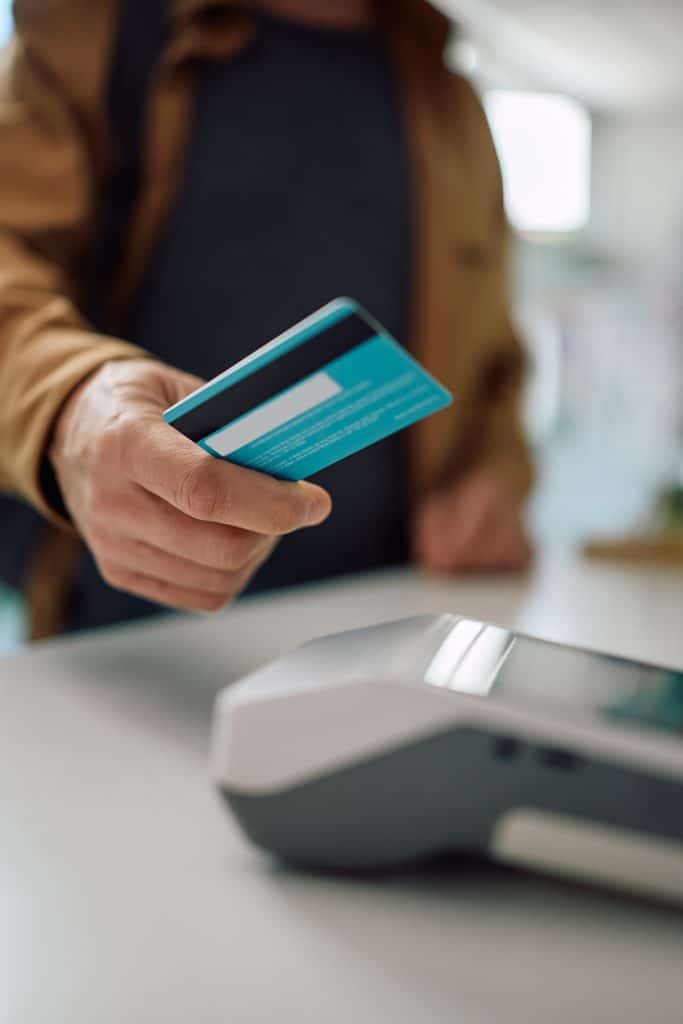
3. Paying Took More Than a Tap
At the register, you counted bills, wrote a check, or at least signed a slip. Each purchase took a few seconds of real attention.
Tap-to-pay and saved cards shrink that moment to almost nothing, and online checkout can happen without standing up. Less friction tends to mean more spending.
Worth remembering: a few seconds of effort at checkout was a tiny, reliable speed bump.
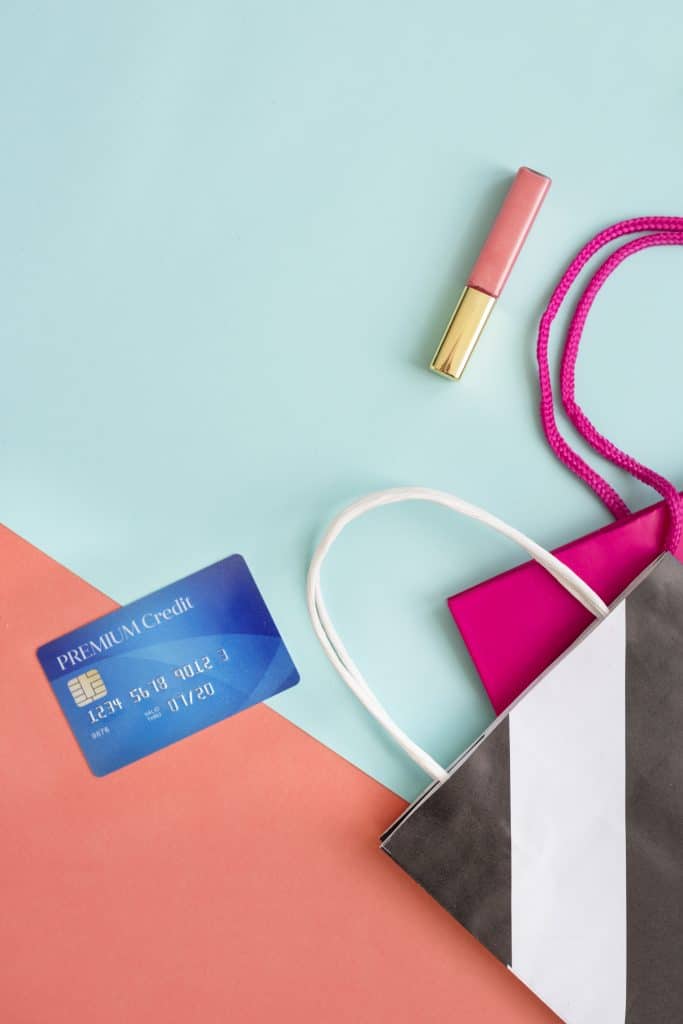
2. Layaway Made You Pay First
Want a bike in October that you couldn’t afford until December? The store held it in the back, you paid in installments, and it came home once it was paid off.
That’s the exact opposite of buy now, pay later, which hands over the item today and splits the bill across the coming weeks. One trained patience. The other trains the reverse.
Layaway forced the question every purchase should face: is this still worth it after I’ve paid for it?
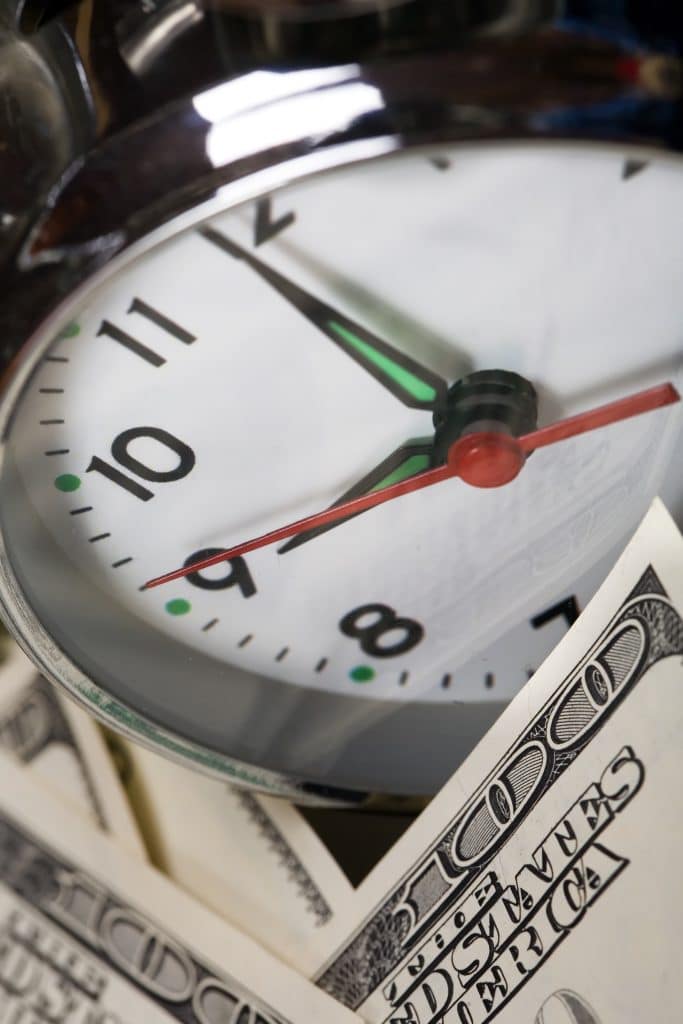
1. The Pause Between Wanting and Buying
Every item on this list shares one thing. Before smartphones, there was a gap between wanting something and owning it, and that gap was often measured in days.
You saw an ad on Monday, maybe got to the store on Saturday, and by then you’d either forgotten about it or decided it wasn’t worth the trip. Nobody called it a savings strategy. It just worked like one.
Phones erased the gap. Wanting and buying now live on the same screen, sometimes seconds apart, and often late at night when judgment is at its lowest.
You can rebuild the pause on purpose. Delete saved cards from shopping apps, turn off store notifications, and give bigger purchases a waiting period before you commit.
It won’t feel as natural as a closed store on a Sunday night. It works for the same reason, though: most wants don’t survive a few days of waiting.
The Friction Was the Feature
If you only steal back a few of these, make it the pause (#1), the cash-in-hand visibility (#20), and the paper list (#25). Those three rebuild most of the old friction without giving up anything useful.
Keep the parts phones do better, too. Navigation, quick price checks, and autopay all save real money, so this isn’t a case for going back to a flip phone.
If the checkout habits hit close to home, the household money habits worth breaking pick up right where the tap-to-pay screen leaves off.
And for the hands-on version, these cheapskate tricks that actually work are mostly old-school friction with a modern twist.
Where the money goes from there is a personal call this article doesn’t make. The point is just to notice where the speed bumps used to be.