
35 Warehouse Club Buys That Aren’t Worth the Membership
Some links may be affiliate links. We may earn a commission at no extra cost to you. View our full disclosure.
Every warehouse club run starts the same way. You go in for one thing.
You leave with a cart that costs more than your groceries usually do for the month. The math on the membership only works if what’s in that cart actually gets used before it goes bad, breaks, or gets replaced by something you liked better.
A lot of it doesn’t. The club’s whole layout is built to make bulk feel like savings, even when the size is wrong for your household and the shelf life doesn’t match your habits.
I’ve had the membership card in my wallet for years, and I still fall for a few of these. That’s kind of the point.
This is a walk through the aisles where the club actually earns its fee, and the ones where it’s just a bigger container for the same impulse buy. Some of these will surprise you, and a couple of them will get defended.
Let’s start at the far end of the store.

35. A Warehouse-Size Jug of One Specialty Oil
A gallon of avocado oil or truffle-infused olive oil looks like a deal per ounce. It isn’t a deal if you use two tablespoons a month.
Specialty oils go rancid faster than the plain stuff, and once that happens the whole jug is trash. The savings on paper never make it to your kitchen.
Net effect: buy the small bottle from a regular store for anything you cook with occasionally, not daily.

34. A Full Year of Sunscreen and Medicine, Bought in March
Sunscreen and most over-the-counter medicine lose potency past their expiration date. Buying a three-pack in spring for a family of four sounds efficient.
It’s efficient only if every bottle gets used before it degrades. In most households, one or two of the three end up half-full in a cabinet next fall.
This is one of the “normal” purchases that quietly costs more than buying smaller and more often.

33. Party-Size Boxes of Cereal and Snack Mix
The per-ounce price on a giant cereal box looks unbeatable next to the regular grocery aisle. Then it sits open on the counter, going stale, because nobody eats cereal at the pace the box assumes.
Snack mix variety packs have the same problem in reverse: the popular flavor disappears in two days and the rest goes untouched for a month.
A regular-size box that actually gets finished beats a jumbo box that gets thrown out half full.

32. Produce Sized for Six People
Warehouse clubs sell produce in restaurant-scale quantities. A three-pound bag of berries or a mesh sack of ten avocados makes sense for a big household with kids.
For one or two people, half of it turns before you get through it. Fresh produce is one category where the smaller price at a regular store, with less waste, usually wins.
The math: a produce bag you finish beats a produce bag you compost.

31. Anything You’ve Never Tried, in the Biggest Size Available
Warehouse clubs rarely sell a small trial size of anything. You either buy the giant version of a product you’ve never used, or you skip it.
That structure pushes people into buying a five-pound bag of a snack, sauce, or gadget they end up not liking. There’s no way to test-drive it for less.
Save the experiments for a regular store where the failure costs a few dollars instead of twenty.
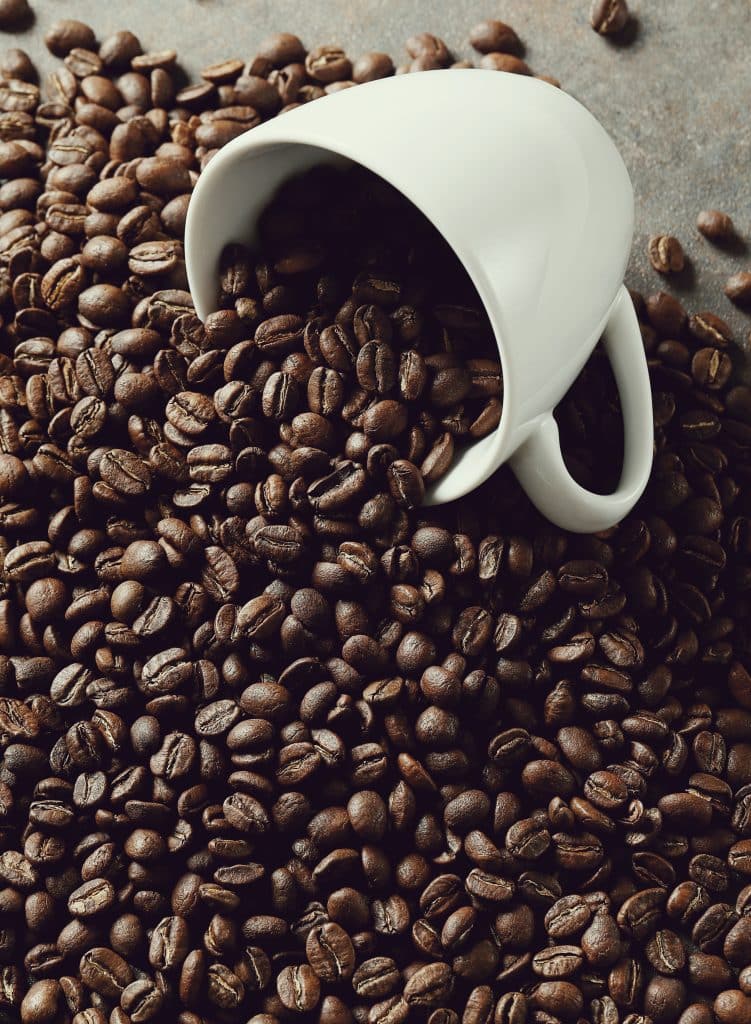
30. Warehouse Bags of Coffee That Go Stale Before You’re Through Them
Whole bean coffee starts losing flavor within a couple of weeks of opening the bag. A two-pound bag from a warehouse club can sit open on the counter for over a month in a light-drinking household.
By the time you’re at the bottom, the last several cups taste noticeably flatter than the first. If you drink coffee daily and go through it fast, this one flips to a genuine win.
Worth remembering: the size only pays off if your consumption keeps pace with the bag.

29. A Battery Multi-Pack Bigger Than Any Drawer Needs
Batteries don’t expire quickly, so this one is less about waste and more about clutter and dead cash sitting in a drawer.
A 48-pack is a great buy if you actually run through remotes, toys, and flashlights fast. If you’re the household with the same 12 remotes for six years, you’re storing inventory you’ll never touch.
This is a case where the size should match your actual device count, not the lowest price per unit.

28. A Diaper Case Sized for a Kid Who’s About to Outgrow It
Diapers are a real win for a family that’s securely in one size range with months of runway left. That’s genuinely one of the best uses of a membership.
The problem shows up near a size change. Buy the mega-case right before a growth spurt and you’re stuck with two-thirds of a case that no longer fits, trying to sell it or give it away.
Time the bulk buy to the middle of a size, not the start.
| Keep Reading — 18 Things Frugal Grandmothers Never Threw Away |

27. A Family-Block of Butter and Cheese You’ll Trim Mold Off Of
Butter freezes well, so buying it in bulk is genuinely fine for most households. Soft cheese is a different story.
A warehouse-size block of shredded or soft cheese starts to mold or dry out at the edges before a smaller household finishes it, and once you’re cutting off the outer inch, the per-pound savings are already gone.
The upshot: bulk butter, yes. Bulk soft cheese, only if you cook with it constantly.

26. Rice and Dry Staples Sized for a Household of Two
Rice, beans, and other dry staples last a long time, which usually makes bulk buying one of the genuinely smart club purchases.
The catch is storage. A 25-pound bag needs a dry, pest-proof container, and without one you’re just feeding pantry moths instead of your family.
If you don’t have a real storage setup for it, the savings on paper won’t survive contact with your actual pantry.

25. Detergent and Trash Bags Bought Before the Shelf Was Even Empty
Detergent and trash bags don’t spoil, so the product itself isn’t the problem. The habit is.
A lot of warehouse trips happen out of routine rather than need, and people restock detergent while three jugs are still under the sink. That’s cash sitting on a shelf instead of anywhere useful.
Buy it when the current one is actually running low, not because you happened to be walking past the aisle. This is one of the household money habits worth breaking on its own.

24. A Spice Tub That Loses Flavor Before You’re Halfway Through
Ground spices lose potency well before an actual expiration date. A warehouse-size tub of cinnamon or garlic powder is a lot of jar for the flavor life it actually has.
Unless you’re cooking in serious volume, most households will smell the difference by month six, and the second half of the tub does less and less work in the recipe.
A smaller jar you replace fresh beats a giant jar that fades halfway through.

23. A Gallon Jar of Condiments Headed for the Back of the Fridge
Mustard, mayo, and ketchup in gallon jars look like an obvious win for the per-ounce price. Then the jar gets pushed to the back of the fridge and forgotten behind smaller, more convenient bottles.
By the time it resurfaces, it’s past the point most people trust it, and it goes straight to the trash.
Net effect: only buy the giant jar for a condiment you use so often it can’t hide.

22. The Optical and Hearing-Aid Counter Upsell
The club’s own eye exam and glasses counter is genuinely one of the better-priced options out there for a single pair a year. That part isn’t the trap.
The trap is walking out with a backup pair, prescription sunglasses, and a lens coating upgrade you didn’t plan for, because the associate is trained to ask.
Go in knowing exactly what you need and stop there.

21. Discounted Gift Cards for Stores You Don’t Actually Shop
Warehouse clubs sell discounted gift cards for restaurants and retailers, and that rack is one of the club’s quieter real deals when you buy for a store you already use.
The rejection version is buying a discounted card for a restaurant you’ve never actually been to, just because the discount felt too good to pass up. Unused gift cards are a well-documented way money quietly disappears.
Only buy the discount on a place already in your regular rotation, the same logic behind weird money-saving habits that actually work.
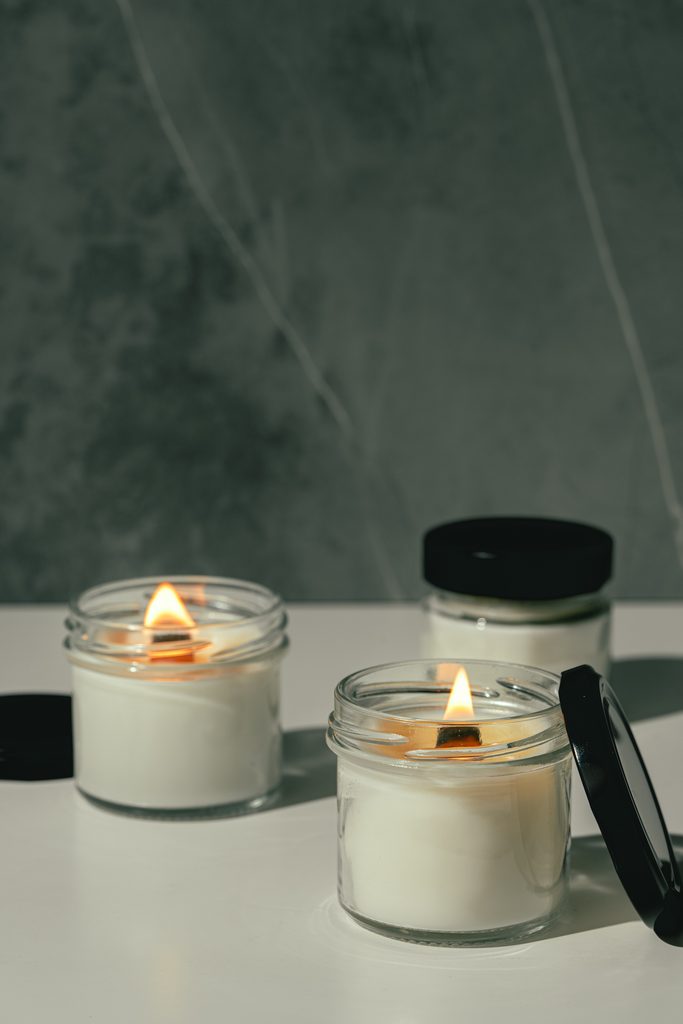
20. A Scented-Candle Multi-Pack You Didn’t Need One Of, Let Alone Six
Multi-packs of candles fall squarely into the “seemed like a good idea in the aisle” category. Nobody plans a candle purchase before walking in.
Six candles in one scent is five more than most homes burn through before getting tired of the smell.
If you genuinely love the scent and burn candles often, fine. If it was an aisle-end impulse, it’s the same trap as any other retail display built to catch you off guard.
Vitamins and supplements are a related trap worth naming here too: the giant bottle almost always expires before it’s finished, and once it does, the whole thing gets tossed regardless of what you paid per pill.

19. Jumbo Tubs of Skincare and Cosmetics
Face moisturizer, sunscreen sticks, and makeup all have a real shelf life once opened, usually somewhere between six months and a year.
The oversized tub sitting in a bathroom cabinet is often two-thirds used and past its window before anyone notices. Bulk contact lens solution has the same issue for people who wear glasses more often than lenses.
Where this lands: buy skincare in a size you’ll actually finish while it’s still good, not the size with the best unit price.

18. Salad Greens Sized for a Dinner Party You’re Not Hosting
A tub of mixed greens the size of a small pillow is a great deal for a household that eats a big salad most nights. For everyone else, it’s wilted by day four.
Bagged greens go bad faster than almost any other bulk item on this list because they’re already washed, cut, and losing freshness the moment the bag opens.
Match the size to how many salads you’ll actually eat that week, not the deal on the tub.
|
Money Stuff
18 Signs You're Actually Better With Money Than You Think
|
One More Thing: before we get to the back half of the list, a pattern is worth naming. The club is genuinely a good deal on things you use fast and store well.
It’s a bad deal on anything perishable, seasonal, or bought on impulse, regardless of the price per unit. Keep that filter running, because it flips the value on a few of the items coming up.

17. Off-Brand Sneaker Multi-Packs
Warehouse clubs occasionally run a two-pair sneaker deal for kids or adults, and it can look like real value on sizing paper.
The problem is fit. Shoes are one of the few categories where trying them on actually matters, and buying two pairs unseen means one pair frequently sits in a closet unworn.
Unless it’s a style and size you already know fits well, this is a gamble wearing a discount label.

16. The Seasonal Decor Aisle You Didn’t Plan to Walk Down
Holiday decor at a warehouse club is genuinely well priced compared to specialty stores. The issue is that most people don’t walk in planning to buy it.
It’s positioned right along the main aisle specifically to catch you on the way to something else, and it works. A lot of it ends up in a bin in the garage, used once.
If it wasn’t on your list before you walked in, treat the good price as a reason to think it over, not a reason to grab it.
15. Big-Box Wine and Liquor Bought “For the Holidays”
Wine and liquor at warehouse clubs are frequently priced better than a regular store, and for a household that hosts often, that’s a real advantage.
The rejection version is stocking up months ahead of a holiday or party that then gets scaled back or canceled, leaving several bottles sitting untouched.
Buy for the event that’s actually on the calendar, not the one you’re hoping happens.
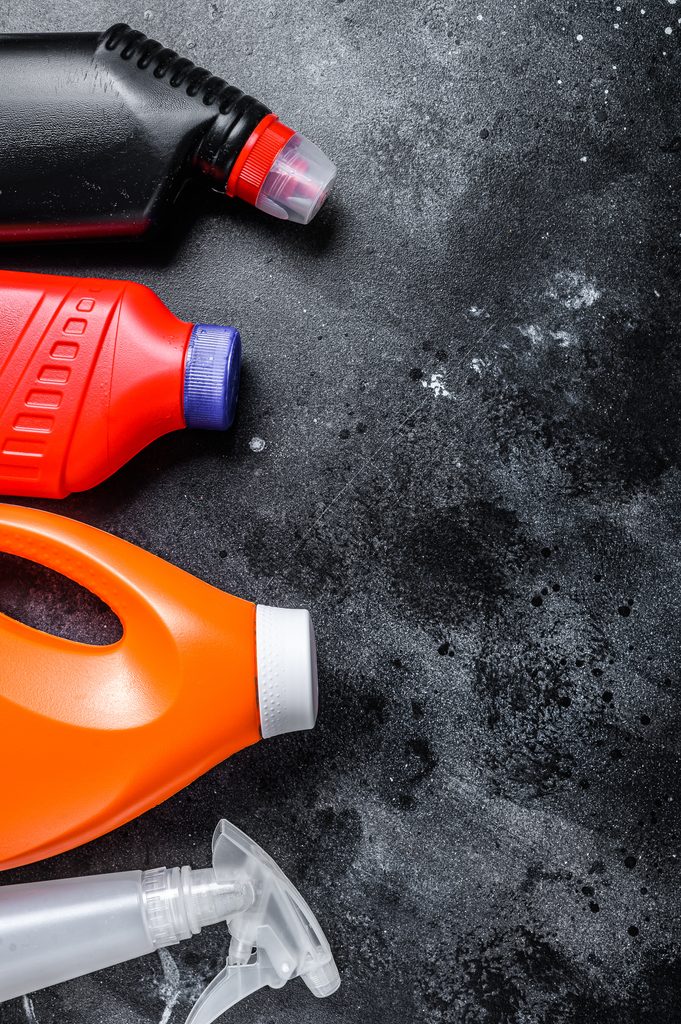
14. Cleaning Chemicals Stronger Than Anything You’ll Use
Industrial-size cleaning jugs are built for households that go through cleaner fast, like a home with pets, kids, and a lot of foot traffic.
For a smaller or lighter-use household, the concentrated formula sits under the sink for years, slowly losing effectiveness, and the container takes up space you’ll want back eventually.
This is one of the purchases genuinely frugal people skip in favor of a size they’ll actually cycle through.

13. Furniture Bought Because It Was Already in the Cart
Warehouse clubs sell a surprising amount of furniture, from patio sets to recliners, often at a genuinely fair price.
The risk is buying it the same day you saw it, with no measurements taken and no real comparison against what you have. Furniture that doesn’t fit the room or the decor becomes a return hassle or a donation a year later.
Worth remembering: the price is only good if the piece actually works in your space.

12. The Extended Warranty Pitch at Checkout
Warehouse clubs already tend to have solid return policies on electronics and appliances, which is part of why the membership can pay for itself on a big purchase.
That’s exactly why the add-on warranty pitch at checkout is often redundant. You’re frequently paying extra for coverage the store’s own policy already gives you for free.
Read what the base return window actually covers before adding anything on top of it.

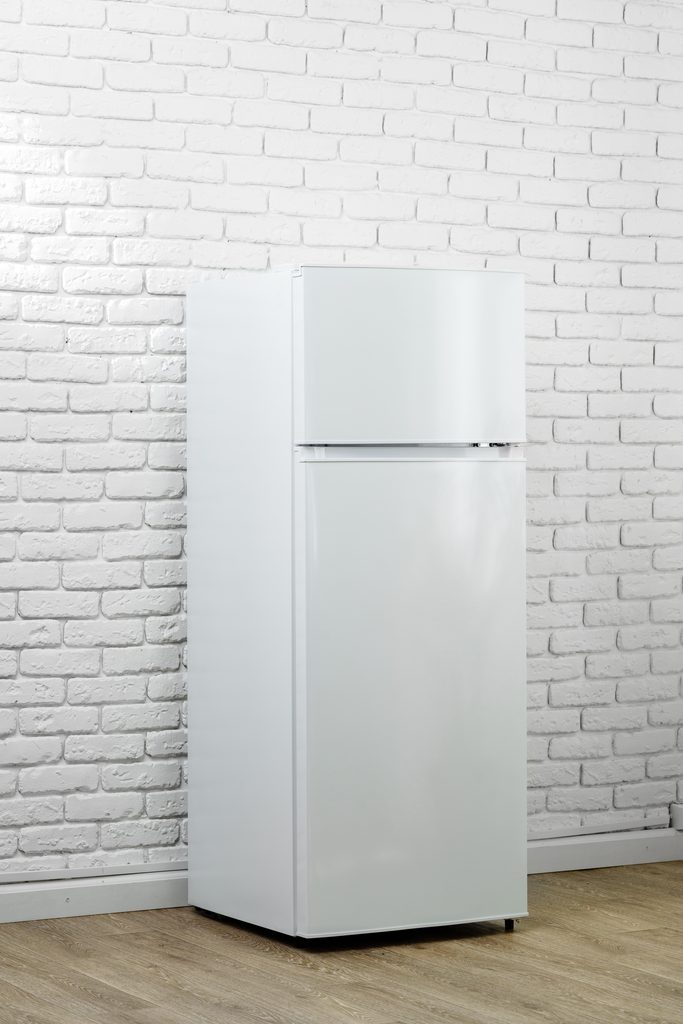
11. A Second Freezer Just to Store All the Bulk Stuff
This is the item that quietly exposes the whole model. If you need to buy a chest freezer to fit everything the membership convinced you to buy, the membership isn’t actually saving you money.
A freezer costs money to buy and money to run every month, on top of the food sitting inside it. Unless you were already planning to buy one for other reasons, that’s the bulk savings getting eaten by the appliance meant to store them.
If your current freezer is already full, that’s the signal to buy less, not to buy a second freezer.

10. Bath Tissue and Paper Towels
This one gets to break the pattern. Paper products don’t spoil, don’t go out of style, and get used by every household eventually, no matter the size.
The per-roll price at a warehouse club is reliably lower than a regular grocery store, and there’s no realistic scenario where you’re stuck with too much toilet paper.
The math: this is one of the rare bulk buys where the savings are basically guaranteed to show up, storage space permitting.

9. Warehouse Club Gas
Another one that earns its keep, with a real condition attached. Warehouse club gas is regularly cheaper per gallon than the stations around it, sometimes by a meaningful margin.
Whether that actually offsets the membership fee depends on how much you drive and how often you’re near a club location. A household putting real miles on the car every week can cover the whole membership on gas savings alone.
A household that drives occasionally and lives across town from the nearest club won’t see the same payoff, even though the per-gallon price is genuinely lower.

8. Tires Bought Because the Sign Looked Good
Warehouse club tire centers can be genuinely competitive, and the free rotation and balancing that comes with a set is a real perk over time.
The rejection version is buying because the in-store price felt low, without ever comparing it against a couple of independent tire shops. Tire pricing varies enough by brand and size that a quick comparison sometimes beats the club, sometimes doesn’t.
|
Worth It or Not
21 Big Purchases Ranked by the Best Time of Year to Buy Them
|
Where this lands: get one more quote before you commit, even if you end up back at the club anyway.

7. The Store Credit Card That Comes With the Membership Pitch
The co-branded card at checkout usually comes with cash back on purchases, and for someone who shops there constantly and pays the balance off every month, that’s real money.
The rejection version is signing up on the spot for a small discount that day, without checking the interest rate or whether you’ll actually use the card enough to justify carrying it. A card that sits unused after the signup bonus does nothing but add a line to your credit report.
This is the same category as the “money rules” that turn out to be myths once you look at the fine print.

6. Bulk OTC Pain Relievers You’ll Toss Half-Expired
A 500-count bottle of pain relievers looks unbeatable per pill. Most households, even large ones, take a lot longer than the shelf life allows to get through 500 tablets.
Once medicine passes its date, the safe move is tossing it, not stretching it. That turns the per-pill math upside down.
A mid-size bottle you’ll actually finish is the better buy here, even at a slightly worse unit price.

5. Family-Pack Steaks Headed for Freezer Burn
A giant tray of steaks at a great per-pound price is one of the most common warehouse club impulse buys, and one of the most common sources of regret.
Without a vacuum sealer or a real system for wrapping and freezing individual portions, a chunk of that tray ends up covered in freezer burn within a couple of months.
Net effect: the deal is only real if you actually portion and freeze it properly the same day you buy it.

4. Renewing Out of Guilt, Not Use
The renewal notice shows up, and a lot of people pay it automatically because they’ve had the card for years and it feels wasteful to let it lapse.
That’s the opposite of the logic that should apply. Past use doesn’t determine future value. What matters is whether you actually went enough times in the last twelve months to justify another year.
This deserves the same honest look you’d give any of the small money leaks quietly draining your account, because a membership you’re not using is exactly that.

3. The Fee Itself, Once You Run the Actual Math
Most people never sit down and calculate whether the membership actually paid for itself. They renew because the card’s already in the wallet.
The honest version of that math is simple: add up what you saved on gas, tires, eyewear, and anything else that’s a genuine win from earlier in this list, and compare it to the fee.
If the real savings clear the fee with room to spare, keep the card. If you have to squint and count “maybe” savings from things that might have gone bad anyway, that’s your answer too.

2. The Second Membership You Forgot You Also Have
A fair number of households carry cards to two warehouse clubs at once, usually because a family member had one and it felt easier to keep both than compare.
Almost nobody needs two. The overlap in what each club sells is huge, and splitting your shopping between them usually means neither one earns back its fee cleanly.
Pick the one with the better location, the better gas price, or the better selection for what you actually buy, and let the second one go.

1. The Membership Itself, If You Never Actually Sat Down and Asked
Everything on this list points at the same root question. It’s not really about steaks or spices or candles. It’s about whether the card in your wallet is earning its keep, or just riding along on habit.
A membership genuinely makes sense for a household that drives enough to benefit from the gas, buys eyewear or tires there, and consistently uses the bulk staples that don’t spoil, like paper products and pantry basics.
It stops making sense the moment most of the cart is perishable items sized for a bigger household, seasonal impulse