39 Things Your Parents Rented That Everyone Buys Now (And When the Old Way Was Right)
Some links may be affiliate links. We may earn a commission at no extra cost to you. View our full disclosure.
My father-in-law once told me a story about calling the phone company to schedule a “phone visit.” Not a repair. A visit, because the telephone sitting on his kitchen wall wasn’t his. It belonged to the phone company, and he paid a monthly fee for the privilege of having it there.
That sounds absurd now. But renting instead of owning used to be the default for a huge chunk of what filled an American home. Furniture, TVs, formal wear, even the machines used to clean the carpet once a year, all of it moved through rental counters and leasing agreements before it ever became something you just walked into a store and bought outright.
Somewhere between cheaper manufacturing, bigger stores, and easy financing, the math flipped. Owning got cheap enough, and renting got expensive enough, that buying became the obvious move for almost everything on this list.
Almost everything. A few entries here are honest exceptions, cases where renting still quietly wins and buying is the trap. We’ll flag those as we go.
Here are 39 things your parents, or grandparents, routinely rented that most households now own without a second thought.

39. Formal Jewelry for Events
Renting a nice watch or a statement necklace for a wedding or a gala used to be a normal errand, right alongside picking up the dry cleaning. Jewelry rental counters existed in department stores specifically for this.
Now people buy a “good enough” piece once and wear it to everything. It costs more up front, but there’s no last-minute counter run and nothing to return by Monday.
The math: one mid-range piece worn for a decade of events usually beats a decade of one-off rental fees.

38. Golf Clubs
Course rental sets used to be how most casual golfers played. You showed up, rented a bag, and played nine holes without owning a single club.
Now a full starter set is cheap enough, and used sets are everywhere, that renting every round adds up faster than just buying your own. Most weekend golfers own clubs before they’ve broken 90 even once.
Renting still makes sense for a single vacation round. Owning makes sense the moment you’re playing more than a couple times a year.
37. Waterbeds
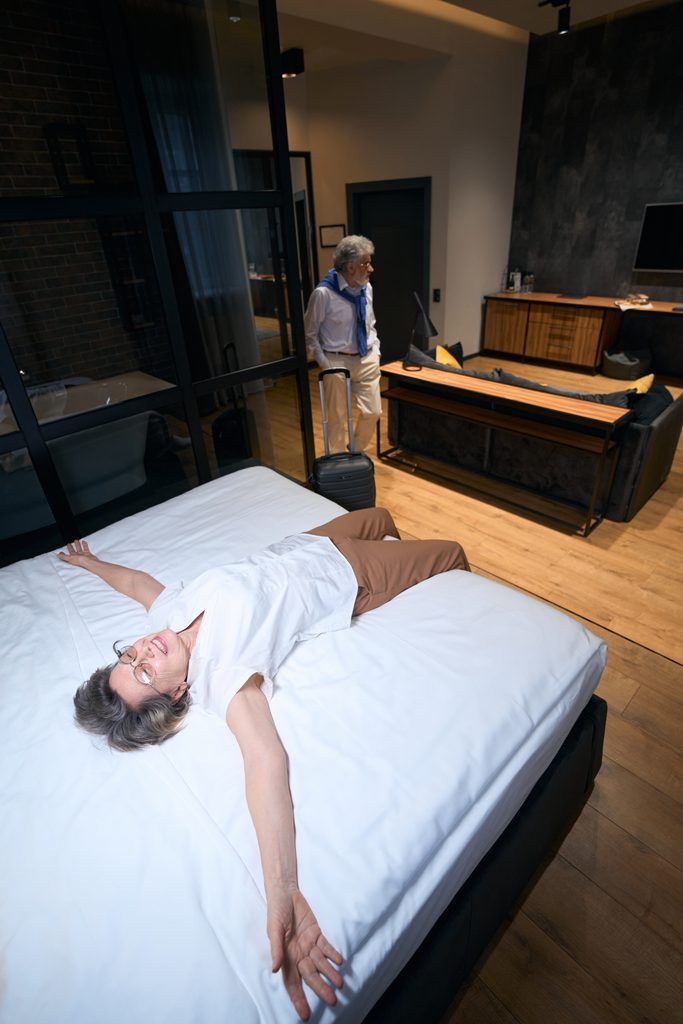
Waterbeds were a genuine rental category in the late 70s and early 80s, with dedicated stores that leased the frame, the mattress, and the heater as a package. Buying one outright was a real financial decision back then.
Mattress technology moved on, waterbeds mostly disappeared, and the few people who still want one just buy the whole setup new. There isn’t really a rental market left to compare it against.
Worth remembering: a lot of “renting was normal” items on this list didn’t get replaced by buying so much as they got replaced by something else entirely.
36. Home Security Systems
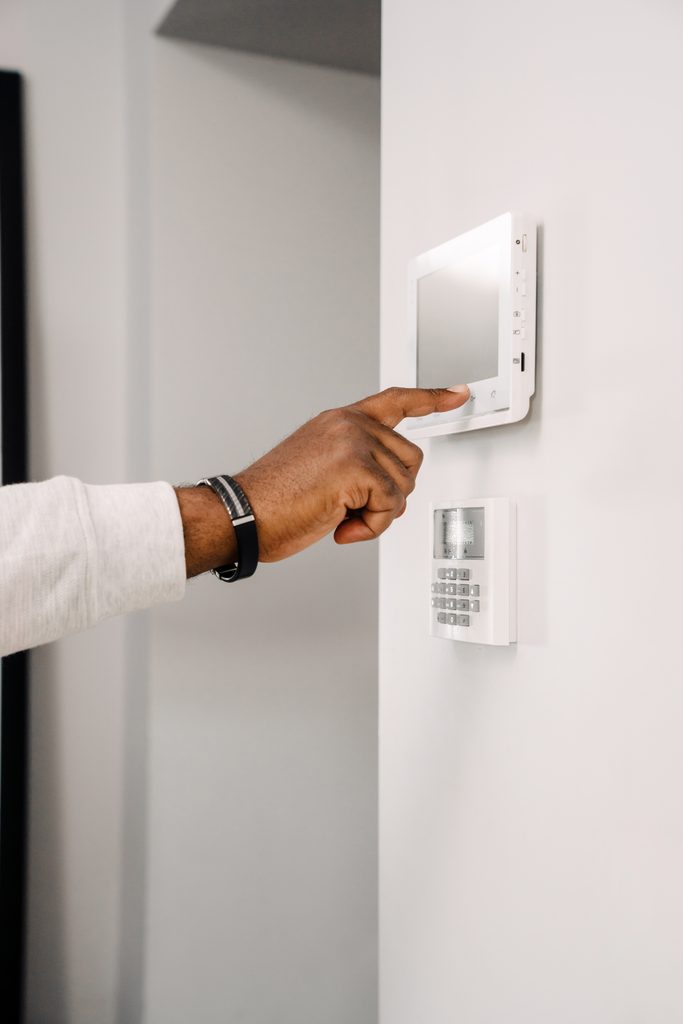
For decades, a home alarm meant a leased control panel and sensors, installed by a technician and billed monthly whether you ever tripped the alarm or not. The equipment itself was never yours.
Wireless smart-home systems changed that completely. Most households now buy the cameras and sensors outright and either skip monitoring entirely or pay a much smaller fee for the software layer.
The old leased hardware model quietly survives in some commercial buildings. At home, it’s mostly gone.
35. Satellite TV Equipment
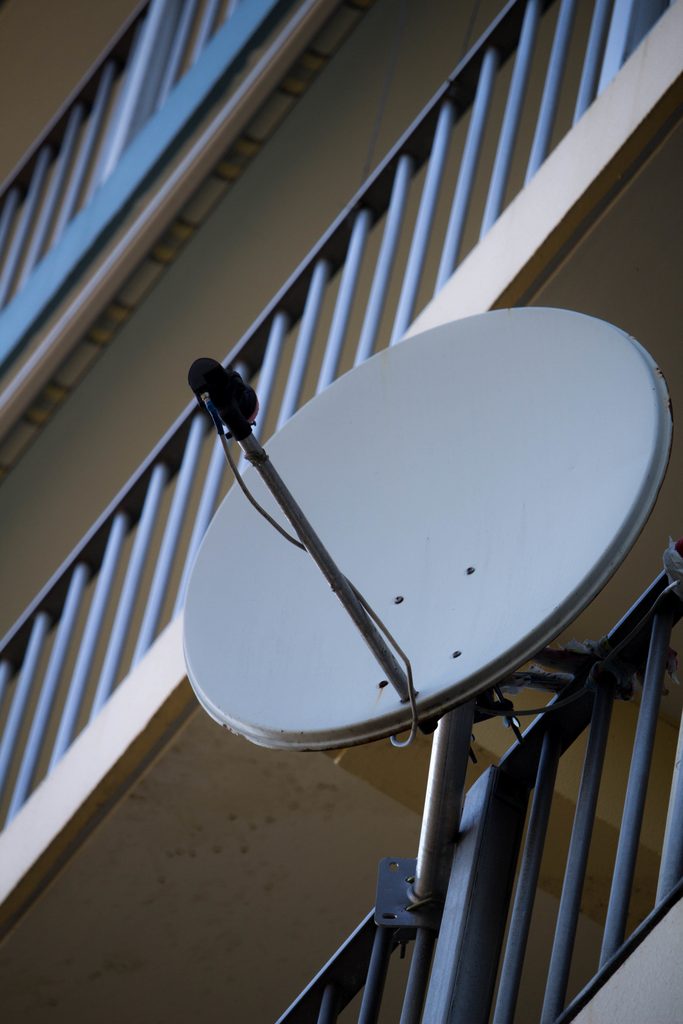
Early satellite TV came with a leased receiver and dish, part of the monthly bill for as long as you kept the service. Cancel the service and the hardware went back in a box to the provider.
Streaming boxes flipped that model. You buy the little device outright for a modest one-time cost and it’s yours whether you keep any particular subscription or not.
Net effect: the hardware got cheap enough that leasing it stopped making sense for either side of the transaction.
34. Snow Blowers
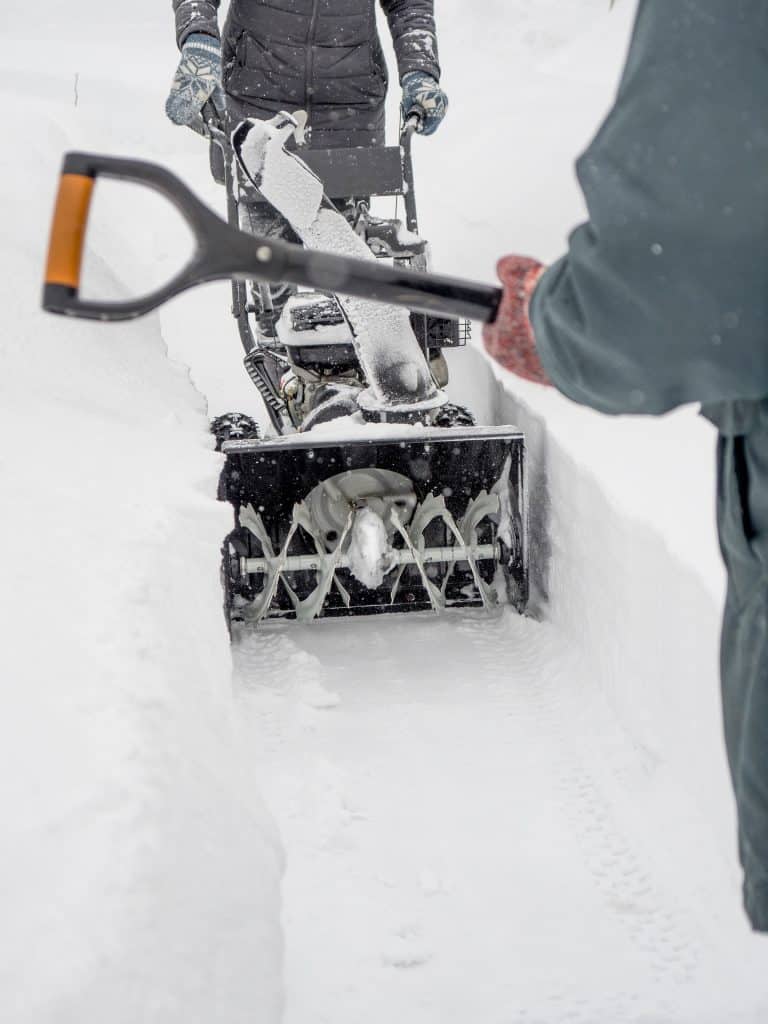
In a lot of snowy towns, the hardware store’s rental fleet used to sell out by the first real storm. A snow blower was a once-or-twice-a-winter tool, so renting it for a weekend made obvious sense.
Now most homeowners in snow country just buy one and store it in the garage year-round. The convenience of not waiting in a rental line during a storm won out.
If you get one real storm a year, renting is still arguably the smarter call. Most people just don’t bother running that math.
33. Lawn Mowers
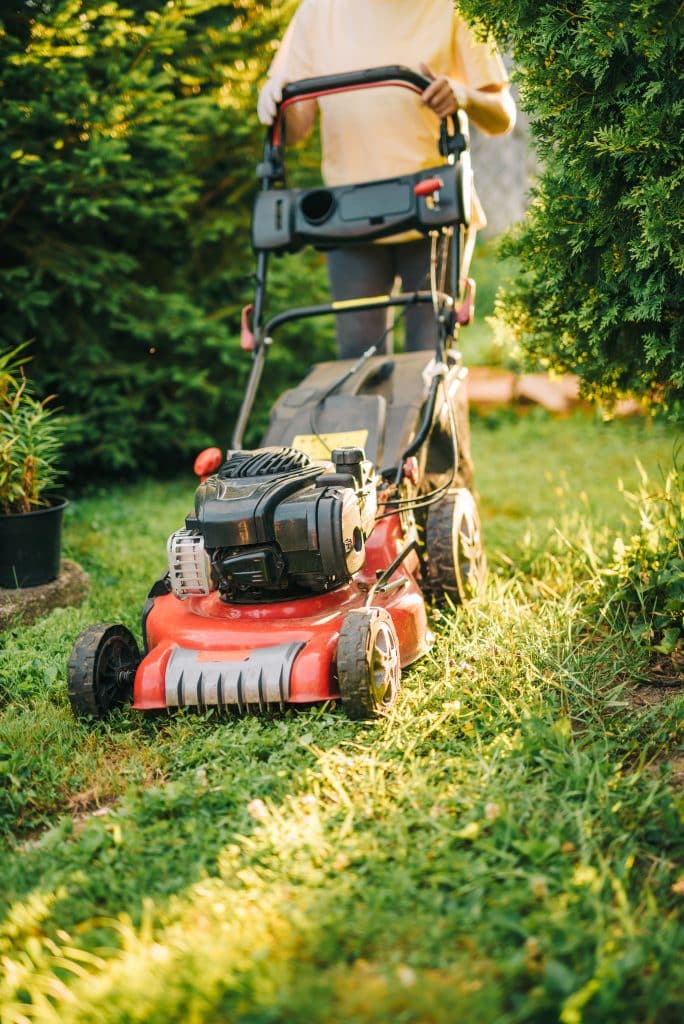
Push mowers used to be rented by the weekend from garden centers, especially by renters and apartment dwellers with a small patch of grass to maintain. Owning one felt like overkill for a task that took twenty minutes.
Cheap entry-level mowers changed the math entirely. A basic mower now costs about what a single season of weekly rentals would have run, so buying one built to last a few years became the obvious choice.
The upshot: anything you’ll use weekly for months at a time almost always beats renting on price alone.
32. Sewing Machines
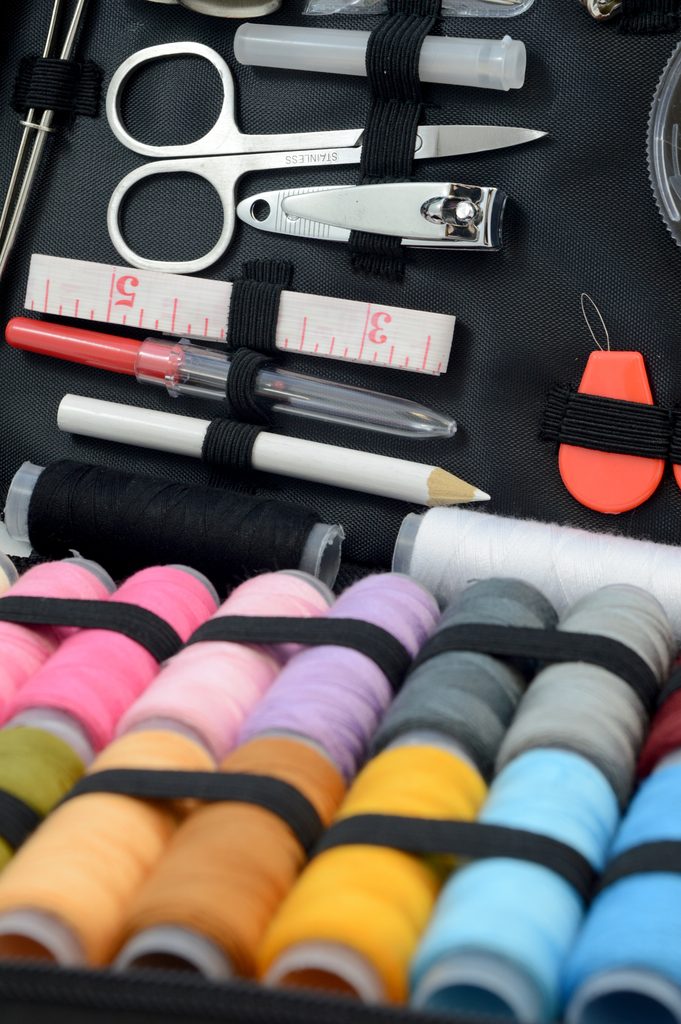
Some fabric shops used to rent out machines by the day for people working on a single project, like a costume or a wedding alteration. It saved buying an expensive machine for a job you’d never repeat.
Basic sewing machines got affordable enough that most people who sew even occasionally just own one now. It sits in a closet between projects instead of going back to a shop.
Ironically, plenty of those owned machines get used less often than the rentals ever did.

31. School Band Instruments
This one is actually the exception that proves the rule. School band and orchestra instruments are one of the last widespread rental categories left standing, and for good reason.
Kids grow, interests change, and a decent instrument is genuinely expensive. Renting through fourth grade before committing to a purchase still makes financial sense for most families.
Where this lands: once a kid sticks with an instrument for a couple of years, buying used almost always beats continuing to rent.
30. Home Exercise Equipment
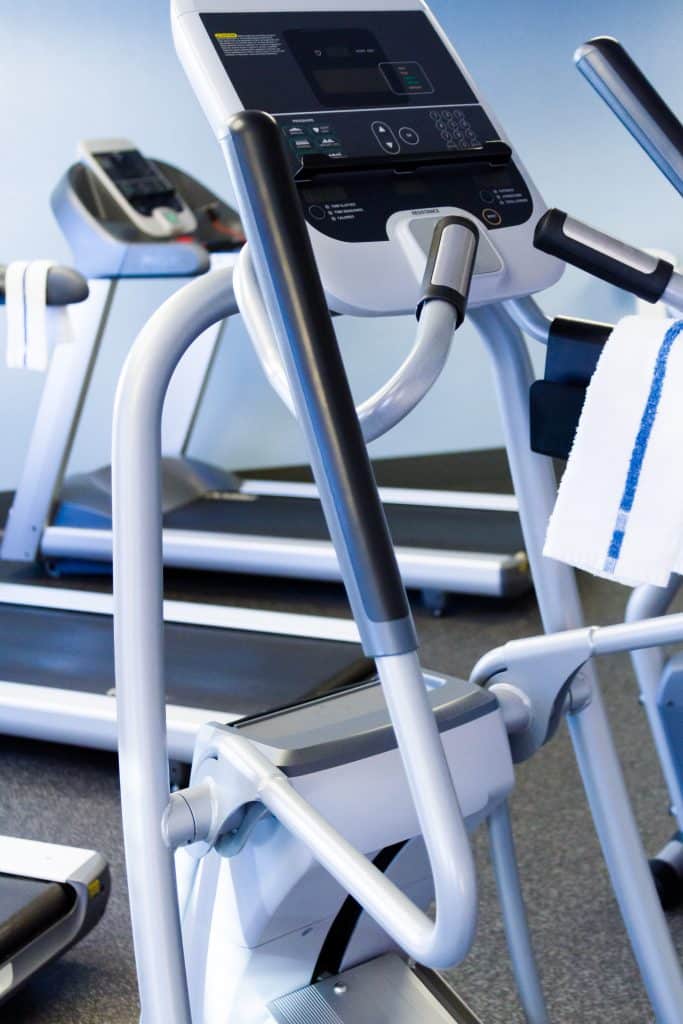
Rent-to-own showrooms used to carry treadmills and exercise bikes right alongside furniture, aimed at people who wanted the equipment without the big upfront cost. It was a common New Year’s resolution purchase.
|
Rewind
18 Warehouse Club Buys Ranked: What's Worth It in Bulk (And What Never Is)
|
Big-box and secondhand markets for home gear got so deep that renting stopped making sense for anything but commercial gyms. Buying used now runs a fraction of what a rental agreement used to cost per year.
The equipment itself hasn’t changed much. The path to owning it did.

29. Halloween Costumes
Costume rental shops used to be a real fixture every October, especially for adults putting together group costumes for one night. It felt wasteful to buy something you’d wear once.
Cheap mass-produced costumes changed that calculation completely. It’s now often cheaper to buy a costume outright than it was to rent one twenty years ago, which is exactly the kind of shift worth flipping into cash yourself if you’ve got gear sitting unused.
Kids’ costumes especially get worn once and forgotten in a bin. Buying still wins on convenience even when renting might win on cost.
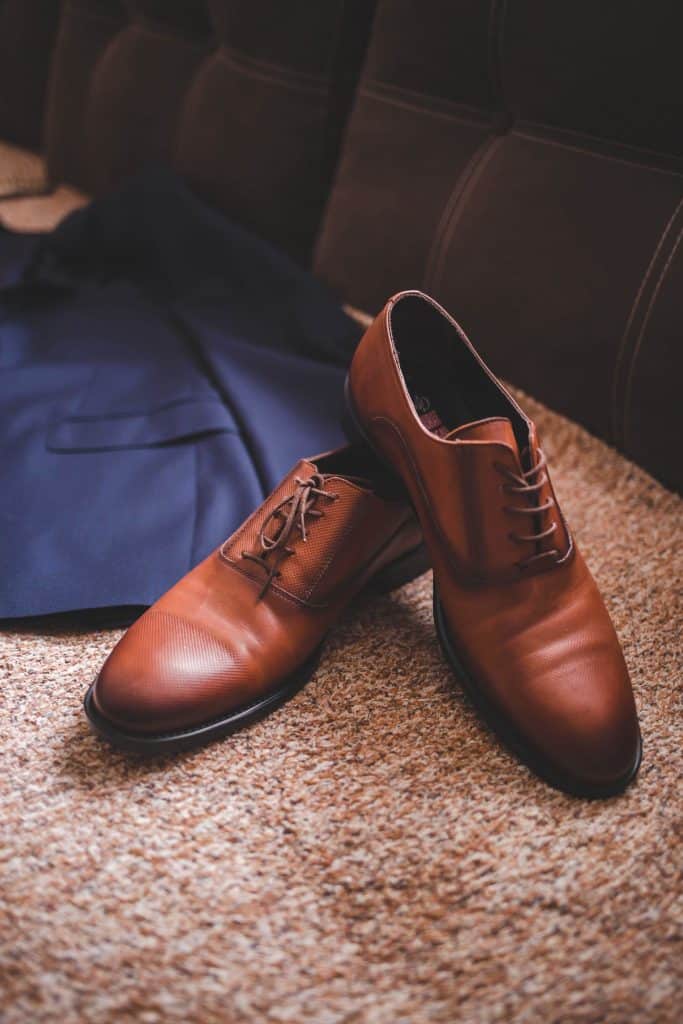
28. Formal Ballroom Shoes
Formal shoes used to come bundled with tuxedo rentals as a matter of course, since nobody wanted to buy a pair of dress shoes they’d wear once a decade. The shoes were an afterthought line item.
Now that tuxedo purchases have become more common, the shoes usually get bought too, as part of the same decision. A basic pair of black dress shoes also does double duty for job interviews and funerals, so the purchase earns its keep.
Net effect: once you own the jacket, owning the shoes stops feeling optional.

27. Tanning Bed Sessions
Tanning salons rented bed time by the session or the month, and it was a genuinely popular category in the 90s. Home tanning beds existed but were expensive and impractical for most households.
Self-tanning products and spray tans have mostly replaced the bed itself, both the rented sessions and the idea of owning one. Nobody’s buying a home tanning bed in 2026 the way they might have considered one in 1996.
This is another case of the category disappearing rather than shifting from renting to owning.

26. College Textbooks
Textbook rental programs through campus bookstores were the default money-saving move for a long stretch, and honestly still exist in a lot of places. But digital access codes changed the underlying economics.
Many courses now require a one-time-use digital code that can’t be rented, resold, or shared at all, which quietly pushed a lot of students back toward buying. That “you must purchase this to pass the class” model is one of the more frustrating money myth in modern education.
Physical textbook rental still beats buying when it’s available. It just isn’t always an option anymore.
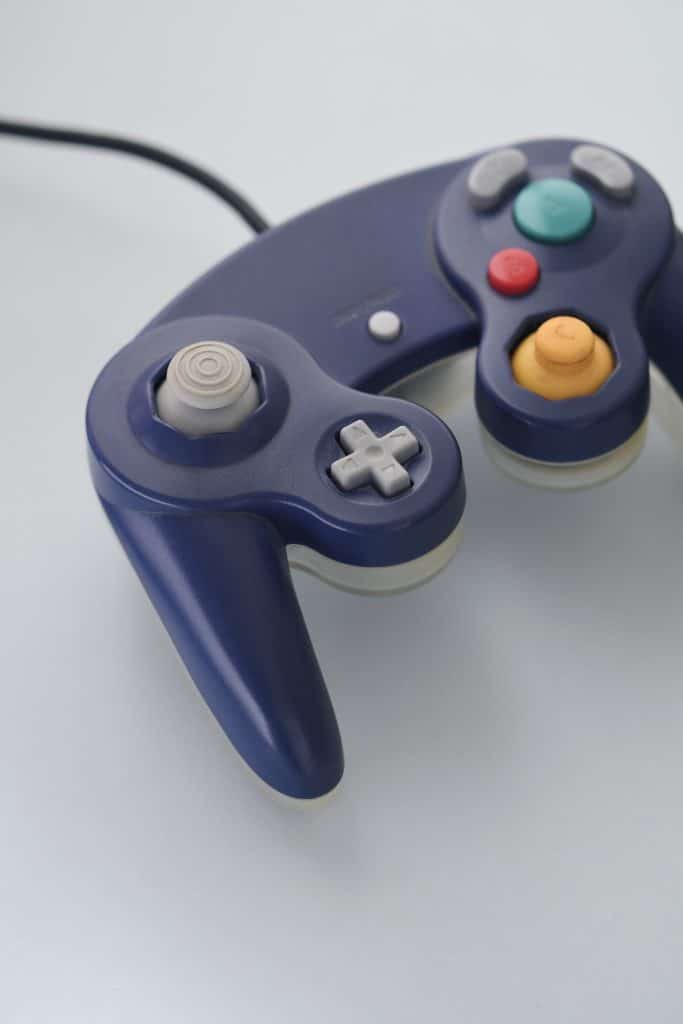
25. Video Games From the Rental Store
Renting a game for the weekend used to be a Friday-night ritual, complete with the mad dash to return it before the late fee kicked in. Buying a new game outright felt like a real financial commitment.
Digital storefronts, subscription libraries, and a much bigger used-game market replaced the physical rental counter entirely. Most gamers now buy digitally the same day a title launches.
The impulse behind renting, try before you fully commit, didn’t go away. It just moved into free trials and demos instead.
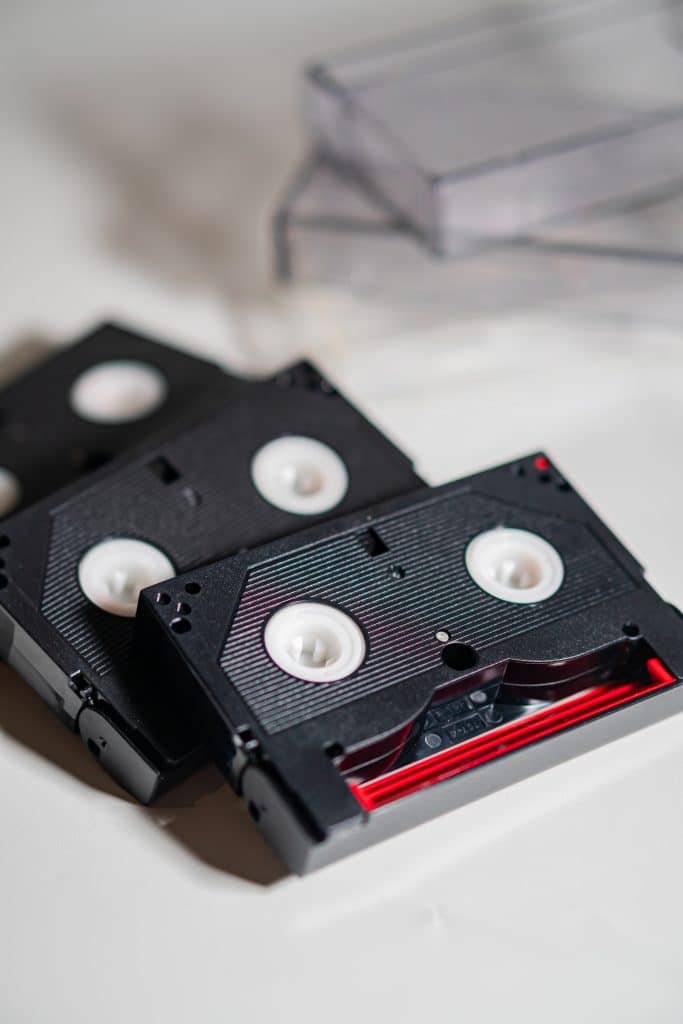
24. Movies on Tape
This is probably the single most nostalgic entry on the whole list. Renting a movie for the night, from the video store shelf to the return slot the next morning, was a weekly household ritual for two full decades.
Now nobody buys physical movies the way they used to, and almost nobody rents them either. Home viewing moved to subscription libraries instead, which is a genuinely different economic model than either renting or owning individual titles.
Worth remembering: some of these shifts aren’t renting versus buying at all. They’re an entire category getting replaced.
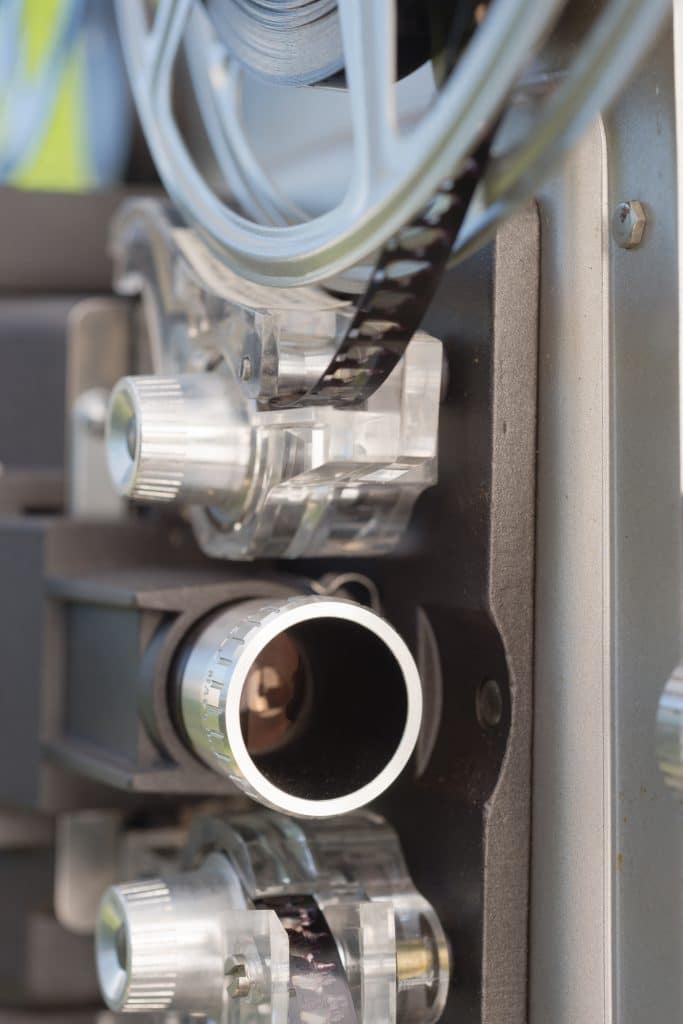
23. Camera and Projector Equipment
Home movie projectors, and the good cameras that fed them, were expensive specialty equipment that most families rented for a birthday or a holiday rather than owned outright. Camera shops did steady business renting this gear by the weekend.
The smartphone quietly ended this category. It records, edits, and plays back video well enough for almost any home use, and everyone already owns one.
Serious photographers still rent specialty lenses for one-off shoots. That’s a genuinely different, much narrower use case than what this entry used to cover.
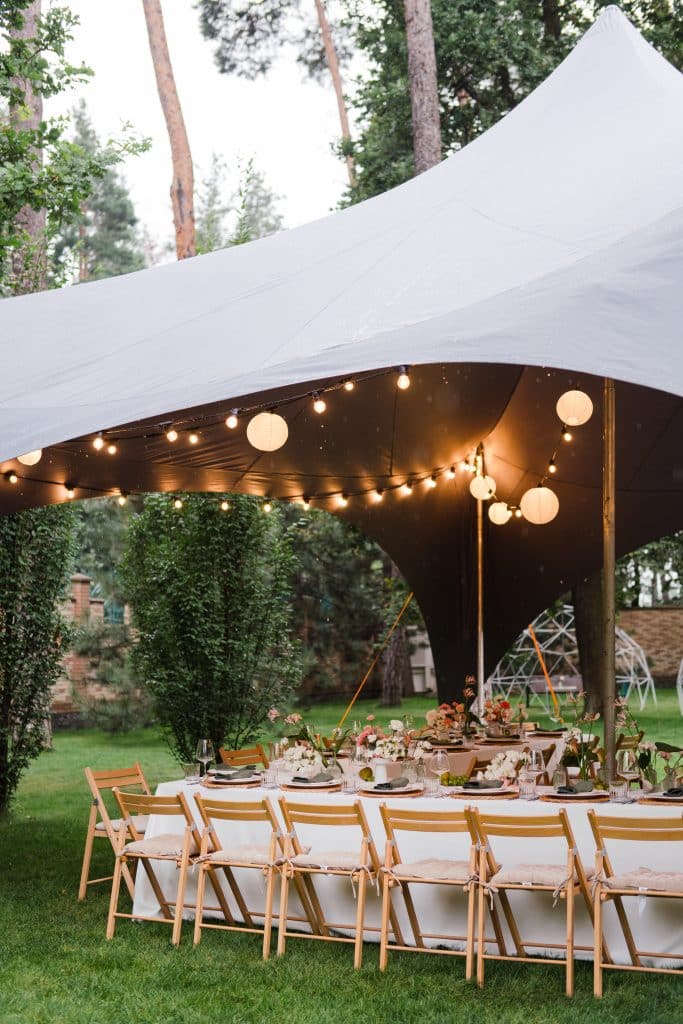
22. Party Tables, Tents, and Chairs
This one hasn’t actually flipped, and it’s worth calling out as the honest exception here. Party rental companies renting tables, tents, and folding chairs for backyard events are still a thriving business.
Nobody’s buying a wedding tent for a single event, and storing forty folding chairs in a suburban garage isn’t realistic for most people. This is one category where the rental math never really stopped working.
If you’re hosting one big event, this is worth pricing against local services before assuming buying would somehow save money. It usually wouldn’t.
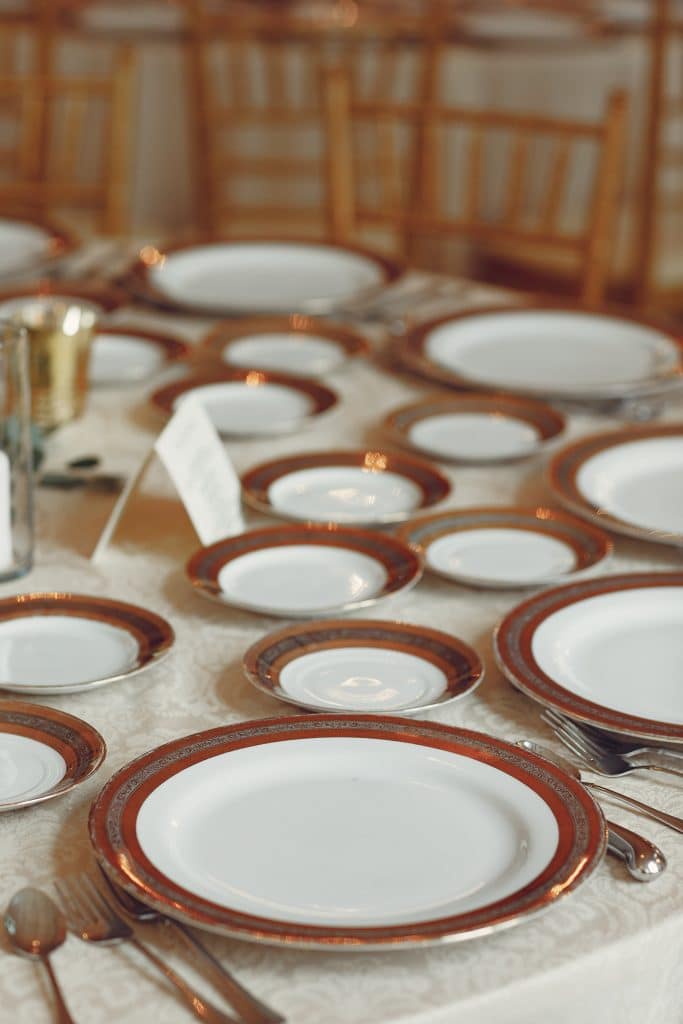
21. The China and Banquet Set
A full formal place setting for forty people used to get rented for weddings and big holiday dinners through a caterer or a party shop. Owning that much china was reserved for people who genuinely entertained often.
Now that a decent matching set is cheap through a warehouse club or a big-box store, plenty of households just own an everyday set and a nicer “good” set. It sits in a cabinet, unused most of the year, which is exactly the part nobody accounts for when they buy it.
The math: unless you’re hosting formal dinners several times a year, this is one of the weaker buy-over-rent trades on this whole list.
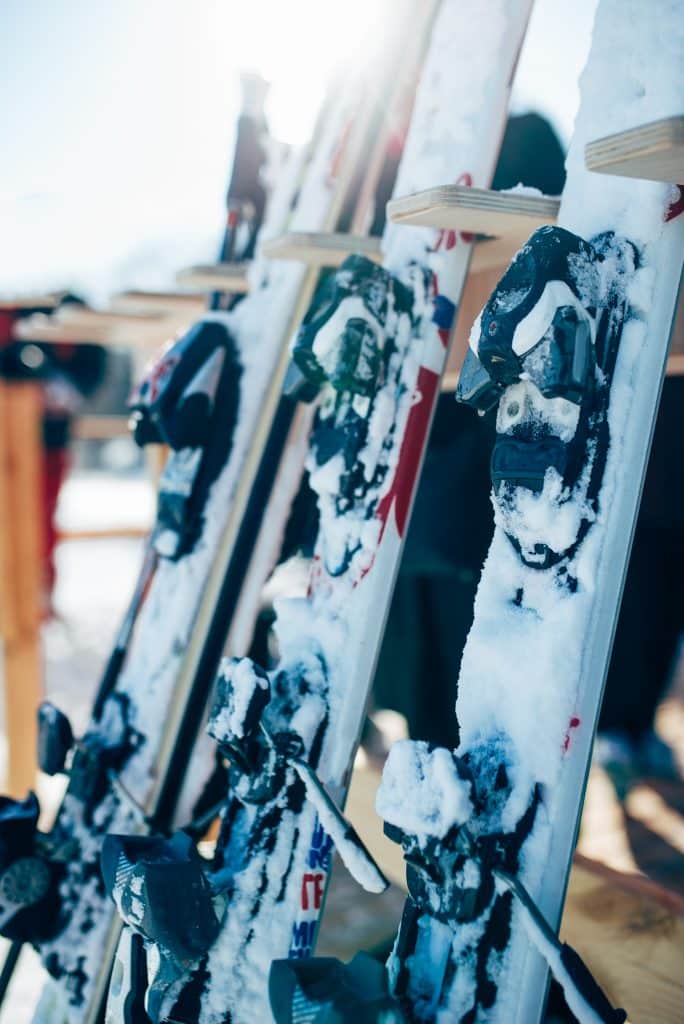
20. Skis and Snowboards
Resort rental counters used to be nearly everyone’s starting point, and for good reason. Equipment is expensive, technique changes fast for beginners, and nobody wants to buy gear before they know if they even like the sport.
Once someone hits the mountain a handful of times a season, buying used gear almost always beats paying resort rental rates trip after trip. That crossover point comes faster than most people expect.
Kids’ gear is the one exception worth renting every season regardless, since they’ll outgrow it before it wears out.
One Thing Worth Knowing Before We Keep Going
The Insider Move: before buying anything on this list secondhand, check whether a rental shop near you sells off retired equipment at the end of a season.
| Keep Reading — 21 Big Purchases Ranked by the Best Time of Year to Buy Them |
Ski shops, party rental companies, and tool rental counters regularly clear out inventory once it’s been through a few seasons of use, often at a steep discount to retail. It’s maintained, it’s already been through wear testing, and almost nobody thinks to ask.

19. Canoes and Kayaks
Lakeside rental shacks were the entry point for most families who wanted to paddle around for an afternoon without owning a boat. Storage was the real obstacle, since not everyone has a garage or a yard for a kayak.
Cheap inflatable and folding kayaks solved the storage problem, and that’s really what pushed this category toward buying. A twenty-pound inflatable that fits in a closet is a different proposition than a hard-shell canoe.
Where this lands: if you paddle once or twice a summer, renting still edges out owning once you factor in storage and upkeep.
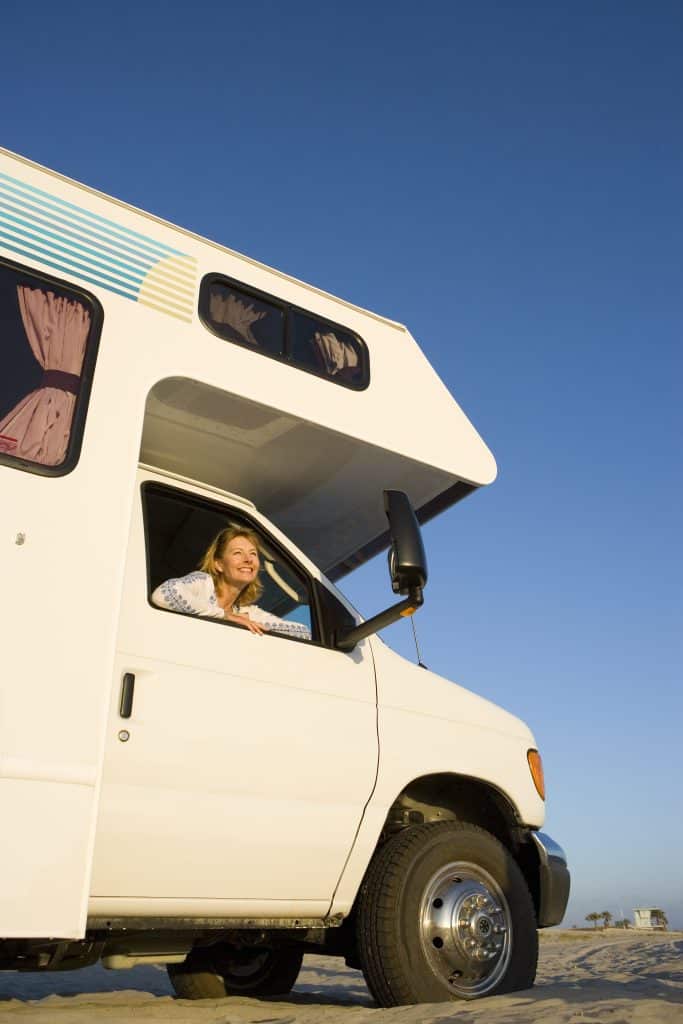
18. The RV and Camper
This is the second honest exception on this list, and it might be the most important one. RVs depreciate hard, cost a lot to store and maintain, and sit unused for most of the year in most households.
Yet more people than ever are financing them new, drawn in by the lifestyle marketing rather than the math. Renting for a specific trip almost always comes out cheaper than owning unless you’re genuinely camping several weeks a year.
This is one of those purchases people feel guilty second-guessing, mostly because the marketing around it is built entirely on emotion rather than usage math. Run your own numbers before financing one.
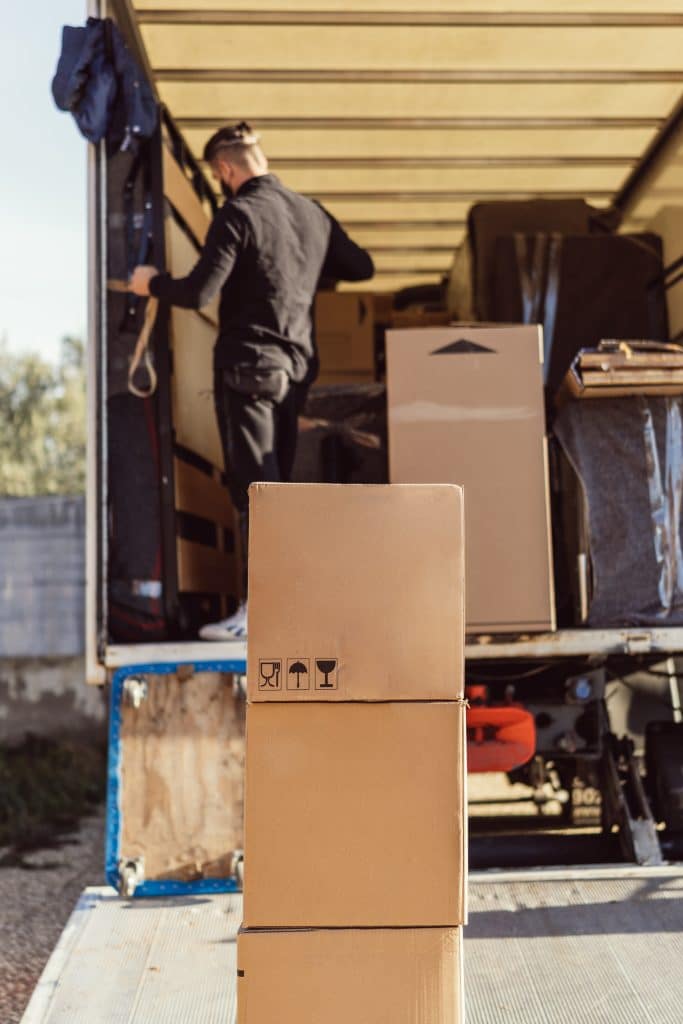
17. Moving Trucks and Trailers
This one hasn’t actually changed, and it’s a good sanity check for the whole list. Nobody buys a box truck to move apartments once every few years, and that hasn’t shifted at all.
What has changed is how often people rent one. Portable storage container services now handle a lot of moves that used to require a rented truck and a full weekend of driving.
The rental itself survived. The specific product people rent shifted underneath it.
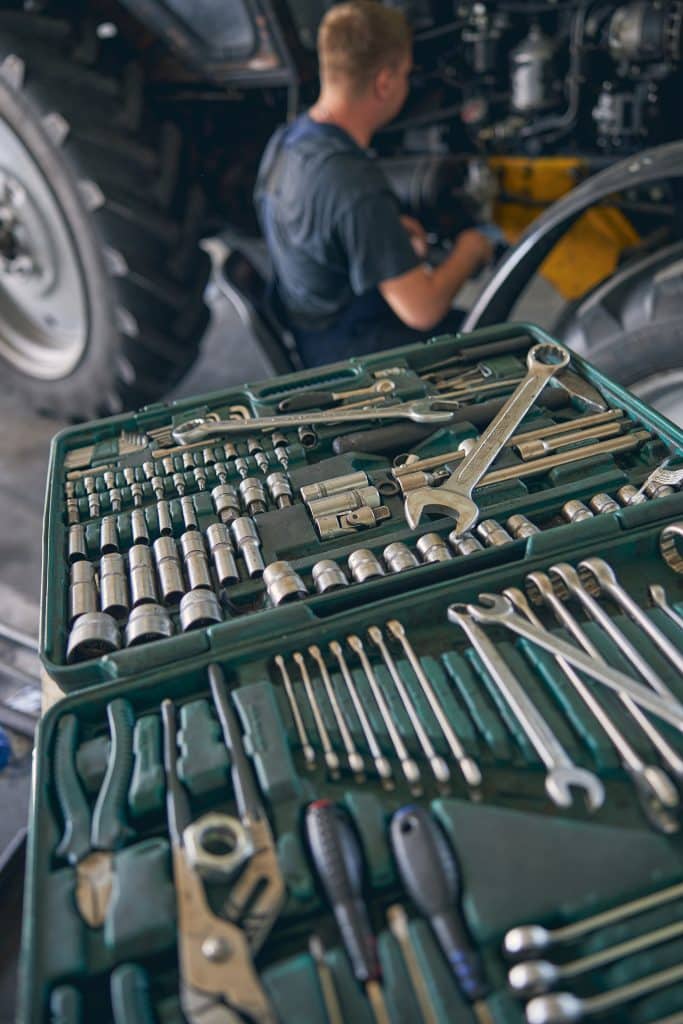
16. Specialty Automotive Tools
Auto parts stores have loaned out specialty tools, engine hoists, and diagnostic readers for free or a small deposit for as long as most people can remember. It’s genuinely one of the best-kept secrets in car ownership.
A growing number of home mechanics buy their own tool sets now, partly thanks to online tutorials making DIY repairs feel more approachable than they used to. That’s not always the smarter move.
For a tool you’ll use once for a single repair, borrowing or renting still beats owning every time. This is one of those purchases nobody should feel bad passing on.
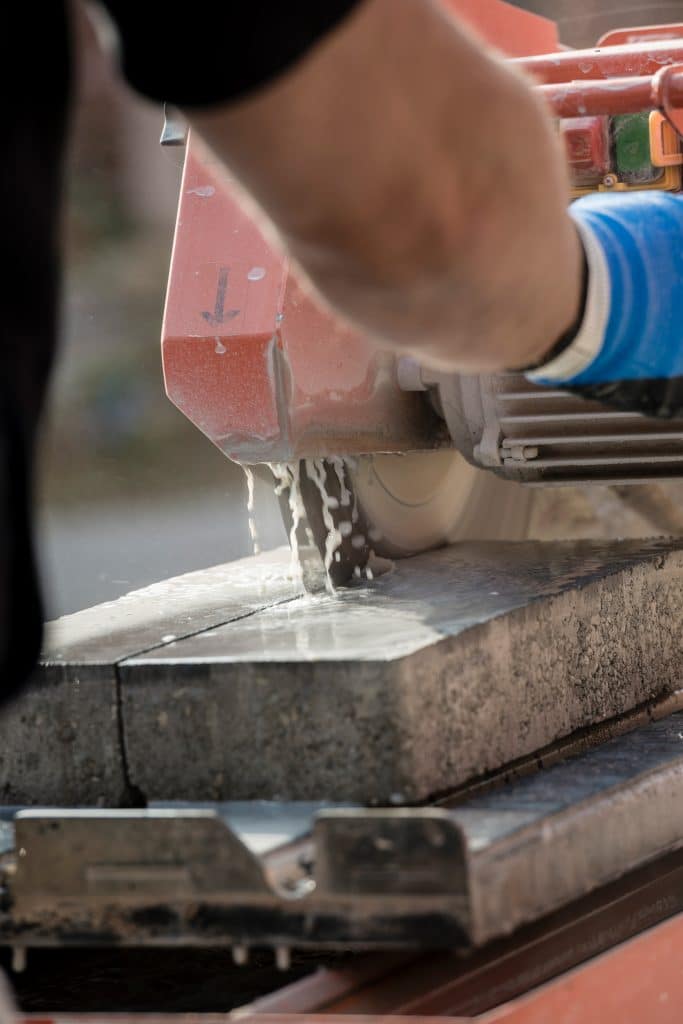
15. The Tile Saw
A wet tile saw is heavy, loud, and useful for exactly one thing. Renting one for a weekend bathroom retile used to be the obvious choice, and honestly, it still is.
What’s changed is that more homeowners now buy a cheaper entry-level version instead of renting, partly driven by a wave of DIY renovation content online. The tool then sits in the garage for years between projects.
The math: unless you’re planning multiple tile projects, this is a rental every time, not a purchase.
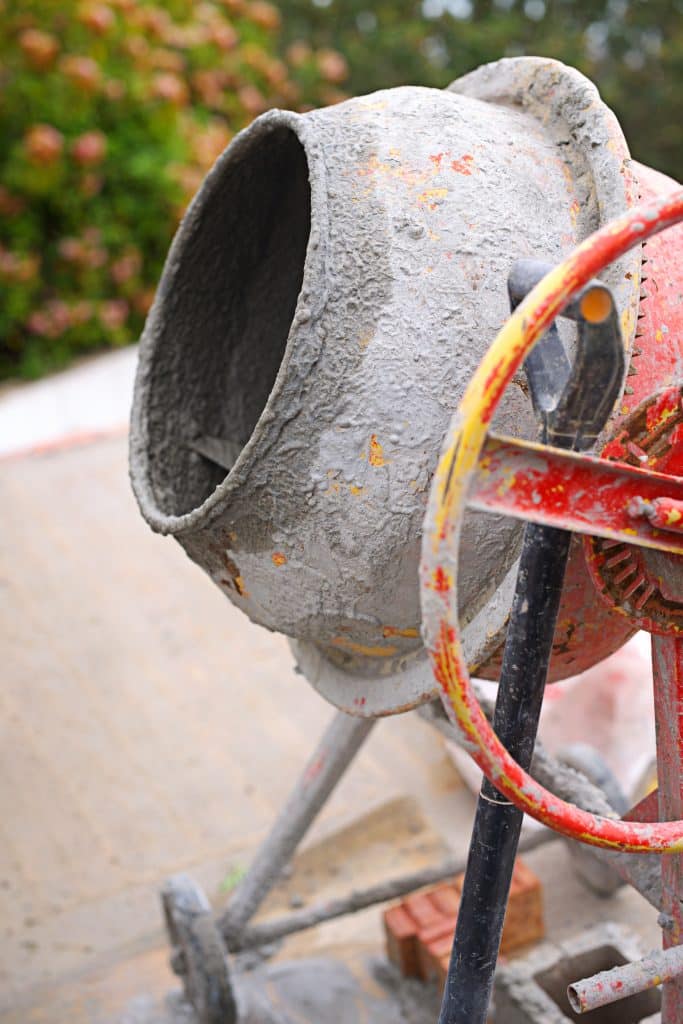
14. The Cement Mixer
Small cement mixers for a driveway patch or a fence post job were a standard weekend rental for decades. It’s not equipment most households have any business owning.
This is genuinely one of the few tools on this list that hasn’t shifted toward buying at all, and it shouldn’t. Bagged concrete mix and a rented mixer still handily beats owning one that sits idle for years.
If you ever see one of these for sale at a yard sale, that’s usually a sign someone learned this lesson the expensive way. Think twice before timing a big purchase around a one-time job.
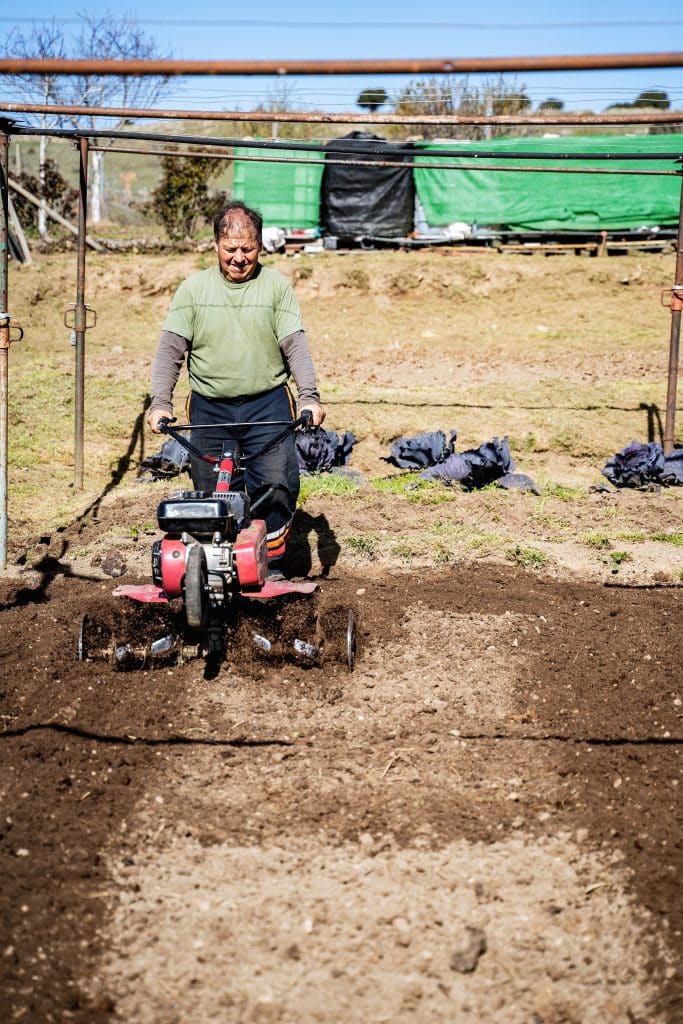
13. The Garden Tiller
Breaking new ground for a vegetable garden happens maybe once, ever, for most homeowners. Renting a tiller for that single job used to be automatic.
Interest in home gardening grew enough over the past several years that more people now buy a smaller electric tiller for ongoing yearly use. It’s a niche purchase, but it’s a real one.
Worth remembering: the shift here came from more people gardening every year, not from tillers getting cheaper.
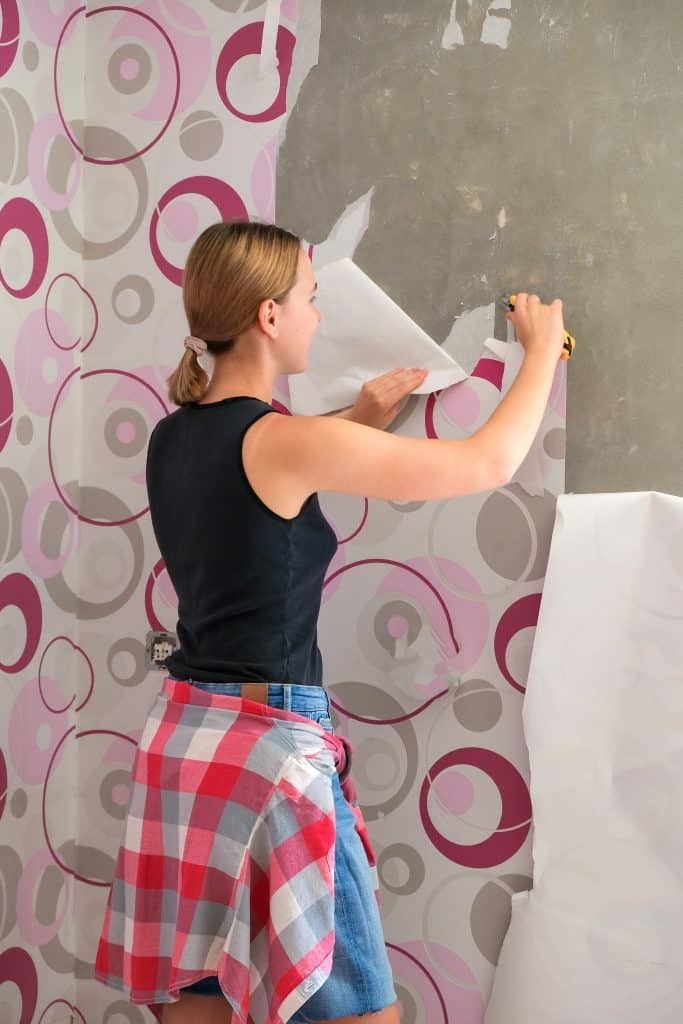
12. The Wallpaper Steamer
Steaming off old wallpaper is a miserable, one-time job that hardware stores used to rent equipment out for constantly. Nobody wanted a steamer taking up shelf space after the job was done.
Wallpaper itself went out of style for years, which quietly killed a lot of the rental demand. It’s coming back now as an accent-wall trend, but most people doing small accent projects just buy an inexpensive handheld steamer instead of renting a big one.
This is a case where trends drove the shift more than pure economics did.
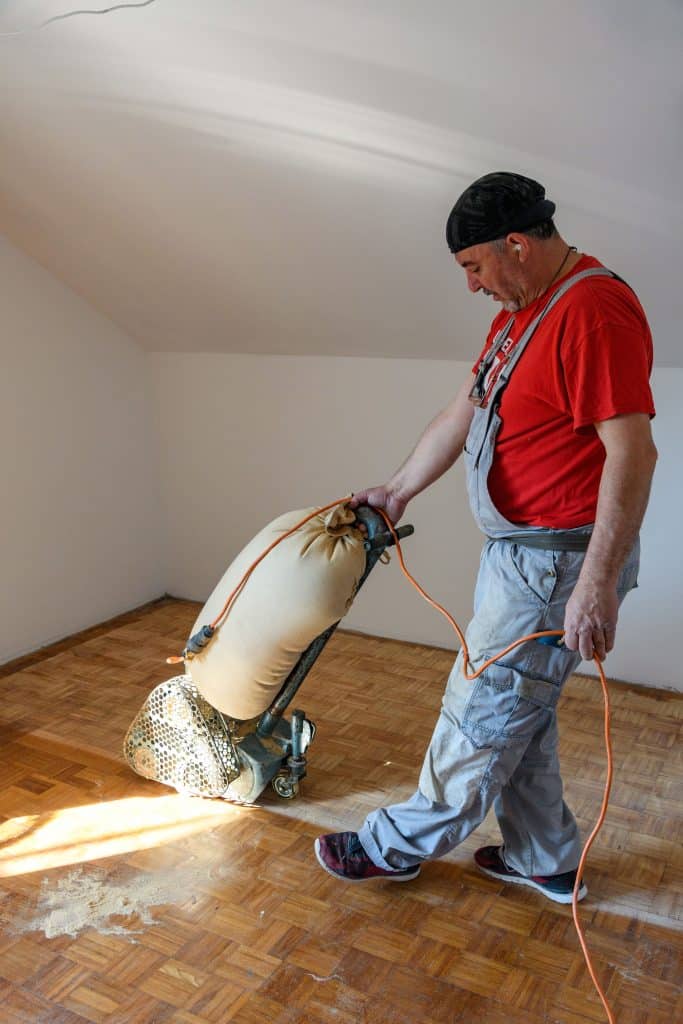
11. The Floor Sander
Refinishing hardwood floors is heavy, specialized work, and the big drum sanders needed for it have always been a rental item. That part genuinely hasn’t changed.
What’s different is how many people attempt this job themselves at all now, driven largely by renovation shows and online tutorials making it look easier than it is. More renters, same rental model.
Net effect: renting this one is still correct almost every single time. Buying a full-size floor sander for personal use rarely makes sense.
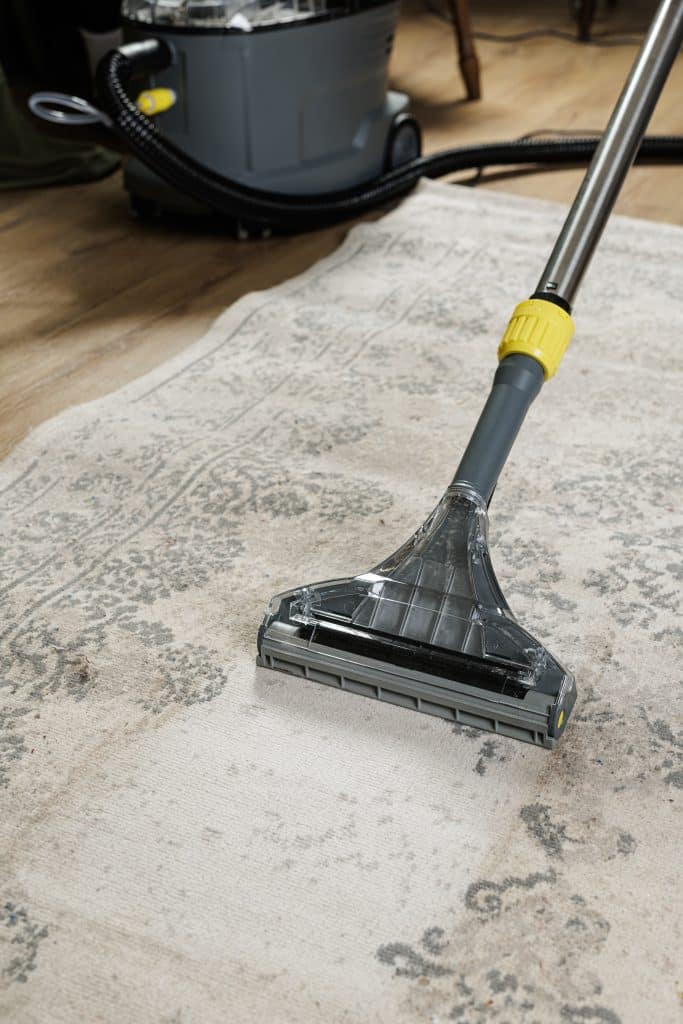
10. The Carpet Shampooer
Grocery store checkout aisles used to have rental carpet shampooers lined up by the door, right next to the propane exchange. It was a grab-it-on-your-way-out kind of errand.
Compact home versions got cheap enough that plenty of households, especially ones with pets or kids, now just own a smaller machine permanently. It’s one of those quiet monthly rental costs that added up more than people realized.
If you only deep-clean carpets once a year, the rental machine still wins on pure cost. Most people just prefer having one on hand.
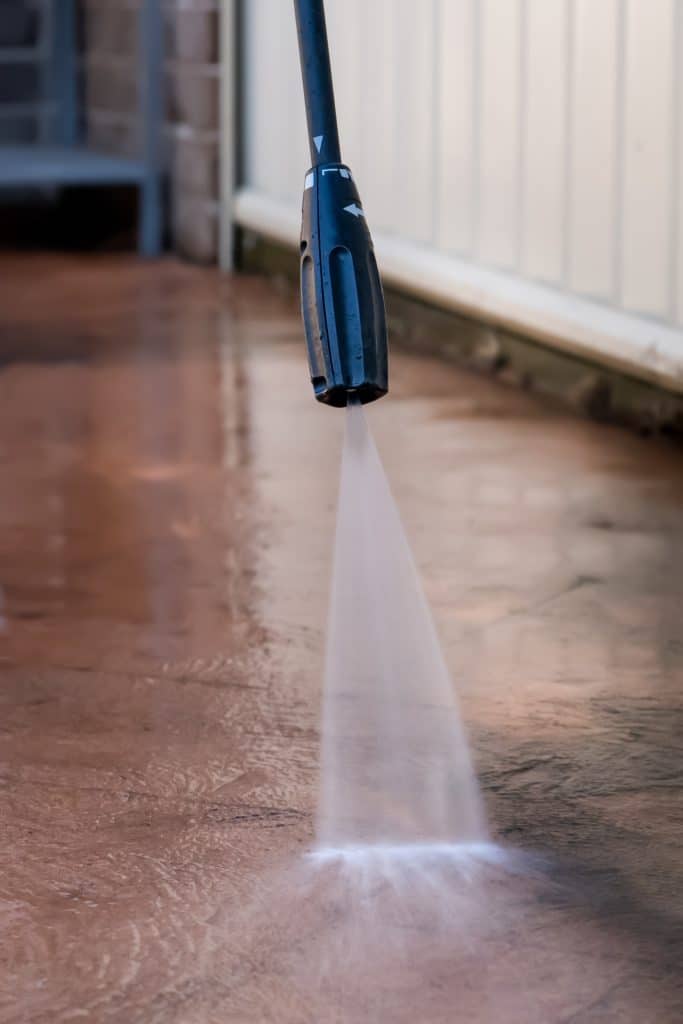
9. Pressure Washers
A pressure washer used to sit firmly in “rent it once a year for the deck” territory. Nobody wanted to store a bulky machine for a job that took an afternoon.
Entry-level electric models are now cheap enough, compact enough, and useful for enough small jobs around the house that a lot of homeowners just buy one outright. It’s become one of those weird little money habits that quietly pays for itself.
|
You might also like
29 Things Frugal People Refuse to Buy (And What They Do Instead) →
|
The heavier gas-powered versions for serious jobs are still mostly a rental item, and that part hasn’t really changed.
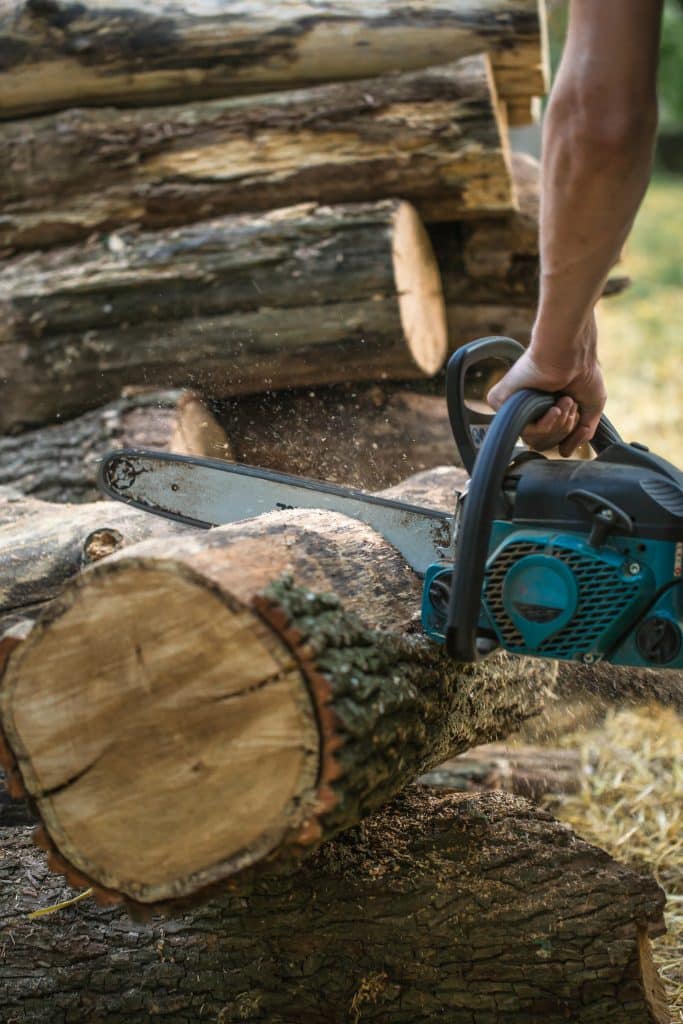
8. The Chainsaw
Chainsaws sat firmly in “rent for the fallen tree” territory for most homeowners, since they’re dangerous, loud, and rarely needed more than once or twice a year. That risk profile alone kept most people away from owning one.
Cordless battery-powered models changed this more than almost anything else on the list. They’re quieter, lighter, and far less intimidating than the gas models that used to dominate the category, so a lot more households now own one.
The upshot: for anything bigger than yard cleanup, renting the heavy-duty version still beats buying one you’ll rarely use.
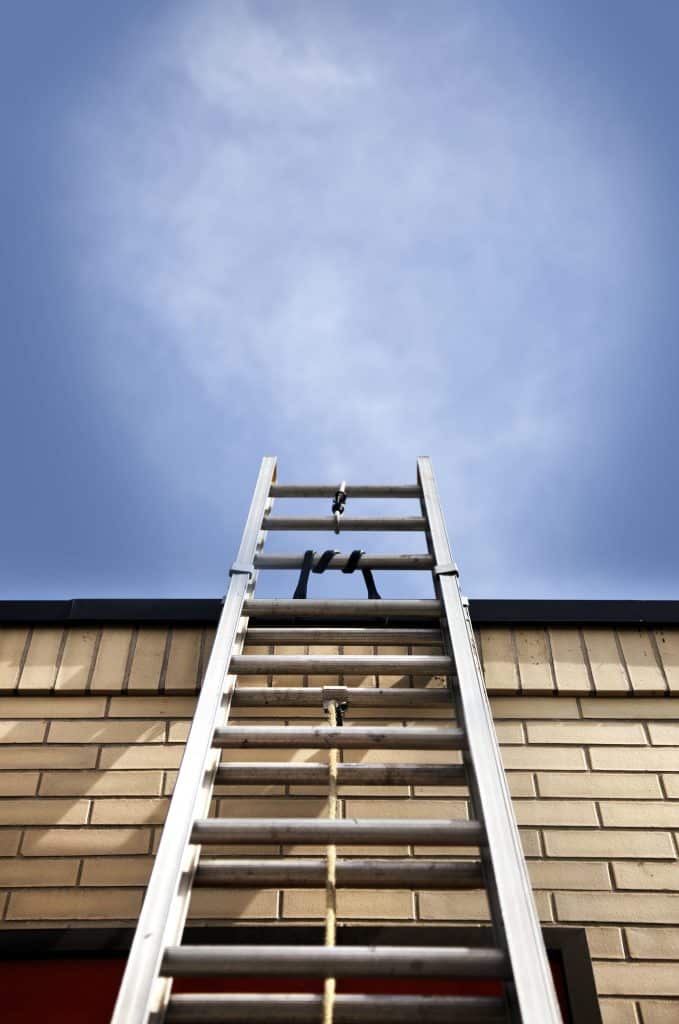
7. The Extension Ladder
A full extension ladder tall enough to reach a second-story gutter used to be firmly a rental item. Storing something that long and awkward simply wasn’t practical for most homes.
Lightweight aluminum and telescoping designs made ownership realistic even for smaller homes and garages. A telescoping ladder collapses down to about the size of a suitcase, which quietly solved the entire storage problem.
Gutter cleaning twice a year is a real reason to own one. Anything more ambitious probably still calls for a rental and a healthy amount of caution.
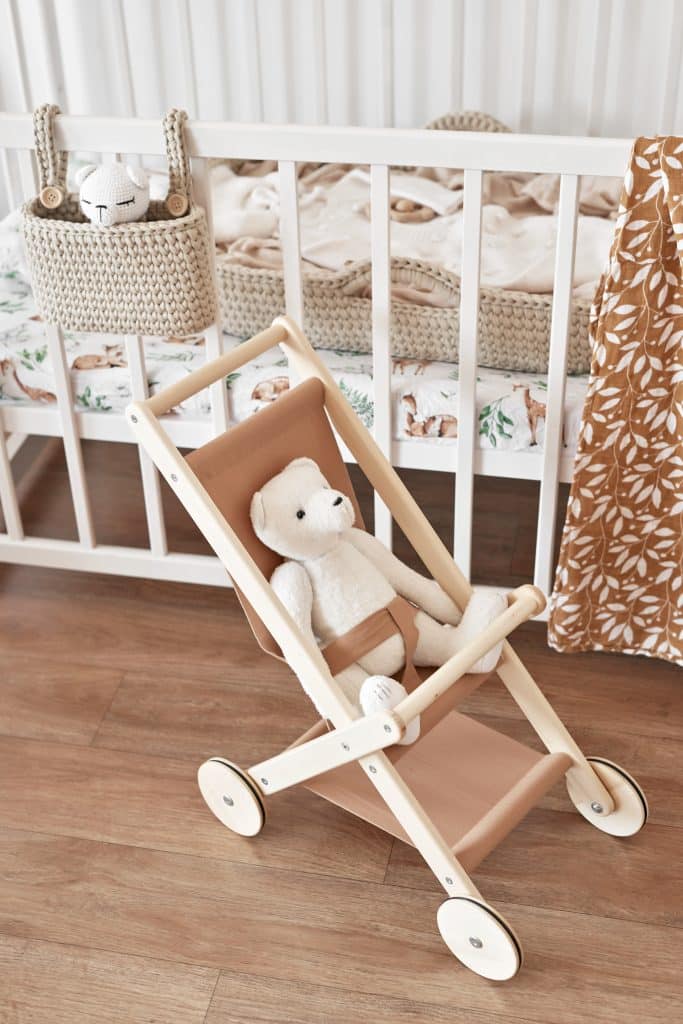
6. Baby Cribs and Strollers
Baby gear rental was common for families who weren’t sure how many kids they’d have, or who wanted to try before committing to a specific stroller or crib model. The equipment gets used hard for a short window and then just sits.
Registries, secondhand marketplaces, and hand-me-downs from friends replaced most rental demand. Buying became the default, and a thriving resale market softened the cost of that shift for families watching every dollar.
Travel is the one place rental gear still shows up regularly, for families who don’t want to fly with a full-size crib. That’s a narrow but genuinely sensible use case.
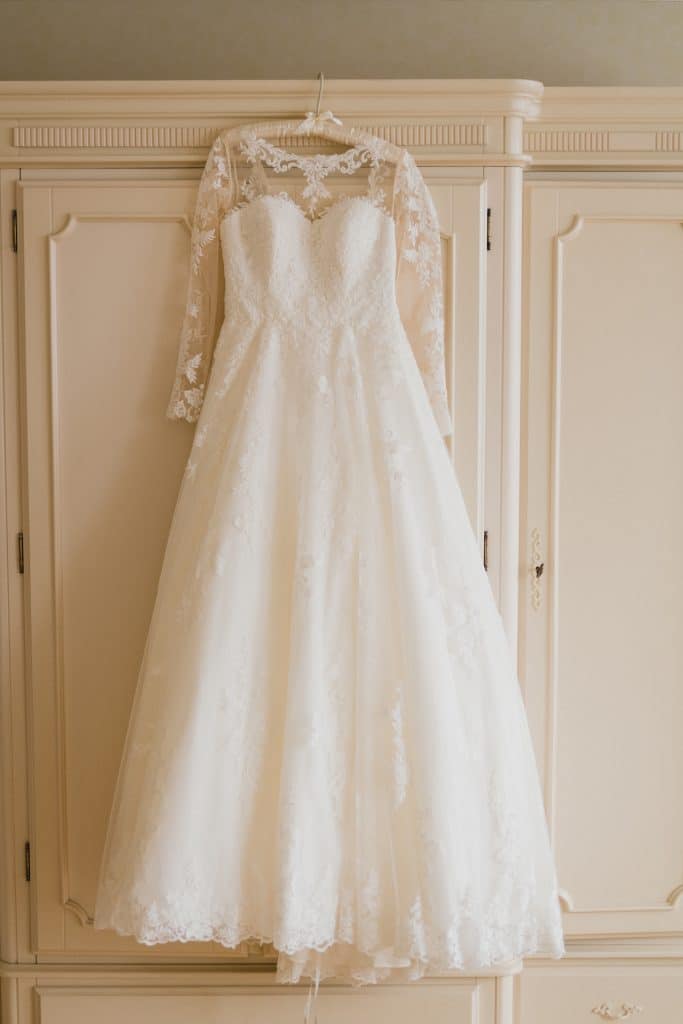
5. Wedding Dresses
Wedding dress rental existed and still exists today, but it never became the default the way tuxedo rental did for grooms. Most brides bought, even when their mothers rented.
What has changed is the aftermarket. Resale of worn wedding dresses is now a massive, organized secondhand category, which functions almost like a delayed rental once you factor in the resale value recovered later.
Buying and reselling has quietly become the smarter version of what renting used to accomplish for this particular purchase.

4. Formal Wear and Tuxedos
Third honest exception on this list, and probably the biggest one. Tuxedo rental for weddings and formal events is still a massive industry, and for most people it’s still the correct financial call.
A well-fitted rental costs a fraction of buying, includes alterations, and never sits in a closet going out of style. Plenty of guys buy a suit now instead, partly because a dark suit gets more everyday wear than a tuxedo ever would.
That’s the real reason to buy here, versatility, not the idea that renting formal wear is somehow a bad deal. If you’ll wear it three times a year, buying wins. If you’ll wear it once, this is one of those “normal” expenses worth skipping entirely.

3. Rent-to-Own Furniture
Rent-to-own furniture stores were everywhere for decades, offering a full living room set for a manageable weekly payment. The total cost by the end of the contract was almost always brutal, but the low weekly number made it feel affordable.
Cheap flat-pack furniture and a massive secondhand market changed how people furnish a first apartment completely. Buying outright, even a used or budget set, almost always beats those old rental contracts on total cost.
This is one of the clearest examples on the whole list of renting genuinely being the worse deal, and buying being the correction. The old model wasn’t just inconvenient, it was quietly expensive.
2. Rent-to-Own Television Sets
Televisions used to be expensive enough that rent-to-own was genuinely the only path to owning one for a lot of households. The weekly payment stretched out for years, again totaling far more than the set was ever worth.
Manufacturing costs collapsed, and a decent television is now cheap enough that most households buy one outright without a second thought. It’s one of the clearest examples of technology simply getting affordable enough to make renting pointless.
The math: a modern television now often costs less, in real terms, than a single year of the old rental contracts used to.

1. The Telephone Itself
This is the payoff entry, and it’s the one that surprises people every time. For most of the 20th century, the actual telephone in an American home wasn’t owned by the household at all.
A regulated phone monopoly leased the handset as part of the monthly service, and that lease fee kept getting billed for as long as the line stayed active, often well past the point where the equipment had paid for itself many times over. Owning a phone outright wasn’t even legal for most consumers until the phone system was broken up in the early 1980s.
Once that changed, phone ownership became completely normal within a few years. Buying a phone outright is such an obvious, unremarkable decision now that it’s genuinely hard to picture a world where you couldn’t.
Every mobile phone sitting in every pocket right now, all bought outright or financed as a direct purchase, is a direct descendant of that one regulatory shift. It’s easy to forget that owning your own phone used to be the exception, not the rule.
Every other entry on this list is really a smaller version of the same story: something expensive and specialized eventually got cheap enough, or common enough, that renting stopped making sense. The telephone was just the biggest and earliest example of it.
Where the Renting Stopped
If you only take a few things from this list, take these. Rent tools and equipment you’ll use once, like tile saws and cement mixers. Buy the things you’ll use weekly, like lawn mowers.
And watch out for the categories where renting still quietly wins even though buying feels more grown-up, like RVs and one-off formal wear. That gap between what feels right and what actually pencils out is where most of the real money gets wasted.
This isn’t financial advice for your specific situation, just patterns worth knowing before you sign a rental agreement or swipe a card. Run your own numbers, especially on anything big.
For more on where households are quietly overspending without realizing it, take a look at the household items smart shoppers have already stopped buying.