35 Things Smart Shoppers Always Buy Secondhand
Some links may be affiliate links. We may earn a commission at no extra cost to you. View our full disclosure.
Somewhere along the way, buying new became the default instead of the exception. Grab a cart, grab a box, done. Nobody asks whether the item is already sitting on a shelf a few miles away for a third of the price.
Here is the part that surprises people: a lot of secondhand categories are not a downgrade at all. Depreciation eats the first owner’s money, and the second owner walks away with basically the same product for a fraction of the cost.
I have watched friends drop serious money on things that lost half their value the moment they left the store. Meanwhile the smartest shoppers I know treat secondhand as the starting point, not the last resort.
That mindset is behind this whole list. Some of these overlap with things people have already stopped buying new altogether, and some are categories most people never even think to check secondhand first.
Thirty-five items, ranked from solid savings to the one purchase that quietly costs people the most money when they skip the used market. If you have never asked the right questions before buying something big, this is a good place to start.
35. Picture Frames
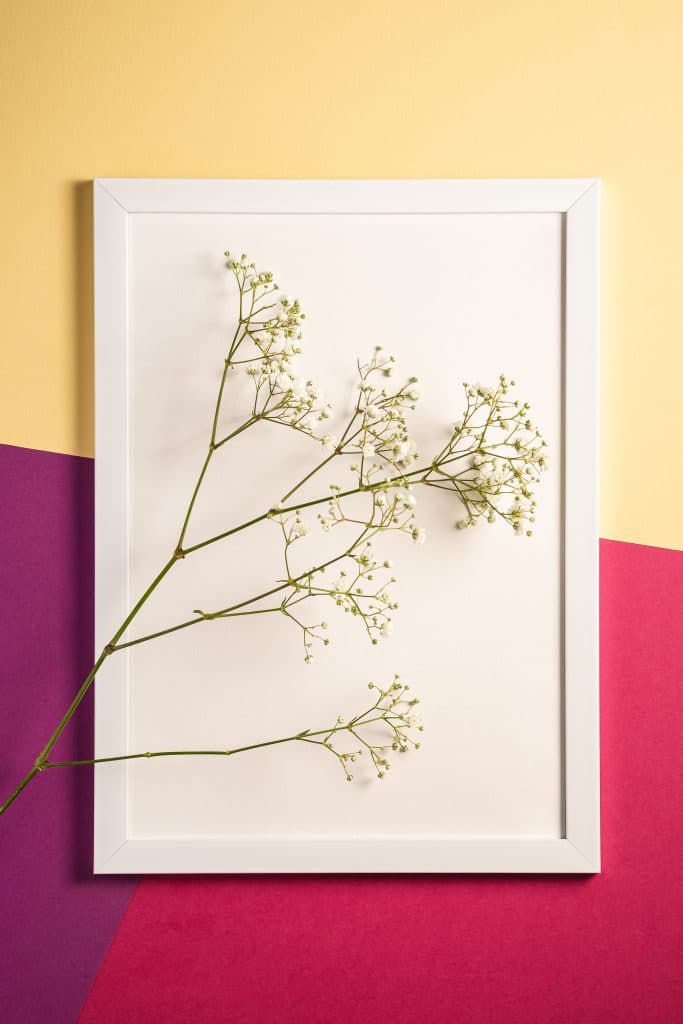
Frames are basically a markup on glass and wood. A brand new one in a department store aisle can cost more than the framed print it is supposed to hold.
Secondhand shops are stacked with frames in every size, and most just need a fresh coat of paint or a new mat. The glass and hardware are already doing their job.
The Math: A two dollar frame and ten minutes of paint beats a twenty dollar frame almost every time.
34. Storage Bins and Totes
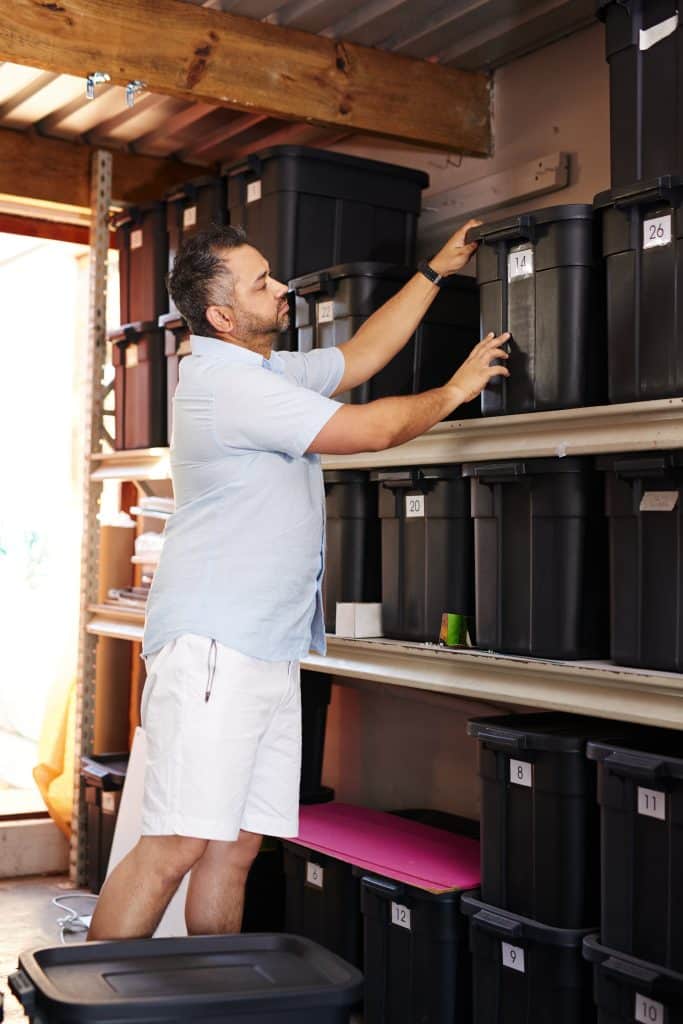
Storage bins get used once or twice a year, and they are built to survive being stacked in a garage for a decade. That is exactly the kind of durability that holds up secondhand.
Someone buying a used bin is usually getting the same thickness of plastic, just missing the retail sticker. If more everyday purchases got this treatment, plenty of garages would look the same for half the money.
Nobody has ever complained that their storage bin felt used.
33. Holiday Decorations
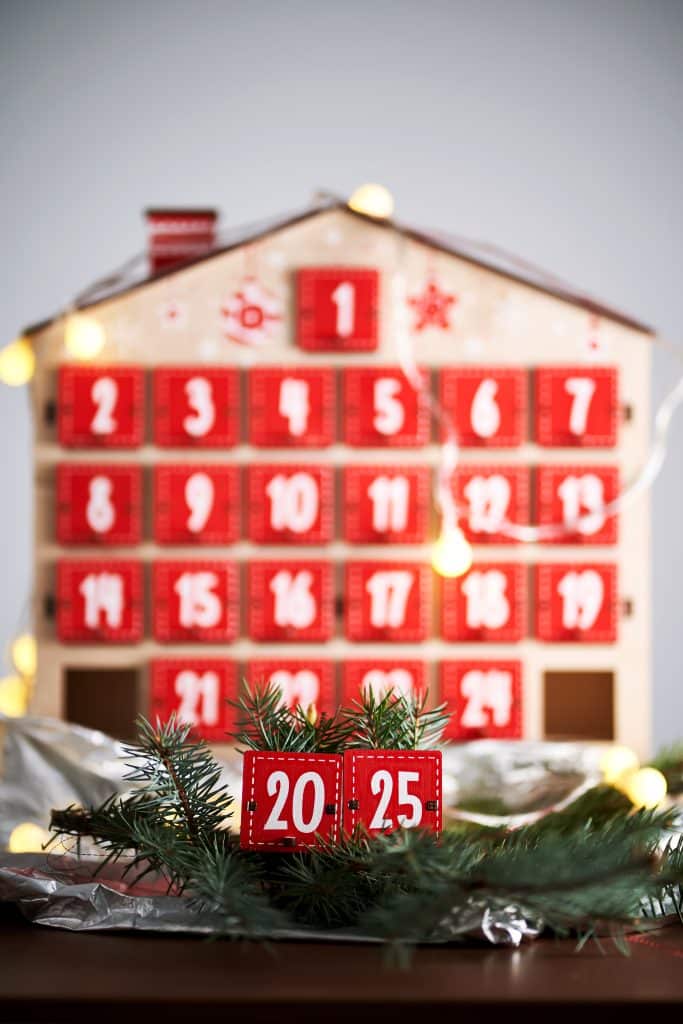
Ornaments, string lights, and seasonal figurines get boxed up eleven months out of twelve. They barely age in storage.
Resale shops restock heaviest right after each holiday, when people clear out decor they are tired of looking at. That is the window to shop.
A box of gently used ornaments from a stranger’s tree looks exactly the same on yours.
32. China and Formal Dinnerware
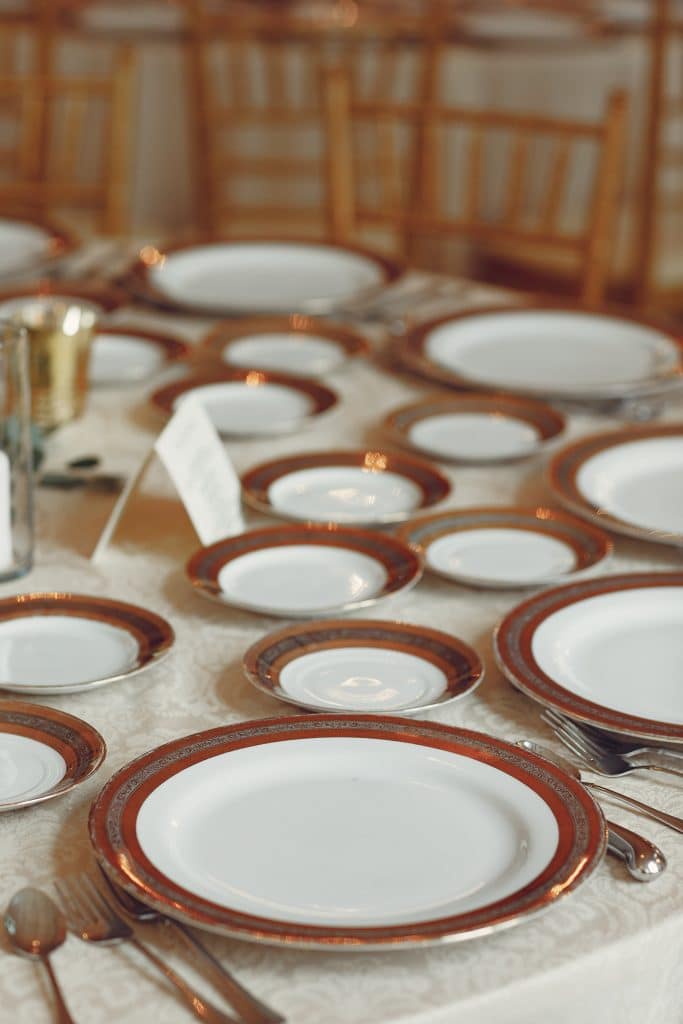
Full sets of china are some of the most reliably overpriced items in a department store, and some of the most reliably underpriced items secondhand. Estate sales are full of complete sets nobody wants to inherit anymore.
This is one of those categories where paying full retail rarely makes sense, especially for something that only comes out a couple of times a year.
Worth Remembering: A full formal set secondhand often costs less than four place settings new.
31. Vinyl Records and Turntables
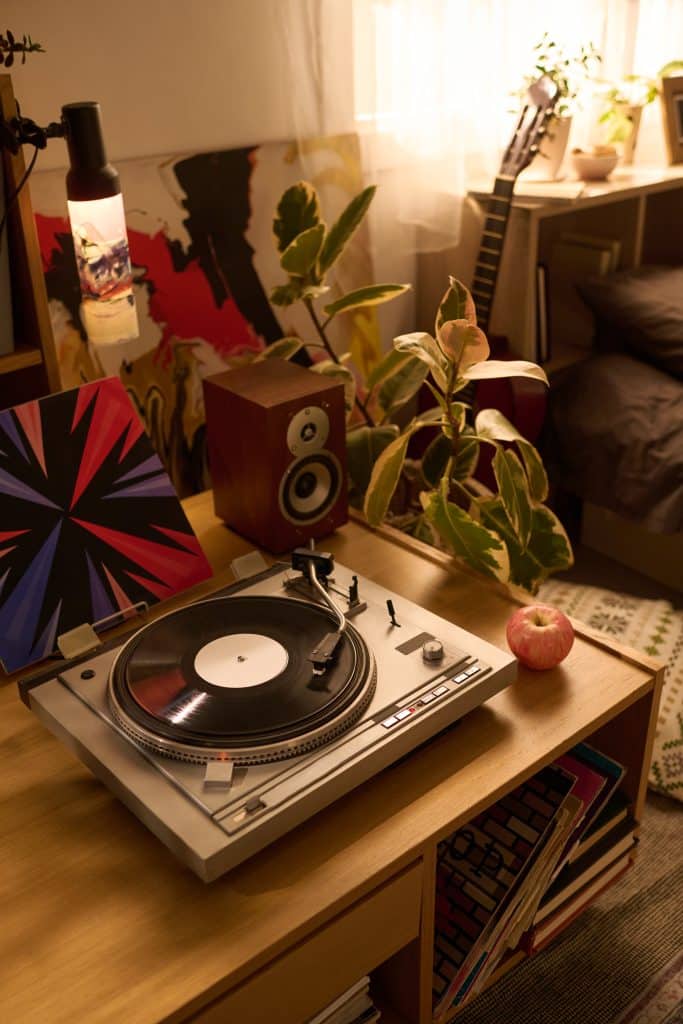
Records do not wear out from sitting on a shelf, and turntables are mechanically simple enough that a used one from a reputable seller usually just works.
The record itself has already survived however many years it has been circulating. If it plays clean now, it will keep playing clean.
Vinyl is one of the rare categories where old genuinely means better built.
30. Luggage and Travel Bags
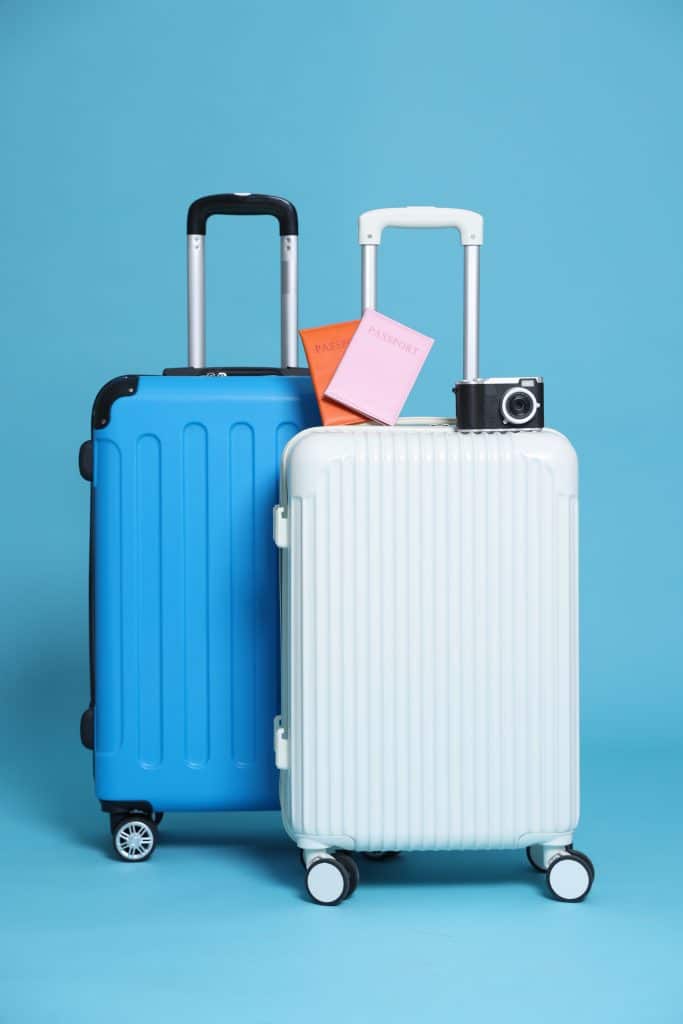
Good luggage is built to survive being thrown around, which means the secondhand market is full of bags that have already proven they can take it.
This is also a category worth pairing with a few of the other tricks frugal travelers already use, since a scuffed hard case saves money before the trip even starts.
A scuffed hard case that still rolls straight is doing its whole job.
29. Garden Tools
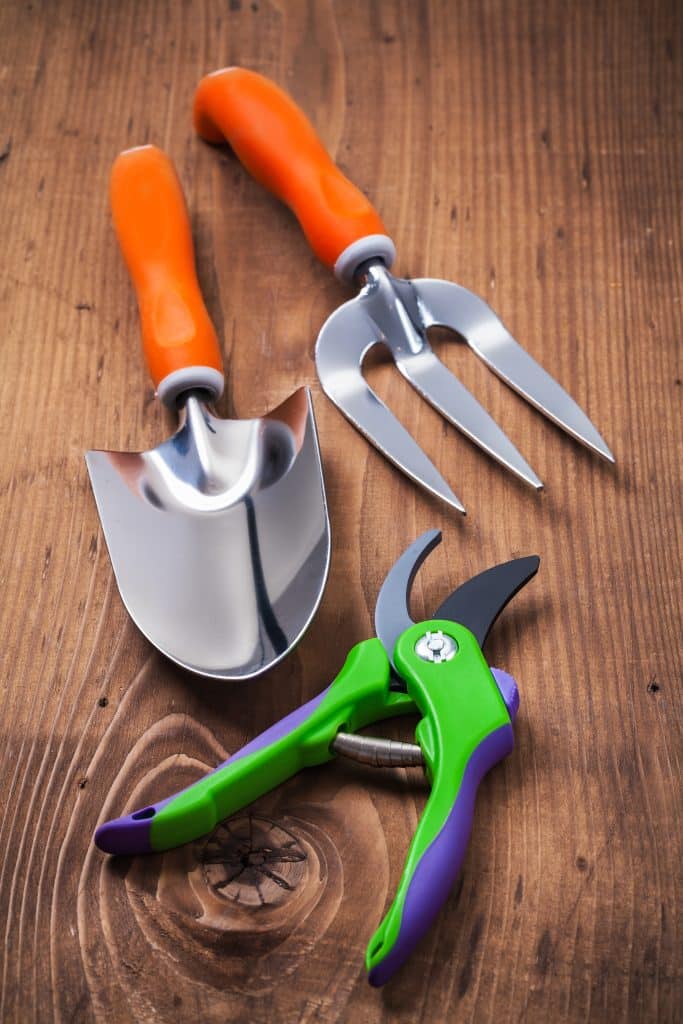
Hand tools barely change design decade to decade, and a rusty trowel cleans up in five minutes with steel wool. The tool does not know it is used.
This overlaps with a bigger pattern worth knowing: a lot of yard-related spending runs higher than it needs to, and buying tools secondhand is the easiest place to trim it.
Net Effect: Secondhand hand tools save the most money on the items used the least often.
28. Kids’ Toys
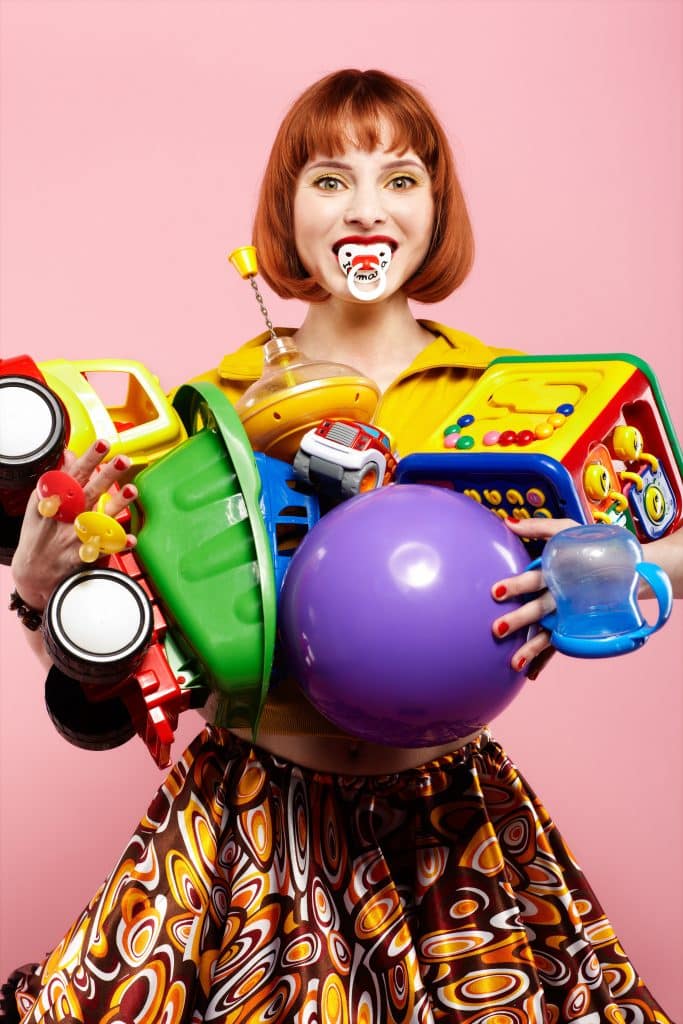
Kids outgrow toys faster than toys wear out. Most of what shows up secondhand has maybe a few months of actual play on it.
This is also a category where buying new mostly buys packaging. Once a toy is out of the box, it is just a toy.
The kid asking for it has no idea whether it came from a store shelf or someone else’s playroom.
|
Worth It or Not
18 Gifts That Look Expensive But Aren't
|
27. Office Furniture
Desks, filing cabinets, and office chairs pulled from actual offices tend to be built heavier than anything sold for a home setup, because they were made to survive years of daily use.
Companies downsizing or closing offices sell this stuff off in bulk, often well below what a flimsier new version costs. It is one of the more overlooked spots where people keep buying new purely out of habit.
A steel filing cabinet does not care who owned it first.
26. Skis, Snowboards, and Golf Clubs
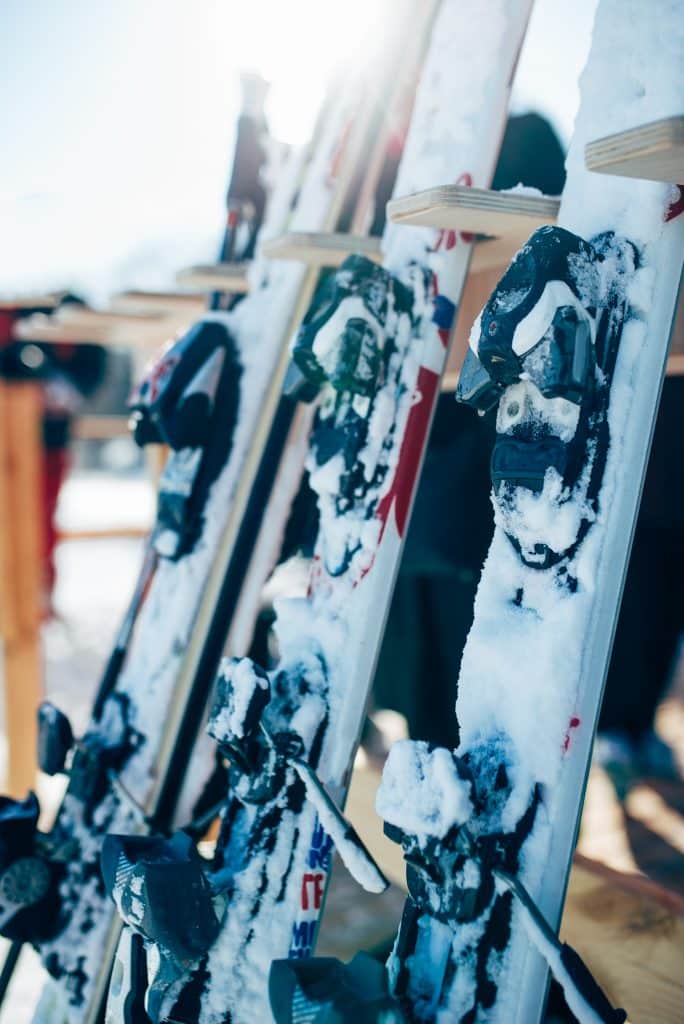
Seasonal sports gear gets used a handful of weekends a year, then sits in a garage the rest of the time. It rarely wears out before the owner just wants an upgrade.
That upgrade cycle is exactly why the secondhand market for this stuff runs so deep. Someone else’s last-season model still performs fine.
The Upshot: A one-season-old set of clubs plays the same as a brand new one, for a fraction of the price.
25. Utility Trailers
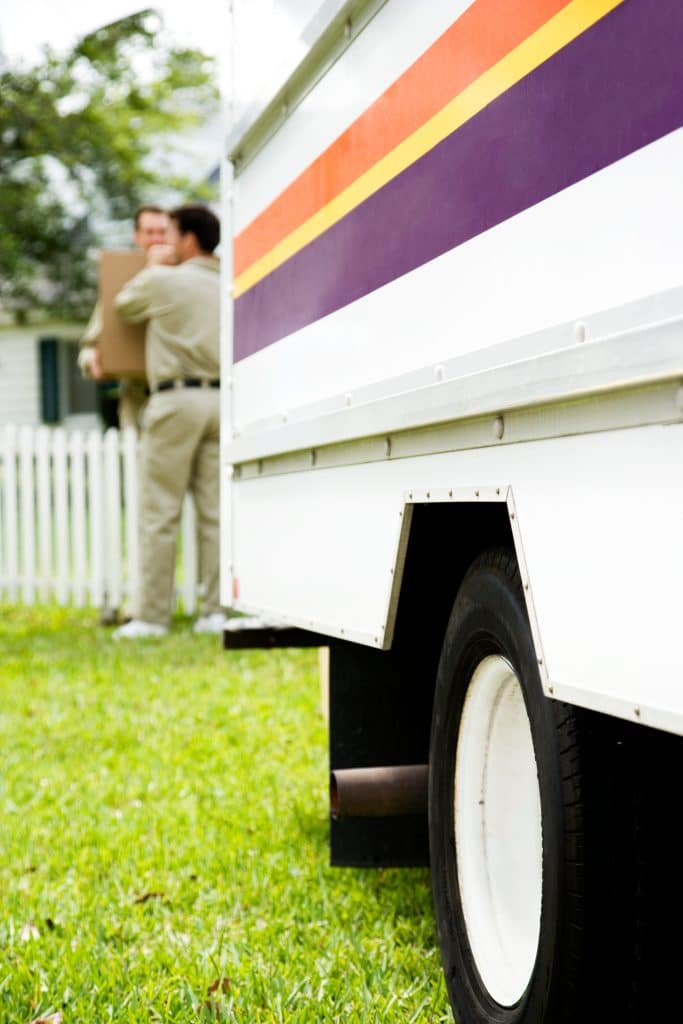
A trailer is a metal frame with wheels. There is very little to wear out, and a lot to inspect before buying, which makes it one of the safer secondhand purchases on this list.
Buying used here also opens up a second option worth knowing: once it is owned, it can pay for itself by getting rented back out whenever it is not in use.
Most trailers spend more time parked than towed either way.
24. RVs and Campers
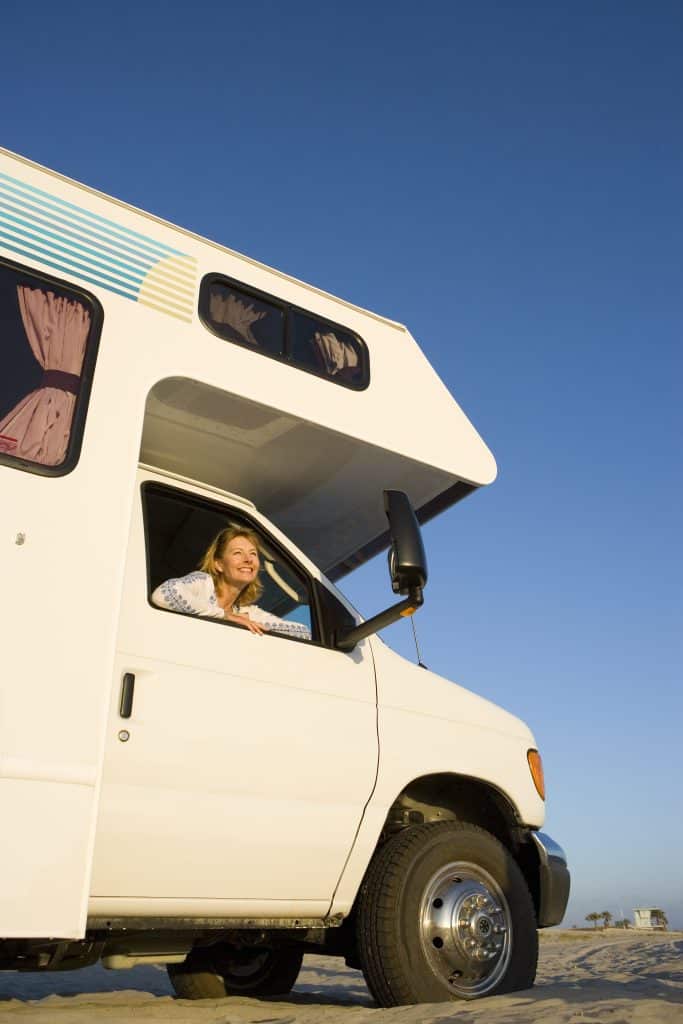
RVs depreciate the moment they leave the lot, faster than almost anything else people finance. The first owner absorbs most of that loss.
Buying a few years in means someone else already paid for the steepest part of the drop, and a well maintained unit still has plenty of life left.
Where This Lands: The used RV market exists because new RVs lose value faster than almost anything else on wheels.
23. Kayaks and Canoes
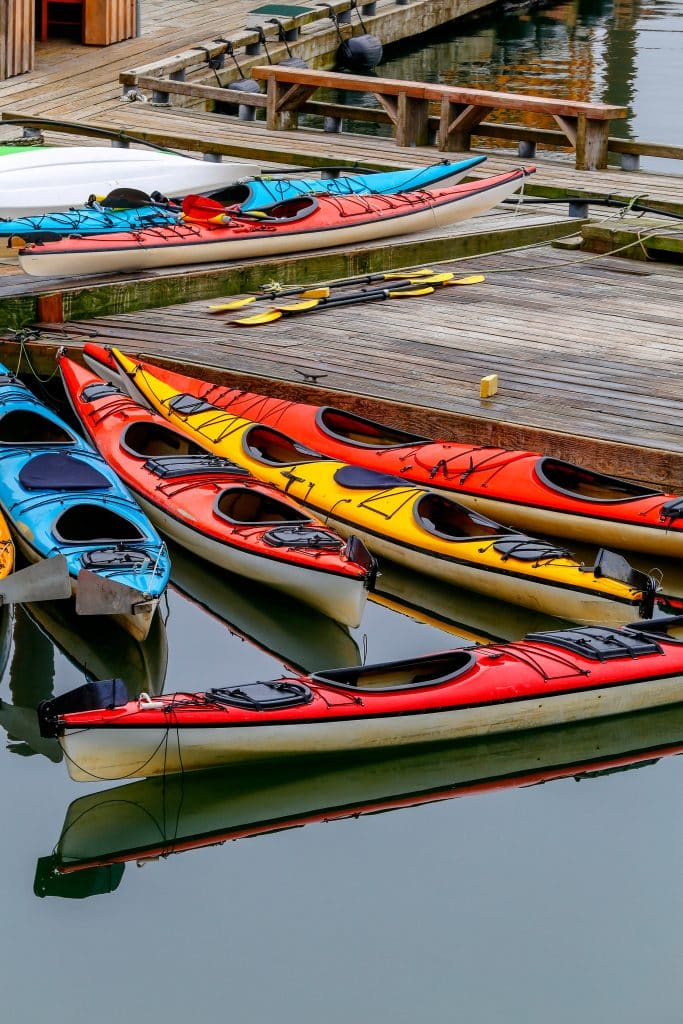
A kayak is mostly a hollow plastic or composite shell. There is no engine to fail and no upholstery to wear through.
Scratches on the hull are cosmetic, not structural, so a used one that has been checked over performs the same as new.
The water does not know the difference either.
22. Riding Mowers and Yard Equipment
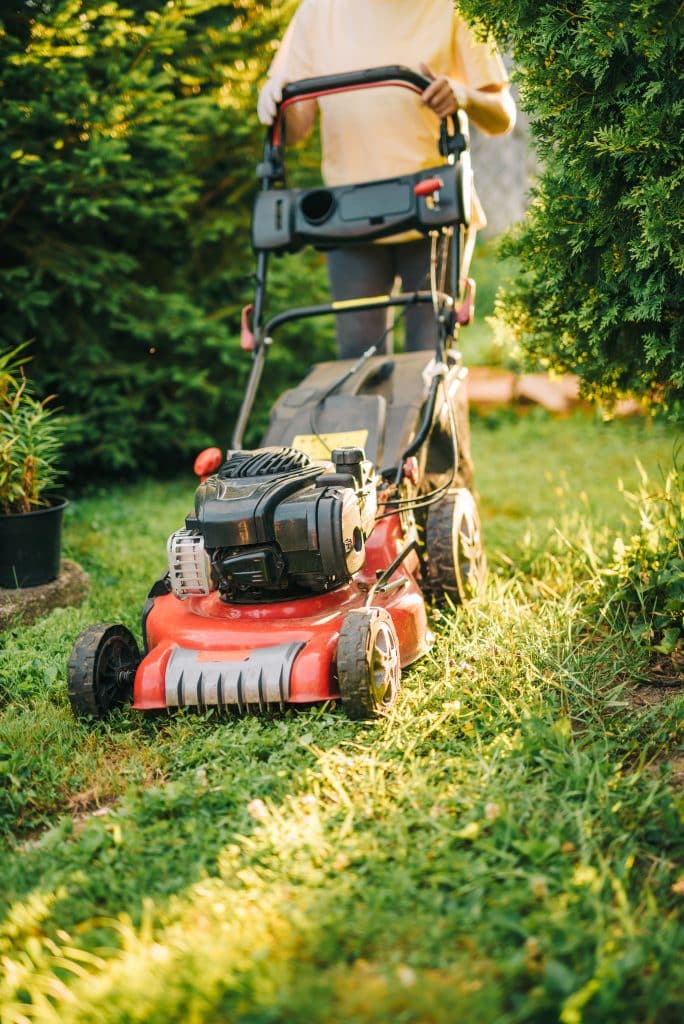
A riding mower is a serious purchase new, and most people use it a handful of hours a week for maybe half the year.
Buying used shifts a lot of that upfront cost onto whoever bought it first, as long as the engine has been maintained. A well kept used mower can run for years without needing anything more than routine upkeep.
Net Effect: An engine with regular oil changes does not know how many owners it has had.
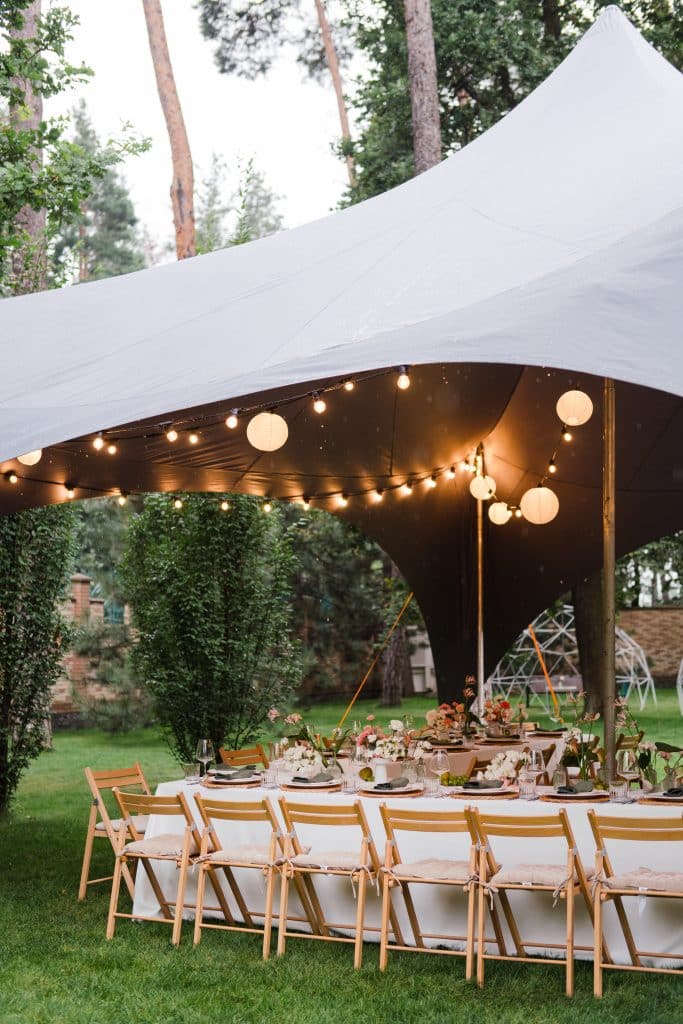
21. Wedding and Event Decor
Wedding decor gets used exactly once by the couple who bought it, then usually sits in a garage or gets resold at a steep discount.
Buying secondhand here also opens up a conversation worth having early, since event spending is one of those topics couples tend to avoid until it is already a problem.
The Math: Decor used once, secondhand, still only gets used once. The math just works out better.
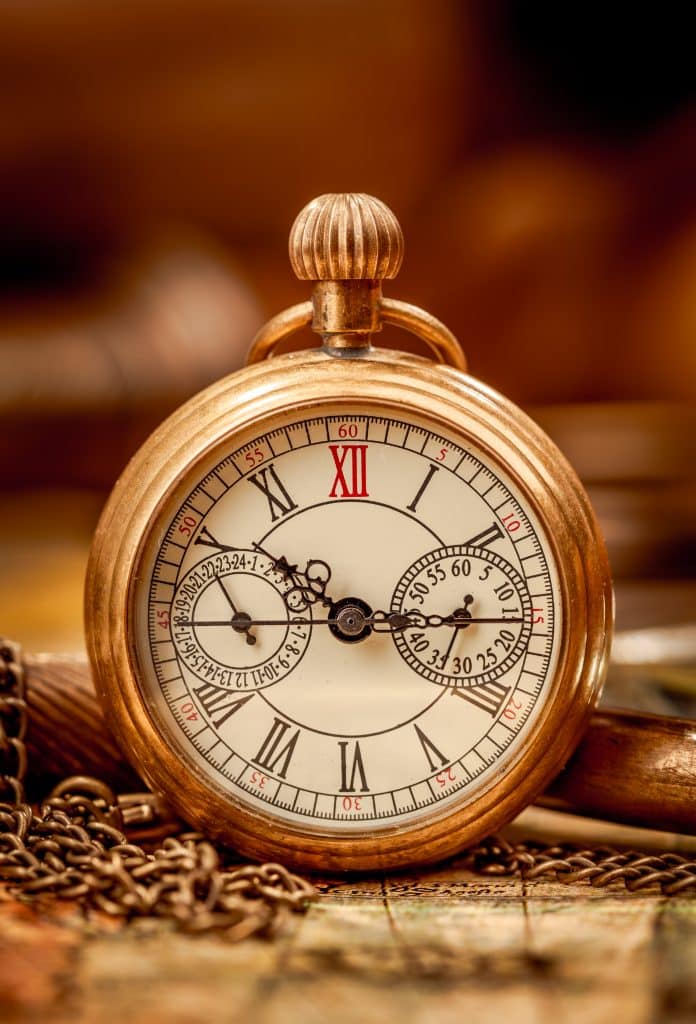
20. Watches
A well made mechanical watch is built to outlive its original owner by design, which makes the secondhand and vintage market genuinely strong.
Smartwatches are the honest exception here. The battery degrades and the software eventually stops getting updates, so a used one can end up a worse deal than it looks.
The Math: Mechanical, buy used with confidence. Anything with a battery and an app, check the age first.
Myth vs. Reality
Myth: buying secondhand means settling for whatever is left over.
Reality: for most of the categories on this list, the used version works exactly the same as new. The difference is who absorbed the depreciation, not the quality of what is left.
It is the same logic behind a lot of the small leaks quietly draining a budget, just applied to bigger, one time purchases instead of monthly ones.

19. Video Games and Consoles
Consoles and games hold their function completely regardless of who owned them first. A five year old console still runs the same games it always did.
Discs and cartridges do not degrade with normal use, and most secondhand shops test consoles before selling them.
The controller does not remember whose hands held it first.
|
You might also like
18 Warehouse Club Buys Ranked: What's Worth It in Bulk (And What Never Is) →
|
18. Books
A book says exactly the same thing on page one whether it is fresh off a printing press or it has already been through three other readers.
Used bookstores and library sales are stacked with copies in good shape for a fraction of retail, and a little wear on the cover does not change a single word inside.
Nobody has ever finished a novel and complained that the pages felt pre-read.

17. Textbooks
Textbook editions barely change year to year, and a lot of the pressure to buy the newest edition is about the publisher’s revenue more than the material actually changing.
Buying a previous edition secondhand, when the class allows it, can cut the cost by more than half.
Worth Remembering: Check with the instructor before assuming an older edition works, but it usually does.
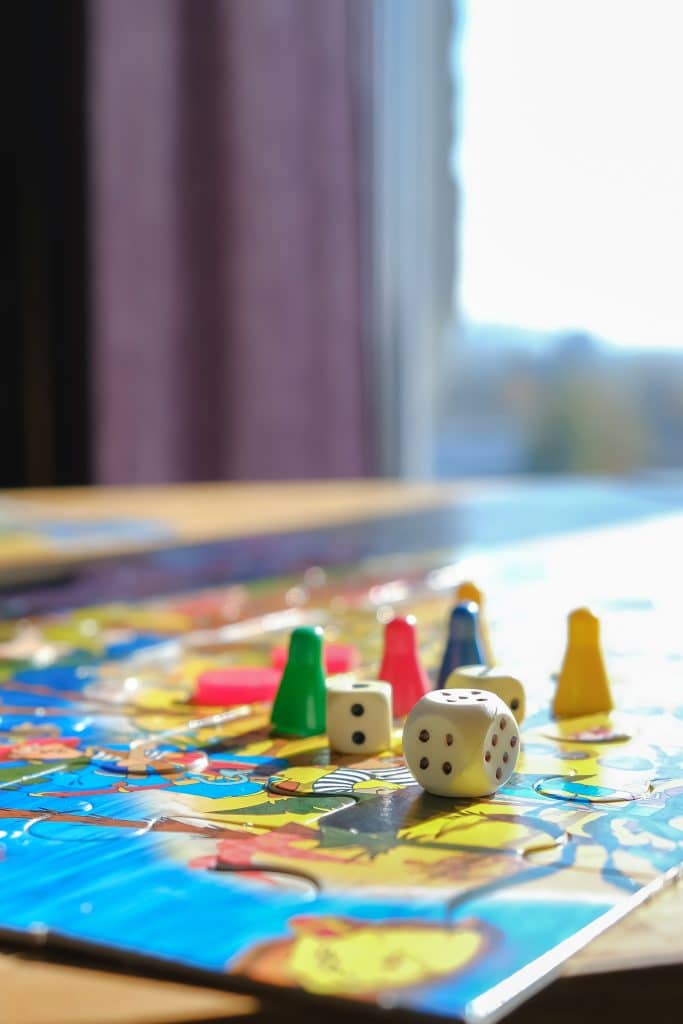
16. Board Games and Puzzles
A complete board game with all its pieces is basically as good as new, and most people selling them secondhand are doing it because they never played it, not because it wore out.
This is also a category that makes a genuinely good gift that looks like it cost more than it did, especially for a classic or out of print title.
A board game either has all its pieces or it does not. Age has nothing to do with it.
15. Kids’ Clothes
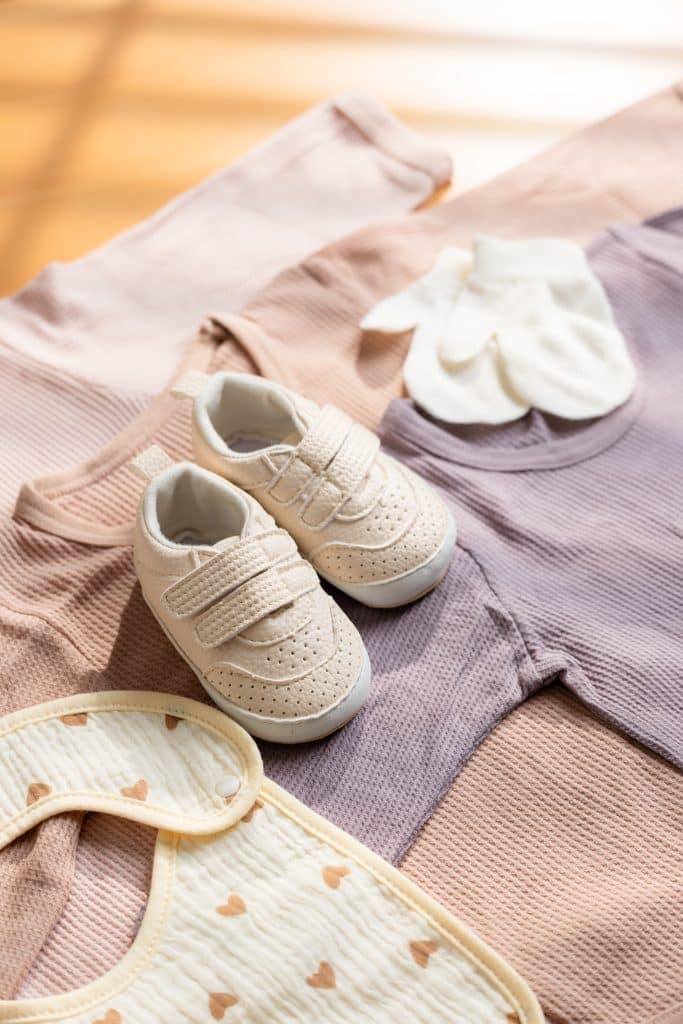
Kids grow out of clothes faster than the clothes wear out, sometimes in a matter of weeks. Most secondhand kids’ clothing has barely been worn.
This is one of the clearest examples on the whole list of paying full retail for something that is going to be outgrown before it is actually worn out.
Net Effect: A few months of growth, not months of wear, is usually the reason a kid’s outfit ends up secondhand.
14. Baby Gear
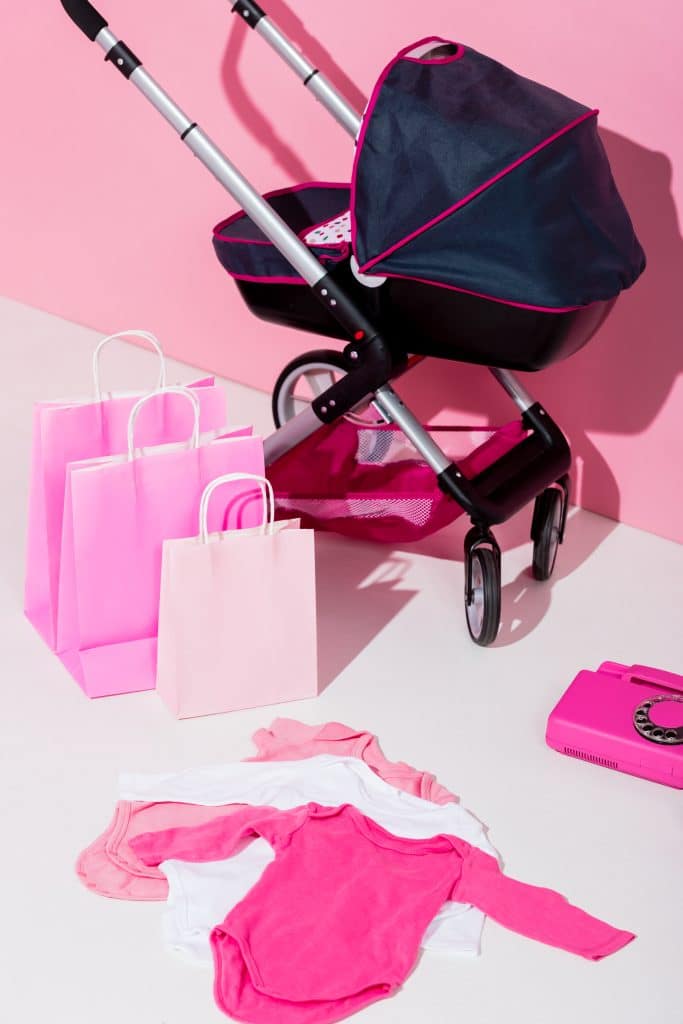
Strollers, bouncers, and baby monitors get used hard for a short window and then get sold the moment the kid outgrows them. A lot of what is on the secondhand market has months of use, not years.
Here is the honest exception, though: car seats and crib mattresses are worth buying new. Safety standards change, expiration dates matter, and there is no way to verify a used one has not been in a crash.
13. Bikes
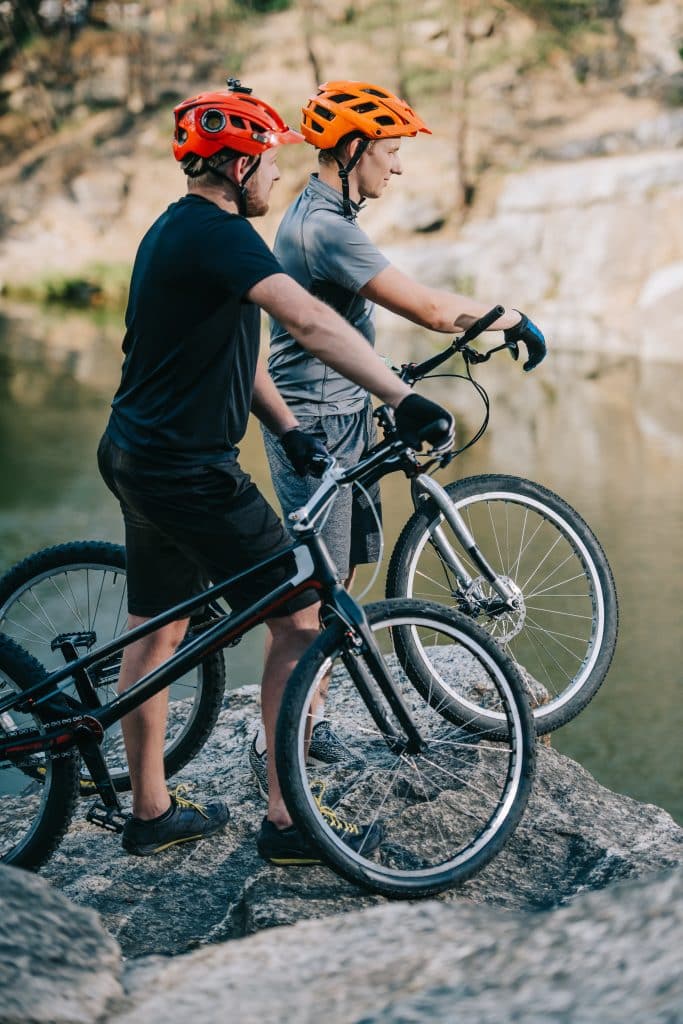
Bikes are mechanically simple and endlessly repairable. A used frame with a tune-up rides about as well as a new one costing three or four times as much.
Kids’ bikes especially turn over fast, since a growth spurt outdates a bike long before the bike itself wears out.
A bike shop tune-up on a used frame usually costs less than the markup on a new one.
12. Musical Instruments
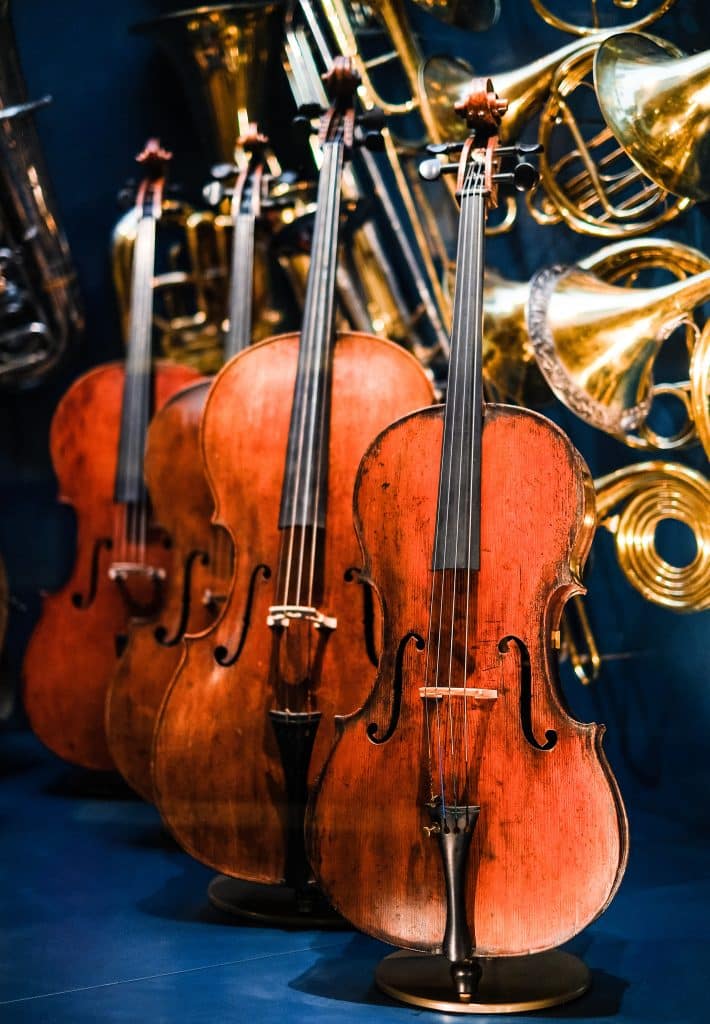
Well made instruments are built to last decades, and a lot of secondhand instruments come from someone who tried lessons for a year and then stopped.
This matters most for a first instrument, when nobody knows yet whether the interest will stick. Spending less upfront means less lost if it does not.
The Upshot: A used instrument that still holds a tune is doing everything a new one does.
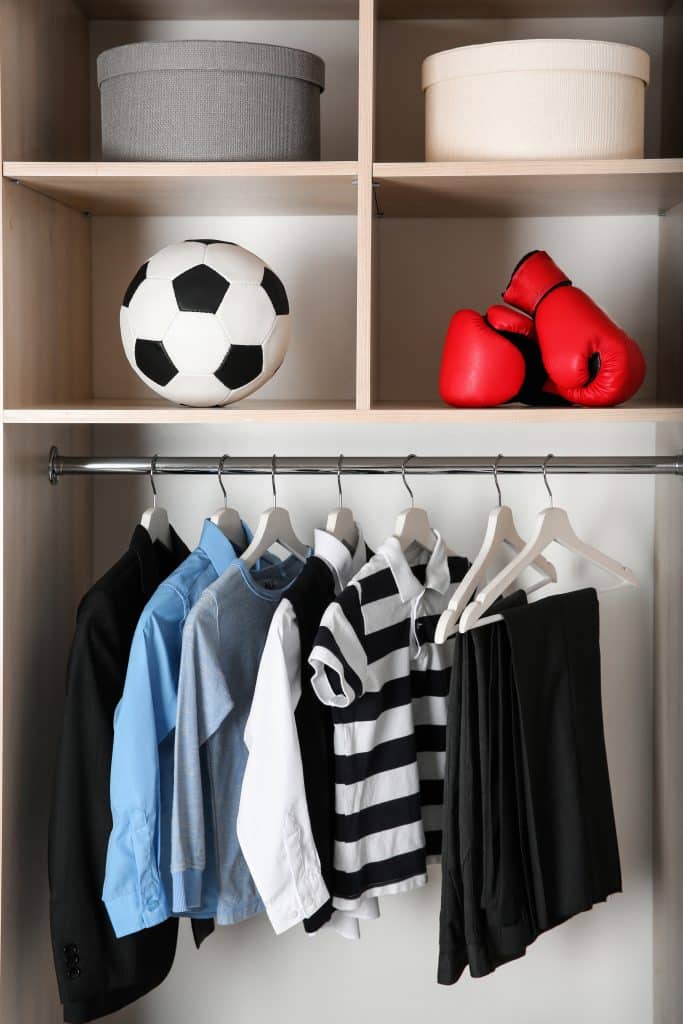
11. Sports Gear for Kids
Cleats, pads, and helmets for a growing kid have an even shorter useful life than regular clothes, since a season or two is often the whole run before a size change.
Buying secondhand here also sets up an easy habit: sell it forward again once it is outgrown, instead of letting it sit in a closet.
Gear a kid outgrows in one season is still gear someone else’s kid can use for a full one.
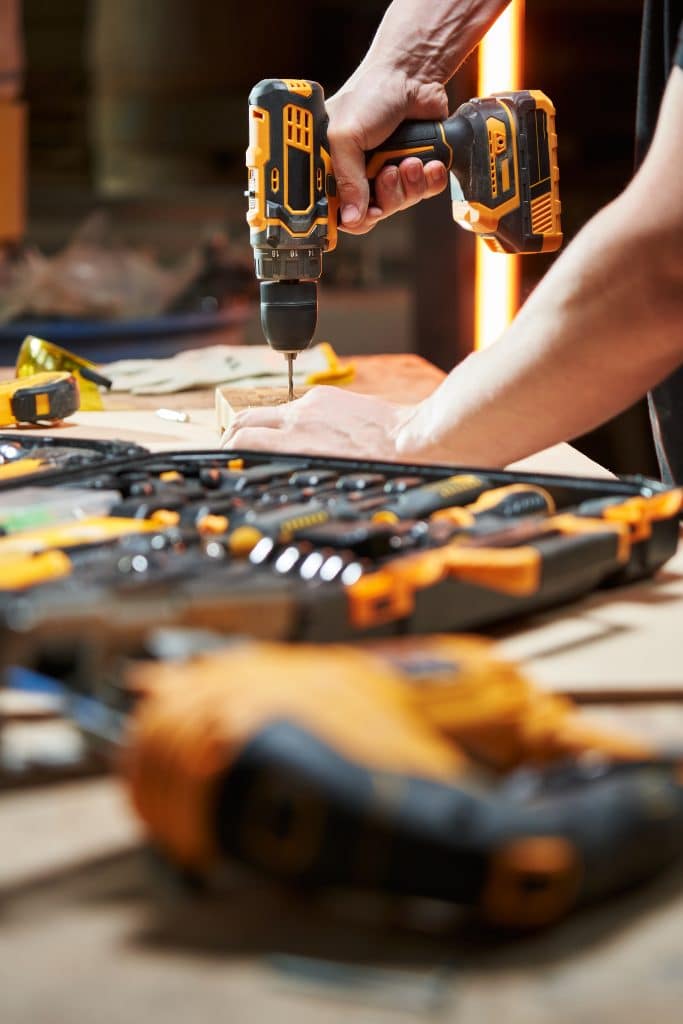
10. Hand and Power Tools
Quality tools are built to outlast the projects they are bought for, and a lot of secondhand tools were bought for one job and barely used since.
This is another category where the used market is full of barely touched inventory from people who overestimated how often they would need a tool.
A drill does not know it has only been used twice.
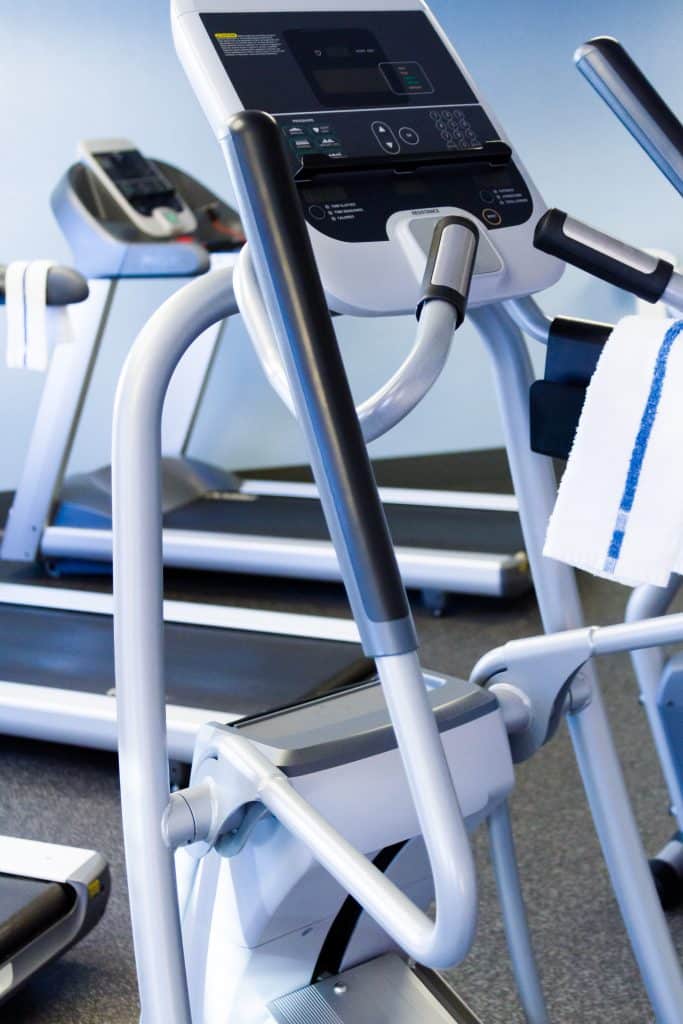
9. Exercise Equipment
Home gym equipment has one of the highest bought-with-good-intentions rates of anything people own. That means the secondhand market is full of equipment that is barely broken in.
This is the one-time-purchase version of a pattern that shows up constantly with recurring costs people keep paying out of guilt instead of actual use.
Where This Lands: A low mileage treadmill secondhand beats a gym membership nobody uses, financially and honestly.
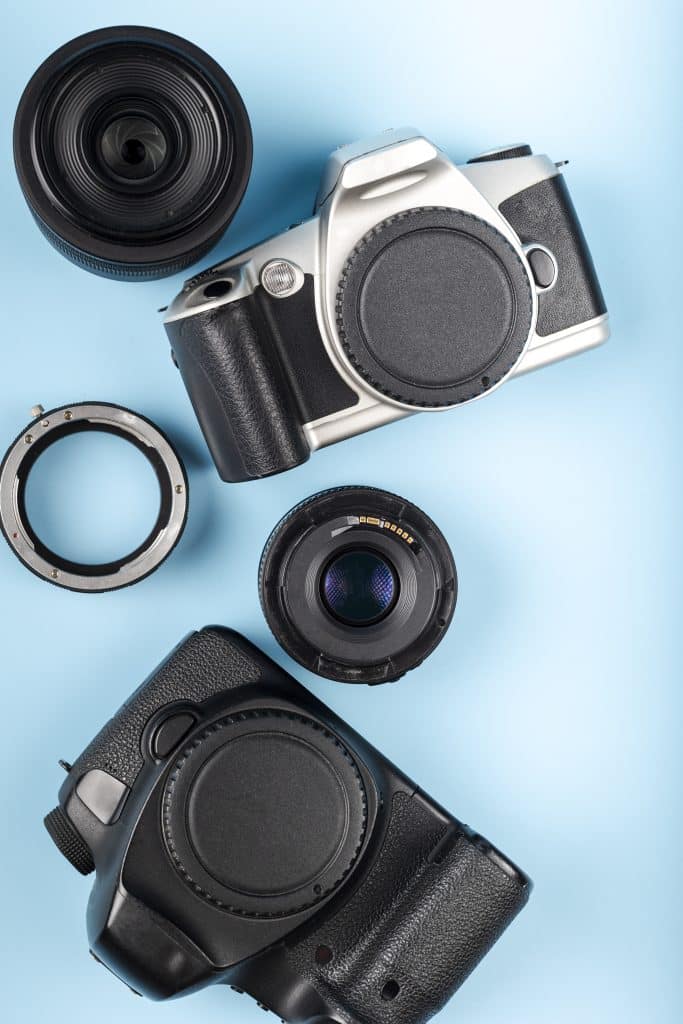
8. Cameras and Lenses
Camera bodies and lenses hold their optical quality regardless of who owned them, as long as the sensor and glass are in good shape. Photographers upgrade often, which keeps the used market well stocked.
|
Money Stuff
19 Ways People Actually Make Extra Money, Ranked Honestly
|
Lenses especially barely change in performance year to year, so a used lens from a few generations back often shoots almost identically to a current one.
Glass does not age the way electronics do.
7. Formal Wear
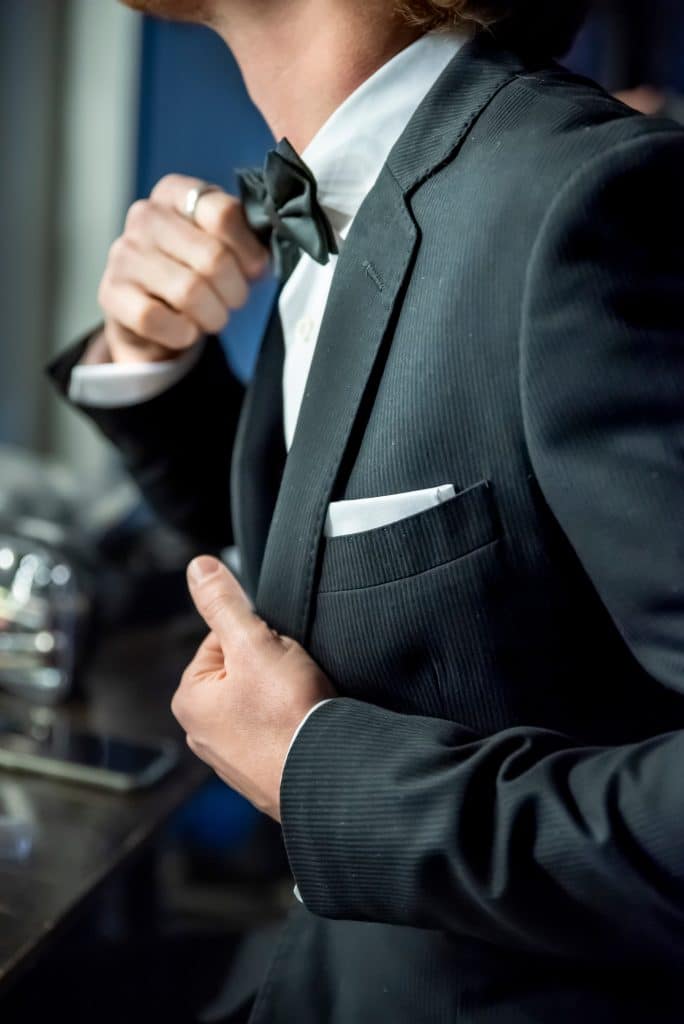
A suit or formal dress that gets worn once a year at most is one of the clearest cases of paying full price for something that barely gets used.
Consignment shops solve this well, and owning it secondhand means it is available whenever the next event comes up, without a rental deadline attached.
The Math: One formal outfit bought secondhand can outlast a decade of one-off rentals.
6. Designer and Quality Clothing
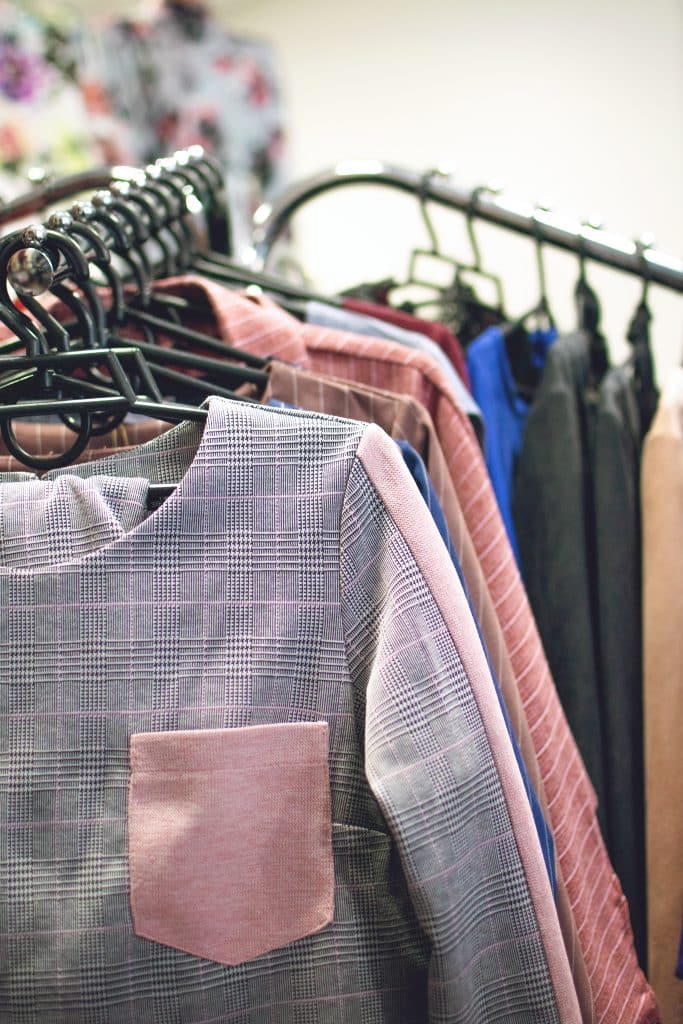
Well made clothing is built to survive being worn, which is exactly why it holds up secondhand better than fast fashion ever does.
This is squarely in the territory of things frugal shoppers have already learned to refuse at full price, since the markup on a name and a tag rarely reflects the actual construction.
Good stitching does not come undone just because someone else wore it first.
5. Vintage Cast Iron and Kitchen Classics
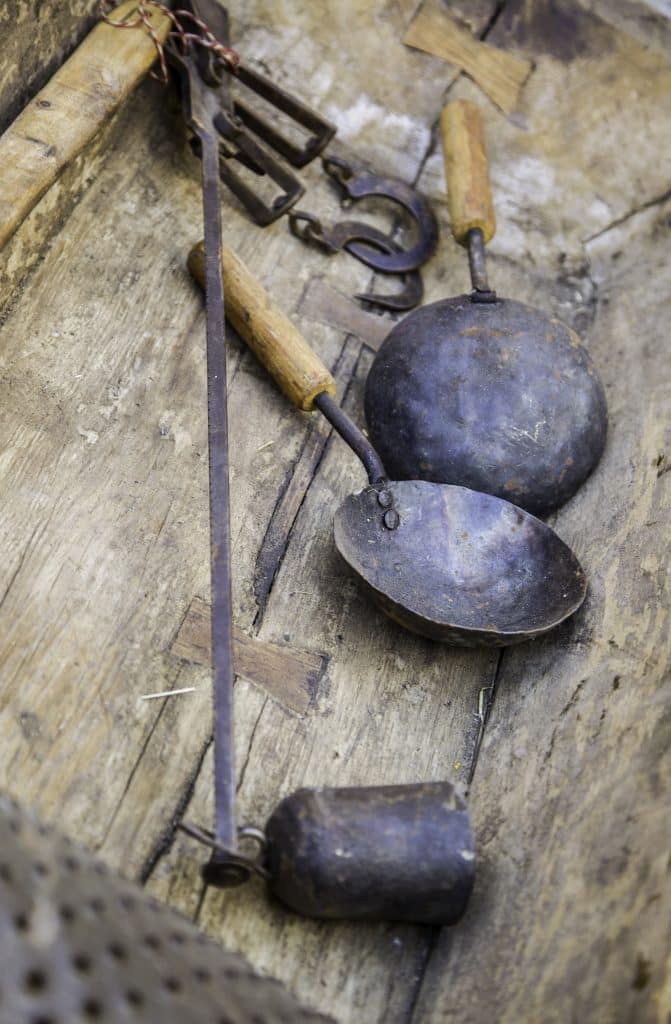
Cast iron cookware genuinely gets better with age and use, which makes it one of the few categories where secondhand can outperform new.
A well seasoned pan from an estate sale has decades of cooking already built into its surface. A brand new one has to build that up from scratch.
Net Effect: This is the rare item where the used version is the upgrade, not the compromise.
4. Solid Wood Furniture
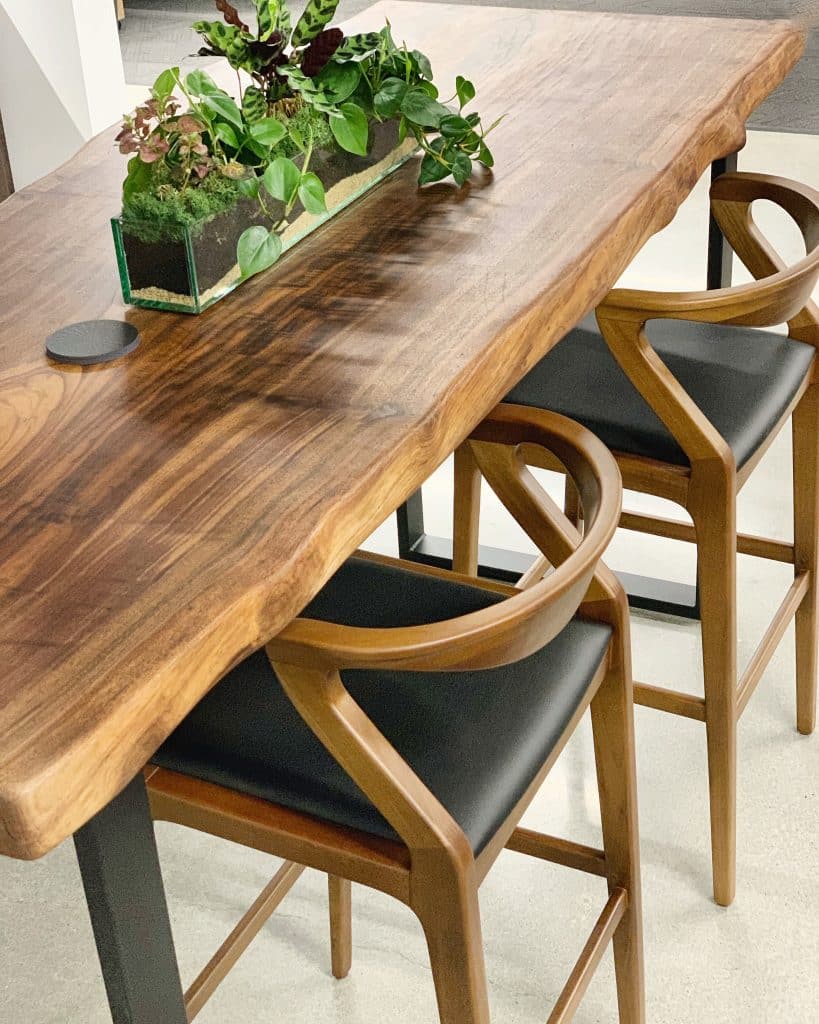
Real wood furniture is built to be refinished, repaired, and passed down, which is the opposite of most furniture sold today.
A piece that has survived a few decades already has proven it is the kind of quality worth stopping the replacement cycle for.
Solid wood does not care how many living rooms it has been in.
3. Scratch-and-Dent Appliances
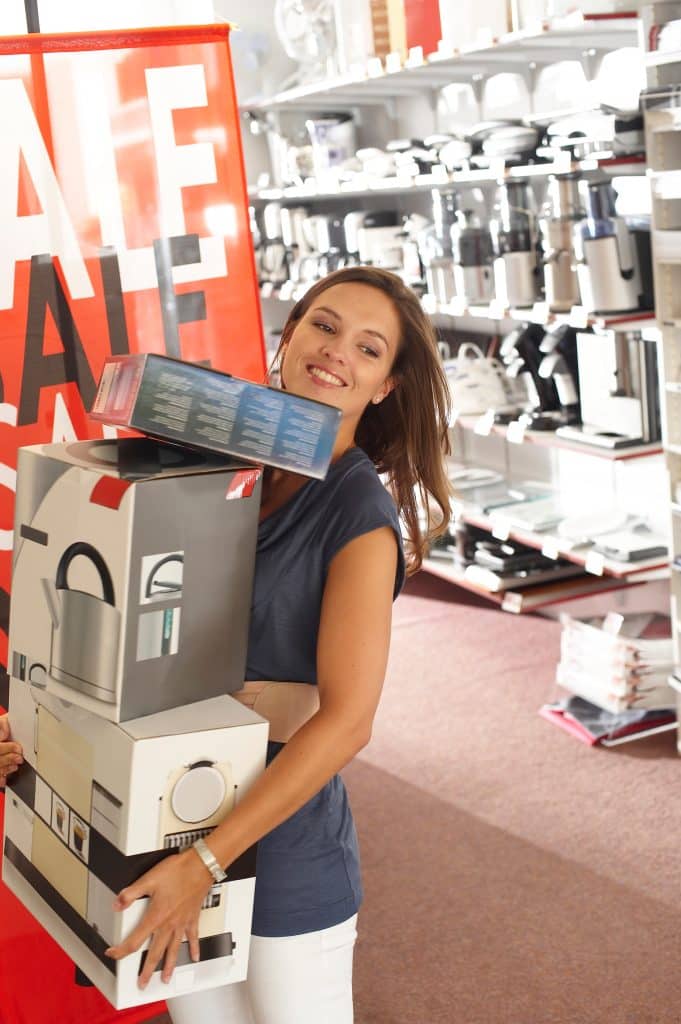
A scratch-and-dent appliance is functionally identical to the full price version sitting next to it, with a cosmetic flaw that is usually hidden once it is installed.
This is one more entry in a long list of household items people replace way sooner than they need to, just applied at the point of purchase instead of after years of use.
A dent on the side of a refrigerator does not show up once it is against the wall.
2. Jewelry
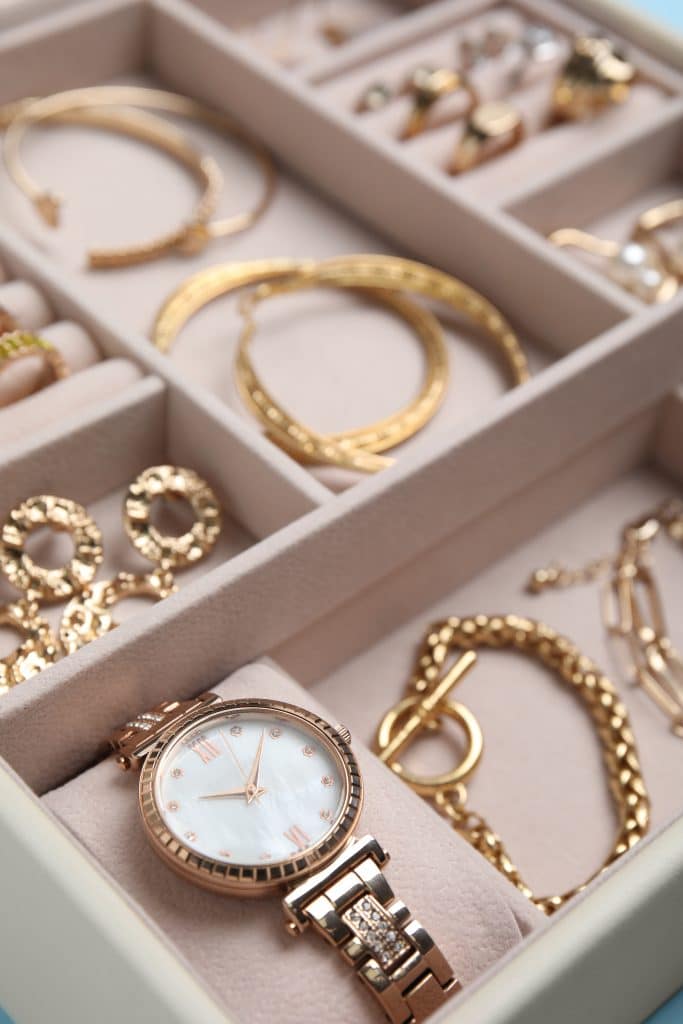
Gold and precious stones do not wear out. A ring or necklace from an estate sale is made of exactly the same material as one bought new, minus the retail markup.
A lot of estate and vintage jewelry is also better made than current mass market pieces, built before manufacturing shortcuts became standard.
Worth Remembering: The metal and the stone are worth the same amount regardless of who wore them first.
1. Cars
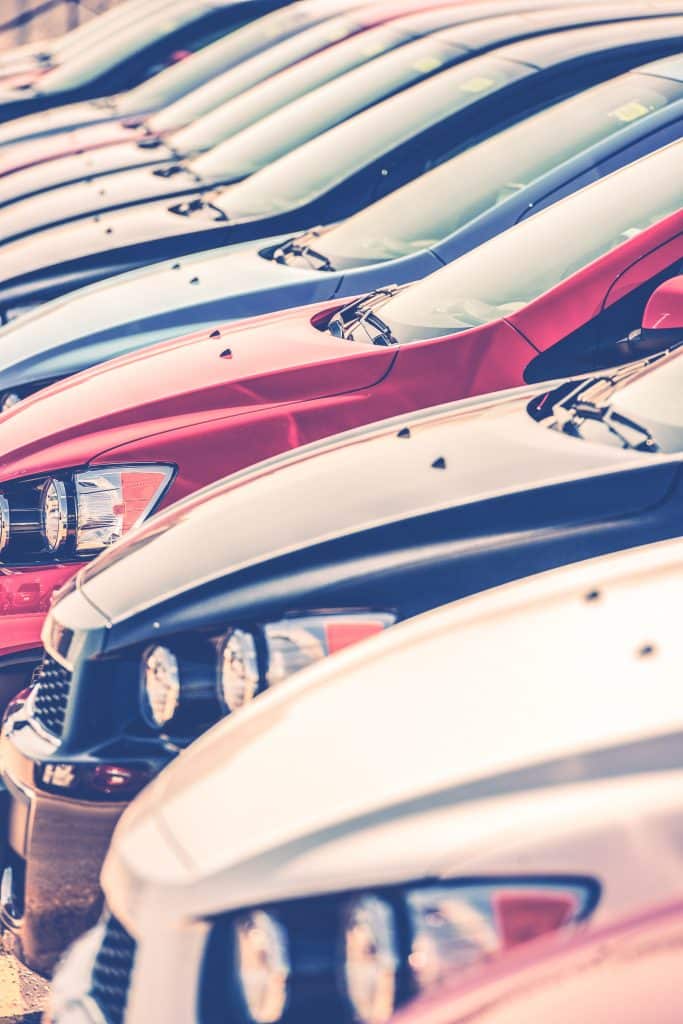
This is the one that costs people the most money by far. A new car loses a meaningful chunk of its value the moment it leaves the lot, sometimes ten percent or more in the first year alone.
That first year drop is the steepest part of the depreciation curve, and it is entirely avoidable. Buying a car that is two or three years old means someone else already absorbed that hit.
The car itself has not changed. Same engine, same features, same safety rating, just a different name on the title and a much smaller number on the price tag.
This is also one of the clearest examples of a big purchase where timing and condition matter more than the word new ever does. A well maintained used car with service records beats a brand new one bought under pressure.
Every other item on this list saves real money. This one saves the most, and it is the purchase most people never think to question.
Where to Start
Thirty-five is a lot to take in at once, so if you only start with a handful, start with the big ticket ones. Cars, furniture, and appliances save the most money precisely because they cost the most new.
The small categories, frames, storage bins, board games, matter too, just less dramatically. They are the easy wins once the bigger habit is already in place.
None of this means buying secondhand blindly. Check car seats and other safety gear for actual product age, test electronics before paying, and walk away from anything that looks worse in person than it did in the listing.
The habit itself is simple: check secondhand first, and only buy new when secondhand genuinely cannot cover it. Most of the time, it can.