31 Things People Stopped Buying Once They Got Smart With Money
Some links may be affiliate links. We may earn a commission at no extra cost to you. View our full disclosure.
There’s a moment when someone stops being “cheap” and starts being smart with money, and it usually has nothing to do with a spreadsheet. It happens quietly, one purchase at a time. You just stop buying certain things, and you don’t really miss them.
I’ve watched this pattern play out across a lot of people over a lot of years. The purchases that go first aren’t the obvious ones. They’re the small, automatic ones nobody questions until they suddenly do.
Some of these are habits everyone was raised on. Others are newer traps that showed up in the last decade or so and somehow became “normal” fast. Either way, once you notice the pattern, it’s hard to unsee.
This list runs from the smaller stuff at the bottom to the one purchase that tends to reshape an entire financial life at the top. A few of these might sting a little. That’s usually a sign they belong on the list.
None of this is about deprivation. It’s about noticing which purchases are habit instead of choice. As I’ve written about before, people who are good with money tend to keep a running list of things they’ve simply stopped buying, and this is mine.

31. Extended Warranties on Small Electronics
Extended warranties on headphones, blenders, and phone cases are some of the highest-margin add-ons a store sells. Most small electronics either break early enough to fall under a standard return window, or they last years past the point where the warranty would have mattered.
People who stop buying these usually do one thing instead. They keep a small personal cushion for repairs or replacements, and over time it covers more ground than the warranty ever would have.
The math: a warranty priced at a large share of the item’s cost rarely pays for itself, and it fits neatly into that bucket of “normal” expenses frugal people have learned to skip.
30. Bottled Water for Everyday Drinking
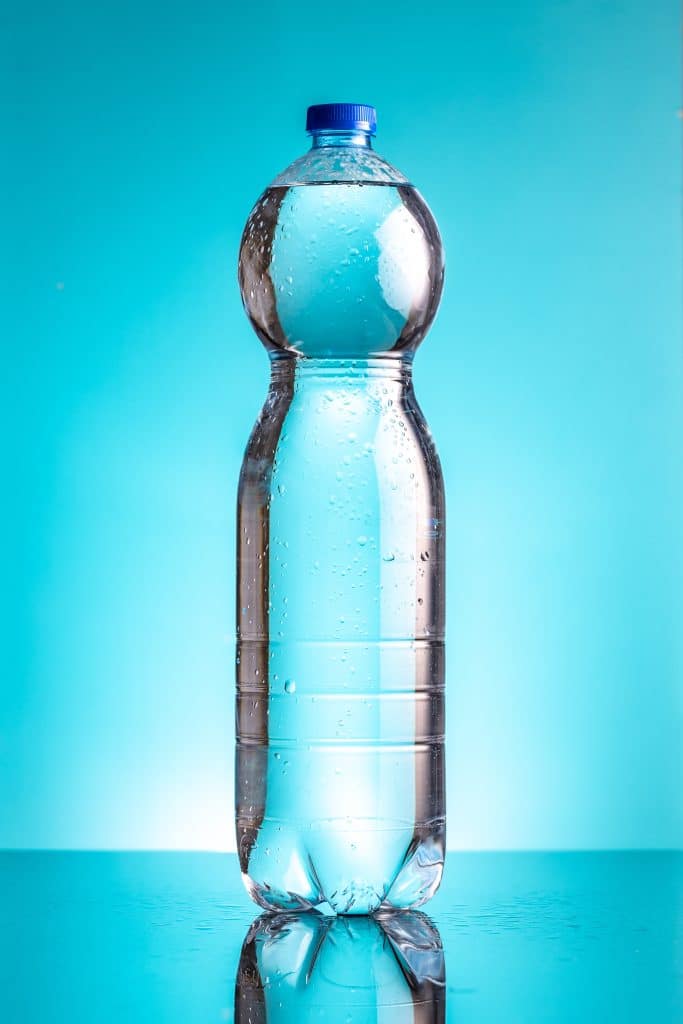
A case of bottled water feels cheap in the moment. Multiplied across a year, it’s one of the more persistent small money leaks people carry without ever adding it up.
A reusable bottle and a basic filter close most of the gap in a matter of weeks. Tap water quality varies by region, so this one is worth checking locally before switching entirely.
Once the bottle habit breaks, it tends to stay broken.

29. Pre-Cut Fruits and Vegetables
Pre-cut produce is convenient, and convenience always carries a markup. The premium over whole produce typically runs high enough that ten minutes with a knife pays for itself.
The trade-off is real, though. On a genuinely exhausted week, the extra cost can be worth it just to make sure the vegetables get eaten at all instead of rotting in the drawer.

28. Brand-Name Medication Over the Generic
The active ingredient in most generic medications is required to match the brand-name version. The packaging and price are usually the only real differences.
This isn’t medical advice, and some medications genuinely do behave differently between formulations for some people. It’s worth a conversation with a pharmacist rather than assuming every case is identical.
Worth remembering: the price gap here tends to be one of the widest on this entire list.

27. Individually Wrapped Snack Packs
Single-serving snack packs sell portion control at a steep premium. Buying the same snack in bulk and portioning it into reusable containers gets the same result for a fraction of the cost.
This is one of the clearer cases where a warehouse-style bulk buy actually earns its keep, provided the household will realistically get through it before it goes stale.
A few minutes of portioning on a Sunday replaces a habit that quietly adds up all week.

26. A New Outfit for Every Occasion
Buying something new for every wedding, party, or event adds up fast, and most of those pieces get worn once. A small rotation of versatile pieces handles almost every occasion that comes up.
The people who break this habit usually notice something else too. Nobody at the event remembers what anyone else was wearing a week later anyway.
25. Paper Towels for Every Little Spill
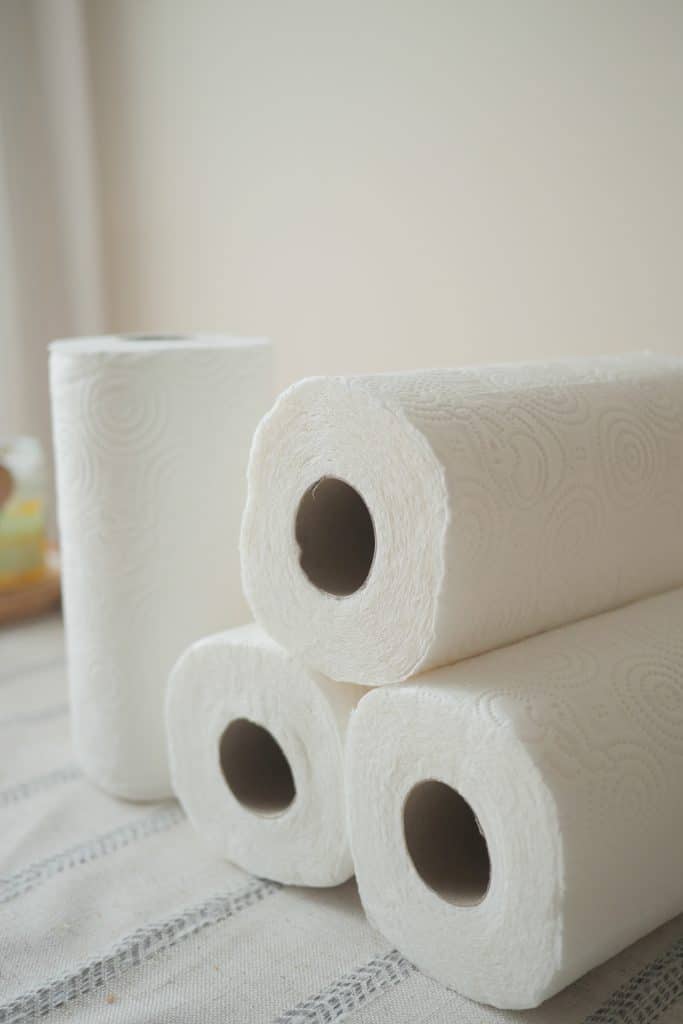
Paper towels are genuinely useful for a handful of jobs. Most spills, drips, and wipe-downs don’t need them at all.
A drawer of cloth rags, even old t-shirts cut into squares, handles the bulk of daily cleanup. The roll ends up lasting months instead of weeks.
|
Money Stuff
Attendance vs. the Autopay: A Gym Membership Reckoning
|
Net effect: fewer trips to restock, less trash, roughly the same amount of cleaning.

24. Store-Bought Greeting Cards
A single greeting card often costs more than people expect for a piece of folded cardstock that gets read once and tossed. A handmade or printed card carries the same sentiment for a fraction of the price.
This is a small habit, but it’s also one of the easiest “cheapskate” tricks that actually holds up once you try it a few times.

23. A Daily Coffee-Shop Drink
A daily specialty coffee is the classic example everyone rolls their eyes at, mostly because it’s true. Home brewing a comparable drink costs a fraction of the coffee-shop version once you already own the equipment.
I’ve covered this one in more depth in a full breakdown of what daily coffee habits actually cost over a year. The gap surprises most people who run their own numbers.
This doesn’t mean never buying coffee out again. It means noticing when “daily” became the default instead of a choice.
22. Full-Service Car Washes
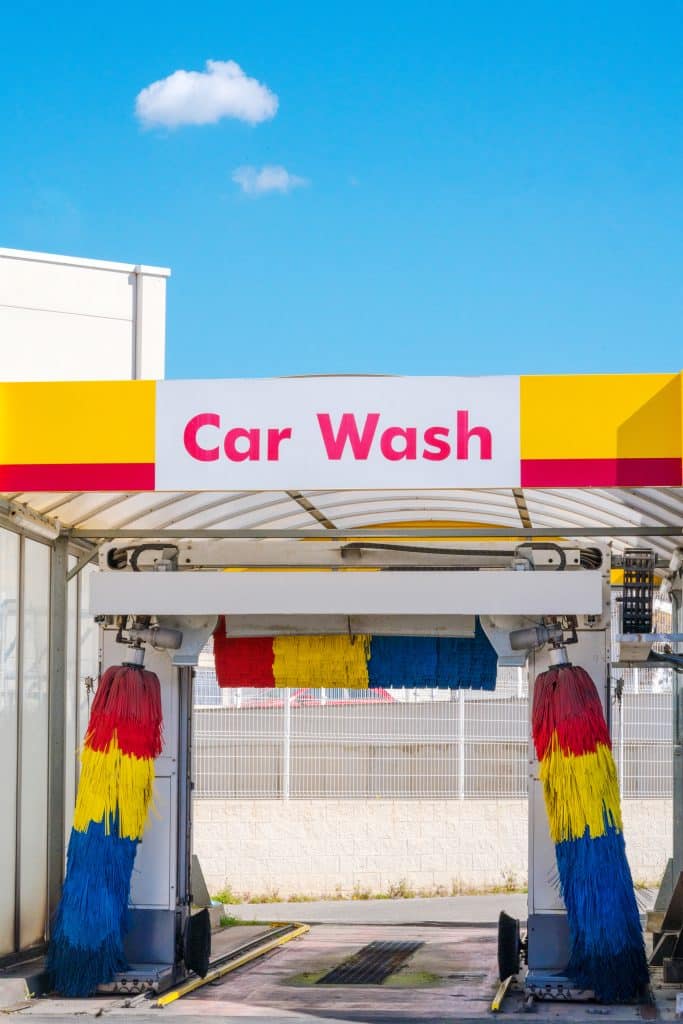
A full-service wash with the works costs several times what a basic wash runs, and most of the add-ons wear off within a week or two anyway. A driveway wash with a bucket and hose gets a car just as clean.
The exception is winter road salt, where a proper undercarriage rinse is worth paying for. Outside of that, this is mostly a convenience purchase dressed up as a necessity.
The upshot: pay for the parts a garden hose genuinely can’t do, and skip the rest.
21. Dryer Sheets
Dryer sheets are a single-use product solving a problem that reusable wool dryer balls solve hundreds of times over. The upfront cost is higher, but they last for years of loads.
This is a small line item, but it’s exactly the kind of household item smart shoppers quietly stopped restocking once they actually compared the cost per load.
Static cling has other fixes. A dryer sheet is the most expensive one.

20. Disposable Razors
Disposable razors are cheap individually and expensive as a habit, since most people replace them far more often than needed. A single reusable razor with replaceable blades handles years of shaving for a much lower running cost.
The upfront purchase feels bigger, which is usually what stops people from making the switch. It pays for itself faster than most people assume.

19. Fresh Flowers Every Week
A standing weekly flower habit is a nice ritual, and it’s also one of the more expensive small luxuries on this list. Buying flowers for occasions instead of on a schedule keeps most of the joy and almost none of the recurring cost.
Some people genuinely value this enough to keep it, and that’s a fair call. Not everything on this list has to go.
Where this lands: this one is a values decision more than a money decision, and it’s fine to keep it if it earns its place.

18. A New Phone Every Single Year
Yearly upgrade cycles are built around incremental improvements most people never notice in daily use. Stretching a phone to two or three years typically costs far less over time than replacing it annually.
This falls squarely into the category of big purchases people make at the worst possible time, usually the week a new model launches rather than the week the old one actually stops working.
17. Every Streaming Bundle at Once
Stacking multiple streaming and music subscriptions at full price adds up to a real monthly bill most people never total up in one place. Rotating one or two at a time, canceling and resubscribing around what’s actually being watched, covers the same content for less.
I go through this exact pattern in a full audit of subscriptions people forget they’re still paying for. Most people are surprised by how many they’re carrying at once.
The fix isn’t cutting streaming entirely. It’s stopping the habit of paying for all of it, all the time, out of pure inertia.
16. Name-Brand Cleaning Supplies
Most household cleaning products break down to a handful of active ingredients, and the store-brand version usually performs close to identically. The name-brand markup mostly pays for the label and the advertising behind it.
| Keep Reading — 18 Things That Used to Be Built to Last (And How to Buy That Quality Today) |
The math: swapping even a few recurring cleaning products to generic versions is one of the lowest-effort changes on this whole list.

15. Wrapping Paper and Gift Bags
Rolls of wrapping paper get used once and thrown away, which makes the cost per use higher than almost anything else in this list. Reusable gift bags, fabric wraps, or even newspaper for casual gifts all get the job done.
This one rarely makes anyone’s radar because the individual purchase feels small. It’s the repetition across birthdays and holidays that makes it worth noticing.
14. Premium Gas Their Car Doesn’t Need
Most vehicles on the road are built to run fine on regular gas, and manufacturer guidelines will say so directly if you check. Premium is only necessary for engines specifically designed to require it, usually higher-performance models.
This is a good example of a “money rule” that’s actually a myth for most drivers. Checking the owner’s manual settles it in under a minute.
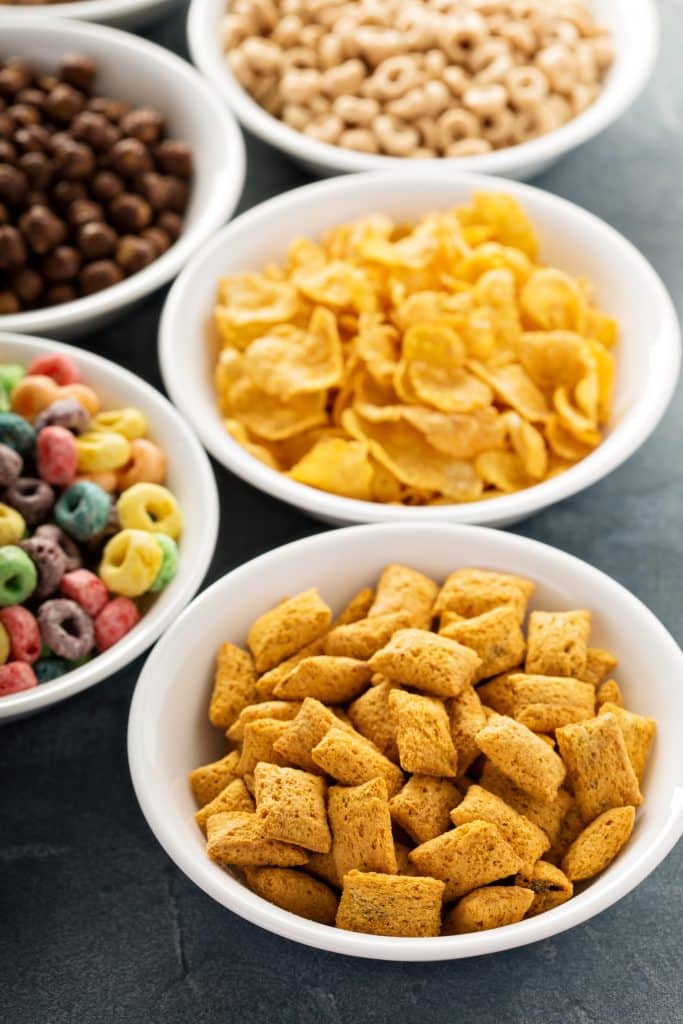
13. Boxed Cereal
Boxed cereal is mostly air, cardboard, and marketing, priced well above its ingredient cost. Oats, homemade granola, or simpler breakfast staples typically cost less per serving and keep longer in the pantry.
This isn’t a nostalgia entry. It’s purely a per-serving cost comparison, and cereal tends to lose that comparison badly.
Worth remembering: this is one of the easier swaps to make without anyone in the house really noticing the difference.

12. A Gym Membership They Weren’t Using
An unused gym membership is one of the most common recurring charges people forget they’re paying for months at a time. Canceling it and walking, or building a basic home routine, closes that gap without losing much fitness ground.
This one comes with a genuine caveat. If you’re actually using the membership regularly, this entry doesn’t apply to you, and canceling a gym you rely on to stay consistent is not a smart-money move at all.
It belongs on this list specifically because it’s an autopay habit people keep paying for things they never use, not because gym memberships themselves are a waste.
Worth Knowing: Check the Small Recurring Charges First
We’re at the halfway point, and it’s worth pausing on a pattern that’s already showing up. A lot of these entries aren’t one-time purchases at all. They’re recurring charges that renew quietly in the background.
Those are usually the highest-leverage items to catch first, since fixing one recurring charge keeps paying off every single month without any extra effort. A single bank or card statement pulled up and read line by line will usually surface two or three of these on its own.

11. New Furniture Instead of Fixing the Old
A wobbly chair or a couch with a sagging cushion often gets replaced when it just needs a repair. Tightening a joint, restuffing a cushion, or reupholstering a single piece typically costs far less than buying new.
This one requires a little more effort than most entries on this list. It usually rewards that effort with furniture that outlasts the cheaper replacement anyway.
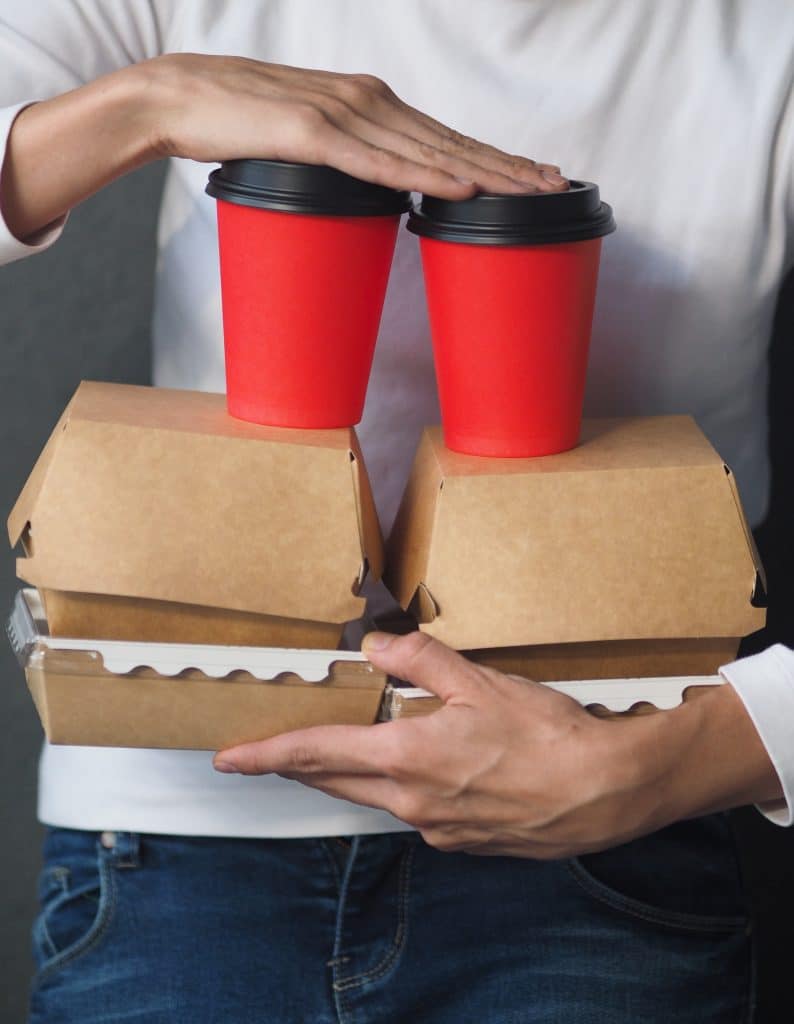
10. Takeout on Ordinary Weeknights
Ordering takeout on a regular Tuesday, not for a celebration or a genuinely exhausted week, is one of the more expensive default habits people fall into. Delivery fees, service charges, and tips stack on top of food that already costs more than a home-cooked version.
I’ve broken down exactly where those extra charges hide in a closer look at the delivery fees people don’t realize they’re paying. Most of them are easy to miss on a single order and add up fast across a month.
Net effect: keeping takeout for actual occasions instead of a default Tuesday plan changes the math by a meaningful amount over a year.
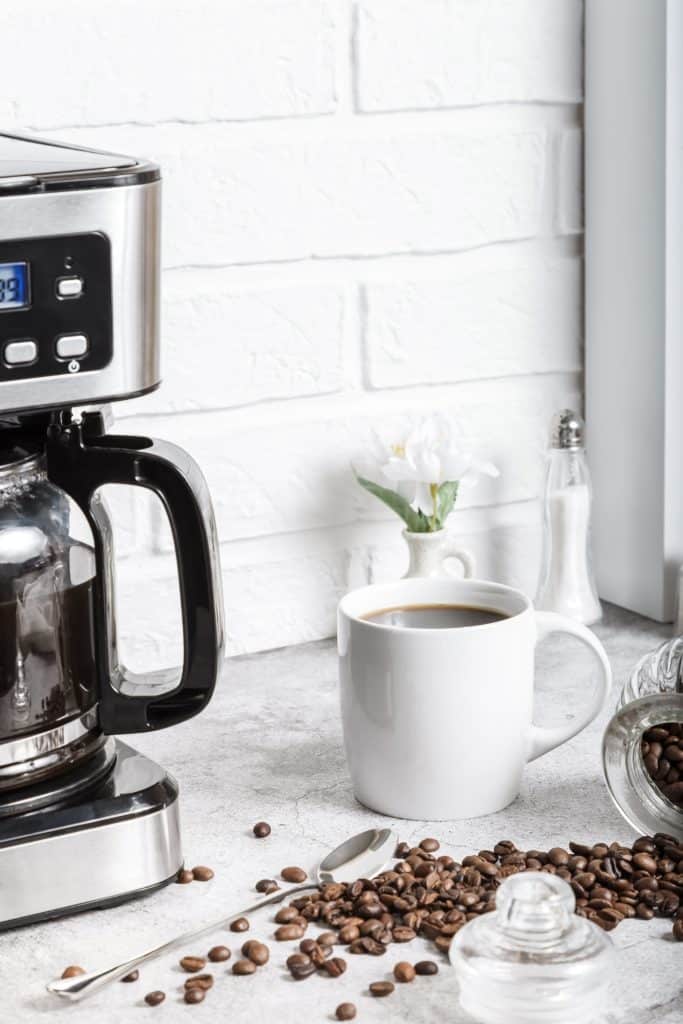
9. Individual Coffee Pods
Single-serve coffee pods carry one of the highest per-cup costs of any home coffee method, largely because of the convenience and packaging. A basic drip machine or pour-over setup brews the same amount of coffee for a much lower cost per cup.
The machine itself is often already paid for, which makes this an easy switch to overlook. It’s worth running the actual per-cup math once, since the gap tends to be bigger than people expect.

8. New Books Instead of Library Holds
Buying every new release adds up fast for anyone who reads regularly. A library card gets the same books, often including digital and audio versions, for no cost at all.
The only real trade-off is timing, since popular titles sometimes have a waitlist. For anyone not attached to owning a physical copy, this is one of the cleanest entries on the whole list, right alongside other everyday things that cost way less than most people assume.
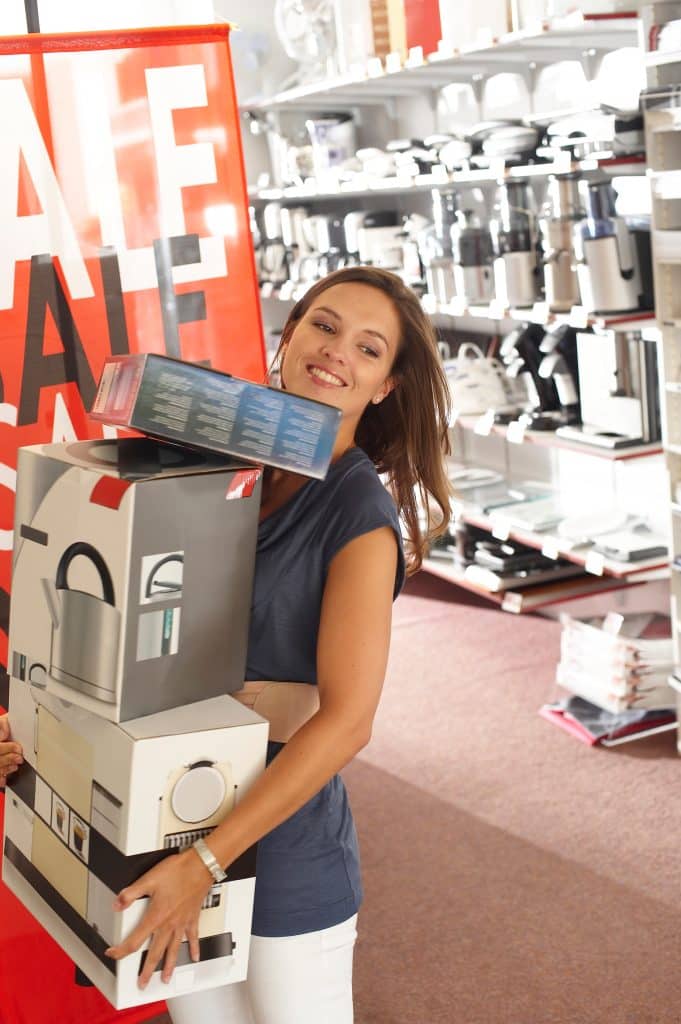
7. Extended Service Plans on Appliances
Appliance protection plans are sold at the register through a mix of fear and urgency, right when a customer is least likely to do the math. Most major appliances come with a manufacturer warranty already, and the extended plan often duplicates coverage that’s already there.
|
You might also like
18 Warehouse Club Buys Ranked: What's Worth It in Bulk (And What Never Is) →
|
Skipping these can feel risky in the moment, which is exactly the point of the pitch. It’s one of several money decisions people feel guilty about long after they’ve made the right call.
The upshot: read what the manufacturer warranty already covers before adding anything else on top of it.

6. Brand-Name Pain Relievers
The active ingredient in most over-the-counter pain relievers is the same across the brand-name and generic versions, regulated to match. The price difference is almost entirely packaging and marketing.
This is one of the simplest swaps on the whole list. Compare the active ingredient on the label once, and the decision basically makes itself from then on.
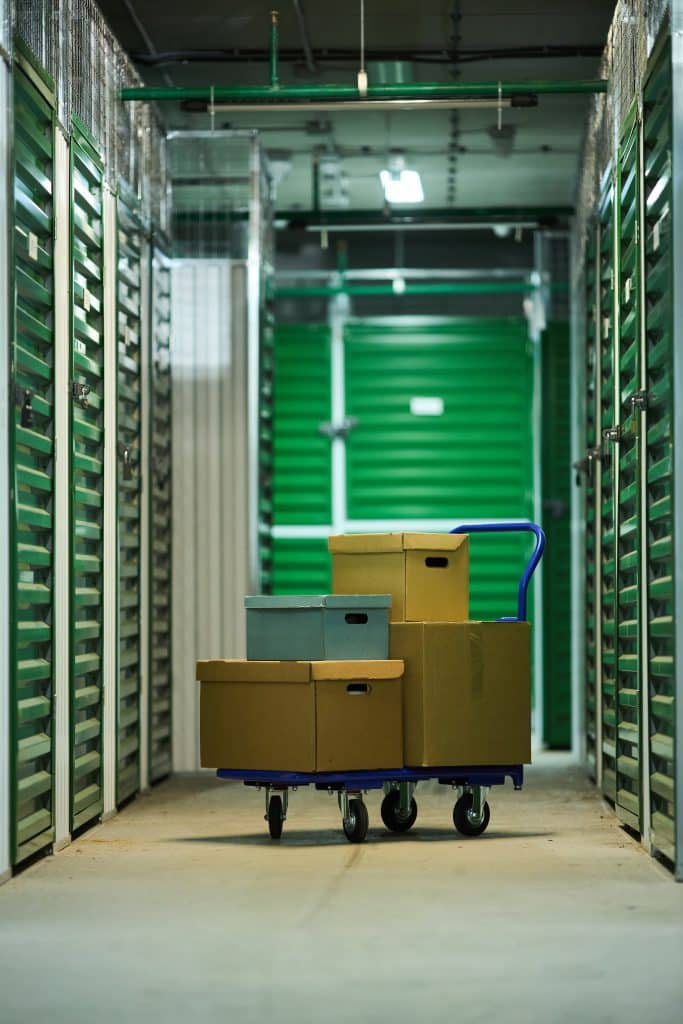
5. A Storage Unit
A storage unit is a monthly bill for the privilege of not deciding what to do with things. Over a year or two, the total cost frequently exceeds what the stored items are actually worth.
This is exactly the kind of charge that belongs on a list of ways people are quietly cutting their monthly bills, since it renews without anyone actively deciding to keep it each month. A single afternoon of sorting usually resolves it for good.
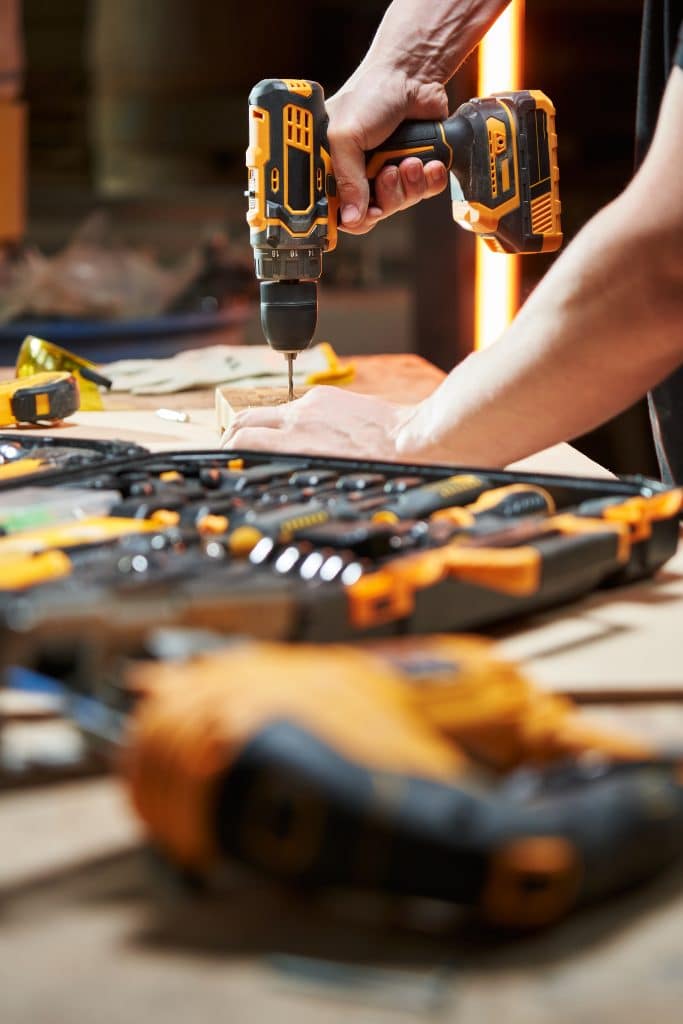
4. New Tools for a One-Time Project
Buying a specialty tool for a single home project, then letting it sit in a drawer for years afterward, is one of the more common impulse purchases people don’t think twice about. Renting the same tool for a day, or borrowing one from a neighbor, gets the project done for a fraction of the cost.
Where this lands: if it’s a tool you’ll genuinely use again within the year, buying it can still make sense. If it’s a one-time job, renting almost always wins.

3. Convenience-Store Stops for Gas and Snacks
Convenience stores price everything for convenience, which is another way of saying everything costs more there. A quick stop for gas that turns into a snack and a drink adds a markup on top of a markup.
This is one of those everyday costs people overpay for purely out of habit and proximity. Planning ahead by even ten minutes usually avoids it entirely.
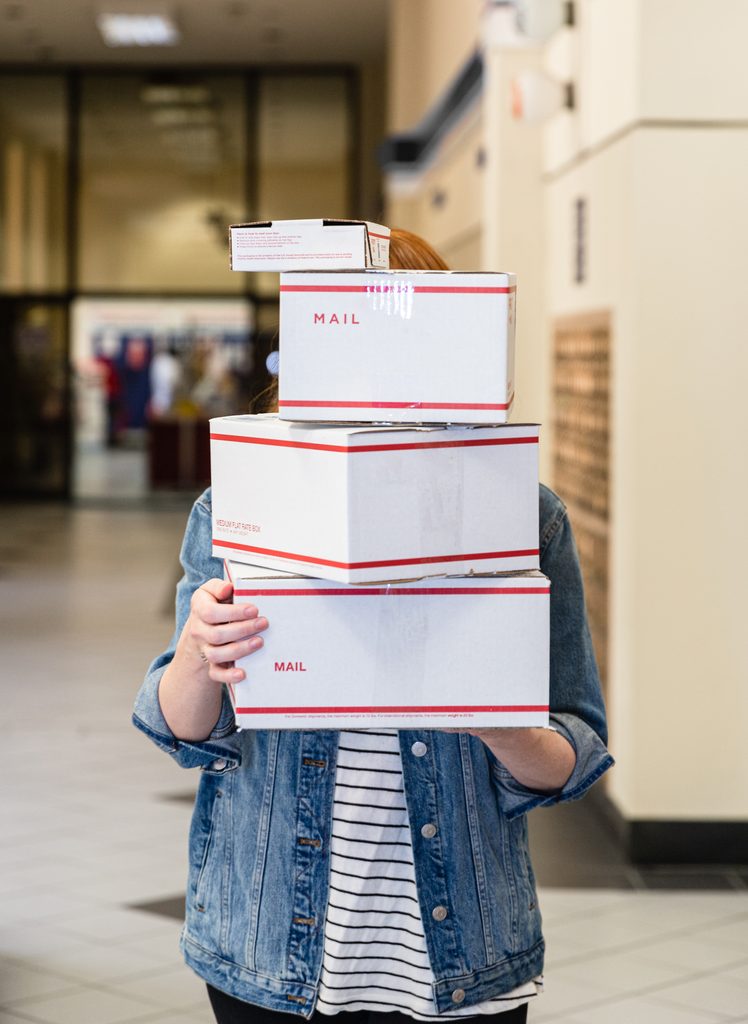
2. Rush Shipping Upgrades
Paying extra to get a package a day or two sooner is almost always solving a problem created by not planning ahead, not a genuine emergency. Standard shipping gets there just fine for the overwhelming majority of purchases.
The people who break this habit usually start doing one simple thing first. They ask whether the order is actually urgent before checking out, which is one of the simplest questions smart shoppers ask before buying anything.

1. A Bigger House Than They Actually Needed
This is the one that dwarfs everything else on this list combined, and it’s why it’s saved for last. A bigger house means a bigger mortgage or rent payment, higher property taxes, higher utility bills, and more square footage to furnish, heat, and maintain.
None of that shows up as one dramatic purchase. It shows up as a slightly higher number on every single bill, for as long as you live there.
People who get genuinely comfortable with money tend to buy or rent for the space they’ll actually use, not the space that photographs well or impresses visitors twice a year. A guest room that sits empty 350 days a year is still a heated, taxed, insured room.
This one comes with a real caveat, and it’s an important one. Growing families, multigenerational households, and people who work from home all have legitimate reasons to need more space, and downsizing for its own sake isn’t automatically the smart move for everyone.
The point isn’t that everyone should live smaller. It’s that the size of the home is worth an honest look before signing anything, since it’s the one line item on this entire list capable of outweighing every other entry combined.

Where to Go From Here
If you only take a few of these off this list, start with the recurring ones. A canceled subscription, a skipped warranty, or an emptied storage unit keeps paying off every month without any further effort.
The one-time swaps matter too, but they’re easier to pick up whenever it’s convenient. Generic medication, a reusable razor, or a library card instead of a bookstore trip can happen on your own timeline.
None of this requires an overhaul. It’s mostly a matter of noticing which household money habits have been running on autopilot, and deciding on purpose whether they still earn their keep.
The people who are actually good with this stuff aren’t perfect, and they don’t cut everything. They’ve just built the habit of asking the question, and that habit is worth more over time than any single item on this list, which is really the whole idea behind what separates people who are good with money from everyone else.