33 Big Purchases You’re Making at the Worst Possible Time
Some links may be affiliate links. We may earn a commission at no extra cost to you. View our full disclosure.
Every purchase has a calendar attached to it, whether you notice it or not.
Buy the same item two months apart and the price, the selection, and how desperate you look to the person ringing you up can be completely different.
Most of that timing is invisible until you’ve already paid for it.
This list runs through 33 purchases where the calendar quietly works against you, counting down to the one that costs people the most when they get the timing wrong.
None of this is about waiting forever or refusing to buy something you actually need right now.
It’s about knowing which few weeks a year turn a normal price into a markup, so you can dodge them when you actually have a choice.

33. Swimwear and Summer Clothing
Swimsuits and beach gear hit stores in April, then get marked down the second July starts feeling less like a vacation and more like an obligation.
Buying in June means paying full retail while the same suit sits on a clearance rack six weeks later.
Wait until late July, or shop the following spring’s earliest markdowns, and the same suit usually costs a fraction of what it did on day one.

32. Patio Furniture
Patio sets show up in stores around March and get scooped up fast once the weather turns warm.
Buying over a long holiday weekend in late May puts you right in the middle of peak demand, exactly when retailers know they don’t have to discount anything.
The better move is shopping the same furniture in September, when stores are clearing floor models to make room for holiday inventory.
31. Grills
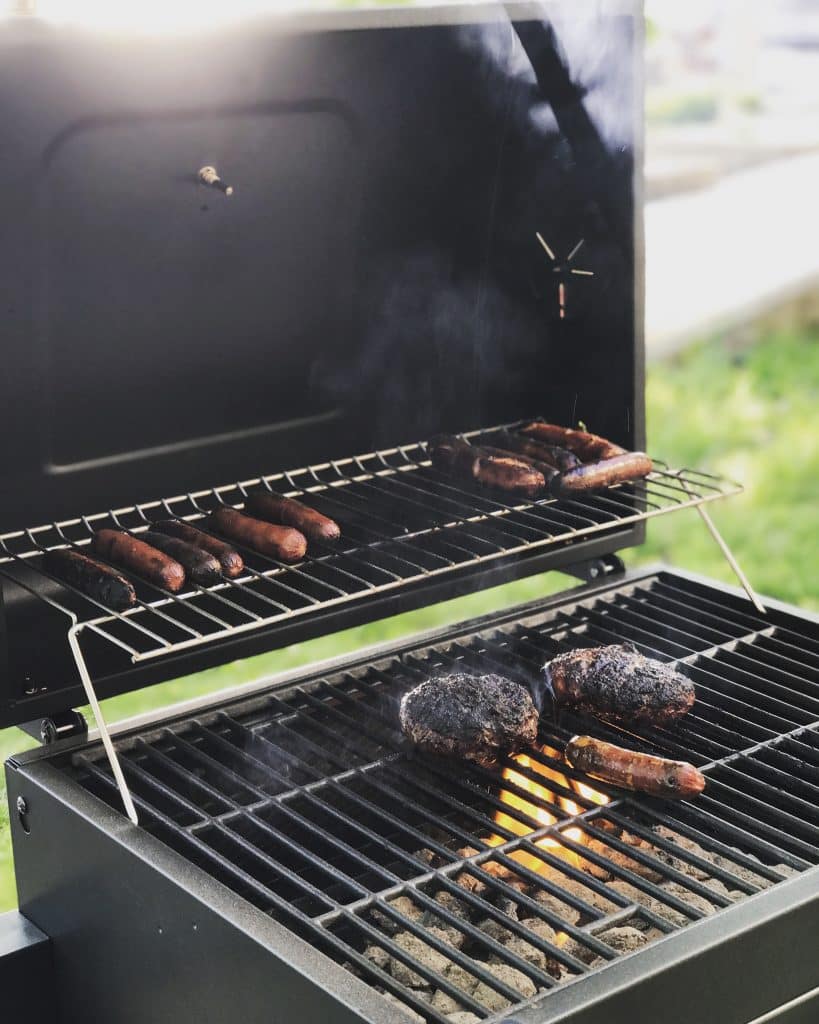
Grills sell at their highest prices the week before the year’s biggest cookout holiday, right when everyone remembers theirs finally rusted through.
Retailers know demand spikes hard in early July, so markdowns basically disappear during that stretch.
The math: the same grill is often 20 to 30 percent cheaper by late August, once cookout season has already peaked.

30. Bikes
Bike shops sell out of popular models in March and April, right as everyone decides this is the year they’ll actually ride to work.
Buying in that window means less selection and pricing closer to full retail.
Fall clearance, once the weather cools off, is a much quieter and cheaper time to buy the exact same bike.
29. Snow Blowers
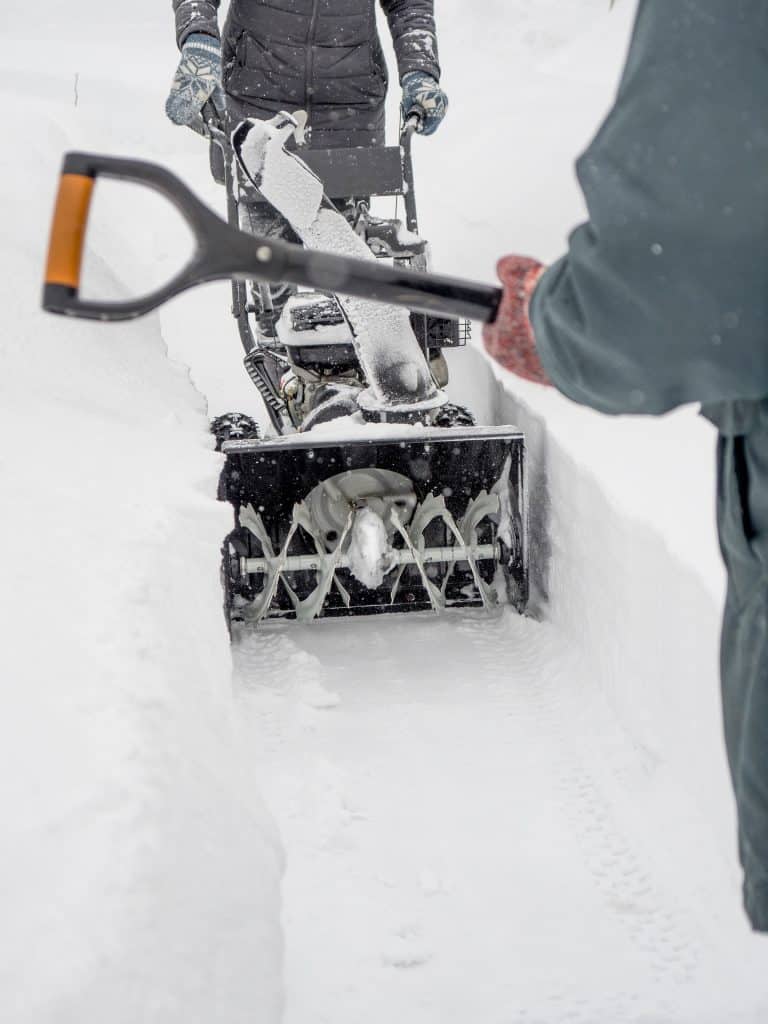
Waiting for the first real snowstorm to buy a snow blower is one of the most predictable ways to overpay for one.
Stores know panic buying spikes the second snow actually falls, and pricing quietly reflects that.
Buying in late summer, months before anyone else is thinking about snow, is the version of this purchase that doesn’t feel like an emergency tax.

28. Textbooks
New textbooks bought the week classes start are priced for people who ran out of time, not people who planned ahead.
Buying secondhand a few weeks early, the same way smart secondhand shoppers approach almost everything else, usually cuts the cost by half or more.
Worth remembering: the campus bookstore’s return window closes fast, so even a secondhand purchase still needs some lead time.

27. School Supplies
The week before school starts is one of the worst possible times to buy notebooks, folders, and backpacks.
Retailers treat that week as their biggest sales opportunity of the season and price accordingly.
Buying the week after school starts, once the panic-buying crowd has checked out, usually means the same supplies at a steep discount.

26. Halloween Costumes
Buying a costume on October 30th means picking from whatever’s left, at whatever price is left on the tag.
| Keep Reading — 29 Things Frugal People Refuse to Buy (And What They Do Instead) |
Selection and pricing are both best in early October, before the last-minute crowd shows up.
The version of this that actually saves money is picking a costume idea by the first week of the month, not the last weekend.

25. Christmas Trees
Real trees bought on December 23rd cost more, not less, because sellers know exactly how much leverage they have on procrastinators.
The best trees and the best prices both show up in the first two weeks of December, before selection thins out.
Net effect: waiting until the last minute doesn’t get you a deal, it gets you whatever’s left.
24. Winter Coats
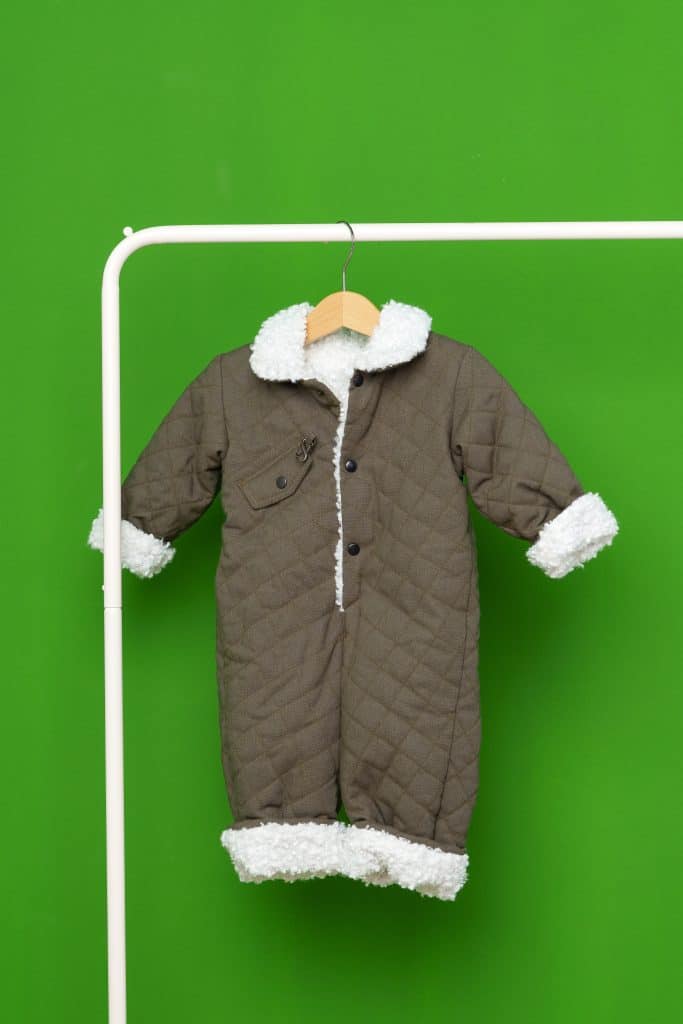
A winter coat bought in December, during the first real cold snap, is priced for someone who needs it today and has no leverage.
The same coats go on deep clearance in late January and February, right when nobody’s shopping for them anymore.
It’s the same logic behind a lot of the household items smart shoppers stopped buying at full price altogether, timing does most of the work.

23. Luggage
Buying luggage the week of a trip means buying whatever’s in stock at whatever price is on the shelf.
Travel gear hits its deepest discounts in January, right after the holiday travel rush ends and before spring break bookings start.
A little planning here can turn a $150 suitcase into a $70 one without changing a single feature.

22. Holiday Flights
Flights booked in December, for December, are some of the most expensive tickets sold all year.
Airlines know holiday demand is nearly guaranteed, meaning people will pay almost anything to get where they’re going.
The upshot: booking two to three months ahead, before the calendar makes the decision for you, is usually the only real lever available.
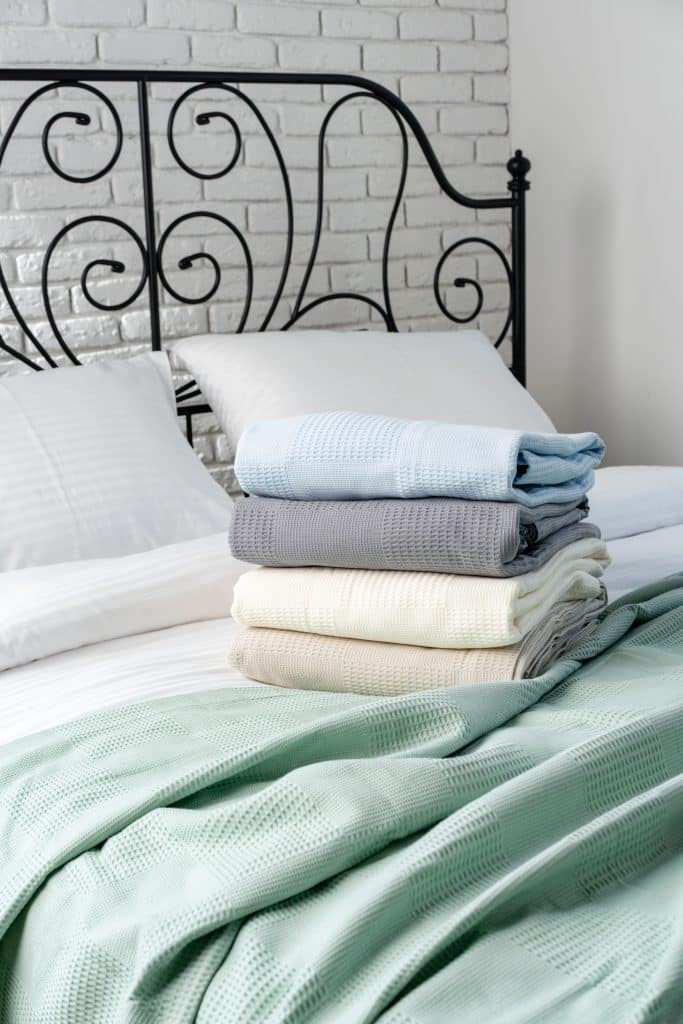
21. Linens and Bedding
New sheets and bedding bought right after a move or a big life event tend to get bought in a rush, at full price, from whatever store is closest.
The better version of this purchase happens during a planned seasonal sale, not a scramble.
It’s a small example of a bigger pattern. A lot of the household money habits worth breaking involve buying things under pressure instead of on a schedule.

20. New Furniture at Move-In
Furnishing an entire place the week you move in means buying everything at once, with zero room to comparison shop.
Retailers count on exactly that urgency, and pricing rarely reflects any kind of discount during that window.
Spreading furniture purchases across a few months, or buying secondhand for at least the first round, avoids paying full price on an entire apartment at once.
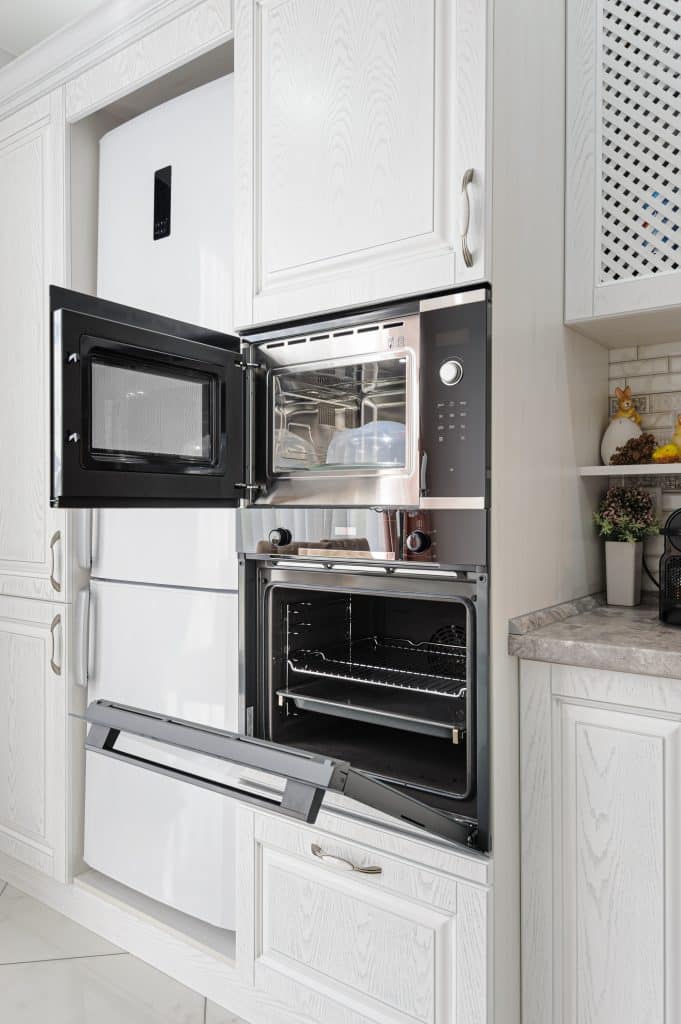
19. Replacement Appliances
When a refrigerator or washing machine dies without warning, the replacement usually gets bought within 48 hours, at whatever price the nearest store has.
To be fair, this is one of the few entries here where the timing genuinely isn’t optional. Food spoils and laundry piles up regardless of the sales calendar.
The real fix isn’t better timing, it’s keeping a small cash cushion for exactly this kind of purchase, the same logic behind not replacing household items before they’ve actually earned it.
Where this lands: you can’t always control when an appliance quits, but you can control whether the replacement wrecks your month.
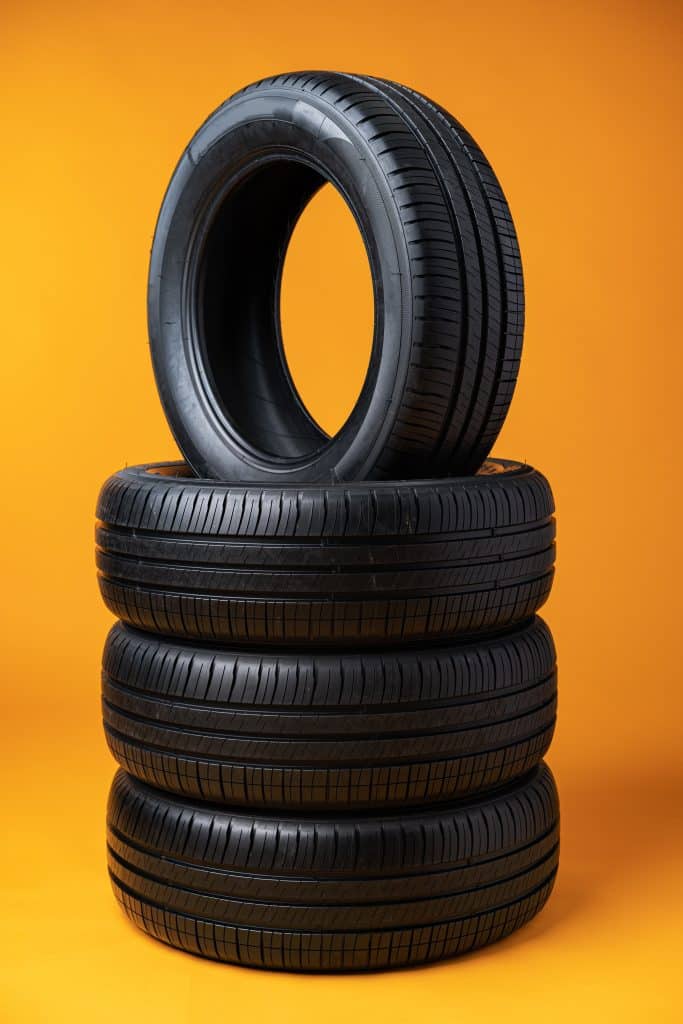
18. Tires
Buying tires the same day you notice they’re bald means buying from whichever shop has your size in stock, price be damned.
Tire sales cluster around spring and fall, tied to seasonal changeovers, and buying during those windows usually beats an emergency purchase by a wide margin.
Checking tread depth twice a year is a cheap habit that keeps this purchase from ever becoming an emergency in the first place.

17. New Phones on Launch Day
Buying a phone the day it’s announced means paying full price before any trade-in promotions or price adjustments have kicked in.
To be fair, launch-day trade-in deals are sometimes genuinely the best offer of the year. Carriers occasionally front-load their biggest incentives right at release.
| Keep Reading — 18 Warehouse Club Buys Ranked: What's Worth It in Bulk (And What Never Is) |
The safer default is waiting two to three weeks and comparing the trade-in offer against what it looks like a month later, since it isn’t always worse.
The Timing Fix
A lot of these purchases share the same trick. The price doesn’t move because the product changed, it moves because demand did.
The fix is almost always the same too, buy in the season nobody else is buying, not the season everyone else is.

16. Laptops
Laptop prices spike hardest in late summer, timed exactly to back-to-school demand.
The math: the same models are frequently 15 to 25 percent cheaper by early spring, once new releases push last year’s models toward clearance.
Buying six months earlier or later than everyone else gets you the identical machine for meaningfully less.

15. TVs
TVs bought the week before the year’s biggest football game are priced for people who waited too long to plan a watch party.
The real discounts land weeks earlier, around the winter holiday shopping season, when competition between retailers is at its peak instead of an afterthought.
It’s worth checking a warehouse club’s pricing against a regular electronics store too, the gap isn’t always what you’d expect.

14. Gym Memberships
Signing up for a gym membership on January 1st means signing up at the exact moment the gym has the least incentive to negotiate.
Every other new member walks in that same week, so promotional rates tend to be worse, not better, despite how it’s marketed.
Waiting until February or March, once the January rush fades, usually means a better rate and a machine that’s actually free. It’s the same logic behind plenty of “bad” money habits that turn out fine in practice.

13. Formalwear and Prom Outfits
Buying a suit, dress, or rental the week of prom or a big event means paying rush pricing on top of the base cost.
Formalwear shops know exactly how little leverage a last-minute shopper has.
Worth remembering: booking six to eight weeks ahead usually gets better pricing and actual time for alterations, instead of a same-week scramble.

12. Wedding Venues
Booking a venue for a Saturday in peak wedding season means competing with every other couple who wants that exact date.
Venues know weekend demand in spring and fall is nearly guaranteed, so pricing rarely moves no matter how politely you ask.
A Friday, a Sunday, or an off-season month can cut the venue cost by a meaningful percentage without changing much about the actual day.
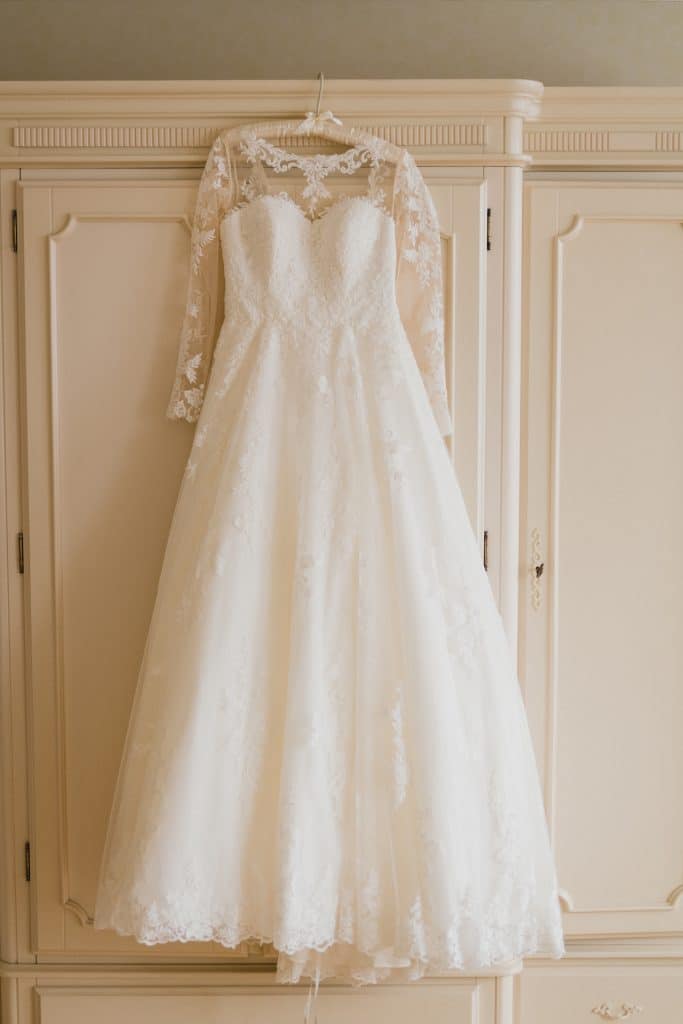
11. Wedding Dresses on a Rush Order
Ordering a wedding dress right after getting engaged, on a rush timeline, adds a rush fee on top of an already expensive purchase.
Standard ordering windows run several months, and rush fees exist specifically to charge people who skip that window.
Starting the search the same month as the engagement, instead of waiting, avoids paying extra just to catch up to your own timeline.
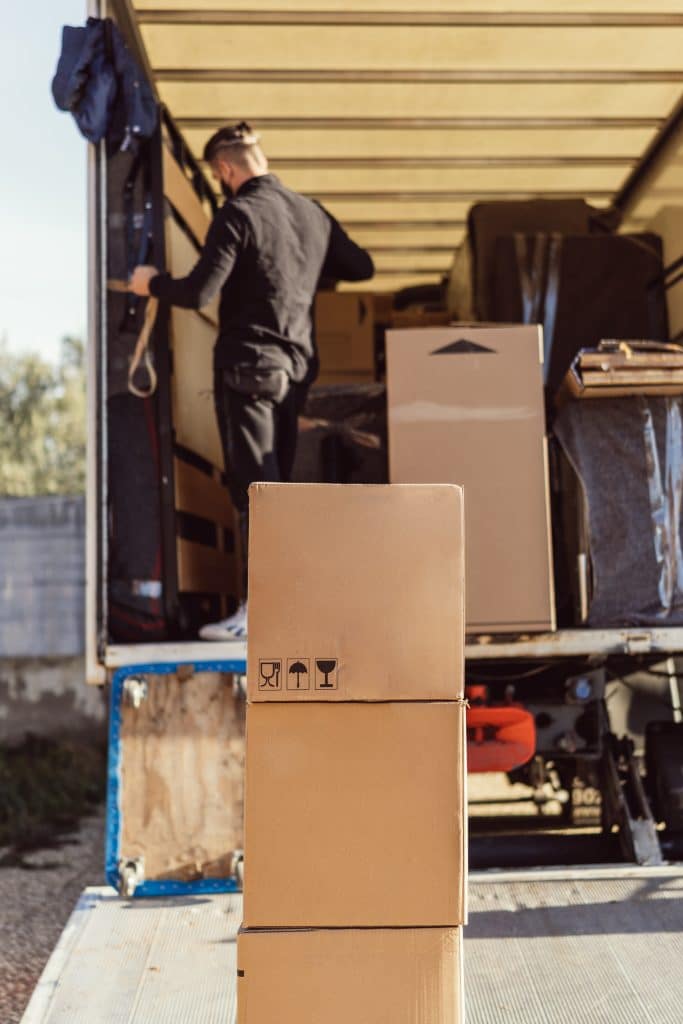
10. Moving Trucks
Renting a moving truck for the last weekend of the month puts you in direct competition with every other lease ending on the same schedule.
To be fair, lease start and end dates aren’t always something you get to pick, so this one isn’t always avoidable the way a Halloween costume is.
Net effect: when there’s flexibility, a mid-month or midweek move genuinely does cost less. When there isn’t, booking the truck as early as possible at least locks in a rate before demand pushes it up.

9. Auto Insurance Renewals
Letting an auto insurance policy auto-renew without shopping it means paying whatever increase the insurer quietly built in.
Rates tend to creep upward every renewal cycle for customers who never ask questions.
A quick comparison every renewal is one of the simplest ways people are quietly cutting their monthly bills without changing how they drive at all.

8. Homeowners Insurance Renewals
Homeowners insurance works the same way as auto insurance, auto-renewing at a higher rate unless someone actively checks.
The worst possible time to shop it is right after filing a claim, when your options and your pricing both get worse at once.
| Keep Reading — 18 January Money Moves That Set Up Your Whole Year |
The better window is well before anything goes wrong, treating it as one of the “normal” expenses worth questioning every single year.
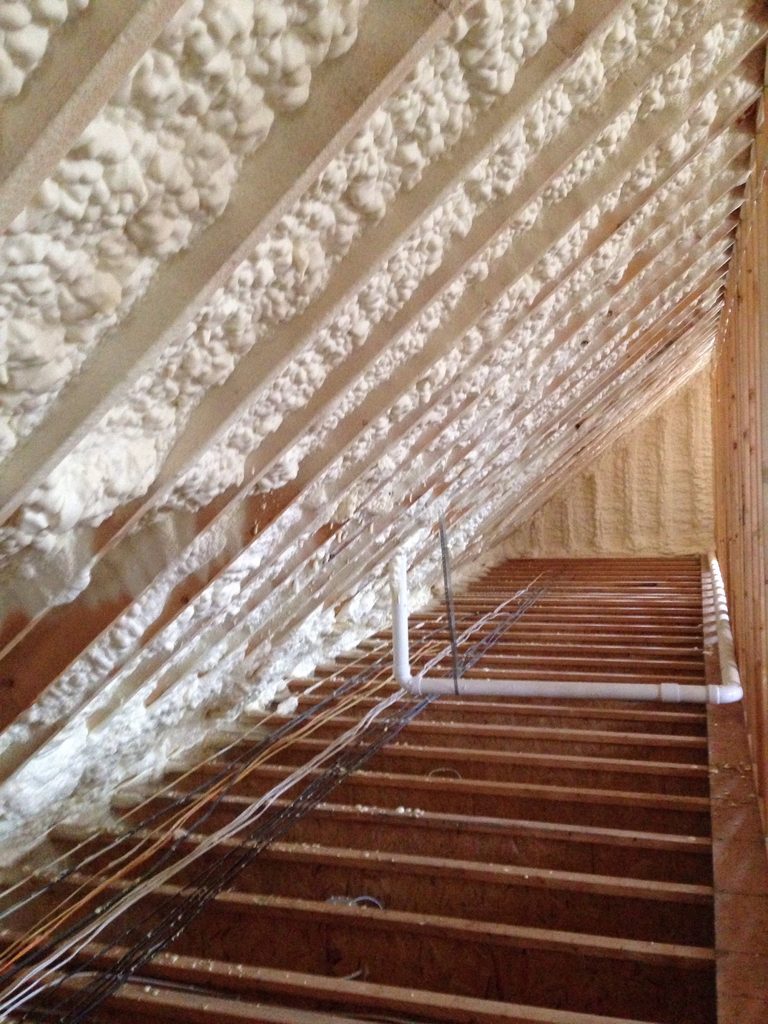
7. Roof and Attic Repairs After a Storm
Getting a roof repaired right after a storm rolls through the neighborhood means competing with every other homeowner calling the same handful of contractors.
Prices spike hard in the days right after major weather events, and scheduling backs up for weeks.
The upshot: getting ahead of small roof and attic issues before a storm forces the issue, the same way some neighborhood services are worth paying for proactively, avoids the worst of the post-storm price surge.
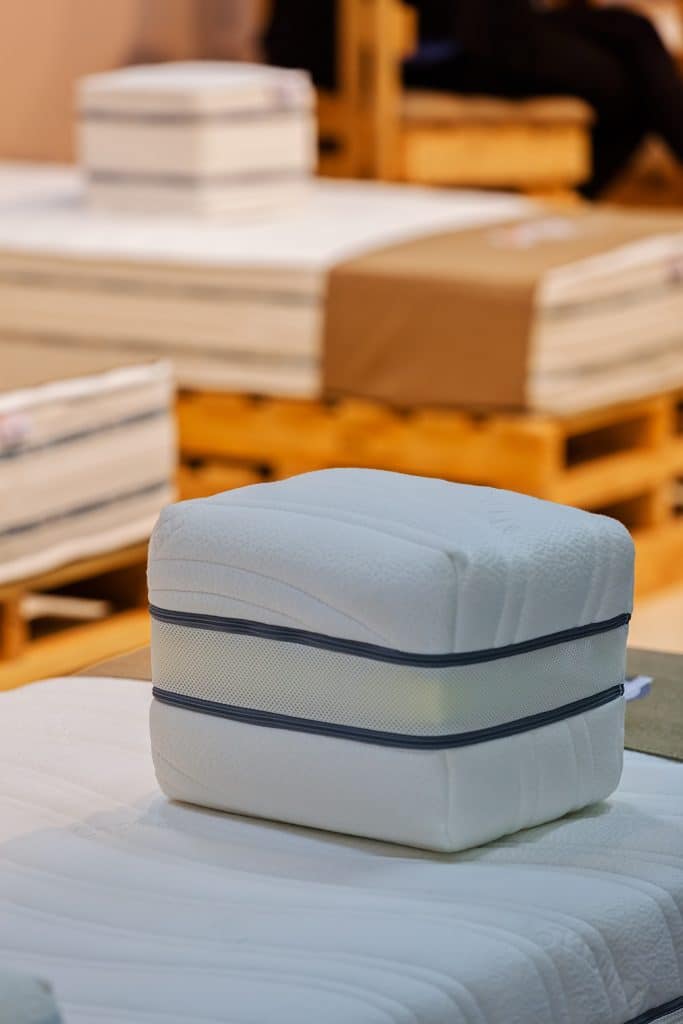
6. Mattresses Right Before a Sale
Buying a mattress the week before a major mattress sale event means missing a discount that’s about to exist by a matter of days.
Mattress retailers run predictable sale cycles tied to specific holiday weekends throughout the year.
Checking the calendar before buying is a smaller version of dodging Black Friday traps, timing is most of the game either way.

5. Life Insurance You Wait to Buy
Life insurance gets more expensive every year someone waits to buy it, tied directly to age and health.
Waiting until a health scare forces the issue is one of the worst timing decisions on this whole list, since it can mean paying dramatically more or not qualifying at all.
Buying earlier than feels necessary is one of those money moves nobody regrets making too soon.

4. A New Car During the Busiest Week
Buying a car during the busiest week on the sales floor, typically an end-of-model-year rush everyone else has read about too, means less room to negotiate.
Salespeople have less incentive to work a deal when the lot is already full of motivated buyers.
Where this lands: a quiet Tuesday in a slow month, armed with a few questions smart shoppers always ask first, tends to get a noticeably better deal than a busy Saturday ever will.

3. Whatever the Calendar Says Is “In Season”
Buying whatever the calendar happens to be selling that week, instead of what’s actually out of season and discounted, is a quiet habit that adds up.
Retailers are always pushing the current season at full price while last season sits marked down one aisle over.
Shopping a season behind is one of those weird money-saving habits that actually work, even though it feels backward at first.

2. Plants and Perennials in Full Bloom
Buying plants and perennials while they’re in full, photogenic bloom means buying at the exact moment the nursery can charge the most for them.
The same plants, bought as bare-root stock earlier in the season, cost a fraction as much and establish just as well.
It’s a small leak individually, but it’s the same category of small money leaks that quietly add up across an entire yard.

1. A House During Peak Spring Buying Season
A house is the biggest purchase most people ever make, and spring is consistently the worst season to make it.
Buyer competition peaks from April through June, when inventory gets the most attention and bidding wars become the norm instead of the exception.
Sellers know this too, which is exactly why so much inventory gets listed right as that window opens.
Buying in late fall or winter instead usually means fewer competing offers, more room to negotiate on price and repairs, and sellers who are often more motivated to close.
The math: the same house can cost meaningfully more in June than it would in December, and a lot of the “rules” people repeat about home buying, the kind covered in “money rules” that are actually myths, don’t hold up once you actually run the numbers on timing. Where any savings from better timing should go is a personal call this article doesn’t make, but knowing the gap exists at all is the whole point.
Buy on Your Own Schedule
None of this requires obsessive tracking or waiting years for the perfect moment to buy anything.
It just means noticing that a handful of predictable weeks each year are when everyone else is buying too, and prices reflect that crowd.
If you only take a few of these to heart, skip the January gym rush, shop tires and coats in the off-season, and give a house purchase enough lead time to avoid the spring scramble.
The rest of this list works the same way a lot of the things people stopped buying once they got smart with money did, small shifts in timing, not big sacrifices.