31 Household Money Habits You Need to Break
Some links may be affiliate links. We may earn a commission at no extra cost to you. View our full disclosure.
Most people don’t blow their budget on one big mistake. It’s usually a dozen small routines running on autopilot, the kind nobody questions because that’s just how the house has always worked.
A lot of these habits started as good ideas. Somewhere along the way they stopped saving anything and just became muscle memory.
Some of them even sound responsible on the surface. That’s part of why they’re so easy to keep doing for years without a second look, and why a few common “money rules” turn out to be myths once you actually run the numbers.
Here are 31 household money habits worth breaking, counted down from the sneaky ones to the habit that quietly runs the whole household budget without anyone noticing.
Not every one will apply to your house. But I’d bet at least a handful will feel a little too familiar.
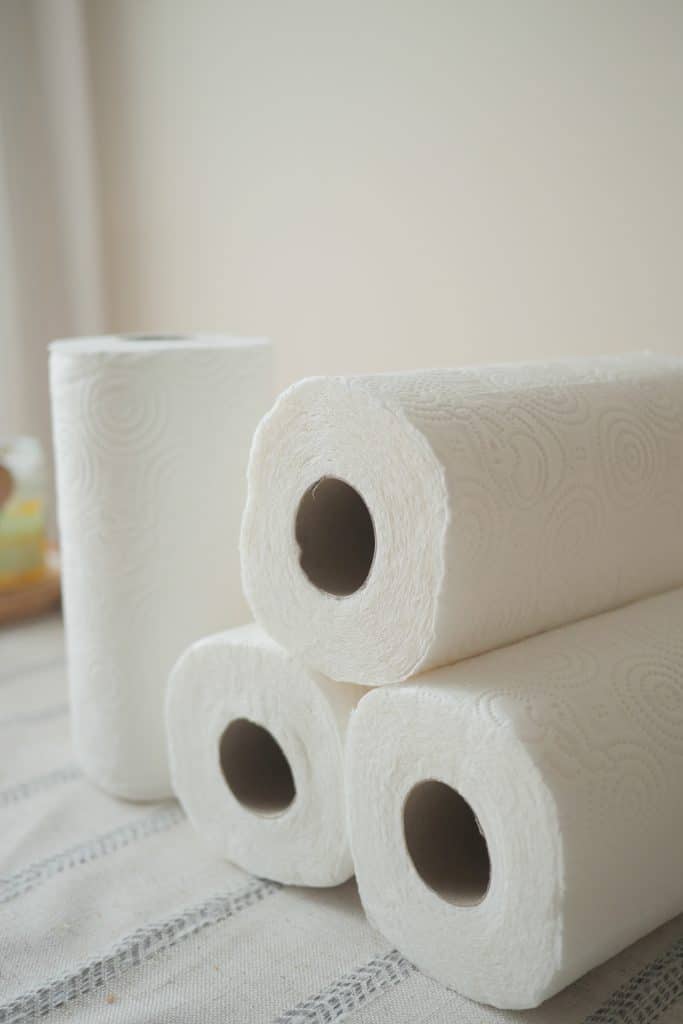
31. Buying Paper Towels for Every Job
Somewhere along the way, paper towels became the answer to every spill, smudge, and countertop wipe-down in the house. It’s a habit, not a necessity.
A drawer of cloth rags frugal people refuse to give up handles almost everything a roll of paper towels does. You wash them and use them again next week.
The household that still buys paper towels isn’t doing anything wrong. It’s just paying, week after week, for something a load of laundry already covers.
30. Letting Streaming Subscriptions Pile Up Unwatched
The average household is signed up for more streaming services than anyone in the house is actually watching. Most of them got added for one show and never got canceled after.
Rotating instead of stacking is a small shift with real math behind it. Sign up for one, binge what you wanted, cancel it, move to the next.
The math: Three unused subscriptions running quietly in the background add up to real money by the end of the year, money you can find just by quietly cutting your monthly bills instead of your actual spending.
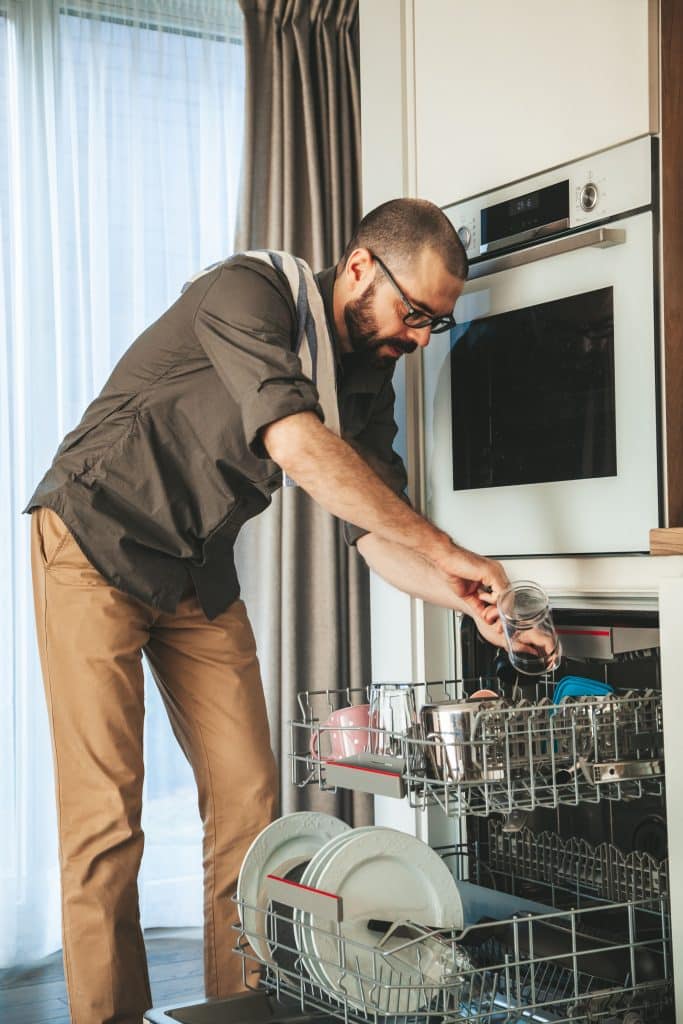
29. Running the Dishwasher Before It’s Actually Full
A half-loaded dishwasher uses close to the same water and power as a full one. That’s the whole problem in one sentence.
Households that wait for a genuinely full load run the machine noticeably less often over a month. It’s one of those “cheapskate” tricks that actually work without costing you anything in cleanliness.
Running it half full isn’t lazy or wrong. It’s just paying full price for a partial job, over and over, without meaning to.

28. Buying Bottled Water by the Case
Case after case of bottled water is one of the easiest household costs to overlook, because each case feels cheap on its own. It’s a habit that compounds without ever feeling like a decision.
A pitcher with a basic filter costs a fraction of what a household spends on cases over a year. It’s one of the more forgettable line items in a stack of “normal” expenses frugal people refuse to pay.
If your tap water genuinely tastes off, that’s a different conversation, and a filter usually solves it anyway.

27. Tossing Leftovers Instead of Freezing Them
Leftovers get pushed to the back of the fridge, forgotten, then tossed a week later. It happens in almost every household, and nobody plans for it to.
Freezing extras the same night you cook them, labeled with a date, turns that food into a free meal later instead of trash now. It’s one of the easiest money mistakes worth letting go of the guilt over, since fixing it just takes one new habit, not a full overhaul.
Nobody feels good about wasted food. Freezing it before it turns is the whole fix.

26. Buying a Different Cleaner for Every Surface
Walk down the cleaning aisle and there’s a bottle for glass, a bottle for wood, a bottle for the bathroom, a bottle for stainless steel. Most homes end up with a shelf full of half-used bottles doing nearly identical jobs.
A basic all-purpose cleaner and a little vinegar and water handle the vast majority of household cleaning. It’s the same logic behind a lot of household items smart shoppers have simply stopped buying.
Where this lands: fewer bottles under the sink, and fewer half-finished ones getting tossed when they expire.

25. Letting Subscriptions Auto-Renew Without Checking
It’s not just streaming. Software, apps, boxes, memberships, all of it renews quietly unless someone actually stops to look.
An honest note here: not every subscription is waste. If you use it every week and it genuinely saves you time or money, keep it without guilt.
The habit worth breaking isn’t having subscriptions. It’s never once a year sitting down and checking what’s actually still earning its spot.
24. Cranking the Thermostat Instead of Layering Up
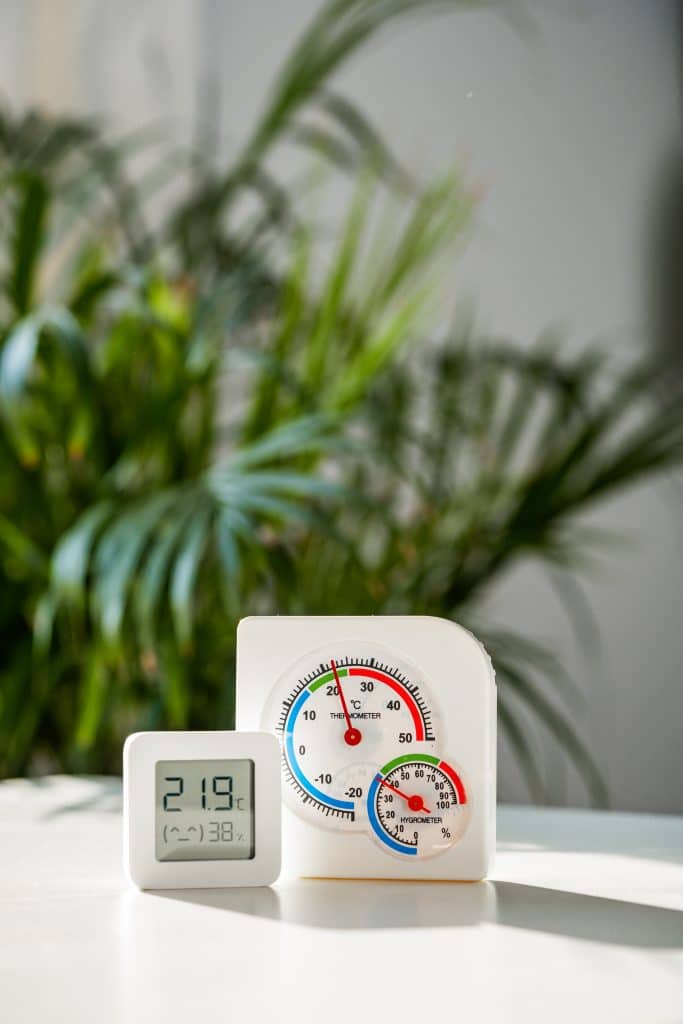
Every degree on the thermostat costs money, and most households nudge it up or down without really thinking about the bill attached. A sweater is free. Two extra degrees for four months is not.
| Keep Reading — 18 Signs You're Actually Better With Money Than You Think |
This isn’t about suffering through the winter. It’s just noticing that a blanket or a layer usually gets the same comfort for a lot less, one of those weird money-saving habits that actually work once you try it for a week.
Net effect: a couple degrees of restraint, held consistently, shows up on the next few bills.
23. Replacing Towels That Just Need a Wash
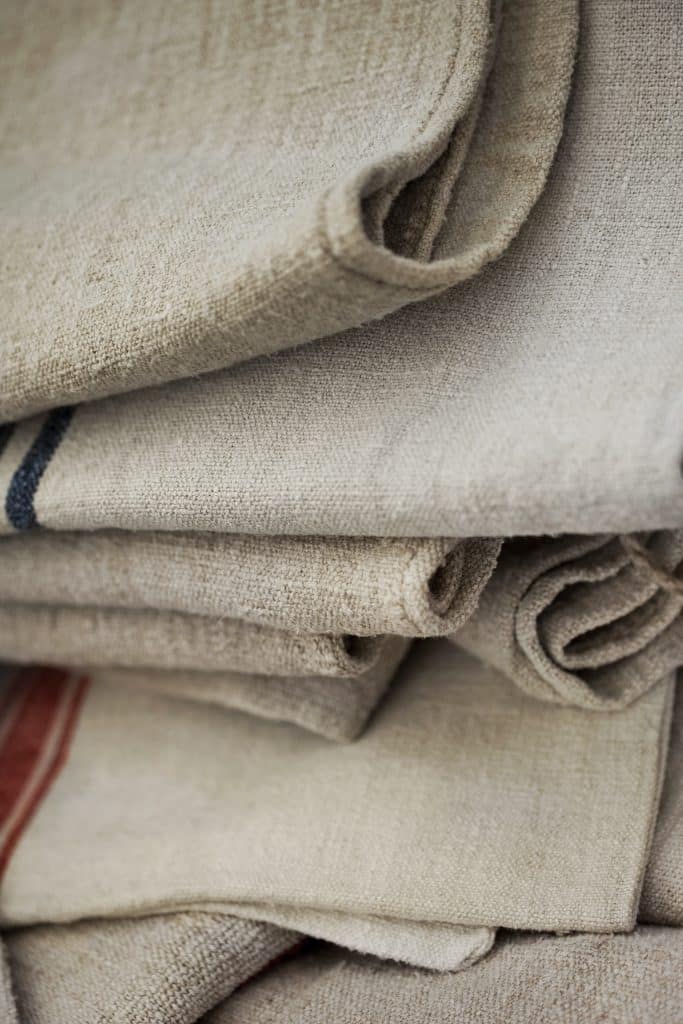
A towel getting a little rough or a little faded doesn’t mean it’s done. It usually just means it needs a proper wash with less detergent and no fabric softener.
Softener builds a coating on fabric over time, and that coating is often the real reason towels stop absorbing water the way they used to. A hot wash with a little vinegar strips it right back out.
Replacing towels early is one of those habits that feels like upkeep but is really just an unnecessary purchase.

22. Buying Coffee Pods Instead of Bulk Grounds
Single-serve pods are convenient, and that convenience carries a steep price per cup compared to a bag of ground coffee. Over a year, that gap adds up to real money for the exact same cup.
A basic drip machine or a cheap pour-over setup closes most of that gap without changing your morning routine much at all. I’ve tracked exactly how this adds up in a full year of coffee habits, tallied honestly.
Nobody needs to give up good coffee to fix this. Just the pod.
21. Running Small Laundry Loads Instead of Full Ones
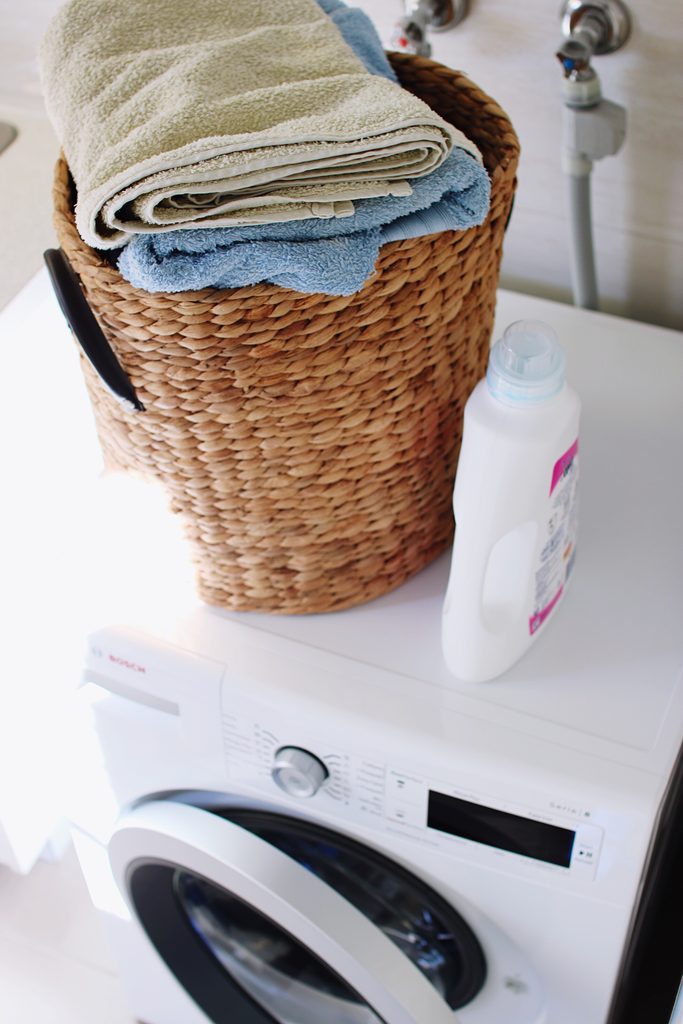
A load with six items in the machine costs almost the same in water and power as a load with twenty. That’s the entire case for waiting.
Households running small loads two or three times a week end up running the machine far more often than they need to over a month. Waiting for a genuinely full load is free.
The upshot: fewer loads, same clean clothes, a smaller bill at the end of the month.
20. Leaving Electronics Plugged In Around the Clock
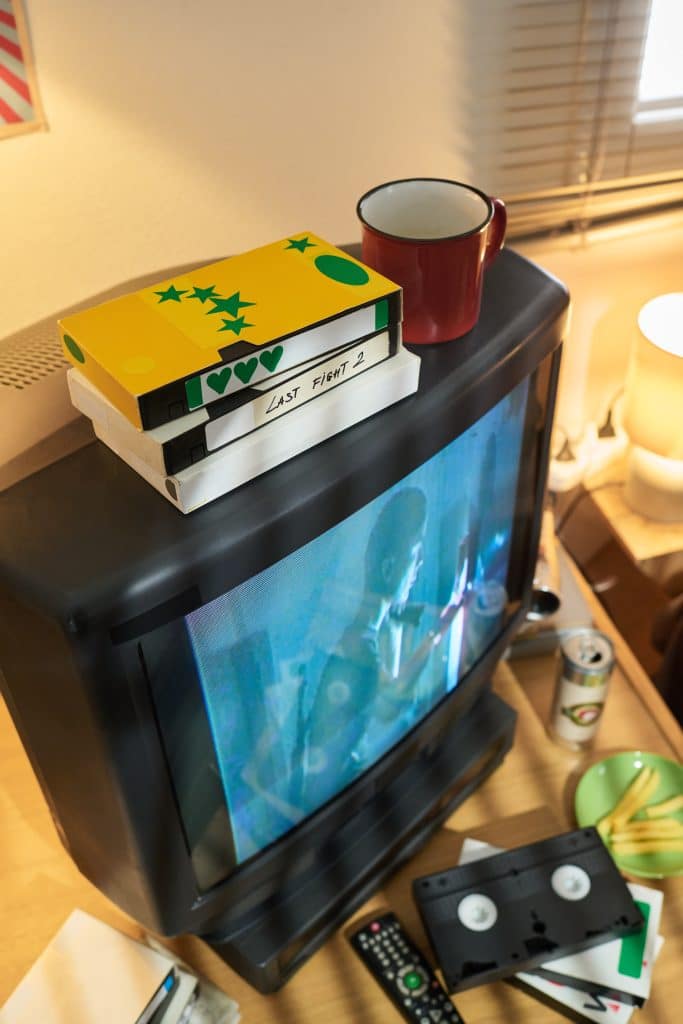
Chargers, game consoles, and small appliances draw a little power even when they’re switched off, as long as they’re plugged in. On their own, each one is nothing. Stacked across a whole house, it’s a real number.
A power strip you can flip off at night handles a whole cluster of these at once. It’s a quiet fix for one of the small money leaks quietly draining your bank account every single month.
You won’t feel this one change your life. You’ll just notice the bill is a little lower.

19. Shopping Without a List, and Hungry
Walking into a grocery store hungry and without a plan is a reliable way to spend more than you intended. It’s not a willpower problem. It’s just how the store is designed.
A quick list based on what’s already in the fridge, written before you leave the house, cuts impulse buys down noticeably. Eating something small first helps just as much.
Neither of those takes more than five minutes. Both pay for themselves the same day.

18. Buying Furniture New Instead of Checking Secondhand First
New furniture depreciates the moment it leaves the showroom, the same way a car does. Most of that lost value never buys you anything extra in quality.
Older, well-built pieces are often sturdier than what’s on the floor today, and they cost a fraction of retail. It’s the whole idea behind the things smart shoppers always buy secondhand.
Where this lands: check the secondhand market first, and let “new” be the backup plan instead of the default.
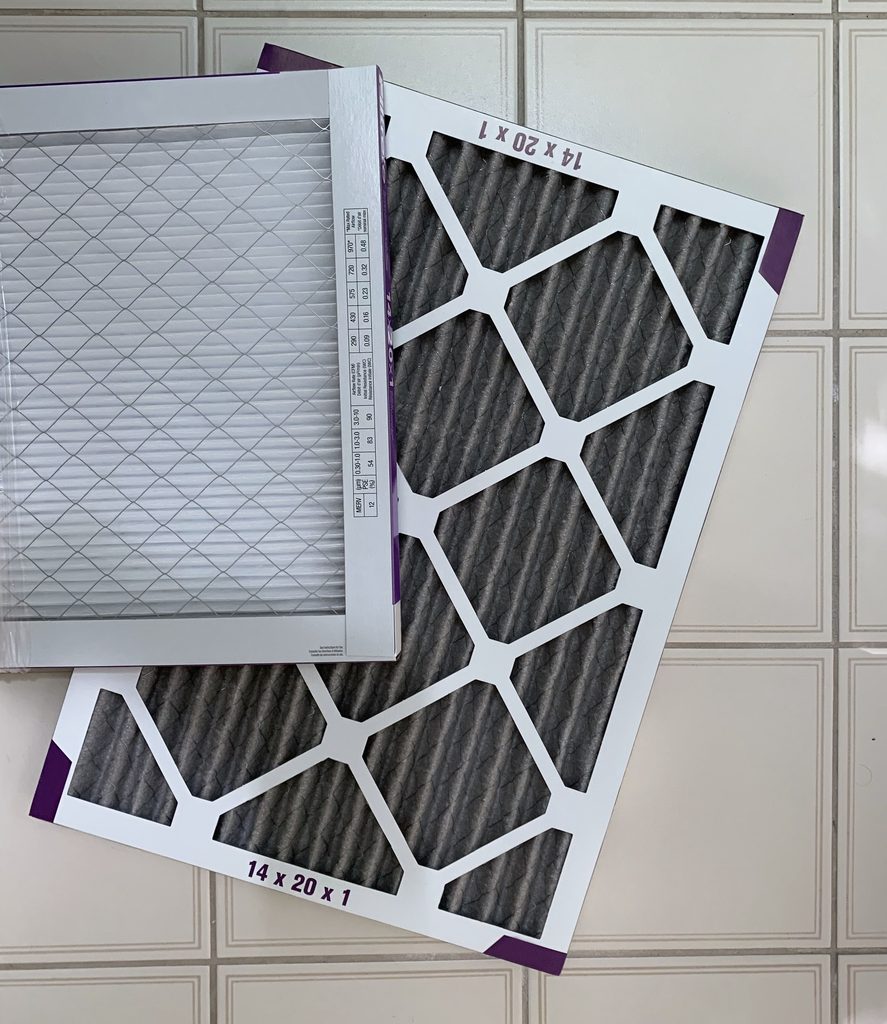
17. Ignoring the Furnace Filter Until It’s Filthy
A dirty furnace filter forces the whole heating and cooling system to work harder just to push air through it. That extra strain shows up on the utility bill long before anyone thinks to check the filter itself.
A clean filter, swapped on a regular schedule, is one of the cheapest maintenance habits in the whole house. It’s a lot like the small fixes covered under neighborhood services you might be paying too much for, except this one you can handle yourself in five minutes.
It’s not glamorous. It’s also one of the highest-value five minutes in the whole list.

16. Making Five Separate Trips Instead of One Loop
Running out for one thing at a time feels efficient in the moment. Across a week, it usually adds up to more gas, more time, and more chances to buy things you didn’t plan on.
Batching errands into one loop, planned out ahead of time, cuts both the driving and the impulse spending that tags along with every extra stop.
It takes a little more planning up front. It costs a lot less by Friday.

15. Paying for a Gym Membership You Don’t Use
The classic case. A membership signed up for in January, barely visited by March, still charging the card in September.
| Keep Reading — 18 Ways Families Are Doing Christmas Cheaper This Year (Without the Kids Noticing) |
Here’s the honest part: if you actually go, this isn’t a wasteful habit at all, it’s a normal expense that’s earning its keep. The habit worth breaking is only paying for the gym you meant to use, not the one you actually do.
The math: a quick, honest look at your last three months of visits usually answers the question on its own.

14. Buying Specialty Wipes for Jobs a Rag Could Handle
There’s a wipe for nearly everything now, screens, leather, stainless steel, and each one costs more per use than a damp rag and a drop of soap.
For most household jobs, a microfiber cloth does the exact same work. You wash it and it’s ready again tomorrow, instead of ending up in the trash.
Keep the wipes for the jobs that genuinely need them. Skip them for everything else.
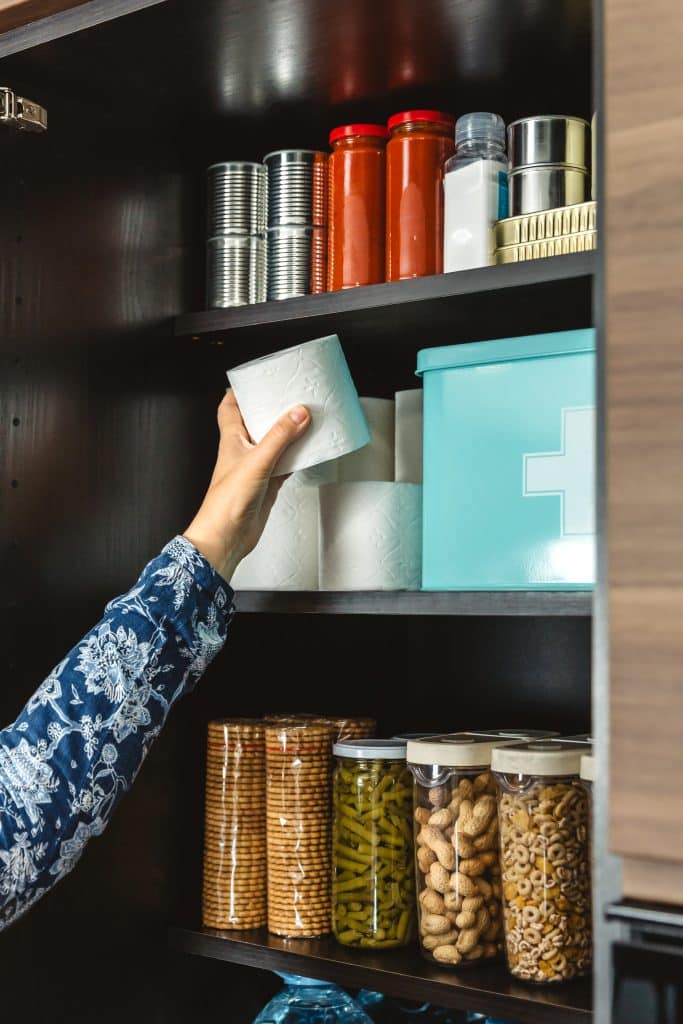
13. Letting the “Just in Case” Pantry Stockpile Grow
A backup can of something is smart. A pantry with six backups of everything, some of them past their best-by date, is just money sitting on a shelf.
A lot of these weird money habits financially successful people swear by come down to the same idea: shop what you already own before adding more to the pile.
The fix is simply checking the shelf before checking the cart. It sounds obvious. Most households still skip it.

12. Never Shopping Your Insurance Rates at Renewal
Insurance renews automatically and quietly, and rates creep up whether anyone’s paying attention or not. Loyalty rarely gets rewarded here the way people assume it does.
A quick comparison at renewal time, once a year, is one of the simplest money moves people usually wish they’d made sooner.
Worth remembering: switching isn’t always the answer, but checking always is.

11. Ordering Delivery Instead of Cooking What’s Already There
Delivery apps make it easy to forget what’s already in the fridge. Between the delivery fee, the service fee, and the markup on the food itself, the same meal usually costs far more than making it at home.
I’ve broken down exactly where those fees stack up in the real cost of never leaving the couch, and it’s more than most people expect.
Delivery isn’t the enemy on a busy night. It’s a bad habit when it replaces the food already sitting in your kitchen.

10. Upgrading the Phone Every Single Year
Most yearly phone upgrades chase small improvements that most people never actually notice day to day. The camera gets a little better, the battery lasts a little longer.
The price does not stay small.
Stretching a phone to two or three years, replacing the battery instead of the whole device, closes most of that gap for a fraction of the cost.
If your phone still does the job, that’s really the only test that matters.
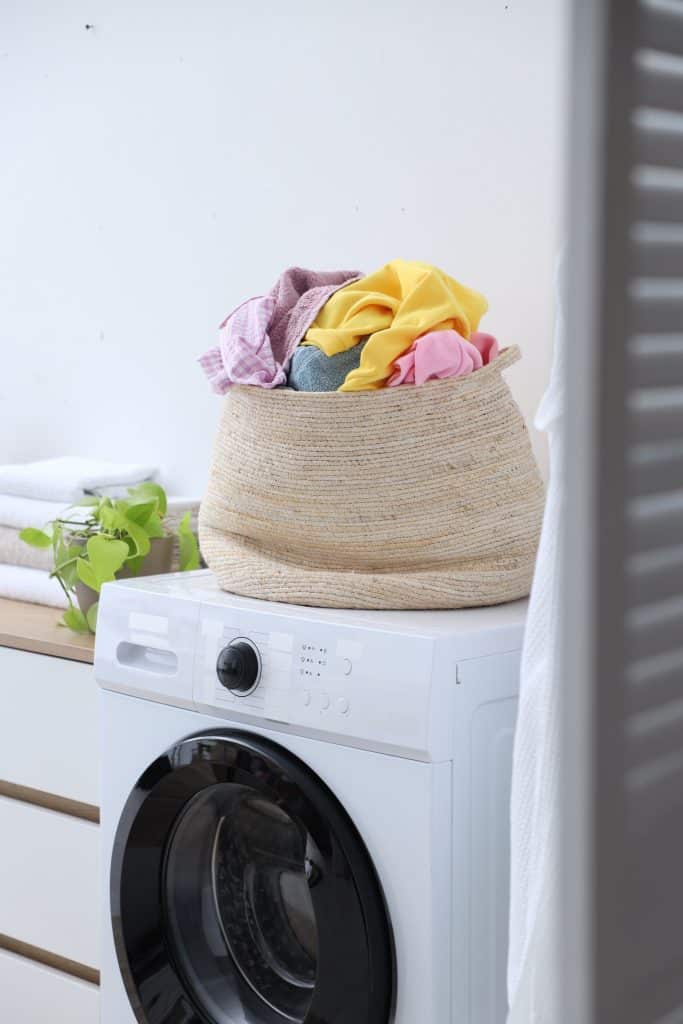
9. Running the Dryer for a Load That Could Air Dry
The dryer is one of the biggest power draws in an average home, and most loads don’t actually need it. Towels and jeans are usually the exception, not the rule.
A drying rack in a laundry room or a spare corner handles most of the rest, especially in warmer months. It also keeps clothes from wearing thin as fast.
Net effect: a lighter power bill and clothes that last a little longer, for the cost of one extra step.
8. Ignoring a Small Water Leak Until It’s a Big One
A slow drip under a sink or a running toilet seems too small to bother with. It’s still wasting water every single hour it’s ignored, and the water bill quietly reflects it.
Left long enough, those small leaks also tend to turn into bigger, more expensive repairs. Catching it early is almost always the cheaper option.
A five-minute fix now beats a plumber visit later, in basically every case.

7. Buying the Convenience Size Instead of the Bulk Size
Small, pre-portioned packages cost noticeably more per unit than the larger version of the exact same product. That premium is paying for convenience, not quality.
For anything your household goes through regularly, whether it’s snacks, cleaning supplies, or basic pantry staples, the bulk size almost always wins on cost per use.
This one only works for things you’ll actually finish before they go bad. Skip it for anything perishable you can’t get through in time.
|
Money Stuff
17 Money Conversations Every Couple Should Have (Ranked by How Awkward They Are)
|
6. Letting Bills Auto-Pay Without Ever Checking the Amount
Auto-pay is genuinely useful for avoiding late fees. The trade-off is that a rate hike or a billing error can sail through unnoticed for months if nobody’s actually looking.
Keep auto-pay for the convenience. Just glance at the statement each month so a change in the amount doesn’t slip by unnoticed.
The upshot: automation is fine, blind trust in it isn’t.

5. Skipping Meal Planning, and Wasting Food Weekly
Without a plan, groceries get bought on instinct, and instinct doesn’t always match what actually gets cooked that week. What doesn’t get cooked usually gets thrown out.
A loose plan built around what’s on sale and what’s already in the freezer closes most of that gap. It doesn’t need to be rigid to work.
Fifteen minutes on a Sunday is usually all it takes to cut the weekly waste down to almost nothing.
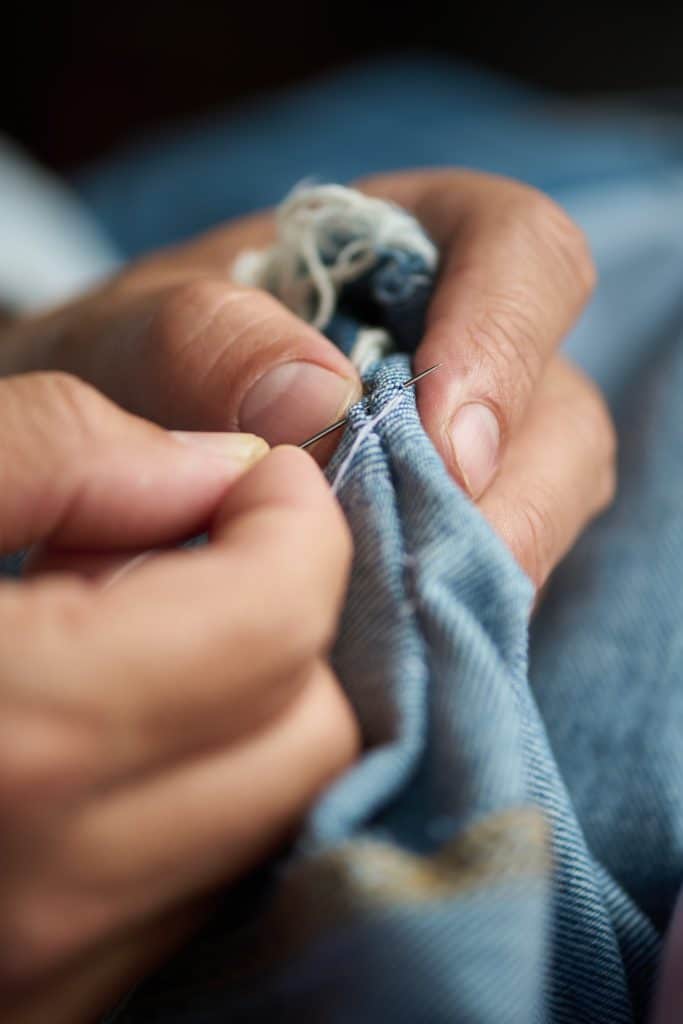
4. Replacing Things That Could Have Been Repaired
A torn seam, a loose hinge, a wobbly chair leg. The instinct is often to replace the whole thing rather than fix the one small part that’s actually broken.
A lot of household repairs are simpler than they look, and a quick search or a repair shop visit usually costs far less than a replacement.
Some things really are done for good. Most aren’t, and it’s worth checking before you buy new.

3. Keeping Every Recurring Charge “Just in Case”
Cloud storage, app upgrades, software tiers, memberships. Each one feels small enough to keep “just in case,” and together they quietly become a real monthly total.
An honest audit twice a year catches most of what’s outlived its usefulness. It’s worth setting a recurring reminder for, the same way you’d set one for anything else that matters.
Where this lands: keep what you use, cut what you’re keeping out of habit alone.

2. Never Actually Negotiating a Bill
Internet, insurance, even some medical bills have more room to move than most people assume. A lot of households treat the number on the bill as fixed when it usually isn’t.
A short, polite call asking about current promotions or loyalty discounts works more often than people expect. Worst case, the answer is no and nothing changes.
It takes fifteen minutes and a willingness to ask. That’s the whole barrier for most people.
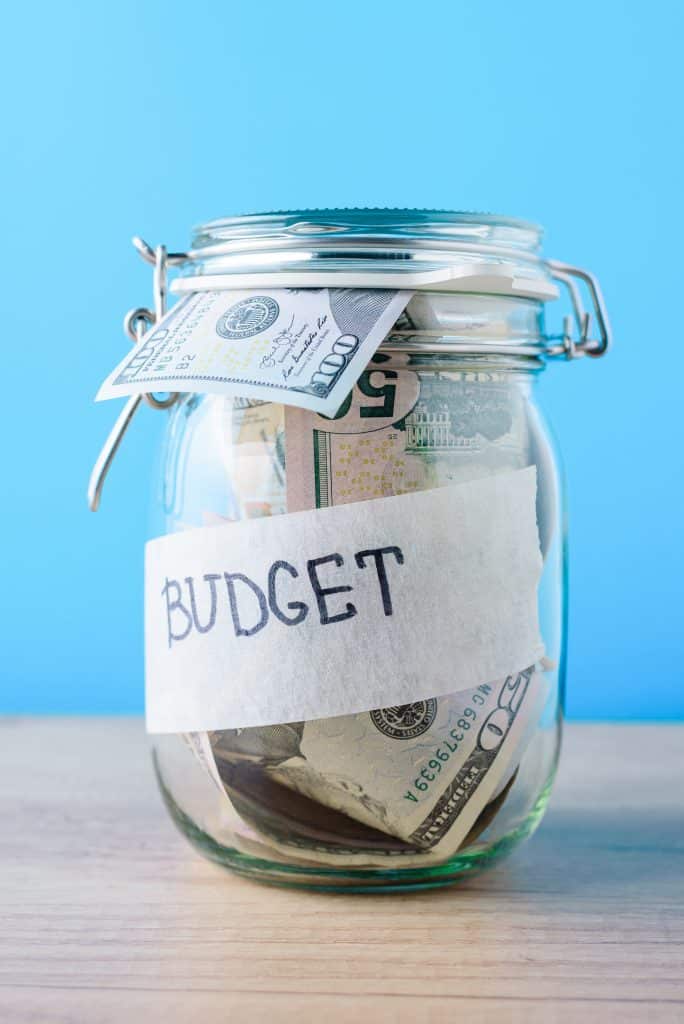
1. Letting the House Run the Budget Instead of the Other Way Around
Every habit on this list is really a symptom of the same root cause. Without a budget actively steering the household, spending drifts toward whatever’s easiest, and easiest is rarely cheapest.
A budget doesn’t have to be rigid or complicated to work. It just has to exist somewhere you’ll actually look at it, even if that’s a notes app or a jar on the counter.
Households running on autopilot tend to accumulate every habit above, one at a time, without ever deciding to. The ones that don’t usually aren’t smarter. They just check in on the numbers more often.
That’s really the difference between a house that drifts and a house that steers. It’s not about being strict. It’s about someone actually being in charge of where the money goes.
Where this lands: a five-minute weekly check-in beats a once-a-year panic every time.

Myth vs. Reality: “Small Habits Don’t Really Move the Needle”
The myth: individual habits like these are too small to matter, and the only real fix is a bigger income or a dramatic lifestyle change.
The reality: stacked together, small household habits routinely add up to hundreds of dollars a year without touching your actual lifestyle. They’re also a lot easier to start than a full financial overhaul.
None of these habits require a big life change. They just require noticing.
Where This Leaves You
If you only fix a few things on this list, make it the ones that run in the background without you noticing: the subscriptions, the auto-renewals, the electronics that never get unplugged.
Those are the habits that cost the most precisely because nobody’s watching them. Everything else on this list is worth doing, but those three are the highest return for the least effort.
None of this requires a dramatic overhaul. It just requires paying attention to the routines you’ve been running for years without a second look.
Start with one habit this week. The rest tend to follow once the first one sticks.