32 Weird Money Habits Financially Successful People Swear By
Some links may be affiliate links. We may earn a commission at no extra cost to you. View our full disclosure.
Ask ten people with healthy bank accounts what their secret is and you will get ten different answers. Ask them what they actually do every week and the answers start to overlap in strange places.
Nobody builds real financial stability from one big move. It comes from a pile of small, slightly odd habits that look like nothing from the outside.
Some of these will look familiar. Some will sound like something your grandmother did and you rolled your eyes at.
That is kind of the point. The people who end up with money in the bank rarely have a dramatic story. They just have a longer list of small habits than most people bother to keep.
Here are 32 of them, counted down to the one habit that seems to matter more than any other single move on this list.

32. Avoiding Lifestyle Creep After Every Raise
A raise feels like permission to upgrade everything at once. People who stay ahead financially treat it as an opportunity instead, not an obligation.
The common version of this habit is simple. Half the raise goes toward savings or debt, and the other half is actually allowed to improve daily life.
It is not glamorous, and it will not make you feel richer overnight. Over several raises in a row, though, the gap between the two paths gets hard to ignore. Check out the money moves people wish they’d made sooner for more of this same pattern.
Half the raise gets to feel like progress, and half of it actually is.

31. Investing Small and Often Instead of Waiting for “Enough”
A lot of people wait until they have a real chunk of money before they start investing anything. The people who end up ahead usually just start with whatever is left over, even if that is a small amount.
Consistency does more of the work than the size of any single deposit. A small amount going in every month, on autopilot, beats a big deposit that never actually happens.
Worth being honest about this one: a tiny monthly amount will not make anyone rich fast, and nobody should read it that way. This is a general habit, not investment advice, and what makes sense for your own money is a personal call this article doesn’t make.

30. Treating the Retirement Match Like Free Money
When a workplace retirement plan offers to match contributions up to a certain point, that match is part of the pay, not a bonus.
Financially successful people tend to treat the full match amount as untouchable, the same way they would treat a paycheck that already landed. Leaving it on the table is one of the quieter ways people shortchange themselves without noticing. For a related habit, this breakdown of money rules that are actually myths covers a few other retirement assumptions worth double-checking.

29. Automating the Money Before It Hits Checking
Willpower is unreliable. People who consistently save money tend to know that about themselves and route around it.
They set up an automatic transfer that pulls savings out the moment a paycheck lands, before the money ever feels spendable. It becomes one less decision to make every single week, and it never has to fight a slow Tuesday urge to shop.
The math: money you never see is money you never miss, and that turns out to matter more than most budgeting advice. Habits people good with money have that everyone else skips are collected in more detail right here.

28. Negotiating Everything, Not Just the Big Stuff
Most people negotiate a car price or a salary offer and stop there. Financially successful people tend to keep the habit running in the background on smaller bills too.
Internet plans, gym contracts, and even some medical bills have more give in them than the sticker suggests. A short, polite phone call is often the only tool required.
It does not work every time, and some companies just say no. But the ones that say yes make the habit worth repeating, and it lines up with a lot of what’s in this list of “normal” expenses frugal people refuse to pay.
A “no” costs nothing, and a “yes” usually pays for the phone call several times over.
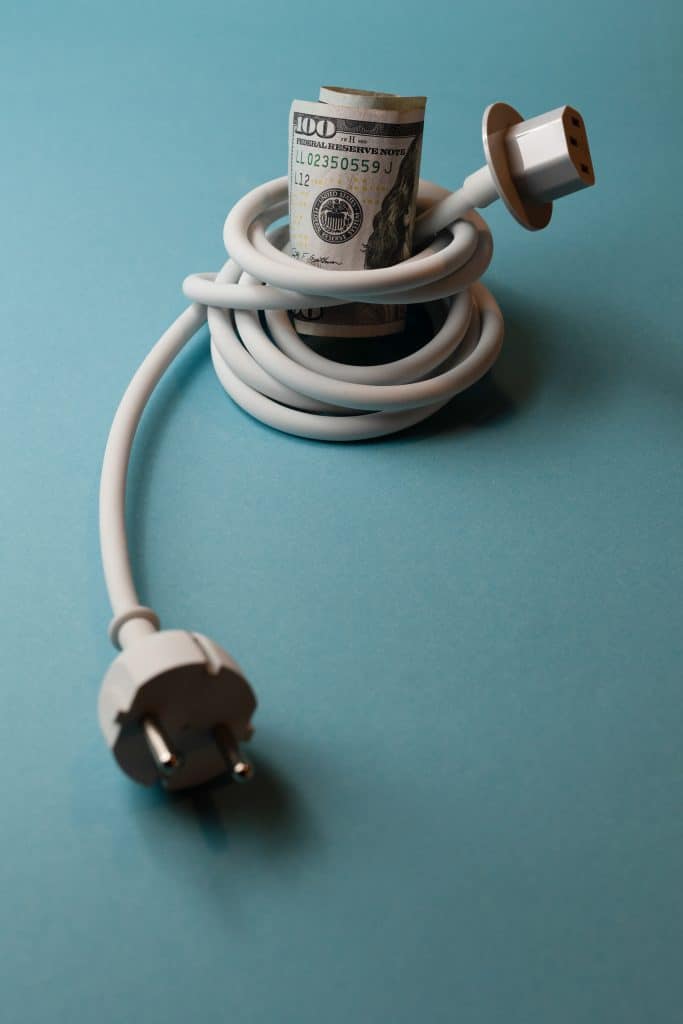
27. Unplugging What You’re Not Using
Chargers, game consoles, and small kitchen gadgets pull a trickle of power even when they’re switched off but still plugged in.
It is a small amount per device, but it adds up across a whole house over a full year. A lot of small money leaks in this house work exactly this way, and this rundown of quiet leaks goes through more of them.

26. Running Errands in One Loop
Three separate trips across town burn gas, time, and usually money on something impulsive picked up along the way.
|
You might also like
47 "Bad" Money Habits You Don't Need to Feel Guilty About →
|
One planned loop, hitting everything in an efficient order, cuts all three. It sounds like a logistics habit more than a money habit, but that’s exactly why it works quietly instead of loudly. Delivery fees eat into the same category of spending, and this look at delivery fees you’re paying without realizing it covers the flip side of the same problem.
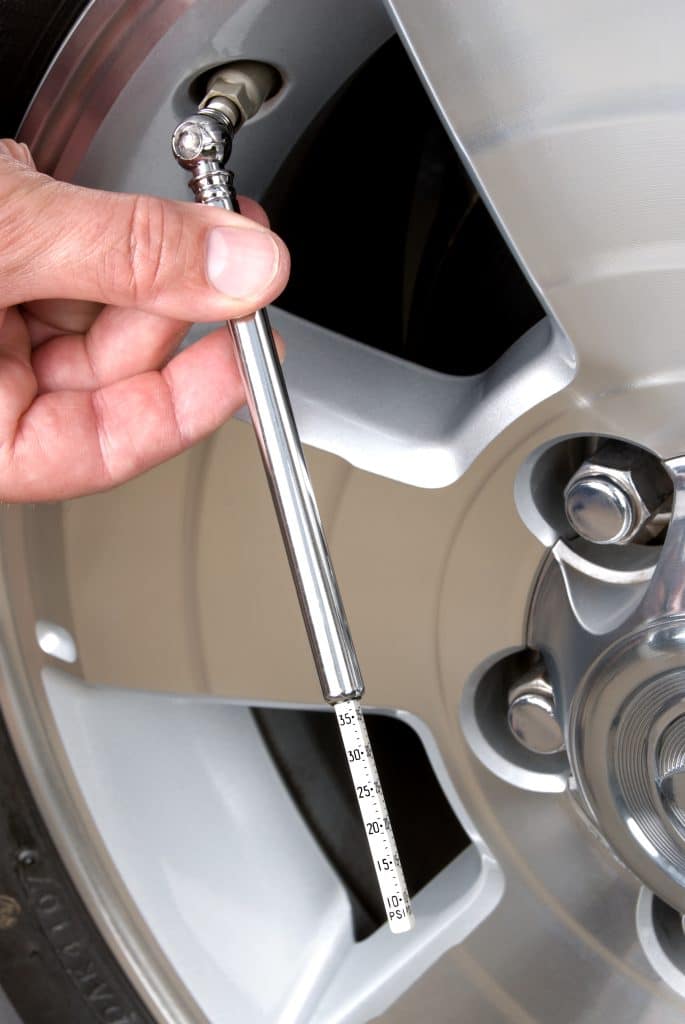
25. Learning the Five-Minute Car Check
Tire pressure, oil level, and windshield fluid take about five minutes to check once a month.
Skipping that habit does not cause a problem right away. It just means small issues turn into expensive ones months later, quietly, the way most car repair bills sneak up on people. Household money habits you need to break covers a few more of these slow-building costs.

24. Keeping a Receipts Folder
Not for taxes, necessarily. Just a single folder, physical or digital, where every receipt over a certain amount lands.
It makes returns easier, warranty claims possible, and disputed charges much faster to fix. People who keep this habit rarely lose money to a return window they missed.
Worth remembering: this habit pays off in small rescues, not a single dramatic save, but it does pay off. Similar low-effort tracking shows up throughout this list of ways people are quietly cutting their monthly bills.

23. Doing the Cost-Per-Wear Math
A pricier coat worn two hundred times a year is cheaper per use than a bargain coat worn ten times before it falls apart.
Financially successful people run this math almost automatically before a clothing purchase. It shifts the question from “is this expensive” to “how often will I actually reach for it.”
Net effect: fewer, better items usually beat a closet full of things worn once and forgotten.

22. Selling Before You Buy
Before a new item comes into the house, one old one goes out, sold or donated. It’s a simple rule with an outsized effect on clutter and on spending.
Selling first also forces a pause before the new purchase happens. That pause alone talks people out of a fair number of impulse buys.

21. Trading Restaurant Nights for Potluck Nights
A rotating dinner among a few households costs a fraction of a restaurant tab, and it usually lasts longer.
Financially successful people tend to keep the social calendar full without keeping the going-out budget full to match. It’s less about cutting things out and more about swapping the format. A lot of the habits on this list of things people stopped buying once they got smart with money follow the same swap-not-sacrifice logic.
Nobody remembers the price of dinner. They remember whether it was fun.
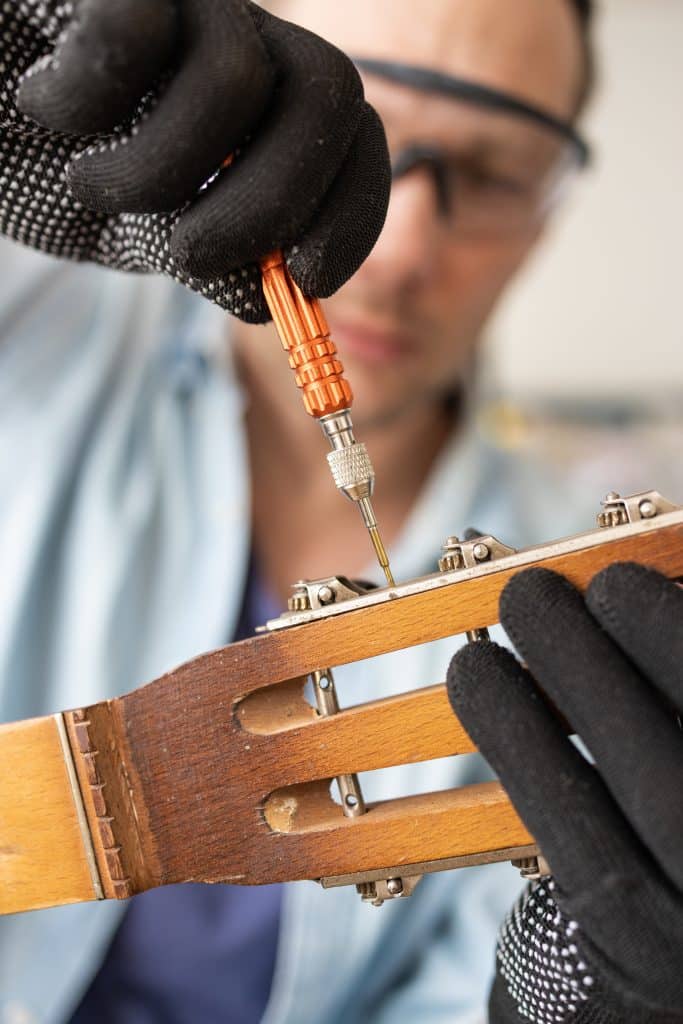
20. Fixing It Before You Replace It
A broken zipper, a wobbly chair leg, or a scratched pan lid often gets tossed and replaced when a quick repair would have done the job.
The habit here is checking whether something can be fixed before assuming it can’t. It usually takes less time than a shopping trip and costs a lot less than a replacement.
The upshot: not everything is worth repairing, but most people skip the question entirely, and that’s the actual waste.
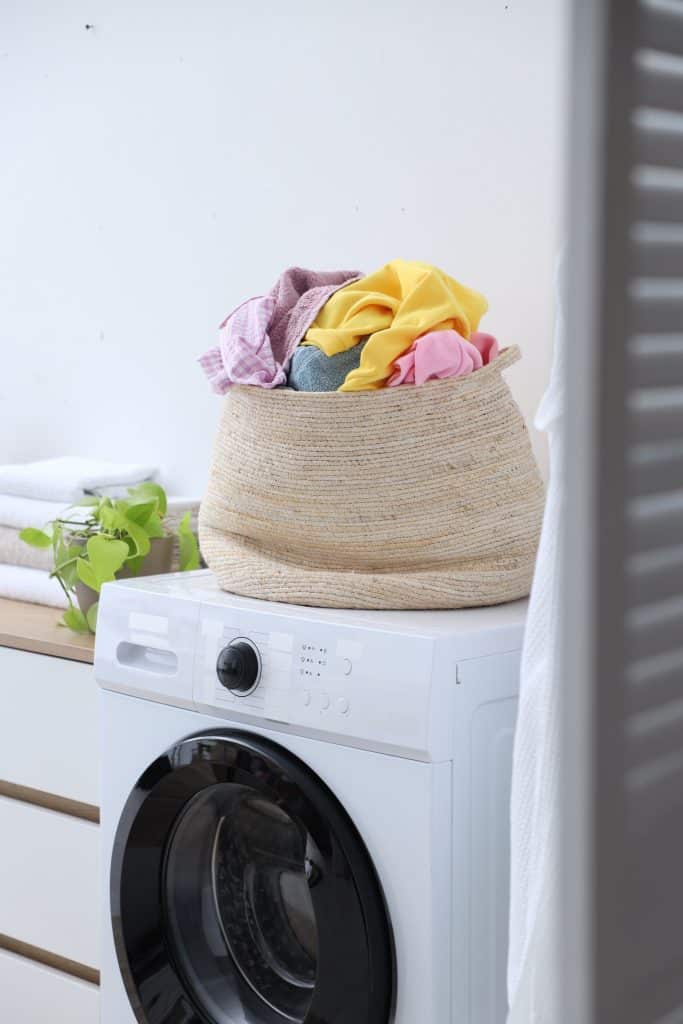
19. Skipping the Dryer Once a Week
One load a week hung to dry instead of tumbled saves a small amount on the power bill and adds real years to how long clothes last.
It’s an odd habit to admit to, which is part of why it shows up on lists like this one. Frugal people tend to be a little unbothered by habits that sound small, and this list of things frugal people refuse to buy is full of the same energy.
Small and unglamorous still counts, as long as it actually happens every week.

18. Letting an App Watch Your Groceries
A digital pantry list, updated as things get used up, cuts down on duplicate purchases and forgotten ingredients that go bad.
It takes a week or two to build the habit of actually updating it. After that, grocery trips get shorter and the fridge stops quietly wasting money.

17. Calling to Renegotiate Once a Year
Insurance, internet, and phone plans quietly creep up in price every year while the service stays the same.
One annual call, asking what current promotions are available, often knocks a real chunk off the bill. It rarely works on the first try for every provider, which is exactly why most people give up on it too soon.
What sticks: the habit of asking, repeated yearly, outperforms any single negotiation you could pull off once and forget about. A few more of these tricks are worth a look in this roundup of “cheapskate” money tricks that actually work.
|
Rewind
29 Things Every '90s Kid's Bedroom Had
|

16. Tracking Every Dollar for One Week
Not a full budgeting system. Just one week, writing down literally everything spent, even the small stuff.
The exercise is uncomfortable and mildly humbling for almost everyone who tries it. It’s also one of the fastest ways to see where the real leaks are hiding.
This is roughly the halfway mark, and a pattern should already be showing up. None of these habits are dramatic on their own, which is exactly why this list of “bad” money habits financial advisors say are actually fine is worth a look too, since not every rule you’ve heard is actually true.

15. Buying the Store Brand on Purpose
Not out of necessity, but as a default first choice, even for people who could easily afford the name-brand version.
It removes the small daily tax of brand loyalty and rarely costs anything in actual quality. Things that cost way less than people assume make up a whole category of spending, and this list covers a bunch of them.

14. Running a Pantry Challenge Month
One month a year, the grocery budget shrinks on purpose and meals get built almost entirely from what’s already in the pantry and freezer.
It clears out forgotten food before it goes bad and resets grocery spending for the rest of the year. Most people are surprised by how much was already sitting in their own kitchen.

13. The Standby Power Sweep
Once a season, someone walks the house and unplugs anything that’s rarely used but stays plugged in year-round out of habit.
Old gadgets, spare chargers, and unused small appliances are the usual culprits. Doing this sweep a few times a year keeps standby power from quietly adding up on the bill.
A device doesn’t need to be doing something to be costing something.

12. Cooking Twice, Eating Four Times
Doubling a recipe takes barely more time than making one batch, and it turns two cooking sessions into four meals.
The extra portions go in the freezer, not the trash, which quietly cuts down on both cooking time and takeout runs during a busy week.
11. Asking Before You Buy
Before a non-essential purchase, one simple question: do I actually need this, or do I just want it right now.
The question alone doesn’t stop every purchase, and it isn’t supposed to. It just forces a beat of honesty most impulse buys are counting on skipping entirely.
The math: a five-second question, repeated for years, adds up to a lot fewer regretted purchases sitting in a closet.

10. Borrowing From the Library Again
Books, audiobooks, and even some tools and equipment are quietly available through most public libraries, and a lot of adults forgot that once they left school.
Financially successful people tend to rediscover this one as adults, usually after realizing how much they were spending on things they used once.
A library card is one of the few financial tools that never expires and never charges a fee.

9. Cooking From What’s About to Expire
Before deciding what’s for dinner, a quick look in the fridge for anything getting close to its date, and the meal gets built around that first.
It’s a small mental shift, cooking around what’s already there instead of what sounds appealing that day. Over a year, it keeps a noticeable amount of food from ending up in the trash.

8. Saving the Gift Bags
Gift bags, tissue paper, and ribbon get reused instead of thrown out after every birthday or holiday.
It sounds like a small, almost old-fashioned habit. It also means never having to make a separate trip just for wrapping supplies.
Worth remembering: none of this is about being cheap, it’s about not paying twice for the same thing.
7. Keeping a Cash-Only Jar
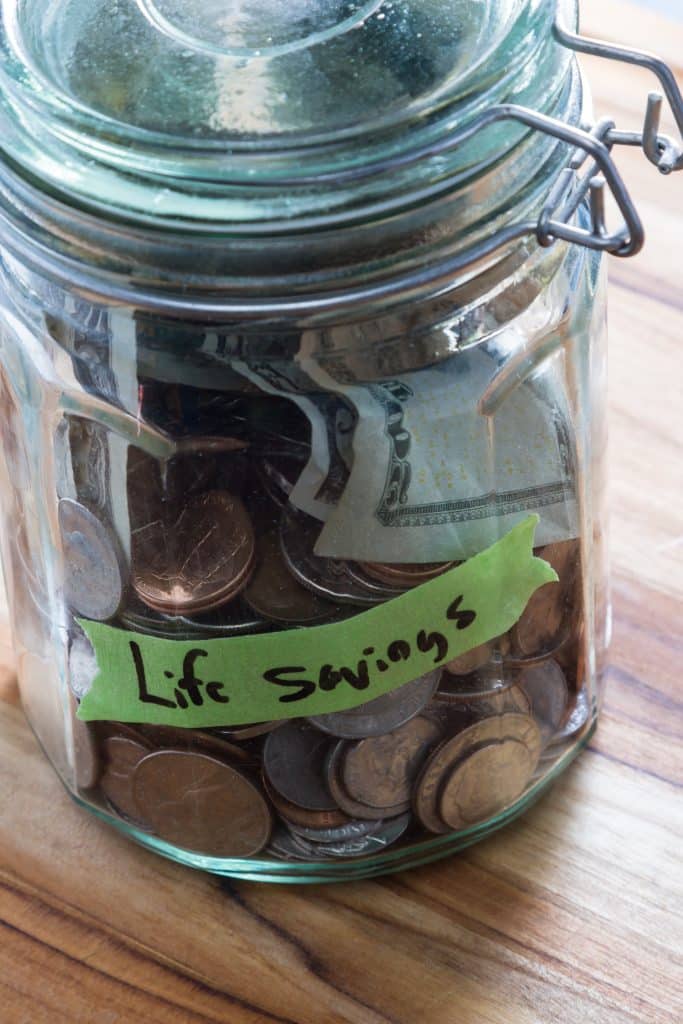
One category, usually eating out or entertainment, gets funded entirely with physical cash in an envelope or jar.
When the cash runs out, that category is done for the month, no exceptions and no card as a backup. Seeing the pile shrink physically hits differently than watching a number change on a screen.
| Keep Reading — 16 Small Money Leaks That Quietly Cost Five Figures a Decade |
An empty jar is a much harder thing to argue with than an app notification.
6. Letting the Spare Change Add Up
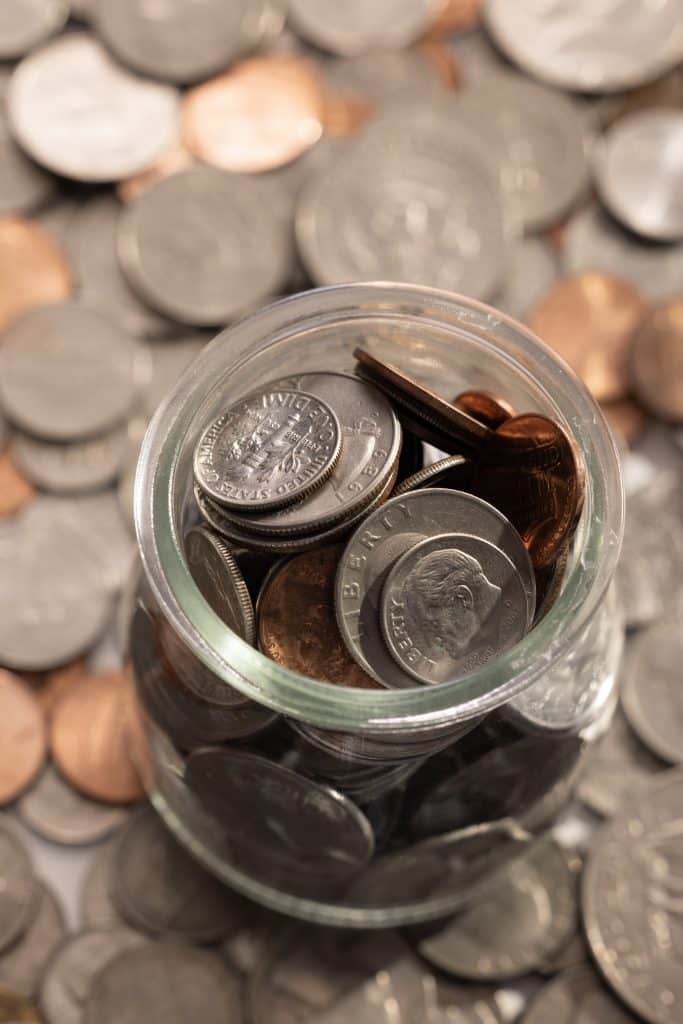
Every bit of loose change goes into one jar, no exceptions, and it doesn’t get touched until it’s full.
It’s a slow habit, and nobody is getting rich off spare change alone. It works because it’s completely painless, which is more than most saving habits can say.
5. Picking One No-Spend Day a Week
One day a week, nothing gets purchased at all, not even a small coffee run or a quick app store charge.
The rule is simple enough to actually stick, which is why it works better than more complicated spending plans people abandon after a week or two.
Net effect: one no-spend day, repeated every week for a year, quietly becomes 52 days of zero spending nobody had to plan for individually.

4. Living by One In, One Out
For anything beyond the basics, one new item means one old item leaves the house, donated, sold, or tossed.
It keeps clutter from building up and puts a natural brake on casual buying, since every purchase now comes with a small decision attached. Over time, the house stops filling up and the spending slows down right alongside it.
A house that isn’t constantly filling up is a house that isn’t constantly being paid for.

3. Freezing the Card, Literally
Some people freeze their most-used card in a block of ice, on purpose, so there’s a built-in delay before an impulse purchase can happen.
By the time the ice melts, most impulse purchases have already lost their appeal. It’s a little theatrical, and that’s exactly why it works better than a mental reminder ever does.

2. Paying Yourself Before Anyone Else Gets a Shot
Before rent, before bills, before anything else, a set amount moves straight into savings the moment a paycheck arrives.
Everyone else in life is happy to take a cut of a paycheck. This habit just makes sure savings gets first pick instead of whatever happens to be left over at the end of the month.
The upshot: almost every habit on this list supports this one single move, and it’s arguably the closest thing to a real answer on this entire list. More of this pattern shows up in this collection of weird money-saving habits that actually work.

1. Sitting on It for Twenty-Four Hours
Before any purchase that isn’t a genuine necessity, financially successful people give themselves a full day before they let themselves buy it.
Nothing about the item changes in those 24 hours. What changes is the urgency, and urgency is usually the only thing making a purchase feel necessary in the first place.
A surprising number of “must-have” items lose all their appeal by the next morning. The ones that don’t were probably worth buying anyway, and this rule was never meant to stop every purchase.
It’s the one habit on this entire list that touches every other one. Automated savings, negotiated bills, and a stocked pantry all matter, but none of them help much if a single 24-hour pause never gets a chance to happen.
If there’s only room to build one habit from this whole list, this is the one that ends up doing the most quiet work over the years.

What They All Have in Common
None of these 32 habits are complicated, and none of them require a windfall to start. That’s really the whole point.
Financially successful people are not running some secret formula behind closed doors. They just keep doing small, slightly boring things long after everyone else has stopped bothering.
Pick two or three from this list, not all 32 at once. Trying to overhaul everything in a week is how most good habits die within a month.
Start with whichever one felt the most obvious while reading, since that’s usually the one already halfway adopted anyway. For more of the same, this list of money mistakes you need to stop feeling guilty about is a good next stop, and none of this is a substitute for a conversation with a qualified financial professional about your specific situation.