18 Gifts That Look Expensive But Aren’t
Some links may be affiliate links. We may earn a commission at no extra cost to you. View our full disclosure.
Here’s the open secret of gift-giving: the recipient never knows the price. They know the weight of the box, the look of the wrapping, the feeling of being understood by what’s inside. Price is the one ingredient that never survives the unwrapping, and yet it’s the ingredient everyone stresses over most.
The people who are famously good at gifts figured this out years ago. They’re not spending more. They’re spending on the signals, the details that read as expensive, thoughtfulness, presentation, weight, specificity, while the actual number stays modest. It’s not cheapness. It’s fluency.
So here are 18 gifts that consistently read far above their price, counted down to the one that out-performs its cost more reliably than anything else you can wrap. Every entry is a real gift, not a hack, because the goal was never fooling anyone. It’s that generosity and budget were never actually enemies, and December keeps forgetting.

18. The Oversized Cozy Blanket
The throw blanket is the reliable workhorse of looking-generous: a big, heavy, soft blanket reads as a $70 gift and costs $20 to $30 at the right store in the right month, which per our buying calendar is roughly always, somewhere.
Weight is the trick. A substantial blanket feels luxurious in the hands before it’s even unfolded, and nobody in history has owned too many.
Quick Facts
- Looks like: a $60 to $80 comfort gift
- Actually costs: $20 to $30 on routine sales
- The trick: buy for weight and size, the heft does the talking

17. A Plant in a Real Pot
The $8 plant in its plastic nursery tub is a plant. The same plant transferred into a $6 ceramic pot is a decor gift, doubled in perceived value by sixty seconds of repotting.
Hardy varieties, the famously unkillable ones, add a kindness: the gift keeps succeeding for months, which no candle can claim. Living gifts read as thoughtful by default, because they are.
Quick Facts
- Looks like: a $35 boutique plant-shop purchase
- Actually costs: $12 to $15 assembled
- The trick: the pot is the gift’s outfit, never skip it

16. The Specialty Pantry Flight
Three interesting hot sauces. Three unusual olive oils. Fancy salts, local honeys, hot chocolates from three countries. A themed trio of consumables, arranged in a basket or box, reads as curated gourmet and costs $15 to $25 total.
The curation is the perceived value: one fancy jar is a grocery item, three related ones are a collection with a thesis. Grouping is free and does most of the work.
Quick Facts
- Looks like: a $50 gourmet shop basket
- Actually costs: $15 to $25 in groceries plus arranging
- The trick: a theme and an odd number, curation reads as expertise
15. Quality Kitchen Towels Plus One Good Tool
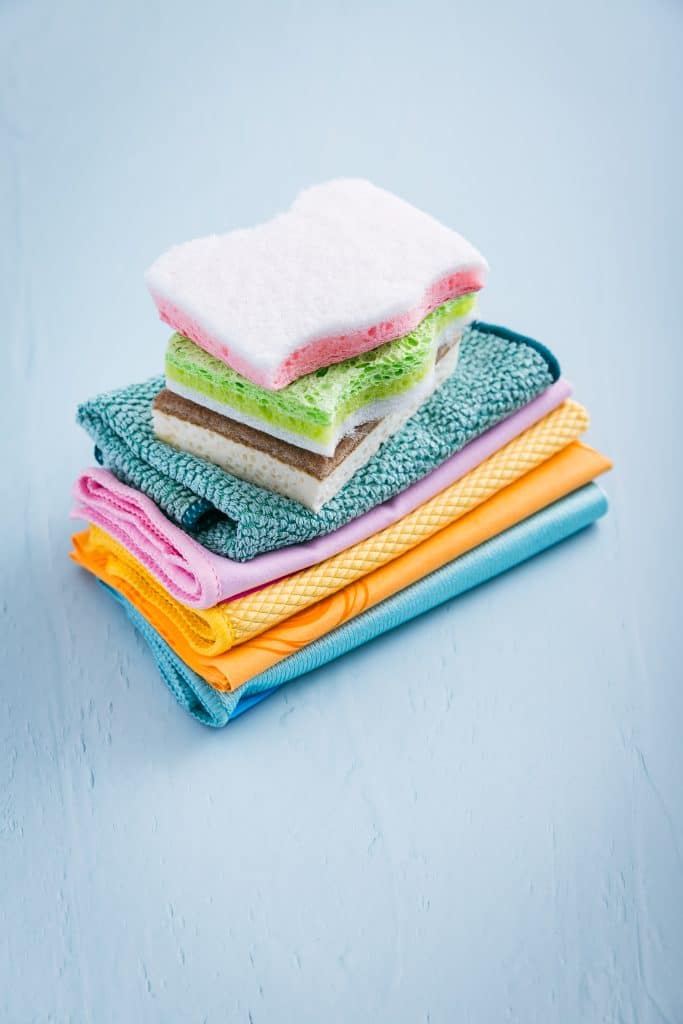
The bundle play: a set of nice flour-sack or waffle-weave towels, a solid wooden spoon or a decent peeler, tied together with twine. Individually they’re errand purchases. Bundled, they’re a considered kitchen gift.
Practical gifts risk reading as boring alone; bundling adds the sense of assembly, and assembly reads as thought. Total cost stays under $20 while presenting like a boutique kitchen-store visit.
Quick Facts
|
Worth It or Not
18 Signs You're Actually Better With Money Than You Think
|
- Looks like: a $40 kitchen boutique bundle
- Actually costs: $15 to $20
- The trick: twine and a sprig of rosemary, honestly
14. The Framed Photo That Matters
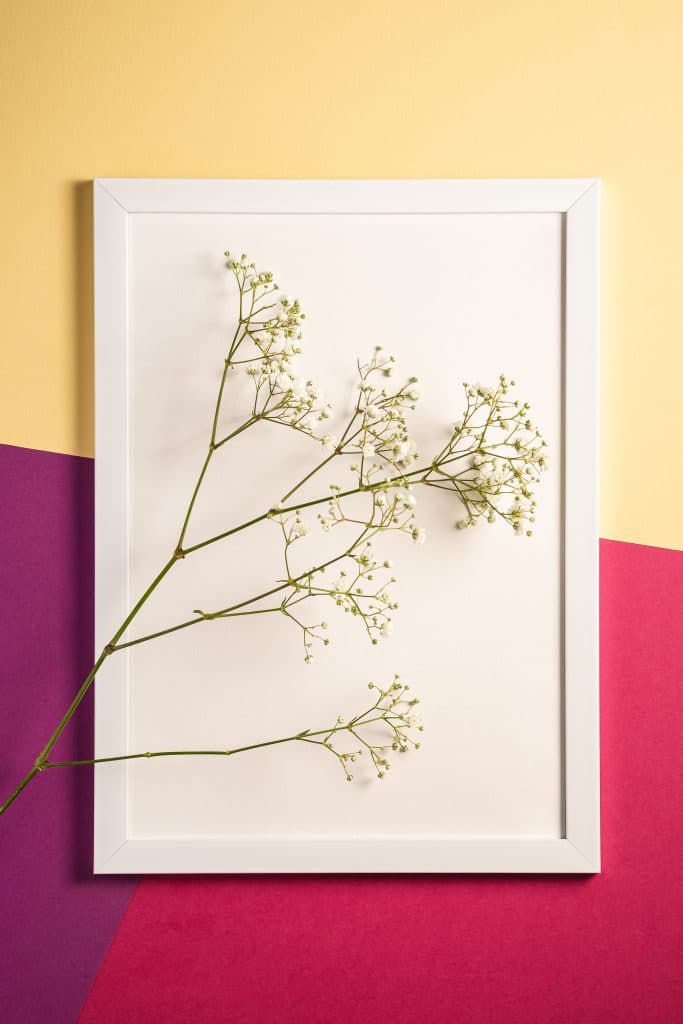
One good photo of the recipient with people they love, printed and placed in a real frame, is the gift people keep displayed for decades. Print cost: under a dollar. Frame: $5 to $15, per our dollar-aisle wisdom on frames.
The work is in the choosing, which is exactly why it lands: the gift is proof of paying attention. In a world of digital photos nobody prints, the physical one became rare, and rare reads as valuable because it is.
Quick Facts
- Looks like: priceless, genuinely, if the photo is right
- Actually costs: under $20 framed
- The trick: the photo they forgot existed beats the posed one
13. Nice Pens
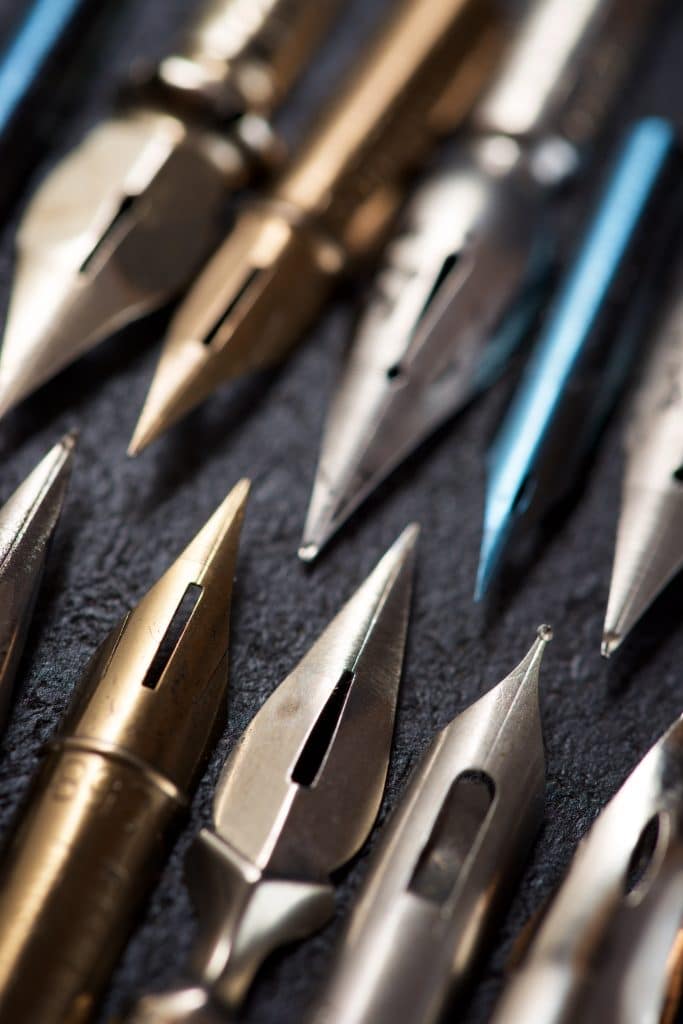
A weighty, smooth-writing pen in a gift box reads as an executive gift, the kind exchanged at retirements. The famous secret of the stationery world: excellent pens exist at $10 to $25 that write and feel dramatically above their price.
The category benefits from ignorance: almost nobody knows what pens cost, so the perceived range is huge and the felt quality, weight, glide, click, does all the pricing in the recipient’s hand.
Quick Facts
- Looks like: a $60 signing instrument
- Actually costs: $10 to $25 for genuinely great ones
- The trick: weight in the hand equals worth in the mind
12. The Inscribed Book
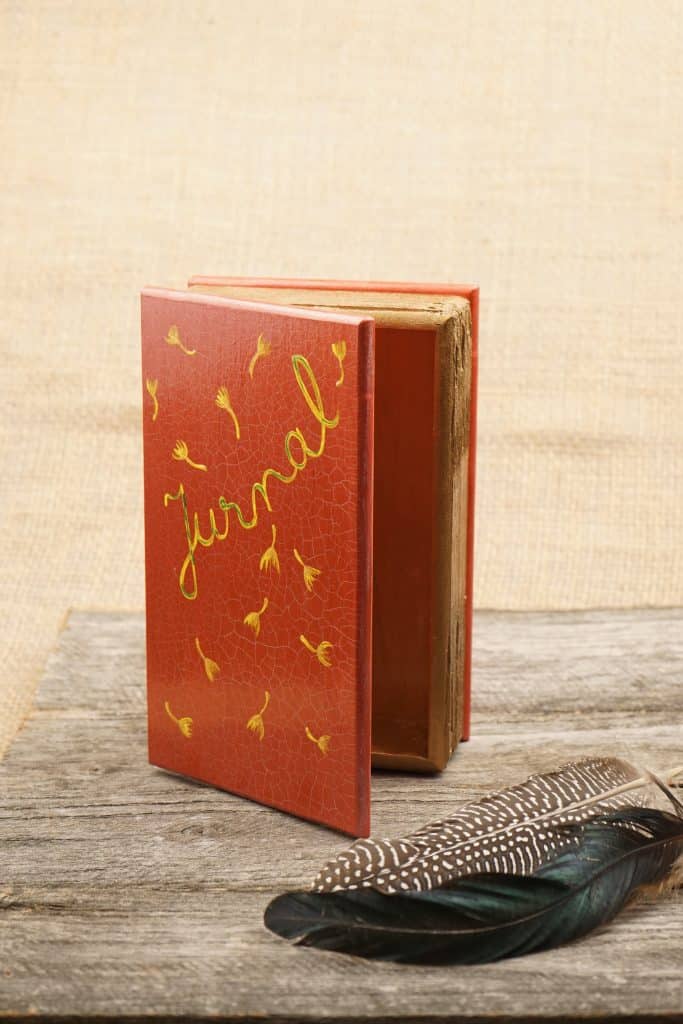
A book chosen specifically for the person, with a handwritten inscription inside the cover, dated. The book costs $10 to $20, used even less per our secondhand guide, and the inscription converts it from object to artifact.
Inscribed books survive every shelf purge for the rest of the recipient’s life. No $100 gadget on the same Christmas morning will still exist in thirty years. The inscription will.
Quick Facts
- Looks like: a keepsake, immediately
- Actually costs: the book plus thirty sincere seconds
- The trick: the inscription explains why this book, for this person
11. Monogrammed Anything
Initials transform objects: the $12 tote, the $15 robe, the $8 mug become personalized goods, a category that retails at double and triple for the exact same items. Local embroidery and craft-market services add monograms for a few dollars.
Personalization signals advance planning, which is the scarcest resource in gifting, and the recipient knows it. The monogram says this was always yours, which no price tag can say.
Quick Facts
- Looks like: a $50+ personalized boutique order
- Actually costs: the base item plus $5 to $10 of initials
- The trick: personalization reads as planning, and planning reads as love
10. The Coffee Table Book
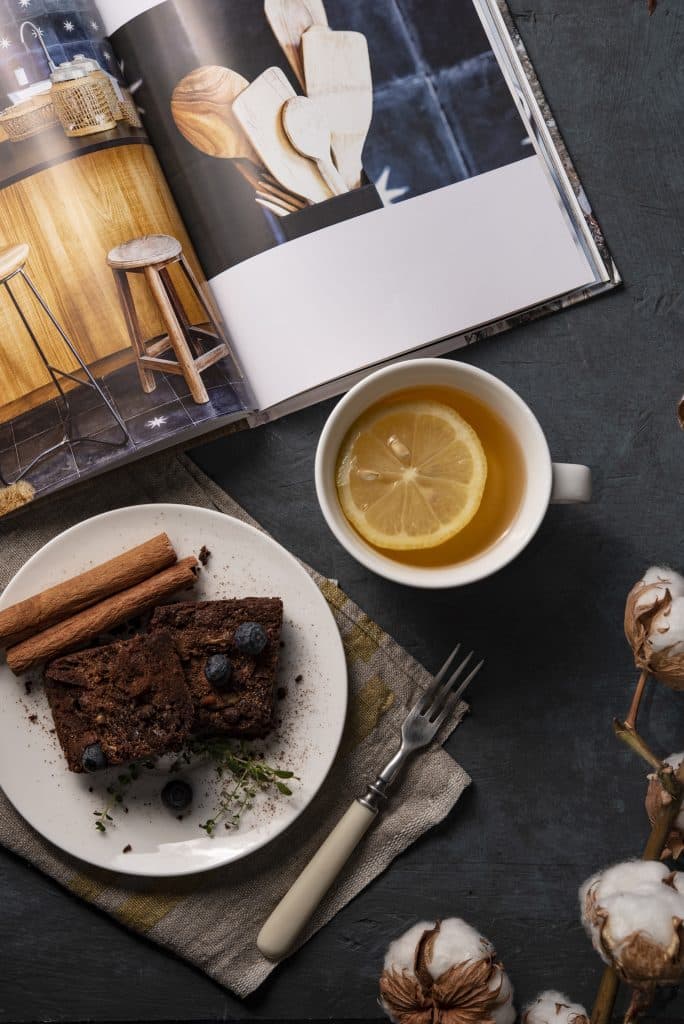
The oversized hardcover on their exact obsession, ocean photography, muscle cars, national parks, old maps, is the reigning champion of visual gift weight: big, heavy, beautiful, and clearly “expensive” at first heft.
The secret is the remainder market: gorgeous coffee table books sell new at $15 to $25 in bargain sections and online, marked down from $50+ covers. The cover price often still printed on the flap does your bragging silently.
Quick Facts
| Keep Reading — 16 Money Habits Every Household Had in 1990 (And What Replaced Them) |
- Looks like: the $50 to $75 flagship gift
- Actually costs: $15 to $25 remaindered
- The trick: match the obsession precisely, size does the rest
9. The Candle Ensemble
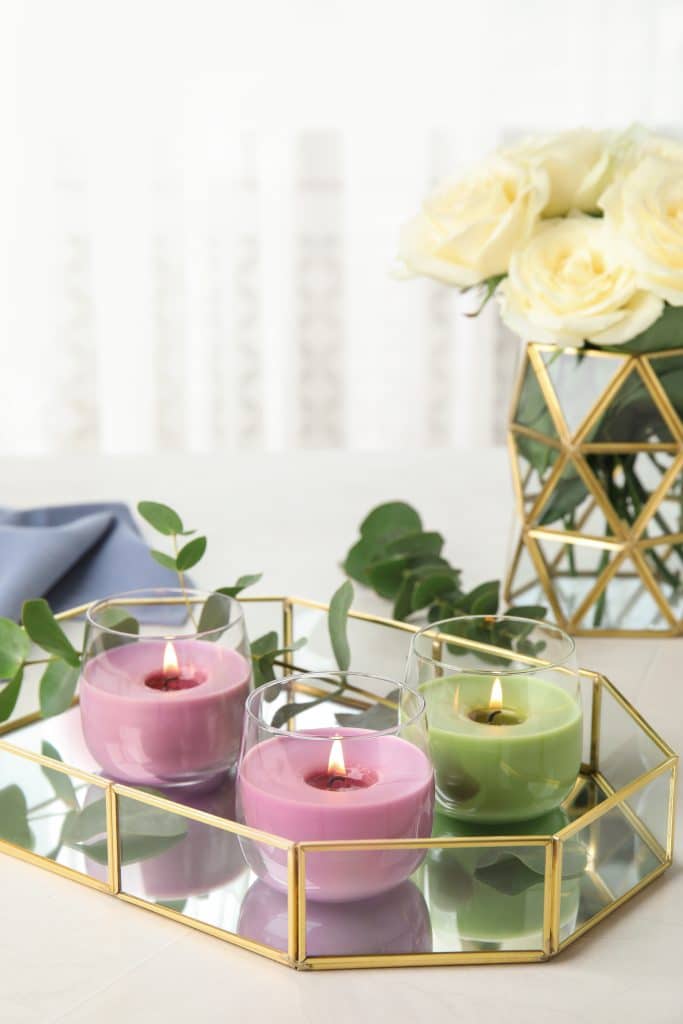
One good-smelling candle: pleasant gift. The same candle staged with a small box of long matches and a snuffer or wick trimmer: a candle ritual, which is a different product entirely, at $8 more.
Sales cycles put quality candles at $10 to $15 constantly, and the accessories come cheap. The ensemble presents as a boutique self-care set, and the match box, for reasons science should study, impresses everyone.
Quick Facts
- Looks like: a $45 boutique set
- Actually costs: $18 to $25 assembled
- The trick: the long matches are doing unpaid labor

8. Small Leather Goods
A leather keychain, cardholder, or catch-all tray reads as a luxury accessory because the category’s flagship brands price in the hundreds. Genuine-leather small goods from craft markets and modest brands run $10 to $30 and age just as gracefully.
Leather is the rare material that improves with use, which means the gift compounds: it looks better on their keys in year three than it did in the box. Few $15 objects can promise appreciation.
Quick Facts
- Looks like: a $60+ accessories-counter purchase
- Actually costs: $10 to $30 for honest leather
- The trick: real leather at any price reads as the expensive kind

7. The Vintage Find
Our secondhand guide’s gifting chapter: a vintage brooch, an old brass object, a mid-century bowl, a first-edition-looking book, sourced from thrift and estate sales at single-digit prices, presented in tissue paper.
Vintage cheats the price-guessing game entirely, because old objects register as irreplaceable rather than cheap. “I found this and thought of you” is the single most powerful sentence in gifting, and it costs whatever the tag said, which was $6.
Quick Facts
- Looks like: unpriceable, which is the whole trick
- Actually costs: $5 to $20 with a hunter’s eye
- The trick: “found” beats “bought” in every gift story ever told

6. The Homemade Consumable, Dressed Up
The baking-day output from our traditions article, graduated into gift form: cookies, candied nuts, infused salts, cocoa mix, in a real jar or tin with a ribbon and a handwritten label. Contents: a few dollars. Presentation: the entire game.
Homemade food gifts occupy a special category where cost is not just hidden but inverted, the labor visibly spent on them reads as more generous than money. The tin, per grandma’s cookie-tin doctrine, will outlive us all.
Quick Facts
- Looks like: an artisan market purchase
- Actually costs: pantry staples plus a $2 jar
- The trick: the handwritten label is the luxury branding
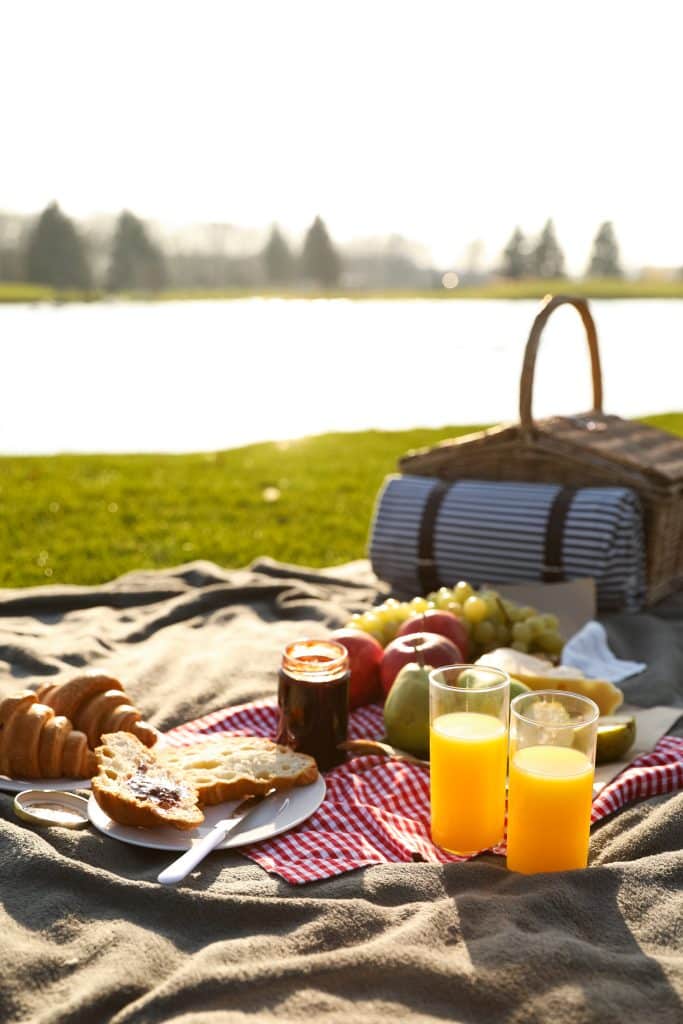
5. The Experience Envelope
A planned experience, the picnic with the menu written out, the drive-in night, the museum free-day date from our free-things list, the hike with the packed thermos, printed or hand-drawn as an invitation in a nice envelope.
Experience gifts consistently rate as more memorable than objects in every survey that asks, and the planned-and-printed version solves their one weakness, having nothing to unwrap. Cost: the experience, often nearly free. Perceived value: someone designed a day around me.
Quick Facts
|
Money Stuff
18 Things That Used to Be Built to Last (And How to Buy That Quality Today)
|
- Looks like: a thoughtfully expensive outing
- Actually costs: frequently under $20, sometimes nothing
- The trick: the printed invitation makes the intangible unwrappable
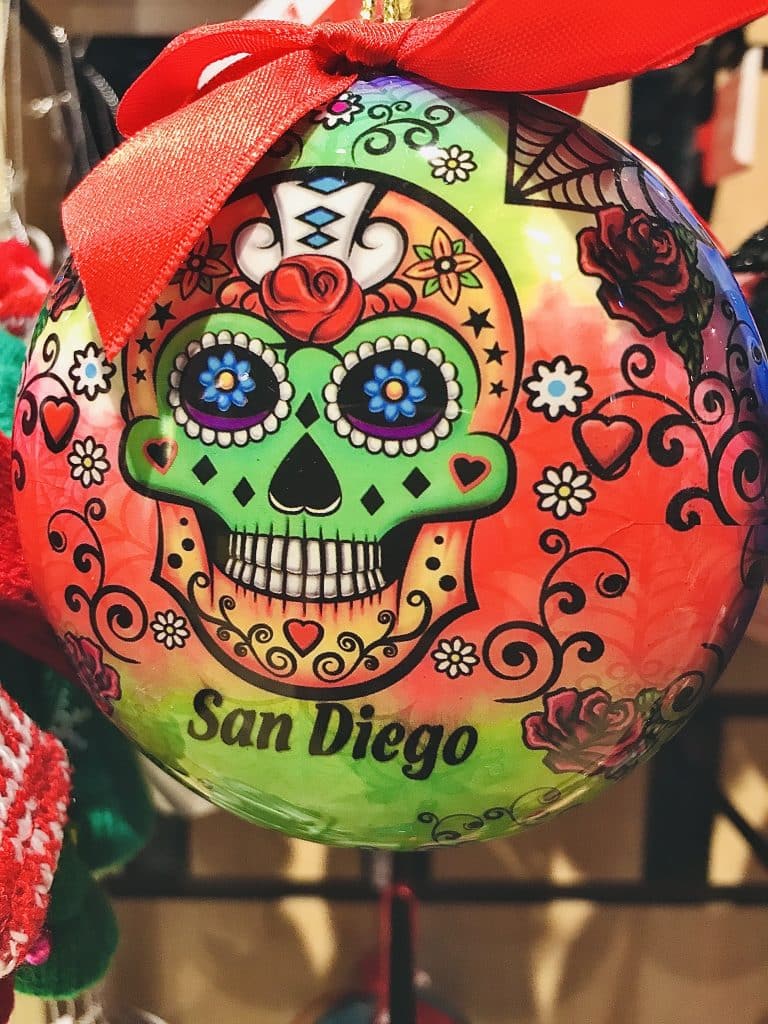
4. The Dated Ornament
Borrowed from our traditions article because it doubles as a gift: an ornament chosen for the person’s year, the new house, the new dog, the graduation, the inside joke, with the date on it, costs $5 to $10 and gets unwrapped again every December forever.
Annual re-unwrapping is the ornament’s unfair advantage: it’s the only $8 gift guaranteed a lifetime of encores, each one crediting the giver. Cost-per-remembering, nothing on this list competes.
Quick Facts
- Looks like: a small gift with a suspiciously long half-life
- Actually costs: $5 to $10
- The trick: the date turns decor into a time capsule
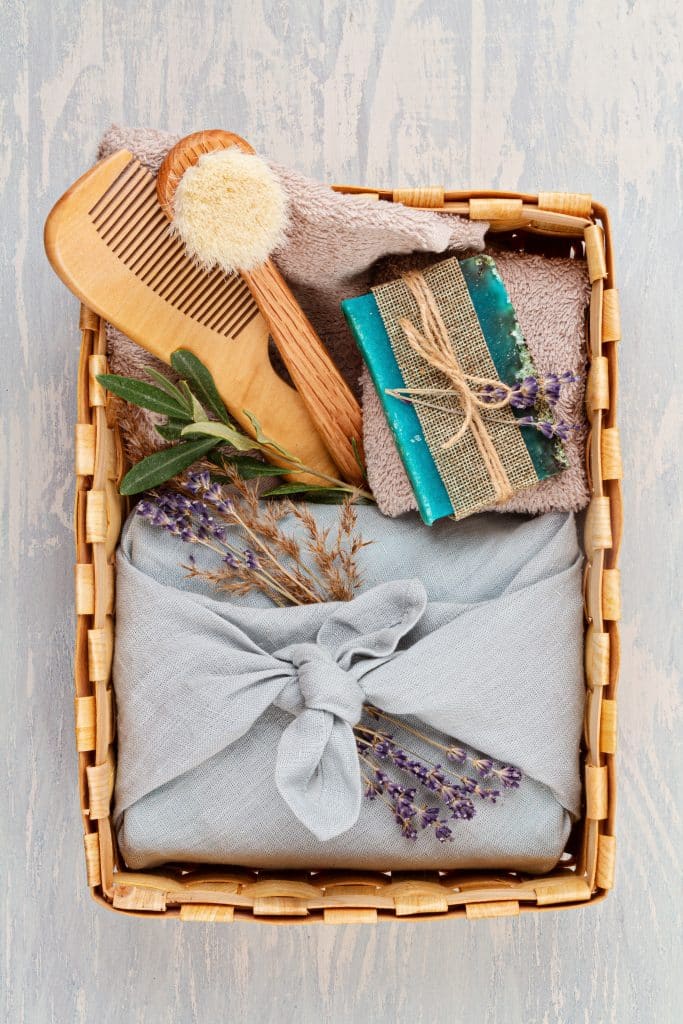
3. The Assembled Basket
The pro move that ties half this list together: a container, the thrifted basket or the great tin, filled with a theme, movie night, coffee ritual, spa evening, taco kit, mixing two or three modest entries from above with grocery-store staples. Total: $20 to $30. Presentation: abundance.
Baskets read as expensive because retail gift baskets are, running $60 to $150 for contents anyone could assemble at a third of that. The bow on the handle is load-bearing. Always the bow.
Quick Facts
- Looks like: the $75 catalog basket
- Actually costs: $20 to $30 self-assembled
- The trick: fullness reads as generosity, pad with tissue and clementines
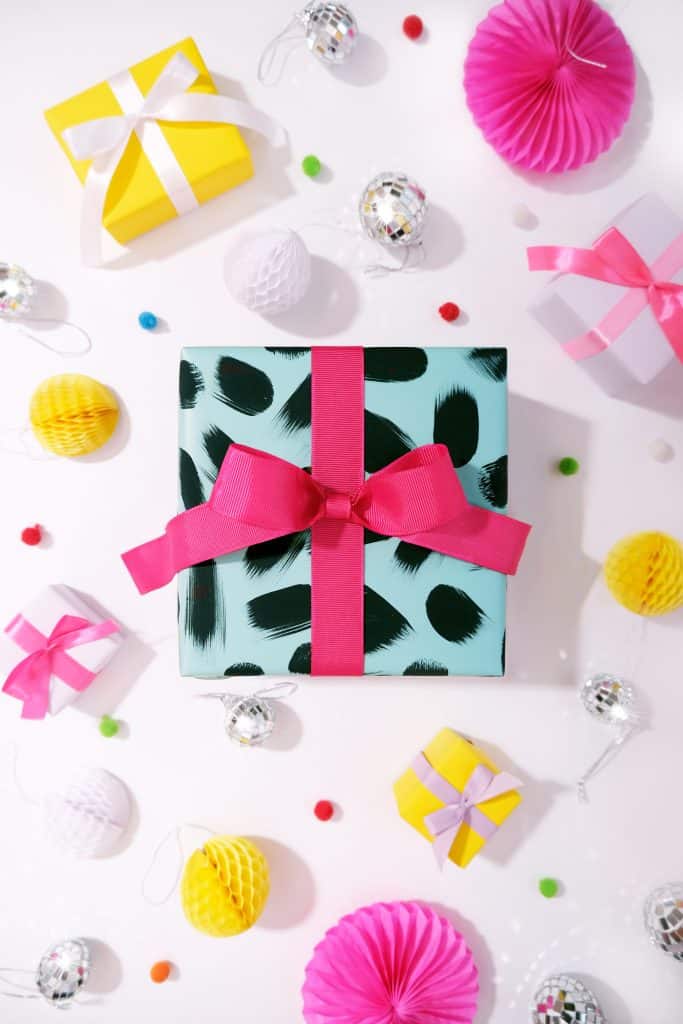
2. The Wrapping Itself
The multiplier entry: identical gifts in a crumpled gift bag versus crisp paper with real ribbon and a sprig of greenery test as entirely different price classes. Wrapping is the one variable that upgrades every other entry on this list simultaneously, and per our calendar article, the December 26th clearance run supplies a decade of it at 80 percent off.
Good wrapping isn’t decoration, it’s framing: it announces that what’s inside was worth the ceremony. The announcement costs ribbon. The ribbon costs almost nothing, ever since last January.
Quick Facts
- Looks like: a professionally finished, clearly premium gift
- Actually costs: pennies from the post-holiday stockpile
- The trick: real ribbon, sharp corners, one natural sprig

1. The Specific Gift
The crown, and the one that outperforms its price most reliably: the modest object that proves you listened. The $12 replacement of the mug they mourned breaking. The out-of-print book from the story they told once. The exact tool for the hobby they just started, per the interests they mentioned in October. Price range: usually under $25. Reception: better than anything else under the tree, including the expensive things.
Every gifting survey lands on the same finding dressed in different data: recipients value perceived thoughtfulness over cost, by wide margins, every time. Specificity is thoughtfulness made visible, and it’s the one luxury on this list money can’t actually buy, only attention can. Which is the entire secret of this article, and of the people who are mysteriously great at gifts on ordinary budgets: they’re not shopping better in December. They were listening in October. The gift is just the receipt.
Quick Facts
- Looks like: the best gift they got this year
- Actually costs: usually under $25
- The trick: a notes app entry in October beats a budget in December

Before You Go
The pattern across all 18: perceived value lives in weight, presentation, personalization, curation, and specificity, and every one of those is cheap or free. The budget was never the constraint on generosity. The attention was, and attention is the one line item everyone can raise.
For the money side of the season on this site: the traditions article covers the free half of December, the holiday earning guide funds the whole thing, and the buying calendar’s December 26th strategy supplies next year’s wrapping multiplier at a tenth of the price. Give beautifully, spend sanely, and let them keep guessing the number. They’ll guess high. They always do.