35 Things Built to Last That You Should Stop Replacing So Often
Some links may be affiliate links. We may earn a commission at no extra cost to you. View our full disclosure.
My parents owned the same toaster for most of my childhood. It never broke, and nobody thought that was remarkable.
Somewhere along the way, replacing things on a schedule became normal. New phone every couple of years, new sheets every season, a new pan the second the old one looks tired.
Some of that is real wear. A lot of it is habit, marketing, and a quiet assumption that nothing lasts anymore, which is exactly how people end up swapping out household items way too soon.
This list counts down 35 things that were built to last, or still can be if you buy the right version and take care of it. A few come with an honest catch, because not everything old deserves to be kept.
The best ones are near the bottom. Start scrolling.
35. Bath Towels
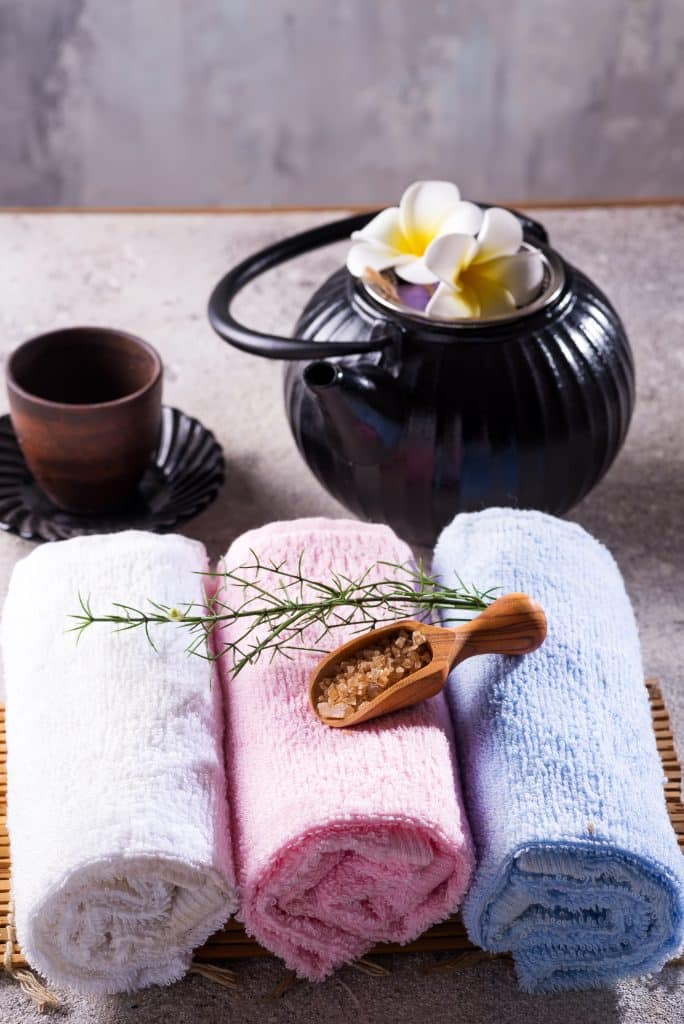
Good cotton towels get softer for years before they get worse. The thin ones that feel plush in the store are usually the ones that pill and fray within a season or two.
Wash them with less detergent and skip the fabric softener most of the time, and they tend to keep absorbing well. When they finally thin out, they become rags, not trash, the same mindset behind the household stuff smart shoppers quietly stopped buying.
The upshot: a heavier towel bought once usually beats a cheap set bought three times.
34. Lightbulbs
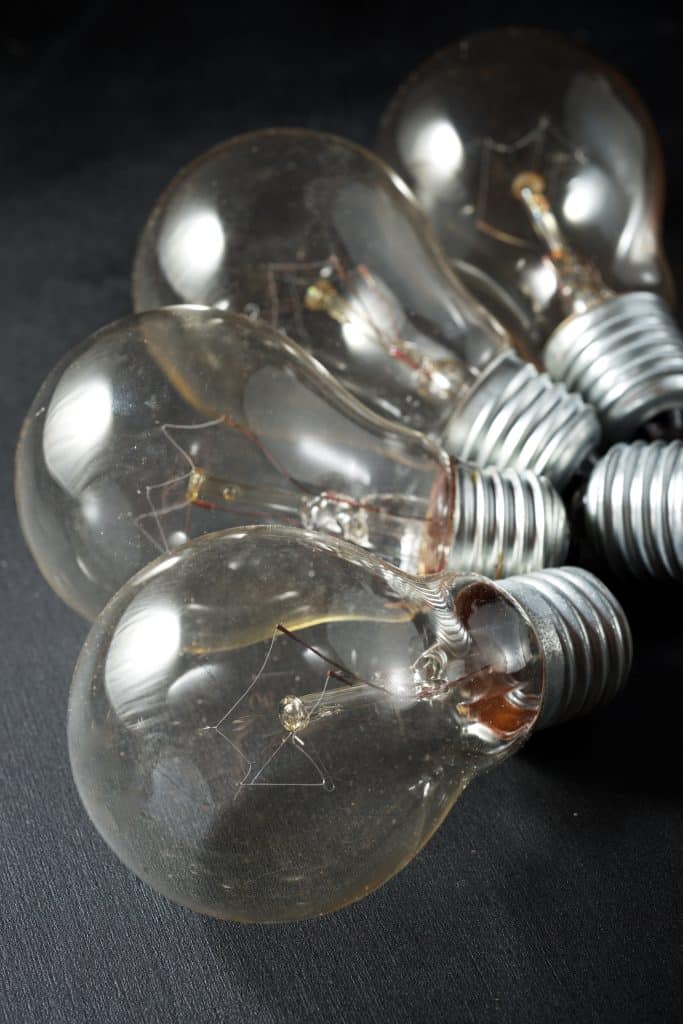
Nostalgia gets this one wrong. There’s a famous firehouse bulb that has reportedly been glowing for more than a century, and it gets passed around as proof that things used to be better.
The old incandescent bulbs most households actually used burned out constantly. A typical modern LED is rated to last many times longer and uses a fraction of the power, so this is one category where the new version wins outright.
The move isn’t hoarding old bulbs. It’s to stop tossing LEDs that still work just because you want a slightly different shade of white in one room.
Not everything was better back then, and lightbulbs are the proof.
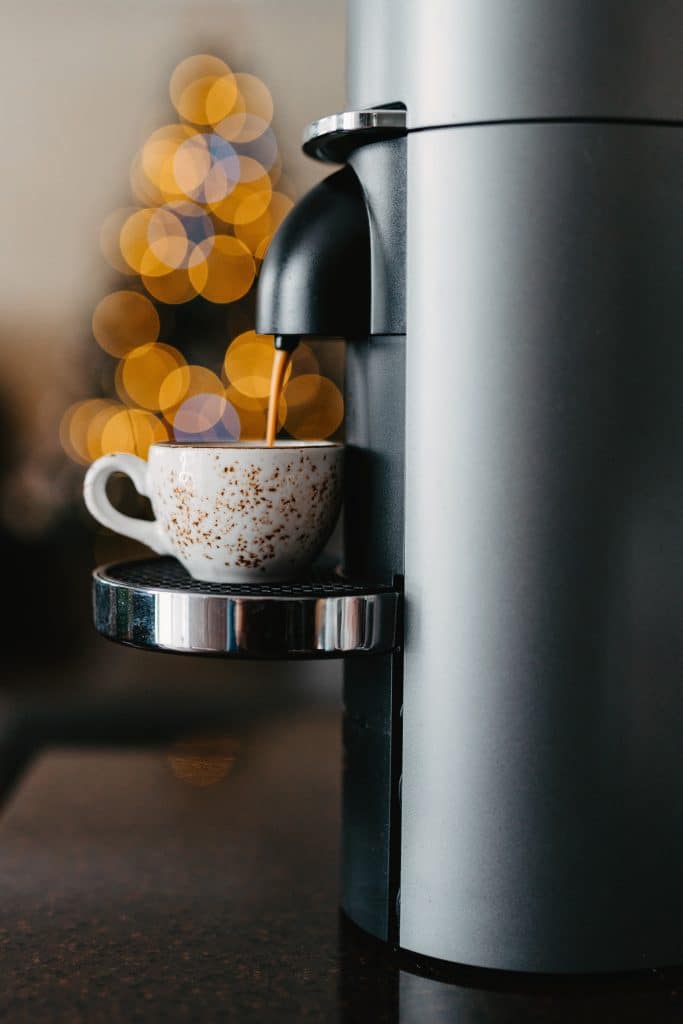
33. Simple Coffee Makers and Kettles
The basic drip machine and the stovetop kettle are about as simple as kitchen hardware gets. Fewer screens, fewer sensors, fewer things to fail.
Most of the time when one starts acting up, it’s mineral buildup, not a dead machine. A vinegar descaling run every so often usually brings it back.
Plenty of people replace a coffee maker that just needed cleaning. Try the cheap fix first.
32. Basic T-Shirts
A heavier cotton tee can go years. A thin, fashion-cut one often twists at the seams and shows holes after a handful of washes.
You can usually feel the difference in the store. Thicker fabric, straight seams, and a collar that snaps back when you stretch it are the tells.
Worth remembering: cold water and a lower dryer setting do more for a shirt’s lifespan than any price tag.
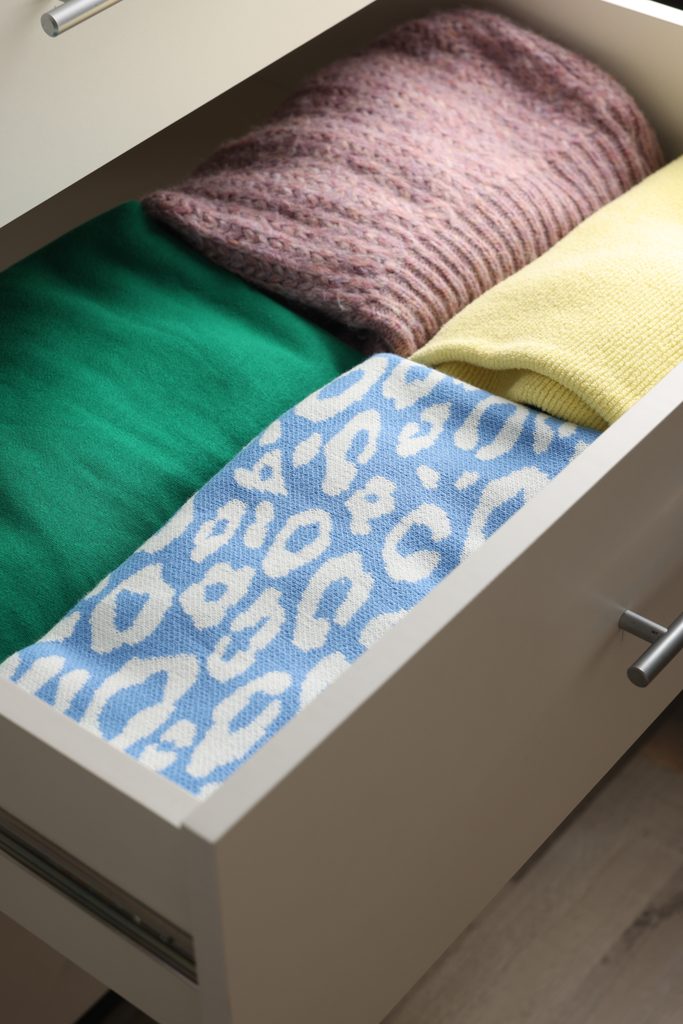
31. Wool Sweaters
Wool sweaters are one of those things people inherit from parents and grandparents. That tells you most of what you need to know about how long they last.
The trick is care, not luck. Hand wash or use a gentle cycle, lay flat to dry, and fold instead of hanging so the shoulders don’t stretch.
Moth holes and small snags can be darned. It’s a ten-minute fix that keeps a sweater out of the donation bag.
Fold it, don’t hang it, and a good sweater can outlive most of your wardrobe.
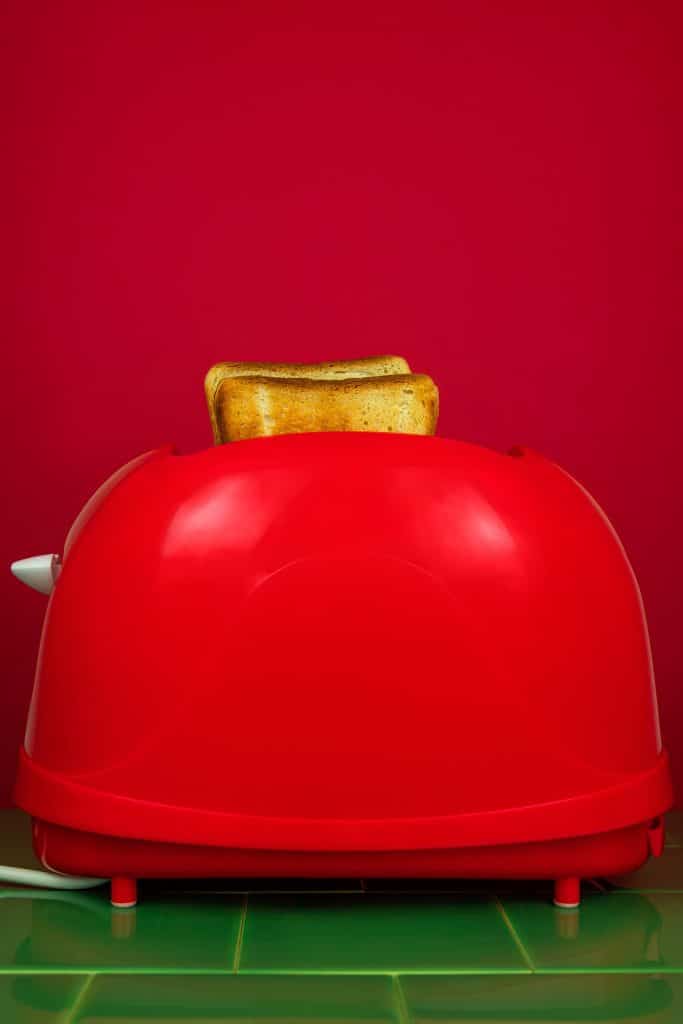
30. Toasters
Toasters are simple machines: a heating element, a timer, and a spring. That’s roughly the whole thing, which is why older ones kept going for decades.
Newer models add digital panels and presets that don’t make toast any better. The simplest version at a mid-range price is usually the one that lasts.
Before you replace one, empty the crumb tray and check the lever. A surprising number of dead toasters are just clogged.

29. Luggage
A solid suitcase can outlast a lot of trips, and a cheap one might not survive its first baggage carousel. Wheels and zippers are what usually fail, not the shell.
Many luggage makers sell replacement wheels and handles, and a shoe repair shop can often fix a zipper. If you do need a new bag, it pays to know when big purchases actually go on sale instead of buying the week before a trip.
Net effect: fix the wheel, keep the bag.
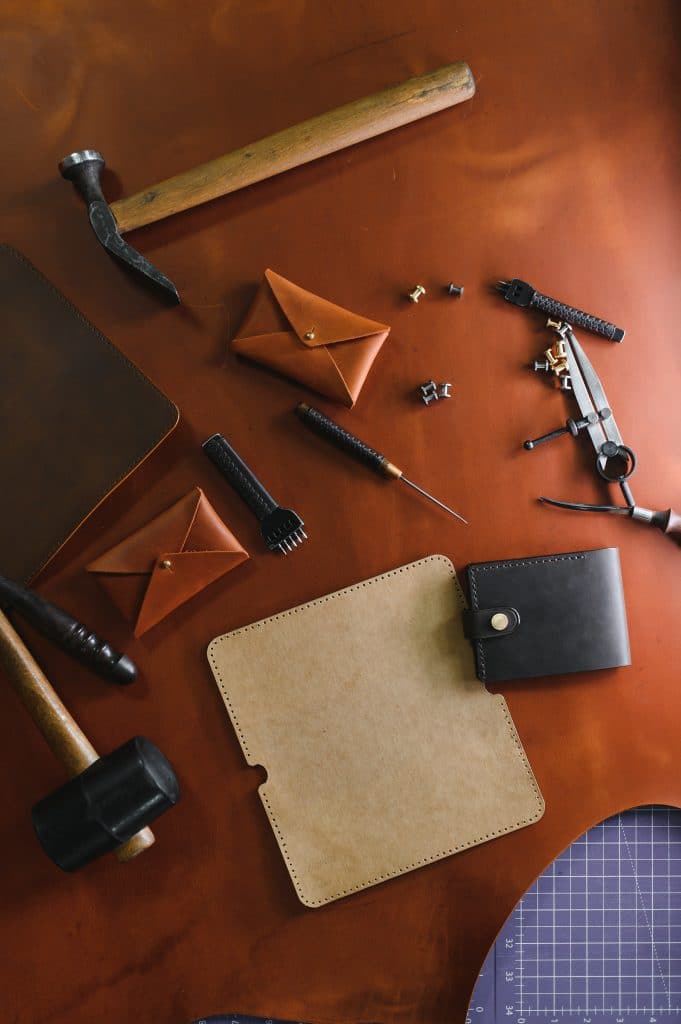
28. Leather Belts and Wallets
Full-grain leather gets better with use. It darkens, softens, and molds to you, which is the opposite of what cheaper bonded leather does.
Bonded leather tends to peel and crack within a couple of years. Real leather, conditioned once in a while, can go decades.
A belt that’s too big can be cut down and re-punched. A wallet with a torn seam can usually be restitched for a few dollars.
27. Bed Sheets
Good sheets soften over time. Cheap ones pill, thin out, and tear at the corners.
Thread count gets most of the marketing attention, but fiber quality and weave matter more. A mid-range set of long-staple cotton or linen often outlasts a sky-high thread count set.
Two sets in rotation helps too. Each set gets washed half as often, which usually means both last longer.
Rotating two sets is the cheapest way to make both of them last.
| Keep Reading — 16 Small Money Leaks That Quietly Cost Five Figures a Decade |
26. Everyday Dishes
Plain stoneware and glass-ceramic plates can survive decades of dishwasher cycles. Most families replace them because a trend changed, not because the plates wore out.
Chipped pieces can be replaced one at a time instead of buying a whole new set. Matching is optional, and plenty of kitchens look better mismatched anyway.
It’s the same instinct that kept frugal grandmothers from throwing anything away. A plate that still holds food is still a plate.
Where this lands: buy replacements by the piece, not by the set.
25. Jeans
Heavy denim was designed to take a beating, and a good pair still will. It started as workwear for a reason.
Most jeans die in the crotch or the knees, and both spots can be patched. A tailor or a basic sewing kit can add years for very little money.
Washing less often helps too. Denim doesn’t need a wash after every wear, and fewer cycles typically means less fading and fewer blowouts.
24. Smartphones
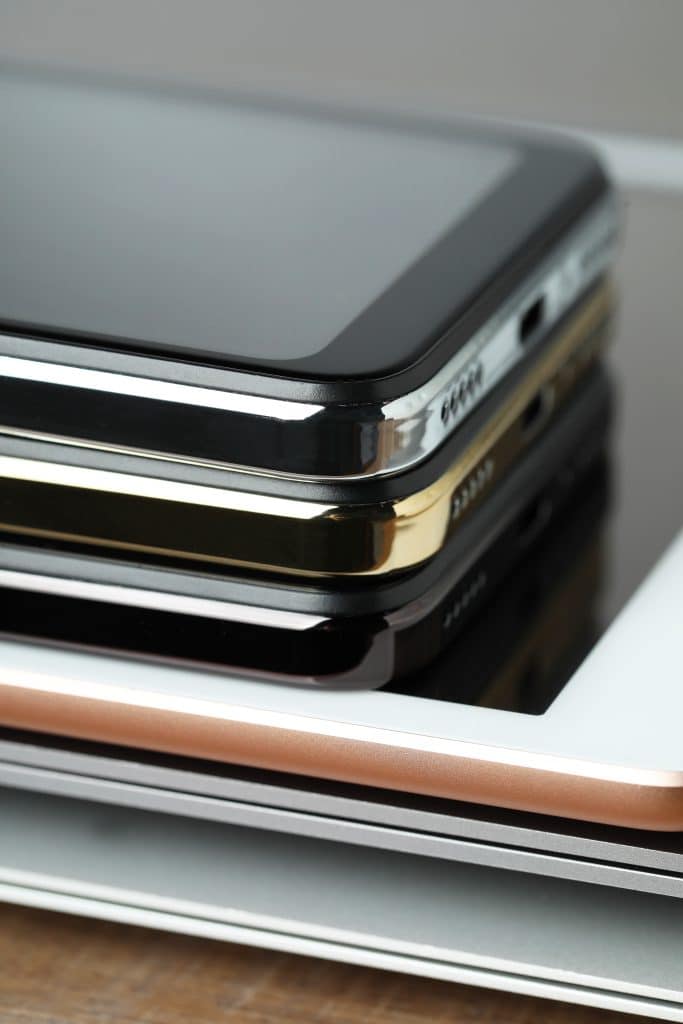
Phone hardware often lasts longer than the upgrade cycle suggests. A new battery can make a sluggish phone feel close to new, for a fraction of what a replacement costs.
The honest catch is software. Once a phone stops getting security updates, it gets riskier to use for banking and anything sensitive, and that’s a real reason to upgrade.
So stretch it as long as updates keep coming. Replace it when they stop, not when a new model launches.
Security updates ending is a real reason to upgrade. A new color option isn’t.
23. Wooden Spoons and Cutting Boards
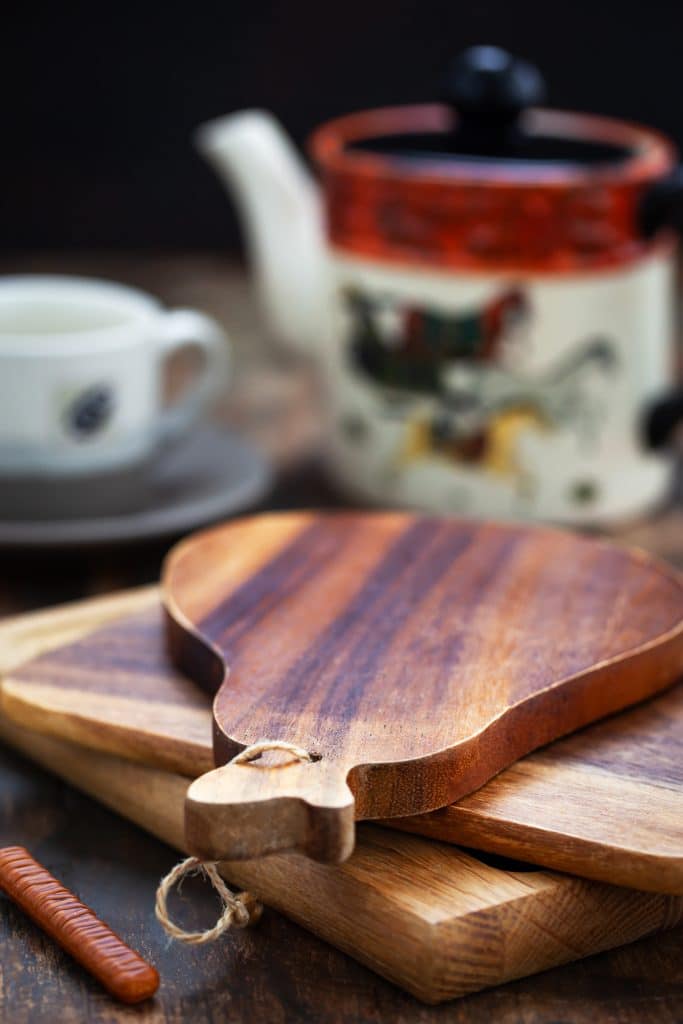
A hardwood cutting board can last a lifetime with basic care. Plastic boards scar deeply and usually need replacing much more often.
Wash by hand, dry upright, and rub in food-safe mineral oil once in a while. Deep knife marks can be sanded out.
Wooden spoons are even easier. They’re cheap, they don’t scratch pans, and a crack is usually the only reason to toss one.
Rule of thumb: if it cracks, replace it, and if it’s just stained, oil it.
22. Watches
Simple mechanical or quartz watches can run for decades. Plenty of people inherit one, get a battery or a service, and wear it every day.
The expensive status piece isn’t the point here. A plain, well-made watch at a reasonable price is, and it’s nothing like the flashy buys on the list of things frugal people refuse to buy.
Batteries and straps are cheap to replace. Most local jewelers can handle both while you wait.

21. Shoes
Well-made leather shoes and boots can be resoled, sometimes several times. That’s a big difference from sneakers glued together at the factory.
A cobbler can typically replace soles and heels for a lot less than a new pair of quality shoes. Conditioning the leather and rotating pairs so they dry out between wears helps too.
Athletic shoes are different. Running shoes wear out inside before they look worn, so those really do need replacing on a regular schedule.
Leather gets resoled, running shoes get replaced, and knowing the difference saves real money.
20. Kids’ Toys
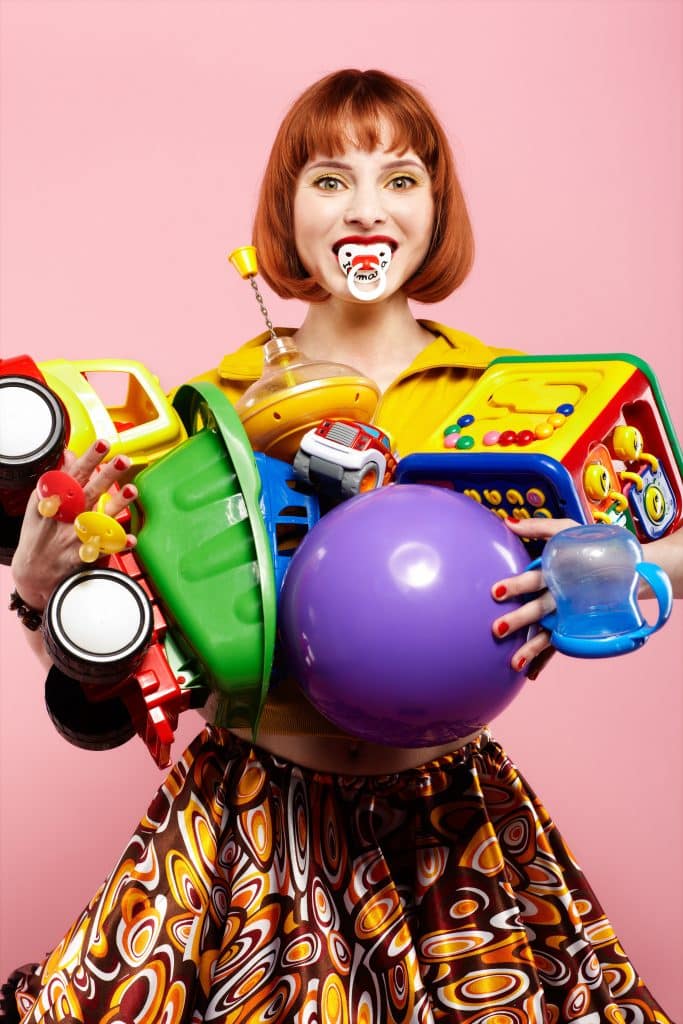
Wooden blocks, metal trucks, and simple board games get handed down for generations. The battery-powered toy of the moment usually doesn’t make it past one kid.
Simple toys also tend to get more play. Kids come back to open-ended stuff long after the flashing gadget is forgotten.
It’s a pattern a lot of parents noticed right around the time they stopped buying things they didn’t need. Fewer, sturdier toys is a real strategy, not a sacrifice.
The upshot: the toys that last are usually the ones that don’t need batteries.
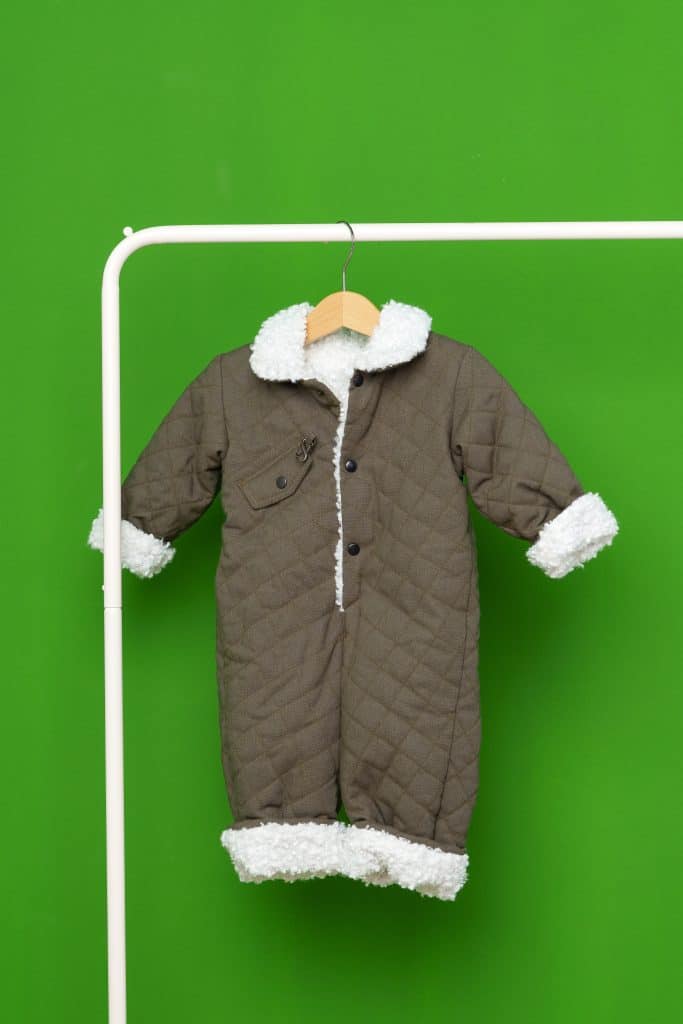
19. Winter Coats
The shell fabric, the zipper, and the insulation decide how long a winter coat lasts, and all three can be checked in the store. Get those right and ten years or more isn’t unusual.
Zippers can be replaced by a tailor. Down can be washed and re-fluffed on a low dryer setting with a couple of clean tennis balls.
Kids outgrow coats, but adults usually don’t. If an adult coat still keeps you warm, a new one is mostly about style.
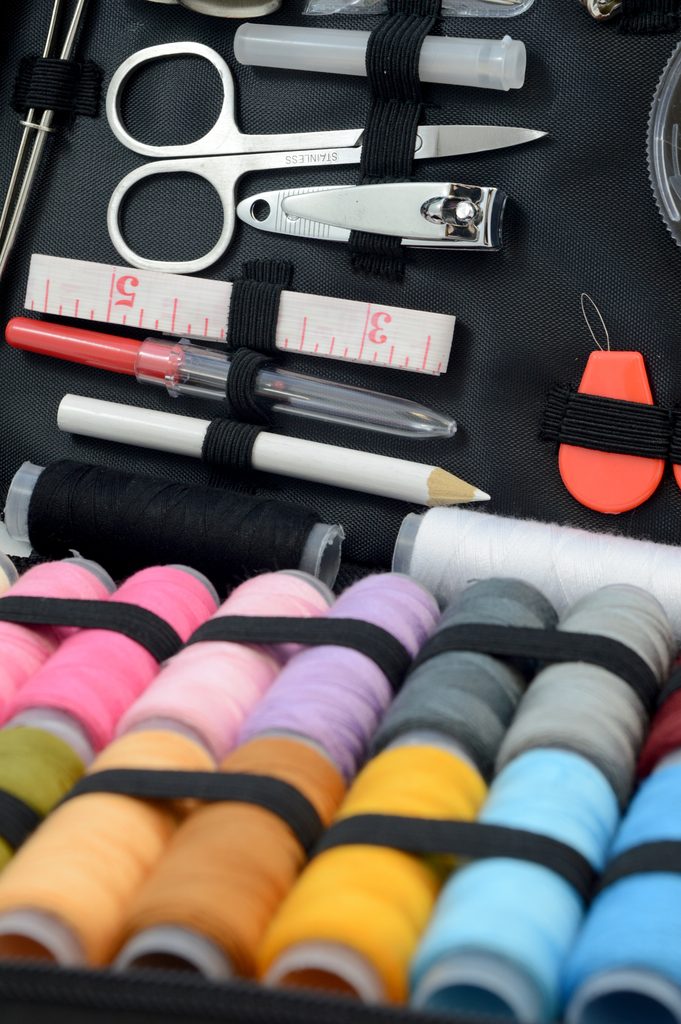
18. Sewing Machines
Older all-metal sewing machines are famous for running forever. A lot of them are still humming along in basements and spare rooms.
Newer machines vary a lot in build quality, but even a basic one earns its keep if it’s actually used. Hemming pants, fixing seams, and patching jeans adds up quickly.
A tune-up at a repair shop is usually cheap. Skipped stitches are often a timing or tension fix, not a sign the machine is done.
A skipped stitch is a tune-up, not a funeral.
Myth vs. Reality: “They Just Don’t Make Things Like They Used To”
Myth: Everything made today is disposable, so there’s no point shopping for durability. You might as well buy cheap and replace often.
Reality: Plenty of cheap stuff really is built to fail, but durable versions of most everyday items still exist. They’re usually mid-range, not luxury, and they last longer when they’re maintained.
| Keep Reading — 31 Ways Life Was Different Before Everyone Had a Smartphone |
The flip side is that price alone proves nothing, which is one of several money rules that turn out to be myths. Check the build, not the tag.
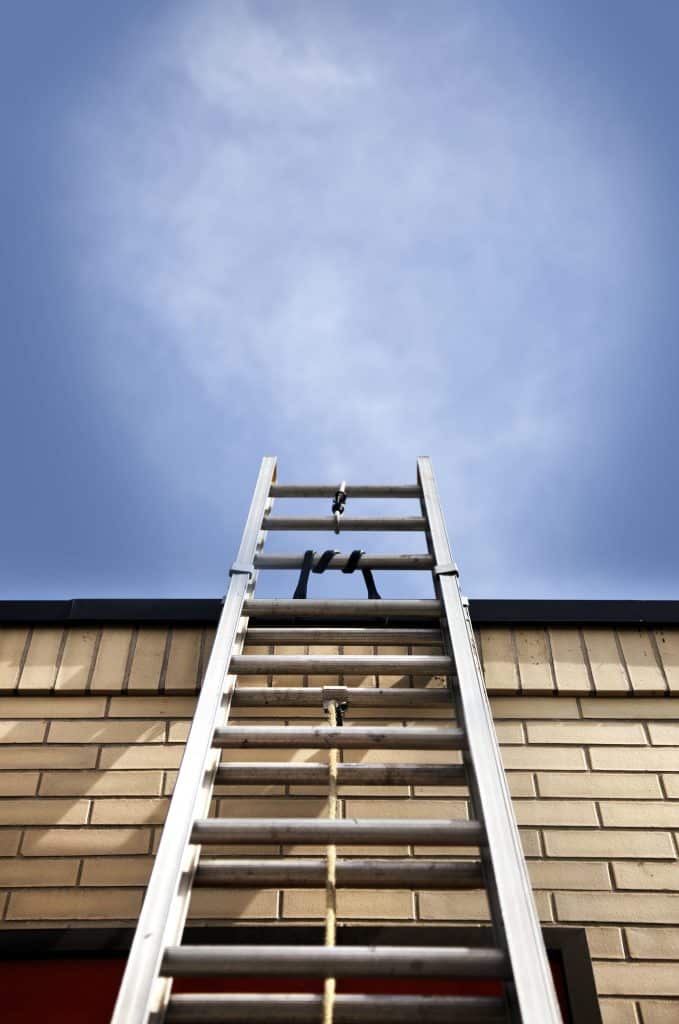
17. Extension Ladders
An aluminum or fiberglass ladder has almost no moving parts. Stored out of the weather, one can easily last decades.
Check the feet, the rungs, and the locking hardware every season. Worn feet can usually be replaced for a few dollars.
A ladder is also something neighbors borrow constantly, which is why it shows up among the things you own that could earn rental cash. One good ladder beats buying a new one for every project.
Where this lands: one good ladder, stored dry, is usually the last ladder you’ll buy.
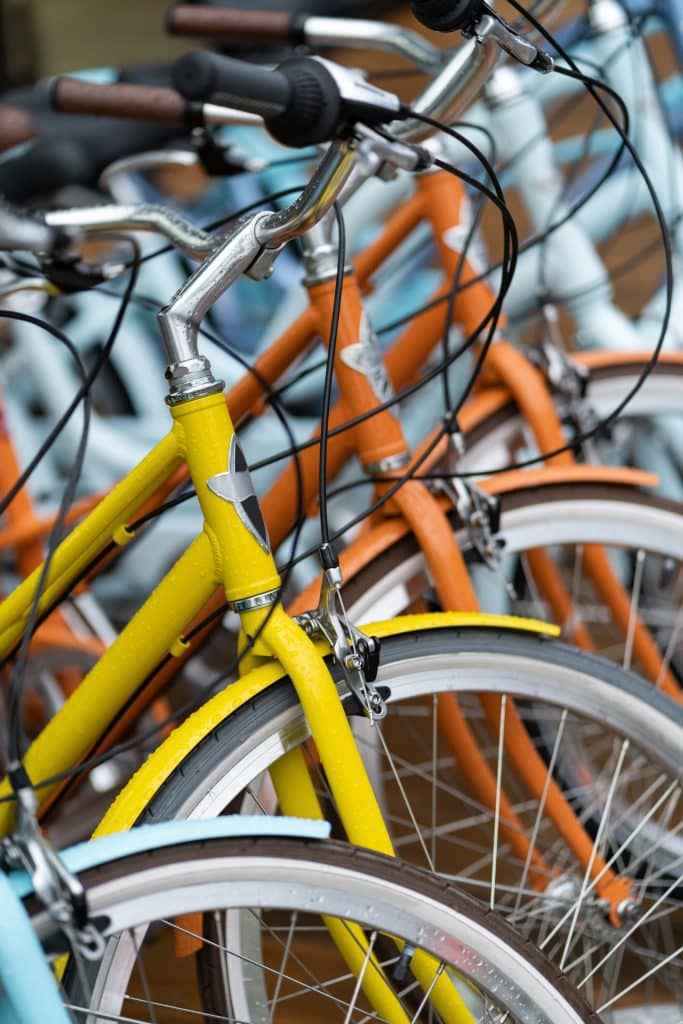
16. Bikes
Bike frames, whether steel or aluminum, often outlast the rider’s interest in riding. Tires, chains, cables, and brake pads wear out, and all of them are replaceable.
A tune-up at a local bike shop typically costs a small fraction of a new bike. A decent bike neglected in the garage often needs nothing more than air, chain lube, and fresh brake pads.
If you’re buying, used bikes are one of the better deals out there, which is why they’re a regular on the list of things smart shoppers always buy secondhand.
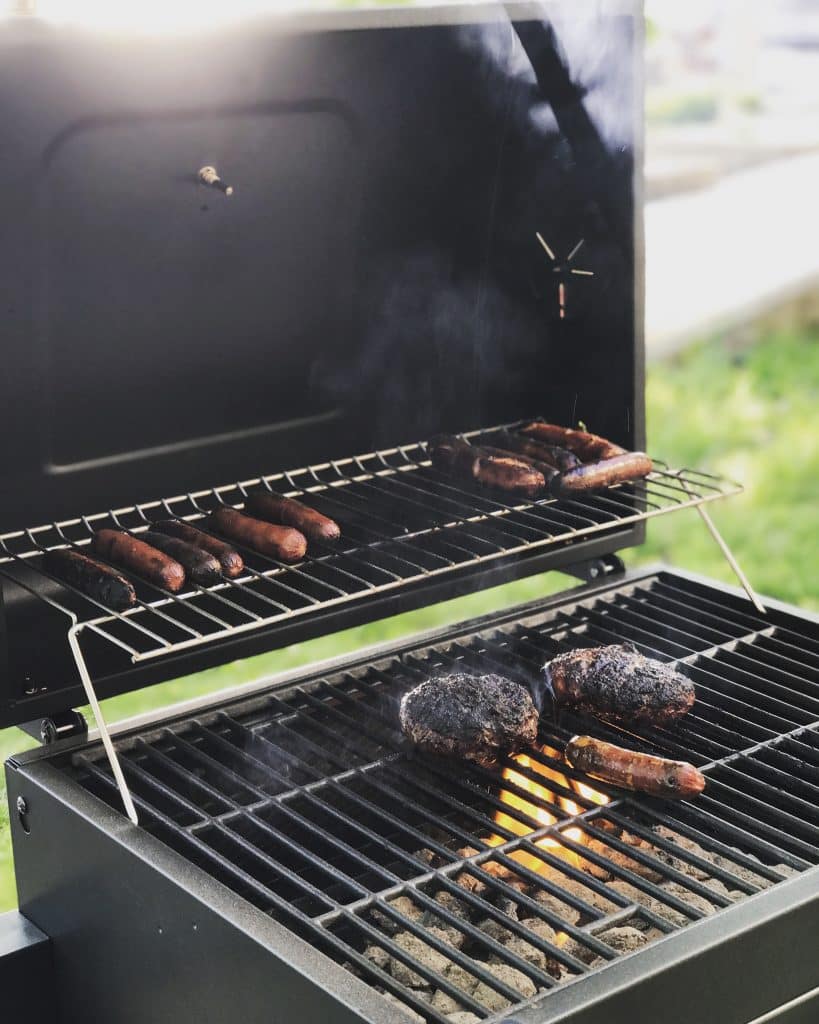
15. Grills
Grills rarely die all at once. Grates rust, burners corrode, and igniters stop clicking, but the body usually has years left.
Replacement grates, burners, and igniters are sold for most common models. Swapping them is usually a Saturday-morning job with a screwdriver.
Clean it after cooking and keep it covered. That alone can add years.
Replace the parts that burn out, and keep the box they sit in.
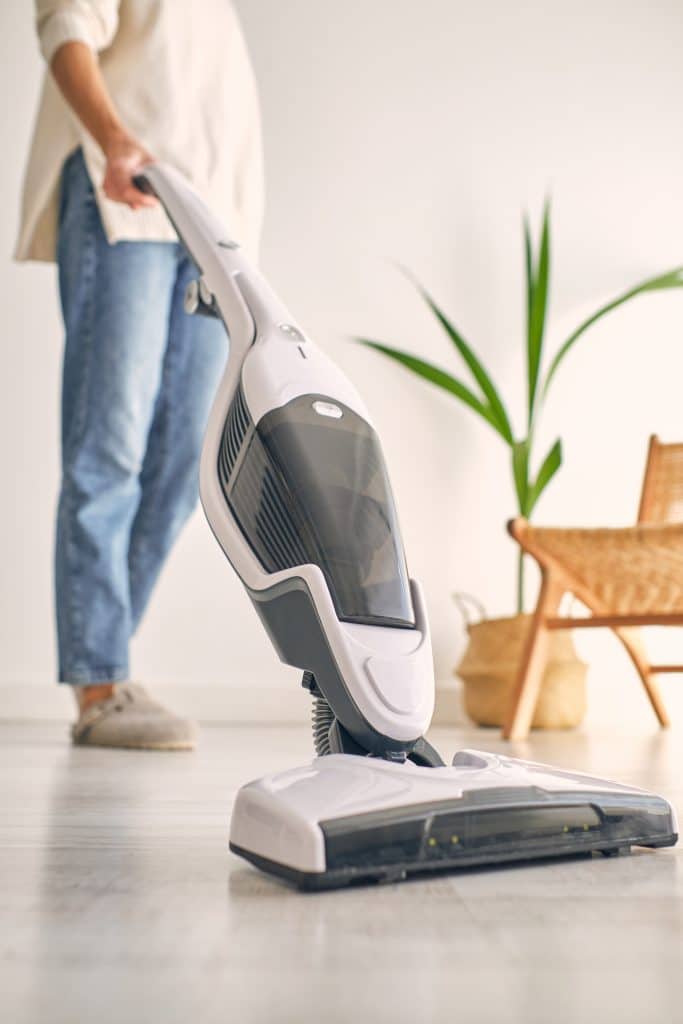
14. Vacuum Cleaners
Most vacuums that lose suction aren’t broken. They’re clogged, or the filter is caked, or the belt slipped.
Check the hose, empty the canister, clean or replace the filter, and cut the hair off the brush roll. Belts are cheap and usually take minutes to swap.
Simpler upright models with fewer electronics tend to be the easiest to keep running.
Net effect: a new belt and a clean filter bring back a lot of “dead” vacuums.
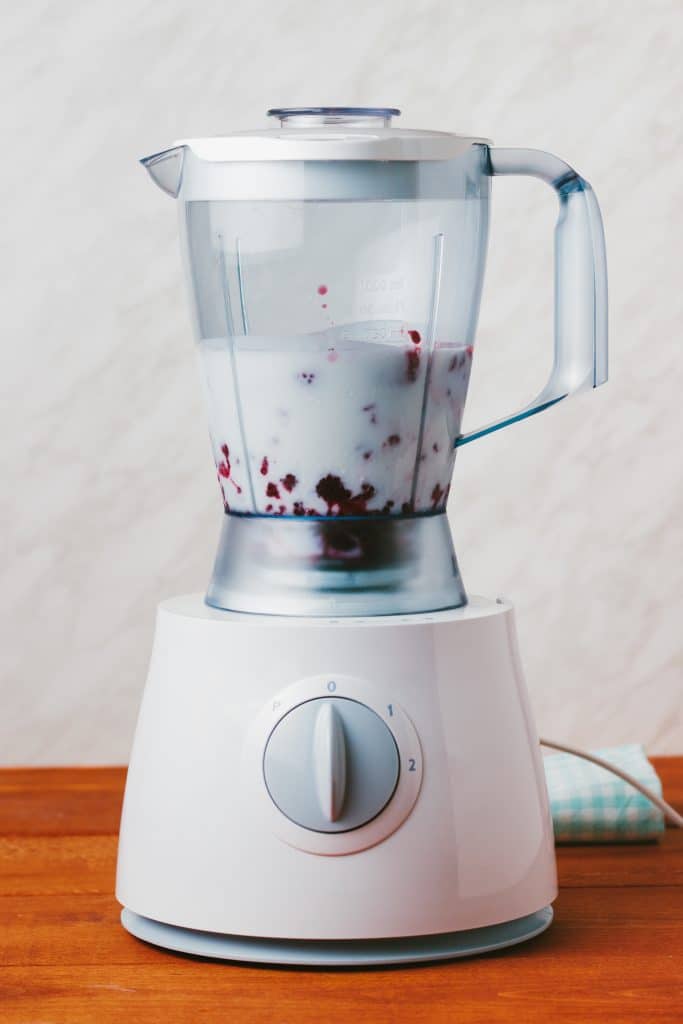
13. Stand Mixers and Blenders
Heavy stand mixers are one of the best examples of a kitchen appliance built to last. Plenty of them outlive the kitchens they were bought for.
Blenders vary more, but the motor base usually outlasts the jar and blade. Replacement jars and blade assemblies are sold for many models.
Don’t replace the whole machine when one part fails. Price out the part first.
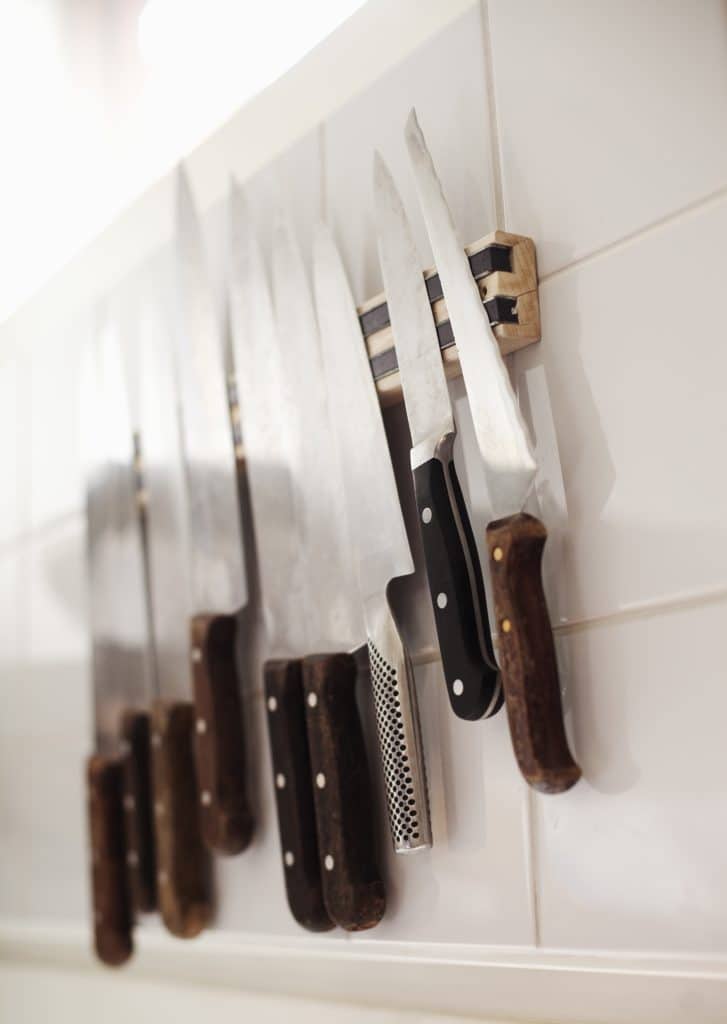
12. Kitchen Knives
Most knives that get thrown out aren’t broken. They’re just dull.
A honing rod keeps the edge aligned between uses, and a sharpening every so often restores it. Many hardware stores and farmers markets have someone who’ll sharpen knives for a few dollars apiece.
It’s the whole idea behind “buy cheap, buy twice,” one of the old money sayings that still hold up. A mid-range knife cared for properly beats a drawer full of cheap ones.
A dull knife is a maintenance problem, not a shopping problem.
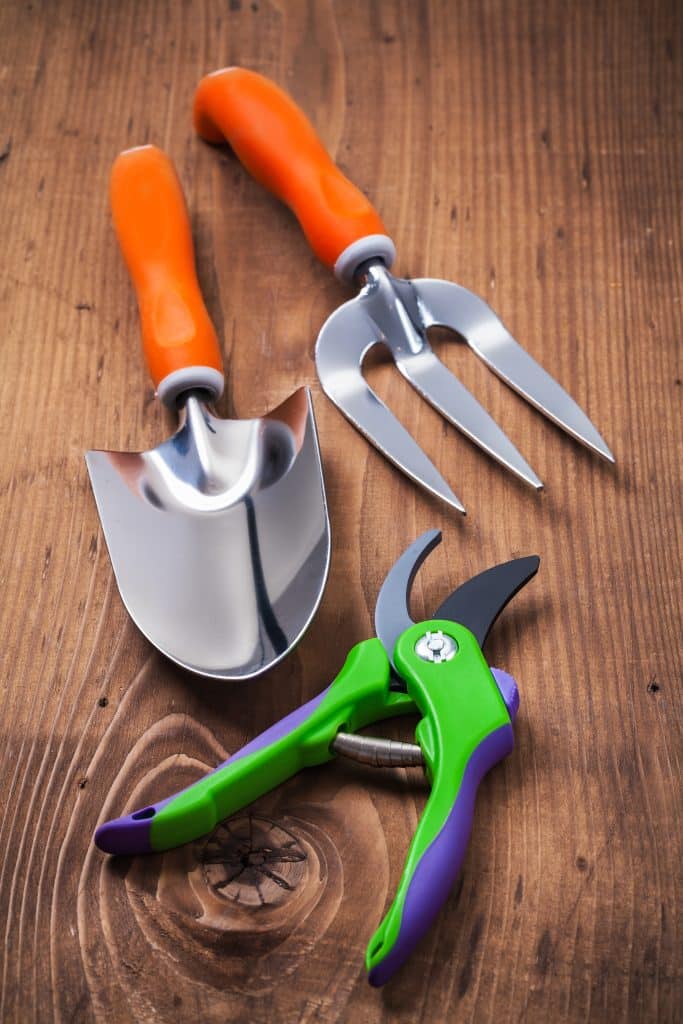
11. Garden Tools
Shovels, rakes, hoes, and pruners with steel heads and solid handles can last generations. They’re simple tools, and simple tools don’t have much to break.
Wipe them clean, keep them dry, and oil the metal before winter. A cracked wooden handle can be replaced for much less than a new tool.
Pruners and loppers just need a sharpen now and then. Dull blades crush stems instead of cutting them.
Worth remembering: a new handle is cheaper than a new shovel.
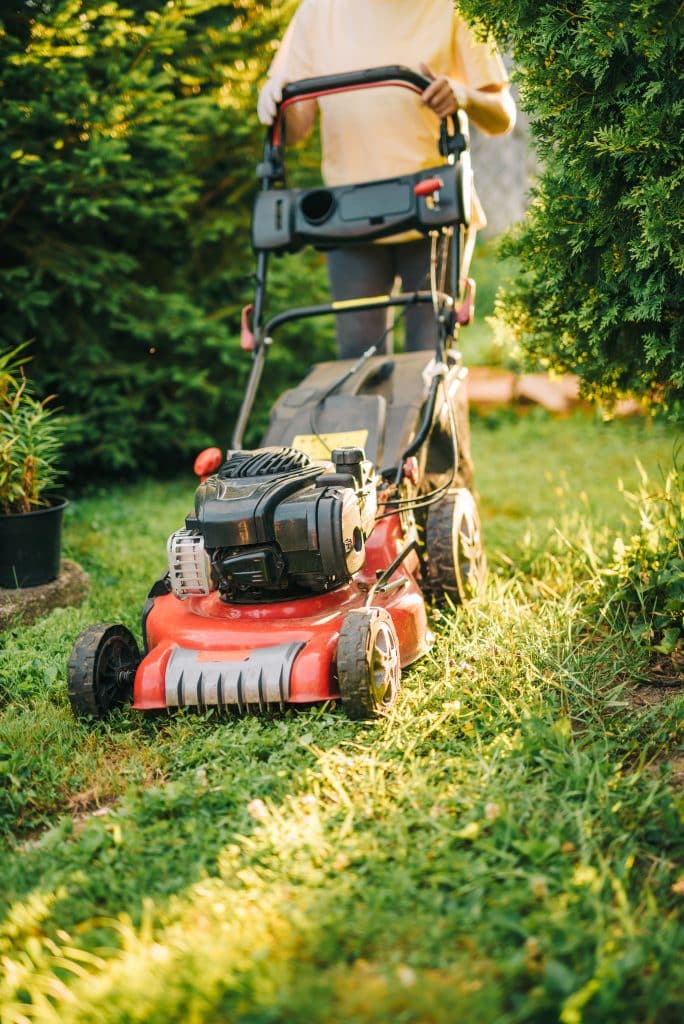
10. Lawn Mowers
Push mowers that get basic care can run for many years. The engine often outlasts the owner’s patience with yard work.
Change the oil, swap the spark plug and air filter, and sharpen the blade once a season. Draining or stabilizing fuel before winter prevents a lot of spring starting problems.
Most mowers that won’t start have old fuel or a dirty carburetor. Both are fixable, and a small engine shop can handle it if you’d rather not.
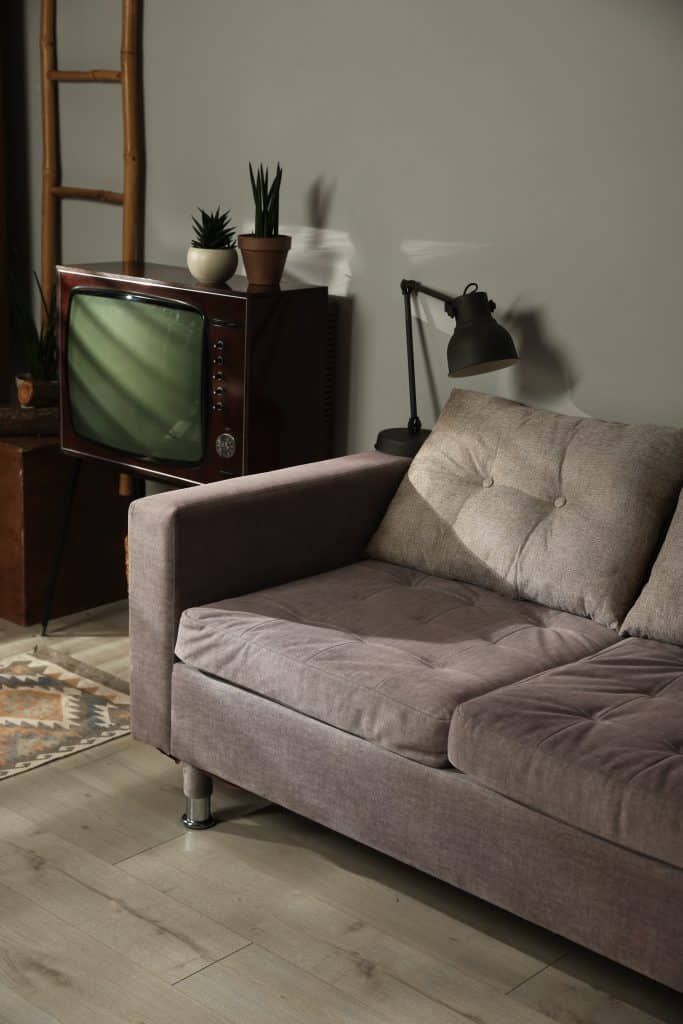
9. Sofas
A sofa with a hardwood frame and good springs can be reupholstered more than once. A particleboard frame usually can’t, and it tends to sag within a few years.
Sit on it, lift one corner, and listen for creaks before buying. A solid frame feels heavy and stays quiet.
Replacing the cushion foam is often all a tired sofa really needs. It costs a fraction of a new couch and can make the whole thing feel new again.
New foam before a new sofa, every time.
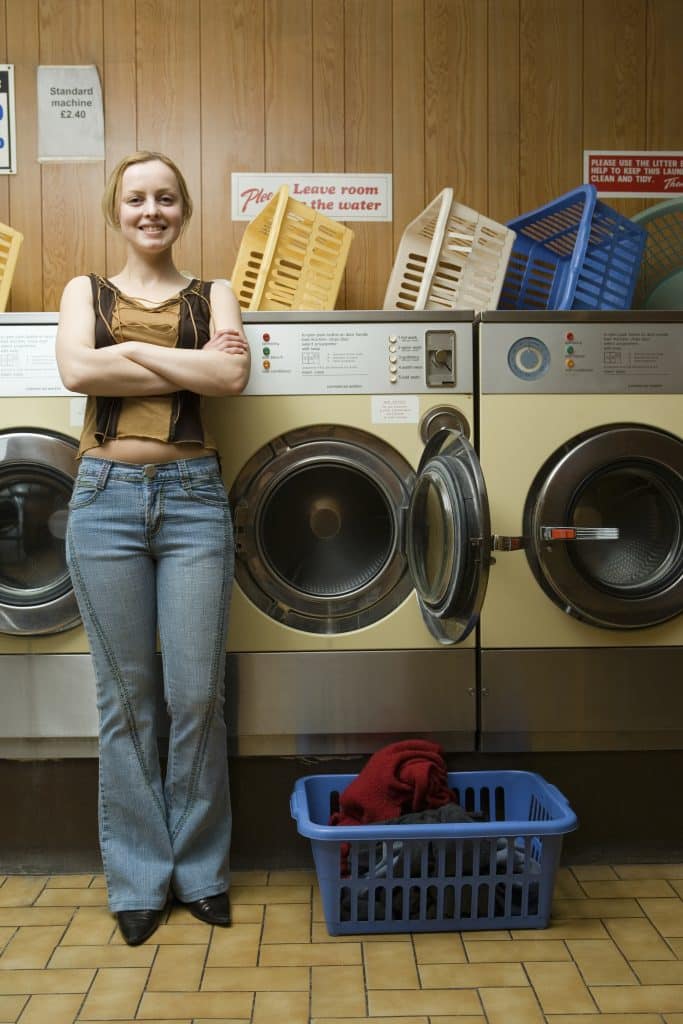
8. Washing Machines
Simpler washers with fewer electronics have a reputation for running a long time. Many common failures, like a worn belt, a bad pump, or a broken lid switch, come down to a single replaceable part.
|
You might also like
29 Forgotten 90s Dinners That Fed a Whole Family for Almost Nothing →
|
A repair visit usually costs a lot less than a new machine. Get a quote before assuming it’s time to shop.
Don’t overload it, clean the filter, and leave the door open after a cycle to prevent mildew. That’s most of the maintenance.
Rule of thumb: if the repair costs well under half of a new machine and the washer is otherwise solid, fixing it usually makes sense.
7. Refrigerators
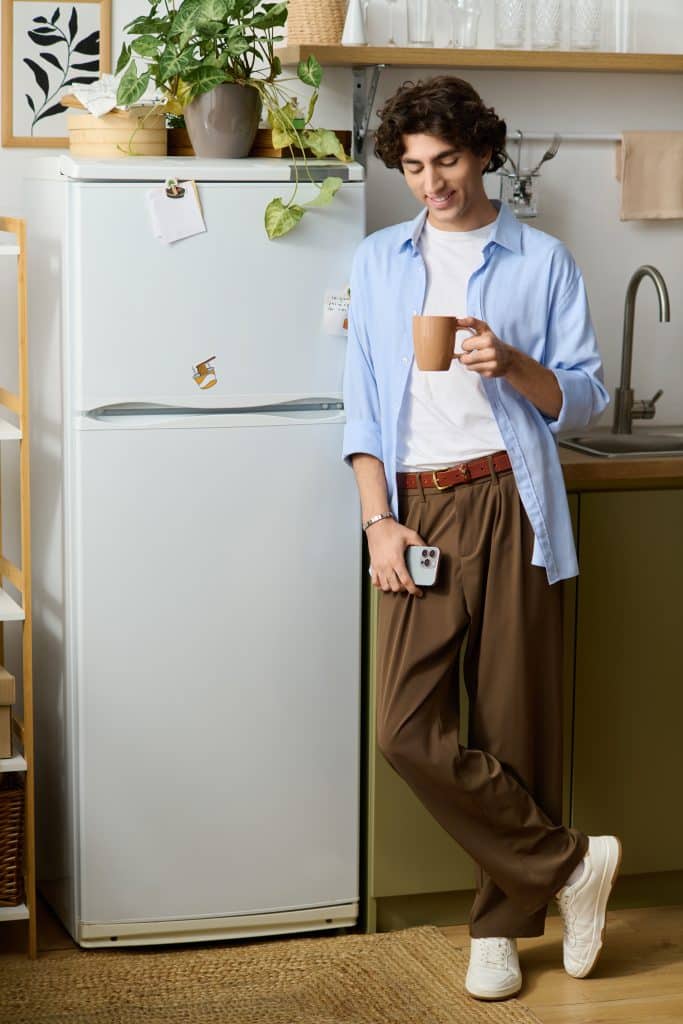
A fridge that keeps food cold is doing its job, and many run well past a decade. Cleaning the coils and checking the door gaskets keeps them going.
The honest exception is the ancient second fridge in the garage. Older refrigerators can use noticeably more electricity than newer ones, and running one just to chill a few drinks is one of those small leaks that quietly drain a bank account.
So keep the main fridge as long as it works. Just think twice about keeping a second old one plugged in year-round.
6. Solid Wood Furniture
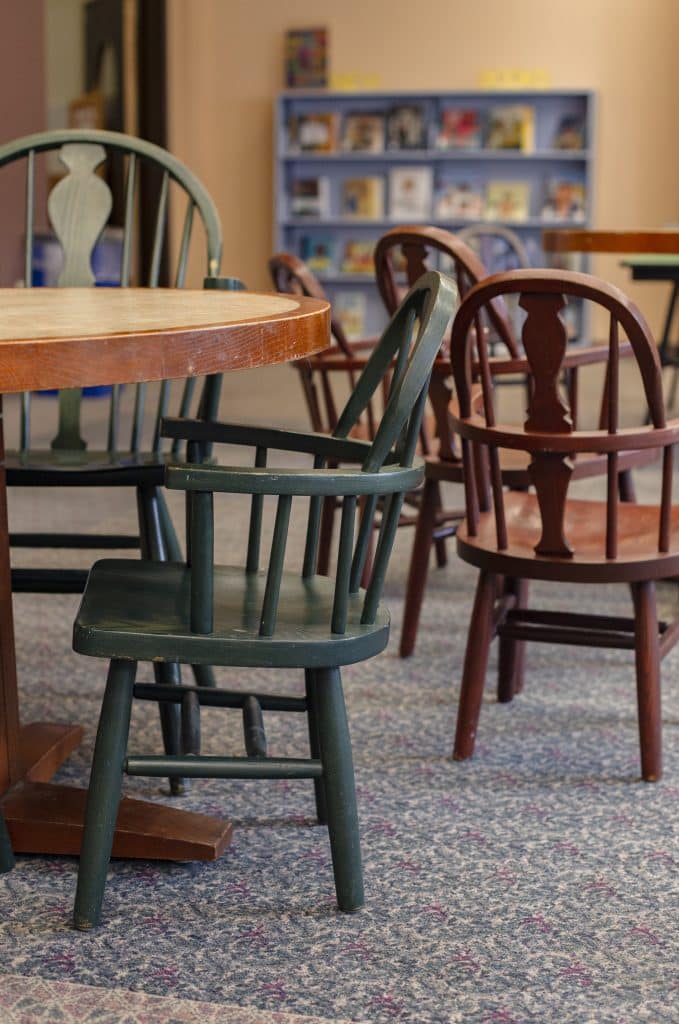
Antique stores and estate sales are full of solid wood dressers and tables, some of them older than anyone shopping there. That tells you how long the stuff lasts.
Scratches can be sanded, finishes can be redone, and loose joints can be reglued. Particleboard mostly can’t be fixed once it swells or cracks.
If a piece is solid and just looks dated, refinishing it is usually cheaper than replacing it.
Dated isn’t broken, and solid wood can always be refinished.
5. Hand Tools
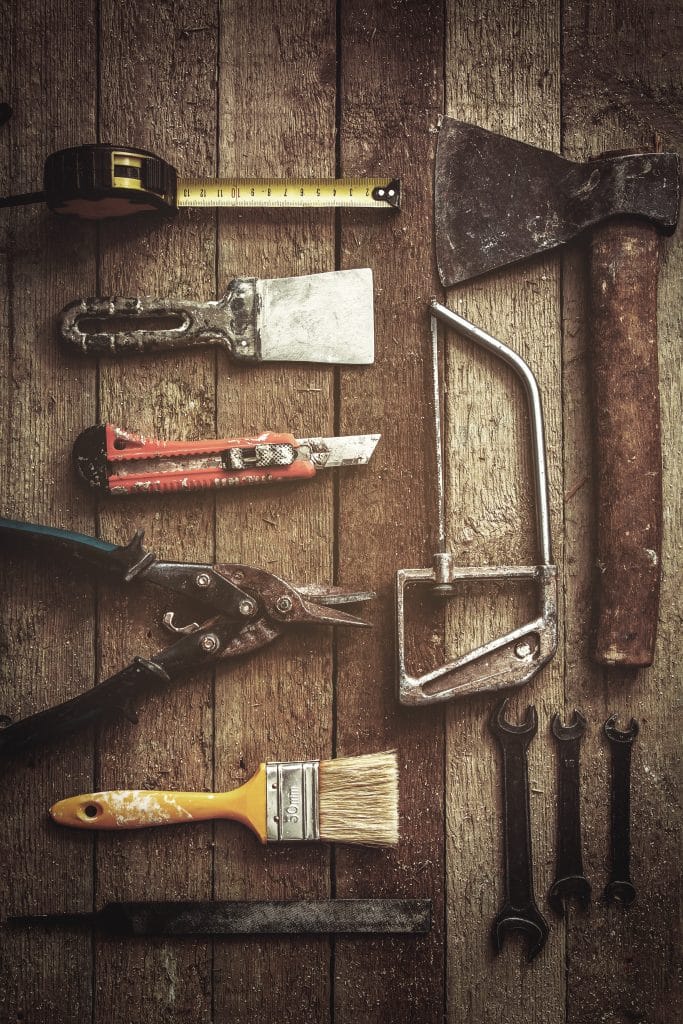
Hammers, wrenches, screwdrivers, and pliers made from forged steel can outlast several owners. Some tool makers even back their basic hand tools with lifetime warranties.
Keep them dry, wipe off rust, and don’t use screwdrivers as pry bars. That’s about it.
Where this lands: buy the basic set once, and add pieces only when a real project calls for them.
4. Stainless Steel Cookware
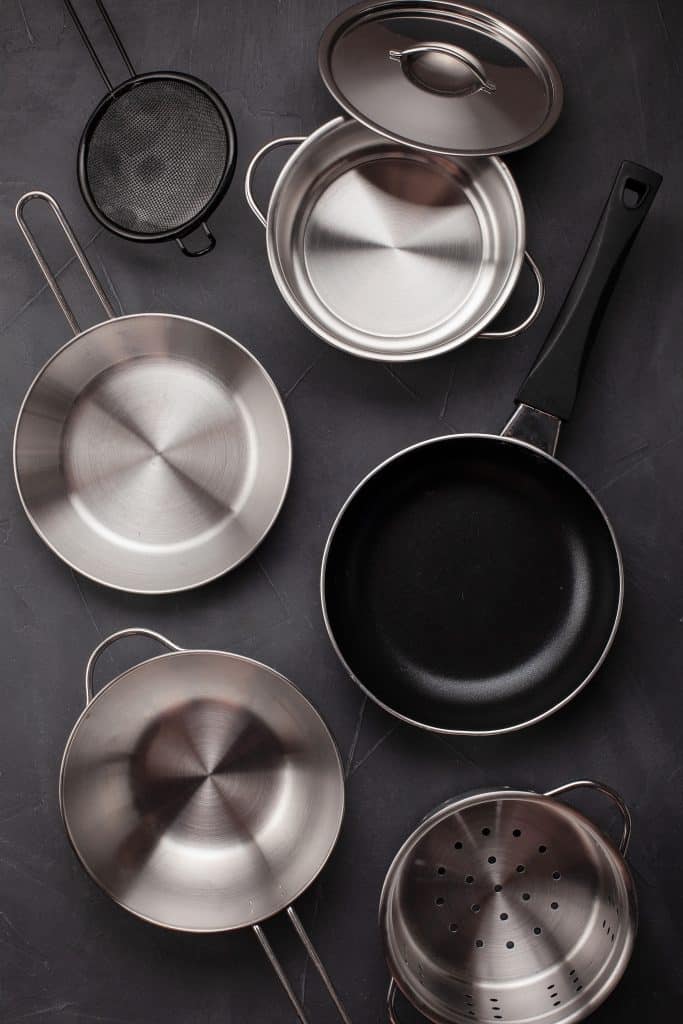
Stainless steel pots and pans can last a lifetime. There’s no coating to wear off, so there’s nothing to peel or flake.
Stuck-on food comes off with a soak and a little baking soda. Discoloration is cosmetic and doesn’t affect cooking.
Nonstick is the exception, since the coating does wear out over time. Keeping just one nonstick pan for eggs and letting stainless handle everything else fits right in with other cheapskate tricks that actually work.
3. Cast Iron
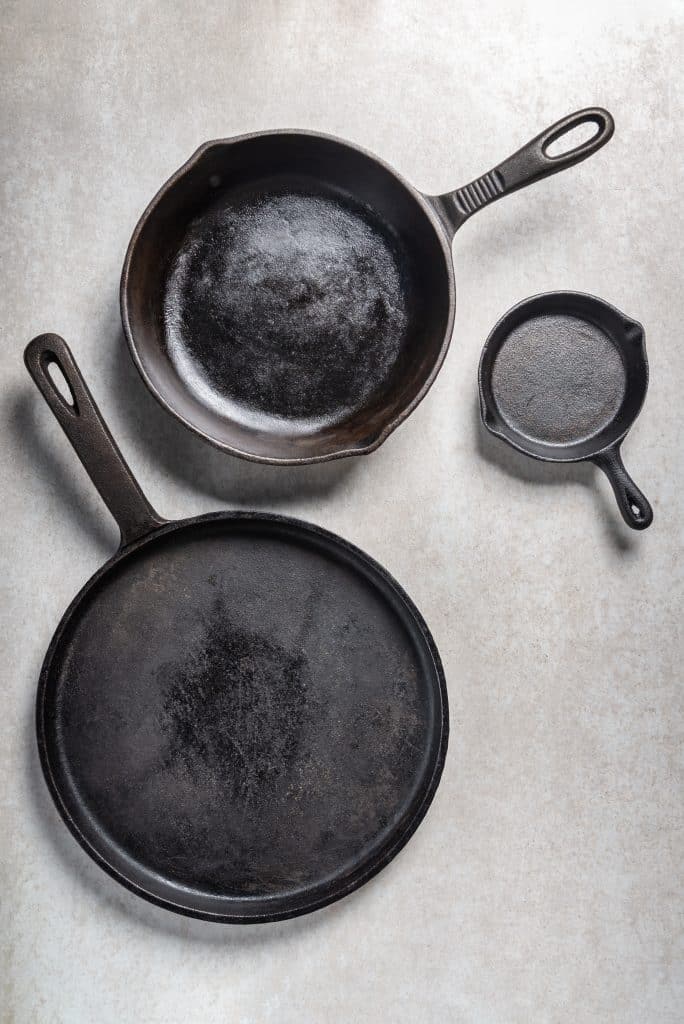
Cast iron is the classic example of a pan built to last. People cook on skillets their grandparents bought, and the pans are often better for it.
Rust looks alarming but is almost always fixable. Scrub it off, dry it on the stove, rub in a thin layer of oil, and bake it to re-season.
The only real way to ruin one is cracking it, which usually takes serious abuse. Otherwise it just keeps going.
A rusty skillet is a weekend project, not a lost cause.

2. Your Car
Modern cars routinely run well past the mileage people once considered the end of the road. With regular maintenance, many stay reliable long after the loan is paid off.
Those post-loan years are often the cheapest years of ownership. There’s no payment, and routine maintenance on a healthy car usually costs less than a monthly note would.
Keeping a paid-off car longer on purpose is one of those weird habits financially successful people swear by. It isn’t glamorous, but it works.
It isn’t always right, though. When repairs start costing more than the car is worth, or safety becomes a concern, that’s a personal call this article doesn’t make, and a trusted mechanic’s opinion matters more than any list.
The upshot: the cheapest car is often the one already in your driveway.
1. Anything Repairable
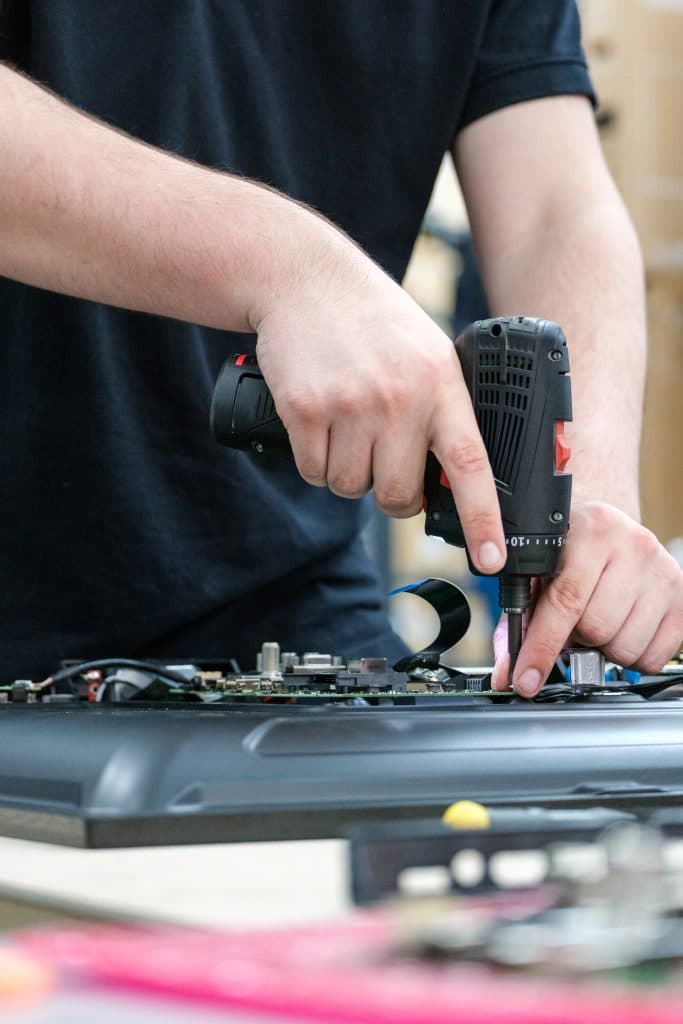
This is the thread running through the entire list. The things that last aren’t magic, they’re repairable.
When a product can be opened, has replaceable parts, and has a repair shop or a how-to video somewhere, it can keep going for years. When it’s glued shut with no parts available, it’s disposable no matter what it cost.
So before buying anything that’s supposed to last, ask a few questions. Can it be repaired, are parts sold separately, and is there a local shop that works on this kind of thing?
Those belong right alongside the questions smart shoppers ask before buying anything. They take a minute, and they tend to steer you toward products that stick around.
And when something does break, try the repair before the replacement. A new belt, a new battery, or a new handle is almost always cheaper than a new everything, and it keeps a perfectly good thing out of the landfill.
Buy It Once, Keep It Longer
Nobody needs to turn their house into a museum of old appliances. The point is just to stop replacing things that still work, or that could work again with a small fix.
If you only do a few: sharpen your knives instead of buying new ones, keep a paid-off car longer if it’s safe and reliable, re-season the cast iron, and try the cheap repair before replacing anything.
Those small choices are part of a bigger pattern, the kind of habits people who are good with money never skip. None of them are dramatic, and all of them add up.