
39 Things Your Parents Rented That Everyone Buys Now (And When the Old Way Was Right)
Some links may be affiliate links. We may earn a commission at no extra cost to you. View our full disclosure.
My father-in-law once told me a story about calling the phone company to schedule a “phone visit.” Not a repair. A visit, because the telephone sitting on his kitchen wall wasn’t his. It belonged to the phone company, and he paid a monthly fee for the privilege of having it there.
That sounds absurd now. But renting instead of owning used to be the default for a huge chunk of what filled an American home. Furniture, TVs, formal wear, even the machines used to clean the carpet once a year, all of it moved through rental counters and leasing agreements before it ever became something you just walked into a store and bought outright.
Somewhere between cheaper manufacturing, bigger stores, and easy financing, the math flipped. Owning got cheap enough, and renting got expensive enough, that buying became the obvious move for almost everything on this list.
Almost everything. A few entries here are honest exceptions, cases where renting still quietly wins and buying is the trap. We’ll flag those as we go.
Here are 39 things your parents, or grandparents, routinely rented that most households now own without a second thought.

39. Formal Jewelry for Events
Renting a nice watch or a statement necklace for a wedding or a gala used to be a normal errand, right alongside picking up the dry cleaning. Jewelry rental counters existed in department stores specifically for this.
Now people buy a “good enough” piece once and wear it to everything. It costs more up front, but there’s no last-minute counter run and nothing to return by Monday.
The math: one mid-range piece worn for a decade of events usually beats a decade of one-off rental fees.

38. Golf Clubs
Course rental sets used to be how most casual golfers played. You showed up, rented a bag, and played nine holes without owning a single club.
Now a full starter set is cheap enough, and used sets are everywhere, that renting every round adds up faster than just buying your own. Most weekend golfers own clubs before they’ve broken 90 even once.
Renting still makes sense for a single vacation round. Owning makes sense the moment you’re playing more than a couple times a year.
37. Waterbeds
Waterbeds were a genuine rental category in the late 70s and early 80s, with dedicated stores that leased the frame, the mattress, and the heater as a package. Buying one outright was a real financial decision back then.
Mattress technology moved on, waterbeds mostly disappeared, and the few people who still want one just buy the whole setup new. There isn’t really a rental market left to compare it against.
Worth remembering: a lot of “renting was normal” items on this list didn’t get replaced by buying so much as they got replaced by something else entirely.
36. Home Security Systems
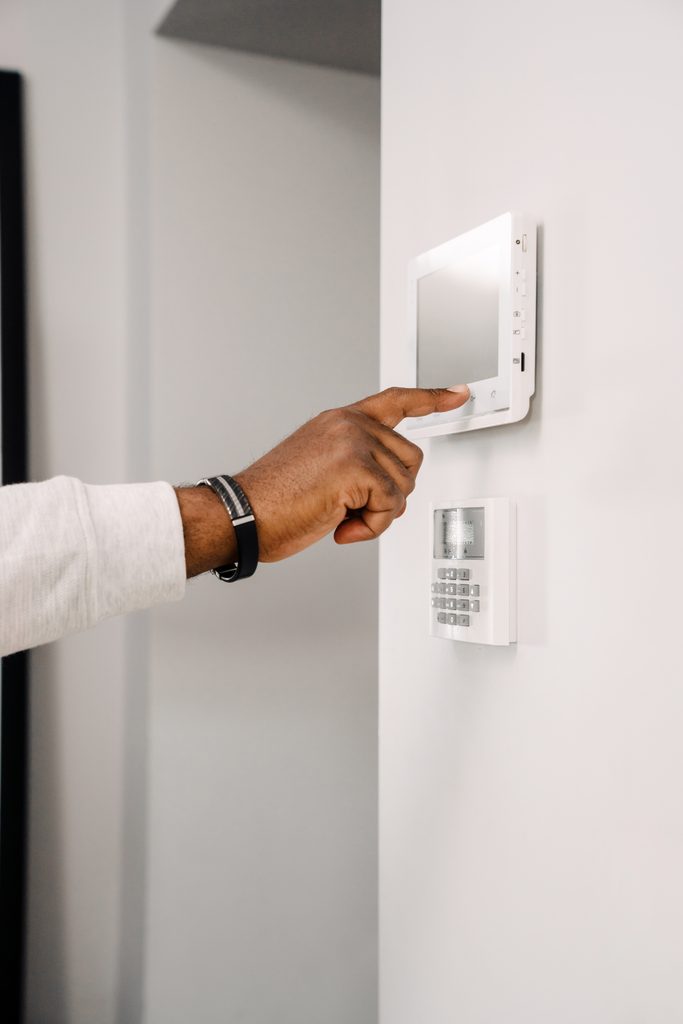
For decades, a home alarm meant a leased control panel and sensors, installed by a technician and billed monthly whether you ever tripped the alarm or not. The equipment itself was never yours.
Wireless smart-home systems changed that completely. Most households now buy the cameras and sensors outright and either skip monitoring entirely or pay a much smaller fee for the software layer.
The old leased hardware model quietly survives in some commercial buildings. At home, it’s mostly gone.
35. Satellite TV Equipment
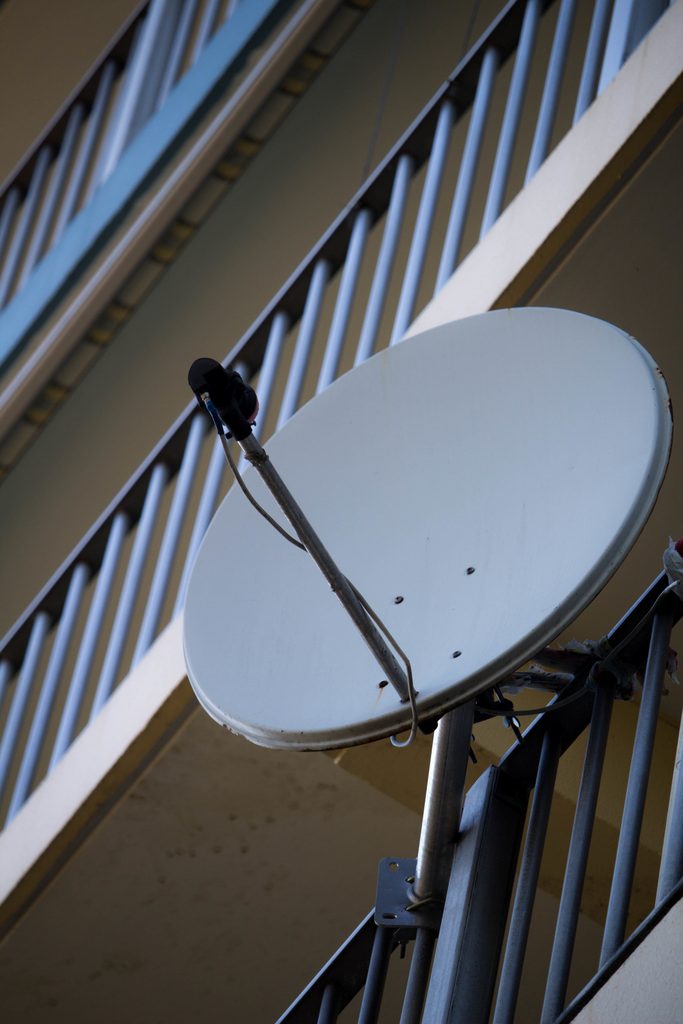
Early satellite TV came with a leased receiver and dish, part of the monthly bill for as long as you kept the service. Cancel the service and the hardware went back in a box to the provider.
Streaming boxes flipped that model. You buy the little device outright for a modest one-time cost and it’s yours whether you keep any particular subscription or not.
Net effect: the hardware got cheap enough that leasing it stopped making sense for either side of the transaction.
34. Snow Blowers
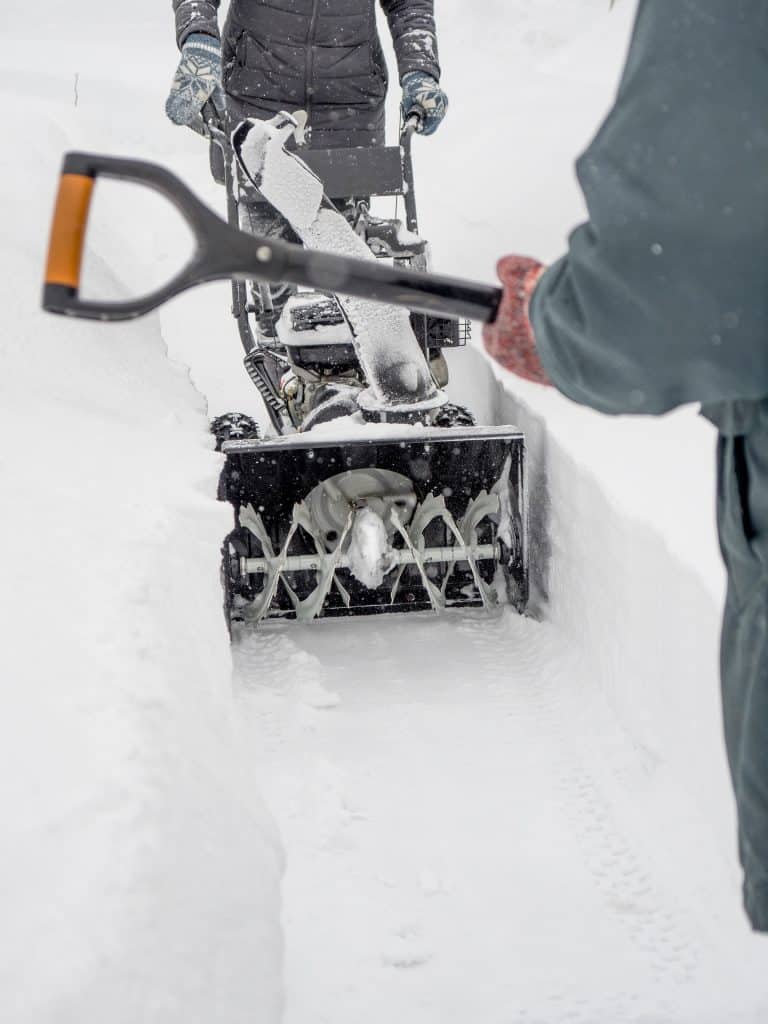
In a lot of snowy towns, the hardware store’s rental fleet used to sell out by the first real storm. A snow blower was a once-or-twice-a-winter tool, so renting it for a weekend made obvious sense.
Now most homeowners in snow country just buy one and store it in the garage year-round. The convenience of not waiting in a rental line during a storm won out.
If you get one real storm a year, renting is still arguably the smarter call. Most people just don’t bother running that math.
33. Lawn Mowers
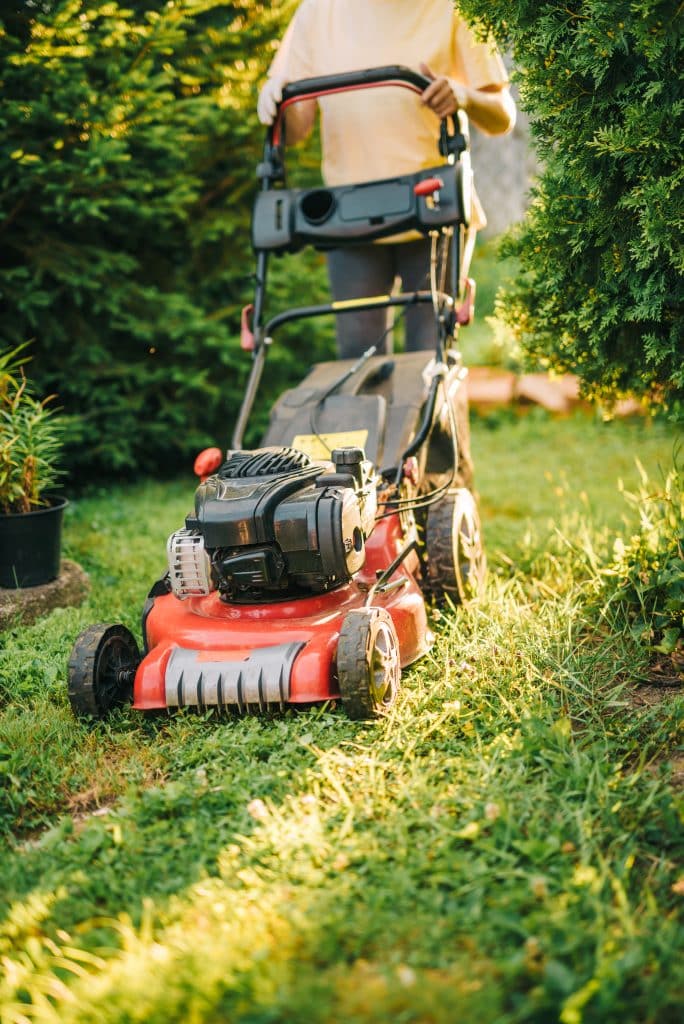
Push mowers used to be rented by the weekend from garden centers, especially by renters and apartment dwellers with a small patch of grass to maintain. Owning one felt like overkill for a task that took twenty minutes.
Cheap entry-level mowers changed the math entirely. A basic mower now costs about what a single season of weekly rentals would have run, so buying one built to last a few years became the obvious choice.
The upshot: anything you’ll use weekly for months at a time almost always beats renting on price alone.
32. Sewing Machines
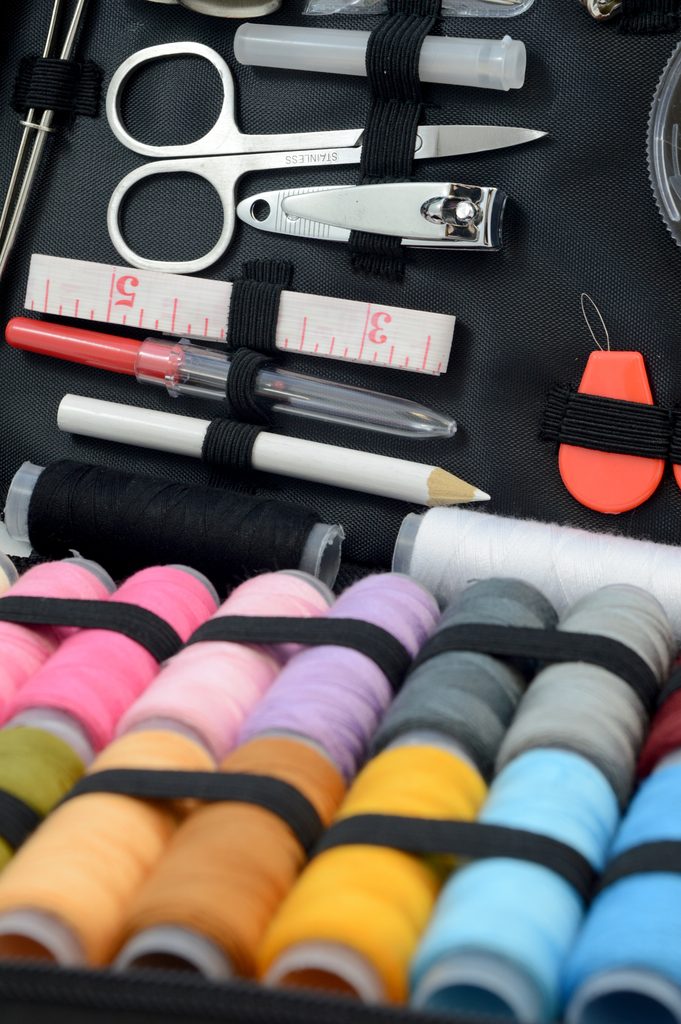
Some fabric shops used to rent out machines by the day for people working on a single project, like a costume or a wedding alteration. It saved buying an expensive machine for a job you’d never repeat.
Basic sewing machines got affordable enough that most people who sew even occasionally just own one now. It sits in a closet between projects instead of going back to a shop.
Ironically, plenty of those owned machines get used less often than the rentals ever did.

31. School Band Instruments
This one is actually the exception that proves the rule. School band and orchestra instruments are one of the last widespread rental categories left standing, and for good reason.
Kids grow, interests change, and a decent instrument is genuinely expensive. Renting through fourth grade before committing to a purchase still makes financial sense for most families.
Where this lands: once a kid sticks with an instrument for a couple of years, buying used almost always beats continuing to rent.
30. Home Exercise Equipment
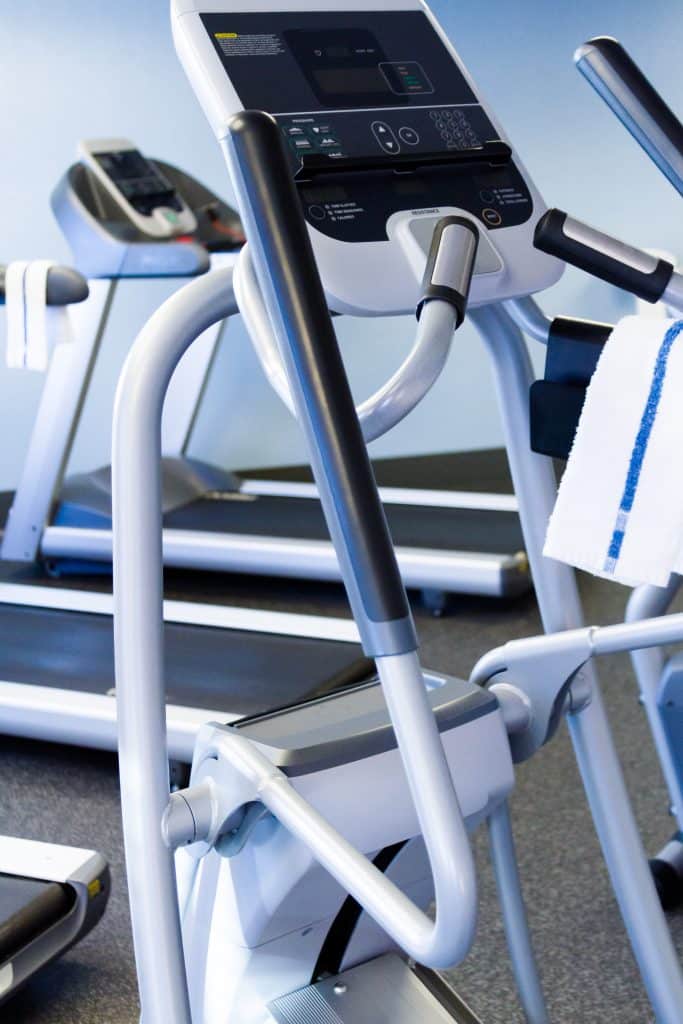
Rent-to-own showrooms used to carry treadmills and exercise bikes right alongside furniture, aimed at people who wanted the equipment without the big upfront cost. It was a common New Year’s resolution purchase.
|
Rewind
27 Childhood Snacks That Quietly Changed (And Nobody Noticed) →
|
Big-box and secondhand markets for home gear got so deep that renting stopped making sense for anything but commercial gyms. Buying used now runs a fraction of what a rental agreement used to cost per year.
The equipment itself hasn’t changed much. The path to owning it did.

29. Halloween Costumes
Costume rental shops used to be a real fixture every October, especially for adults putting together group costumes for one night. It felt wasteful to buy something you’d wear once.
Cheap mass-produced costumes changed that calculation completely. It’s now often cheaper to buy a costume outright than it was to rent one twenty years ago, which is exactly the kind of shift worth flipping into cash yourself if you’ve got gear sitting unused.
Kids’ costumes especially get worn once and forgotten in a bin. Buying still wins on convenience even when renting might win on cost.
28. Formal Ballroom Shoes
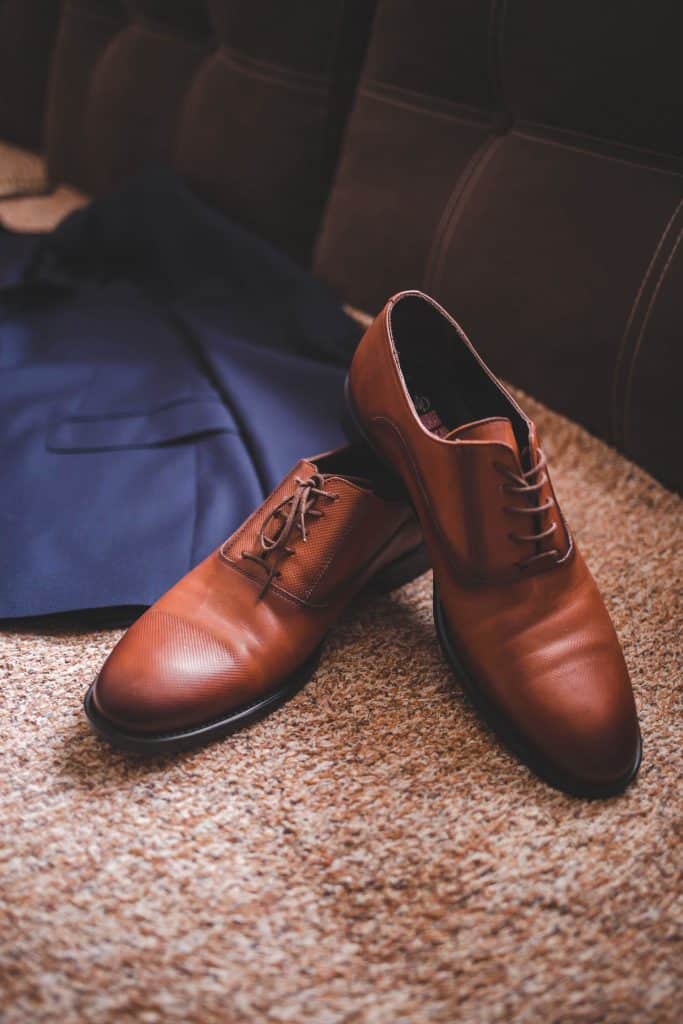
Formal shoes used to come bundled with tuxedo rentals as a matter of course, since nobody wanted to buy a pair of dress shoes they’d wear once a decade. The shoes were an afterthought line item.
Now that tuxedo purchases have become more common, the shoes usually get bought too, as part of the same decision. A basic pair of black dress shoes also does double duty for job interviews and funerals, so the purchase earns its keep.
Net effect: once you own the jacket, owning the shoes stops feeling optional.

27. Tanning Bed Sessions
Tanning salons rented bed time by the session or the month, and it was a genuinely popular category in the 90s. Home tanning beds existed but were expensive and impractical for most households.
Self-tanning products and spray tans have mostly replaced the bed itself, both the rented sessions and the idea of owning one. Nobody’s buying a home tanning bed in 2026 the way they might have considered one in 1996.
This is another case of the category disappearing rather than shifting from renting to owning.

26. College Textbooks
Textbook rental programs through campus bookstores were the default money-saving move for a long stretch, and honestly still exist in a lot of places. But digital access codes changed the underlying economics.
Many courses now require a one-time-use digital code that can’t be rented, resold, or shared at all, which quietly pushed a lot of students back toward buying. That “you must purchase this to pass the class” model is one of the more frustrating money myth in modern education.
Physical textbook rental still beats buying when it’s available. It just isn’t always an option anymore.
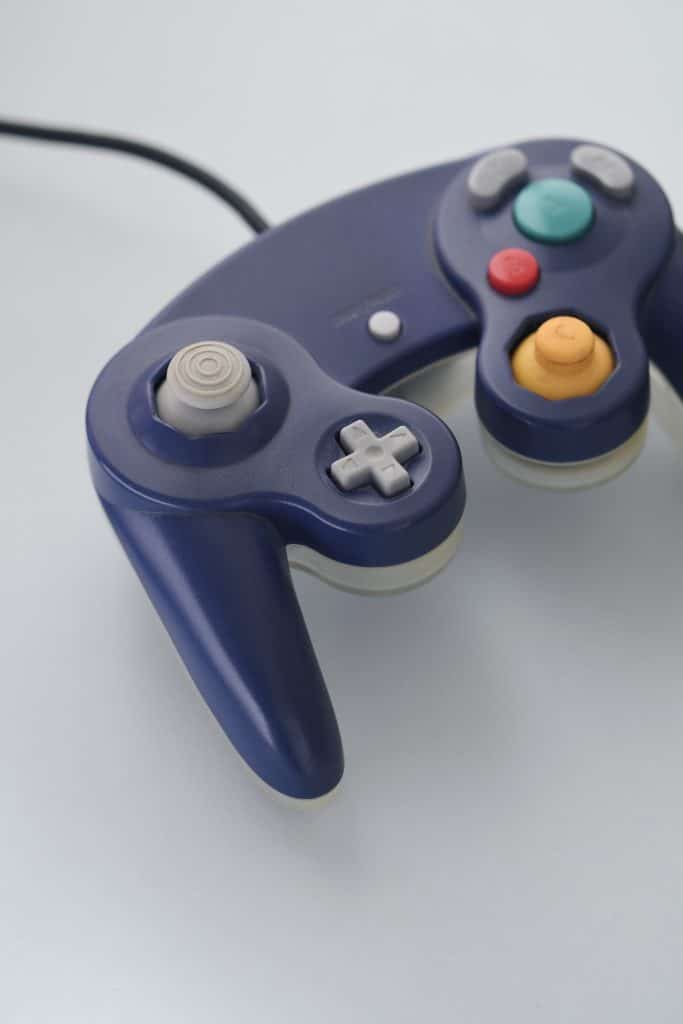
25. Video Games From the Rental Store
Renting a game for the weekend used to be a Friday-night ritual, complete with the mad dash to return it before the late fee kicked in. Buying a new game outright felt like a real financial commitment.