
35 Weird Money-Saving Habits That Really Pay Off
Some links may be affiliate links. We may earn a commission at no extra cost to you. View our full disclosure.
Every family seems to have that one person with a habit nobody else quite understands. The one who rinses out plastic bags. The one who won’t buy anything without checking the unit price first.
That same person somehow always has a little more left over at the end of the month than everyone else.
Most of the time, those habits look small enough to laugh at. That’s usually a mistake.
The truth is that a lot of what looks quirky from the outside is just discipline wearing a strange outfit. These aren’t get-rich tricks or extreme budgeting stunts. They’re small, repeatable moves that quietly add up, the kind that don’t make for a dramatic before-and-after photo but do show up in your bank balance a year later.
I’ve spent years watching which of these actually hold up and which ones are just internet noise. What follows is 35 of the ones that survive real life: kids, busy weeks, and the occasional bad month.
Counting down from the smaller wins to the one habit that changes how every other habit on this list works.

35. The 30-Day “Want List” Before Buying
Instead of buying something the moment you want it, you write it on a running list with the date. Nothing gets purchased until 30 days pass.
Most items quietly fall off the list on their own. The ones that survive a full month were probably worth buying anyway.
The upshot: it’s not about denying yourself. It’s letting time do the filtering instead of your mood on a Tuesday night.
34. Freezing Bread the Moment You Buy It
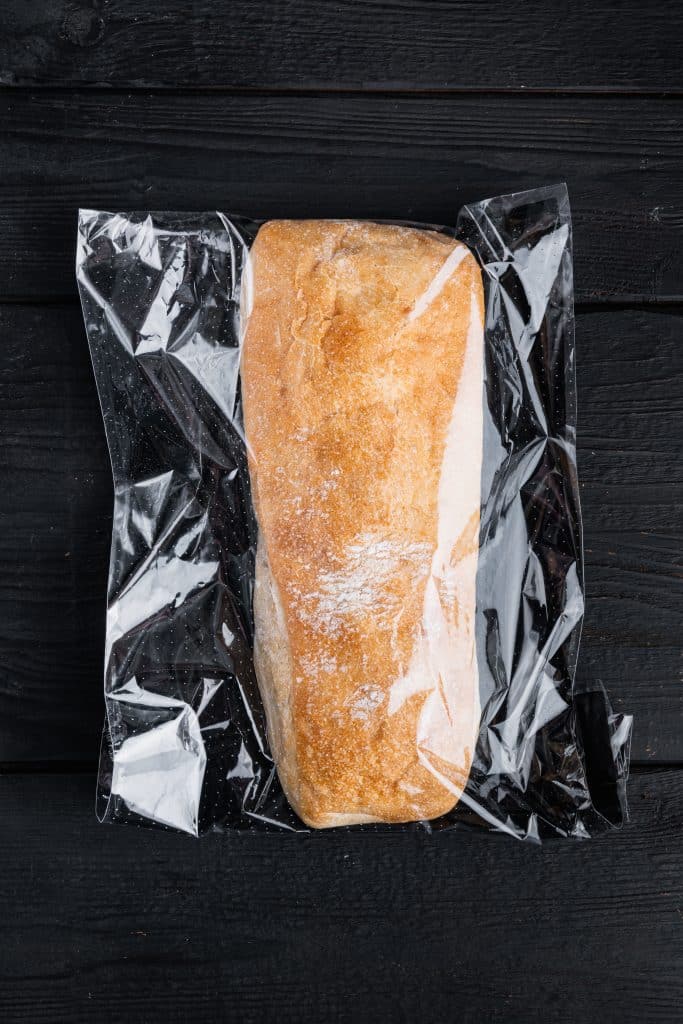
Bread goes stale faster than almost anything else in the kitchen. The fix is embarrassingly simple: freeze half the loaf the day you bring it home.
Toast pulls slices straight from frozen just fine. Sandwiches thaw on the counter in about twenty minutes.
It sounds too small to matter, and by itself it kind of is. Stack a dozen habits like it and the pattern starts to matter a lot more.

33. Buying Greeting Cards at the Dollar Store, Not the Pharmacy
A pharmacy-aisle greeting card can run you six or seven dollars for a folded piece of cardstock. A dollar store card, wrapping paper aisle included, does the exact same job for a fraction of that.
Nobody has ever kept a card because of where it was purchased. The sentiment survives the markdown just fine.
32. Cutting Open Tubes and Containers to Get the Last Bit
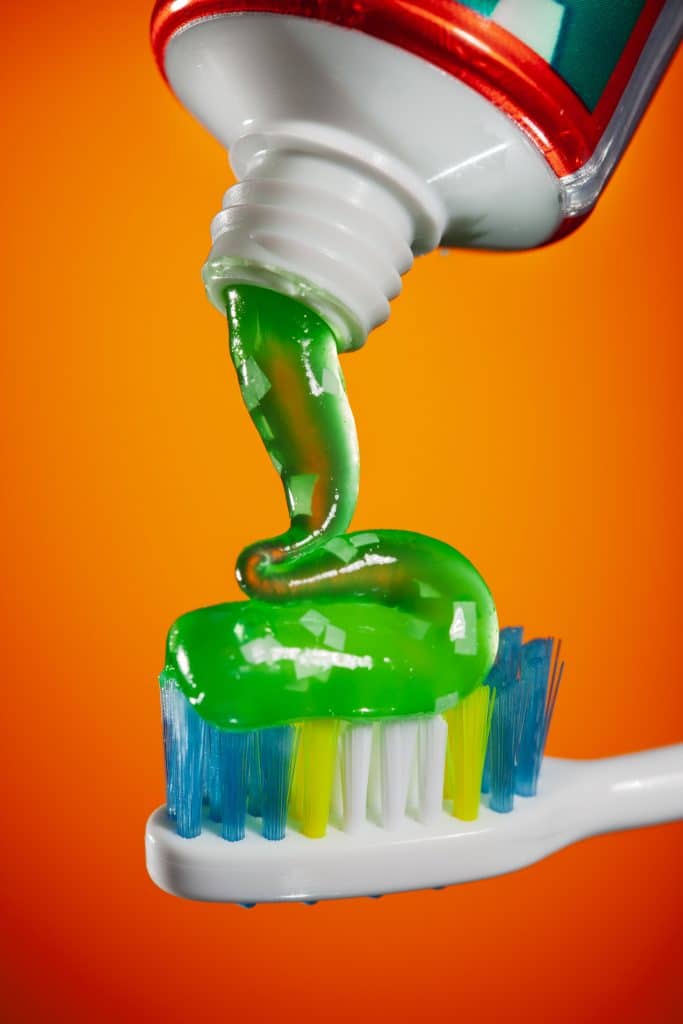
Toothpaste, lotion, sunscreen, cooking paste. Most tube and squeeze-bottle products still have ten to fifteen percent of product left when they start feeling “empty.”
Cutting the container open with scissors recovers all of it. It’s a genuinely odd-looking habit if someone catches you doing it in the bathroom, and also a free week or two of product every single time.
31. Shopping the Markdown Sticker Aisle First
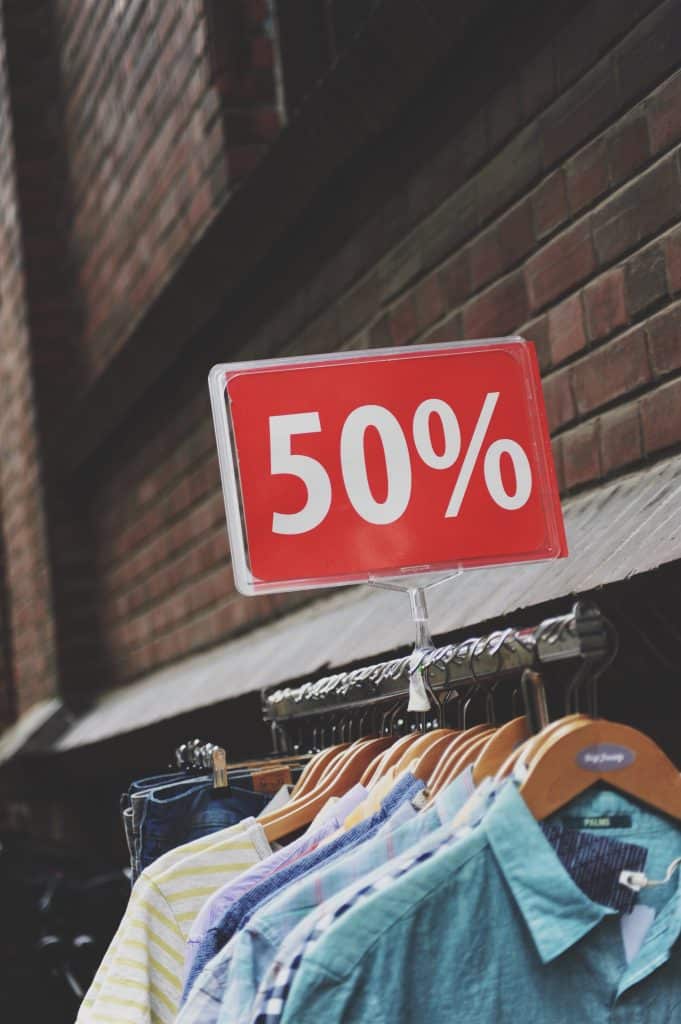
Before you even glance at the regular shelves, you walk the clearance rack or the marked-down endcap first. Whatever’s there gets first dibs on the shopping list.
It flips the whole trip around. Instead of building a list and hoping for deals, you’re building meals and outfits around the deals that already exist.
Worth remembering: this only pays off if you actually use what you buy. A markdown you never touch isn’t a deal, it’s just clutter with a receipt.

30. Keeping a Household Inventory Before You Shop
A running list, taped inside a cabinet door or kept in your phone, tracking what’s already in the pantry and freezer. You check it before you shop, not after.
It sounds like overkill until the third time you find two unopened jars of the same sauce. After that it just becomes routine.

29. Using a Slow Cooker for the Cheaper Cuts of Meat
The tough, inexpensive cuts of meat need low heat and patience more than they need a high price tag. A slow cooker gives them both without you standing over a stove.
Same dinner, roughly half the cost per pound, and honestly better texture most of the time. It’s less a sacrifice than it looks from the outside.
|
Money Stuff
31 Things People Stopped Buying Once They Got Smart With Money →
|
28. Buying Spices From the Bulk Bins Instead of the Rack
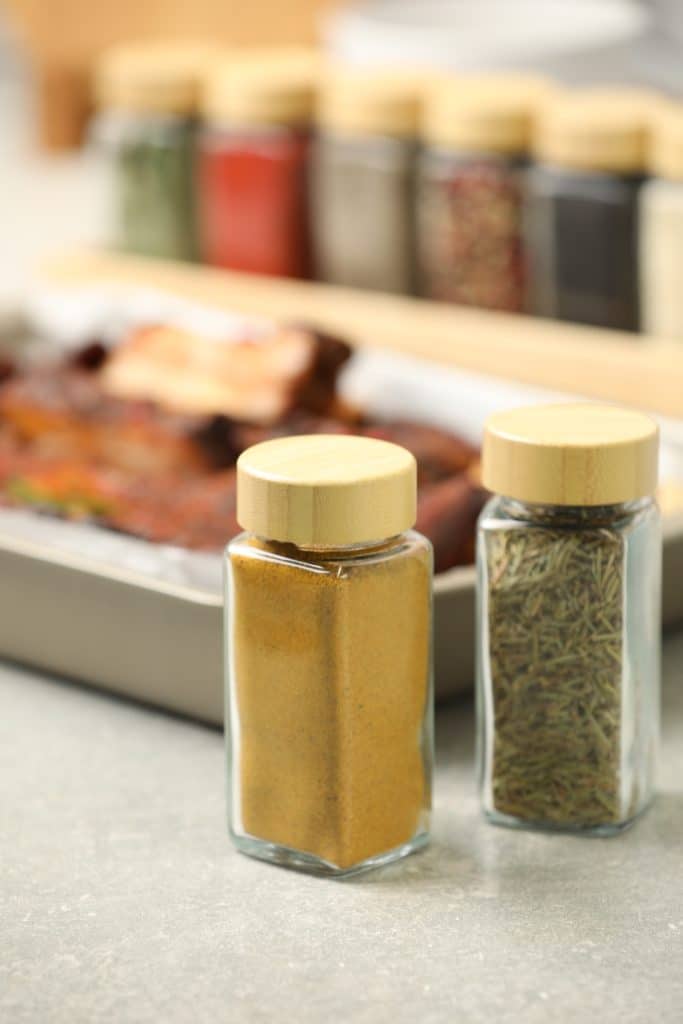
A name-brand spice jar can cost four or five dollars for what amounts to an ounce of seasoning. Bulk bins and the international aisle sell the same spice for a fraction of that.
You buy exactly what you’ll use before it loses its flavor, instead of a jar that sits in the cabinet for three years.
The math: it’s routinely a 60 to 70 percent difference for the same jar, roughly, item for item.
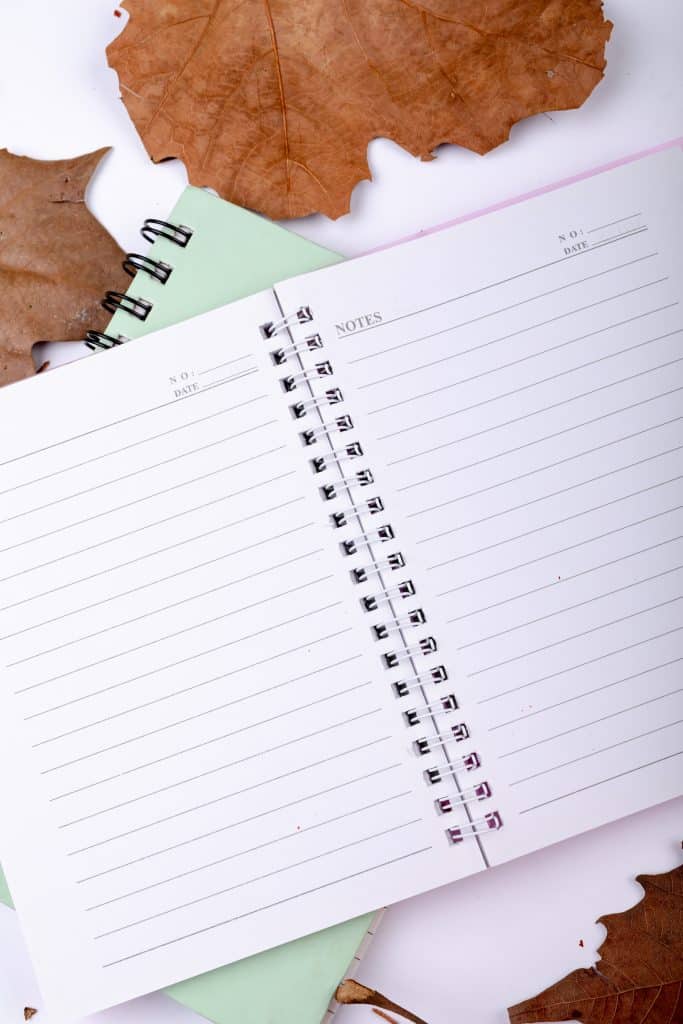
27. Keeping a Small Notebook of Prices
A short list of what you regularly buy, and what it typically costs at the two or three stores near you. It sounds like a spreadsheet person’s fantasy, and it kind of is.
It also means you know instantly when a “sale” price isn’t actually a deal at all, just a return to the normal price after an artificial markup. That happens more often than most people assume.

26. Buying Clothes at the End of the Season, Not the Start
Winter coats go on clearance in February. Swimsuits get marked down in August. Buying a year ahead of when you’ll actually wear something feels backward, and it’s how you avoid ever paying full price for a coat again.
It takes a little planning and a storage bin. That’s about the entire cost of admission.
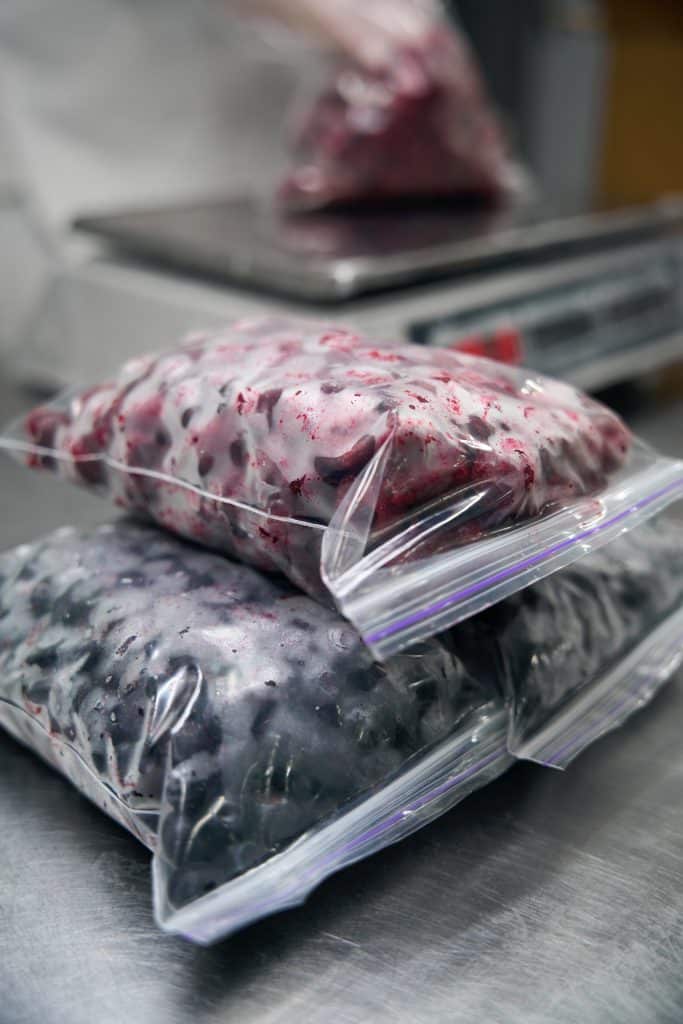
25. Rinsing and Reusing Resealable Bags
Not every bag needs to be reused, and nobody’s suggesting you rinse out the one that held raw chicken. But the bag that held pretzels or produce can go a few more rounds with a quick rinse and an air-dry.
Net effect: a box of bags stretches noticeably further, and it’s one less thing going straight into the trash.
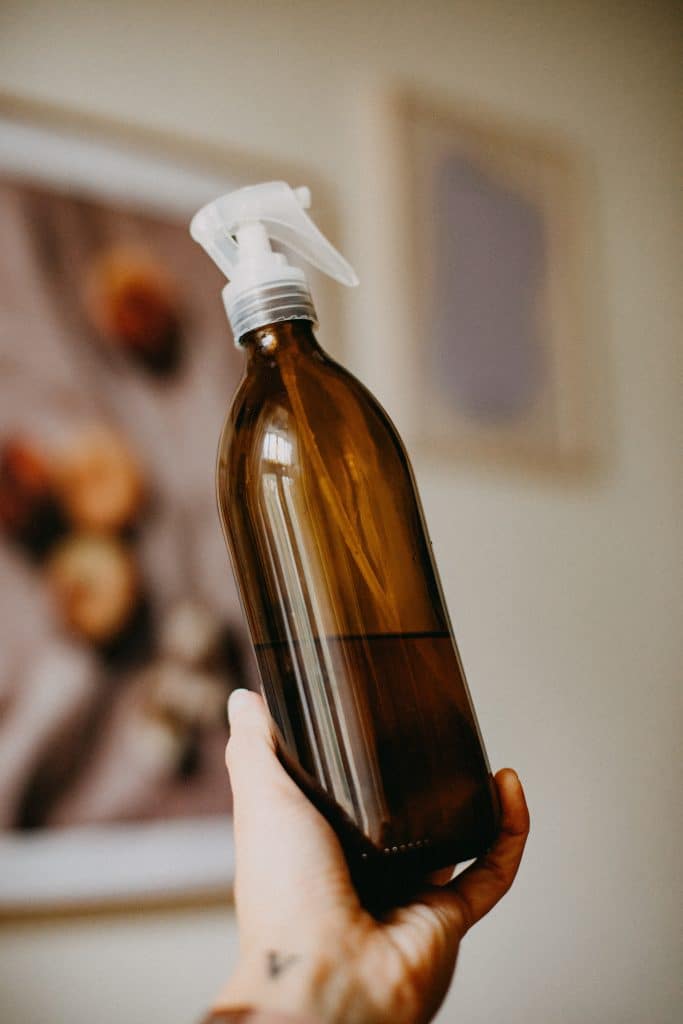
24. Making Your Own Cleaning Concentrates
A lot of household cleaners are mostly water with a small amount of active ingredient and a lot of branding. A basic concentrate mixed with water at home covers most everyday cleaning jobs for a fraction of the cost.
It won’t replace every specialty product in your cabinet, and it doesn’t need to. It just needs to replace the ones you’re buying every single month, which is a good place to start cutting household items you no longer need to buy.
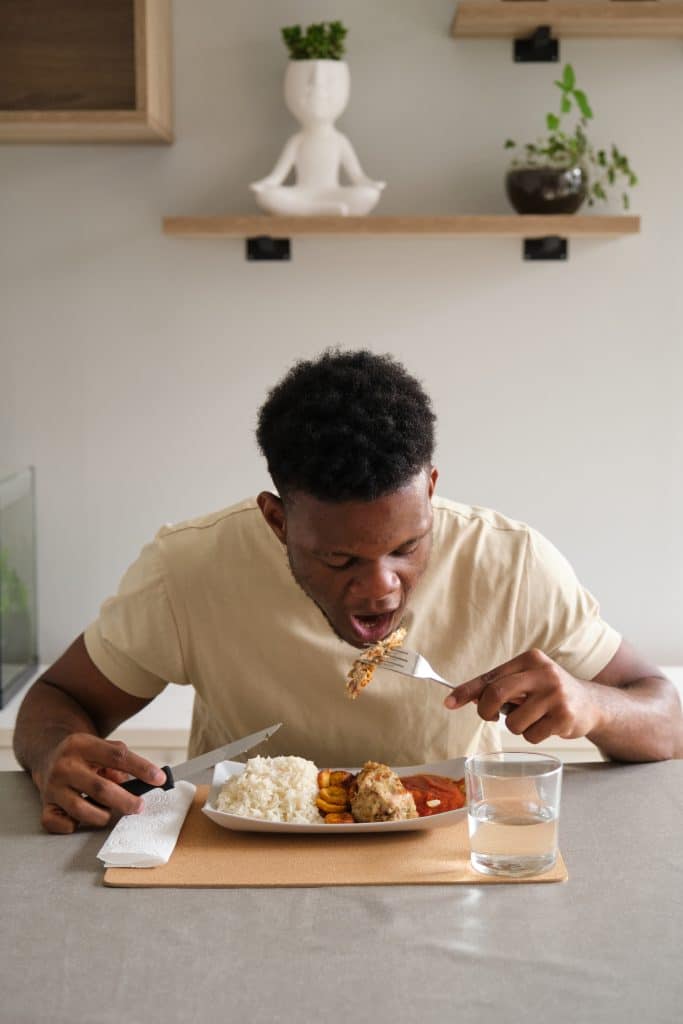
23. Eating Leftovers Intentionally, Not as a Last Resort
Leftovers get treated like the sad backup plan when the fridge is empty. Some of the most financially disciplined people I know build them into the week on purpose, usually with a set “leftover night” on the calendar.
It stops food from quietly going to waste, and it stops the “nothing sounds good, let’s just order something” spiral before it starts.

22. Buying Generic Over Name-Brand Medications
Generic and store-brand versions of common over-the-counter medications typically use the exact same active ingredient at the exact same dose. The packaging and the price are what’s different.
This is one where it genuinely pays to read the active ingredient panel once and confirm it for yourself. After that, the decision basically makes itself every time.
Where this lands: a habit this small, repeated across a full medicine cabinet, adds up to real money over a year without changing anything about how well it works.
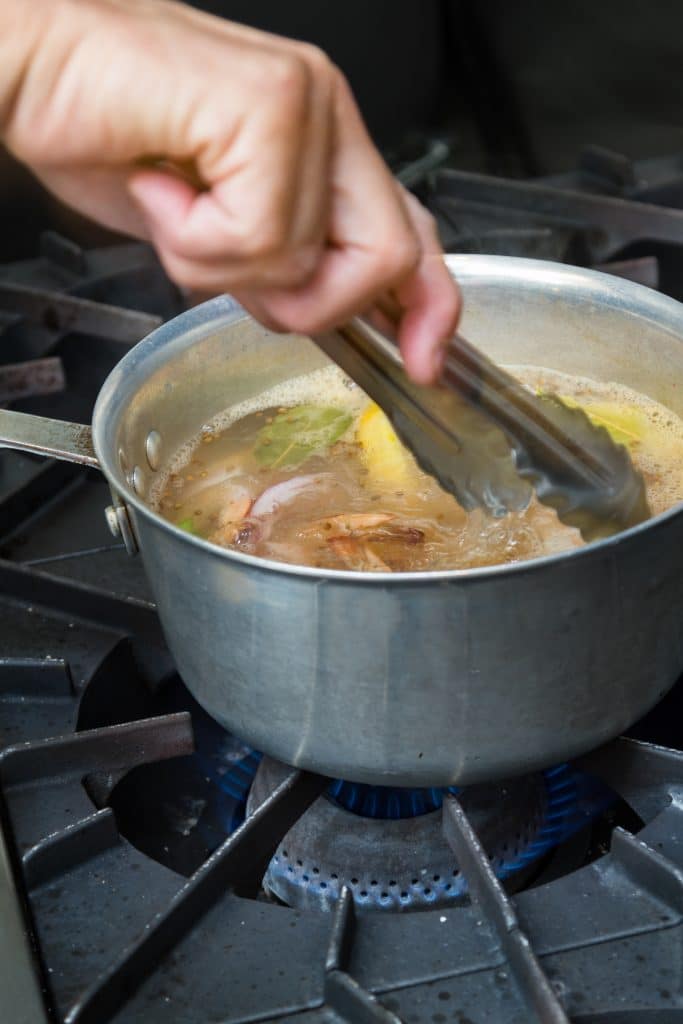
21. Turning Cooking Water Into Stock
Vegetable scraps, bones, and the water you boiled potatoes or pasta in all have more flavor left in them than most people realize. A bag in the freezer collects the scraps until there’s enough for a pot of stock.
It replaces something you’d otherwise buy in a carton, using ingredients that were headed for the trash anyway. Hard to argue with that trade.

20. Buying Store Brand for Anything Where the Label Doesn’t Matter
Flour, sugar, baking soda, canned tomatoes, basic dairy. These are largely