33 “Money Rules” That Are Actually Myths
Some links may be affiliate links. We may earn a commission at no extra cost to you. View our full disclosure.
Somewhere along the way, personal finance turned into a game of rules. Save this percentage, avoid that kind of debt, never touch this account.
Most of these rules started as decent shorthand for a real idea. Somewhere between the original advice and the version repeated at every family dinner, the nuance got sanded off.
What’s left is a set of commandments nobody questions anymore, even when the math behind them stopped making sense years ago.
I’ve spent enough years around money advice to know which rules actually hold up and which ones are just confident-sounding noise. A lot of them fall apart the second you look closely.
Here are 33 of the most repeated money rules out there, ranked by how badly they’ve earned that reputation. The worst offender is saved for last.
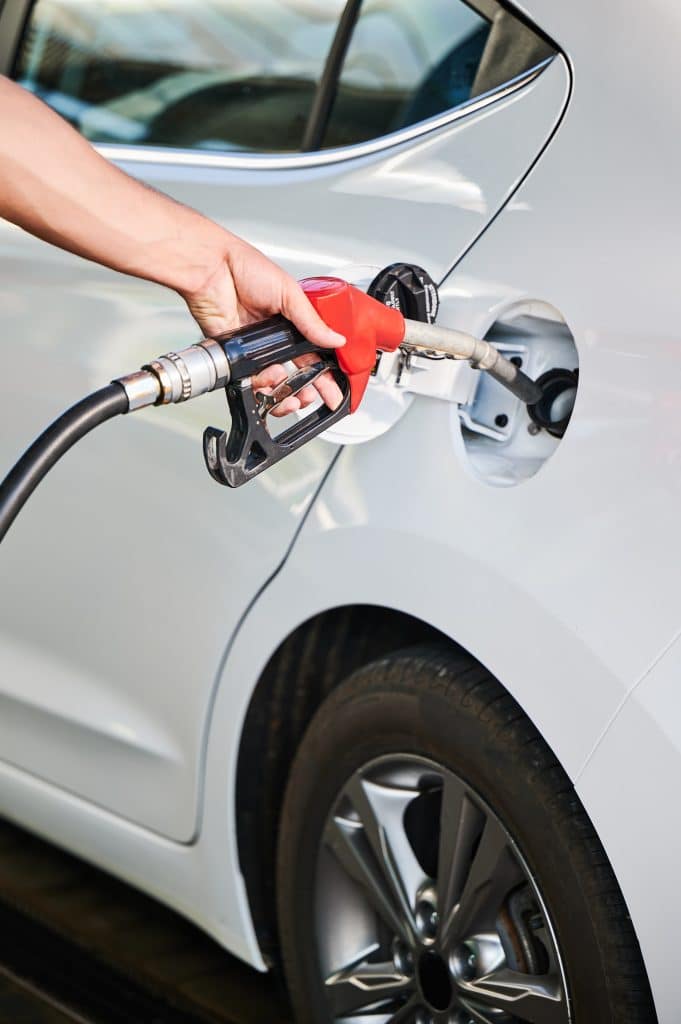
33. “Premium Gas Is Always Better for Your Car”
Most cars on the road are built to run just fine on regular. Unless your owner’s manual specifically requires premium, paying extra at the pump buys you nothing measurable.
That “better performance” feeling is mostly psychological. Engine sensors in modern cars adjust automatically, so the fuel just burns and leaves through the tailpipe.
The math: premium gas can run 40 to 60 cents more per gallon, and most drivers never notice a difference either way.

32. “You Need a 20 Percent Down Payment”
Twenty percent down was never a hard requirement. It’s a number that gets you out of paying mortgage insurance, which is a different thing entirely.
Plenty of loan programs exist specifically for buyers who can’t put down that much. Some require as little as three to five percent, depending on the lender and the loan type.
Waiting years to hit an arbitrary 20 percent can cost more in rising home prices than the mortgage insurance ever would.

31. “Renting Is Throwing Money Away”
Renting buys you flexibility, and flexibility has real value that doesn’t show up on a mortgage amortization chart. A rented apartment doesn’t come with property taxes, a leaking roof, or a special assessment for the parking lot.
There’s a whole category of things genuinely frugal people just don’t buy, and a house they can’t actually afford yet is often on that list.
Owning builds equity over time, which matters. But equity only wins the comparison if you’re staying put long enough for it to outweigh the closing costs and the maintenance bills.

30. “Carrying a Balance Builds Your Credit”
Your credit score doesn’t care whether you carry a balance. It cares whether you pay on time and how much of your available credit you’re using.
Paying the full balance every month builds credit just as well as carrying one, minus the interest charges. There’s no bonus for giving a card company extra money.
Worth remembering: interest paid on a carried balance is pure cost, with zero credit benefit attached to it.

29. “Closing Old Credit Cards Helps Your Score”
Closing an old card usually does the opposite of what people expect. It shortens your credit history and shrinks your total available credit, which can push your utilization ratio up.
If the card has no annual fee, there’s rarely a reason to close it. Leaving it open and unused, or using it once in a while for something small, tends to help more than hurt.
An old, unused card sitting open is often doing more for your score than it’s given credit for.

28. “Checking Your Own Credit Hurts Your Score”
Checking your own credit report is a soft inquiry, and soft inquiries don’t affect your score at all. That’s true no matter how often you look.
The confusion comes from hard inquiries, the kind that happen when a lender pulls your credit to approve a new loan or card. Those can ding your score slightly, but a soft check from your own bank or a free credit app never does.
Avoiding your own credit report out of fear is one of those money mistakes worth letting go of entirely.

27. “You Need a Perfect Credit Score to Get Approved”
A perfect credit score and a good credit score get treated the same by most lenders. Once you’re in the top tier, the difference between 760 and 850 rarely changes your rate.
Chasing the last few points usually means closing accounts or avoiding new credit altogether, both of which can work against you. It’s optimizing for a number nobody’s actually checking that closely.
Net effect: past a certain point, more credit score is a vanity metric, not a financial advantage.

26. “All Debt Is Bad Debt”
A mortgage at a reasonable rate, a business loan that funds something that pays for itself, a student loan tied to a degree that actually moves your income, none of these behave like the debt that gets warned about.
I’ll say the honest part too. High-interest credit card debt, payday loans, and anything used to fund a lifestyle you can’t otherwise afford really is the bad kind, and lumping it in with a low-rate mortgage muddies a distinction that matters.
|
Money Stuff
35 Weird Money-Saving Habits That Really Pay Off →
|
The label “debt” isn’t the problem, the interest rate and the reason behind it are.

25. “Collectibles Are a Solid Retirement Plan”
Collectibles can genuinely gain value, and a rare item can absolutely sell for real money. That’s different from being a retirement strategy.
Most collections lose value or stay flat once you factor in what you paid, storage, and the fact that resale markets are thin and unpredictable. It’s a hobby that occasionally pays off, not a pension.
There’s a version of this that works, and it usually looks more like buying secondhand on purpose than speculating on what a toy from decades ago will be worth someday.

24. “Investing Is Only for Rich People”
This one might be the most damaging myth on the list, because it convinces people to wait for a windfall that may never come. Most modern brokerage accounts have no minimum balance at all.
You can start with whatever’s left over after a grocery run. The amount matters far less than starting the habit early and letting time do the compounding.
The upshot: waiting to invest until you feel rich enough is the single most expensive delay on this list.

23. “Skipping Your Daily Coffee Will Make You Rich”
A daily coffee habit adds up over a year, sure, but it’s rarely the thing standing between someone and financial security. The math gets used to shame small purchases while ignoring the bigger ones.
Housing, cars, and subscriptions move the needle far more than a five dollar drink ever will. There’s a longer list of small leaks that actually add up, and coffee usually isn’t even the biggest one on it.
A daily coffee is a rounding error next to the car payment nobody wants to talk about.
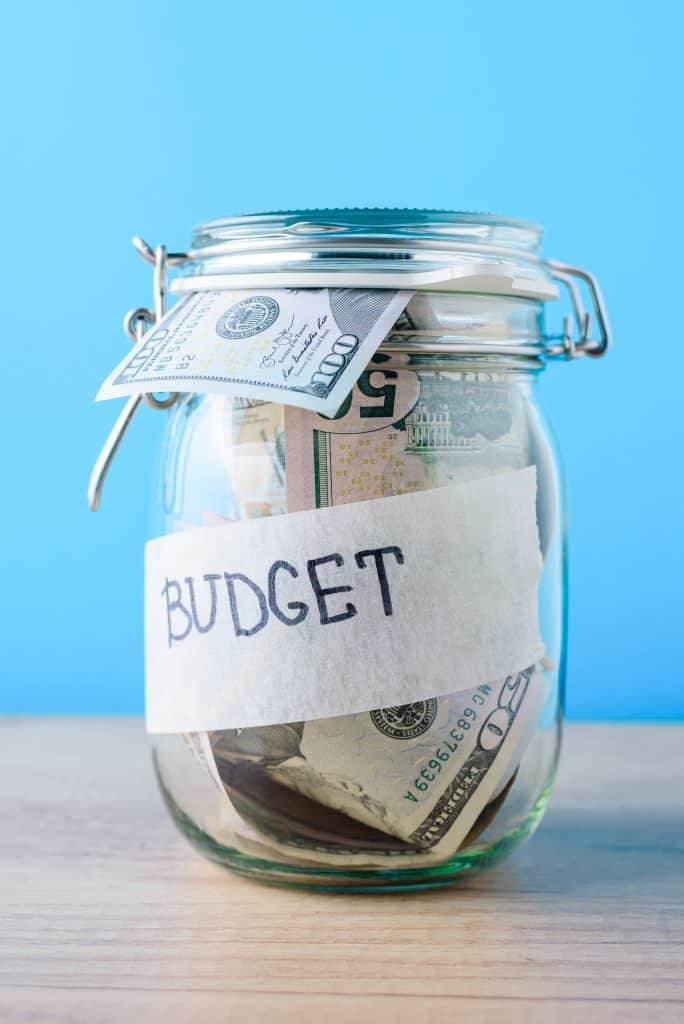
22. “Budgets Mean Deprivation”
A budget isn’t a punishment, it’s just a plan for where money goes before it disappears on its own. The word gets a bad reputation because most people only hear about budgets when someone’s cutting back.
A good budget makes room for fun spending on purpose, which is different from spending it and hoping it works out. That distinction is one of the habits that actually separate people who are good with money from everyone else.
Deprivation happens when there’s no plan at all, not when there is one.
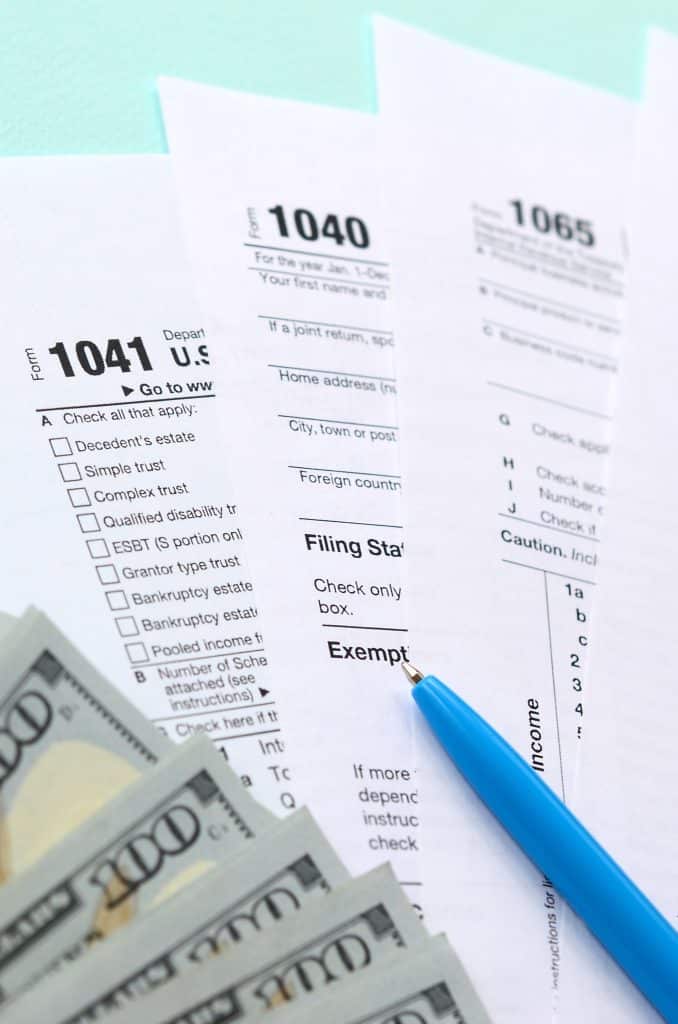
21. “A Tax Refund Is Free Money”
A tax refund is your own money coming back to you after you overpaid throughout the year. It was never a bonus, it was a loan you gave the government at zero interest.
A big refund often means too much was withheld from every paycheck, when that money could have been sitting in your own account earning something instead.
Where this lands: a smaller refund and a bigger paycheck usually beats the other way around.