
35 Things Built to Last That You Should Stop Replacing So Often
Some links may be affiliate links. We may earn a commission at no extra cost to you. View our full disclosure.
My parents owned the same toaster for most of my childhood. It never broke, and nobody thought that was remarkable.
Somewhere along the way, replacing things on a schedule became normal. New phone every couple of years, new sheets every season, a new pan the second the old one looks tired.
Some of that is real wear. A lot of it is habit, marketing, and a quiet assumption that nothing lasts anymore, which is exactly how people end up swapping out household items way too soon.
This list counts down 35 things that were built to last, or still can be if you buy the right version and take care of it. A few come with an honest catch, because not everything old deserves to be kept.
The best ones are near the bottom. Start scrolling.
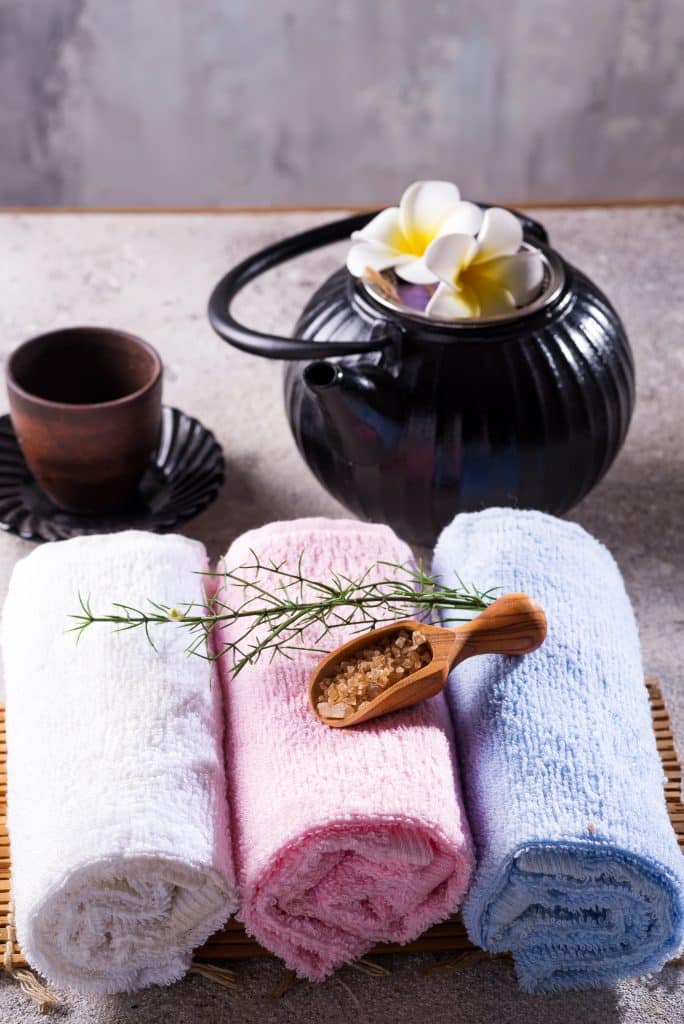
35. Bath Towels
Good cotton towels get softer for years before they get worse. The thin ones that feel plush in the store are usually the ones that pill and fray within a season or two.
Wash them with less detergent and skip the fabric softener most of the time, and they tend to keep absorbing well. When they finally thin out, they become rags, not trash, the same mindset behind the household stuff smart shoppers quietly stopped buying.
The upshot: a heavier towel bought once usually beats a cheap set bought three times.
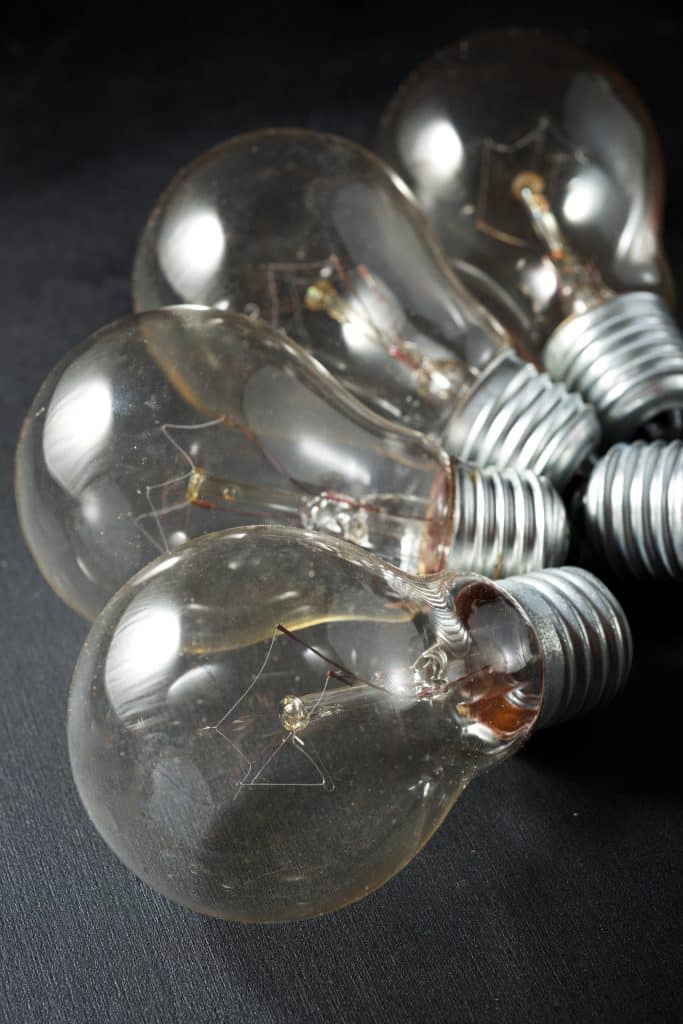
34. Lightbulbs
Nostalgia gets this one wrong. There’s a famous firehouse bulb that has reportedly been glowing for more than a century, and it gets passed around as proof that things used to be better.
The old incandescent bulbs most households actually used burned out constantly. A typical modern LED is rated to last many times longer and uses a fraction of the power, so this is one category where the new version wins outright.
The move isn’t hoarding old bulbs. It’s to stop tossing LEDs that still work just because you want a slightly different shade of white in one room.
Not everything was better back then, and lightbulbs are the proof.
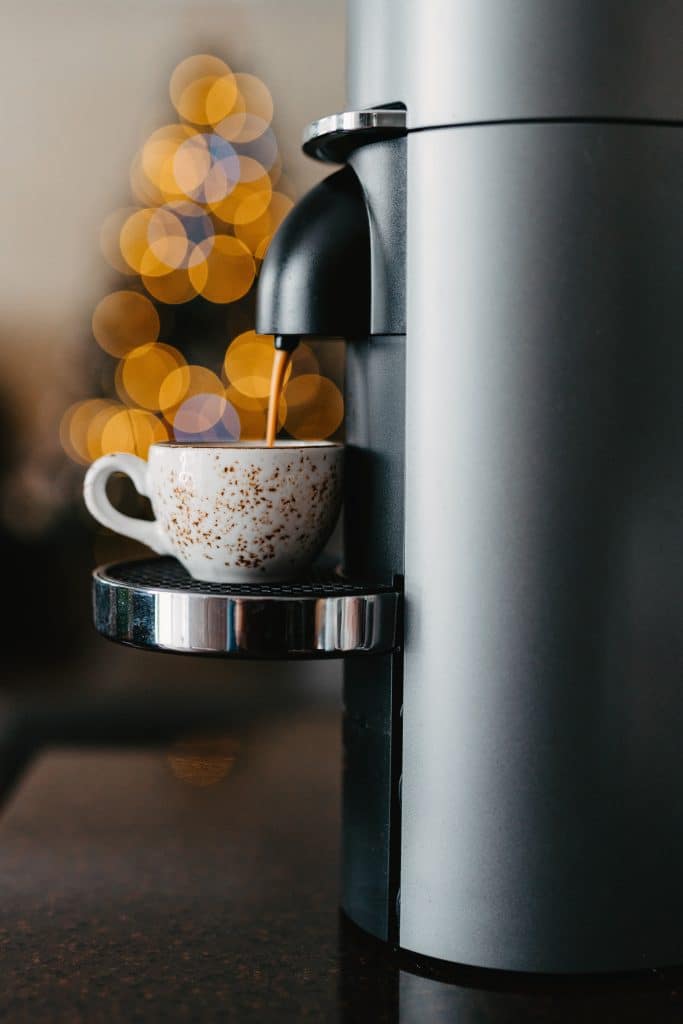
33. Simple Coffee Makers and Kettles
The basic drip machine and the stovetop kettle are about as simple as kitchen hardware gets. Fewer screens, fewer sensors, fewer things to fail.
Most of the time when one starts acting up, it’s mineral buildup, not a dead machine. A vinegar descaling run every so often usually brings it back.
Plenty of people replace a coffee maker that just needed cleaning. Try the cheap fix first.
32. Basic T-Shirts
A heavier cotton tee can go years. A thin, fashion-cut one often twists at the seams and shows holes after a handful of washes.
You can usually feel the difference in the store. Thicker fabric, straight seams, and a collar that snaps back when you stretch it are the tells.
Worth remembering: cold water and a lower dryer setting do more for a shirt’s lifespan than any price tag.
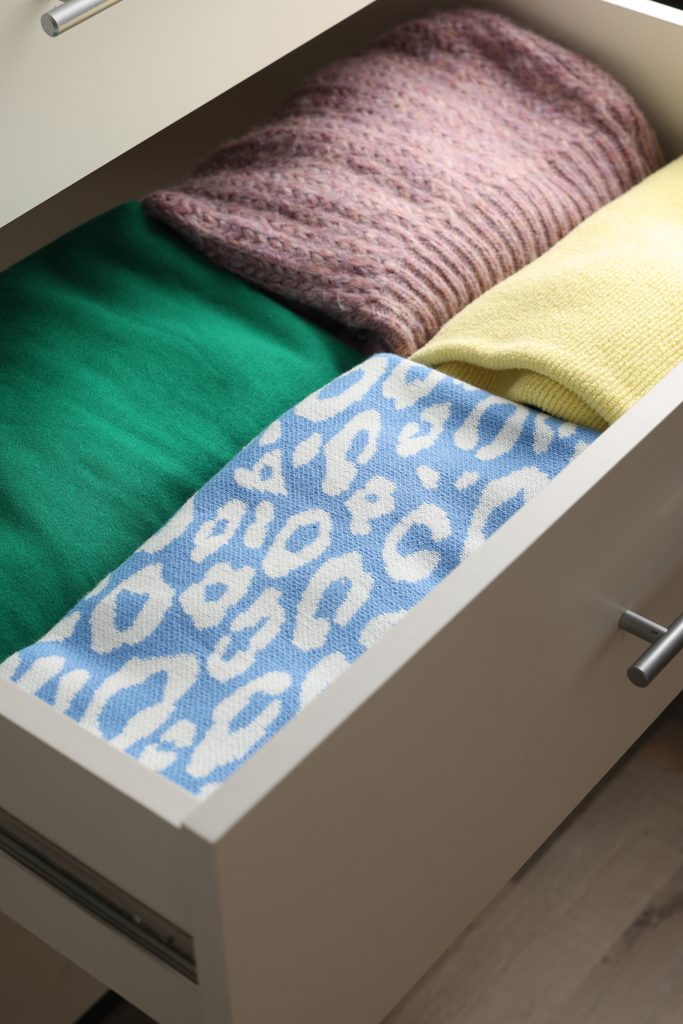
31. Wool Sweaters
Wool sweaters are one of those things people inherit from parents and grandparents. That tells you most of what you need to know about how long they last.
The trick is care, not luck. Hand wash or use a gentle cycle, lay flat to dry, and fold instead of hanging so the shoulders don’t stretch.
Moth holes and small snags can be darned. It’s a ten-minute fix that keeps a sweater out of the donation bag.
Fold it, don’t hang it, and a good sweater can outlive most of your wardrobe.
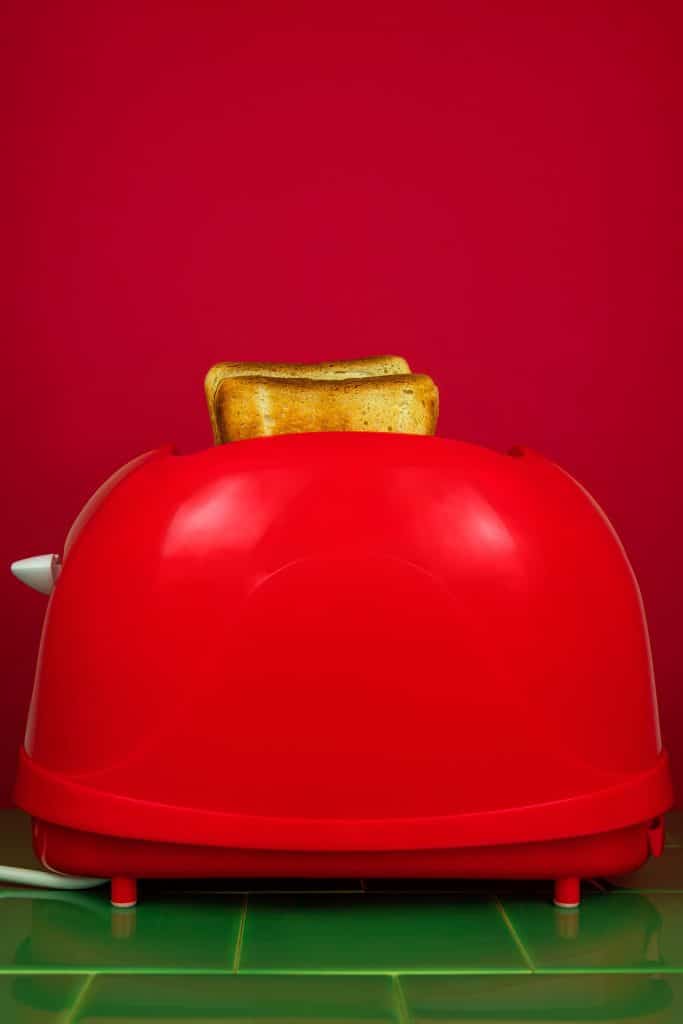
30. Toasters
Toasters are simple machines: a heating element, a timer, and a spring. That’s roughly the whole thing, which is why older ones kept going for decades.
Newer models add digital panels and presets that don’t make toast any better. The simplest version at a mid-range price is usually the one that lasts.
Before you replace one, empty the crumb tray and check the lever. A surprising number of dead toasters are just clogged.
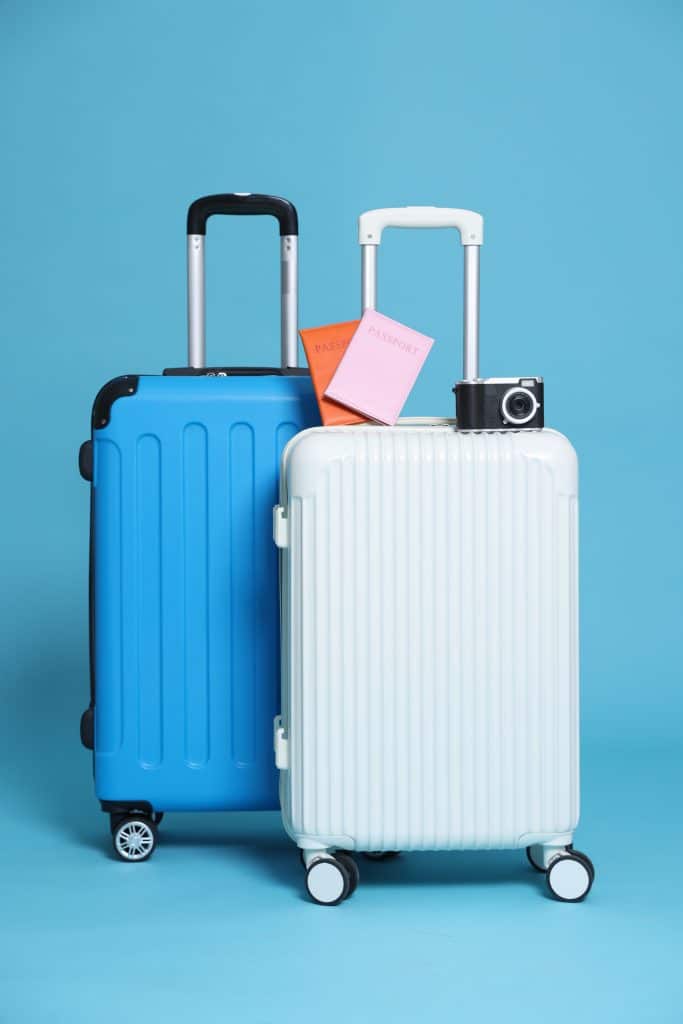
29. Luggage
A solid suitcase can outlast a lot of trips, and a cheap one might not survive its first baggage carousel. Wheels and zippers are what usually fail, not the shell.
Many luggage makers sell replacement wheels and handles, and a shoe repair shop can often fix a zipper. If you do need a new bag, it pays to know when big purchases actually go on sale instead of buying the week before a trip.
Net effect: fix the wheel, keep the bag.
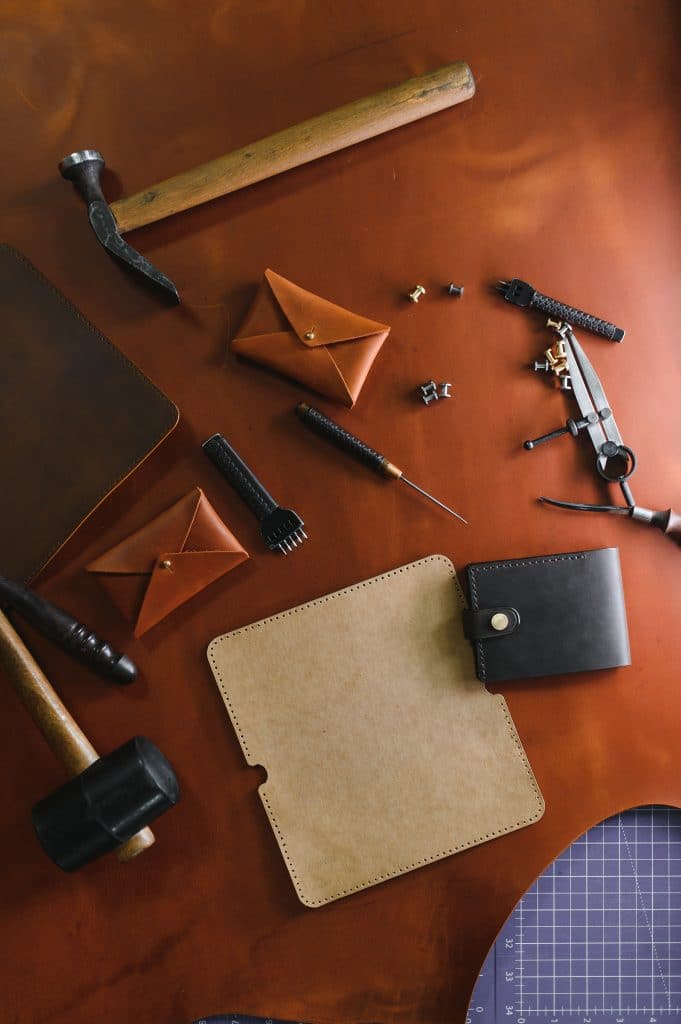
28. Leather Belts and Wallets
Full-grain leather gets better with use. It darkens, softens, and molds to you, which is the opposite of what cheaper bonded leather does.
Bonded leather tends to peel and crack within a couple of years. Real leather, conditioned once in a while, can go decades.
A belt that’s too big can be cut down and re-punched. A wallet with a torn seam can usually be restitched for a few dollars.
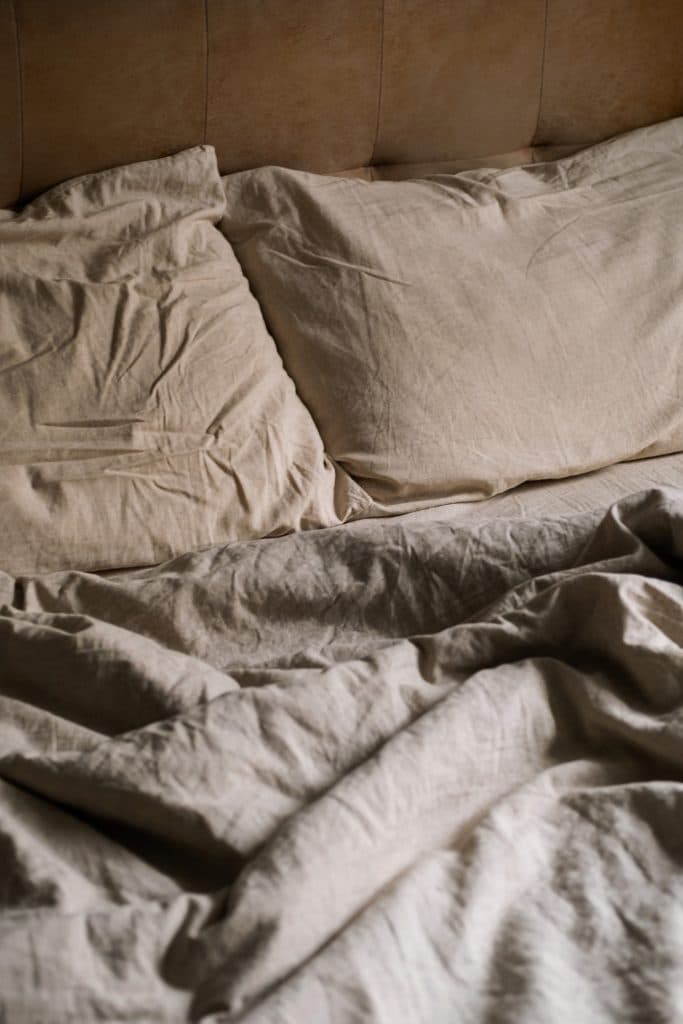
27. Bed Sheets
Good sheets soften over time. Cheap ones pill, thin out, and tear at the corners.
Thread count gets most of the marketing attention, but fiber quality and weave matter more. A mid-range set of long-staple cotton or linen often outlasts a sky-high thread count set.
Two sets in rotation helps too. Each set gets washed half as often, which usually means both last longer.
Rotating two sets is the cheapest way to make both of them last.
| Read This Next |
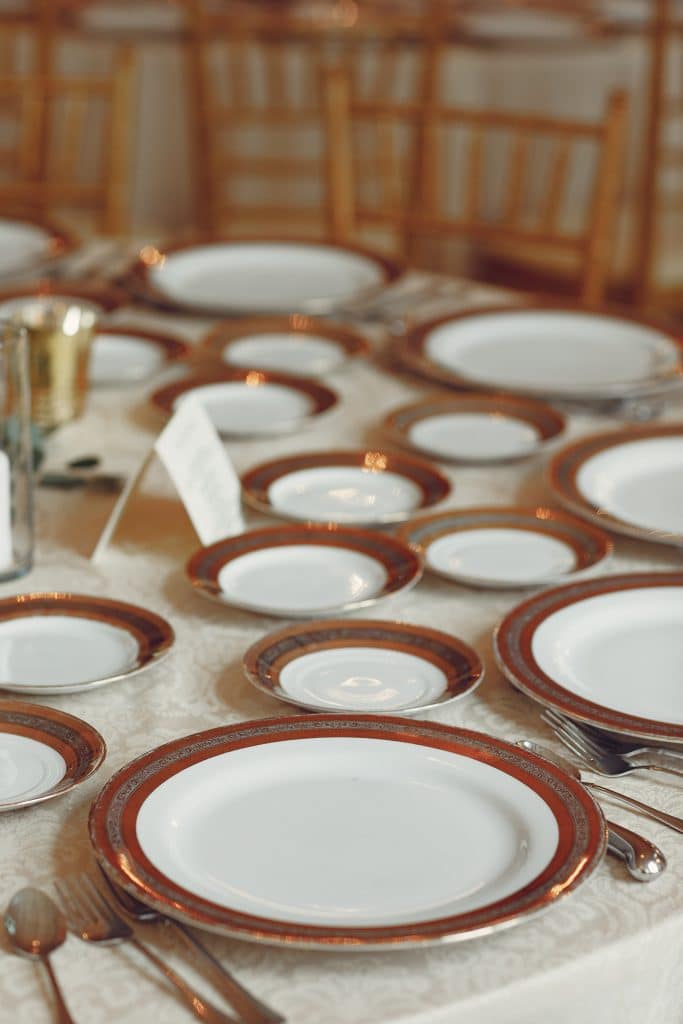
26. Everyday Dishes
Plain stoneware and glass-ceramic plates can survive decades of dishwasher cycles. Most families replace them because a trend changed, not because the plates wore out.
Chipped pieces can be replaced one at a time instead of buying a whole new set. Matching is optional, and plenty of kitchens look better mismatched anyway.
It’s the same instinct that kept frugal grandmothers from throwing anything away. A plate that still holds food is still a plate.
Where this lands: buy replacements by the piece, not by the set.
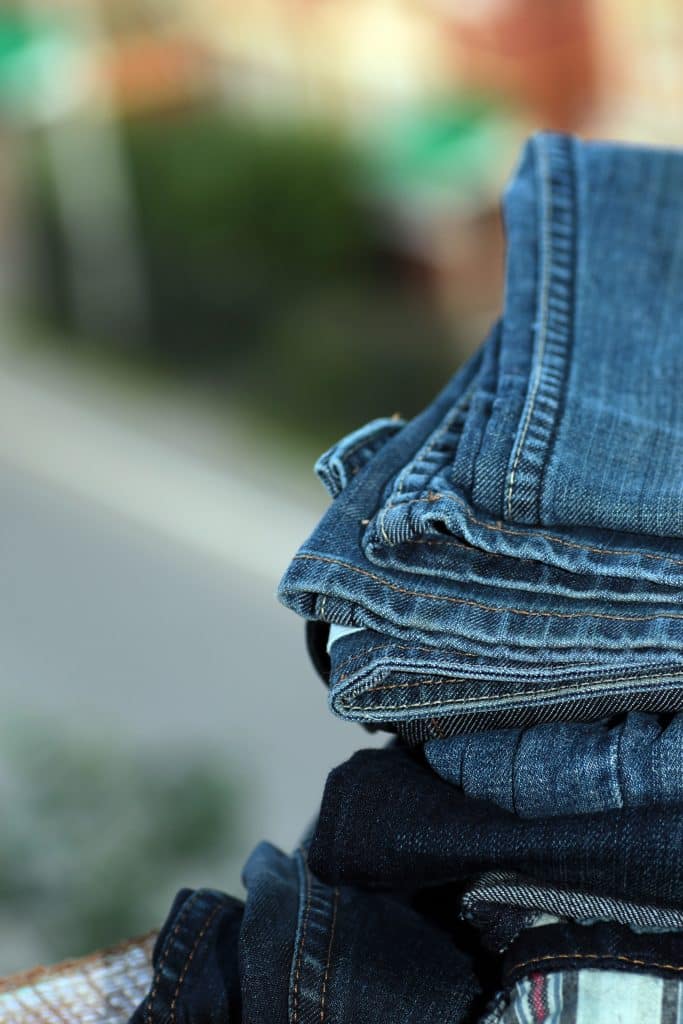
25. Jeans
Heavy denim was designed to take a beating, and a good pair still will. It started as workwear for a reason.
Most jeans die in the crotch or the knees, and both spots can be patched. A tailor or a basic sewing kit can add years for very little money.
Washing less often helps too. Denim doesn’t need a wash after every wear, and fewer cycles typically means less fading and fewer blowouts.
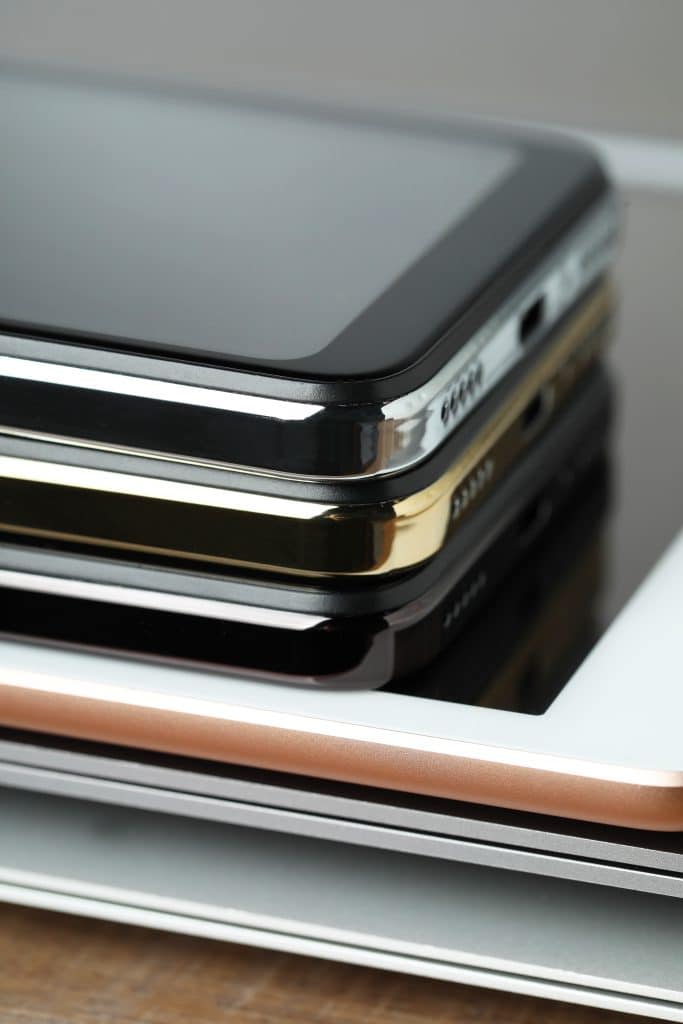
24. Smartphones
Phone hardware often lasts longer than the upgrade cycle suggests. A new battery can make a sluggish phone feel close to new, for a fraction of what a replacement costs.
The honest catch is software. Once a phone stops getting security updates, it gets riskier to use for banking and anything sensitive, and that’s a real reason to upgrade.
So stretch it as long as updates keep coming. Replace it when they stop, not when a new model launches.
Security updates ending is a real reason to upgrade. A new color option isn’t.
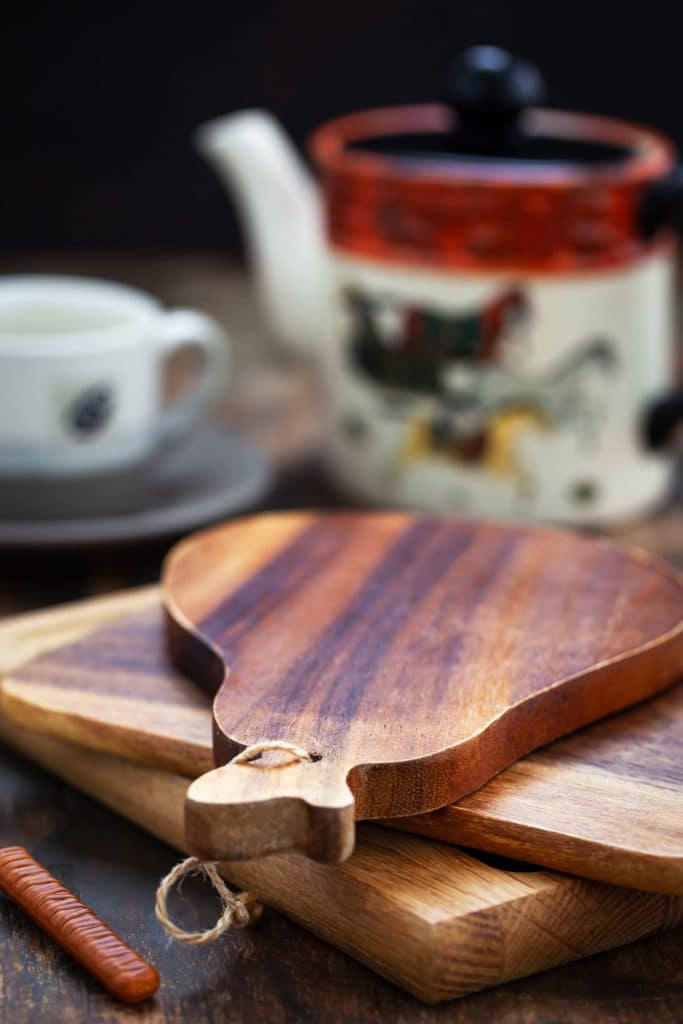
23. Wooden Spoons and Cutting Boards
A hardwood cutting board can last a lifetime with basic care. Plastic boards scar deeply and usually need replacing much more often.
Wash by hand, dry upright, and rub in food-safe mineral oil once in a while. Deep knife marks can be sanded out.
Wooden spoons are even easier. They’re cheap, they don’t scratch pans, and a crack is usually the only reason to toss one.
Rule of thumb: if it cracks, replace it, and if it’s just stained, oil it.
22. Watches
Simple mechanical or quartz watches can run for decades. Plenty of people inherit one, get a battery or a service, and wear it every day.
The expensive status piece isn’t the point here. A plain, well-made watch at a reasonable price is, and it’s nothing like the flashy buys on the list of things frugal people refuse to buy.
Batteries and straps are cheap to replace. Most local jewelers can handle both while you wait.
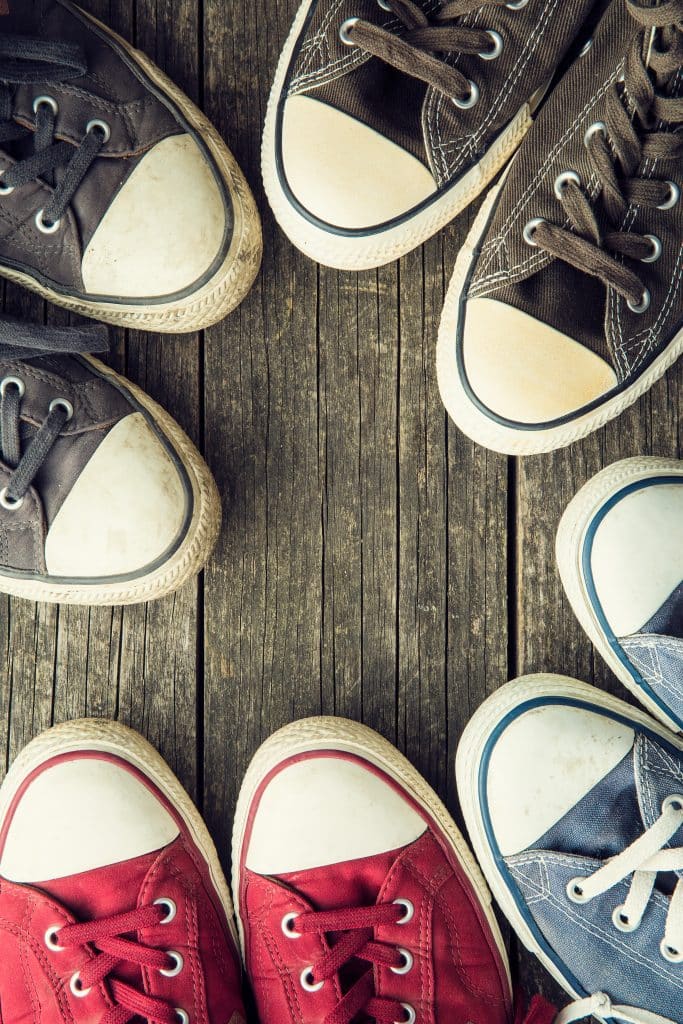
21. Shoes
Well-made leather shoes and boots can be resoled, sometimes several times. That’s a big difference from sneakers glued together at the factory.
A cobbler can typically replace soles and heels for a lot less than a new pair of quality shoes. Conditioning the leather and rotating pairs so they dry out between wears helps too.
Athletic shoes are different. Running shoes wear out inside before they look worn, so those really do need replacing on a regular schedule.
Leather gets resoled, running shoes get replaced, and knowing the difference saves real money.
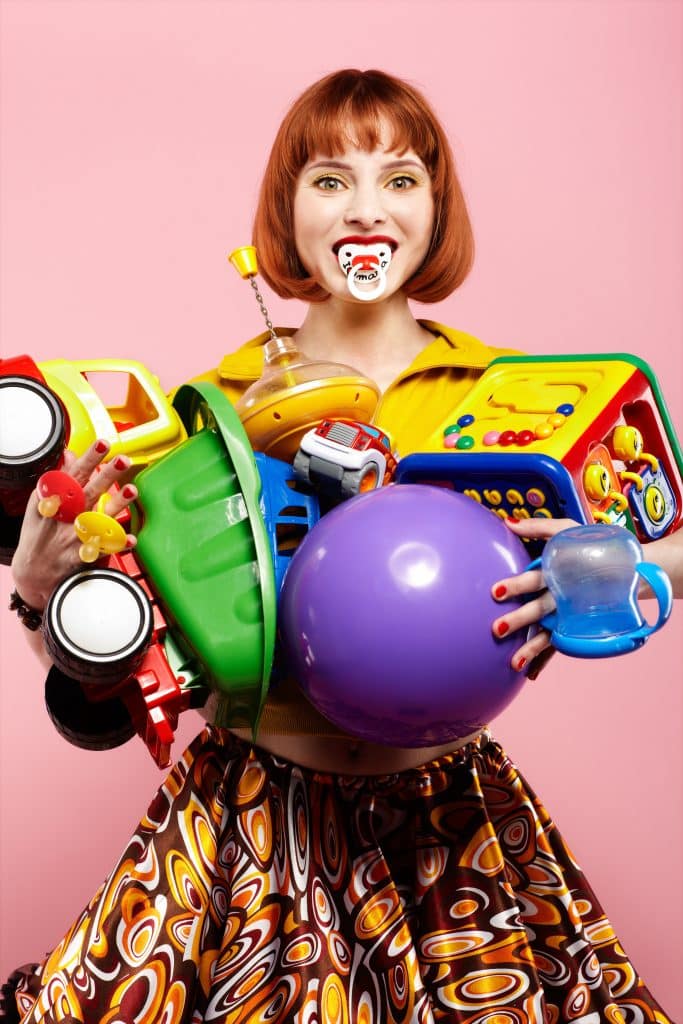
20. Kids’ Toys
Wooden blocks, metal trucks, and simple board games get handed down for generations. The battery-powered toy of the moment usually doesn’t make it past one kid.
Simple toys also tend to get more play. Kids come back to open-ended stuff long after the flashing gadget is forgotten.
It’s a pattern a lot of parents noticed right around the time they stopped buying things they didn’t need. Fewer, sturdier toys is a real strategy, not a sacrifice.
The upshot: the toys that last are usually the ones that don’t need batteries.
19. Winter Coats
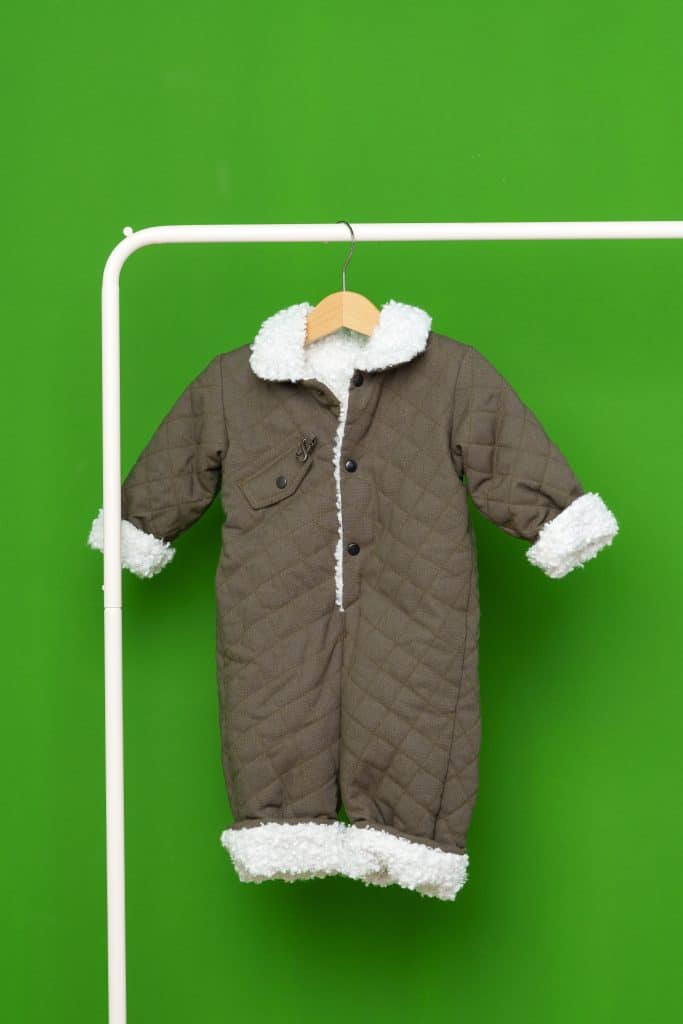
The shell fabric, the zipper, and the insulation decide how long a winter coat lasts, and all three can be checked in the store. Get those right and ten years or more isn’t unusual.
Zippers can be replaced by a tailor. Down can be washed and re-fluffed on a low dryer setting with a couple of clean tennis balls.
Kids outgrow coats, but adults usually don’t. If an adult coat still keeps you warm, a new one is mostly about style.
18. Sewing Machines
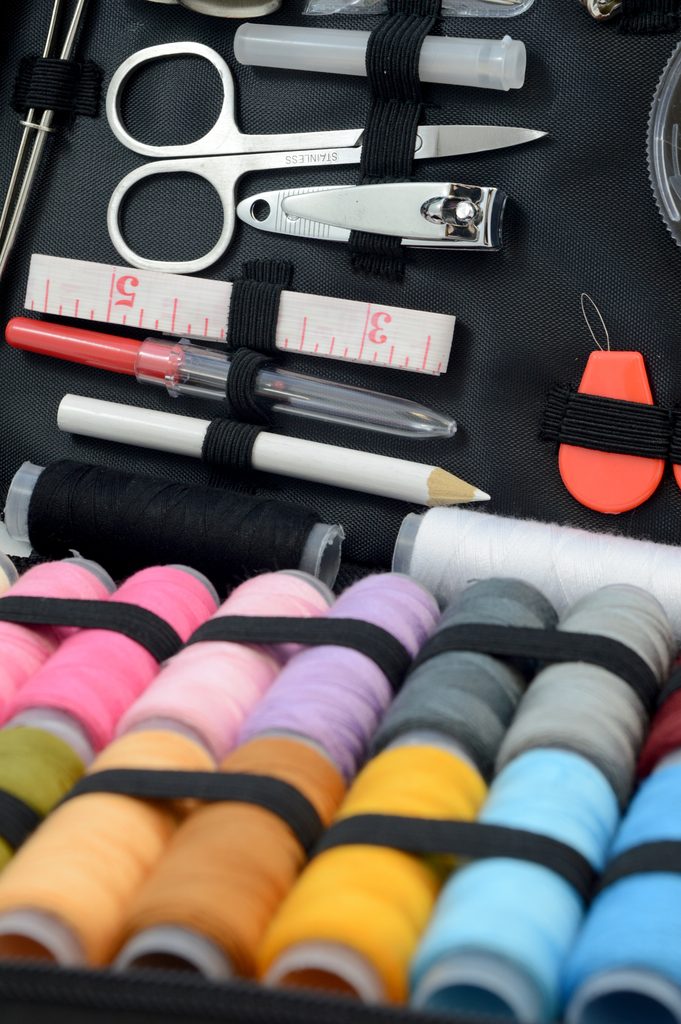
Older all-metal sewing machines are famous for running forever. A lot of them are still humming along in basements and spare rooms.
Newer machines vary a lot in build quality, but even a basic one earns its keep if it’s actually used. Hemming pants, fixing seams, and patching jeans adds up quickly.
A tune-up at a repair shop is usually cheap. Skipped stitches are often a timing or tension fix, not a sign the machine is done.
A skipped stitch is a tune-up, not a funeral.