
27 Things Frugal Grandmothers Never Threw Away
Some links may be affiliate links. We may earn a commission at no extra cost to you. View our full disclosure.
My grandmother had a drawer just for rubber bands. Not a junk drawer. A rubber band drawer, sorted loosely by size, because you never knew when a good thick one would save you a trip to the store.
I used to think that was a quirky old habit. Now I think it was a quiet form of financial literacy that never got written down anywhere.
None of this was about hoarding. It was about a generation that grew up assuming things had a second use before they had a trash can waiting for them.
We buy replacements for things that still work. She never did, and her monthly costs showed it.
Here are 27 things frugal grandmothers never threw away, counted down to the one that says the most about how she actually thought about money.
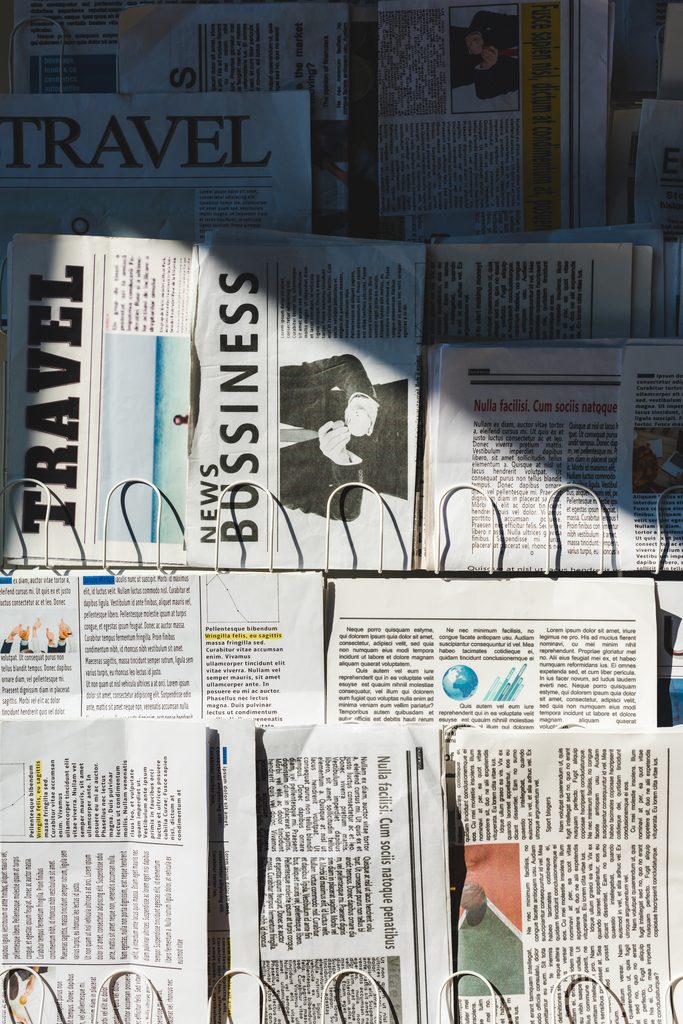
27. Newspaper
Newspaper wrapped fragile dishes for a move. It lined the bottom of a birdcage or a litter box.
Crumpled up, it cleaned windows better than paper towels ever did, and it cost nothing extra since the paper was already coming through the door.
Most homes do not get a daily paper anymore, so this one is mostly gone by circumstance rather than choice. It is still worth remembering that a free byproduct of one habit can quietly replace a purchase for another.

26. Paper Grocery Bags
Paper bags became book covers, lunch sacks, and kindling for the fireplace. Flattened, they lined a kitchen drawer or padded a package going in the mail.
She never bought a roll of shelf liner when a few grocery bags did the same job. That is not a stretch, it is just noticing what is already in the house.
A lot of things that used to come free now show up as a line item somewhere. Bags are one of the smaller ones, but they add up the same way the bigger ones do.
She was building a mini supply closet out of packaging other people threw away.
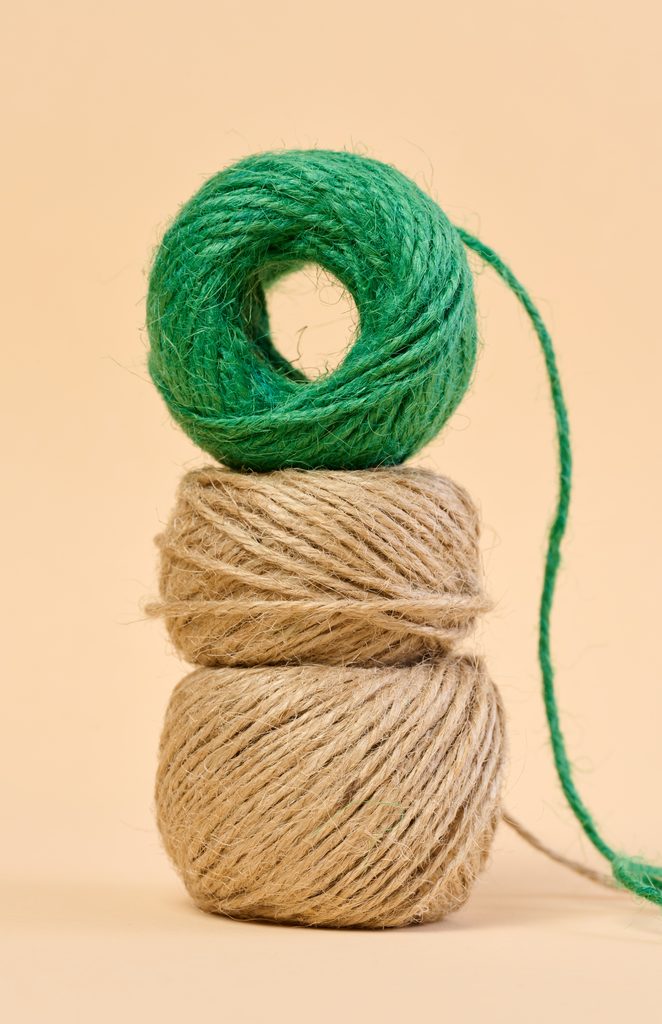
25. String and Twine
Every gift ribbon got untied, not cut, so the string could go back in the drawer for next time. A ball of kitchen twine tied roasts, staked tomato plants, and bundled newspapers for recycling.
It sounds like nothing until you price out a roll of butcher’s twine at a kitchen store and realize she never bought one in thirty years.
Worth remembering: a saved length of string is a tool, not clutter, right up until the day you need one and don’t have it.
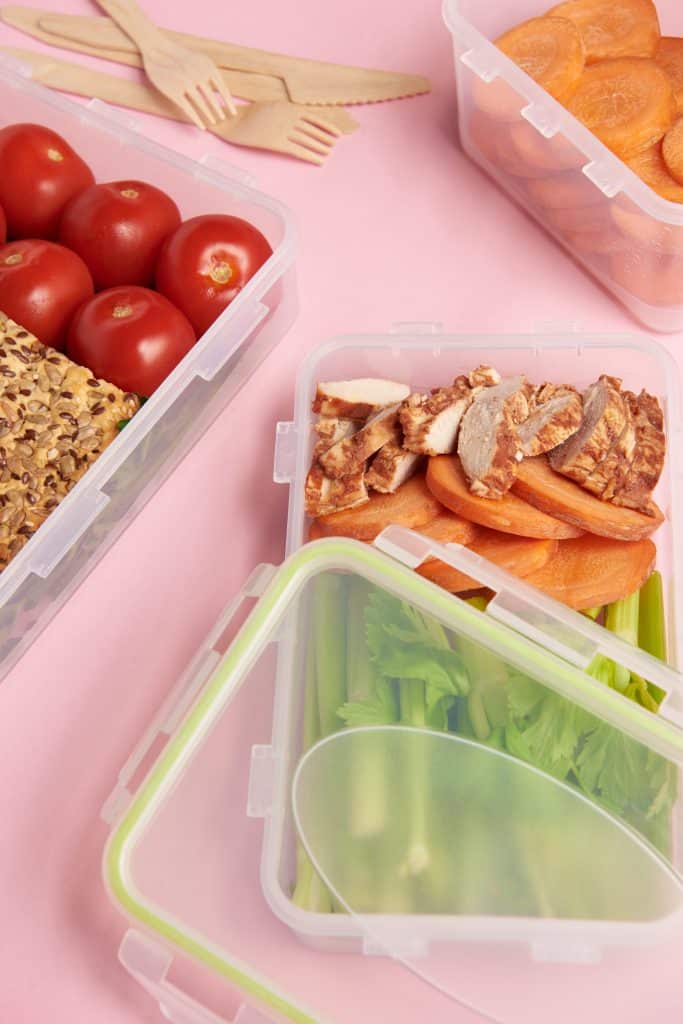
24. Butter Tubs and Plastic Containers
Every kitchen had a cabinet where the tubs outnumbered the lids two to one. Soup went in a margarine tub. Leftovers went in a cottage cheese container.
A matching set of storage containers from the store was a purchase she quietly never made, because the containers already existed inside the food she’d bought anyway.
If you’re still tossing these into the recycling bin without a second thought, this is the kind of thing that shows up on lists of household items people are replacing way too soon.
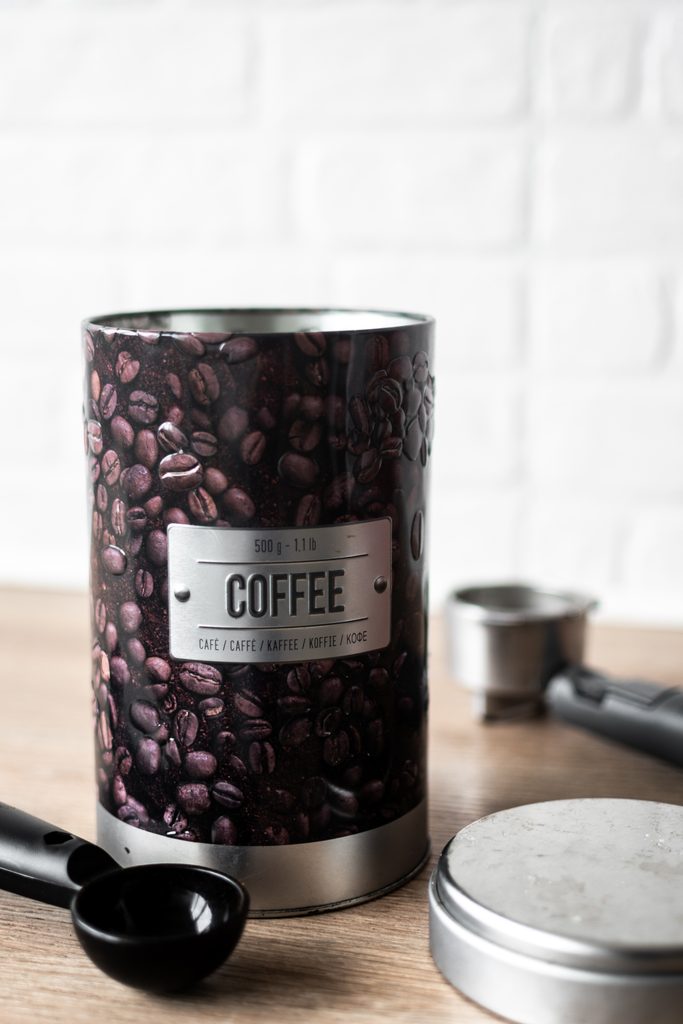
23. Coffee Cans
A metal coffee can with a plastic lid became a bank for loose change, a container for nails and screws, or a pencil holder on a desk.
Bigger ones got planted with herbs on a windowsill. It was sturdier than most of what you’d pay for at a hardware store, and it had already been paid for once.
A container is a container, whether or not it came with a price tag attached the second time.
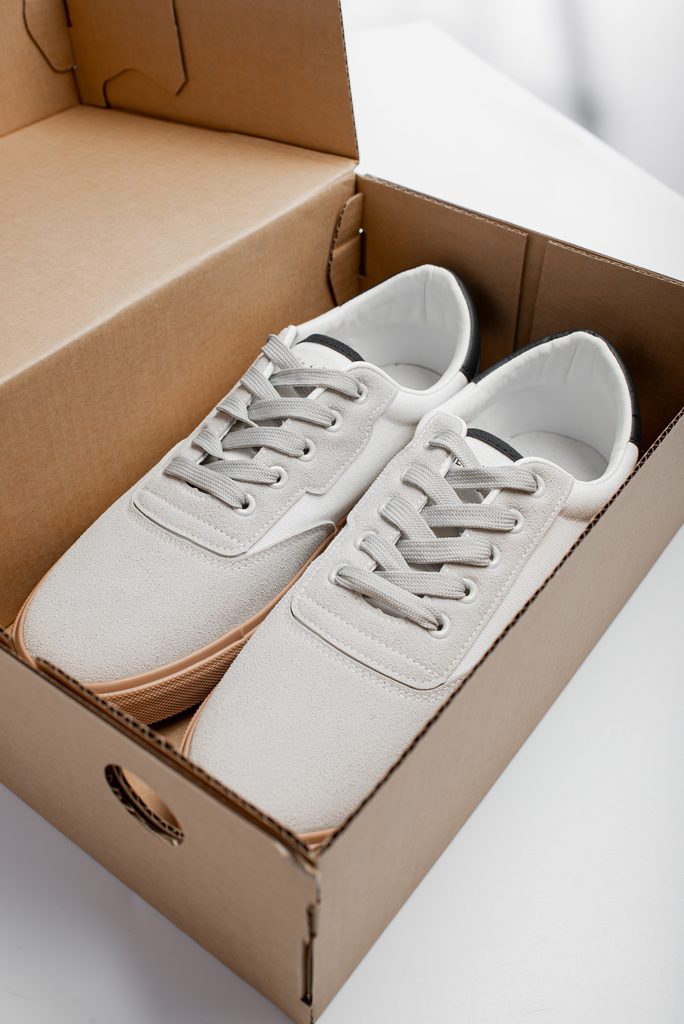
22. Shoe Boxes
Shoe boxes held photographs, receipts, sewing supplies, and whatever else needed a lid and didn’t need to be seen. Stacked in a closet, they were free organization that never showed up on a budget line.
Every plastic storage bin sold today is solving a problem a cardboard box already solved for free, just with sturdier corners. It’s the same drawer that once held whatever counted as the essentials of a kid’s bedroom decades ago, just repurposed.
The math: a box you already own beats a box you have to go buy, almost every time.
| Read This Next |
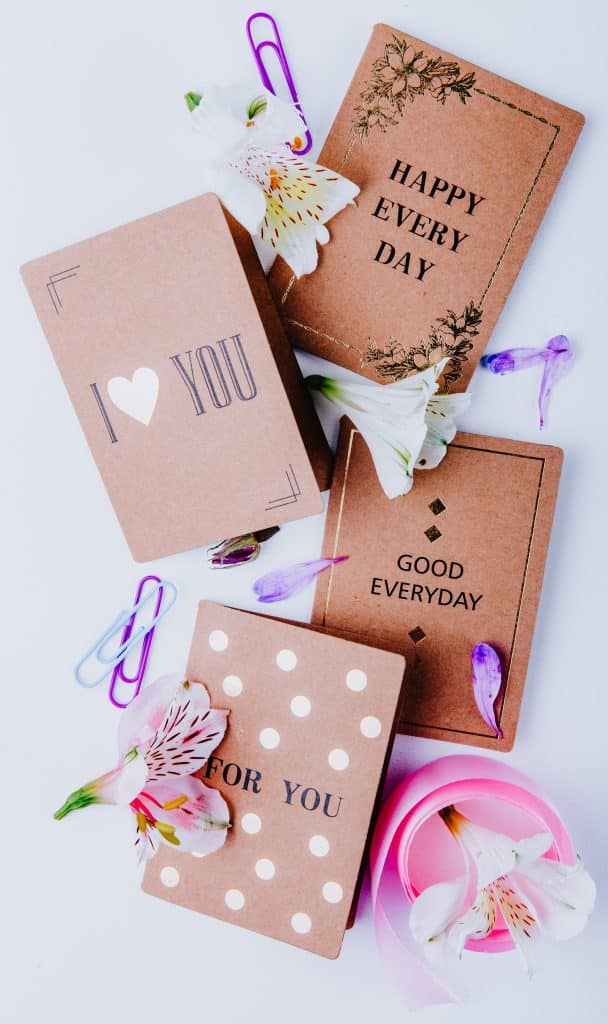
21. Greeting Card Fronts
The front of a birthday card, cut off from the message inside, became next year’s gift tag. A whole box of them sat in a drawer for exactly this reason.
It meant she almost never had to run out for gift tags in a hurry, and gift tags at full retail price are one of those small purchases that adds up faster than people expect.
Cards bought at the last minute are a classic example of one of the “normal” expenses frugal people just refuse to pay, mostly because they planned ahead by a few months instead of a few hours.
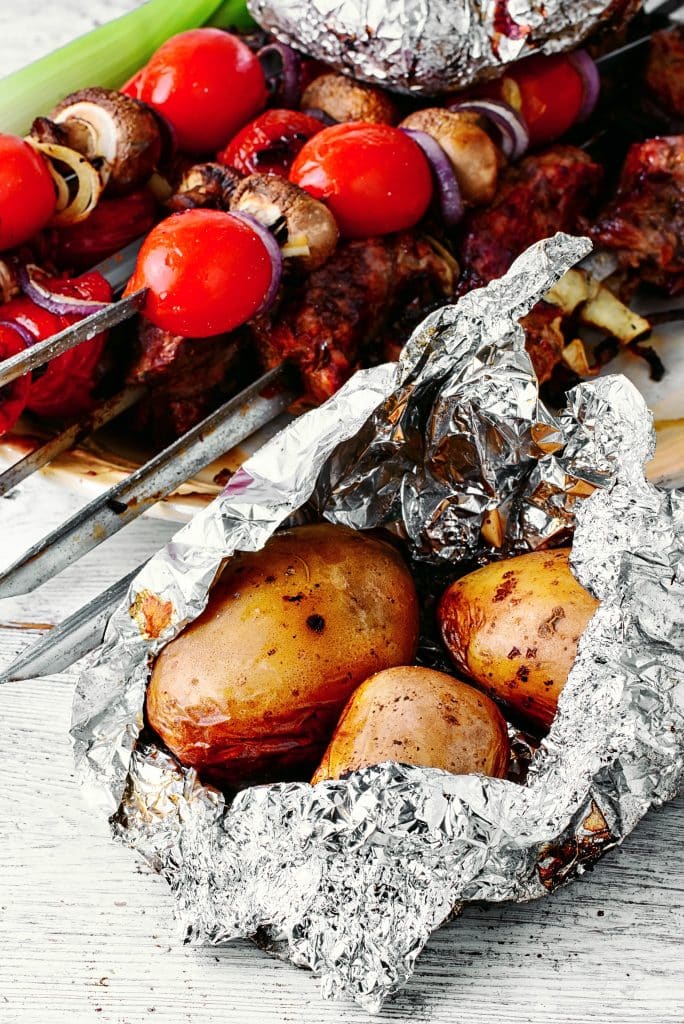
20. Aluminum Foil
A sheet of foil got rinsed off, smoothed flat on the counter, and folded back into the box for round two. Sometimes round three.
It wasn’t glamorous, and it wasn’t quick, but a roll of foil that lasts twice as long is a roll of foil you buy half as often.
This is the kind of small habit that shows up all over lists of things people did in a kitchen from a few decades back that nobody thinks twice about today.
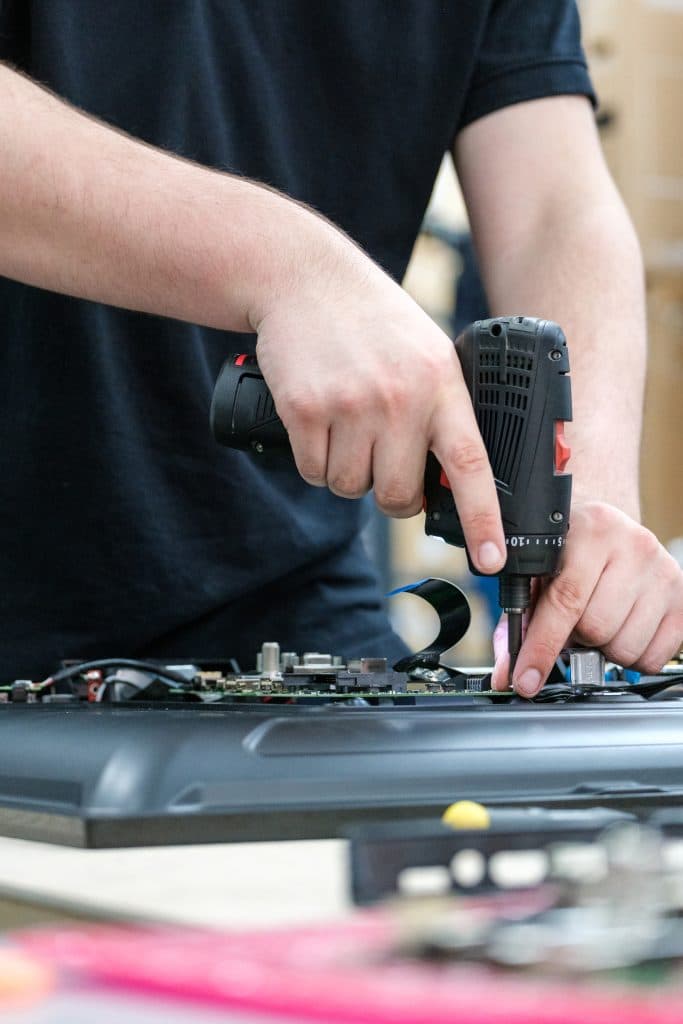
19. Broken Appliances Kept for Parts
A toaster that stopped working didn’t leave the house. It went to the basement, because the cord, the tray, or a single working screw might fix something else someday.
This is the one on this list I’d actually push back on a little. A basement full of dead appliances waiting on parts that never get used is not frugality, it’s clutter wearing a frugal costume.
Modern small appliances are often cheaper to replace outright than to source a single part for, and a lot of what fits the spirit of things that were actually built to last is worth repairing. The stuff that wasn’t built well in the first place usually isn’t.
Net effect: keep the parts worth keeping, and let the rest actually leave the house.
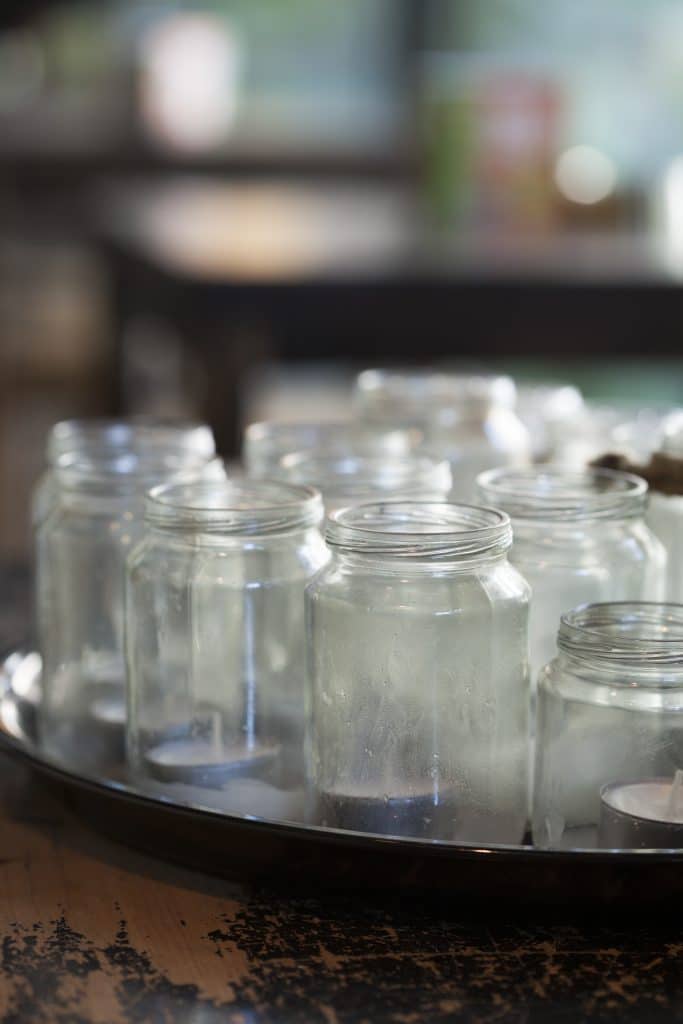
18. Glass Jars
A jam jar rinsed out became a drinking glass. A pickle jar became a container for nails, buttons, or bacon grease, which is a whole other entry on this list.
An entire cabinet ran on jars that came free with something else. It’s basically the original version of the reusable glassware people pay extra for today.
Where this lands: the “save the good jars” instinct has genuinely aged well, even if it looked a little eccentric at the time.
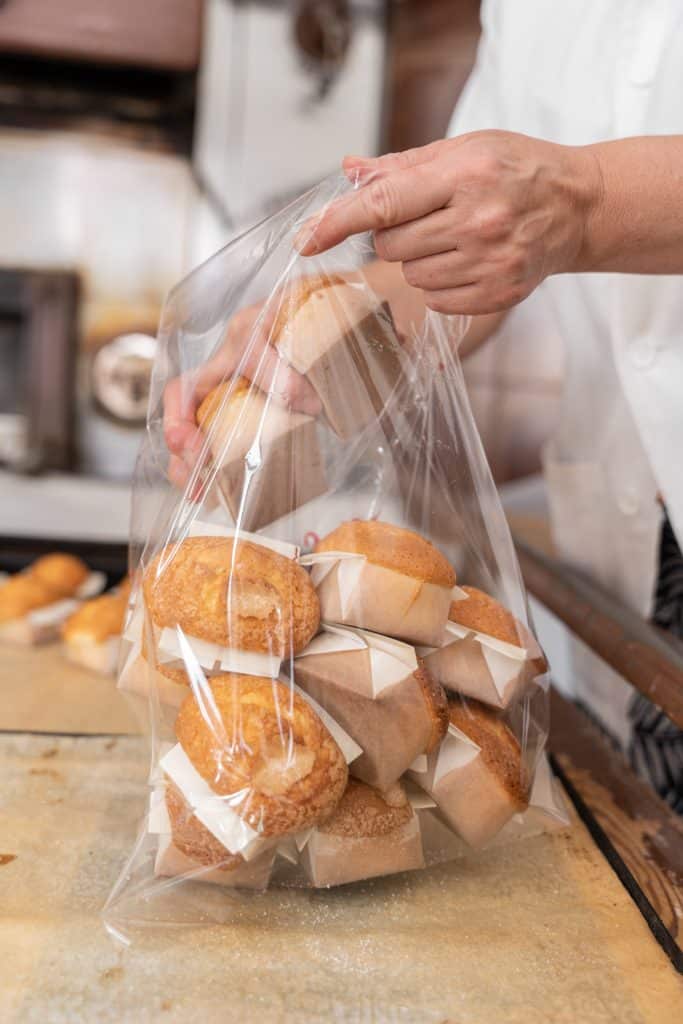
17. Bread Bags and Twist Ties
An empty bread bag got shaken out and reused for sandwiches, produce, or anything that needed to stay fresh in the freezer. The twist tie that came with it never got thrown away either.
Between the bag and the tie, that’s two purchases avoided from a loaf of bread she was buying anyway.
It’s a tiny example of the bigger pattern behind small money leaks quietly draining a budget, just running in reverse.
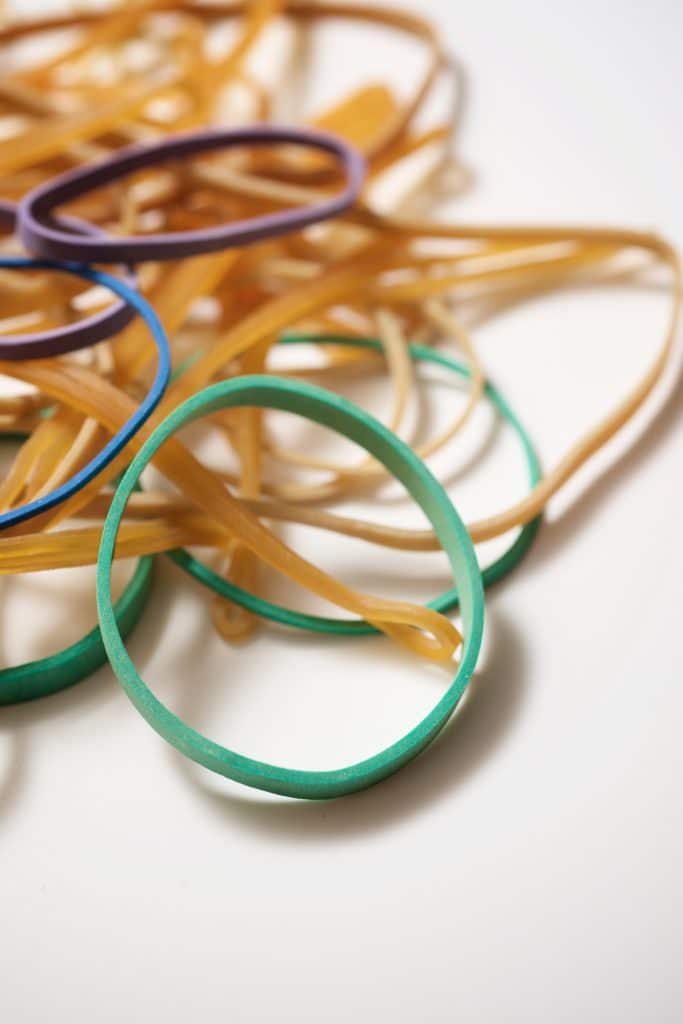
16. Rubber Bands
Every rubber band that showed up on produce, mail, or newspapers went straight into a drawer instead of the trash. There was always one within reach when a bag needed sealing.
A bag of rubber bands from the store costs a few dollars. Hers cost nothing, because they arrived attached to things she was buying regardless.
This is the same instinct behind saving twist ties, folding bags flat, and keeping every jar, none of it is dramatic on its own.
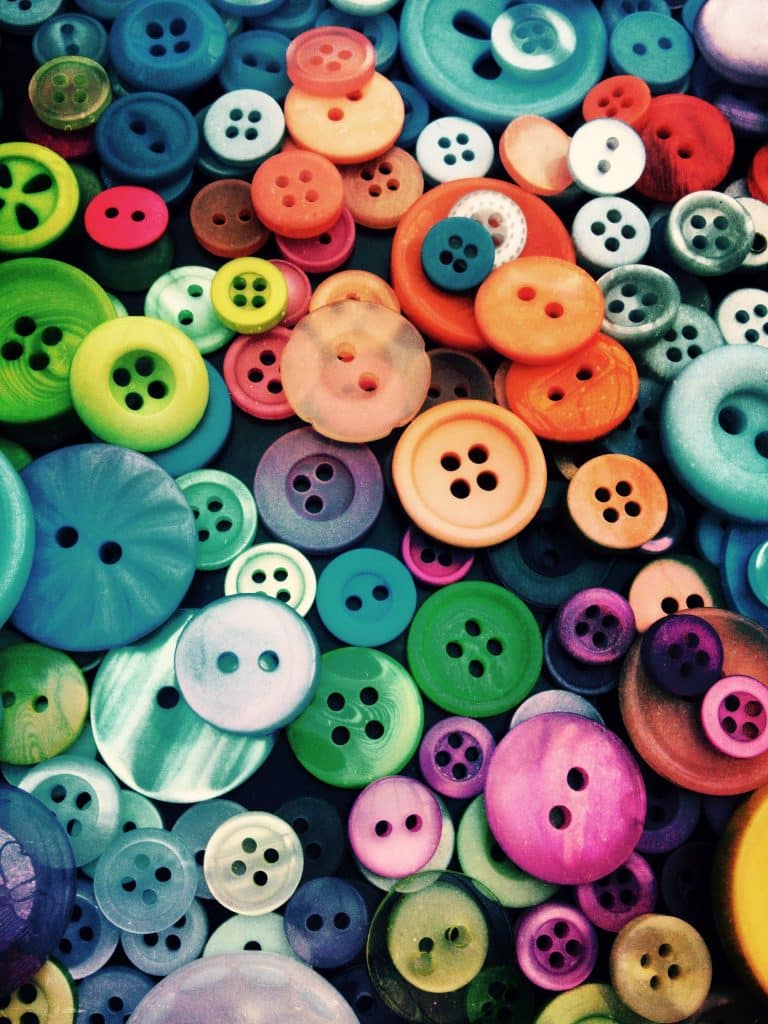
15. Buttons
Before a worn-out shirt got cut up for rags, the buttons came off first and went into a tin. When a new shirt lost a button, there was always a close match already sitting in the house.
Replacing a single button at a shop, when someone even still offers that service, can cost more than it seems like it should. It’s a small version of the bigger point behind household money habits worth breaking, just in reverse, this one was worth keeping.
The upshot: a five minute sewing fix beats a wasted shirt, and the button tin is what made that fix free.
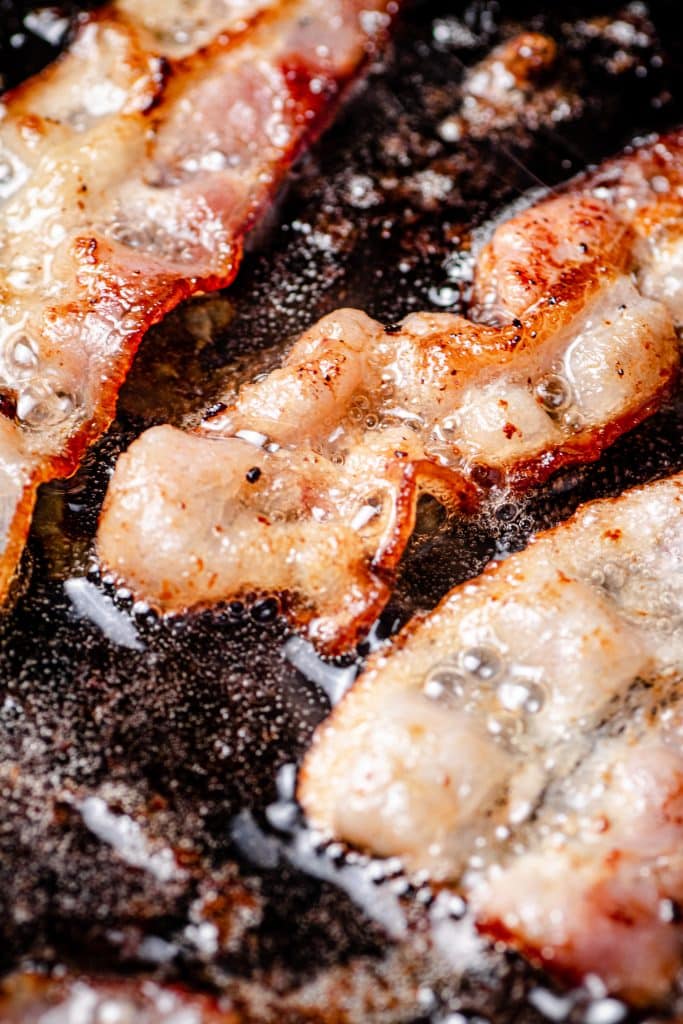
14. Bacon Grease
The grease from a pan of bacon got poured into an old coffee can or a jar, not the sink. It came back out weeks later for frying eggs, browning potatoes, or seasoning a cast iron pan.
It’s not for every diet, and that’s a fair modern update to make. But as a cooking fat that was already paid for twice, once for the bacon and once for the flav