
29 Things Frugal People Refuse to Buy (And What They Do Instead)
Some links may be affiliate links. We may earn a commission at no extra cost to you. View our full disclosure.
Frugal people get a bad reputation for skipping the fun stuff. That is not really what is going on.
The truly frugal people I know are not skipping much of anything. They are just refusing to hand over money for things that quietly waste it.
There is a real difference between cheap and frugal. Cheap avoids spending. Frugal avoids spending badly.
I have watched people build real savings, roughly a few hundred dollars a month in some cases, by saying no to a short list of purchases most households never question. Some of that adds up faster than most people expect, purchase by purchase, month after month.
None of this is extreme. Nobody here is skipping meals or living without heat.
They are just refusing 29 specific purchases that cost more than they’re worth. Here they are, counting down to the one that costs the most.

29. An Extended Warranty on Every Appliance
The pitch happens at the register, right when you’re distracted by the total. A little extra protection, just in case.
Most of these plans cost a real chunk of the item’s price. A lot of that money is pure profit for the store, and the failure rates on modern appliances rarely justify it.
Frugal people check what the manufacturer already covers before adding anything on top. Some of that overlaps with what a warranty plan quietly gets sold as a money rule that turns out to be a myth once you actually read the fine print.
The math: the plan usually costs more than the average repair it’s supposed to cover.

28. Bottled Water for Everyday Drinking
A case of bottled water feels cheap in the moment. Priced per gallon against tap water, it typically runs hundreds of times higher.
Frugal households solve this once with a pitcher filter or a reusable bottle. The upfront cost disappears fast against what a daily bottled habit costs over a year, and small money leaks like this one rarely get noticed until someone adds them up.
This is one of those habits that costs almost nothing to fix and keeps paying off for years.

27. Brand-Name Over-the-Counter Medication
The name-brand box sits right next to the generic one, often at close to double the price. The active ingredient inside is typically identical, down to the dosage.
Frugal shoppers check the active ingredient line, not the packaging, before deciding. It takes about ten seconds and can meaningfully cut a family’s pharmacy bill over a year, though costs vary widely by region and insurance plan and this is a general habit, not personal medical guidance.
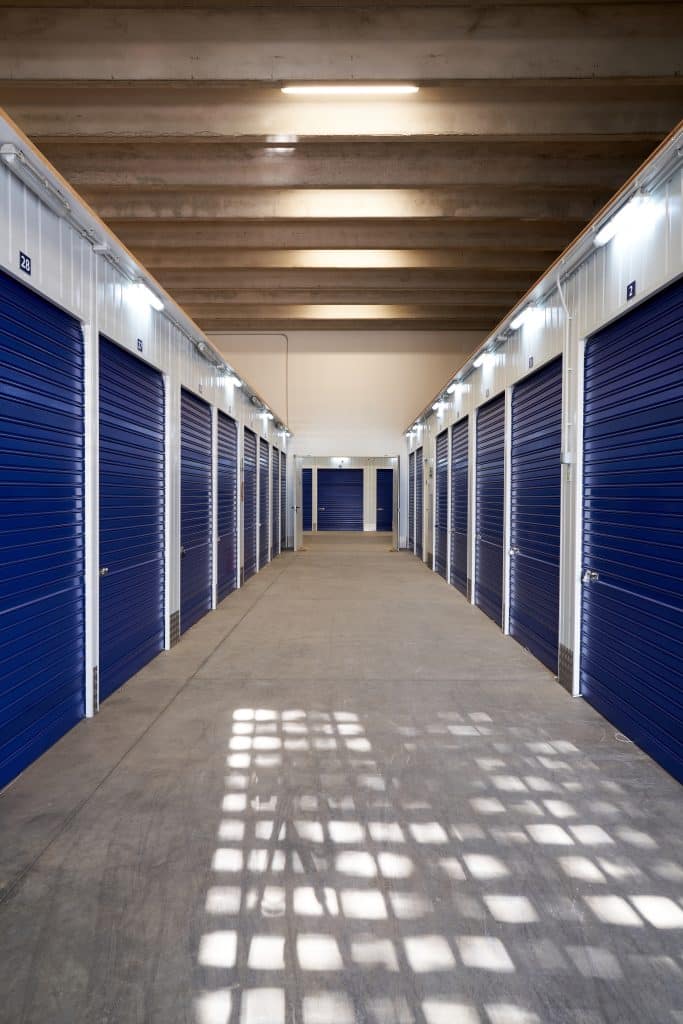
26. A Storage Unit for Things They Never Use
A storage unit is a monthly bill for stuff you’re not using. It quietly outlasts most of the boxes inside it.
Frugal people run the math once a year, storage rent times twelve, against what it would cost to just replace the item someday if they ever needed it again. Most of the time the unit gets emptied. A lot of these household money habits only get fixed once someone actually does that math on paper.
Worth remembering: paying to store something is rarely cheaper than replacing it later.

25. Pre-Cut Fruit and Vegetables
Someone else did the chopping, and you’re paying for that labor. It can roughly double the price per pound compared to buying whole produce.
Frugal cooks keep a decent knife sharp and spend the extra five minutes themselves. Over a month of grocery runs, a lot of things cost way less than you’d think once you skip the convenience markup entirely.
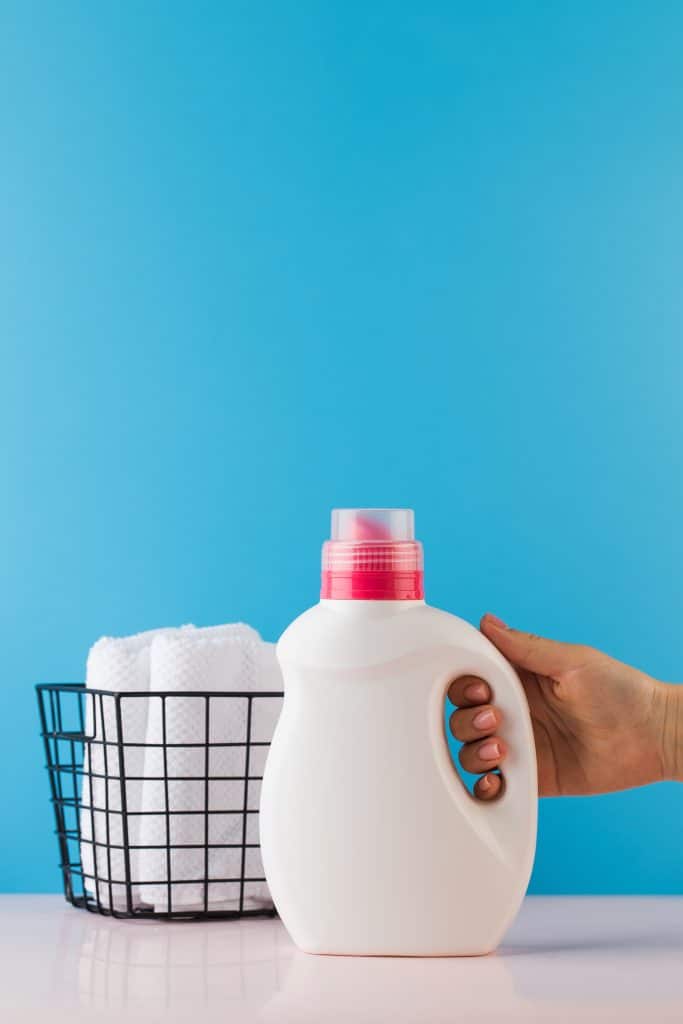
24. Name-Brand Laundry Detergent
Laundry detergent is one of the easiest brand taxes to spot once you go looking. Store-brand versions typically run 30 to 50 percent cheaper for a comparable formula.
Frugal shoppers switched years ago and mostly never noticed a difference in clean clothes. Their laundry room still smells fine on wash day.
Half a shelf of laundry marketing exists just to justify a higher price tag.
|
You might also like
31 Things People Stopped Buying Once They Got Smart With Money →
|
23. A Drive-Thru Coffee Every Single Morning
One coffee a day feels harmless. Priced out over a year, it typically lands somewhere in the low thousands depending on the order.
Frugal people are not necessarily quitting coffee. They’re just making most of it at home and treating the drive-thru run as an occasional thing rather than a daily default, the same math that shows up in the full coffee ledger once someone tracks a year of receipts.
Net effect: the habit costs more than the coffee, it’s the daily trip that adds up.
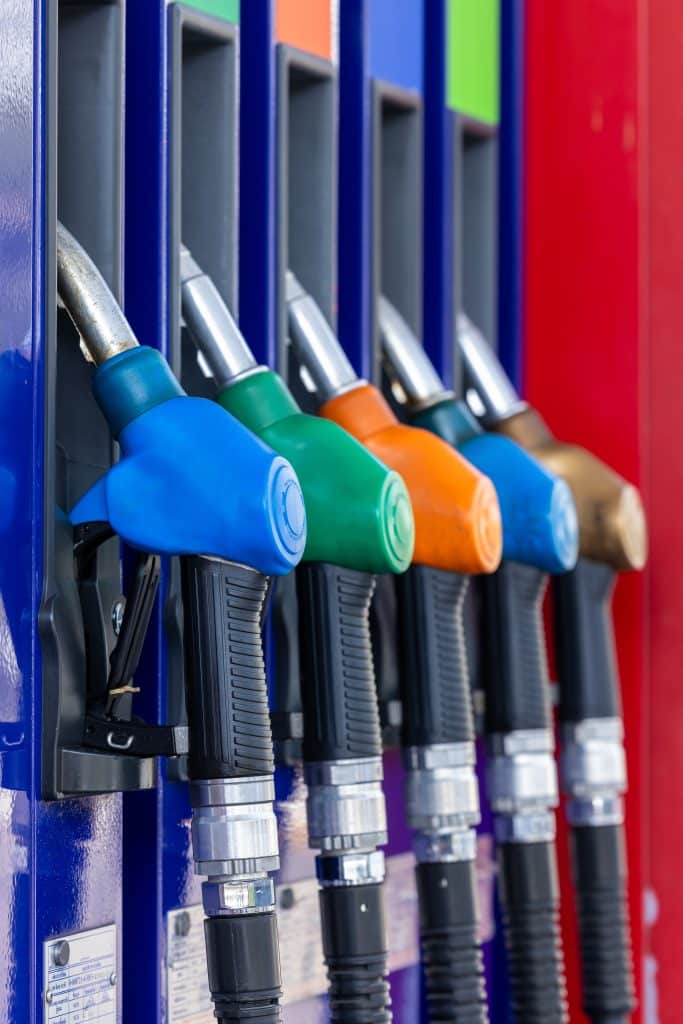
22. Premium Gas for a Regular Engine
Most cars on the road are built to run on regular gas. Unless the owner’s manual specifically says otherwise, premium is just a higher price for the same drive.
Frugal drivers check the manual once and stop guessing after that. Over a few tanks a month, the savings are modest, but they’re free money for reading a label you already own.

21. Disposable Razors at Full Retail Price
Razor cartridges sit near the top of the list for price per ounce in the entire store. It’s a category built almost entirely on repeat purchases nobody comparison shops.
Frugal people switch to a subscription refill service or a basic safety razor and cut the cost by more than half. It’s one of those “cheapskate” tricks that actually work, even if it sounds a little old-fashioned.

20. Furniture at Full Price
Furniture showrooms run sales so often that “full price” barely means anything. There’s almost always a sale event within a few weeks of any given date.
Frugal buyers wait for it, or they check secondhand listings first, since a lot of solid pieces show up barely used. Some of them are exactly the kind of things built to last that people used to just keep for decades.
The upshot: patience alone can knock a meaningful amount off a furniture bill.

19. Greeting Cards From a Specialty Rack
A card from a specialty rack can run five to eight dollars for a folded piece of cardstock read once and often tossed within a week. It’s one of the strangest markups in retail once you think about it.
Frugal people buy a discount multi-pack once a year or make one by hand. Either way, nobody remembers the price of the card once they’ve read the message inside.
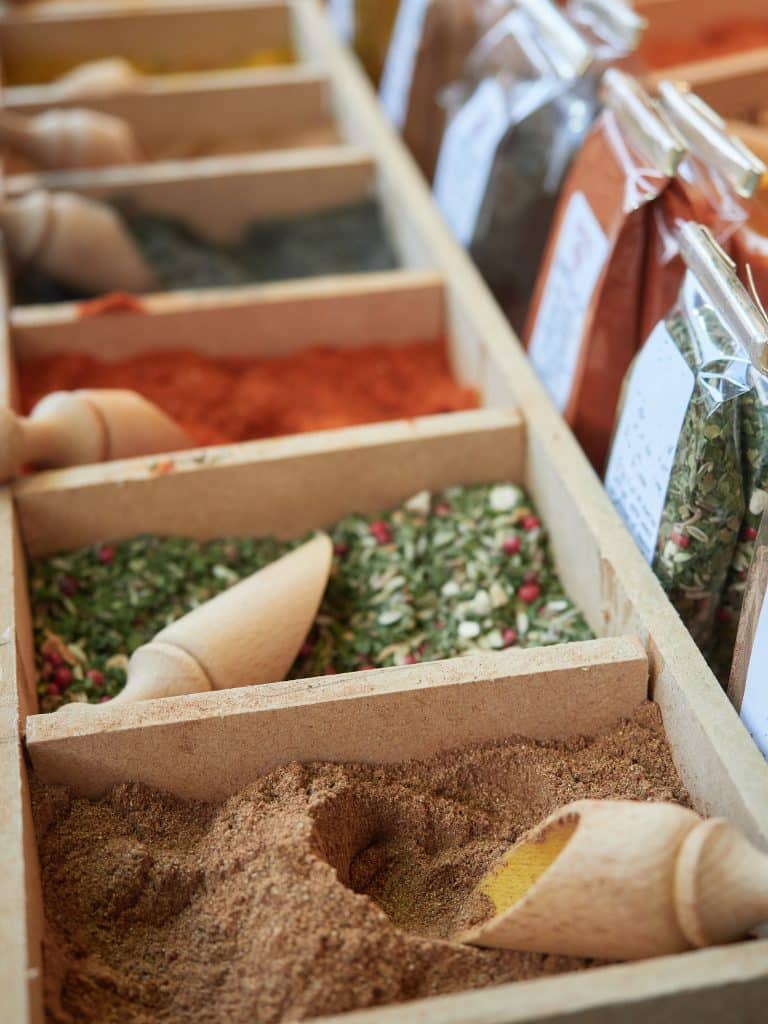
18. Name-Brand Spices
A tiny name-brand jar of a common spice can cost three or four times what the same spice runs in the bulk or international aisle. The plant it grew from doesn’t know the difference.
Frugal cooks refill a few small jars from the bulk bins instead of buying a fresh branded one every time. It’s a small habit, but it repeats every single time the spice rack runs low.
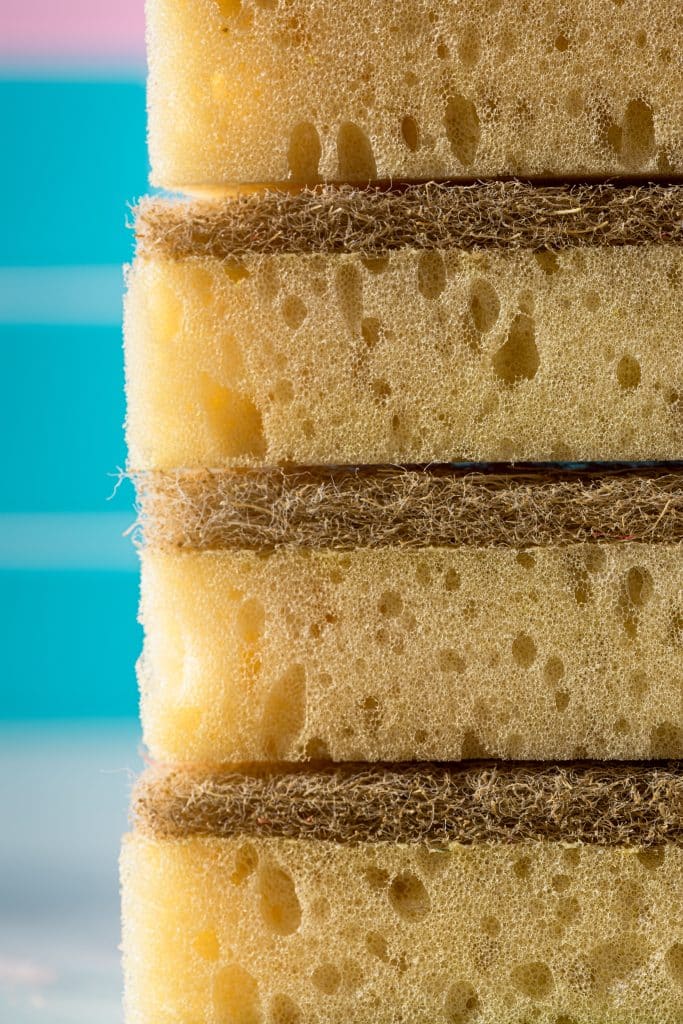
17. Dryer Sheets
A box of dryer sheets is mostly scent and static control layered onto a thin sheet of material. Wool dryer balls do most of the same job and get reused for years.
Frugal households make the switch once and stop restocking a box every month. It’s a quiet line item that disappears from the shopping list, right alongside a few other household items smart shoppers stopped buying entirely.
Where this lands: a one-time purchase quietly replaces a recurring one.

16. A Gym Membership Sitting Unused
Here’s the honest part. If you actually go a few times a week, a gym membership is one of the better things you can spend money on, and frugal people know that too.
The problem is the membership that outlives the motivation. It sits on a monthly statement for months, sometimes years, after the visits stopped.
Frugal people check their own visit count honestly, not the plan they hoped they’d stick to. If the number is low, they cancel and find a cheaper way to move.