20 Everyday Things That Used to Be Free (And What They Cost Now)
Some links may be affiliate links. We may earn a commission at no extra cost to you. View our full disclosure.
You’re not imagining it. A whole category of everyday life that used to cost nothing now shows up on receipts, and it happened so gradually that each new fee felt like a one-off instead of a pattern. Ask anyone over fifty and the list pours out: air for your tires, a seat next to your kid on a plane, a checking account that just held your money without charging rent on it.
This isn’t a grumpy-old-days rant. Some of these fees have real logic behind them, and we’ll say so where it’s true. But seeing the whole list in one place does something useful: it shows how much of a modern budget goes to purchases that aren’t purchases at all, just tolls on things that used to be included.
So here are 20 of them, counted down to the fee that best sums up the whole era, each with what it was, what it runs now, and the workaround where one exists. Keep your receipts. You’ll start noticing these everywhere.

20. Grocery Bags
The bag was part of the groceries for a century, and baggers competed on technique. Now bag fees are law in many states and cities, typically a nickel to a dime each, and the checkout question “did you bring bags” is universal.
This one has an environmental purpose and the workaround costs almost nothing, so it sits at the bottom of the outrage rankings. But it belongs on the list, because it trained everyone for what came next.
Quick Facts
- What it was: included, double-bagged if you asked nicely
- What it costs now: 5 to 10 cents each in fee regions
- The workaround: the trunk full of reusable bags you keep forgetting

19. Air for Your Tires
The gas station air pump was free equipment, like the squeegee. Then it grew a coin slot, and now a quarter became a dollar-fifty at machines that time out before the fourth tire.
Air. The stuff surrounding the machine in every direction, for sale.
Quick Facts
- What it was: free at every corner station
- What it costs now: $1 to $2 per timed session
- The workaround: a $25 portable inflator pays for itself in a season, and some warehouse clubs and a few station chains still offer free air
18. Radio-Quality Music
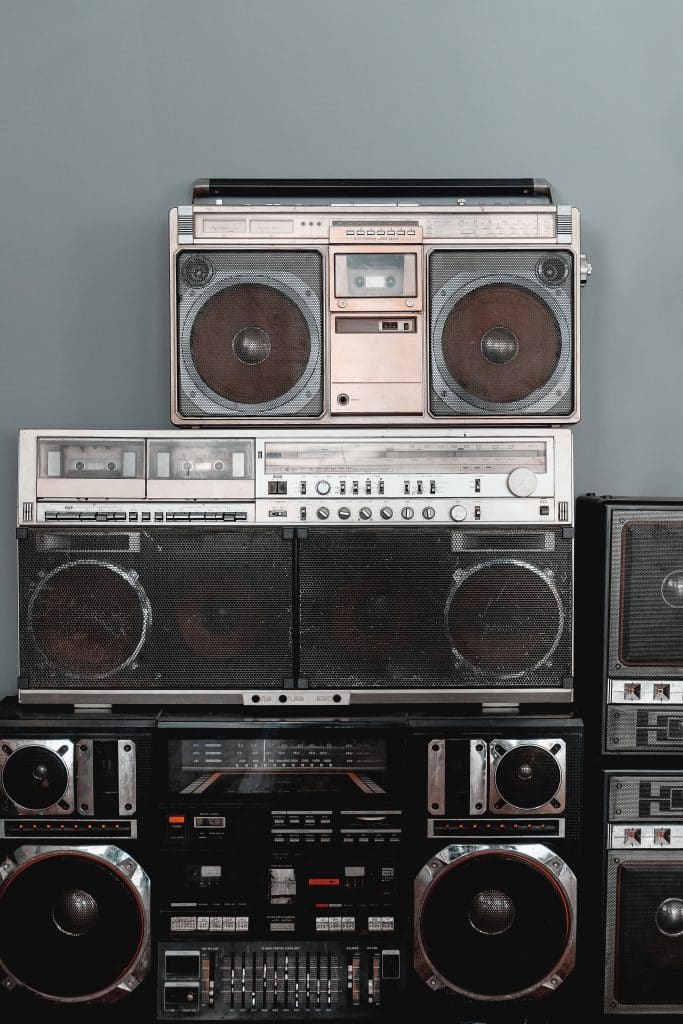
Music arrived free over the air for generations, paid for by ads you tolerated. The modern default is a streaming subscription per adult, sometimes per family member, running $11 to $20 monthly, forever.
The honest note: streaming delivers any song ever recorded, which radio never did. The sneaky part is the forever. Radio never billed you monthly for the privilege of the same songs.
Quick Facts
- What it was: free with commercials
- What it costs now: $130 to $240 a year per subscription
- The workaround: the free ad-supported tiers, which are just radio wearing an app

17. Broadcast TV
Television was free by design: antenna up, networks in, paid by commercials. Cable then streaming rebuilt the same evenings at $60 to $120 a month, and the streaming stack quietly reassembled the cable bill everyone thought they’d escaped.
The plot twist worth knowing: the antenna still works. Modern digital broadcast delivers the major networks in high definition, free, to a one-time $30 antenna, and most people under forty have no idea.
Quick Facts
- What it was: free with an antenna
- What it costs now: whatever your streaming stack totals, times twelve
- The workaround: a $30 antenna still pulls the networks out of the sky, free

16. School Sports and Activities
Playing on the team used to cost a physical exam and maybe cleats. Pay-to-play fees are now standard across much of the country, often $100 to $300 per sport per season, with instruments, clubs, and field trips running their own tabs.
| Keep Reading — 16 Money Habits Every Household Had in 1990 (And What Replaced Them) |
School budgets did this, not greed, and the fees fund real costs. But it moved a formative free thing into the family budget, and for multi-kid households it moved hard.
Quick Facts
- What it was: show up, make the team, play
- What it costs now: often low hundreds per kid per season
- The workaround: most districts have fee waivers and quiet scholarship funds, ask the athletic office
15. Paper Bank Statements
The monthly statement was the product. Mailing it was the bank’s job. Then “paperless” arrived as an eco-friendly option, and somewhere in the transition, staying on paper became a $2 to $5 monthly fee.
Charging customers for the previous default is a recurring theme on this list. This was one of the first, and it taught the whole industry the move.
Quick Facts
- What it was: the normal way banks worked
- What it costs now: $24 to $60 a year for the old default
- The workaround: go paperless and download the PDF, which costs them nearly nothing and you exactly nothing

14. Checking Accounts
Holding your money used to be how banks got the money they lent. The account was free because your deposits were the product. Monthly maintenance fees then crept in, waived only above minimum balances, turning the storage of your own dollars into a subscription.
The good news: this one’s fully escapable, because free checking still exists everywhere. The fee survives purely on inertia, which makes it the most voluntary charge on this list.
Quick Facts
- What it was: free, because your deposit was the point
- What it costs now: $5 to $15 monthly at fee-charging banks
- The workaround: switch once, save forever, as covered in our bills ranking
13. Your Own Cash
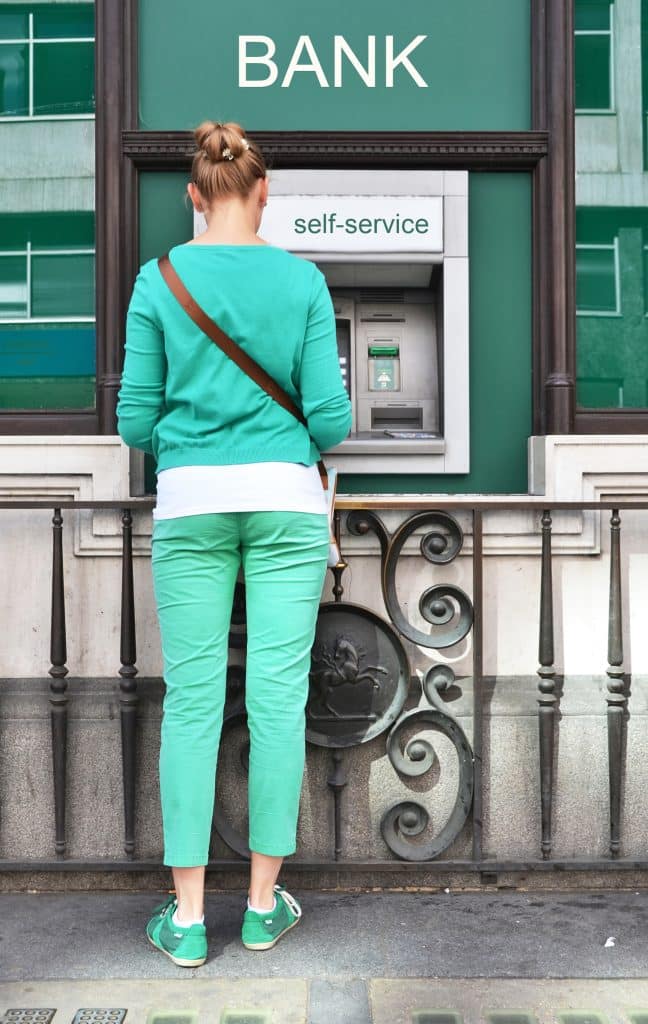
The ATM began as a convenience that saved banks teller costs. Out-of-network withdrawals now stack two fees, yours and theirs, commonly totaling $4 to $5 for the act of retrieving money you already own.
Per transaction, it’s the highest percentage toll on this list: five dollars to access forty is a fee rate loan sharks would respect.
Quick Facts
- What it was: your money, available
- What it costs now: $4 to $5 per out-of-network withdrawal
- The workaround: in-network only, cash back at registers, or a bank that refunds ATM fees
12. Restaurant Delivery
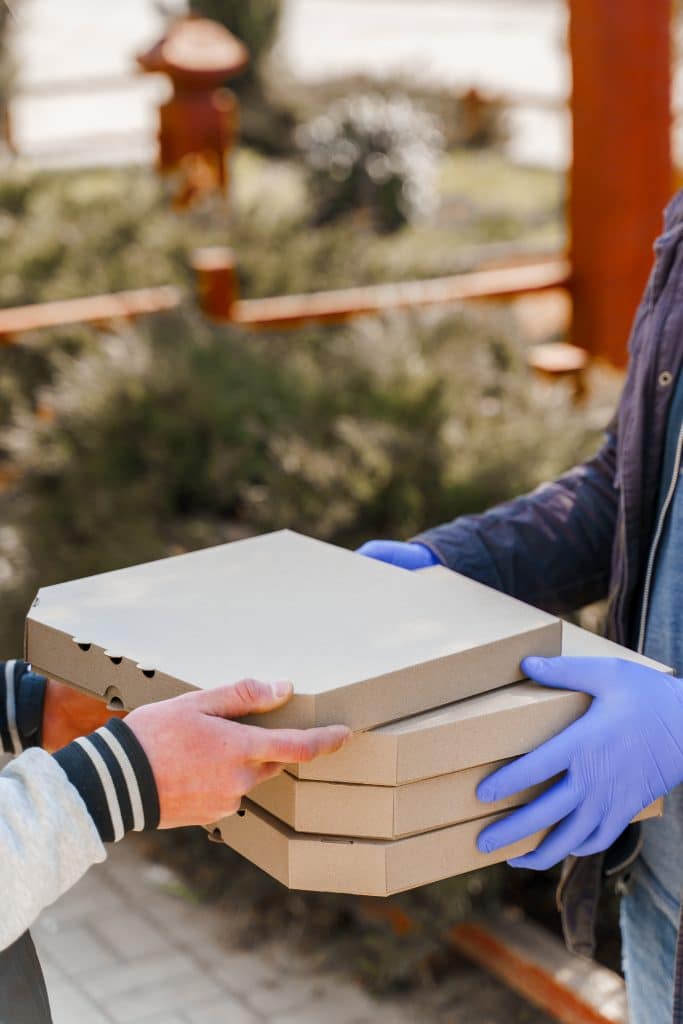
Pizza delivery was free, famously, competitively, thirty-minutes-or-less free, because delivery sold pizzas. App-era delivery attached a delivery fee, a service fee, a small-order fee, and a markup on the menu itself, so the $15 meal lands at $27 before the tip line.
Restaurants aren’t villains here; the app platforms take a real cut and everyone’s passing it along. But “free delivery” went from industry standard to extinct in about a decade.
Quick Facts
- What it was: free, and they hurried
- What it costs now: routinely 40 to 80 percent above the menu
- The workaround: pickup, the app-free phone order, or the restaurant’s own delivery where it survives

11. Condiments and Extras
Sauce packets were a fistful in every bag. Extra dressing was a smile. Now sauce charges of 25 cents to a dollar are normal at counters, guacamole is famously extra, and “add-ons” is a menu section.
Small money, high symbolism. When the ketchup gets a price tag, no free thing is safe.
Quick Facts
|
Worth It or Not
19 Household Items You're Replacing Way Too Often
|
- What it was: take a handful, honey
- What it costs now: a la carte, a quarter to a dollar per sauce
- The workaround: honestly none, this one’s just the world now
10. Parking
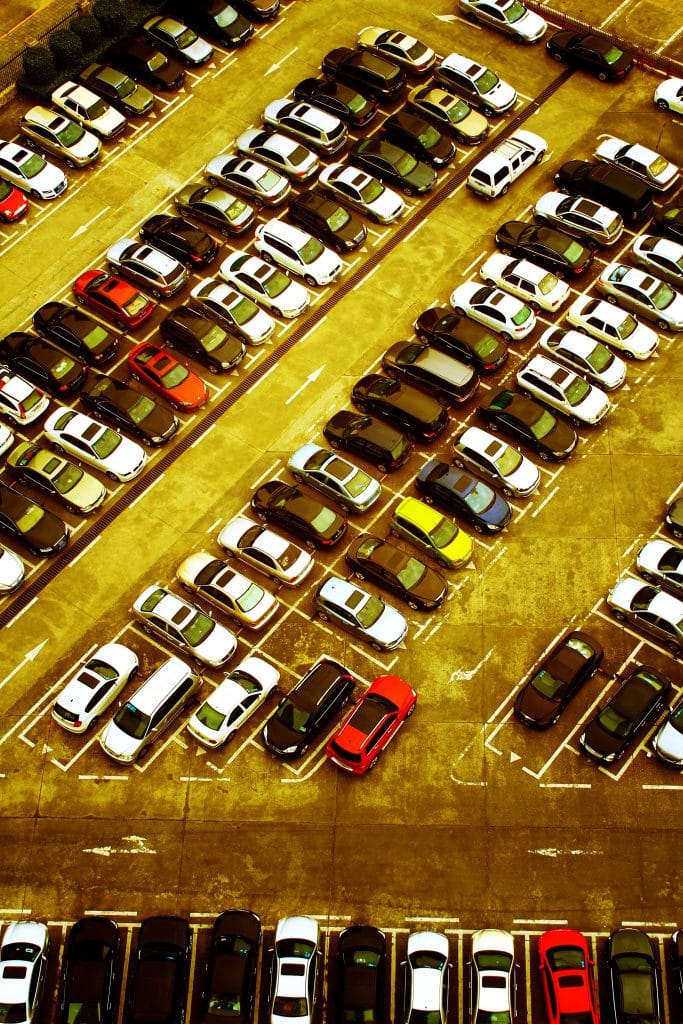
The lot was part of the store, the stadium, the office, the doctor’s visit. Paid parking spread from downtowns outward, apps replaced meters and added their own convenience fees, and event parking became its own second ticket, routinely $20 to $60.
The workaround is the oldest one in the book: park slightly farther and walk, which is free in money and profitable in steps.
Quick Facts
- What it was: part of going anywhere
- What it costs now: event lots alone can rival the ticket
- The workaround: distance, transit, or the free street two blocks out

9. Customer Service
The 800 number was staffed, free, and answered by a person, because helping customers was considered part of selling things. Support now hides behind chatbots and phone mazes, and several industries sell “priority support” tiers: pay to reach a human faster.
Charging for the queue-skip means the free queue got worse on purpose. That’s the quiet part of every priority tier.
Quick Facts
- What it was: a person, included in the price
- What it costs now: premium support tiers and paid “expert” lines
- The workaround: the word “cancel” still summons humans at remarkable speed
8. Returns
Free returns built the entire mail-order world, then built online shopping on top of it. Return shipping fees and restocking charges have now returned across major retailers, typically $4 to $8 per return, with “keep it and we’ll refund you” appearing only when the math favors them.
The reasons are real, returns cost retailers billions, but the effect is the same: a free pillar of buying-without-seeing quietly grew a toll booth.
Quick Facts
- What it was: free both directions
- What it costs now: $4 to $8 return fees at a growing list of stores
- The workaround: in-store drop-offs are usually still free, and buying right beats returning cheap

7. Hotel Everything
The room rate used to be the price of the room. Resort fees, amenity fees, and “destination charges” now add $25 to $60 a night at many properties, covering things like the pool and the gym, which is to say, the hotel, which you already paid for.
Regulators keep circling mandatory-fee disclosure, and booking-site pressure has forced more upfront honesty. Until it finishes, the nightly rate is an opening bid.
Quick Facts
- What it was: the rate on the sign
- What it costs now: $25 to $60 nightly in fees at fee-charging properties
- The workaround: total-price filters when booking, and fee-free brands do exist

6. Sitting Together on a Plane
Seat selection was checking in. Families sat together because obviously. Then seat assignments became a product, $10 to $50 per seat per flight, and the algorithm developed a mysterious talent for scattering parties of four unless paid.
Basic-economy fares turned the whole cabin into a la carte. Regulators have pushed back on family-seating fees specifically, with some progress. The fact that it required regulators tells the story.
Quick Facts
- What it was: included in the concept of a ticket
- What it costs now: $10 to $50 per seat, per direction
- The workaround: airlines with free family seating policies, early check-in, and gate agents with hearts
5. Checked Bags
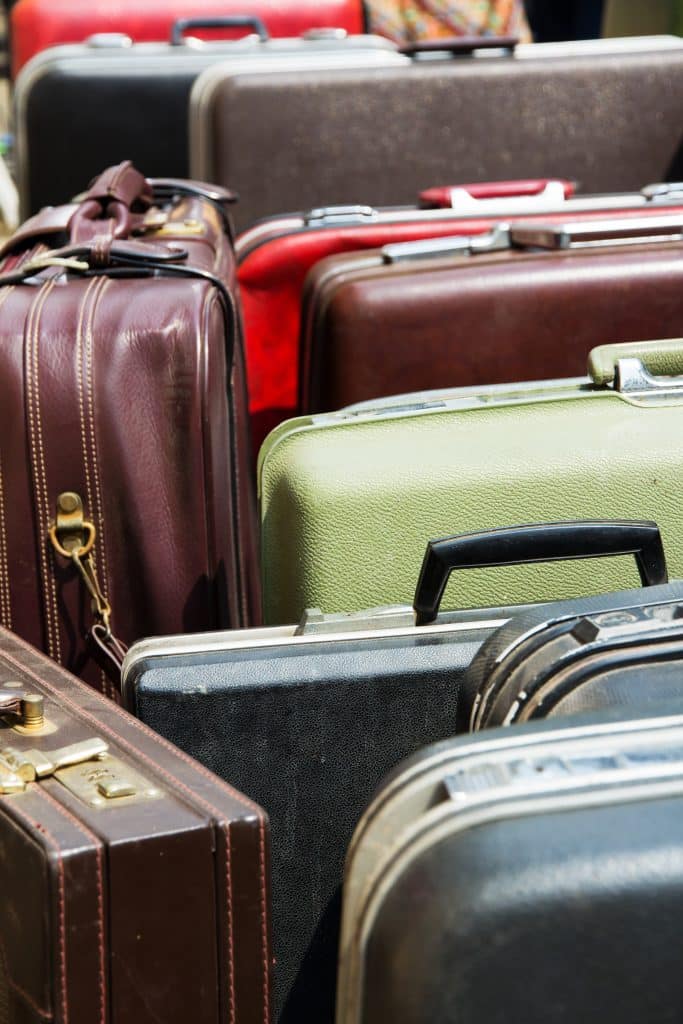
The suitcase flew free for the whole history of commercial aviation, then 2008’s fuel spike introduced the $15 bag fee as a temporary measure. It’s now $35 to $40 per bag each way at most major carriers, permanent, and annually increased, generating billions industry-wide.
| Keep Reading — 17 Money Conversations Every Couple Should Have (Ranked by How Awkward They Are) |
The knock-on effect ruined boarding for everyone: the fee chased luggage into the cabin, and the overhead-bin scramble is the fee’s monument.
Quick Facts
- What it was: two bags, included, for decades
- What it costs now: $70 to $80 round trip per suitcase
- The workaround: carry-on discipline, airline cards with bag benefits, or the one holdout airline famous for free bags
4. Event Tickets at Face Value
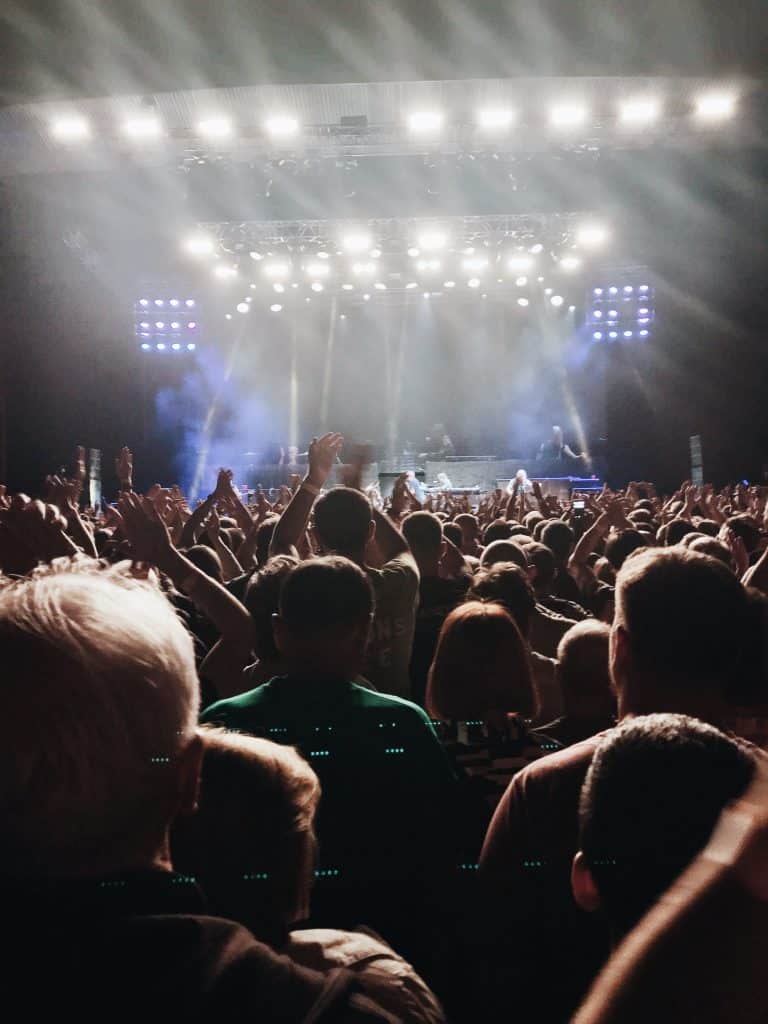
The ticket price was the price. You paid it at the box office window, cash, done. The modern checkout adds service fees, processing fees, facility charges, and delivery fees for tickets delivered by email, routinely inflating the total 20 to 35 percent past the advertised number.
Fee-transparency rules are finally forcing all-in pricing into view. The fees aren’t shrinking, but at least they’ve stopped hiding until the last screen.
Quick Facts
- What it was: the number printed on the ticket
- What it costs now: 20 to 35 percent above the advertised price
- The workaround: box office windows where they still exist skip some fees, and all-in price displays at least end the surprise

3. Water
The fountain was infrastructure, in every school, park, and airport. Bottled water then built a multi-billion dollar industry selling the same substance at per-gallon prices exceeding gasoline, and venues helped by making fountains scarce behind $5 bottles.
The comeback is real: refill stations are spreading and the reusable bottle became a fashion object. The century’s strangest budget line is optional again, for anyone who remembers to carry the bottle.
Quick Facts
- What it was: a public utility with a button
- What it costs now: $2 to $5 per bottle at any venue
- The workaround: an empty bottle through security, filled on the other side
2. Paying Your Bills
Read this one twice: there is now frequently a fee for the act of paying. Convenience fees for paying by card, processing fees for paying by phone, technology fees at checkout, service charges for paying rent through the mandatory portal, often $2 to $4 per payment.
Charging money to accept money is the logical endpoint of the entire fee era, and it’s spread from government offices to landlords to utilities. The workaround matters because the fee usually hides a free lane next to it.
Quick Facts
- What it was: paying was just… paying
- What it costs now: $2 to $4 per “convenience”
- The workaround: the bank-transfer or autopay option is usually the free lane, buried one menu deeper
1. Knowing the Price at All
The crown, because it’s the fee that contains all the others: the gap between the advertised price and the final price. The room rate before resort fees, the fare before bags and seats, the ticket before service charges, the menu before the platform markup, the total before the convenience fee for paying it. The real price of half of modern life is unlisted, discoverable only at the last screen of checkout, which is exactly where deciding against it feels too late.
Your grandparents paid sticker prices that were prices. That’s the free thing that actually disappeared, and every entry above is a piece of it. The defense is unglamorous but effective: judge everything by the all-in total, walk backward out of any checkout that grew surprise line items, and treat the advertised number as an introduction rather than a fact. The businesses running drip pricing are counting on the momentum of your almost-finished purchase. Momentum is free to abandon. Some things still are.
Quick Facts
- What it was: the price, listed, meaning it
- What it costs now: the 20 to 40 percent living between the ad and the receipt
- The workaround: all-in totals or no deal, every time
Before You Go
Seeing the list in one place makes the pattern obvious: the fees arrived one at a time, each small enough to shrug at, and the shrugs compounded into a real annual number. Nobody can boycott all twenty. But knowing which tolls have free lanes next to them, and this list found one for most, claws a surprising amount of it back.
For the rest of the system on this site, our ranked guide to lowering monthly bills attacks the recurring versions of these fees directly, and the list of things your grandparents paid cash for covers how the older playbook handled money before the fee era found it. The theme across all three is the same: the defaults changed quietly, and noticing is most of the fix.