35 Things Every 80s Kitchen Had That Nobody Buys Anymore
Some links may be affiliate links. We may earn a commission at no extra cost to you. View our full disclosure.
Walk into a kitchen from 1985 and you would know exactly what decade you landed in within about four seconds. The colors alone would tell you. So would the drawer nobody could ever fully close.
A lot of that stuff wasn’t just decor. It was a small monthly or yearly spending habit built around gadgets, appliances, and routines that felt necessary at the time.
Some of it disappeared because it broke and nobody replaced it. Some of it disappeared because a phone app quietly did the same job for free.
Either way, the modern kitchen spends less on this category of stuff than the 80s kitchen did, even adjusted for inflation. That is not nostalgia talking, that is a real shift in where the money goes.
I went through 35 of these, ranked from the ones you barely remember to the one that basically defined the whole decade. See how many you still own.
35. Wallpaper Borders Around the Ceiling
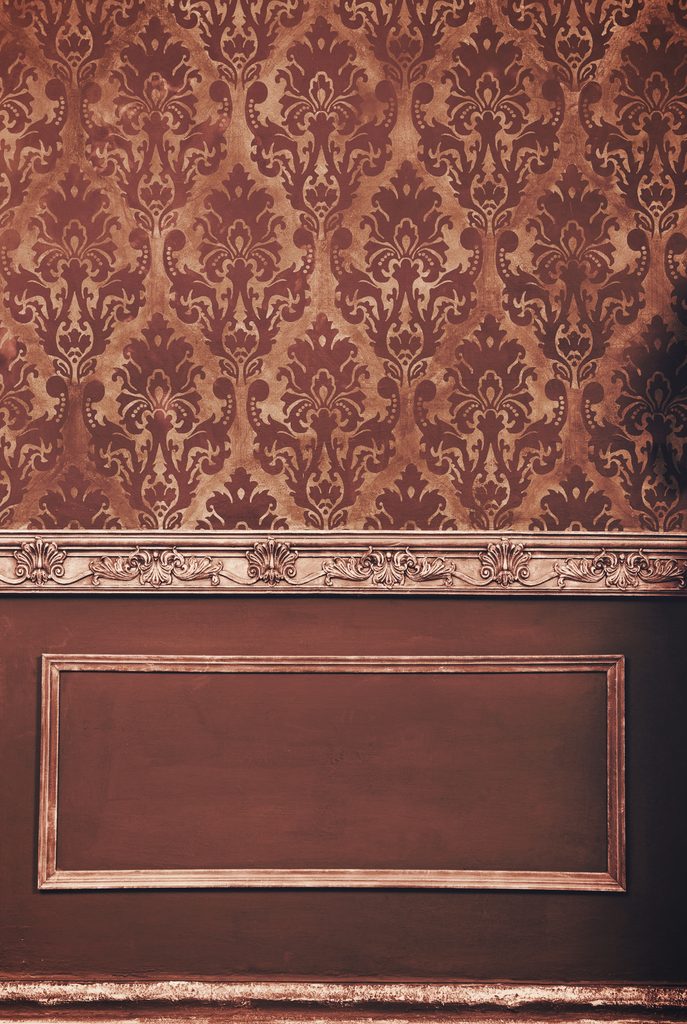
A strip of fruit or ribbon print, glued in a band right where the wall met the ceiling. It was the finishing touch, like a picture frame for the whole room.
It was also a recurring cost most people forgot about. Borders faded, peeled at the seams, and got replaced every few years right along with the rest of the wallpaper.
Paint is a one-time job that lasts a decade if you do it right. A border was basically a subscription with extra steps, and almost nobody misses paying it.
34. Bread Machines
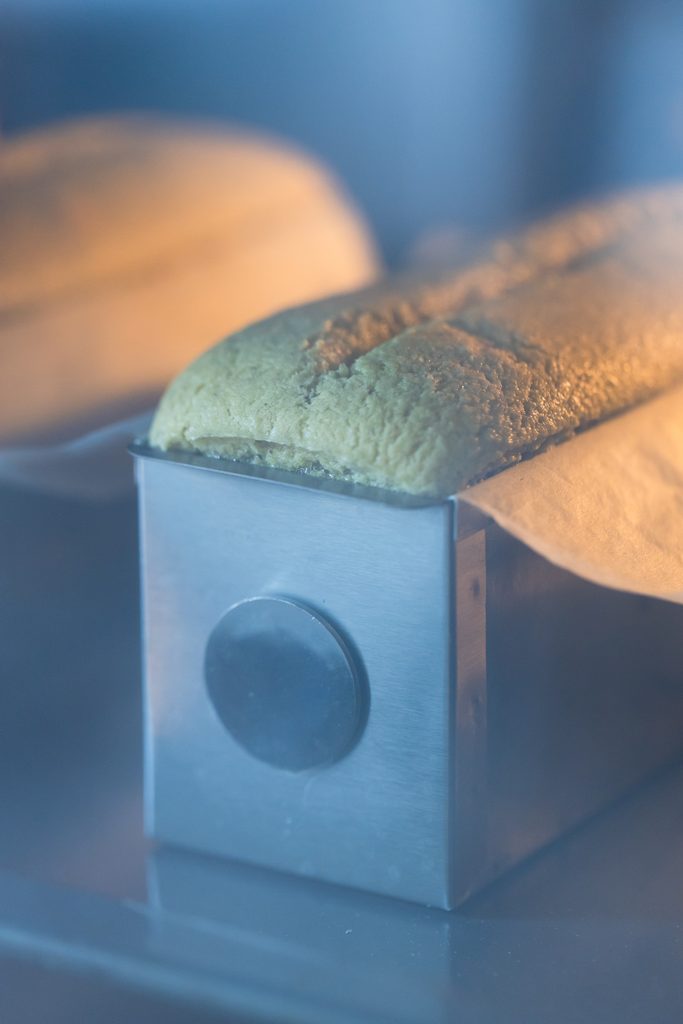
The bread machine promised fresh loaves every morning with almost no effort. A lot of people bought one, used it eight times, and then let it sit on a shelf doing nothing.
The math never worked in its favor once you counted the appliance itself. Flour, yeast, and electricity for a single loaf usually landed close to what a decent loaf from a bakery counter cost anyway.
Worth Remembering: the machines that survive on secondhand shelves today are almost always the ones bought with good intentions and used a handful of times before quietly retiring to the pantry.
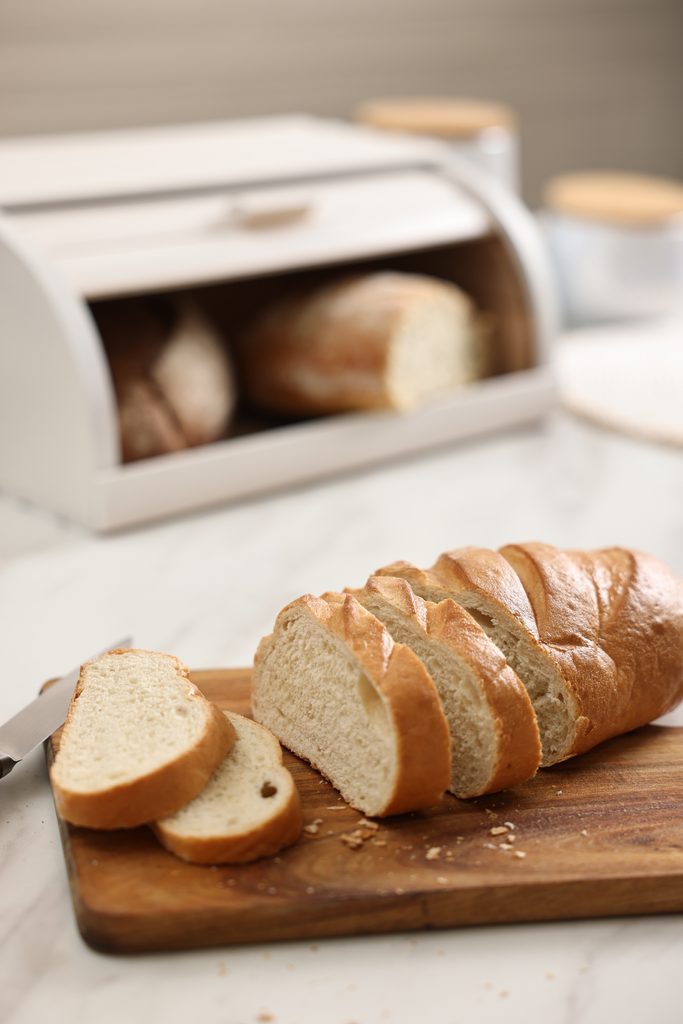
33. Bread Boxes on the Counter
Before bread lived in the refrigerator or got frozen in bulk, it lived in a tin or wooden box right on the counter, taking up real estate other things could have used.
The box itself was a purchase people didn’t think twice about. It just seemed like something a kitchen was supposed to have, the same way a kitchen was supposed to have curtains.
Bagged bread that goes straight into the freezer or a cabinet does the same job for free, which fits right in with things that cost way less than people assume.
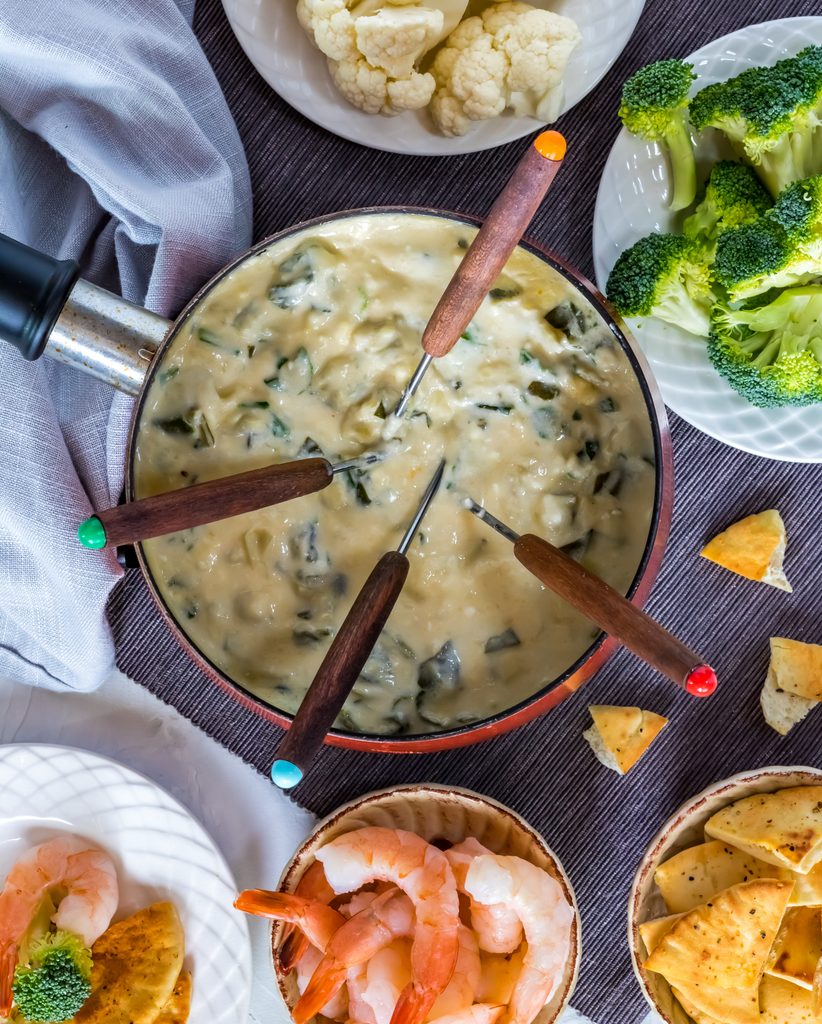
32. Fondue Sets and Fork Kits
Every third house on the block seemed to have a fondue pot in a cabinet somewhere, usually a wedding gift that got used at exactly one dinner party before retirement.
The pot, the forks, the little stand and fuel canister added up to a real purchase for something that mostly came out around the holidays.
A saucepan and a pack of skewers gets you 90 percent of the experience today. The specialty setup collecting dust in a cabinet is a fairly common story on secondhand marketplaces, half used and priced to move.
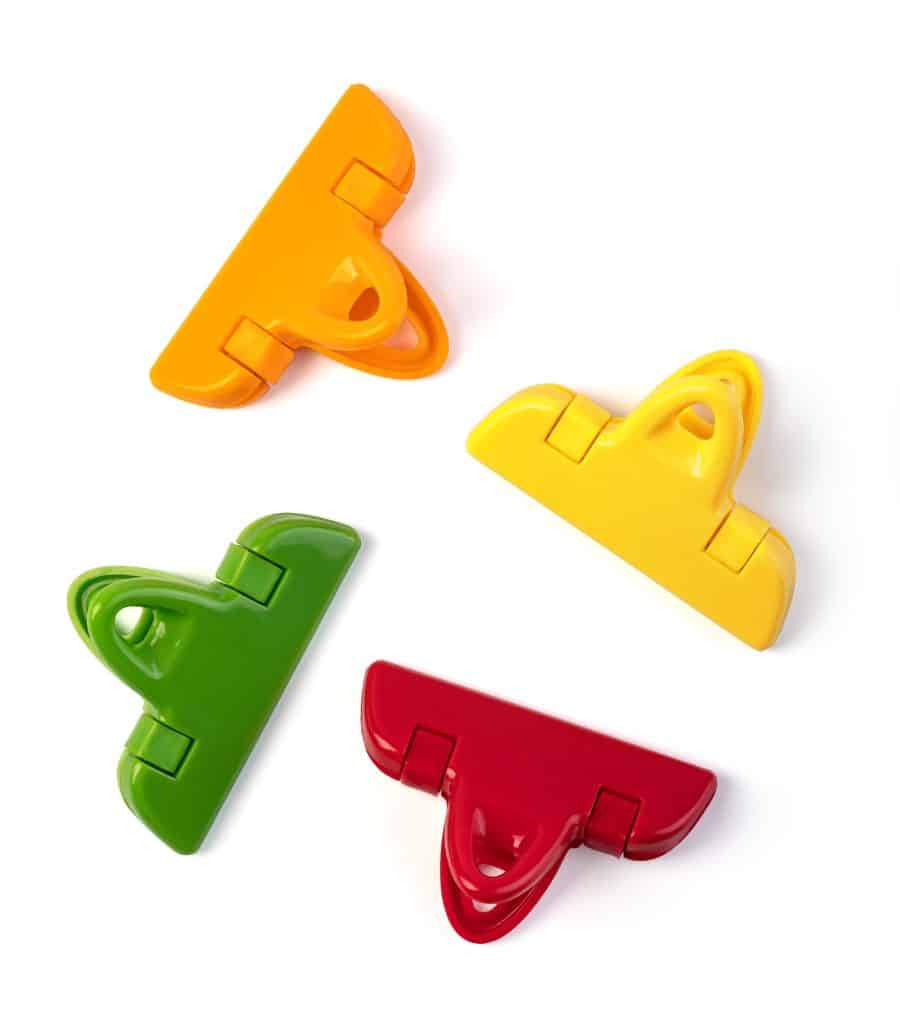
31. Plastic Bread Bag Clips
They came free on every loaf, and yet somehow a drawer full of them still felt like a small victory. Losing one felt like a minor personal failure.
Reusable bag clips did exist, bought in packs, colorful and sturdy, meant to outlast the free ones. Most people still lost those too.
A simple knot or a fold-and-tuck does the job with zero purchase required, which is basically what everyone quietly switched to.
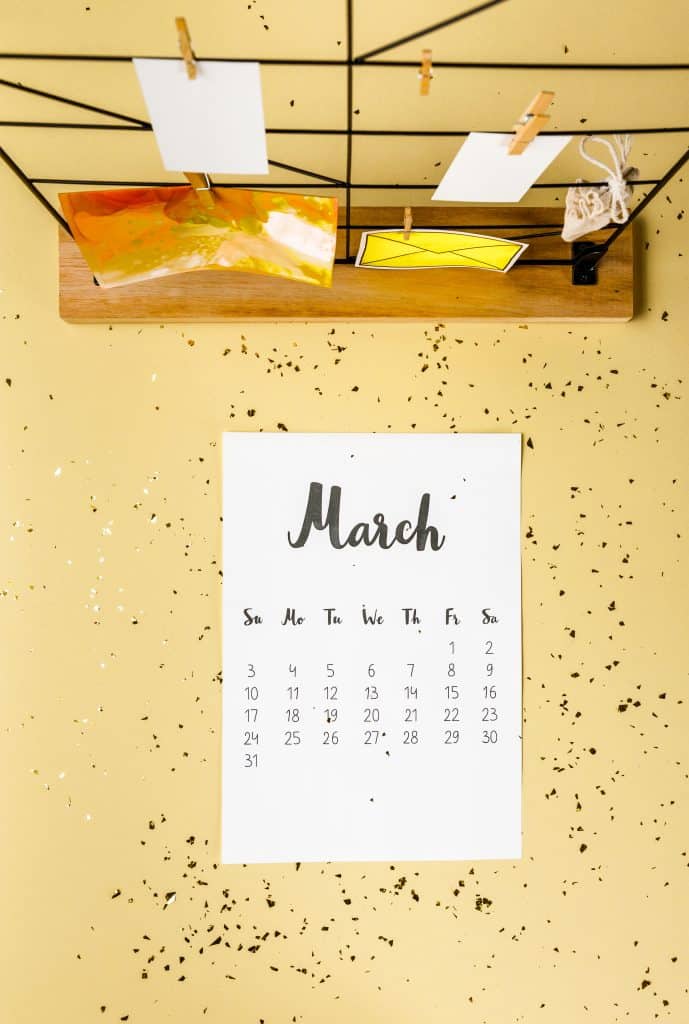
30. The Wall Calendar From a Local Business
The auto shop, the church, the funeral home, someone always mailed a free calendar around the holidays, and it went straight up next to the fridge without a second thought.
It was free advertising for the business and a free planner for the household, a rare deal where nobody was really losing anything.
The Upshot: a phone calendar synced across the whole family replaced the free wall calendar and somehow made it feel old-fashioned, even though it cost exactly the same amount, which was nothing.

29. The Rooster or Fruit Motif Everything
Once a household committed to a theme, roosters or apples or grapes usually, it showed up on the towels, the canisters, the curtains, and somehow the trivets too.
That kind of matched set was rarely one purchase. It was a slow accumulation over a few years as new theme pieces got added to the collection.
Kitchens today lean toward one or two neutral tones instead. Fewer coordinated pieces to buy means fewer coordinated pieces to eventually throw out.
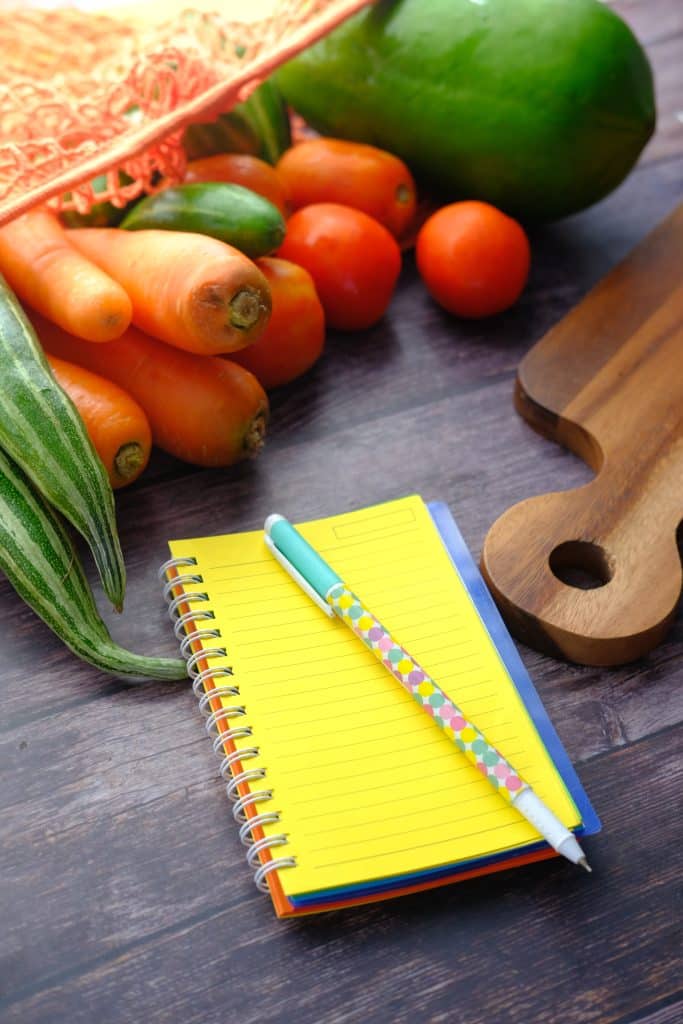
28. The Printed Grocery List Pad
A magnetic notepad on the fridge, usually printed with a cute food graphic, existed for exactly one purpose: writing “milk” on it in someone’s handwriting.
Households bought new pads a few times a year without ever really thinking about it, the same way they bought new sponges.
Net Effect: a shared list app on a phone now does this for free and syncs it between two people at the store at the same time, which the paper version never could. It also makes it easier to run through the questions smart shoppers ask before buying right in the aisle.
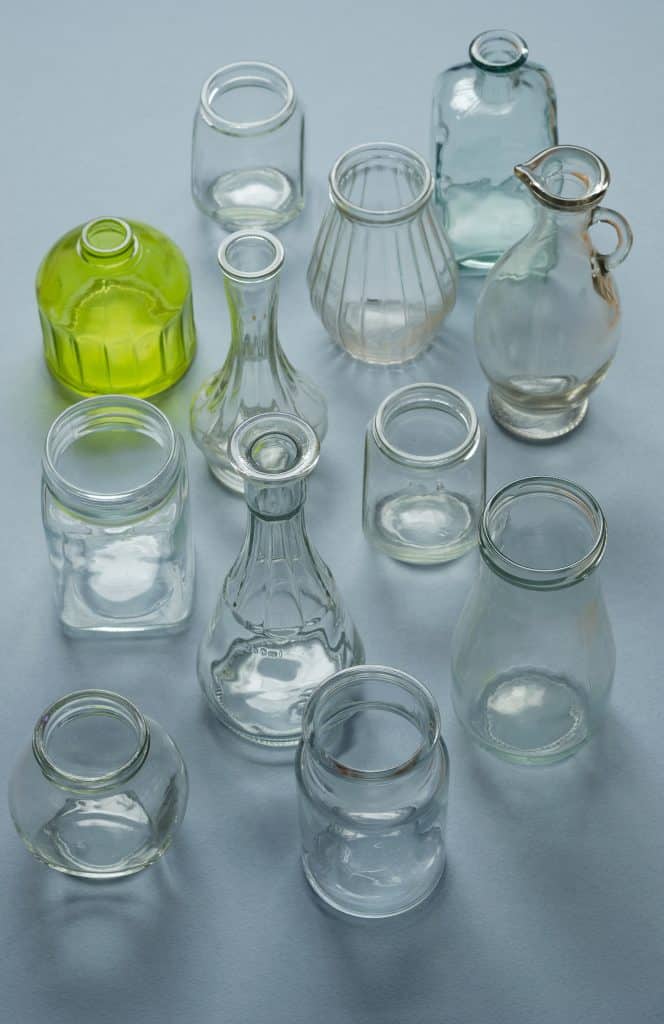
27. The Glass Jar Collection
Every jelly jar, pickle jar, and pasta sauce jar got washed out and saved. Cabinets filled up fast with a mismatched glassware collection nobody technically bought.
|
You might also like
16 Money Habits Every Household Had in 1990 (And What Replaced Them) →
|
It was a genuinely frugal habit, free storage instead of paying for containers. The catch was the space it ate up for years before most of them ever got used again.
Modern kitchens tend to buy a small matched set of containers once instead. It costs more upfront and less in cabinet real estate over time.
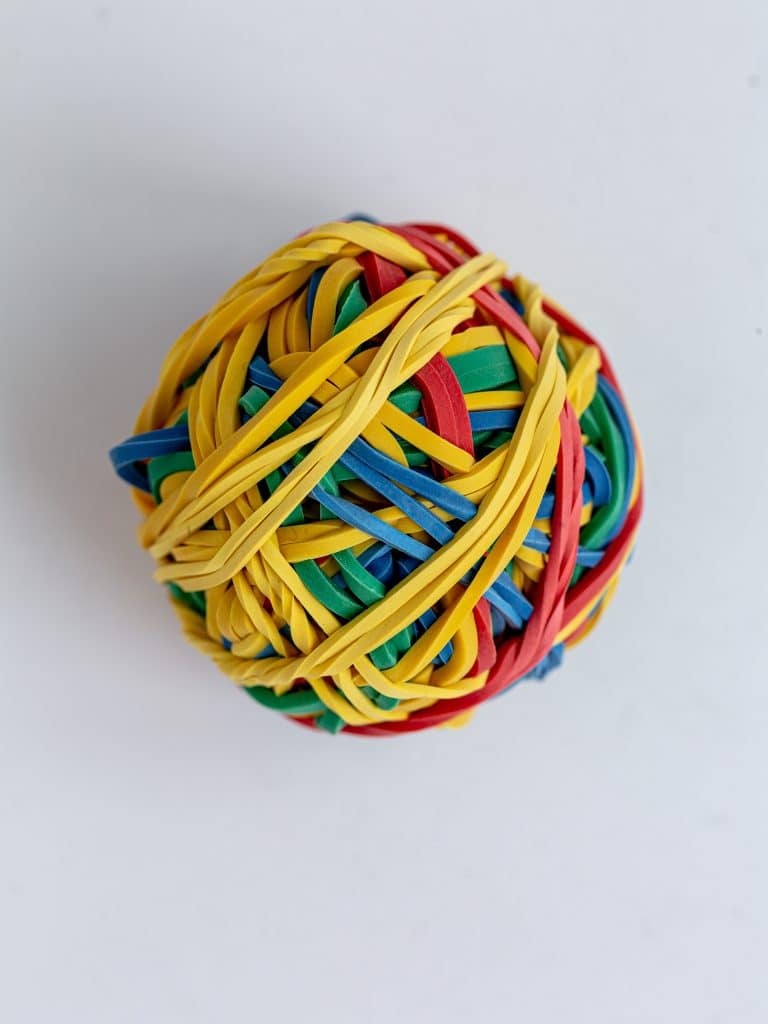
26. The Junk Drawer Rubber Band Ball
Rubber bands came free on the newspaper, the broccoli, the mail. Somebody in every house saved them into a growing ball that eventually got too big for its own good.
It never cost anything to build, which is exactly why it kept growing. Nobody ever felt bad about hoarding something that arrived free.
Fewer newspapers and fewer rubber-banded deliveries mean the raw material for this one mostly stopped showing up on its own.
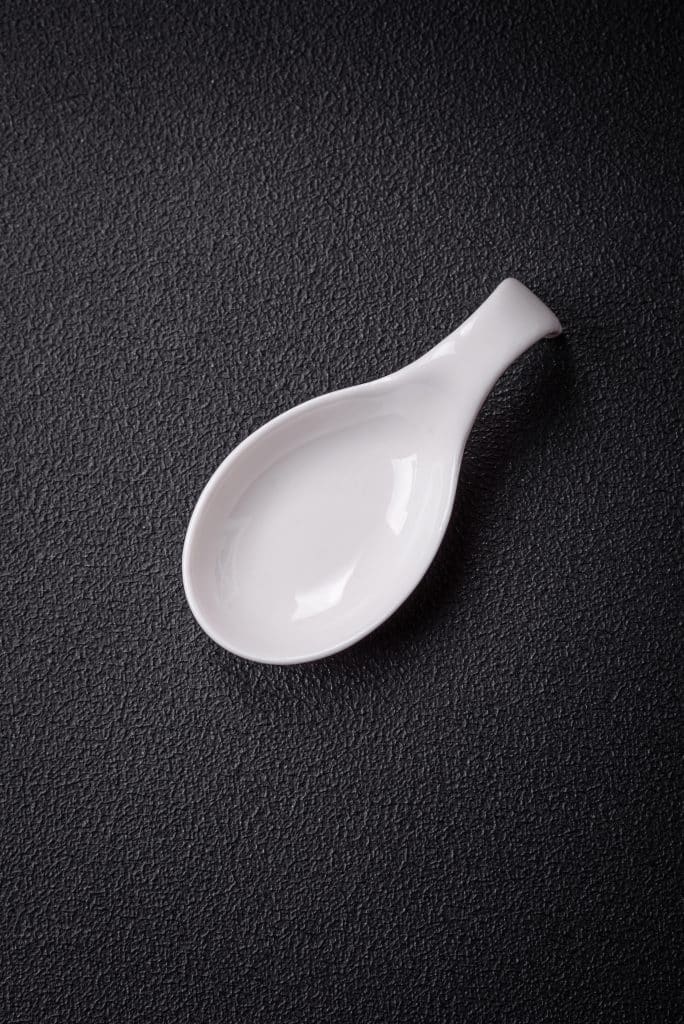
25. The Spoon Rest
A small ceramic dish shaped like a strawberry or a chicken, sitting by the stove for the sole purpose of catching one dripping spoon at a time.
It was usually a gift, not a purchase most people made for themselves, which is part of why so many of them ended up looking almost identical from house to house.
A folded paper towel does the same job for nothing. That is more or less the entire reason the spoon rest quietly became optional.
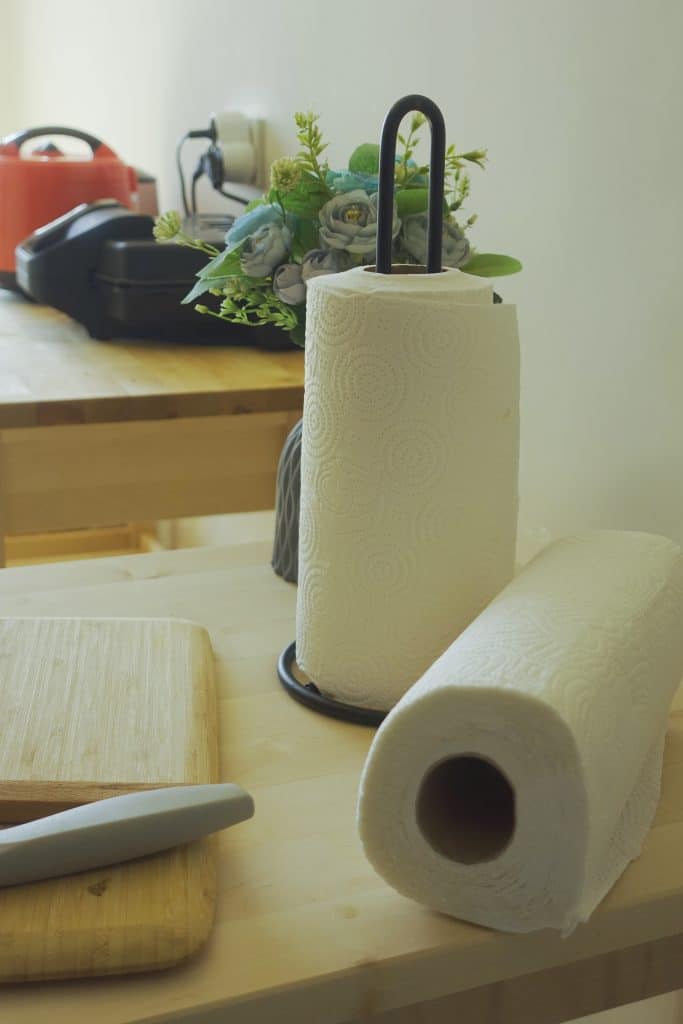
24. The Paper Towel Holder With a Towel on It
A dedicated wooden or metal holder, usually bolted under a cabinet, whose entire job was making sure the roll didn’t just sit loose on the counter.
It was a small one-time purchase, but a purchase all the same, for a function a countertop or a drawer handles just as well.
Where This Lands: plenty of kitchens still have one, but almost nobody is buying a new holder on purpose anymore. It just gets inherited with the house.
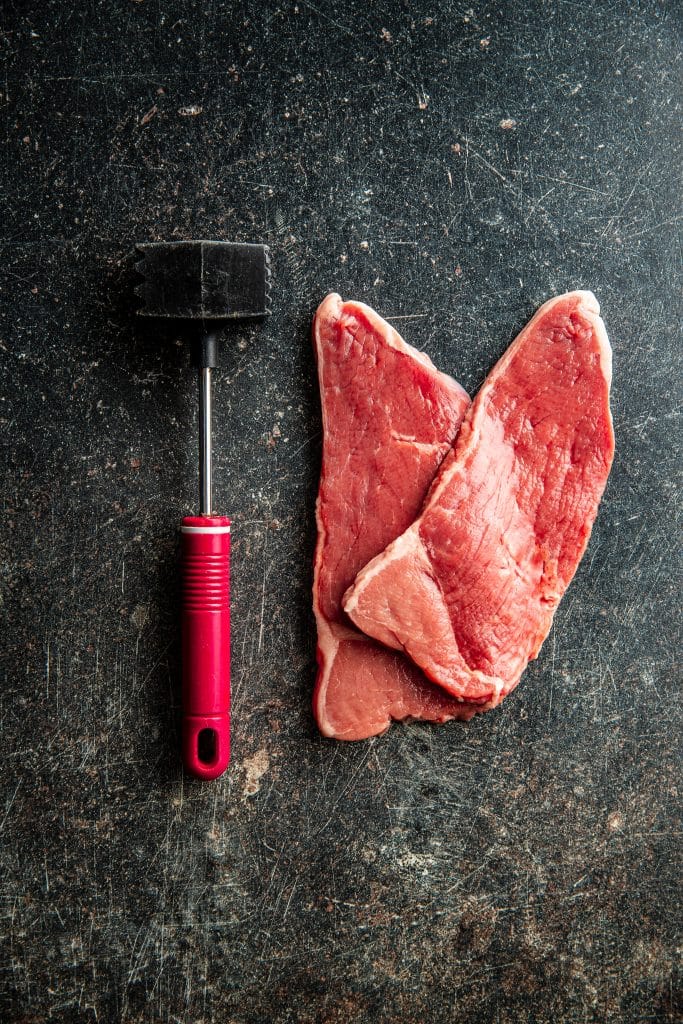
23. The Meat Tenderizer
That heavy wooden or metal mallet with the spiked head lived in a drawer specifically for pounding cutlets flat before dinner.
Cheap cuts of meat needed real tenderizing back then, so the tool earned its keep more often than most single-purpose gadgets do.
Pre-tenderized cuts and a shift toward chicken and ground meat cut demand for the mallet, and the drawer space it used to claim went to something else.
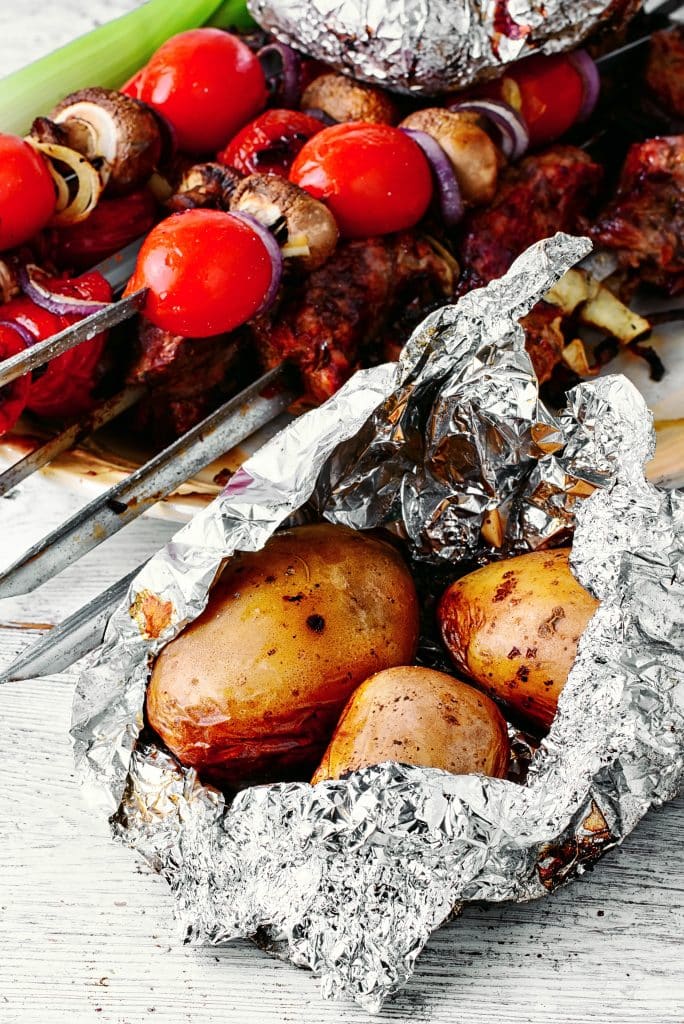
22. The Aluminum Foil Tent
Big roasts got a foil tent instead of a lid, wrapped over the pan to hold in heat and moisture during the long slow cook.
Foil wasn’t cheap even then, and a full roast dinner could burn through a decent length of it in one sitting.
A lid that already comes with the pan does the same job without a recurring roll of foil behind it. It is a small enough saving that nobody needs to feel guilty about the years spent buying foil instead.
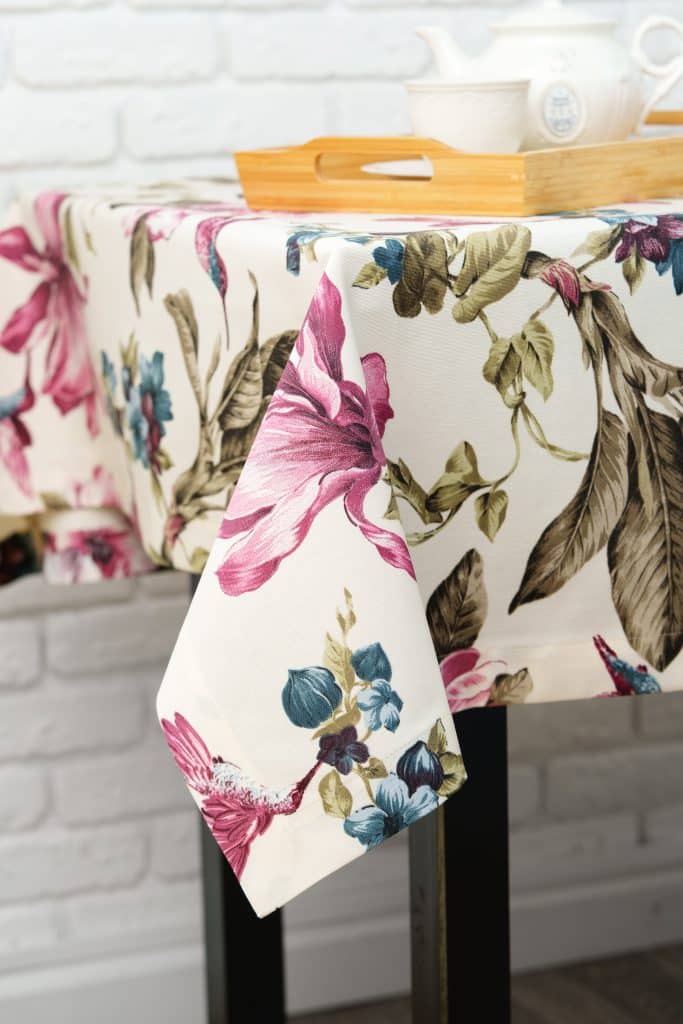
21. The Printed Checkered or Floral Tablecloth
Every kitchen table wore one, usually a couple of them in rotation, and they went into the wash weekly whether they needed it or not.
Tablecloths stain, fray, and fade, so they were a repeat purchase in a way a bare wooden table simply never is.
The Math: a wipeable table finish or a placemat set covers the same function for a fraction of the ongoing cost, which is exactly why most tables today sit bare.
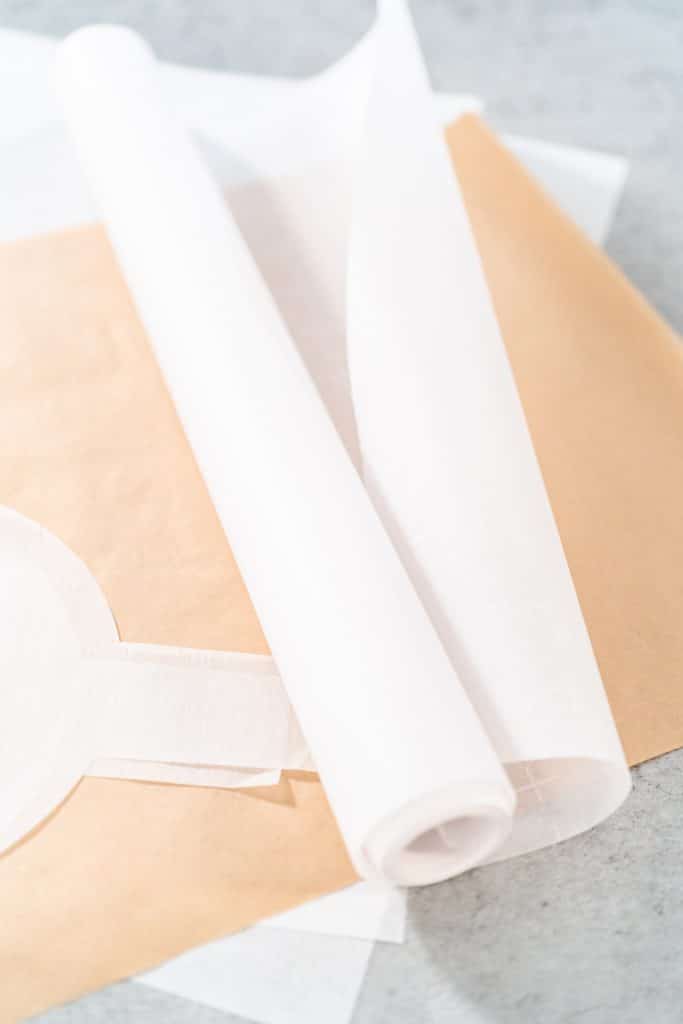
20. The Wax Paper Roll
Before parchment paper and plastic wrap took over completely, wax paper handled lining pans, wrapping sandwiches, and covering leftover bowls.
It was cheap, but a kitchen went through a full roll faster than you’d expect, especially around holiday baking season.
Reusable containers and silicone baking mats replaced a lot of that repeat purchase with a one-time buy that just gets washed and used again.
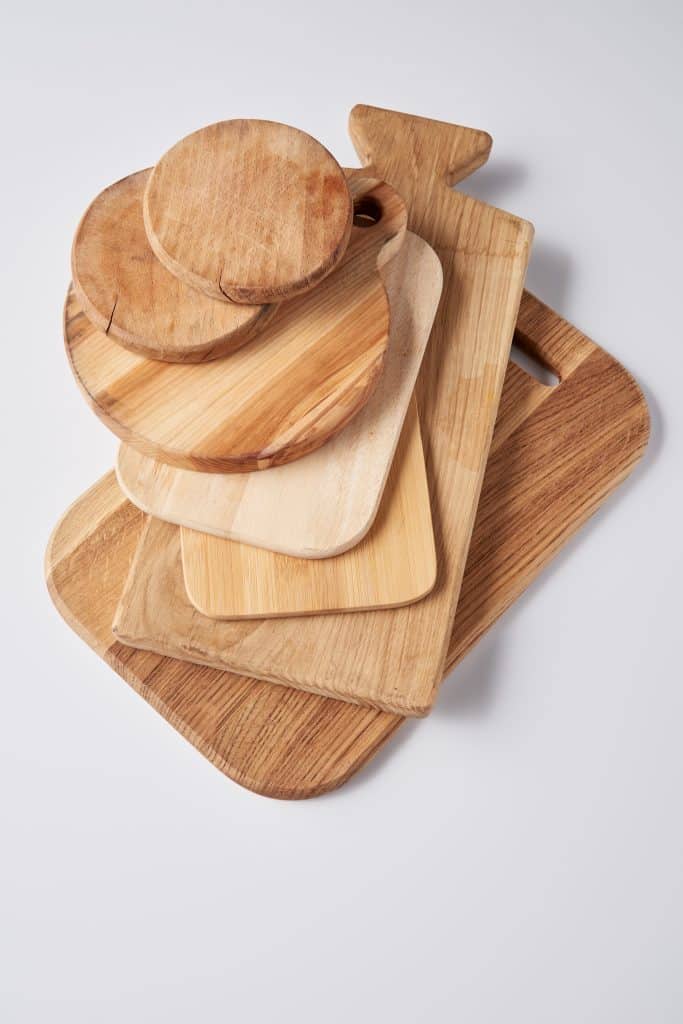
19. The Cutting Board Collection
Not one board, several, stacked in a lower cabinet or wedged between the counter and the wall. There was always a “the good one” and several backups.
Wood warps and cracks, so replacing one every so often was just part of owning a kitchen, and most households never really noticed the small recurring cost.
A single well-made board that gets proper care can outlast most of that old rotation, which is a fair fit with what stuff built to actually last tends to have in common.
Myth vs. Reality: The Matched Set
The myth: a fully matched kitchen, appliances, towels, canisters, and curtains all in the same color and pattern, meant the household had its act together financially.
The reality: matching sets were mostly a marketing win for the stores selling them, not a sign of household budgeting skill. A mismatched kitchen that owes nothing on the appliances is in far better shape than a coordinated one on a payment plan.
Worth keeping in mind as you go through the rest of this list. A lot of what made 80s kitchens look “put together” was really just a lot of small, separate purchases lined up next to each other.
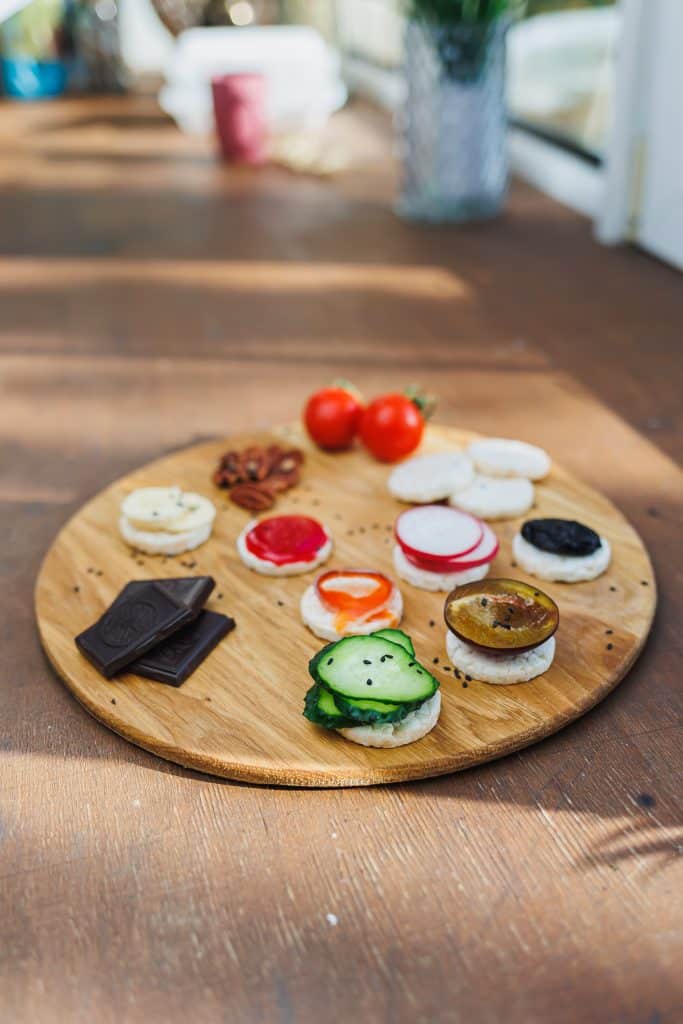
18. The Lazy Susan
Both the tabletop spinning tray for dinner parties and the corner cabinet version for pots and pans counted as musts, and plenty of houses had both.
They were genuinely useful for the corner cabinet problem, which is a real design flaw that never fully went away.
|
Money Stuff
16 Small Money Leaks That Quietly Cost Five Figures a Decade
|
Worth Remembering: pull-out drawer systems mostly replaced the built-in corner version, but the tabletop spinner for parties is one of the rare items on this list that plenty of people still buy on purpose.
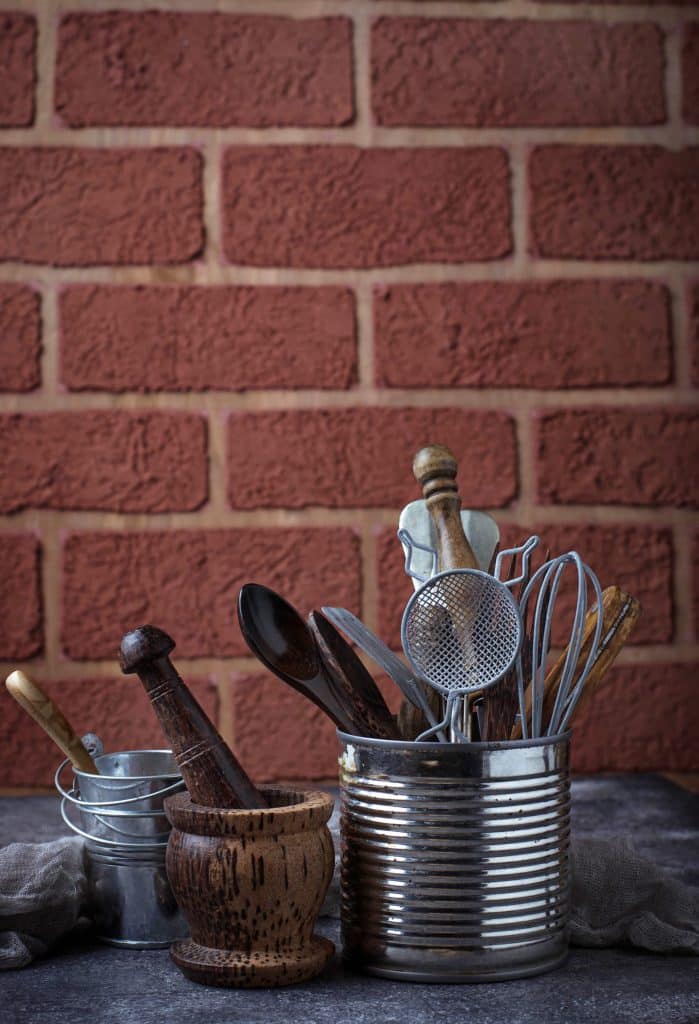
17. The Canning Supplies
Jars, lids, a canning pot, and a rack lived in the basement or the top of a closet for a few intense weeks of tomato and pickle season each year.
It was a real skill and a real cost saver when done at scale, but it also demanded storage space and a fair amount of time most households don’t have anymore.
Grocery prices on canned goods came down enough over the decades that the labor-to-savings math stopped making sense for a lot of families. It landed on the same shrinking list as a lot of the other things people quietly stopped buying once they got smarter with money, even though a genuine handful of people still do it and swear by it.
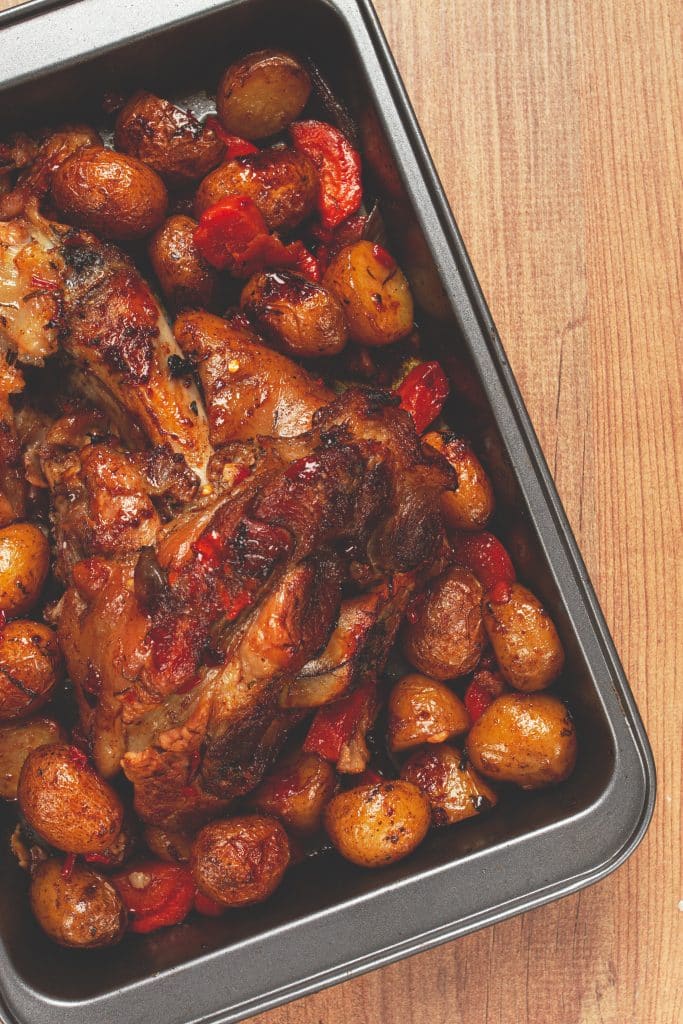
16. The Roaster Pan
A big oval pan, often with a lid, that came out for a whole bird or a big holiday cut and otherwise sat unused in a bottom cabinet for months.
It was a real purchase, and a bulky one, taking up cabinet space that plenty of smaller households didn’t have to spare.
Smaller household sizes and more people buying pre-cooked holiday meals cut demand for the dedicated pan, landing it alongside things your parents used to rent or borrow that most people just buy outright now, if they buy them at all.
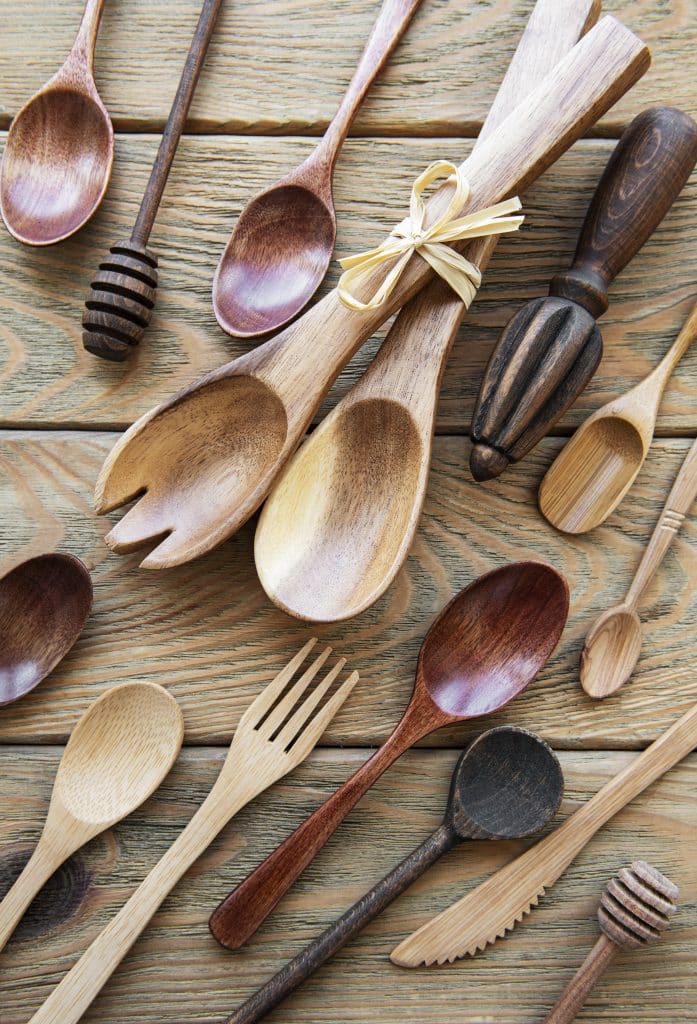
15. The Wooden Spoon Collection
A crock or jar by the stove held a dozen wooden spoons of every size, most of them stained a permanent shade of tomato sauce.
They got replaced one or two at a time as they cracked or splintered, a slow trickle of small purchases that added up over the years.
The Upshot: silicone-tipped tools now dominate that same crock in most kitchens, lasting longer and needing far less frequent replacement.
14. The Phone Book in the Kitchen Drawer
A phone book, or two, or the local pizza place’s own printed menu magnet collection, filled the junk drawer under everything else.
Nobody paid for the phone book directly, but businesses paid to be in it, and that cost quietly worked its way into everyday prices.
A search engine does the same job instantly now, and the drawer space that phone book used to claim usually holds something more useful today.
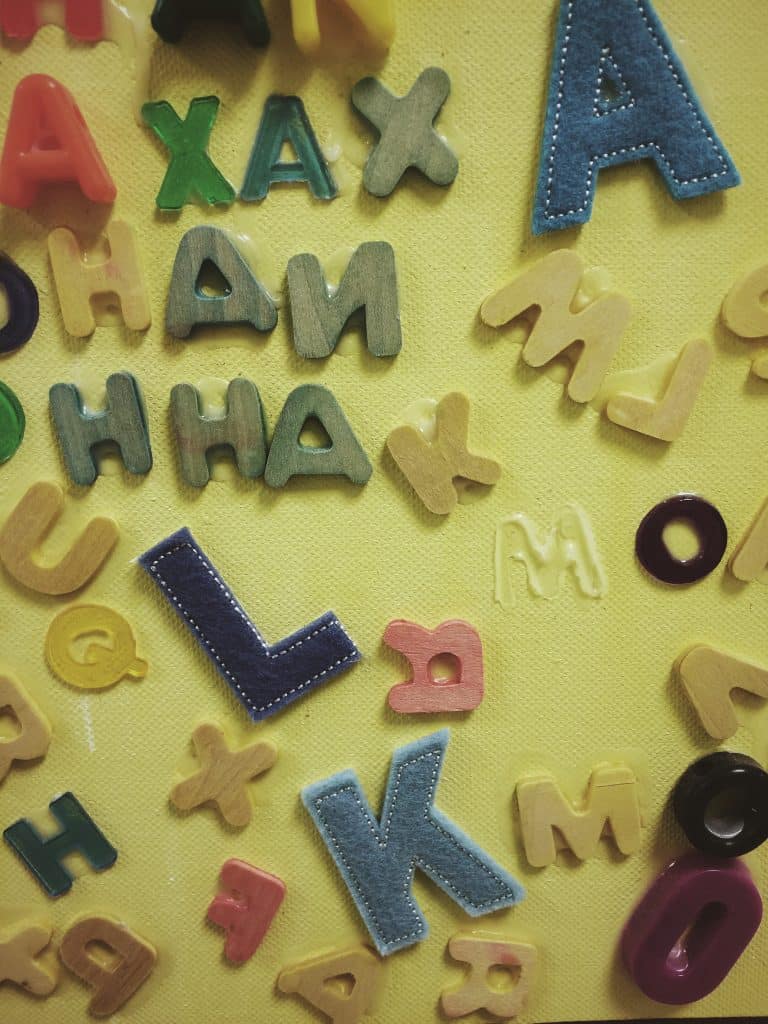
13. The Refrigerator Magnet Gallery
Souvenir magnets, alphabet letters, and the pizza place magnet all collected across the fridge door until barely any metal showed through.
Most of them came free with a purchase or a trip, so the door itself was less a purchase and more a free souvenir wall.
Refrigerators cover more of their front in stainless steel and matte finishes now, surfaces magnets don’t stick to well, which quietly killed the free souvenir wall along with the trend.
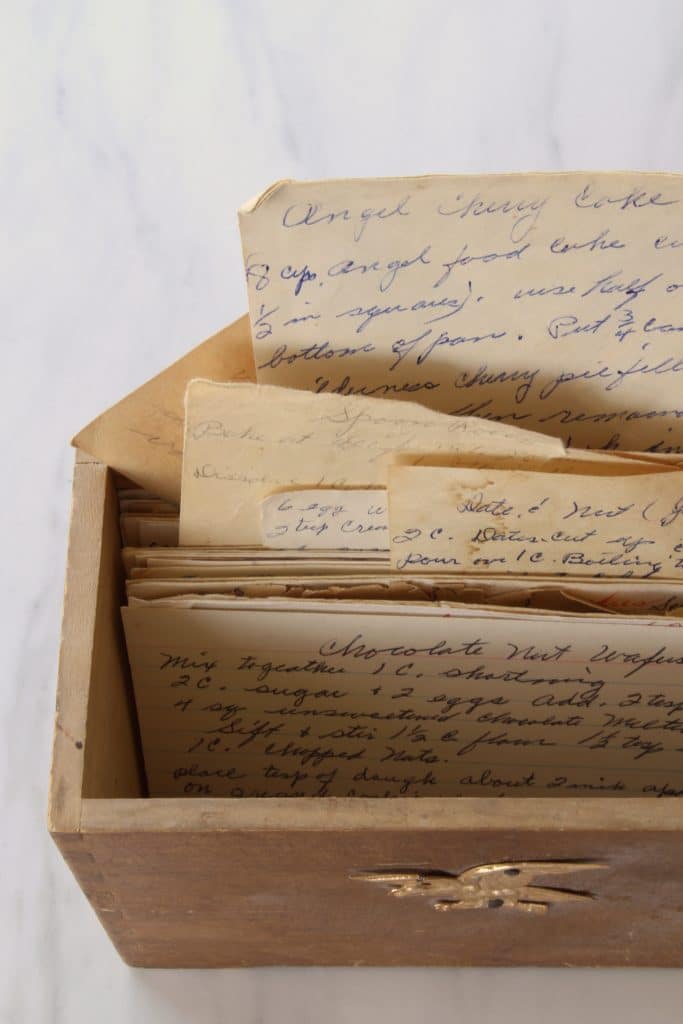
12. The Recipe Box
A small wooden or metal box held index cards written in somebody’s grandmother’s handwriting, passed down as a genuine piece of family history.
Digital recipe sites and saved links replaced the function completely for most people, no card box required.
Net Effect: honestly, this is the one item on the list I’d tell you not to fully retire. A screenshot doesn’t carry a grandmother’s handwriting the way the actual card does, and that part isn’t really about money at all.
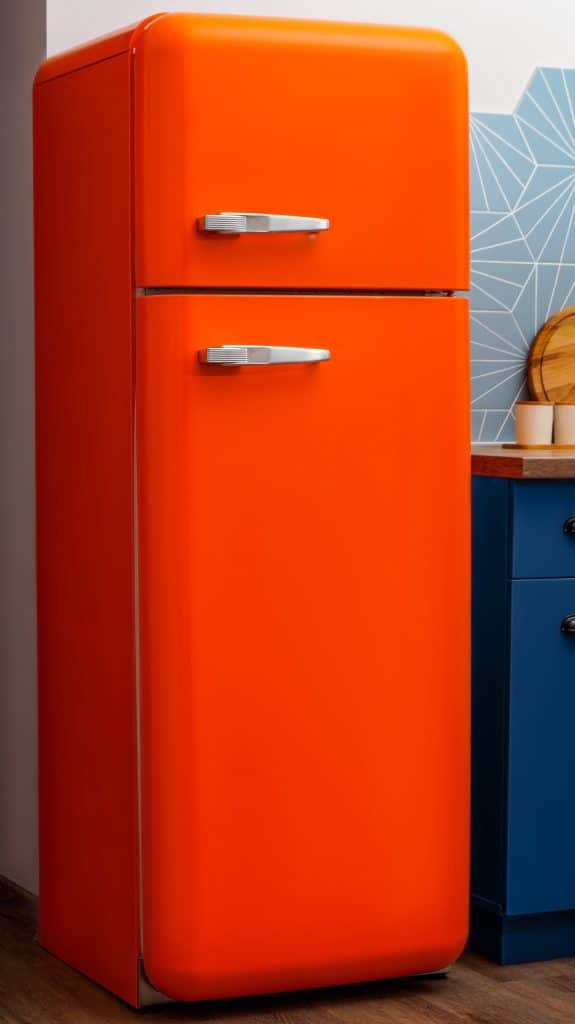
11. The Avocado Green or Harvest Gold Appliance
The stove, the fridge, and the dishwasher all showed up in the same shade, avocado, harvest gold, or almond, bought as a matched set from day one.
Replacing one meant either matching the discontinued color or replacing the whole set, which was a much bigger bill than most people wanted to deal with.
Neutral stainless and white finishes now let a single appliance get swapped on its own timeline, related to what shows up on the list of things people replace way too soon anyway.
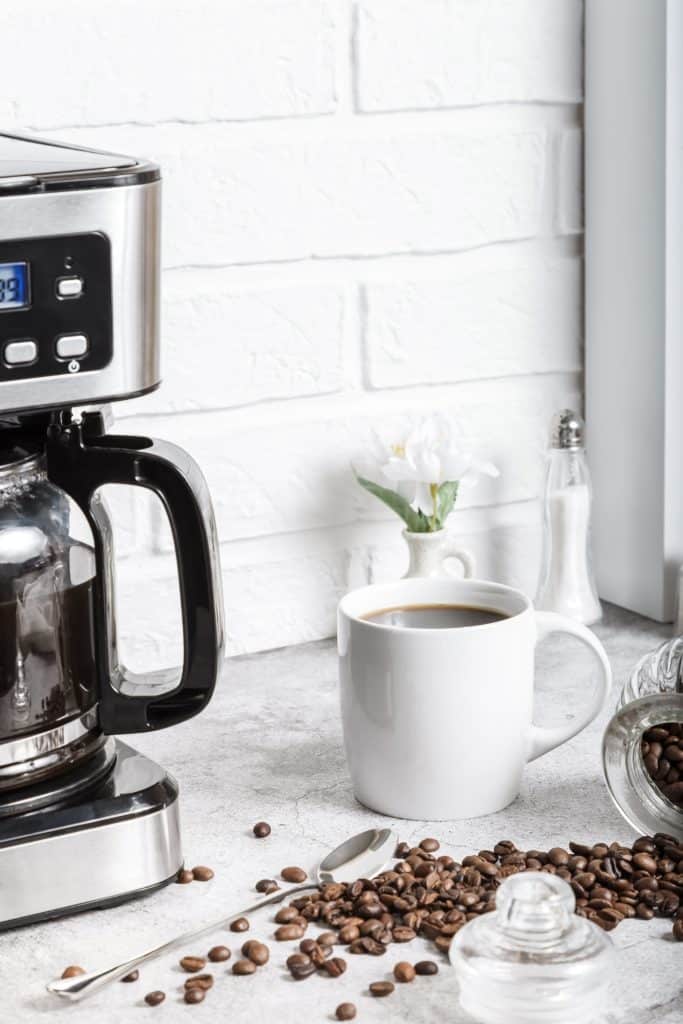
10. The 12-Cup Drip Coffee Maker
A full pot got brewed every morning whether the household needed twelve cups or just two, and the leftover sat on a hot plate slowly turning bitter.
The machine itself was cheap, but the habit of brewing a full pot to drink one cup was a quiet daily waste few people ever tracked.
The Math: single-serve brewing cut a lot of that daily waste, though it shifted the real cost onto the pods themselves, which is its own topic covered in a full breakdown of coffee habits.
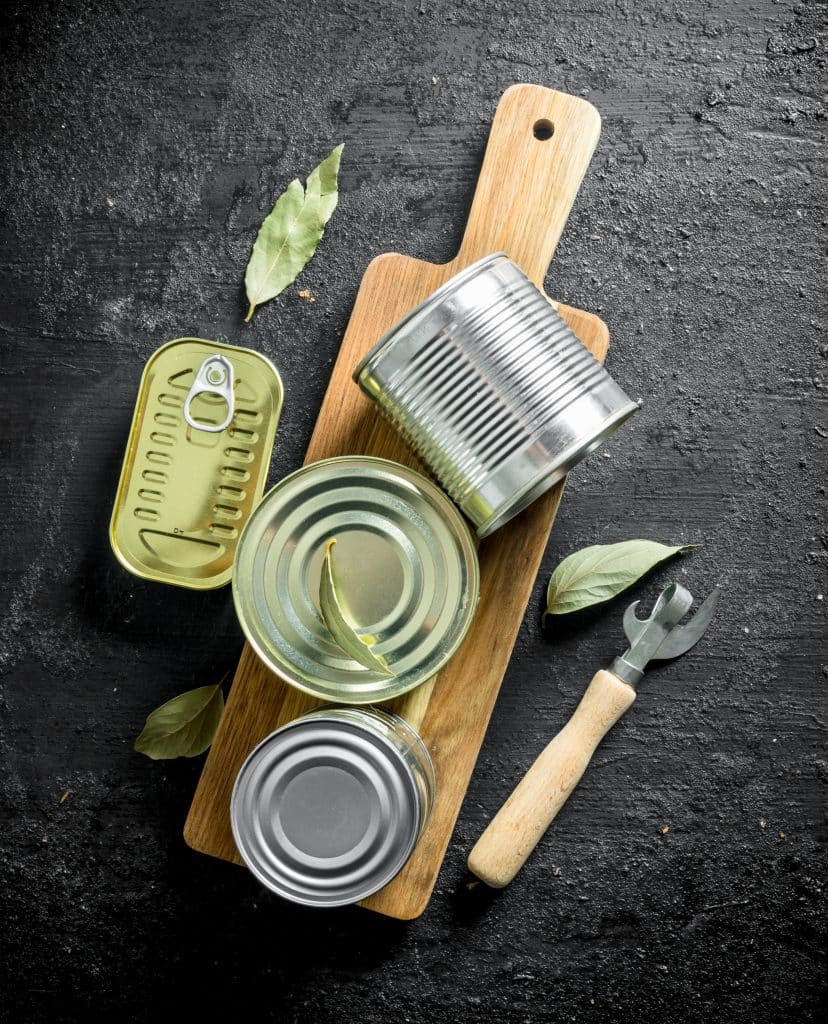
9. The Electric Can Opener
A bulky electric unit bolted under the cabinet or sitting right on the counter did a job a five-dollar handheld tool handles just as fast.
It also needed its own outlet and its own counter footprint, which was a real cost in kitchens where counter space was already tight.
Fewer canned goods in general, plus a manual opener that costs almost nothing and never breaks down, made the electric version an easy one to skip on the next kitchen refresh.
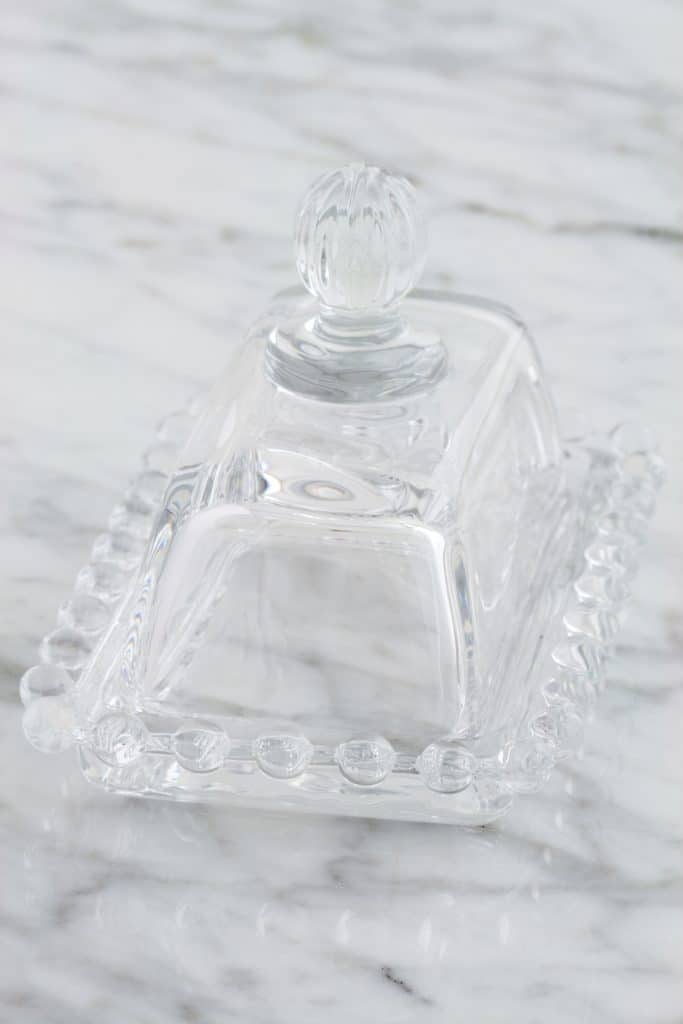
8. The Butter Dish on the Counter
Butter sat out at room temperature in a dish with a domed glass lid, always ready to spread, never once thought of as a food safety question.
The dish was a small but recurring purchase since the domed lid was the first thing to chip or crack after a few years of daily use.
|
You might also like
18 Black Friday Traps (And What's Actually Worth Buying) →
|
Refrigerated butter in its original wrapper does the same job for zero extra dishes and zero extra purchase, which is likely why fewer people bother replacing a cracked dish today.
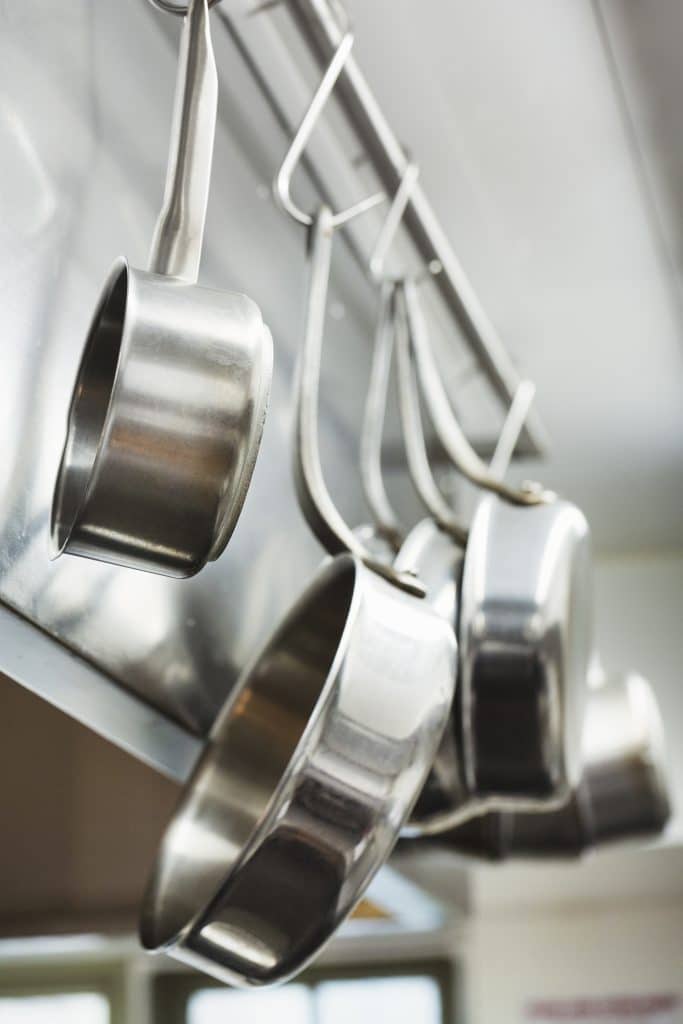
7. The Pot Rack
A hanging rack, usually installed above an island or over the stove, held the good pots on display instead of stacked in a cabinet somewhere.
It was a real installation cost, brackets, hardware, and sometimes an electrician if lighting was involved too.
Worth Remembering: this is another honest exception, a hanging rack genuinely solves a real cabinet-space problem in a small kitchen, and it is still a smart buy for anyone actually short on storage.
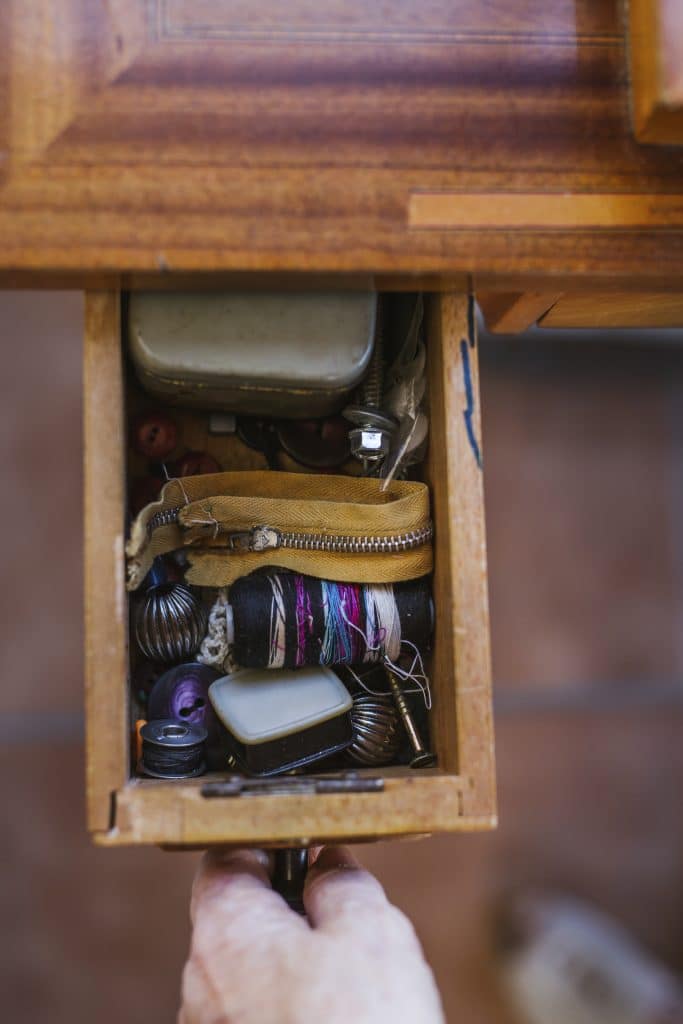
6. The Junk Drawer (In Its Full Complexity)
Every house had one drawer that held batteries, matches, twine, a broken pen, three keys to nothing, and a takeout menu from a place that closed years ago.
It cost nothing to keep, which is exactly the point, and exactly why it kept growing without anyone noticing.
A small tray organizer and one honest cleanout a year keep the modern version from turning into the same overstuffed drawer, and that habit alone is a small pattern people good with money tend to share.

5. The Spice Rack on the Wall
A wooden rack, usually wall-mounted, held rows of matching glass spice jars, half of them things nobody had opened since a recipe nobody remembers.
Buying it as a matched set meant buying a lot of spices you didn’t need yet, just to fill the whole rack up front.
Cabinet or drawer storage bought as needed replaced the built-in rack for most kitchens, one jar at a time instead of a whole set upfront.
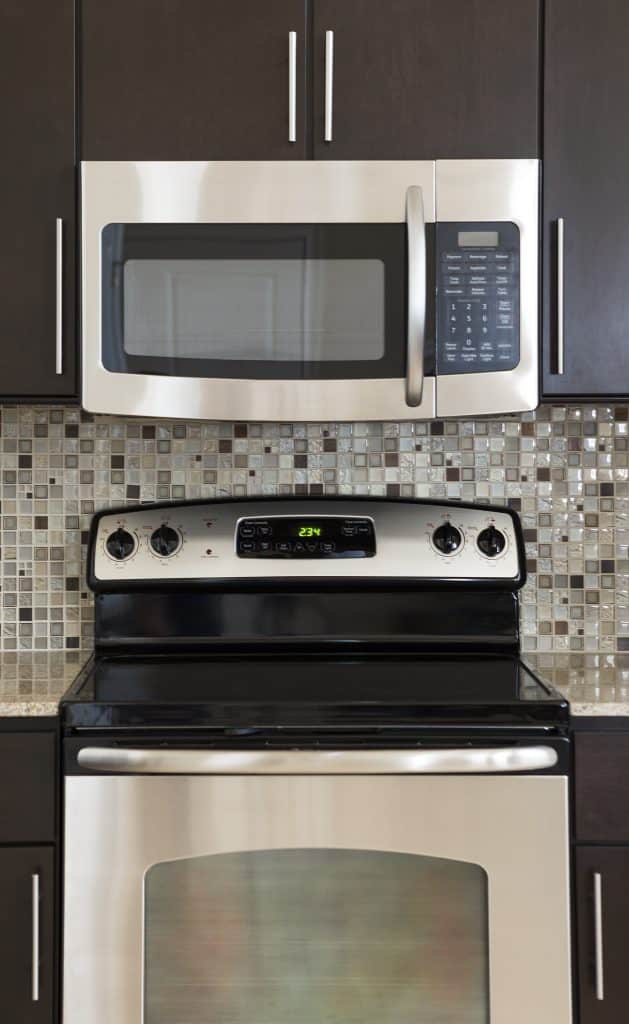
4. The Microwave as the New Expensive Appliance
Microwaves were genuinely pricey when they first became common, expensive enough that some households bought one on a payment plan.
They got their own dedicated cart, their own outlet, and sometimes their own spot of honor on the counter, treated like the newest member of the family.
The Upshot: the same appliance now runs well under a hundred dollars and comes built into a lot of ovens by default, a reminder of how fast “expensive new tech” turns into a basic, cheap standard.
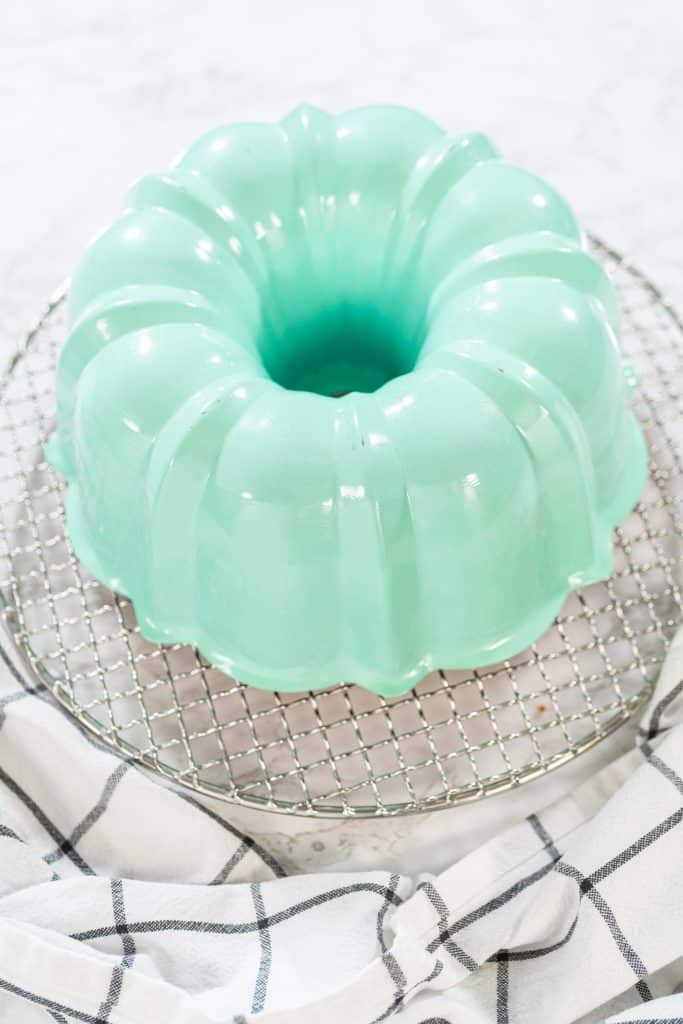
3. The Jell-O Mold
A copper or aluminum mold shaped like a fish, a bundt ring, or a rabbit turned a bowl of gelatin into a genuine centerpiece at holiday dinners.
Most households owned more than one shape, bought over the years as new holidays called for new centerpieces.
Gelatin salads fell out of favor at the same time newer desserts took the holiday table, which left a lot of decorative molds sitting unused in the back of a cabinet.
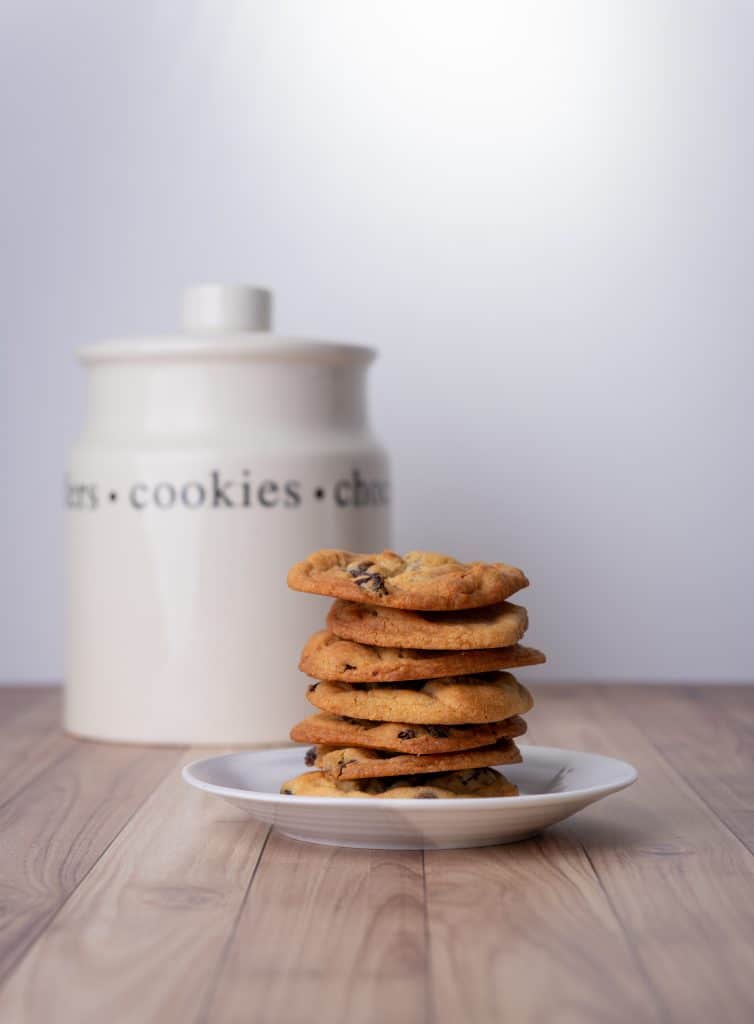
2. The Cookie Jar
A ceramic jar, often shaped like an animal or a chef, sat on the counter permanently stocked with whatever got baked that week.
It represented something bigger than the jar itself: regular home baking, which meant regular grocery runs for flour, sugar, and butter.
Net Effect: store-bought cookies and a shrinking amount of scratch baking time quietly emptied the jar out for a lot of households, and it eventually became decoration more than function.
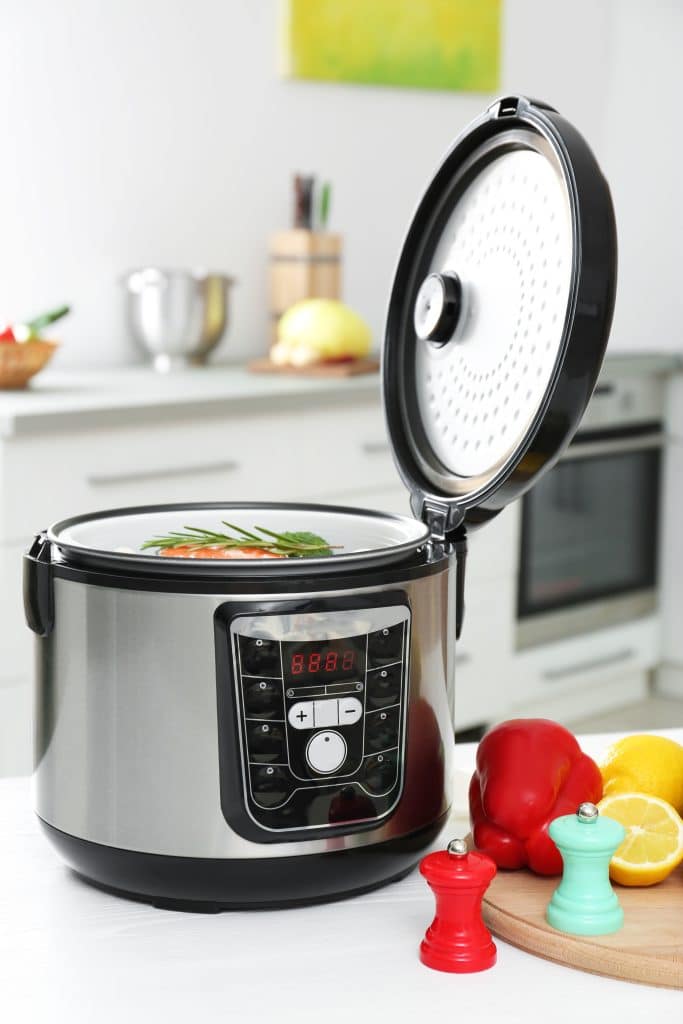
1. The Slow Cooker (Left Running All Day While Nobody Was Home)
Nothing on this list says 80s kitchen quite like a slow cooker humming away on low, filling the whole house with the smell of dinner by the time anyone got home.
It was the original set-it-and-forget-it appliance, and it earned trust in a decade before anyone thought twice about leaving an appliance running unattended for eight hours straight.
Cheaper cuts of meat, cooked low and slow until they fell apart, made a real dent in the grocery bill without anyone having to babysit the stove.
Here’s the twist though: this is the one item on the whole list that never actually went away. It just got smarter, with programmable timers and auto-shutoff, and it’s still one of the better quietly effective money-saving habits a kitchen can run on.
Everything else on this list is a genuine artifact of its decade. The slow cooker is the rare one that just kept working, which might be the most honest lesson in the whole countdown.

What Actually Made It to the Modern Kitchen
If you only take one thing from this list, it’s that most of what disappeared wasn’t broken, it was just replaced by something free or something that did the same job with fewer moving parts.
The slow cooker survived. The rooster-themed everything did not. That split isn’t random, it tracks pretty closely with which items solved a real problem versus which ones just matched the curtains.
If any of this got you thinking about your own kitchen drawers, there’s a longer look at household items smart shoppers have stopped buying.
There’s also a companion piece on small money leaks quietly draining a bank account, worth a look if this kind of thing tends to add up in your own house.
For anyone who wants to take the frugal habits further back, this pairs naturally with a look at what frugal grandmothers never threw away and the parts of that mindset that still genuinely hold up.
And if the theme here is less “kitchen” and more “money habits from a different era,” a rundown of old money sayings decoded is a solid next stop.