33 Things We Used to Rent That Everyone Just Buys Now
Some links may be affiliate links. We may earn a commission at no extra cost to you. View our full disclosure.
There was a time when the rental counter was a normal Saturday errand. You rented the carpet cleaner, the movie, the tux, and in a lot of houses, even the phone on the kitchen wall.
Somewhere along the way that flipped. Prices dropped, resale got easy, and the math changed so quietly most people never noticed they’d switched sides.
I’ve watched money habits long enough to see both sides of this. Some of these switches saved people real money, and a few cost more than the old rental ever did.
If this sounds familiar, there’s a companion list on everything your parents rented that we all own now that digs into the household side.
Below are 33 of them, counting down to the one almost nobody remembers paying rent on. A handful still make more sense to rent, and I’ll say which ones.

33. Bounce Houses
Renting a bounce house for a kid’s birthday used to be the big move, dropped off by a guy in a pickup and hauled away by dinner. Now small backyard inflatables sell for roughly what a single rental day used to cost in a lot of areas.
The catch is storage and wear. A home unit is smaller, flimsier, and lives in a closet corner eleven months a year.
The math: two or more parties a year tips it toward owning. One party a year, rent it and let someone else deal with the deflating.
32. Party Tents, Tables, and Chairs
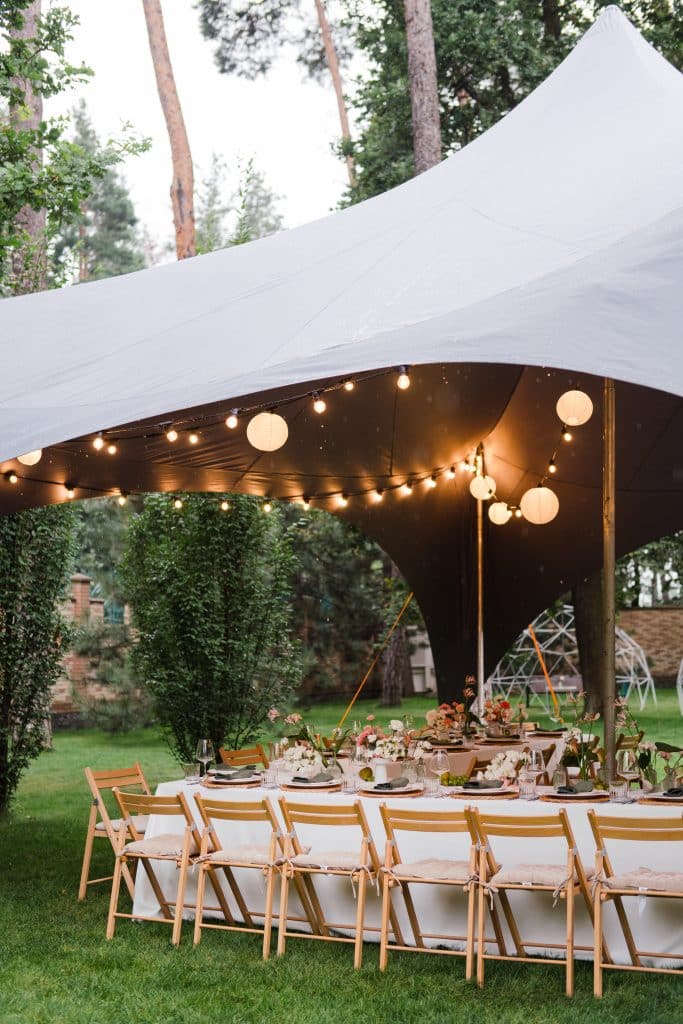
Folding tables and a pop-up canopy used to mean a call to the party rental place and a deposit. Today most garages have at least one folding table, and pop-up canopies are a routine seasonal buy.
The big wedding-style tent is a different story. That one still gets rented, because nobody has the space or the crew to put it up twice.
Buy the table, rent the tent, and don’t confuse the two.

31. Halloween Costumes
Costume shops used to rent full getups by the night, especially the elaborate adult ones. Now cheap costumes show up everywhere each fall, and kids outgrow them before anyone would think to rent.
The smarter move is the swap. Plenty of parents trade with neighbors or pick costumes up secondhand for a fraction of the tag price, since most get worn exactly once.
30. China and Banquet Sets
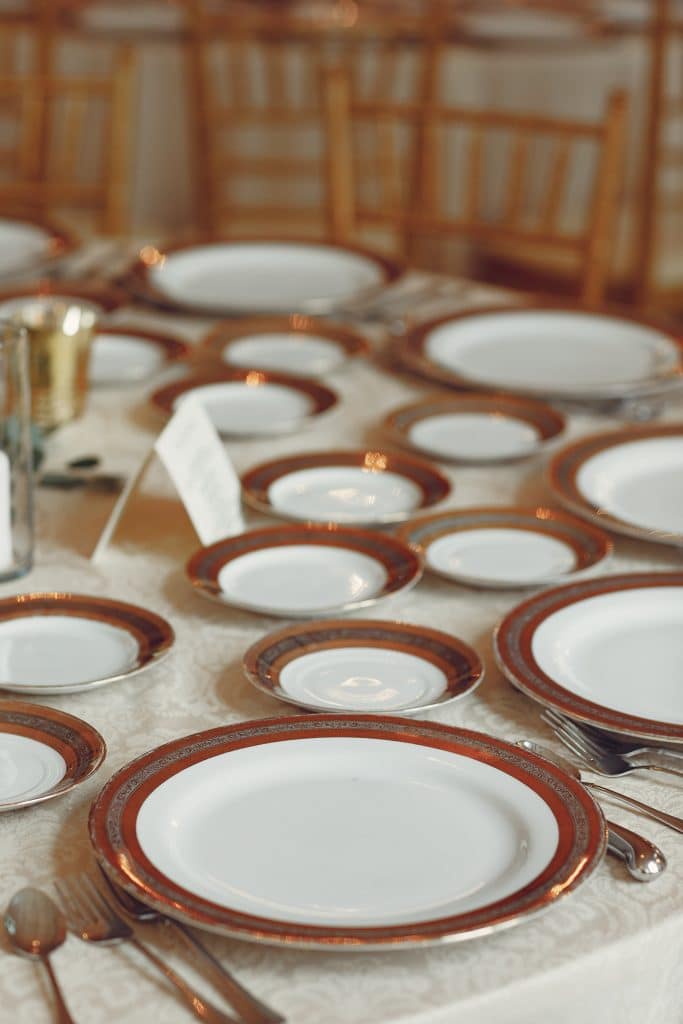
For a big holiday dinner or anniversary party, families used to rent matching plates, glassware, and silverware by the place setting. That’s mostly gone, partly because thrift stores are full of complete china sets nobody wanted to inherit.
A mismatched thrift table can look intentional and cost less than one rental order. Some people just keep a stash of plain white plates for exactly this.
Worth remembering: the cheapest fancy dinner set is usually the one someone else’s grandmother didn’t want.
29. Carpet Shampooers
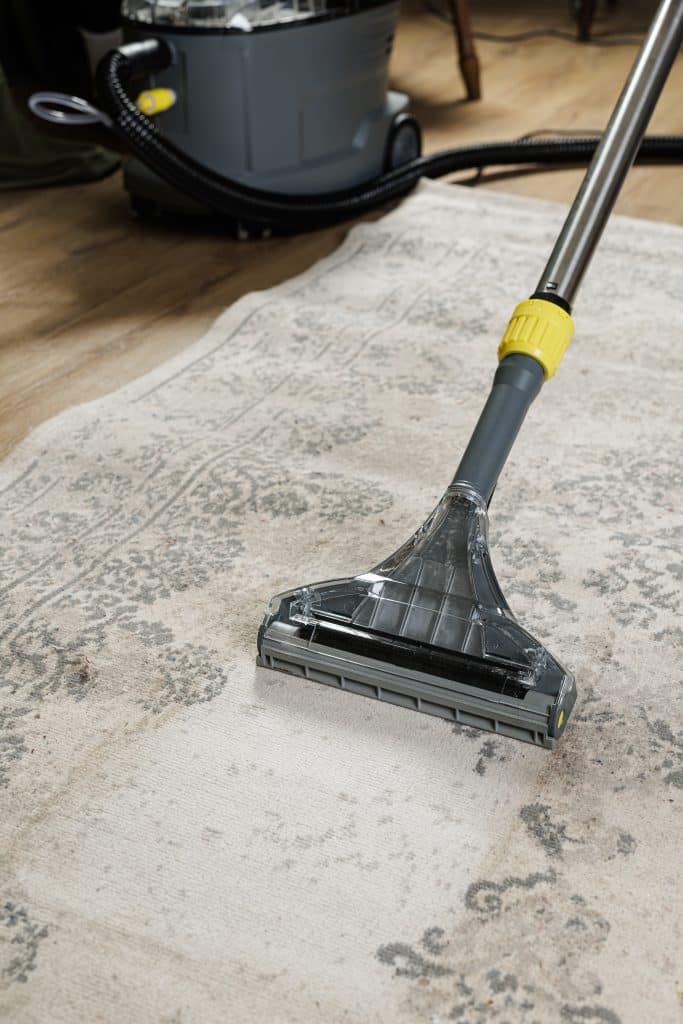
The rental carpet cleaner by the grocery store door was a spring ritual in a lot of houses. You paid by the day, bought their cleaning solution, and raced to return it before the late fee.
Home carpet cleaners got smaller and cheaper, and pet owners switched fast. If you’ve got a dog and wall-to-wall carpet, owning one is hard to argue with.
Once a year, rent it. Once a month, you already know the answer.
28. Wallpaper Steamers
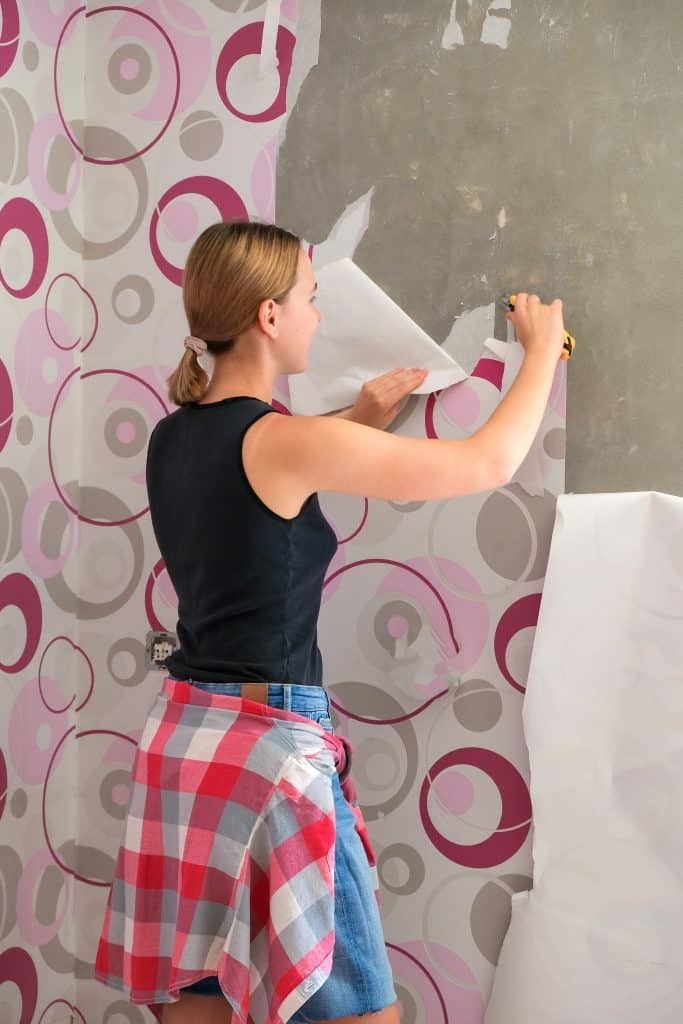
Stripping wallpaper used to mean a rented steamer and a long, humid weekend. Home steamers are now cheap enough that renting feels like the harder option.
Then again, this is a once-a-decade job for most people. Buy one, use it, then pass it along or rent it out yourself to the next neighbor who inherits a floral hallway.
27. Floor Sanders
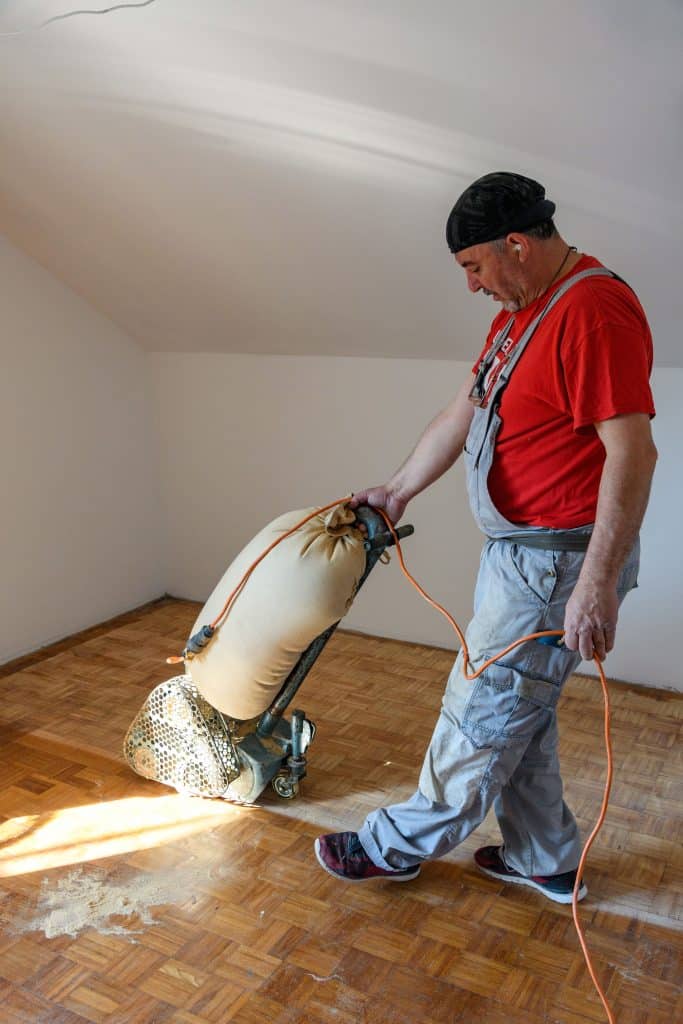
The big drum sander is still mostly a rental item, but smaller orbital floor sanders have moved into the buy column. DIY refinishing videos made a lot of people confident enough to own the gear.
Where people go wrong is buying the tool for one room. A floor sander doesn’t get much use once the floors are done.
Net effect: buy it if you’re doing the whole house over a year, rent it if it’s one bedroom.
26. Tile Saws
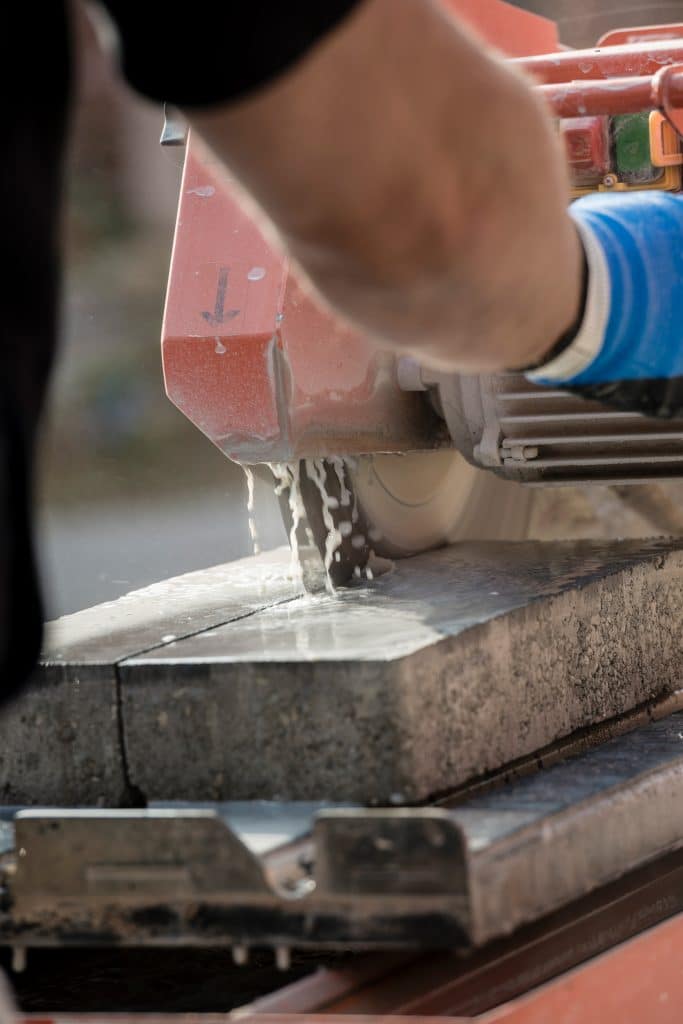
Wet tile saws used to be a rental counter staple for any bathroom project. Entry-level versions now cost less than most people expect, so a lot of first-time tilers just buy one.
Resale on these holds up, too. Plenty of people buy, tile the bathroom, and sell the saw right back into the local market.
|
You might also like
20 Everyday Things That Used to Be Free (And What They Cost Now) →
|
Buying with a plan to resell often beats a week of rental fees.
25. Cement Mixers
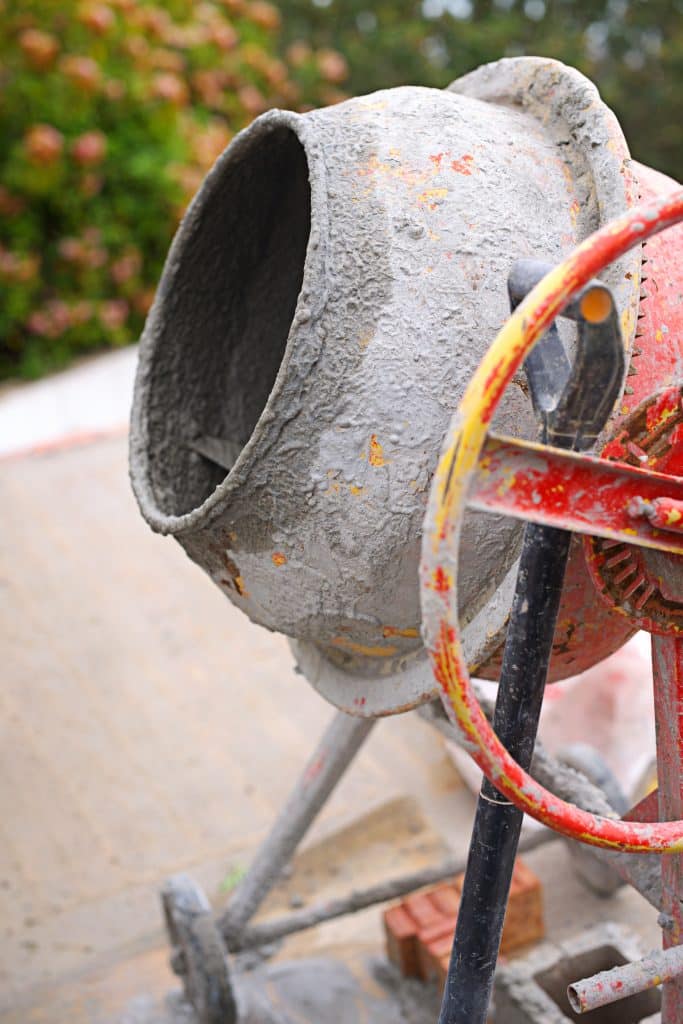
A small electric cement mixer was once firmly rental territory, something you picked up for a fence post weekend. Now smaller models sit on regular home center shelves and pop up on local resale listings.
I’d still rent this one. Unless you’re pouring concrete more than once a year, it turns into a very heavy lawn ornament.
24. Garden Tillers
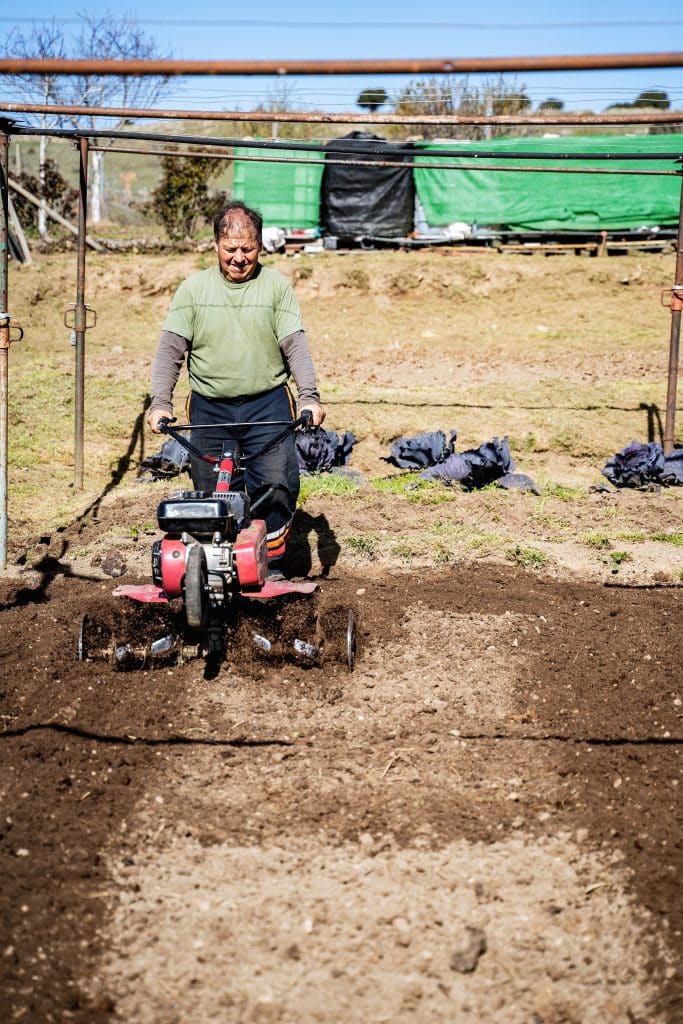
Tilling the garden in spring used to start with a trip to the rental yard and a tiller that barely fit in the trunk. Smaller electric tillers changed that, and home gardeners bought them in droves.
If you’d rather skip the machine entirely, hiring it out is an option. Just check the quote against the local services people routinely overpay for.
The upshot: a raised-bed gardener doesn’t need either one, just a good shovel.
23. Extension Ladders
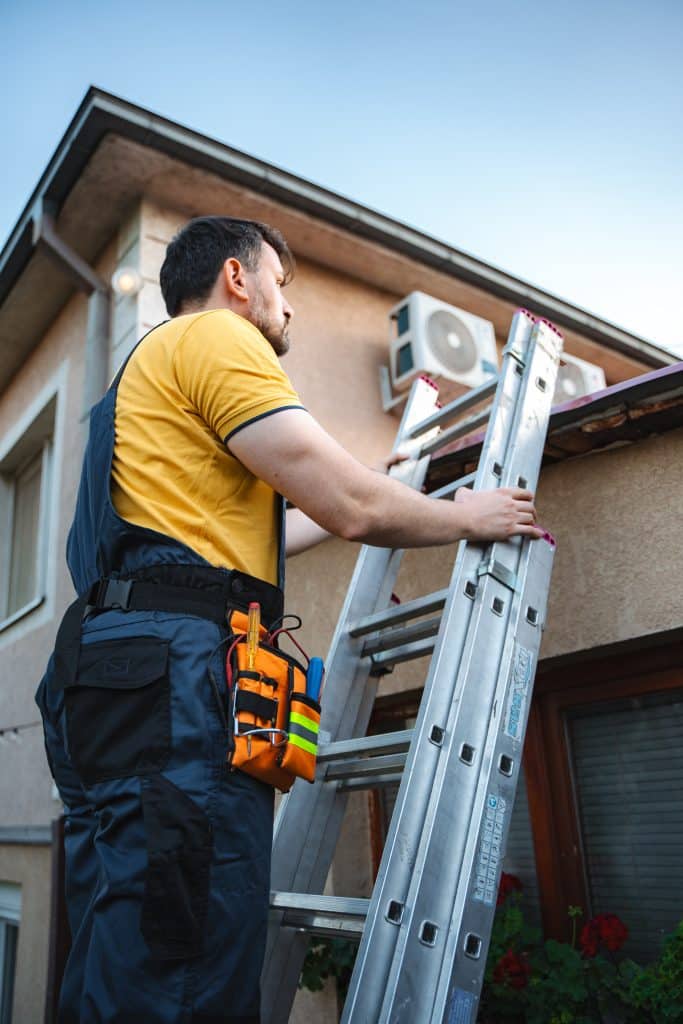
Tall extension ladders used to be borrowed or rented, because few people had anywhere to store one. Now most homeowners own at least one ladder, and the tall ones have gotten lighter.
A decent ladder lasts for decades if it’s stored dry, which makes it a textbook case of gear worth buying once and keeping.
This is one of the few buys on the list that keeps paying you back for decades.
22. Pressure Washers
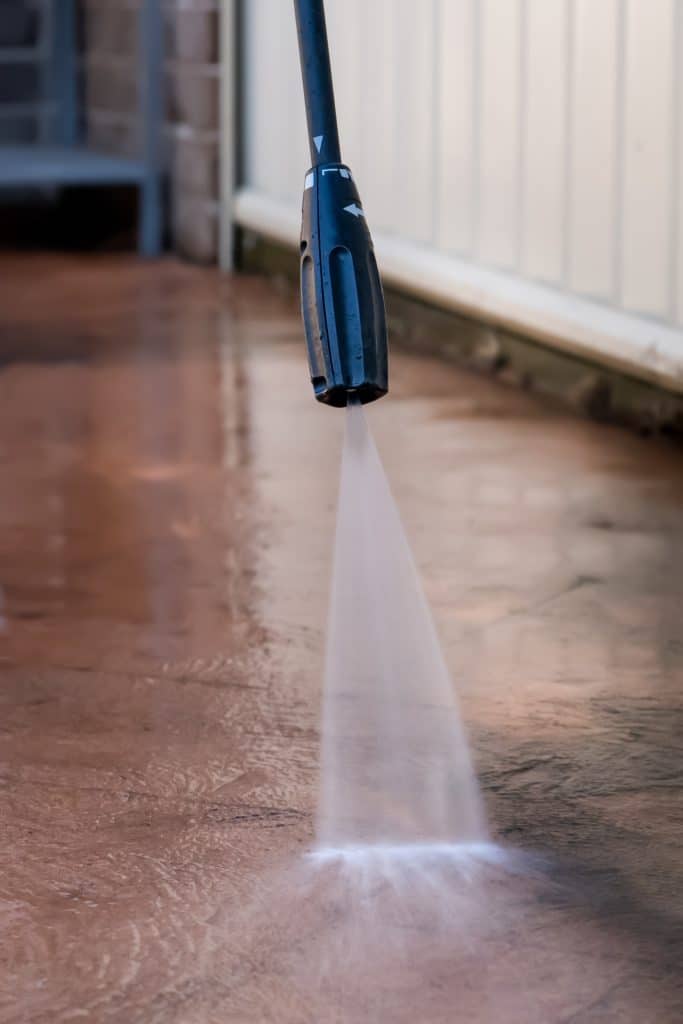
Rental counters used to do steady spring business in gas pressure washers. Electric home models came down in price, and now a lot of people blast the deck, the siding, and the car on a whim.
That on-a-whim part matters. Owning one tends to mean using it more, which is great for the patio and not always great for old wood.
21. Chainsaws
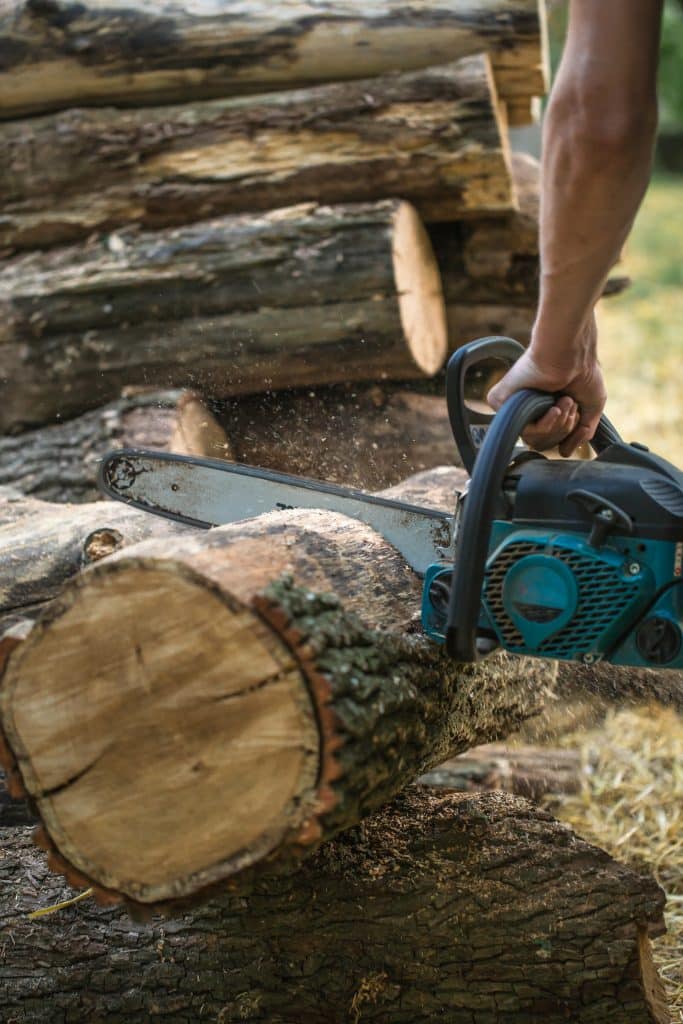
After a storm, the rental place used to run out of chainsaws by noon. Battery-powered saws changed the picture, because they’re lighter, quieter, and less intimidating to own.
For small limbs and cleanup, owning makes sense. For big trees, the saw isn’t the problem, the skill is, and that’s worth paying a pro for.
Where this lands: buy for cleanup, hire out anything big enough to hit the house.
20. Moving Trucks and Trailers
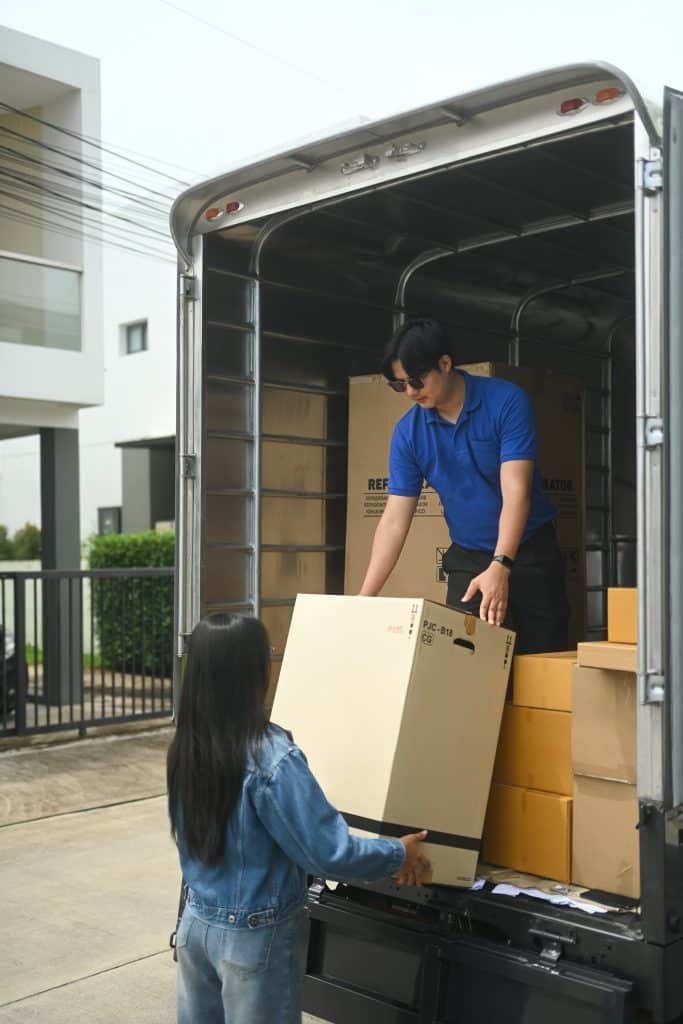
Time for an honest entry. Nobody went out and bought a moving truck, and this one stayed firmly in the rental column.
What changed is who does the moving. More people rent a truck and handle it themselves instead of hiring a full crew, and on shorter moves that shift can save real money.
Some rentals never stopped making sense, and this is the plainest example.

19. Tuxedos
Tux rental used to be automatic for prom and weddings. These days more men buy a decent dark suit instead, since it covers the wedding, the interview, and the next funeral.
Still, a true tuxedo worn once is a bad buy. If the invitation really says black tie and you’ll never wear it again, the rental is the smart call.
The math: count the realistic future events before you buy. Most people land on the suit, not the tux.
18. Wedding Dresses
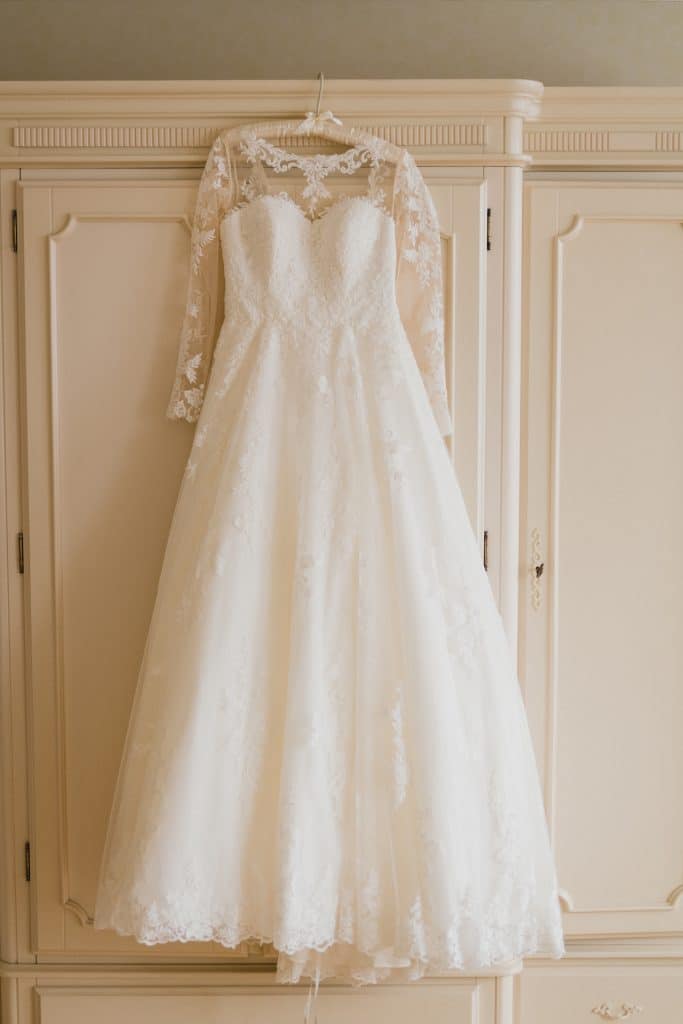
Renting or borrowing a wedding dress was more common in past generations than people remember. Buying became the default, and prices climbed right along with the rest of the wedding budget.
The rental and resale market for gowns has quietly come back, though. Some brides now rent or buy secondhand and treat full retail as one of those “normal” costs they simply refuse to pay.
17. Skis and Snowboards
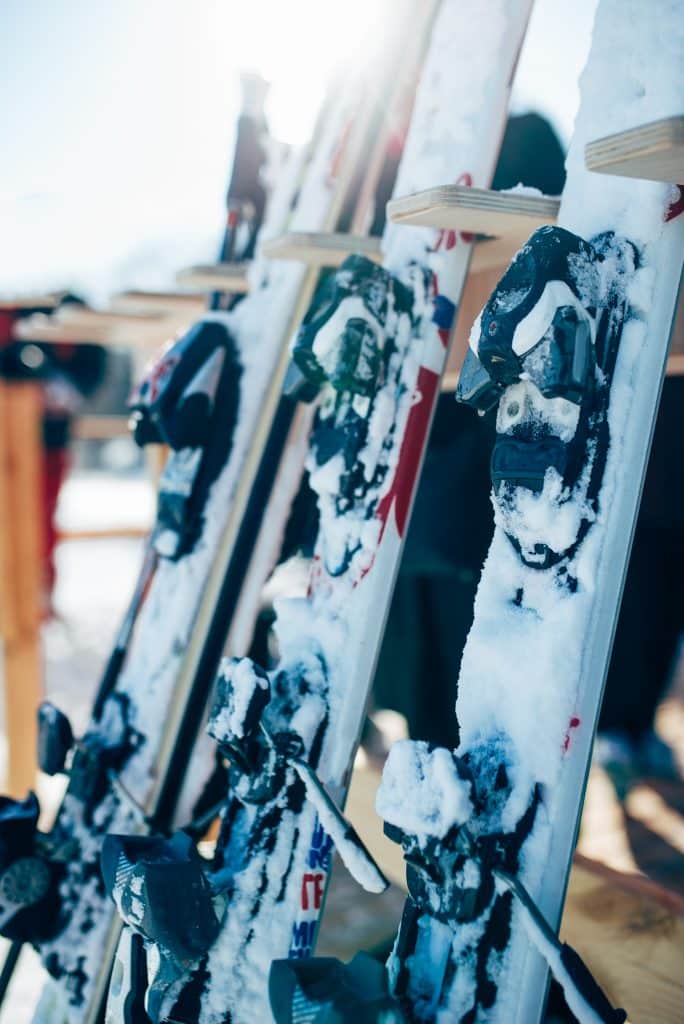
Renting skis at the lodge used to be how most people skied until they got serious. Now plenty of casual skiers own their gear, much of it bought used or on clearance.
Timing is the whole game here. Winter gear is a prime example of big purchases people make at the worst possible moment, since buying at the start of the season tends to cost the most.
Buy in spring, not during the first snow week.
Quick checkpoint: so far the pattern is simple. Cheap, frequently used gear moved to the buy column, while big, rarely used, or skill-heavy stuff still rents best.
The switch usually saved money when people actually used the thing, and cost money when it sat in the garage. That same instinct runs through a lot of odd money-saving habits that actually work.
| Keep Reading — 18 Signs You're Actually Better With Money Than You Think |

16. Canoes and Kayaks
Renting a canoe for an afternoon on the lake used to be a summer treat. Affordable recreational kayaks made ownership easy, and now they’re on roof racks everywhere.
What you don’t see is how many sit in the side yard untouched after the second summer. Before buying, be honest about how often you’ll really get to the water.
Worth remembering: a boat you use twice a year is still a rental, you’re just paying for it up front.
15. Camping Gear
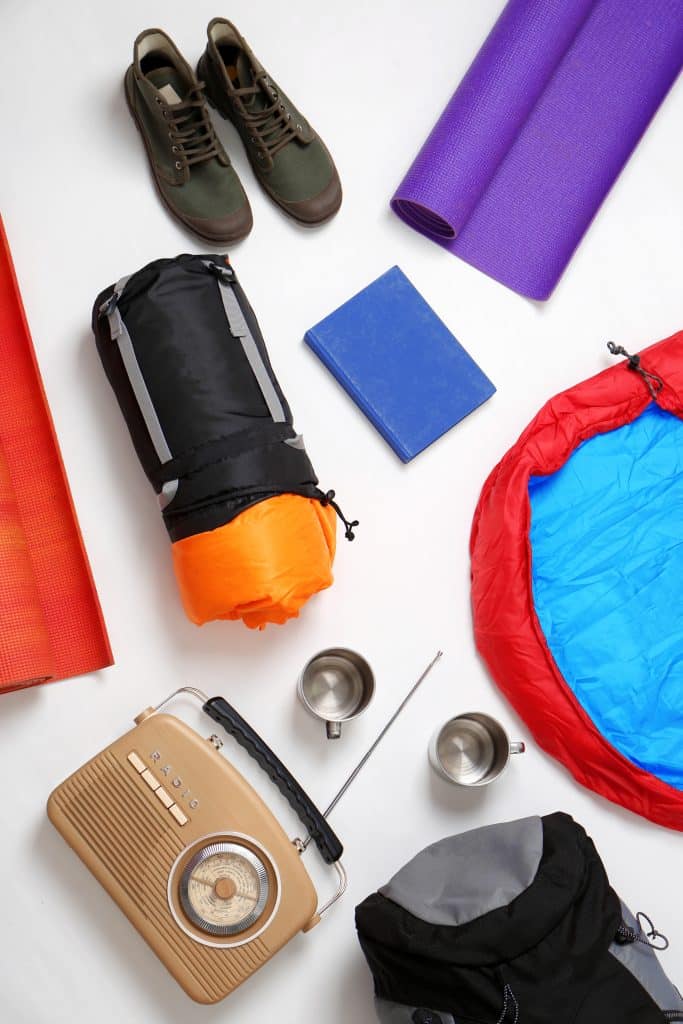
Outfitters used to rent tents, stoves, and sleeping bags to families who camped once a summer. Basic camping gear is now cheap and everywhere, and most households own a tent whether they use it or not.
The used market is loaded with barely touched gear. That’s the best place to start if you’re not sure camping will stick.
14. RVs and Campers
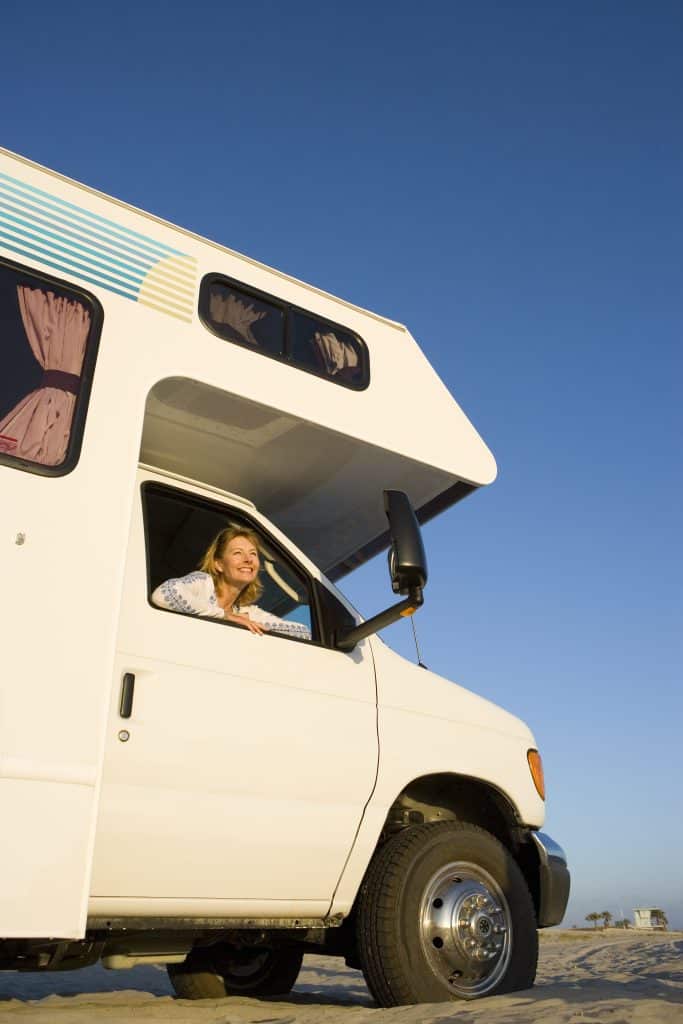
This is the one where I’d push back hardest on buying. Renting a camper for a vacation used to be the normal route, and a lot of people have bought one in recent years instead.
An RV comes with insurance, storage, maintenance, and depreciation, whether it moves or not. For a week or two a year, renting often costs far less than owning, especially once you count the parking spot.
If it sits more than it rolls, rent it.

13. College Textbooks
Textbooks are one place where renting got more popular, not less, alongside digital access codes. But used and older-edition books are still a real option for plenty of classes.
The trick is checking the syllabus first. Some professors are fine with the previous edition, and that alone can cut the cost a lot.
Net effect: ask before you buy, and grab the old edition when it’s allowed.

12. Musical Instruments
School band instruments used to be rented through a local music store, month by month. Cheaper beginner instruments now make buying tempting on day one.
I’d resist that. Kids quit instruments all the time, and a rental or rent-to-own program for the first year keeps the exit door cheap.
Once they’ve stuck with it, buying a used instrument usually beats continuing to pay rent.
11. Baby Cribs and Strollers
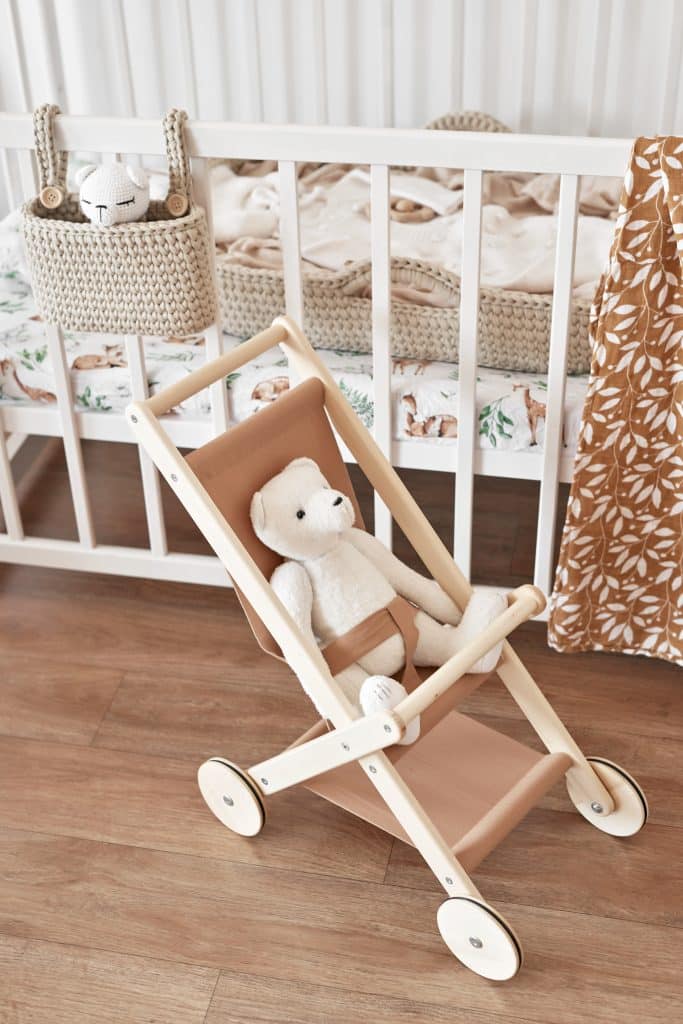
Some families used to rent baby gear, especially for visiting grandkids or short stays. Now most buy it, often secondhand from parents who are glad to clear the closet.
One caution: crib safety standards change over time, and car seats carry expiration dates. Buy those new, or check the model carefully before taking one secondhand.
Strollers and high chairs, go used freely. Cribs and car seats, be picky.
10. Camera and Projector Equipment
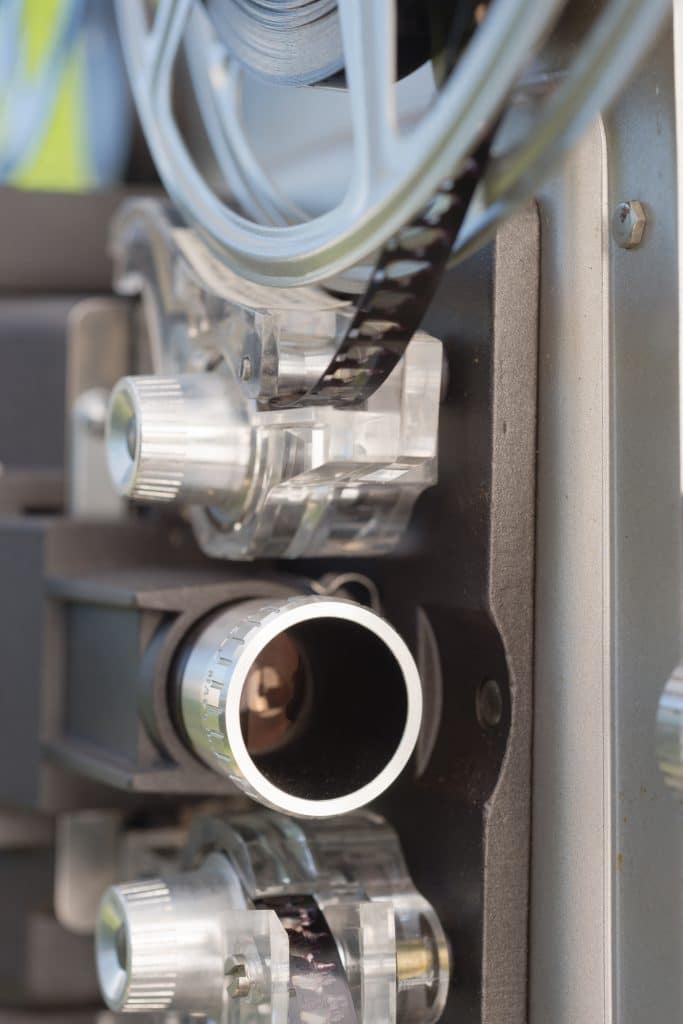
Families used to rent a movie projector for the holidays or borrow the good camera for a wedding. Now everyone carries a camera in their pocket, and home projectors cost a fraction of what they once did.
The special-occasion lens is the leftover. Photographers still rent expensive lenses for one shoot, and that’s the right instinct.
The upshot: buy the everyday gear, rent the gear you’d use once.
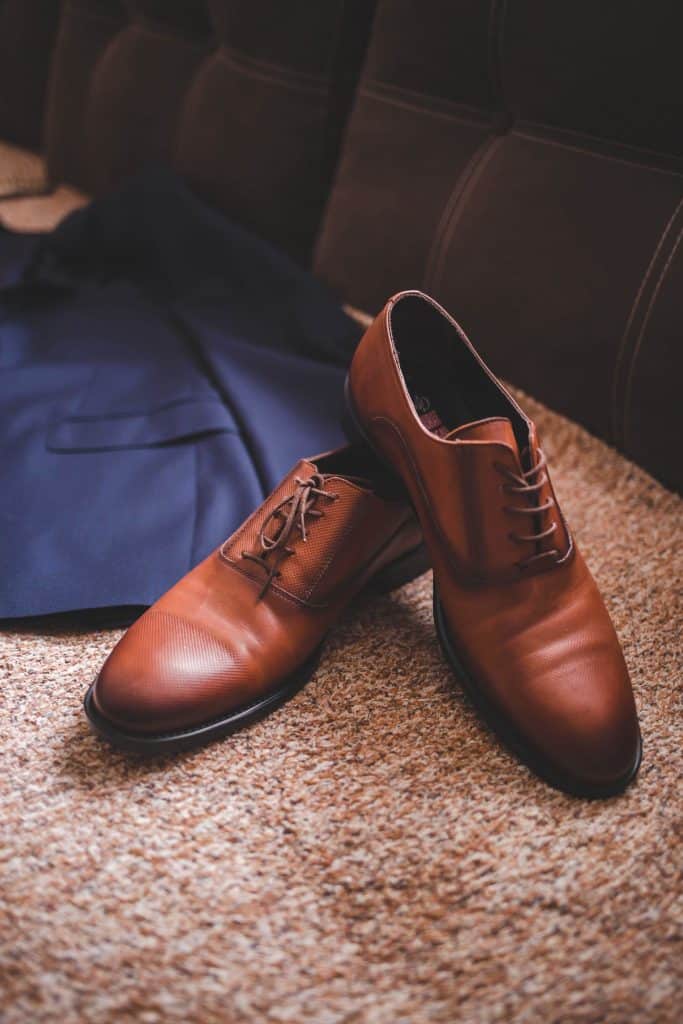
9. Dress Shoes for One Night
Rental shops used to bundle shoes with the tux, and dance studios often loaned them out for lessons. Most people now just buy a pair of dress shoes and keep them in the closet for years.
That’s the right move, as long as they’re a plain style that goes with more than one outfit. Shiny formal patent shoes are the exception, and nobody needs to own those for one prom.
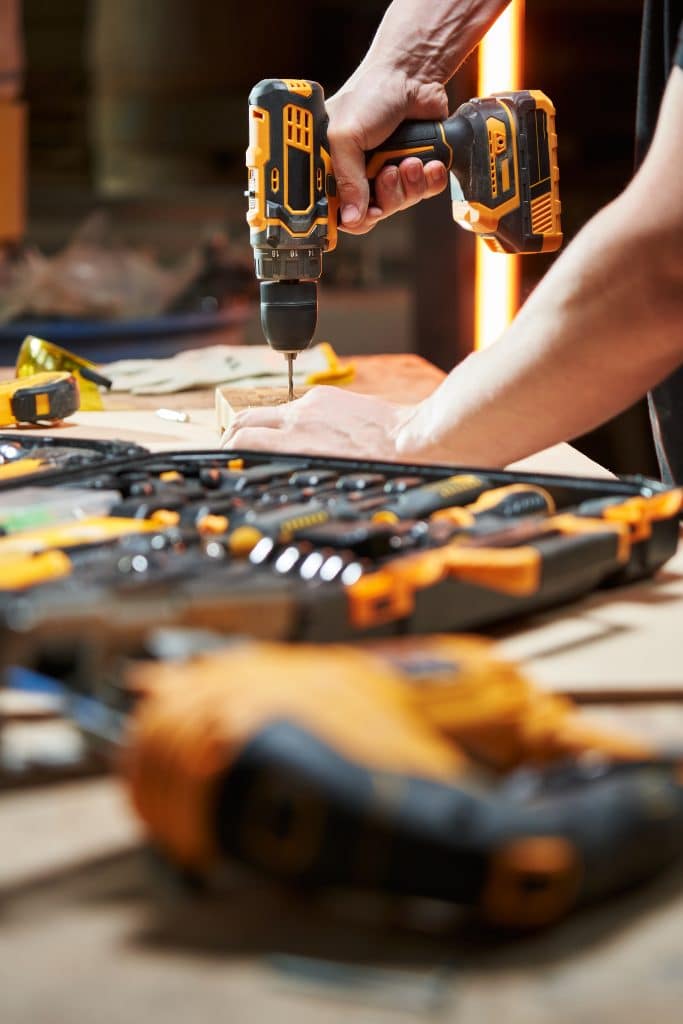
8. Power Drills and Saws
Hardware stores used to rent drills and saws to people who needed them for one job. Battery tool kits dropped so far in price that renting a basic drill now feels strange.
Specialty tools are another story. Plenty of people still borrow from a neighbor or a tool library, one of those cheapskate moves that actually work, rather than buying something they’ll use once.
Own the everyday tools, borrow the oddball ones.
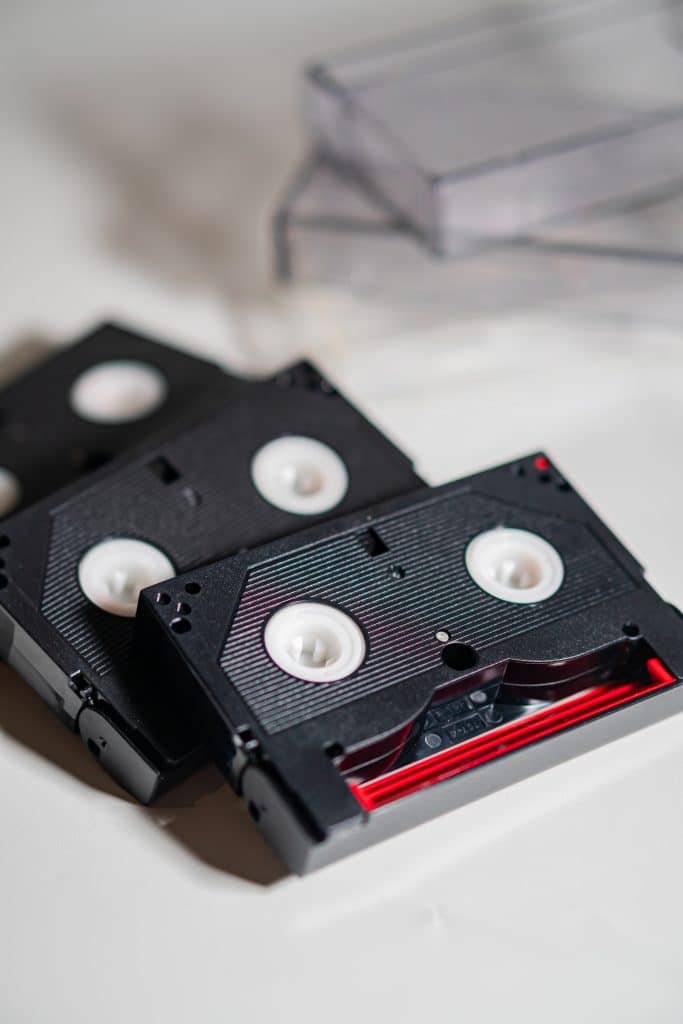
7. Movies on Tape
Friday night used to mean walking the aisles of the video store and hoping the new release was still on the shelf. Late fees were practically a household budget line.
| Keep Reading — 47 "Bad" Money Habits You Don't Need to Feel Guilty About |
Then people started buying movies outright, and later paying monthly for streaming. The rental didn’t disappear, it turned into a subscription, and those subscriptions have a way of piling up.
The math: a monthly plan you’ve forgotten about can cost more than those late fees ever did.
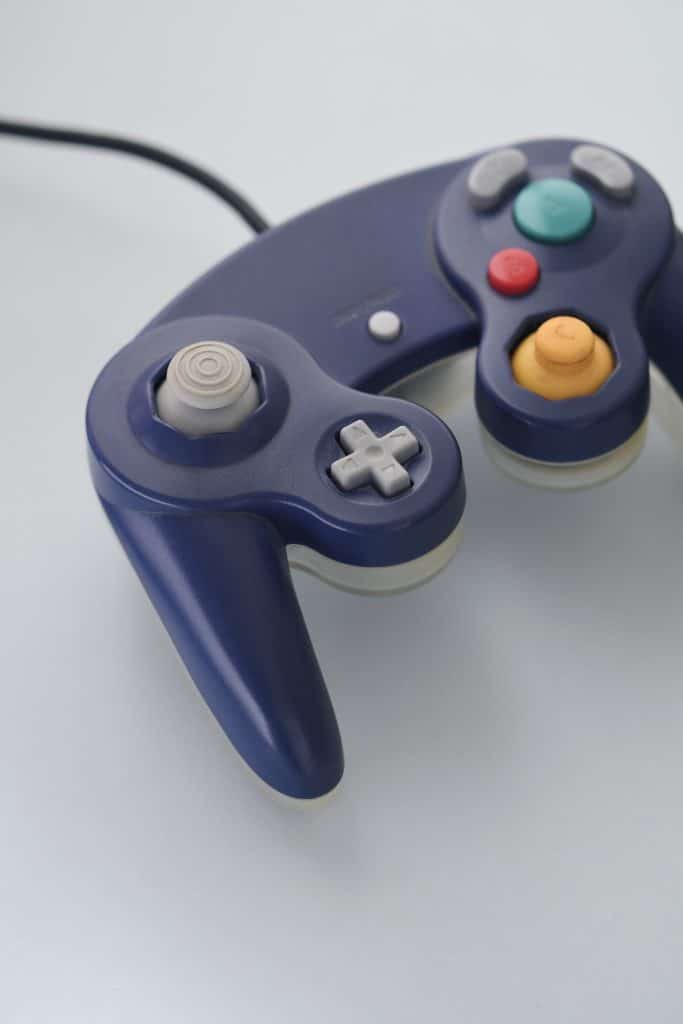
6. Video Games From the Rental Store
Renting a game for the weekend was how a lot of kids tested a title before begging for the full-price version. Now games are mostly bought, downloaded, or bundled into a subscription.
The try-before-you-buy instinct is still smart. Demos, library loans, and waiting for a sale all do what the weekend rental used to.
5. The Tape Player Itself
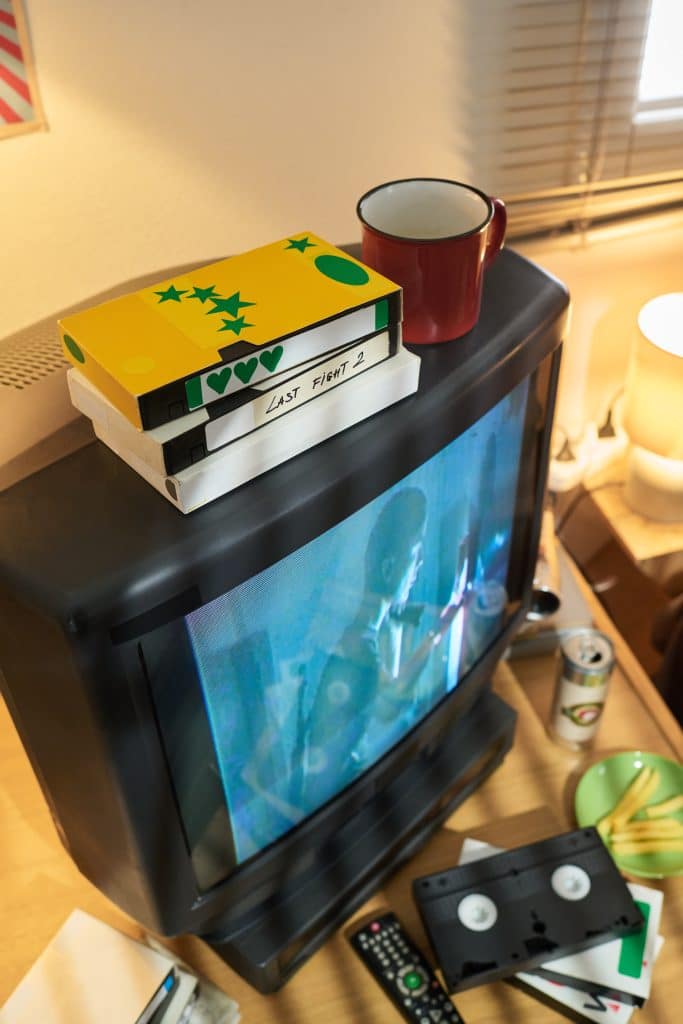
Before tape players got cheap, plenty of video stores rented out the player along with the movie. You’d carry it home in a padded case and hook it up like it was surgical equipment.
Prices fell fast, and within a few years owning the player was normal. It’s a good reminder that the first wave of any new gadget is usually the most expensive way to own it.
Waiting out the early-adopter price is still one of the easiest ways to save.
4. The Modem and Cable Box
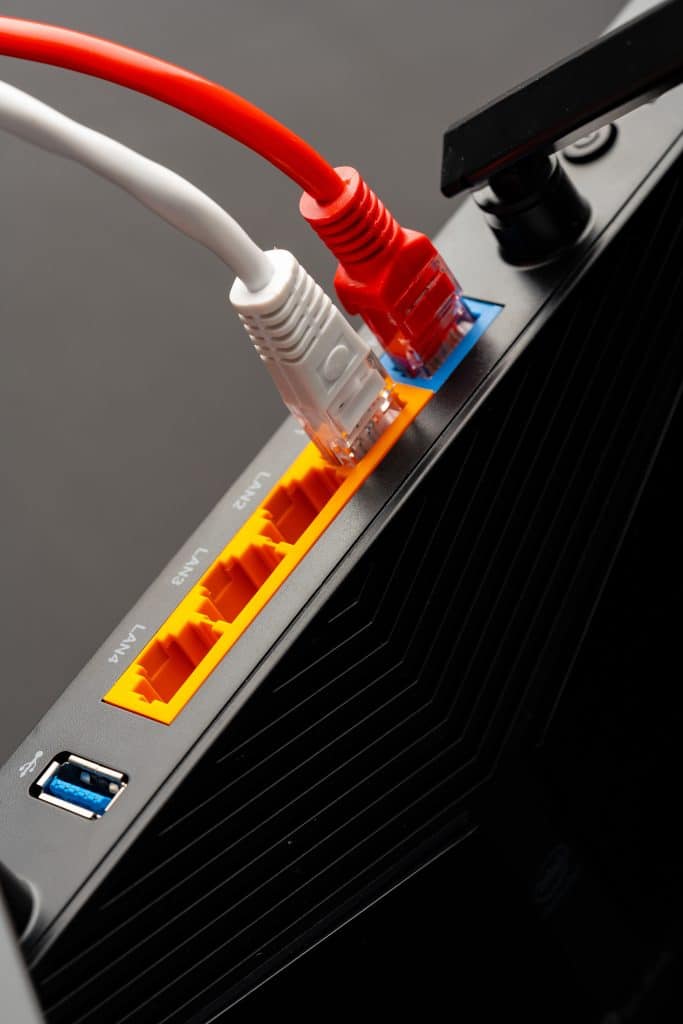
Here’s the rental that never really left. Plenty of households still pay a monthly equipment fee for an internet modem or cable box, often without noticing the line on the bill.
Over a few years, that fee can add up to more than owning compatible equipment outright, depending on the provider, which makes it one of the easier ways people are quietly cutting monthly bills. Check your provider’s approved device list first, since not every modem works with every service.
Where this lands: read the equipment line on your next statement. It’s often the easiest fee in the house to kill.

3. Rent-to-Own Furniture
Rent-to-own furniture stores were a fixture in a lot of neighborhoods, offering a couch for a small weekly payment. The catch was the total, which over the full term often ran well above the retail price.
Cheap flat-pack furniture and a flooded secondhand market mostly killed the need. A used couch from local listings usually costs less than a few months of those payments.
It’s still one of those small money leaks that quietly drain an account, just dressed up as a payment plan.
2. Rent-to-Own Television Sets
The TV was the flagship rent-to-own item for decades. Sets were expensive, and a weekly payment felt manageable even when the total didn’t add up.
Televisions are one of the few things that have gotten dramatically cheaper over the years. Buying outright, even a basic model, beats almost any weekly payment plan.
Before signing anything with weekly payments, run through the questions smart shoppers ask before buying. The total-cost question alone kills most of these deals.

1. The Telephone Itself
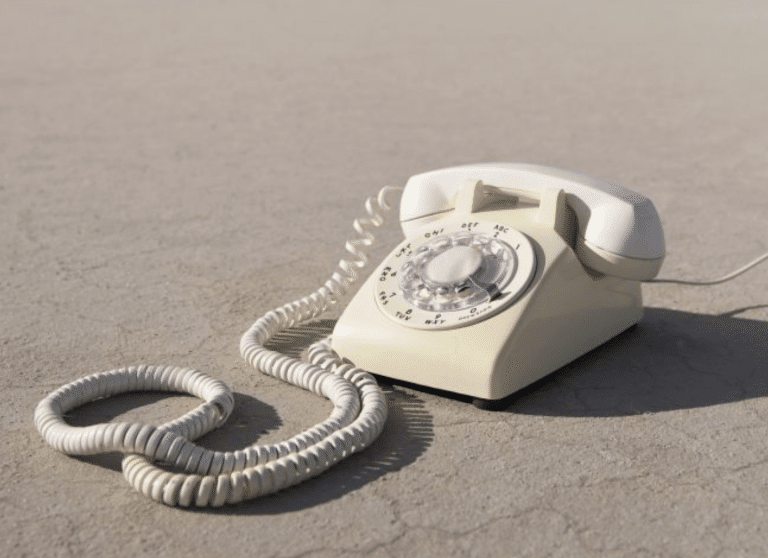
For decades, a lot of households didn’t own the phone hanging on the kitchen wall. They leased it from the phone company, and a small rental charge showed up on the bill every single month.
Those phones were built to last practically forever, so some families paid that charge for years, adding up to far more than the phone was ever worth. Owning your own handset only became common as the rules changed in the late 1970s and the old phone monopoly was broken up in the 1980s.
Some customers reportedly kept paying the lease long after that, simply because nobody told them to stop. The charge was small, it was automatic, and it never asked for attention.
That’s the real lesson of this whole list. The rent-versus-buy question usually isn’t about the object, it’s about whether anyone ever checks the recurring charge.
The modern version is probably sitting on one of your statements right now, in the form of an equipment fee, a forgotten plan, or anything billed monthly that you could own outright for less.
What’s Still Worth Renting
If you only do a few things from this list, make it these three. Check your internet bill for an equipment fee, rent anything you’d use once a year or less, and buy everyday gear used whenever you can.
None of this is a rule. Whether a purchase earns its keep in your house is a personal call this article doesn’t make.
For more of this kind of thinking, start with the things people stopped buying once they got smart with money.
And if you want the stricter version, here’s the list of purchases frugal people flat-out refuse.